Why mexico city ranks.
Mexico City sits in a high mountain basin at more than 2,200 meters, ringed by volcanoes and built over the drained lakebed the Aztecs once ruled from Tenochtitlan. The altitude sets the terms of a visit. The light comes in clear and flat, the air is thin enough to slow your first day, and spring afternoons turn hot before a fast evening cool. It is one of the largest cities on earth, yet it is lived at street level, on tree-shaded blocks where jacarandas flare violet in March and taco stands fire their comals at dusk.
The neighborhoods carry the story. Roma and Condesa, laid out in the early 1900s, hold the city's densest run of Art Nouveau and Art Deco houses, now full of mezcal bars, independent bookshops, and some of the finest restaurants in the hemisphere. Polanco is the buttoned-up west side, wide avenues and designer flagships, with Pujol and Quintonil trading places near the top of the world's-best lists. Centro Histórico stacks an Aztec temple, a baroque cathedral, and Diego Rivera's murals within a few blocks. Coyoacán keeps its cobblestones and Frida Kahlo's blue house. The eating runs from a market quesadilla off the comal to a fifteen-course tasting menu, and both earn the trip.
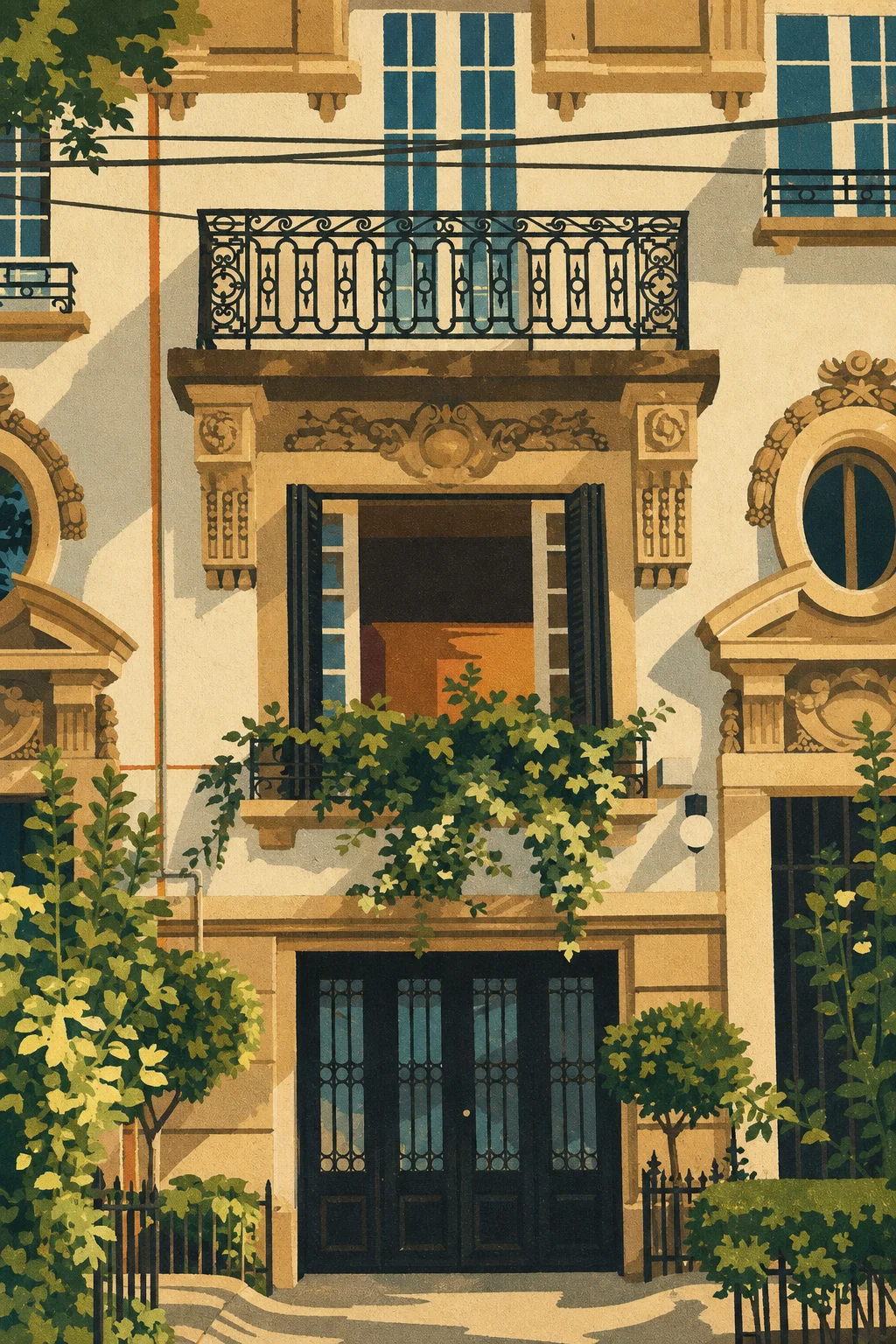
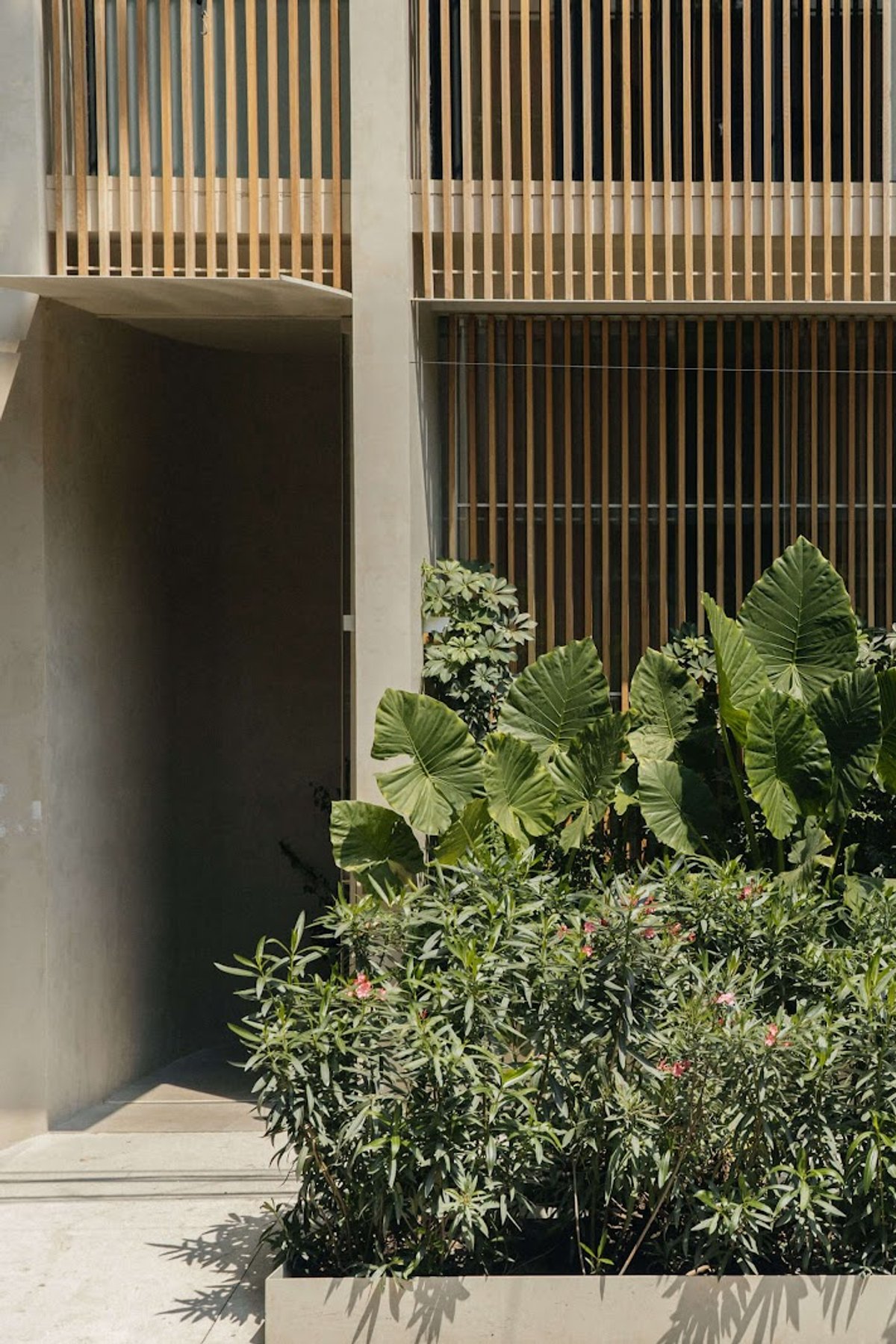
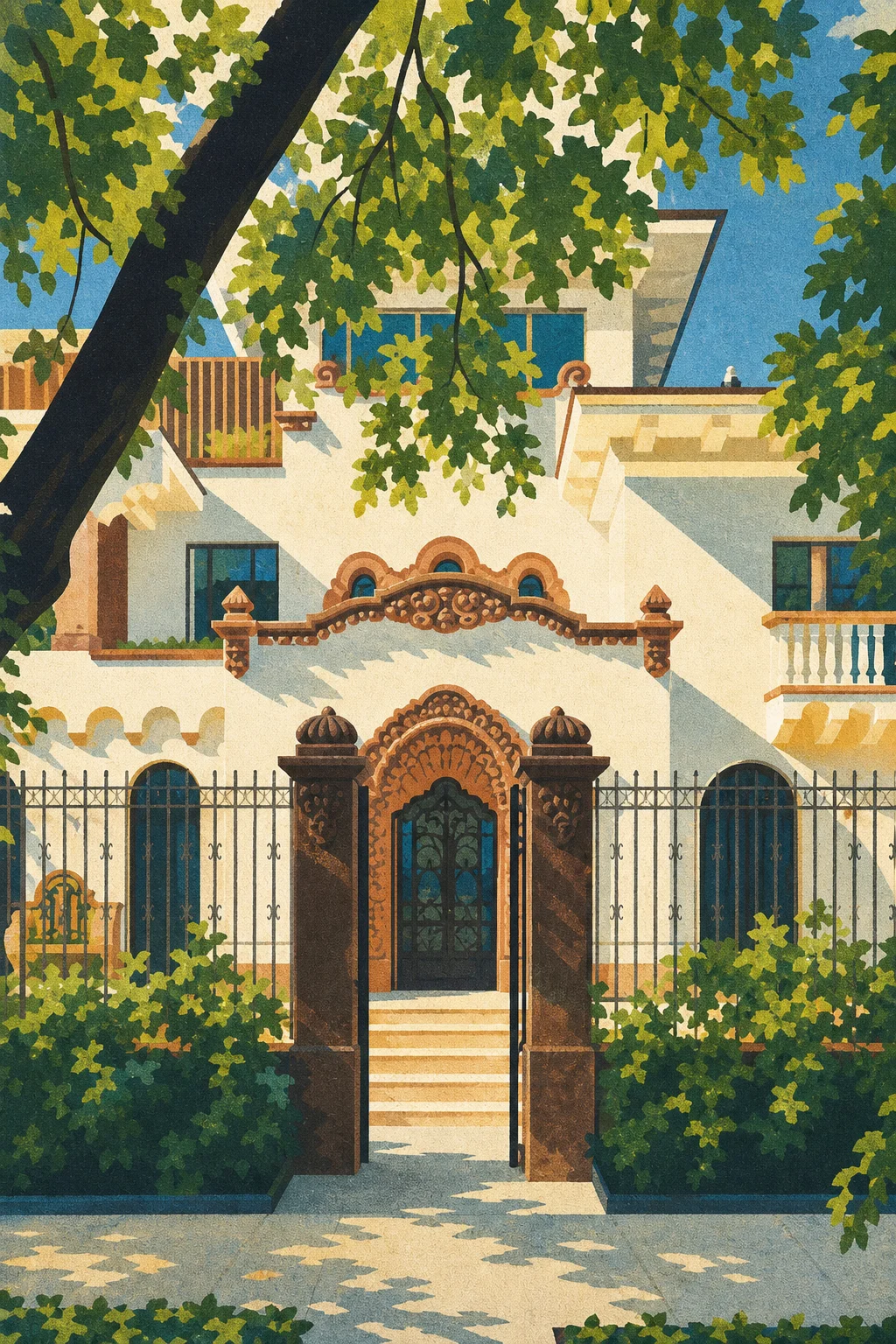
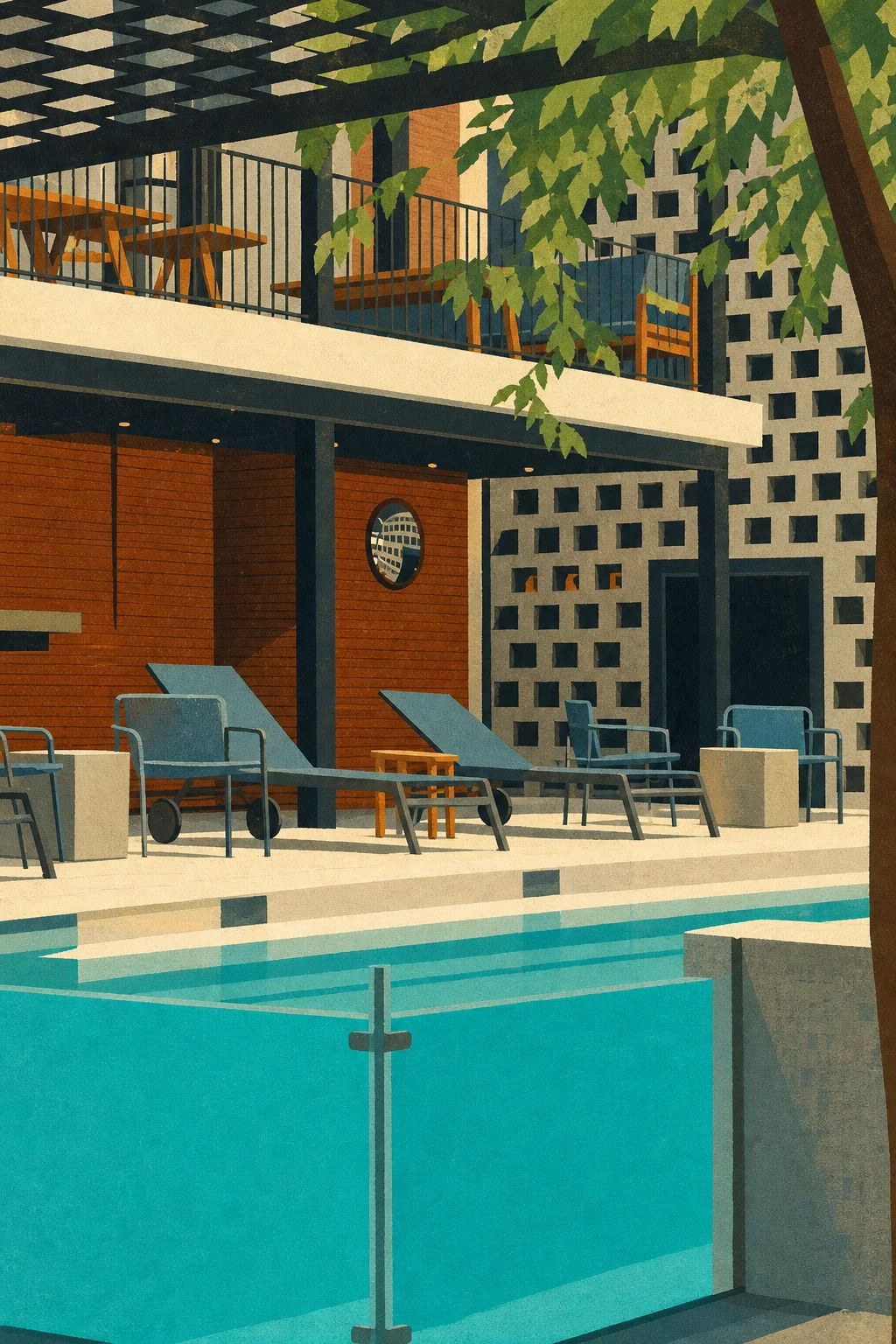
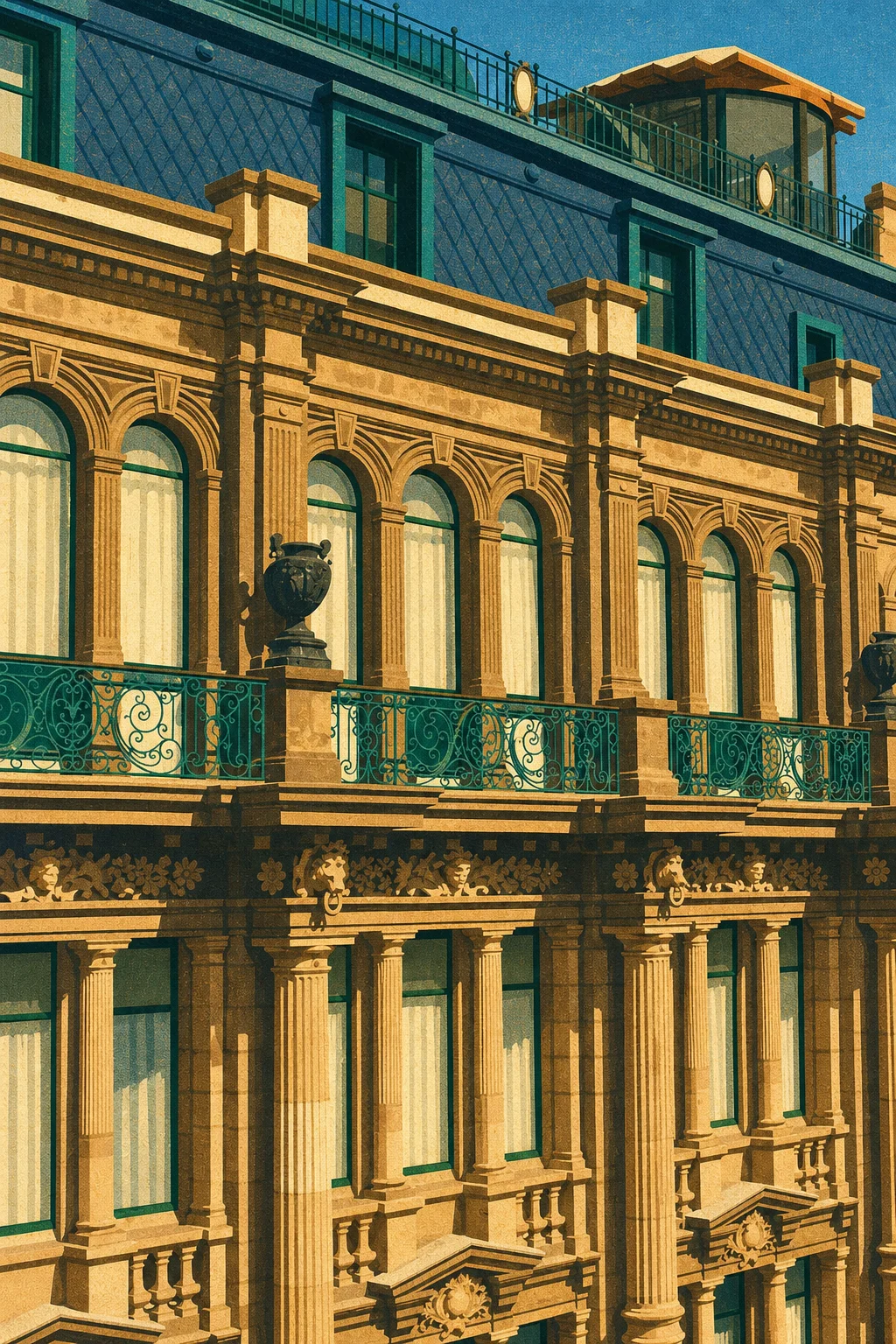
The design-hotel scene grew out of that fabric, and it shows in the buildings. Almost every notable stay here is a conversion, a Porfirian mansion or a mid-century block reworked room by room rather than built new. That is the signature. Ignacia Guest House restored a 1913 house in Roma Norte around its original courtyard and kept the count intimate at nine rooms. Hotel Carlota set a courtyard and a lap pool inside a former 1960s hotel on the Cuauhtémoc side, and its restaurant became a reason to visit on its own. Casa Polanco reworked a 1940s mansion facing Lincoln Park into the most formal version of the type, twenty rooms of it. Ryo Kan brought a Japanese ryokan sensibility, cedar and stone and a rooftop soaking bath, to a narrow lot near Reforma. And Nima Local House keeps to four rooms and a chef's table, the kind of place that travels by word of mouth.
That smallness is the whole reason booking is hard. Demand from remote workers, design travelers, and the food-pilgrimage crowd has climbed steeply since 2021, and it lands on houses measured in single or low double digits of rooms. Casa Polanco and Nima Local House both sit in the Very High tier, the strongest in the city, and the Roma cluster carries the deepest bench of high scores overall. A design-forward stay in Roma or Polanco during a peak week can fill three months ahead, because when a whole property has fewer rooms than one floor of a chain hotel, there is no spare wing to absorb the overflow.
The booking channel is not the obstacle here, which is worth saying plainly. None of the Mexico City houses in our tracked set are direct-only; most sit on the standard reservation channels a traveler already uses. What makes the good rooms scarce is the arithmetic of the buildings and the calendar they compete on, not a hidden wall. The upside is that the market rewards planning rather than insider access: know which weeks matter, book early, and the city opens up.
And there is a lot of city to open up. Beyond the design core, Centro Histórico rewards travelers who want to wake up among monuments, Santa María la Ribera is drawing a slow wave of restoration, and the southern villages of Coyoacán and San Ángel trade nightlife for cobblestones and gardens. What connects them is a rare thing for a capital this size: it is genuinely walkable in pieces, cheap by the standards of any comparable food city, and open every month of the year. The volcano light is free, the tacos are two dollars, and the room, if it is one of the good ones, is the part you have to plan for.
The districts, mapped.
Mexico City's areas fall into a few natural clusters, and where you sleep shapes the whole trip. The design core is Roma and Condesa, the walkable early-1900s heart where the mezcal bars, bookshops, and restaurants gather and where our tracked roster runs deepest; Roma alone holds seven of the properties we follow, with the strongest average scores in the city. The polished west is Polanco and the Cuauhtémoc-Reforma corridor, grand avenues along Chapultepec Park, home to the formal mansion hotels like Casa Polanco and the design stays near Reforma such as Ryo Kan and Hotel Carlota. The historic spine runs through Centro Histórico, with its monuments and murals, out to the quieter restoration neighborhoods of Santa María la Ribera and San Rafael and the nightlife of Juárez and Zona Rosa. The southern villages, Coyoacán and San Ángel plus leafy San Miguel Chapultepec, trade urban energy for cobblestones, gardens, and the museums that draw day-trippers south. Each cluster answers a different trip. Roma and Condesa suit first-timers and food travelers who want everything on foot; Polanco suits those who want polish and the park; the center suits history-first visitors; and the south suits repeat travelers who already know the core. The sub-region pages go deep on each.
What's moving.
The center of gravity in Mexico City's design-hotel scene keeps shifting toward Roma. It carries seven of the properties we track, more than any other area, and the highest average score among them, and the new openings keep landing there too: El Cortés, a fifteen-key restoration of an Art Nouveau mansion in Roma Norte, is among the most anticipated 2026 arrivals. The neighborhood's pull is self-reinforcing, since the restaurants and bars that draw visitors sit on the same blocks as the hotels.
Polanco is the other rising story, and it is moving upmarket. The Park Hyatt Mexico City is due to open in summer 2026 on Campos Elíseos, 155 rooms designed by Sordo Madaleno with views over Chapultepec Park, a scale and a brand the neighborhood has not had before. Alongside the mansion conversions like Casa Polanco, which sits in the Very High tier, it signals Polanco consolidating as the city's luxury address while Roma owns the design-boutique end.
The tier picture shows where the tension is. Only two properties in our tracked set reach the Very High tier, Nima Local House and Casa Polanco, with no Ultra-tier stays at all; the bulk of the roster sits in the Moderate band, seventeen of thirty-three. The genuinely hard-to-book rooms are concentrated in a thin top layer across Roma and Polanco, and everything below competes on value.
Condesa is the quiet counter-narrative. Its reputation runs ahead of its scores; the tracked Condesa properties average below Roma and Polanco, which makes it the place to look when the marquee neighborhoods are full and prices there have climbed. And one signal holds across the whole city: none of the thirty-three properties we track book direct-only. Unlike destinations where the best rooms hide off the standard channels, Mexico City's scarcity is about room counts and calendar, not access, which rewards travelers who simply plan earlier.
The practical year.
Mexico City runs on a two-peak calendar, and understanding why the curve looks the way it does is worth more than any temperature chart. The first peak is spring, roughly March into April, the dry-season stretch when the jacarandas turn the city violet and the skies stay clear. The second is late October into November, when Day of the Dead brings the single biggest travel surge of the year. Those are the weeks the city sells to the world, and they are the weeks the small design houses fill first.
For those peaks, plan far ahead. The Roma and Polanco properties that matter, the handful in the upper tiers, can close out three months before Day of the Dead and the jacaranda weeks, and there is no overflow wing when a hotel has nine or twenty rooms. If your trip is fixed to those dates, book the room before the flights.
The genuinely undervalued window is the summer rainy season, June through August. The rain scares people off, but it arrives as short, predictable afternoon storms that clear by evening, leaving bright mornings for everything you actually came to do. Demand drops to its yearly low, the same rooms that vanish in October sit open, and rates soften across the board. Shoulder travelers who do not need the jacarandas get the best value of the year here.
The rest of the calendar fills in around the peaks. February, May, September, and December run warm with demand: September carries Independence Day on the 16th and its plaza celebrations, and December brings the Guadalupe pilgrimage and Christmas, both of which tighten the center in particular. January sits quiet after the holidays, another soft, workable window.
The one thing Mexico City never does is close. There is no dead season, no shuttered-hotel month; the city works year-round, so the only real decision is how much company you want and how early you are willing to commit. Book the peaks early, take the summer if you can be flexible.
Who books here.
Pick Mexico City if you travel to eat, to look at buildings, and to be inside a working city rather than beside a pool. Few places on the planet pack this much into walking distance: pre-Hispanic ruins, restaurants that place near the top of the world's lists, two-dollar tacos, Diego Rivera murals, and blocks of Art Deco housing, all reachable on foot within a neighborhood and cheap by the standards of any comparable food capital. It rewards repeat visits, and it runs every month of the year, so you are never fighting a closed season.
It also asks a few things of you. The altitude is real; give the first day to adjusting and go easy on the mezcal until you have. This is a metropolis of millions, which means traffic, occasional bad-air days, and a scale that never fully resolves into a single postcard. And the design stays that make the city special are small, so the good rooms take planning rather than a last-minute booking.
Skip it if you want a beach, a resort, or a place to switch off in nature; the coast and the Riviera Maya do that far better, and Mexico City is the opposite of an unplugged retreat. Skip it too if you want a compact town you can see in a weekend, because this one takes time and gives it back slowly.
Choose it if your idea of a great trip is a morning in a museum, an afternoon walk under jacarandas, and a dinner you booked before you booked the flight. On that trip, little else Unbookable covers competes.