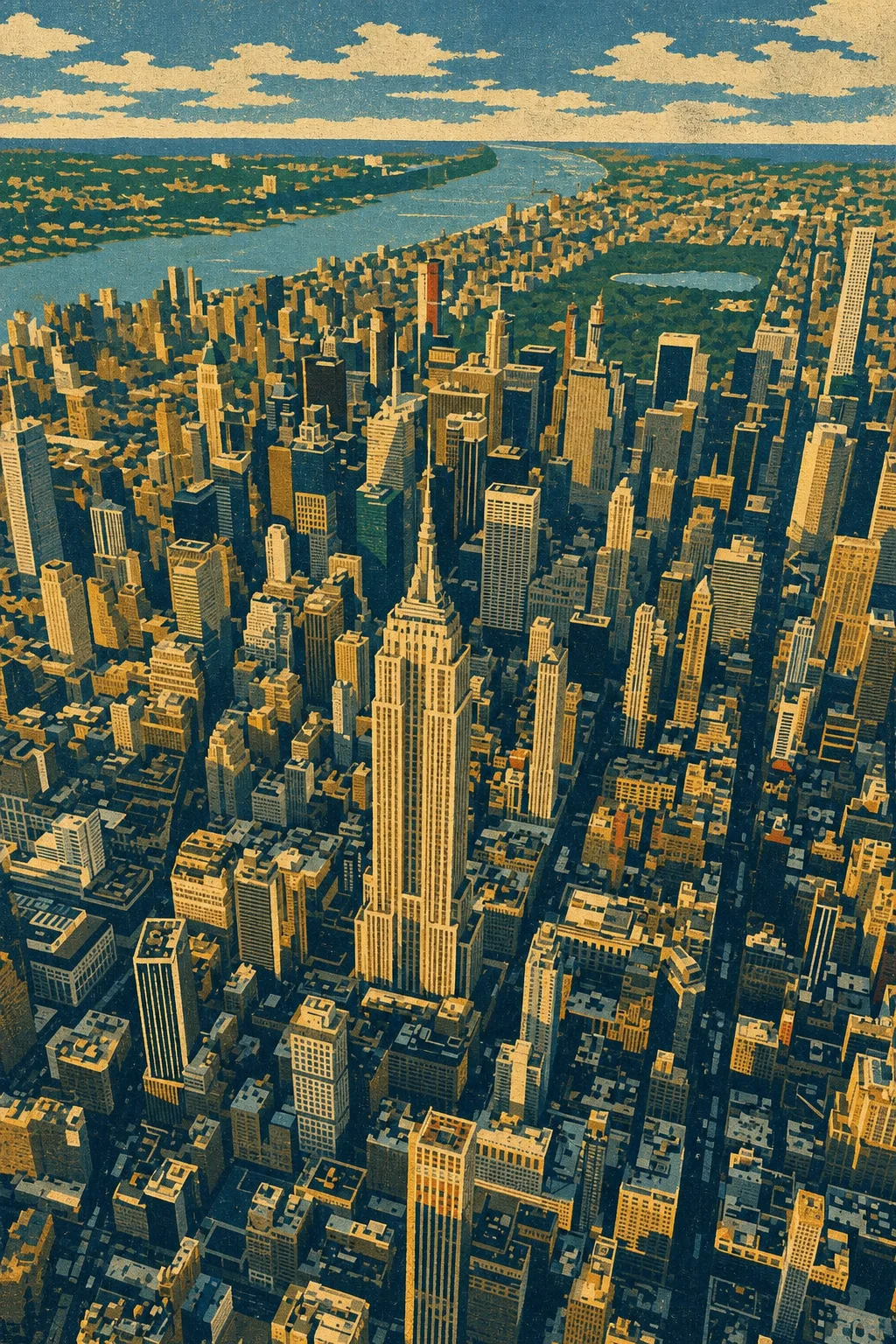
Why new york city ranks.
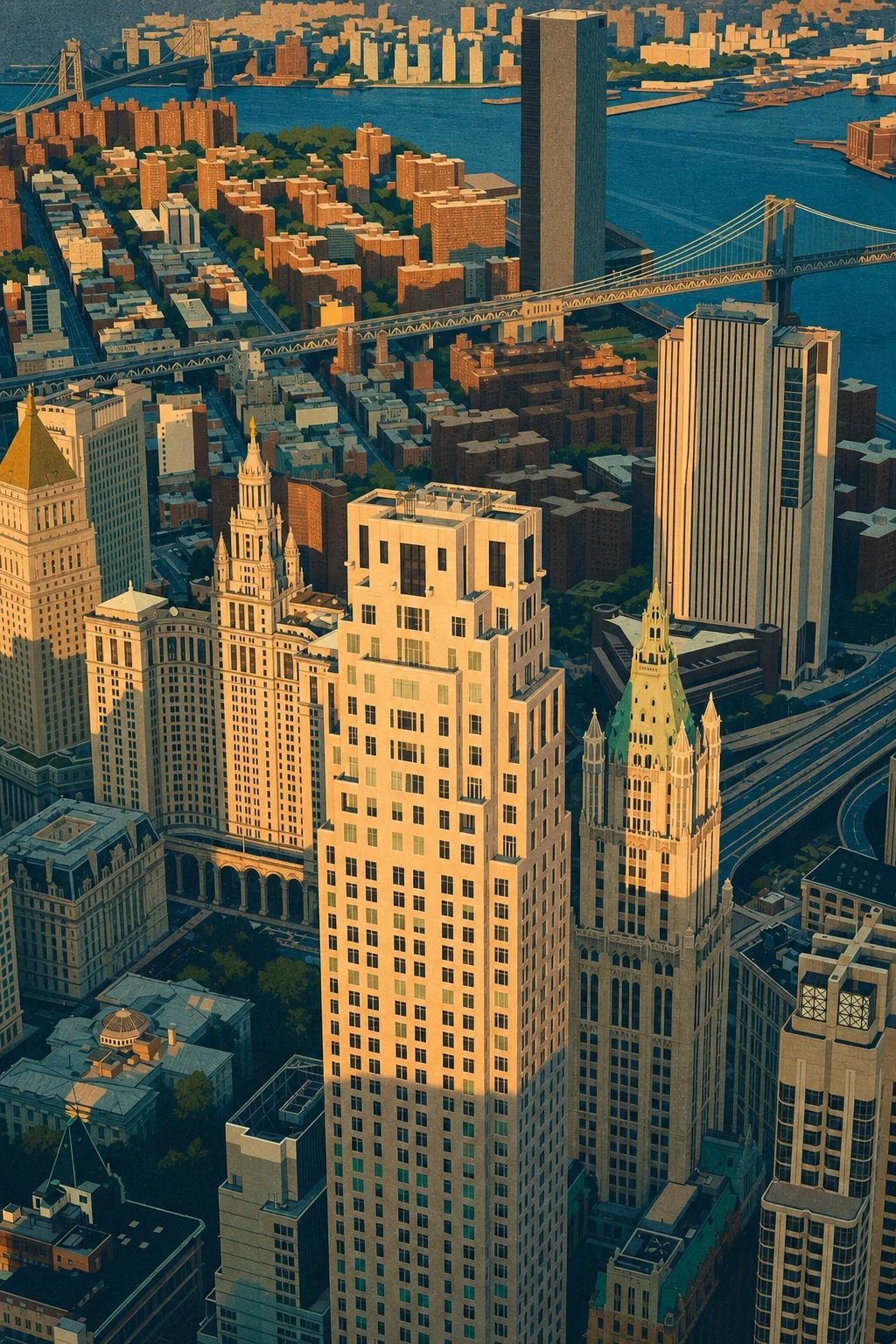
New York City does not ease you in. You step out of Penn Station or off the JFK express and the scale hits immediately: eight million people stacked onto a narrow island and its outer boroughs, moving fast, eating well, arguing loudly about where to eat next. This is a city where a Michelin-starred tasting menu and the best $1.50 slice can exist on the same block, where a jazz trio plays a Harlem basement on the same night a gallery in Chelsea unveils a show that will land on every art-world shortlist by morning.
The density is the point. Manhattan alone packs more than forty neighborhoods into thirteen miles, and each one operates with its own rhythm. SoHo still runs on cast-iron architecture and fashion-forward retail, its loft buildings now converted into some of the city's most design-driven hotels. The West Village keeps its Federal-style townhouses and cobblestone stretches intact, a neighborhood that feels residential even as destination restaurants fill every other storefront. Tribeca is quieter, wealthier, family-oriented, its wide streets lined with former industrial warehouses that now hold screening rooms and private dining clubs. Cross the East River and Brooklyn delivers its own constellation of scenes: Williamsburg for music and rooftop pools, DUMBO for waterfront views of the Manhattan skyline, Boerum Hill for gallery-hopping and long coffee mornings.
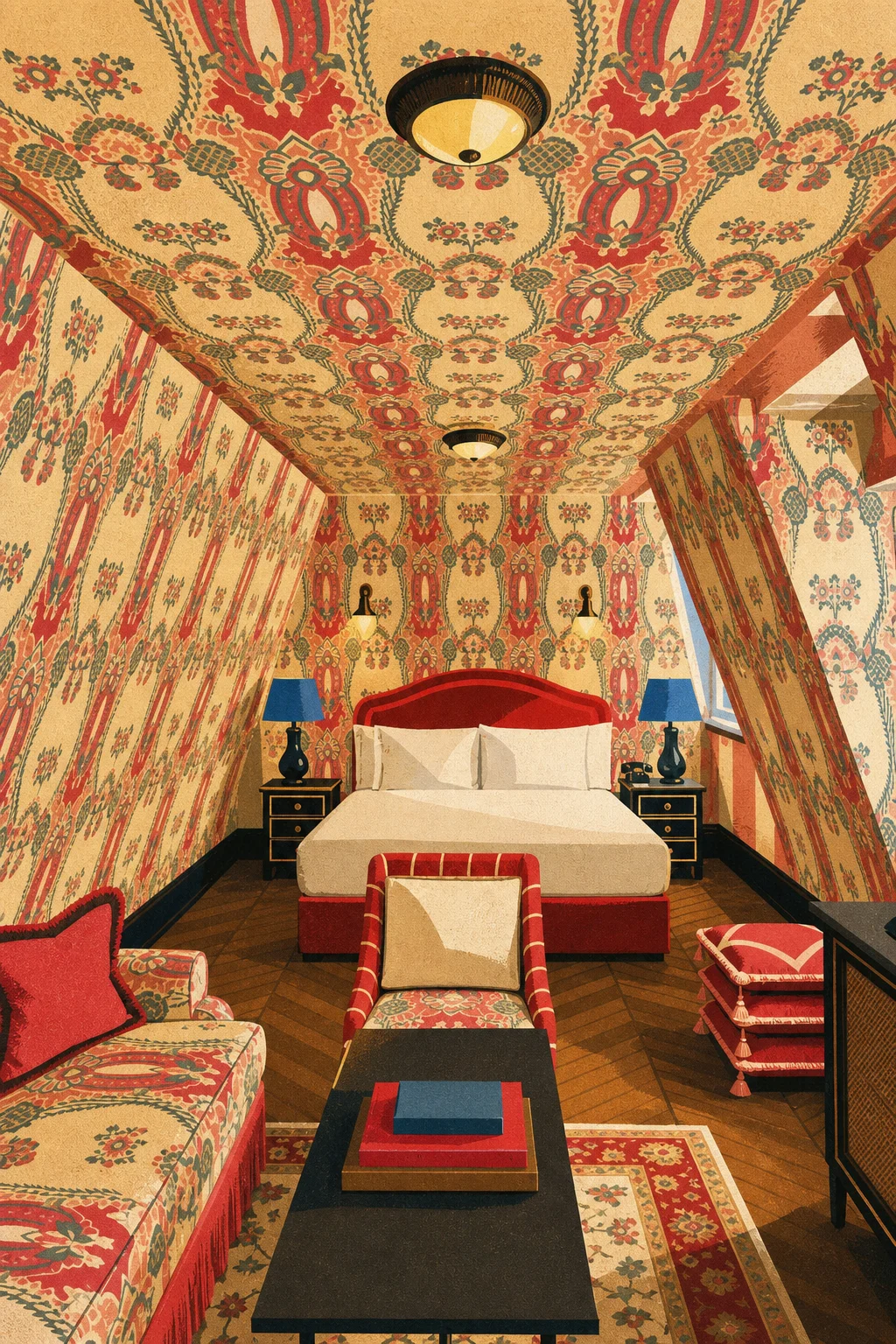
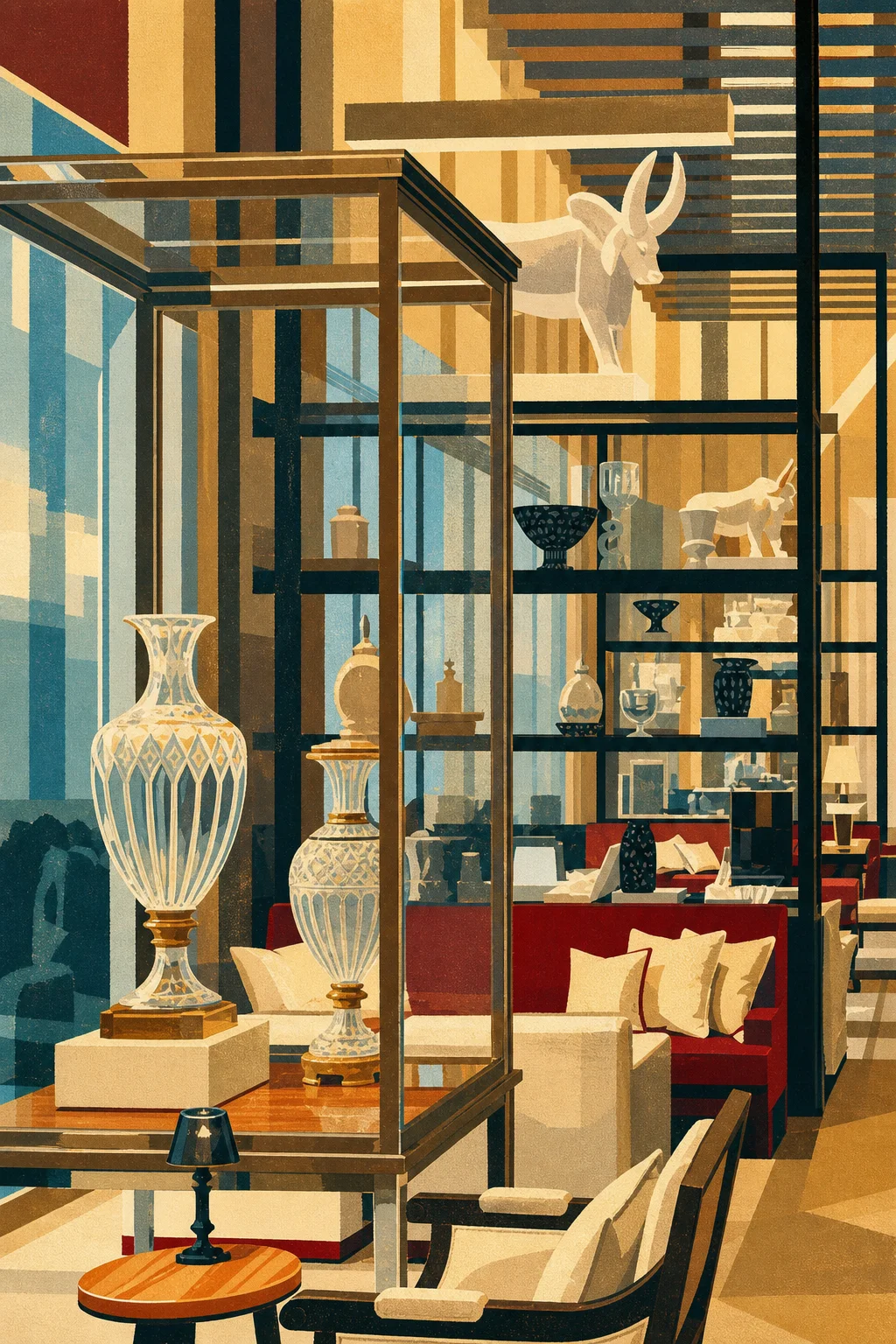
The hotel market here traces a specific lineage. Ian Schrager invented the boutique hotel concept in Manhattan in the late 1970s with Studio 54, then codified it at Morgans Hotel in 1984. Andre Balazs pushed the model downtown with The Mercer in SoHo and The Standard on the High Line. That legacy means NYC's hotel stock skews toward character-driven independents and small-group operators rather than palace-scale resorts. The Bowery Hotel, with 135 rooms on the border of NoHo and the East Village, exemplifies the approach: dark wood, working fireplaces, a lobby that functions as a genuine neighborhood living room. Baccarat Hotel in Midtown takes a different angle, running 114 rooms with Harcourt crystal fixtures and a 50-foot indoor pool, and it scores the highest Room Demand Score of any property in the city. The Twenty Two in Chelsea and Flatiron operates as a members' club with hotel rooms, bookable only through the property directly. Up the Hudson Valley, Wildflower Farms by Auberge offers 65 rooms on 340 acres of working farmland, an hour and a half north of the city but increasingly treated as a NYC extension rather than a standalone rural escape.
One thing NYC does not have: a single Ultra-tier property on Unbookable. This is not a gap in coverage. It reflects how the city's hotel market actually works. New York's top properties compete on design, location, and cultural access rather than compound-scale exclusivity. The 88 properties on the platform spread across ten distinct areas, and the tier distribution tells the story: 12 Very High, 49 High, 27 Moderate, zero Ultra, zero Accessible. The median property here is a well-designed, neighborhood-rooted hotel with 80 to 150 rooms, not a 400-room convention property and not a six-villa private island.
The market continues to expand. NYC led the country in new hotel room openings in 2025 with over 5,700 rooms, and projections for 2026 add nearly 4,900 more. Recent arrivals like The Manner in SoHo and Hotel Park Eve in NoMad reinforce the pattern: smaller footprint, strong design point of view, ground-floor restaurants that pull locals and guests alike. Brooklyn's pipeline is growing too, with new properties in the Cultural District and Williamsburg competing seriously with Manhattan for the first time.
For the traveler who wants theater, museums, restaurants, street life, and retail within walking distance of wherever they sleep, no city on earth matches the concentration. You will not relax here in the resort sense. You will be overstimulated, well-fed, and probably undertipped on your first attempt. That is the deal.
The districts, mapped.
Unbookable covers NYC across ten areas, and the simplest way to read them is in four bands. Downtown holds the highest hotel density: SoHo, NoHo, and Nolita (20 properties) anchor the cast-iron shopping-and-gallery corridor; Tribeca and the Financial District (11 properties) run quieter with wider streets and waterfront access; Greenwich Village, West Village, and Meatpacking (6 properties) deliver townhouse scale and cobblestone blocks; and the Lower East Side with Chinatown (4 properties) brings the grittier, bar-and-restaurant-forward energy. The Midtown belt covers three zones: Chelsea and Flatiron (8 properties) sit between the gallery district and Madison Square Park, NoMad and Gramercy (4 properties) cluster around boutique-scaled conversions, and Midtown proper (8 properties) holds the legacy hotels and the city's highest-scoring properties by Room Demand Score. Uptown groups the Upper East Side, Upper West Side, and Central Park into a single zone (5 properties) that trades nightlife for museum proximity and park access. Finally, Brooklyn (9 properties) and Outer Boroughs and Hudson Valley (13 properties) represent the fastest-growing segments, pulling travelers who want either the Brooklyn creative scene or a rural counterpoint within day-trip range of Manhattan.
What's moving.
NYC's hotel market is adding supply and shifting geography at the same time. The city projected over 5,700 new hotel rooms in 2025 and nearly 4,900 more in 2026, leading the country both years. But the interesting signal is where that growth concentrates. Brooklyn now holds 9 properties on Unbookable with an average Room Demand Score that sits above several Manhattan zones. Williamsburg and DUMBO are no longer overflow choices; properties like Arlo Williamsburg and Ace Brooklyn compete directly with downtown Manhattan on design and dining access.
The Outer Boroughs and Hudson Valley cluster (13 properties) is the platform's largest single area and its most unusual. Wildflower Farms by Auberge and similar properties function as decompression valves for NYC travelers, bookable as part of a split-itinerary trip rather than a separate destination. This zone carries two of the city's direct-only properties, reinforcing a pattern where higher-character hotels opt out of third-party distribution entirely.
Direct-only booking density across NYC sits at 18 out of 88 properties, roughly 20%. That ratio is meaningful: one in five hotels here has decided that controlling the guest relationship matters more than OTA volume. The Twenty Two in Chelsea is the clearest example, operating as a members' club hotel with no third-party availability.
New openings continue to favor the boutique model. The Manner landed in SoHo in late 2024 with 97 rooms and an interiors program by Milanese designer Hannes Peer. Hotel Park Eve opened in NoMad through LORE Group the same season. Neither exceeds 120 rooms. The trend line is clear: NYC rewards properties that build a distinct identity at small scale rather than competing on room count.
One area to watch is the tier distribution. With zero Ultra-tier properties and zero Accessible, NYC's market clusters tightly in the High (49) and Moderate (27) bands. That middle density creates real competition among properties and keeps pricing pressure visible, particularly in downtown Manhattan where 20 properties share the SoHo/NoHo/Nolita zone alone.
The practical year.
September is the single hardest month to book in New York City, and nothing else comes close. Fashion Week and the United Nations General Assembly collide in the same two-week window, pulling designers, buyers, diplomats, journalists, and their combined entourages into a city already running near capacity. Rates during UNGA week routinely blow past the rest of the year by wide margins.
**October runs a close second, and for entirely different reasons.** Hudson Valley foliage trips drain weekend supply, while NY Comic Con and a dense events calendar keep midweek pressure high. If September is out of reach, expect October to feel almost identical at the top of the market.
**The holiday corridor from November through December is the other sustained peak.** NYC Marathon weekend in early November compresses supply across all five boroughs before Thanksgiving arrives with the Macy's parade and family travel. December then stacks Rockefeller Center, holiday markets, Broadway's busiest stretch, and New Year's Eve on top of one another.
> Booking lead times for November and December should extend to 60 to 90 days minimum at High and Very High tier properties.
**May and June bring sharp, event-driven spikes rather than a broad surge.** Met Gala week in early May and Frieze New York concentrate pressure in Midtown and downtown Manhattan respectively. June adds NYC Pride, the Tribeca Festival, and the Tony Awards, keeping demand high but with more day-to-day variability than the fall corridor.
**The value window runs January through February.** NYC Restaurant Week in January and February's Fashion Week supply the cultural programming, but overall demand hits its yearly floor, with rates falling 40 to 50 percent below peak and normally rigid properties running promotions during NYC Hotel Week. August is the other soft spot: residents flee for the summer, and while the US Open opens late in the month, the first three weeks sit well below their neighbors.
**The practical read: chase the shoulders.** Target late April, early May before the Met Gala, or the first two weeks of September before UNGA arrives, and you'll get peak-season energy with meaningfully better availability. July is warm and less programmed but also cheaper, a fair trade if theater and outdoor dining are the priority.
Who books here.
NYC is the right destination for travelers who want to eat seriously, see art constantly, and walk until their feet object. The restaurant density is unmatched globally: not just fine dining, but regional Chinese in Flushing, Dominican in Washington Heights, Neapolitan pizza in the West Village, and omakase counters on otherwise unmarked blocks in the East Village. If food drives your travel, this is the city.
It is also the strongest choice for anyone whose trip revolves around culture. The Met, MoMA, the Whitney, the Guggenheim, and the New Museum all operate within a single transit ride of each other. Broadway runs eight shows a week per production. Chelsea alone has more than 200 commercial galleries. The city rewards people who make a plan and people who abandon the plan equally well.
NYC works for solo travelers, particularly those who are comfortable navigating dense urban environments and eating alone at bars. It works for couples who want a design hotel and a reservation-driven weekend. It works for groups that want nightlife and rooftop bars in Brooklyn or the Lower East Side.
Skip NYC if the goal is relaxation, spa time, or beach access. There is no resort rhythm here. Skip it if noise, crowds, and constant stimulation are negatives rather than features. Skip it in August if heat sensitivity is real, and skip NYE if spending four times the normal rate for a hotel room feels wrong on principle. The Hudson Valley properties on the platform offer a partial answer to the relaxation gap, but they are a 90-minute drive north, not a walk from your Manhattan hotel.
The honest summary: NYC is a city that gives back exactly the energy you bring to it, and it has very little patience for passivity.