Why seoul ranks.
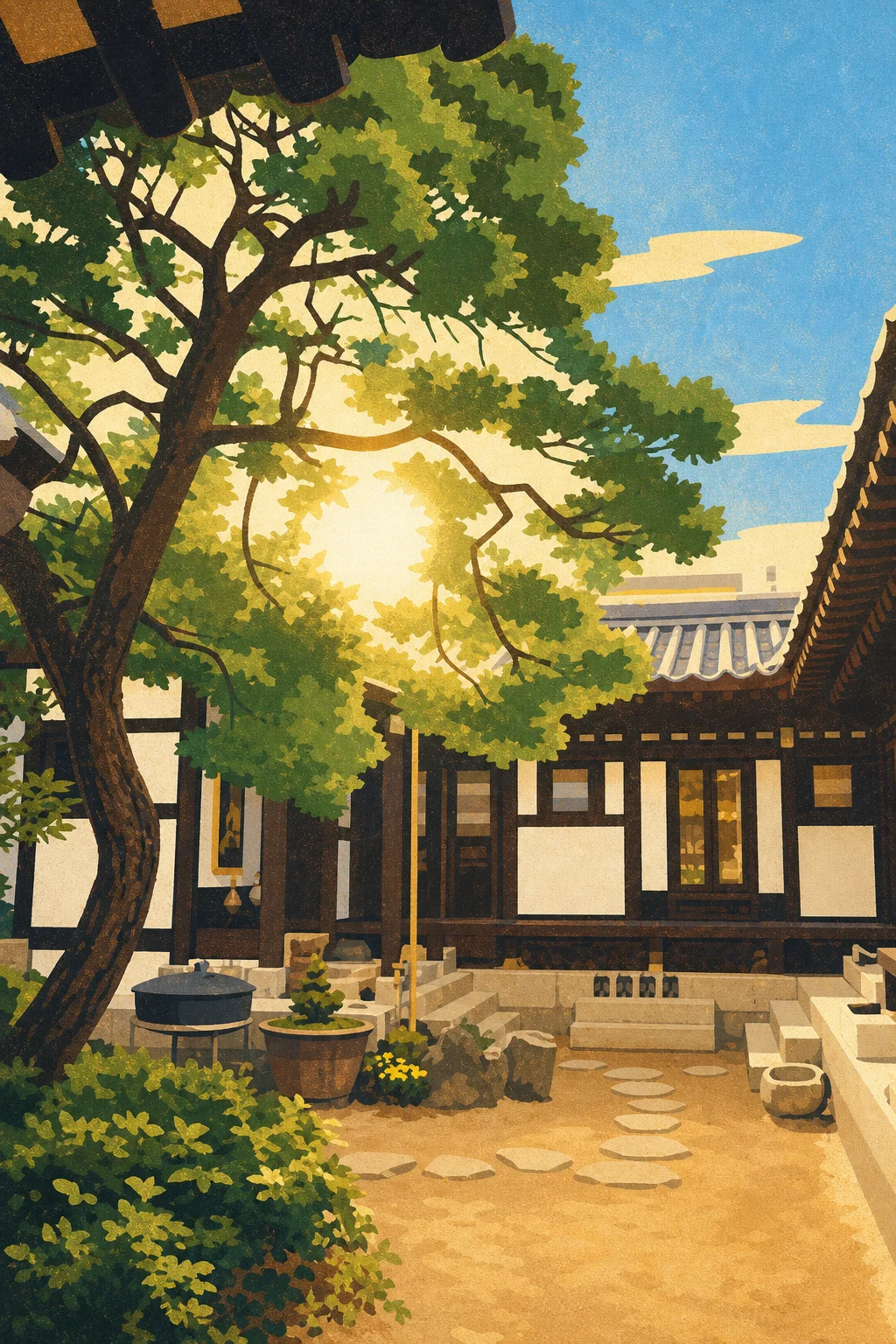
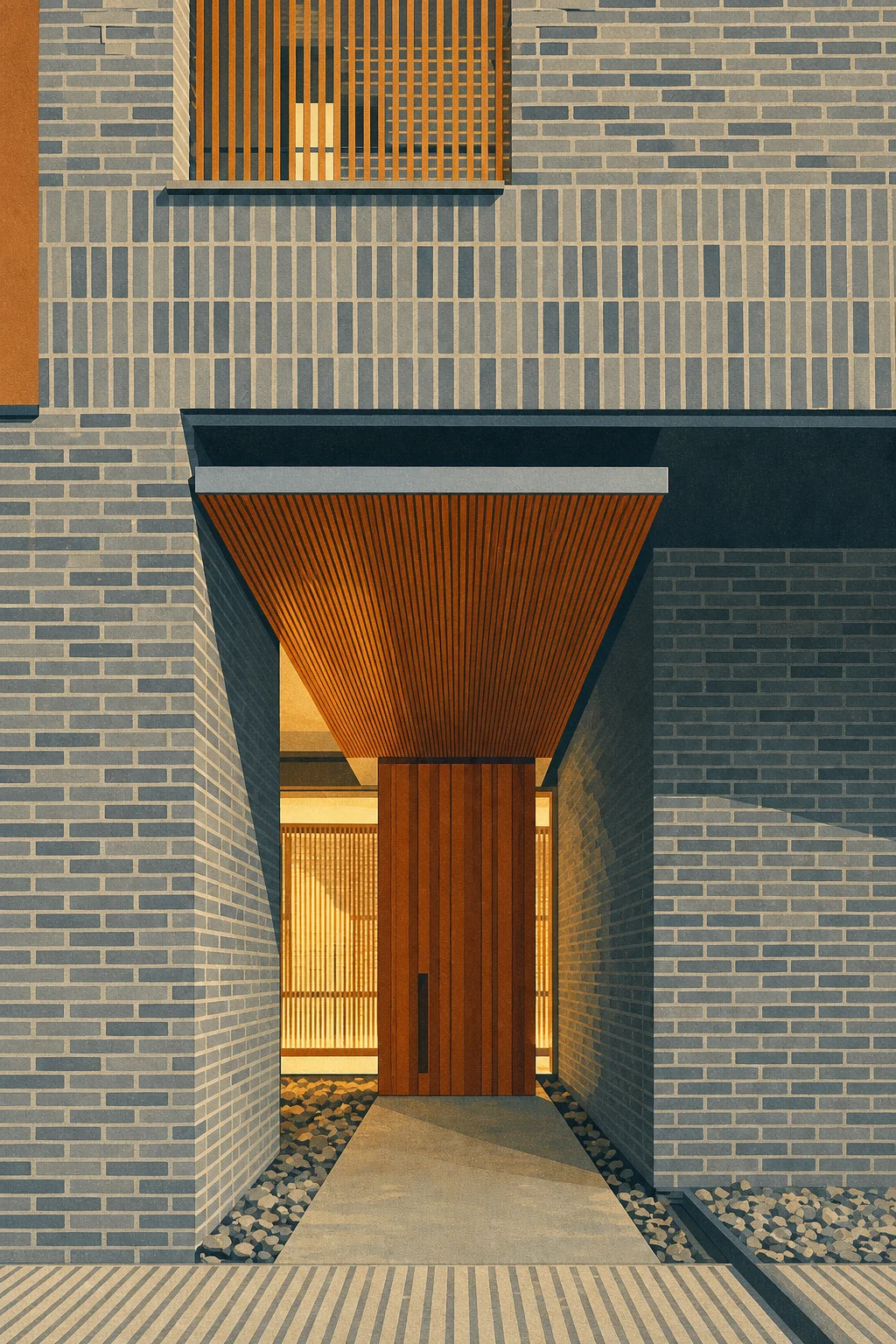
Seoul spreads across a valley split by the Han River, a fast, wide band of water that separates the old capital in the north from the newer money in the south. On the northern bank, granite mountains press right up against the city; Bukhansan's peaks are visible from downtown crosswalks, and the Joseon-era palaces, Gyeongbokgung and Changdeokgung, sit on their original axes with the mountains as a backdrop. Walk ten minutes from a palace gate and the streets narrow into the hanok lanes of Bukchon and Seochon, where tiled roofs curve up at the corners and courtyards open behind wooden doors. Cross the river to Gangnam and the register changes entirely: glass towers, plastic-surgery clinics stacked twenty floors high, designer flagships along Apgujeong Rodeo, and the entertainment agencies that export K-pop to the world.
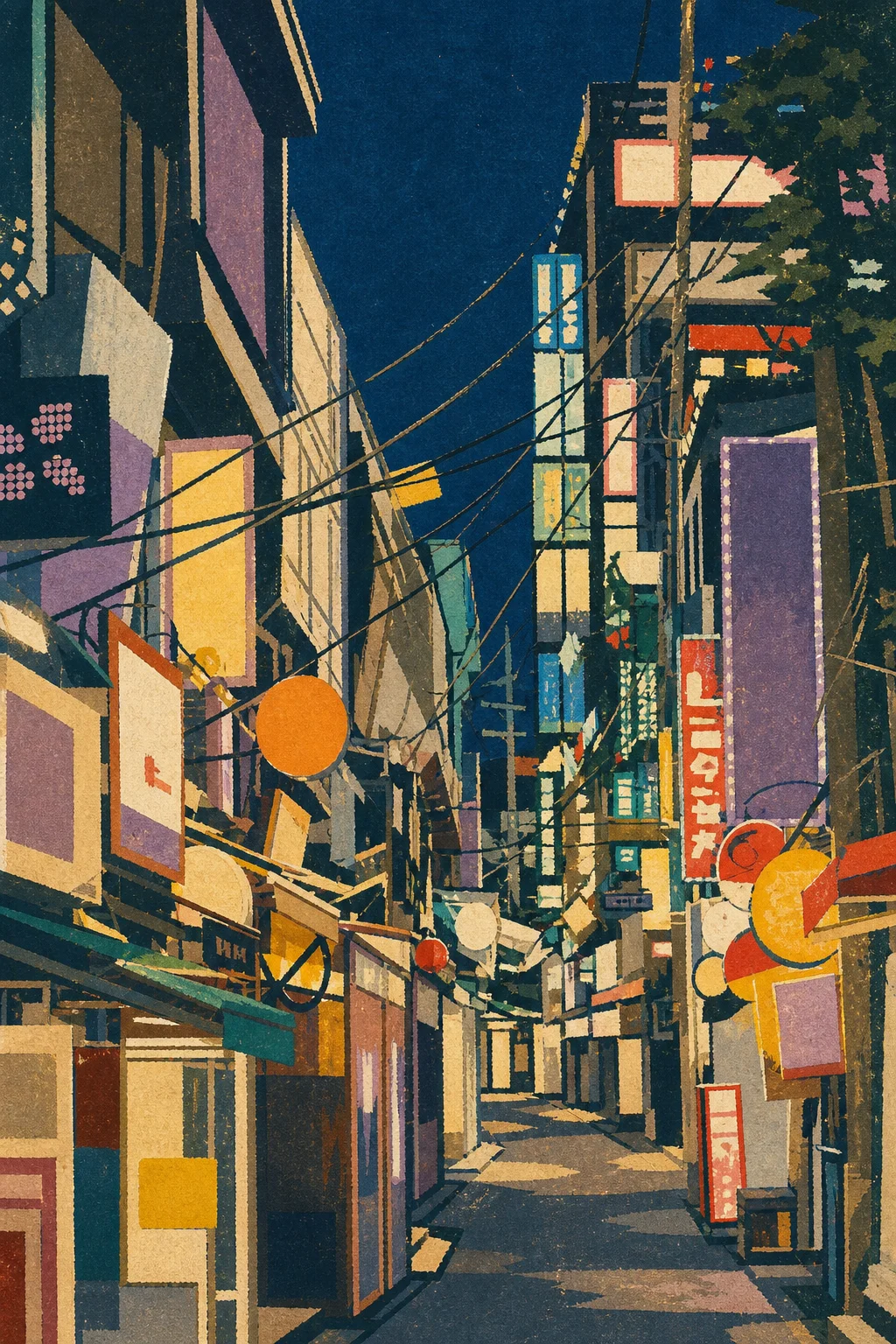
What ties the two halves together is a particular Seoul intensity, a city that renovates itself constantly and eats around the clock. Food is the through-line. This is a place where a bowl of bibimbap at Gwangjang Market and a tasting menu at a MICHELIN-starred room like Mingles belong to the same appetite. Korean barbecue is a civic ritual; so is the late-night bowl of gukbap, the convenience-store instant noodle eaten standing up, the tteokbokki cart glowing red under a tarp. Coffee culture rivals the food scene, and neighborhoods like Seongsu, an old shoe-factory district turned cafe and pop-up quarter, exist mostly to be lingered in.
The architecture holds the same contrasts. Zaha Hadid's Dongdaemun Design Plaza pours silver curves over what was once a stadium market; the Leeum museum in Hannam-dong sets Rem Koolhaas and Mario Botta against a hillside; and a few blocks away a hanok guesthouse heats its floors the traditional ondol way. Seoul rewards travelers who move between these worlds rather than picking one.
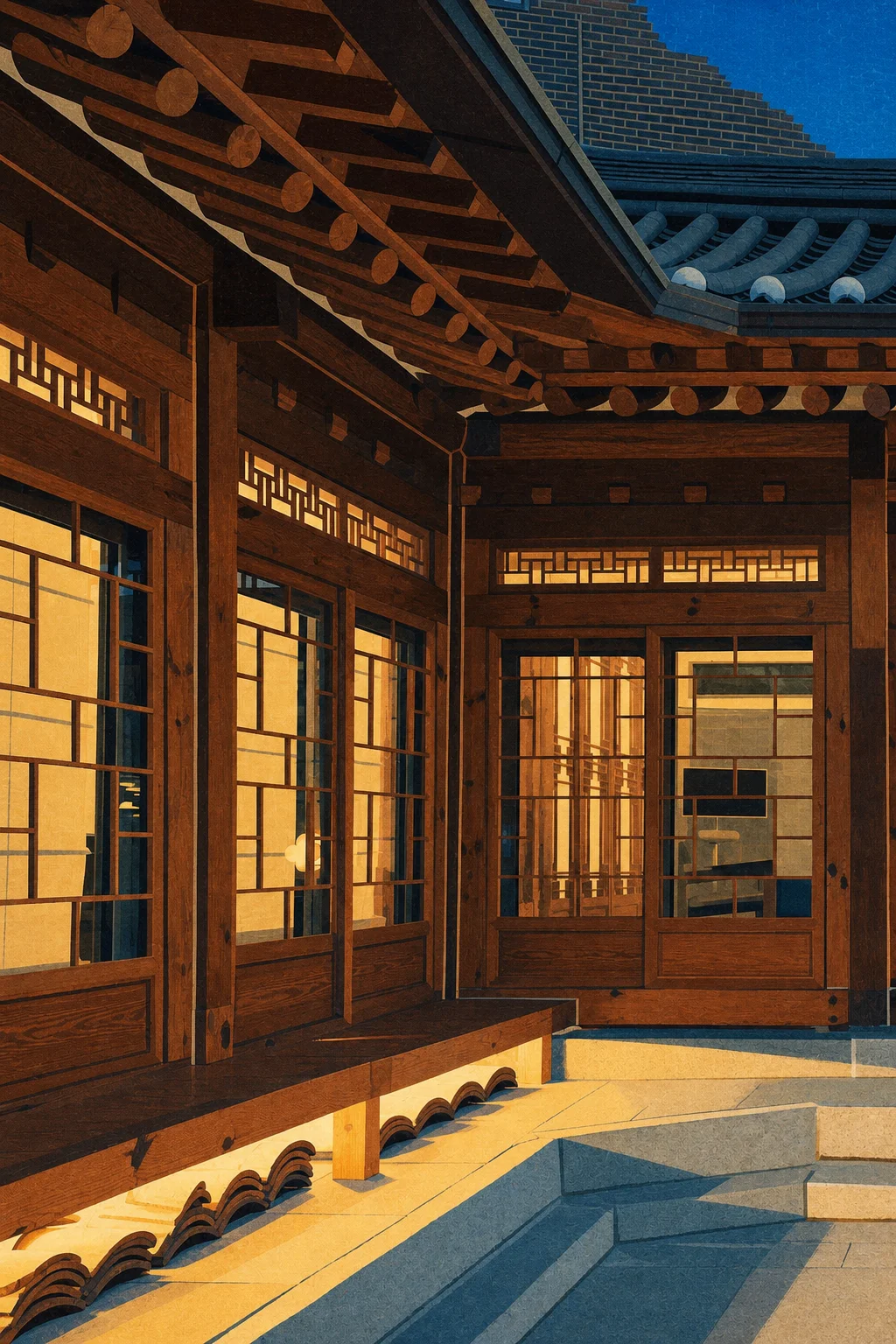
The lodging market mirrors the city's split personality. At one extreme sit the intimate hanok stays: Rakkojae Seoul, a restored courtyard house in Bukchon with just five rooms, sells a night inside the old city itself, and its tiny room count is exactly why it holds a Moderate tier despite offering almost nothing to book. At the other extreme, the 295-room Mondrian Seoul Itaewon anchors the Hannam nightlife scene with a rooftop that draws locals as hard as guests, and even at that scale it lands in the Moderate tier, a sign of how much attention the property pulls.
In between are the design-led boutiques that have become Seoul's signature. Hotel28 Myeongdong turns a fashion-house heritage into a compact 83-room stay steps from the Myeongdong shopping crush, and it carries one of only two High-tier placements in our Seoul coverage. arr.dep., an eight-room hideaway also in the Jung-gu core, trades on scarcity and a strong design point of view. Across the river, Owall Hotel gives Gangnam a 32-room boutique with the neighborhood's polish, the second of the two High-tier rooms in the set.
The booking tension here is real but specific. Seoul is not a city of famous, unbookable grand dames; it is a city of small, sharply designed rooms in neighborhoods that turn over fast. The hanok stays are structurally scarce, five and eight rooms at a time, and the boutiques ride the same Hallyu wave that fills the flights. Demand clusters around the historic north and the Myeongdong core, where the emerging Jung-gu properties draw the tightest interest in our tracked set, while Gangnam's polish keeps the southern boutiques close behind. None of these properties are direct-only holdouts; the difficulty is not a walled booking channel but a mismatch between how much the world wants to sleep inside old Seoul and how few beds the good rooms actually hold.
For a traveler, the practical lesson is that Seoul rewards early decisions and flexible neighborhoods. Lock the hanok months ahead if that is the dream; otherwise, let the area lead, because the difference between a Bukchon courtyard, a Myeongdong design box, and a Gangnam tower is the difference between three separate versions of the city.
The districts, mapped.
Seoul's neighborhoods sort roughly into four moods, and choosing between them shapes the whole trip. The historic north is the traditional heart: Bukchon and Samcheong wrap hanok lanes around the palace quarter, Seochon offers the same tiled roofs at a quieter pitch, and Ikseon-dong threads restored courtyard houses into a dense grid of cafes near Jongno. This cluster is where Seoul feels oldest and most walkable.
The central downtown belt runs through Jung-gu and Myeongdong, the shopping-and-street-food engine of the city and the base most first-timers choose for its transit links and round-the-clock energy. South across the Han, Gangnam, Apgujeong, and Cheongdam form the luxury and K-pop axis, all designer flagships, clinics, and polished boutiques.
The creative fringe is younger and looser: Hongdae and Mapo run on university nightlife and indie music, while Seongsu and Seoul Forest have become the pop-up and coffee capital, an old factory district remade for the camera. Itaewon and Hannam-dong hold the international edge, from global restaurants to the Leeum museum, and Gwangjin near Achasan gives easy river and mountain access on the eastern side. Each area page goes deeper on where to stay and why demand behaves the way it does.
What's moving.
Seoul's demand story right now is a Hallyu story. The global appetite for K-pop, Korean film, beauty, and food has pushed inbound tourism to record highs, and the lodging pressure shows up hardest in two places our data tracks closely: the historic north and the central Myeongdong core.
The clearest rising signal is Jung-gu and Myeongdong, the only area in our Seoul coverage flagged as emerging, and it carries the highest average demand of any cluster we track. Hotel28 Myeongdong holds one of just two High-tier placements in the set, and the eight-room arr.dep. shows how small design-led rooms in the downtown core punch far above their size. Scarcity is the engine here: when the good rooms number in the single or low double digits, attention concentrates fast.
The hanok north is the second rising theme. Rakkojae Seoul holds a Moderate tier on the strength of just five rooms, a structural scarcity that no amount of new hotel construction elsewhere can dilute. Bukchon and Samcheong, along with the adjacent Seochon and Ikseon-dong areas, trade on an experience that is physically capped by how many old courtyard houses survive, which keeps demand durable even as the rest of the market adds beds.
Gangnam is the steady, saturating middle. Apgujeong and Cheongdam remain the address for polish, and Owall Hotel gives the district its second High-tier boutique, but the cluster's demand runs consistent rather than spiking, a mature luxury market rather than an emerging one. The newest large-format arrival, the 295-room Mondrian Seoul Itaewon, has reset expectations for Hannam-dong nightlife lodging and still lands in the Moderate tier, evidence that scale alone does not blunt interest when the rooftop is a destination in itself.
One structural note runs across the whole city: none of our 29 tracked Seoul properties are direct-only holdouts. The friction here is not locked booking channels but a simple mismatch between how badly travelers want to sleep inside old or central Seoul and how few of the right rooms exist. Book the scarce hanok and downtown boutiques earliest; the towers can wait.
The practical year.
Seoul's demand curve tracks two things travelers chase and one they flee. They chase the cherry blossom window in April and the maple-and-ginkgo turn in October — the two visual set-pieces that drive the city to its yearly peaks, with May riding the tail of spring into Seoul's most comfortable stretch. What they flee is the summer: July and August collapse into the monsoon and a wet, heavy heat that pushes demand to its annual low, even though the city never closes and the air-conditioned interiors of Gangnam and Myeongdong barely register the season.
**The shoulder months are where the real strategy lives.** March and November sit just below peak, and both are genuinely undervalued. March catches the pre-blossom palace quiet before the crowds land; November delivers crisp, dry, blue-sky weather after the foliage tourists have gone home. September is the same bet on the back end of summer.
> If your trip is flexible, these are the months where the scarce hanok stays and downtown boutiques are reachable without booking a full season out.
**For the peaks, lead time is everything — and it's sharpest where the rooms are fewest.** A five-room hanok like Rakkojae Seoul or an eight-room stay like arr.dep. can sell out its April and October dates months ahead, because the cherry-blossom and autumn windows concentrate the entire year's demand into a few weeks against a room count that never grows. The larger design hotels and Gangnam boutiques give you more runway, but even Hotel28 Myeongdong tightens noticeably around the blossom peak.
**December through February is the contrarian's season.** Cold and dry, but clear, cheaper, and paired with the city's best indoor life — its bathhouses, night markets, and endless barbecue. Nothing shuts down. If you can handle the temperature, this is when Seoul is most bookable and least crowded, and when even the scarce rooms open up.
**Time the visit to the neighborhood you want, then book the scarce end of the roster first.** The hanoks and small boutiques set the pace; everything larger follows. Get those locked, and the rest of the trip falls into place around them.
Who books here.
Choose Seoul if you want a megacity that runs on contrast: ancient palaces and hanok lanes on one bank, glass-tower luxury and K-pop gloss on the other, with one of the world's great food scenes stitching it together. It suits travelers who like to move fast, eat constantly, and treat the neighborhood as the itinerary, and it rewards anyone drawn to Korean design, beauty culture, or the Hallyu wave at its source.
It is also a strong pick for the boutique-and-hanok hunter. Seoul's tracked roster skews toward small, design-led rooms rather than famous grand hotels, so the reward here is intimacy and specificity: a five-room courtyard house, an eight-room downtown hideaway, a 32-room Gangnam boutique. If you want a single trophy resort to anchor a trip, this is not that city.
Skip Seoul if you are chasing beach, calm, or slow luxury. This is a dense, loud, always-on capital, and the summer monsoon can be genuinely oppressive. Travelers who want Korean nature, coastline, or quiet should pair Seoul with a second base rather than expecting it here.
Against the rest of the region, Seoul is the culture-and-food maximalist's choice, the place to go deep on urban Korea rather than to unwind. Come for spring blossoms or autumn color, build the trip around a neighborhood, and book the scarce hanok and downtown rooms early. Everything else about the city, you can decide when you land.