DIAMANTE
K.
3 critic reviews
filed.
The hype gets the heritage and the cove right; there is no older operating hotel on this beach road, and the private bay is genuinely private. What the hype skips is the basic-comfort reality of 1997-era solar cabins, which for a certain traveller is the appeal and for another is a dealbreaker. Read the Oyster review before you book.
Because Diamante K sits inside Parque del Jaguar, guests get easier, earlier access to the Tulum Ruins themselves, often entering before the tour groups arrive by bus from Cancún around 10am. Ask the front desk about the morning park access protocol; it's the most underused advantage of staying this far north on the beach road.
angles.
The 1997 Claim
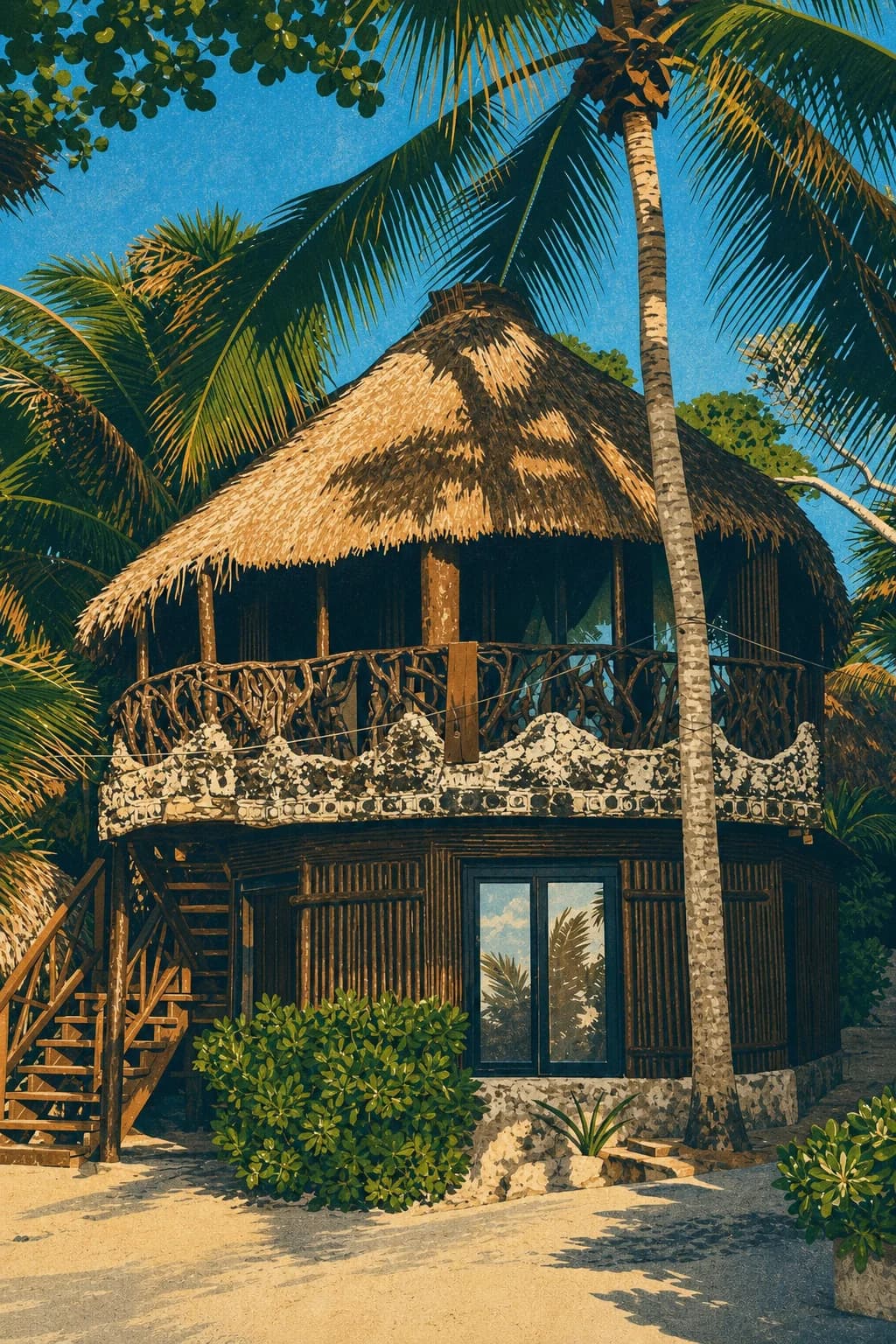
Diamante K genuinely predates the Tulum hotel boom. It opened 14 years before Papaya Playa Project and is widely accepted as the oldest operating property on the beach road. Palazuelos's stated interest in ecology shows in the solar-powered cabins and the locally-milled timber construction, which date from an era when those choices were logistical necessity rather than marketing. The property reads as a piece of history you can sleep in.
A Private Bay
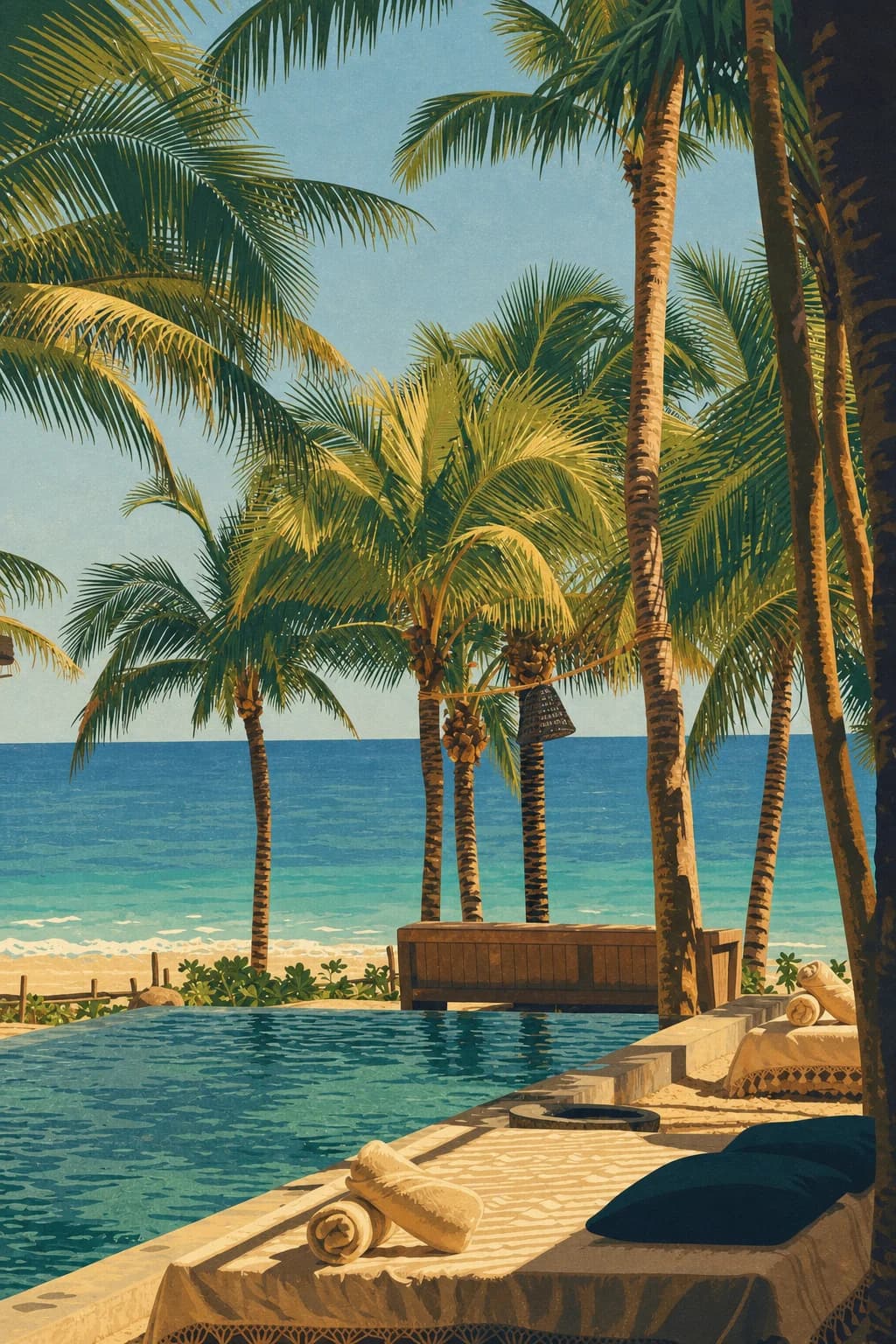
The one-hectare site inside Jaguar Park wraps around a secluded white-sand cove with 200-plus palm trees. Booking.com reviewers rate the location 9.0 out of 10, among the highest in the zone, specifically because the beach is smaller and quieter than the open stretches further south. The cove's geography keeps sargassum pressure lower than the exposed south beach in peak seaweed season.
Celebrity Quietly Owned
Roberto Palazuelos is a Mexican TV and soap opera staple, and Diamante K was always his personal project rather than a brand play. The Oyster.com review calls out that his ecology focus is visible in every structure on site. That ownership model is why the property has never chased Condé Nast coverage or Design Hotels membership; it doesn't need them, and its 66K Instagram following suggests the domestic Mexican travel market finds it without press pedigree.
talk.
mapped.
“The Diamante K is a boutique hotel right on Tulum's stunning white-sand shore, offering tons of rustic-chic charm in a value-hotel package. The views of the turquoise sea are breathtaking.”
record.
The site is one hectare of private bay inside Parque del Jaguar, with more than 200 palm trees surrounding a secluded white-sand cove at Km 2.5 of Boca Paila. The 29 solar-powered Mayan-style cabins are built from timber sourced in the surrounding forest.
You won't find it in Condé Nast Traveler, Travel + Leisure, Forbes, or the Michelin Guide; the only editorial review is a Tier-B piece from Oyster.com. Despite that, it holds one of the North Beach Zone's largest Instagram followings, and its cameo on The Amazing Race season 3 (2002) gave it early American travel-TV visibility. This is the Tulum that predates the Tulum everyone else sells you.
changed.
December through March peaks. November is the value window. Avoid September: sargassum and hurricane risk peak together.
Tulum runs on three overlapping forces — weather, crowd density, and sargassum seaweed — and misreading any one of them can wreck a trip. That triangulation matters more here than at almost any other Caribbean destination.
December through March is peak season, and it earns the title. Humidity drops, rain turns rare, and the Caribbean hits its clearest. December carries maximum demand on Christmas and New Year's pricing, while January through March hold steady before a March Spring Break surge fills South Beach Zone properties weeks out. For Ultra or Very High tier properties that book direct only, plan 60 to 90 days ahead — Nomade and Hotel Esencia both manage their own reservations and sell out specific room categories well before arrival.
April is the bridge. Easter and Semana Santa bring a final demand spike, driven largely by Mexican domestic travelers. Once that holiday window closes, both rates and crowds ease.
May through November is where the trade-offs live. Hurricane season officially runs June 1 through November 30, but statistical risk concentrates in September and October, with September carrying a 15 to 20% probability of tropical cyclone activity. June also opens the worst sargassum stretch: the floating brown algae, carried by Atlantic currents, piles onto Tulum's east-facing beaches from roughly May through October, peaking in July and August. Tulum's open coastline orientation means it catches more than Cancun or Playa del Carmen, and University of South Florida forecasts suggest 2026 could be among the heaviest sargassum years on record for the Mexican Caribbean.
Hotels with dedicated beach cleanup crews manage the situation daily; properties without them can have significant accumulation.
September is the genuine low point. Demand bottoms out, hurricane risk peaks, sargassum lingers, and some smaller properties cut hours or close for maintenance. October begins a slow recovery, with Day of the Dead at month's end marking the cultural pivot back toward high season. November is a legitimate value window: sargassum fades, hurricane odds drop sharply, and pricing hasn't yet climbed to December levels.
approach.
briefing.
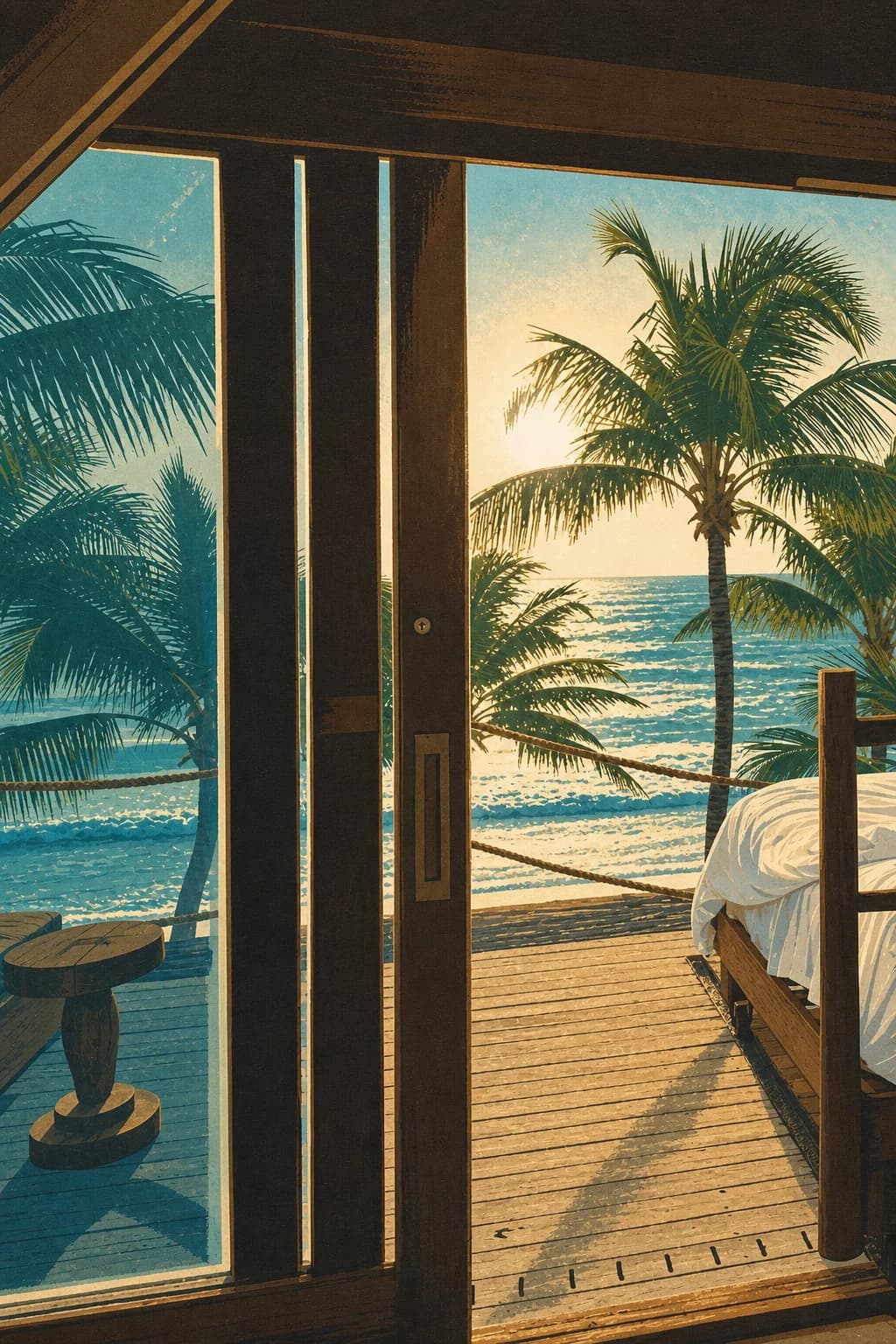
“Diamante K is one of those spots that really can't be any closer to the beach. Its nine cabins have incredible ocean views, palm trees, and almost Tolkienesque accents and decor.”
stands.
demand's going.
The real Instagram following over time, plus where this hotel sits for demand in Tulum. Pick a range, toggle the lines. Followers are reach and demand, not engagement.
assessment.
File closes at HIGH. Book direct two to three weeks out and request a specific cabin given unit variability. Skip if midday heat is an issue; some rooms run hot under solar constraints.
The numbers behind the tiers
DIAMANTE K · SOURCE READINGS · REDACTED- Availability density · sampled
- Monthly search volume · raw
- TikTok hashtag views · raw
- YouTube total views · raw
- TikTok following · latest sweep
- Pinterest saves · latest sweep
More from Tulum.







Get the hotel's Unbookable Score.
Any post or reel with a hotel in it. Booking.com hotel pages work too. One free check, no account needed.