XELA
Tulum.

5 critic reviews
filed.
Yes, and the hype actually understates it. Most coverage focused on the rooftop view, which is the least interesting thing about the property. The real story is the conversion of a genuine 1970s private villa, which gives XELA a structural patina that cannot be faked. The miss in the coverage is how small it actually is; twelve suites is not a boutique, it is closer to a private house.
The lineage. XELA is the fifth Namron property in a two-kilometre stretch, which means you are buying into an informal five-hotel portfolio. Staff rotate, dinners are cross-booked, and guests often walk between Nest, Encantada, La Valise and XELA as if they were one campus. That continuity is not marketed anywhere.
angles.
Wabi-Sabi Done Properly
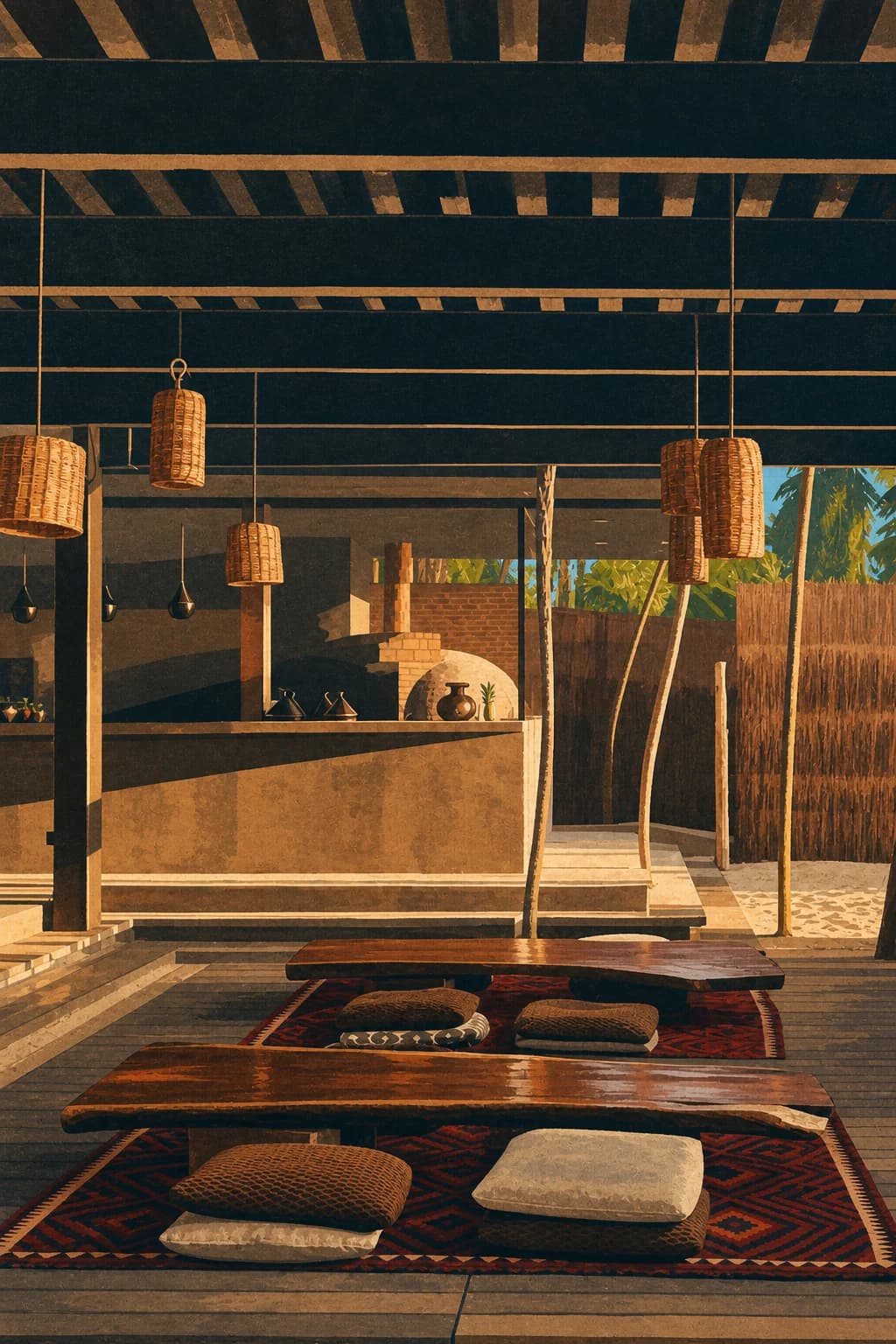
Wabi-sabi is the most abused word in hotel design. At XELA it actually applies because the property was a conversion, not a new build. The rough plaster patches and uneven surfaces are the original 1970s villa showing through, not faux aging. Namron's move was to reveal rather than restore, and the result feels lived-in from day one in a zone where most rooms read as photo sets.
The Only Rooftop That Matters
Tulum has a height restriction and most hotels cap at two storeys. XELA occupies the highest footprint on the beach road, which means its rooftop is the one place in the Hotel Zone where you can see all ten kilometres of the beach in one glance. Sunrise and sunset both work. It is the single most photographed vantage in the zone and it is exclusive to guests.
The Namron Marriott Play
XELA is a Design Hotels member, which means Marriott Bonvoy points earn and burn. That is rare in Tulum, where almost every boutique is independent and loyalty programmes do not work. If you travel on a corporate card and run a Bonvoy balance, XELA is one of the very few properties in the zone where you can redeem points or earn them on a cash stay.
talk.
mapped.
“Just look at the new Xela Tulum, a 12-room oasis with an open-air living room and expansive rooftop ideal for sunset cocktails.”
record.
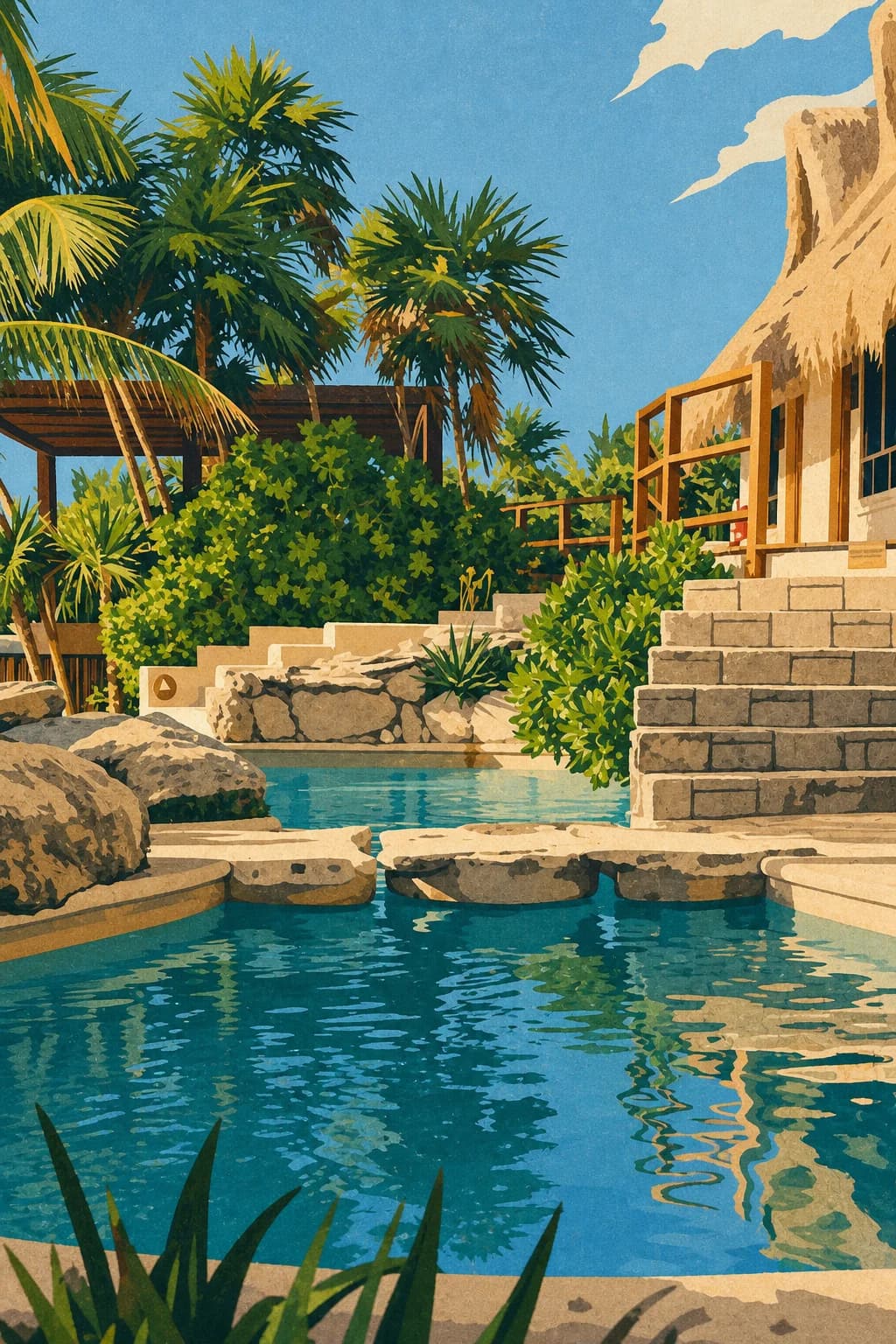
The approach is wabi-sabi, meaning intentional imperfection, rough plasters, raw materials, and a refusal to look finished. Two eight-metre pools sit in the footprint of the old villa garden.
The rooftop is the single highest point on Tulum Beach with a 360-degree view from Sian Ka'an to the ruins. Zero Waste Certification came in year one. The Booking.com couples rating of 9.7 is the strongest of any 2023 opening in the zone, and Wallpaper*, Sleeper Magazine and We Heart all published pieces before the first anniversary. Twelve suites, one loyalty programme, and a roof nobody else can replicate.
changed.
December through March peaks. November is the value window. Avoid September: sargassum and hurricane risk peak together.
Tulum runs on three overlapping forces — weather, crowd density, and sargassum seaweed — and misreading any one of them can wreck a trip. That triangulation matters more here than at almost any other Caribbean destination.
December through March is peak season, and it earns the title. Humidity drops, rain turns rare, and the Caribbean hits its clearest. December carries maximum demand on Christmas and New Year's pricing, while January through March hold steady before a March Spring Break surge fills South Beach Zone properties weeks out. For Ultra or Very High tier properties that book direct only, plan 60 to 90 days ahead — Nomade and Hotel Esencia both manage their own reservations and sell out specific room categories well before arrival.
April is the bridge. Easter and Semana Santa bring a final demand spike, driven largely by Mexican domestic travelers. Once that holiday window closes, both rates and crowds ease.
May through November is where the trade-offs live. Hurricane season officially runs June 1 through November 30, but statistical risk concentrates in September and October, with September carrying a 15 to 20% probability of tropical cyclone activity. June also opens the worst sargassum stretch: the floating brown algae, carried by Atlantic currents, piles onto Tulum's east-facing beaches from roughly May through October, peaking in July and August. Tulum's open coastline orientation means it catches more than Cancun or Playa del Carmen, and University of South Florida forecasts suggest 2026 could be among the heaviest sargassum years on record for the Mexican Caribbean.
Hotels with dedicated beach cleanup crews manage the situation daily; properties without them can have significant accumulation.
September is the genuine low point. Demand bottoms out, hurricane risk peaks, sargassum lingers, and some smaller properties cut hours or close for maintenance. October begins a slow recovery, with Day of the Dead at month's end marking the cultural pivot back toward high season. November is a legitimate value window: sargassum fades, hurricane odds drop sharply, and pricing hasn't yet climbed to December levels.
approach.
briefing.
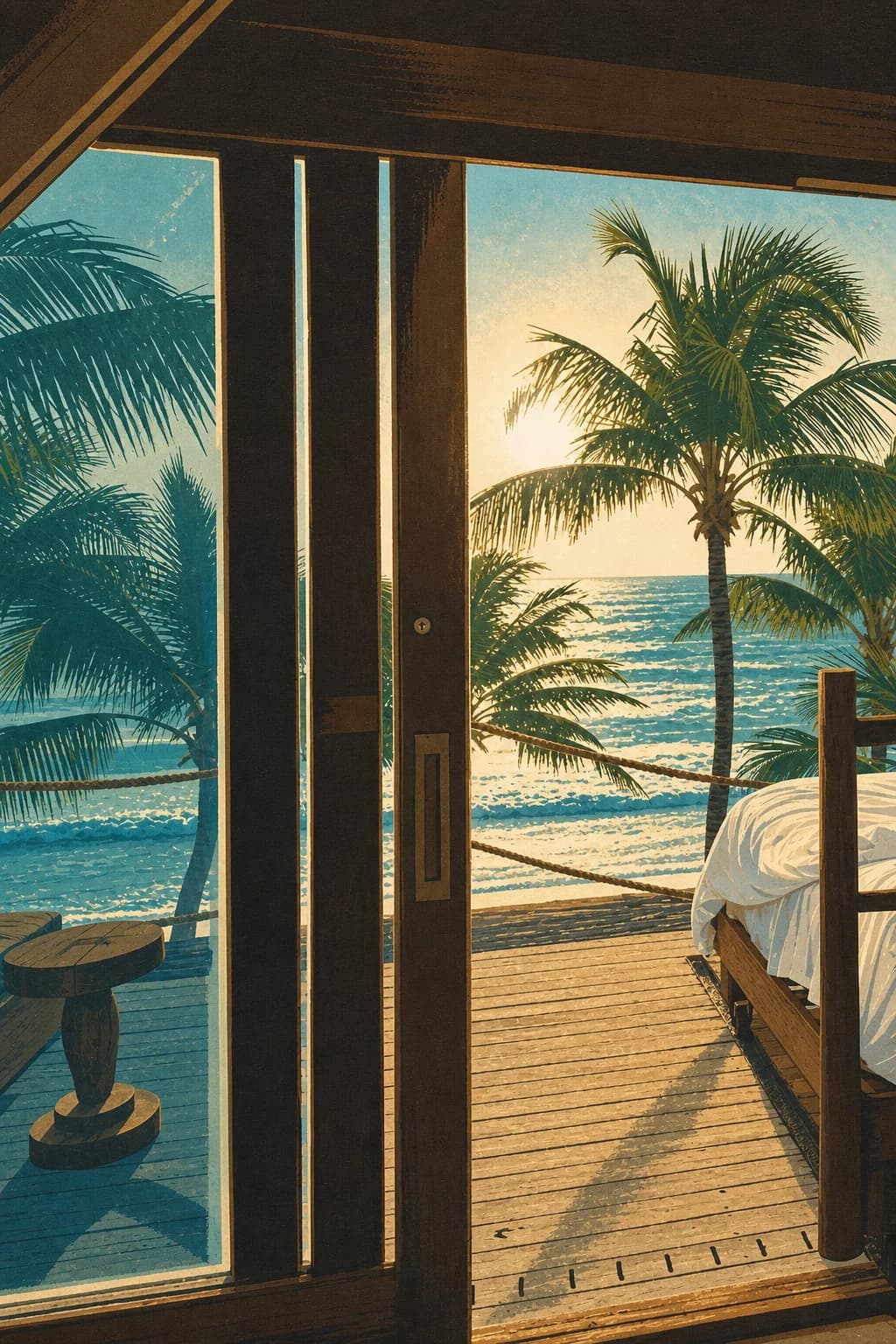
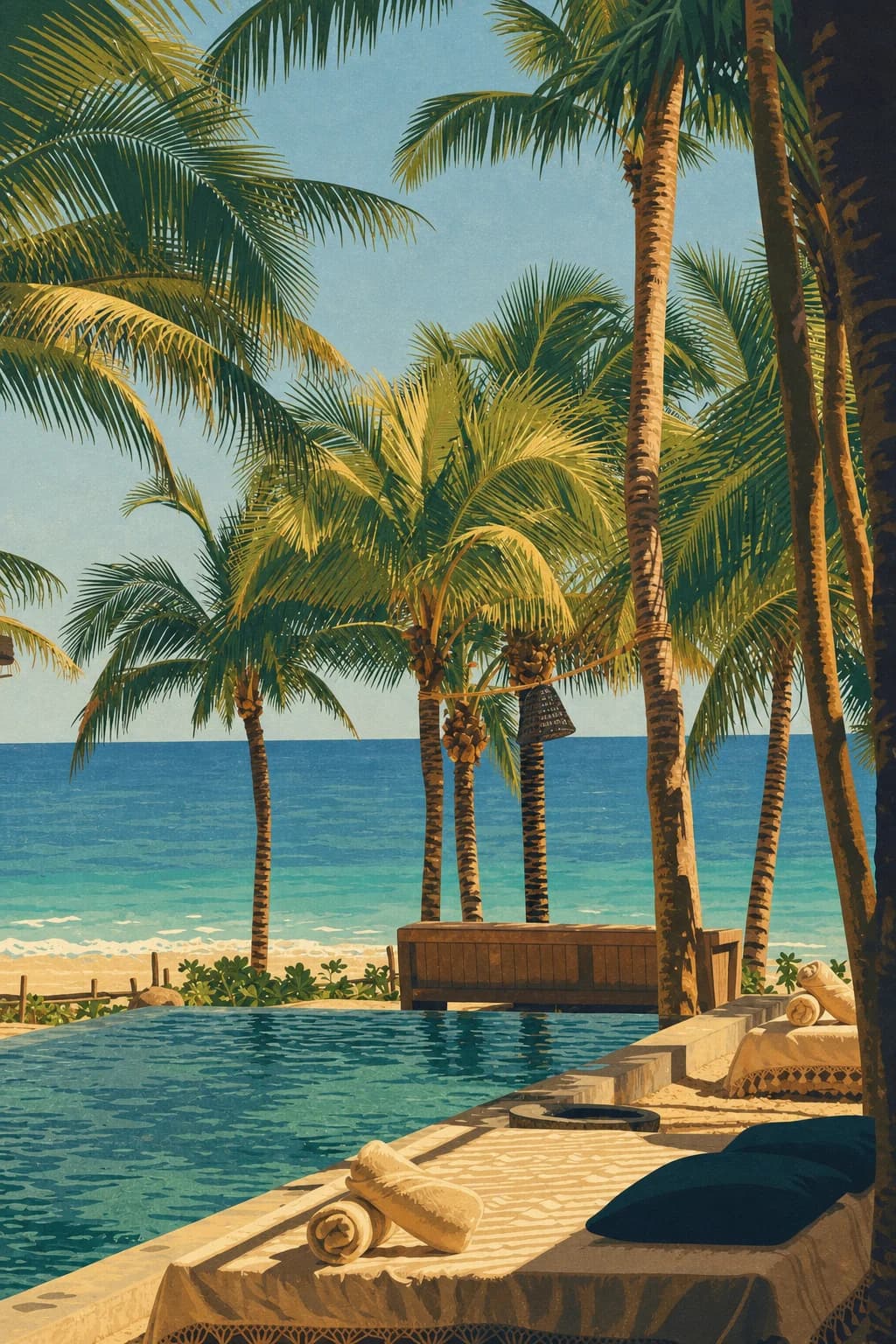
“Overlooking the Caribbean Sea, XELA is housed in one of the first ever private villas to be built on the beach, and as such, retains the intimacy of its former home.”
stands.
demand's going.
The real Instagram following over time, plus where this hotel sits for demand in Tulum. Pick a range, toggle the lines. Followers are reach and demand, not engagement.
assessment.
File closes at HIGH. Book three to four months out, six for New Year. Skip if you want the upper-suite view without the sound; ground-level pool-access rooms are the value pick here.
The numbers behind the tiers
XELA Tulum · SOURCE READINGS · REDACTED- Availability density · sampled
- Monthly search volume · raw
- TikTok hashtag views · raw
- YouTube total views · raw
- TikTok following · latest sweep
- Pinterest saves · latest sweep
More from Tulum.






Get the hotel's Unbookable Score.
Any post or reel with a hotel in it. Booking.com hotel pages work too. One free check, no account needed.