Casa Pueblo
Tulum.
11 critic reviews
filed.
The original status is real and the atrium architecture holds up years later. What the hype undersells is how much the property depends on its downtown walkability rather than its design alone. Strip out the location and it is a good small hotel. With the location, it is an argument for how Tulum should work.
The hotel's event programming is the part that does not appear on the booking page. Workshops, live music, and reading nights happen on an irregular calendar and draw a mix of guests and locals into the atrium. It is the one place in Tulum where you can reliably end up talking to residents rather than other tourists, which is almost impossible on the beach road.
angles.
Klein and Gitano Lineage
Derek Klein built Gitano into a defining Tulum nightlife moment before he built this hotel. That is visible in the detail work: the interior courtyard functions as a bar and community space, the events calendar is programmed rather than empty, and the staff know how to run a room. Omar Rodriguez, his co-founder on the hotel side, came from a pure hospitality background. The combination is why the atrium actually works rather than just photographs well.
Chaca Tree Atrium
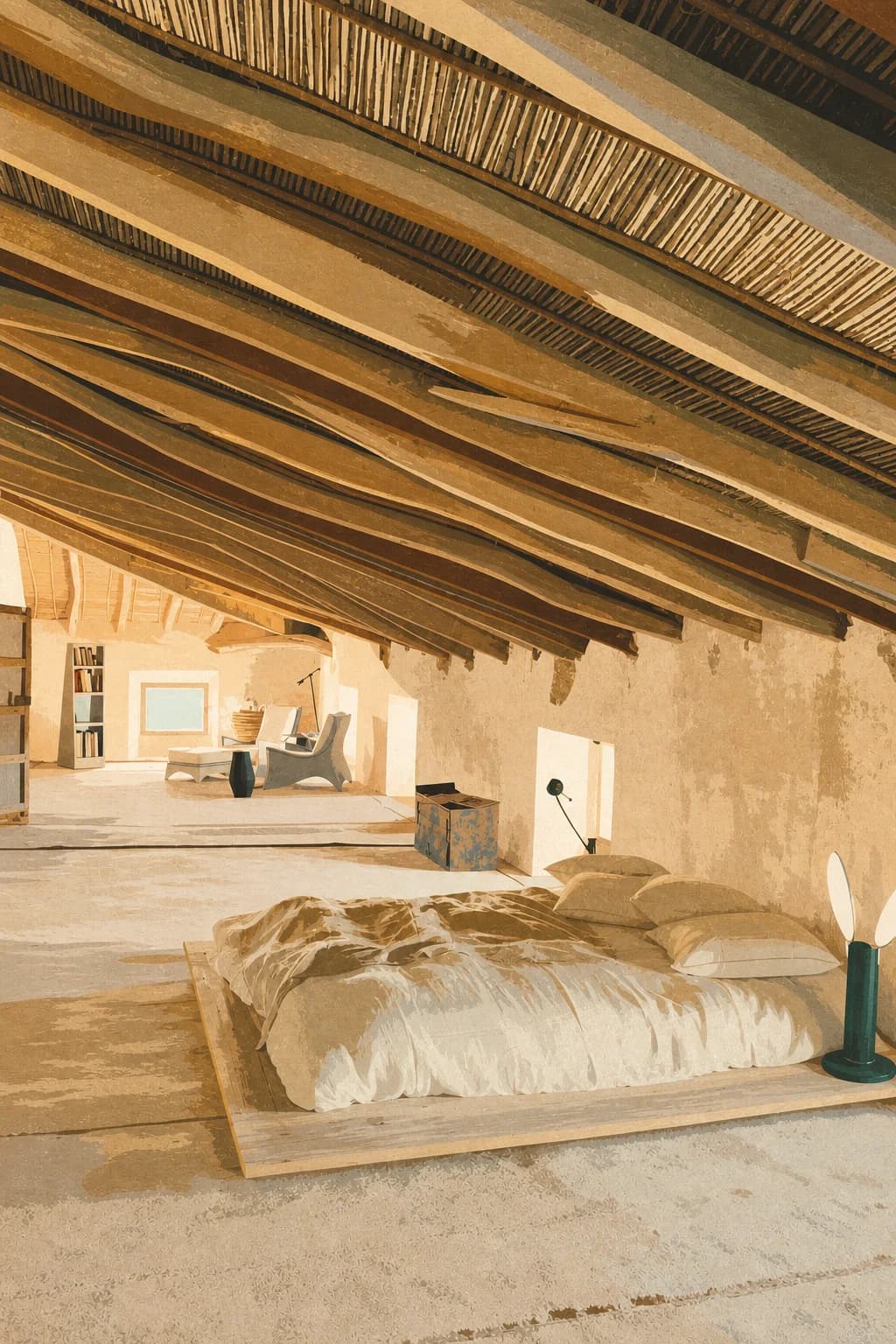
The property is built around a single native chaca tree at the centre of the open-air atrium, with the sixteen suites arranged around it. The chaca is locally known as the gumbo-limbo tree and is a regional symbol of healing. The light quality inside the atrium shifts through the day, and the tree gives the minimalist white-plaster courtyard a living anchor. Most downtown Tulum hotels built since have borrowed this template.
Walkable Tulum Pueblo
Casa Pueblo sits on Avenida Tulum in the heart of downtown. You can walk to Hartwood, Burrito Amor, Cetli, Arca's town outpost, and the full pueblo restaurant scene without a taxi. The beach road properties force you into a car or bike every time you want to eat. For the type of guest who wants to use Tulum as a town rather than a resort, the location advantage is decisive.
talk.
mapped.
“We've been keeping an eye on hospitality neophyte Grupo Casa Pueblo ever since it debuted its hacienda-inspired Casa Pueblo Tulum Pueblo in 2018. That vigilance has been rewarded.”
record.
Derek Klein opened it in January 2018 after he had already built Gitano into one of Tulum's defining bars. His co-founder Omar Rodriguez handled the hospitality side. Sixteen suites ring a light-filled central atrium planted with a native chaca tree, and the material palette is white plaster, Caribbean ipe wood, and polished concrete.
The MICHELIN Guide listed it as one of the first hotels to make downtown rather than the beach road work at this level. Condé Nast Traveler Readers' Choice Awards picked it up. AFAR, Indagare, and Cool Hunting ran full pieces. The tradeoff for the downtown location is walkability to Tulum Pueblo's restaurant scene, not beach proximity. As a sold-out sixteen-room property, the booking friction is real, and the sister sites at Casa Pueblo Hotels do not serve as interchangeable substitutes.
changed.
December through March peaks. November is the value window. Avoid September: sargassum and hurricane risk peak together.
Tulum runs on three overlapping forces — weather, crowd density, and sargassum seaweed — and misreading any one of them can wreck a trip. That triangulation matters more here than at almost any other Caribbean destination.
December through March is peak season, and it earns the title. Humidity drops, rain turns rare, and the Caribbean hits its clearest. December carries maximum demand on Christmas and New Year's pricing, while January through March hold steady before a March Spring Break surge fills South Beach Zone properties weeks out. For Ultra or Very High tier properties that book direct only, plan 60 to 90 days ahead — Nomade and Hotel Esencia both manage their own reservations and sell out specific room categories well before arrival.
April is the bridge. Easter and Semana Santa bring a final demand spike, driven largely by Mexican domestic travelers. Once that holiday window closes, both rates and crowds ease.
May through November is where the trade-offs live. Hurricane season officially runs June 1 through November 30, but statistical risk concentrates in September and October, with September carrying a 15 to 20% probability of tropical cyclone activity. June also opens the worst sargassum stretch: the floating brown algae, carried by Atlantic currents, piles onto Tulum's east-facing beaches from roughly May through October, peaking in July and August. Tulum's open coastline orientation means it catches more than Cancun or Playa del Carmen, and University of South Florida forecasts suggest 2026 could be among the heaviest sargassum years on record for the Mexican Caribbean.
Hotels with dedicated beach cleanup crews manage the situation daily; properties without them can have significant accumulation.
September is the genuine low point. Demand bottoms out, hurricane risk peaks, sargassum lingers, and some smaller properties cut hours or close for maintenance. October begins a slow recovery, with Day of the Dead at month's end marking the cultural pivot back toward high season. November is a legitimate value window: sargassum fades, hurricane odds drop sharply, and pricing hasn't yet climbed to December levels.
approach.
briefing.
“Casa Pueblo is a boutique concept hotel curated by Tulum tastemaker Derek Klein for global nomads and creative types.”
stands.
demand's going.
The real Instagram following over time, plus where this hotel sits for demand in Tulum. Pick a range, toggle the lines. Followers are reach and demand, not engagement.
The numbers behind the tiers
Casa Pueblo Tulum · SOURCE READINGS · REDACTED- Availability density · sampled
- Monthly search volume · raw
- TikTok hashtag views · raw
- YouTube total views · raw
- TikTok following · latest sweep
- Pinterest saves · latest sweep
More from Tulum.







Get the hotel's Unbookable Score.
Any post or reel with a hotel in it. Booking.com hotel pages work too. One free check, no account needed.