Copal Tulum
Hotel.
3 critic reviews
filed.
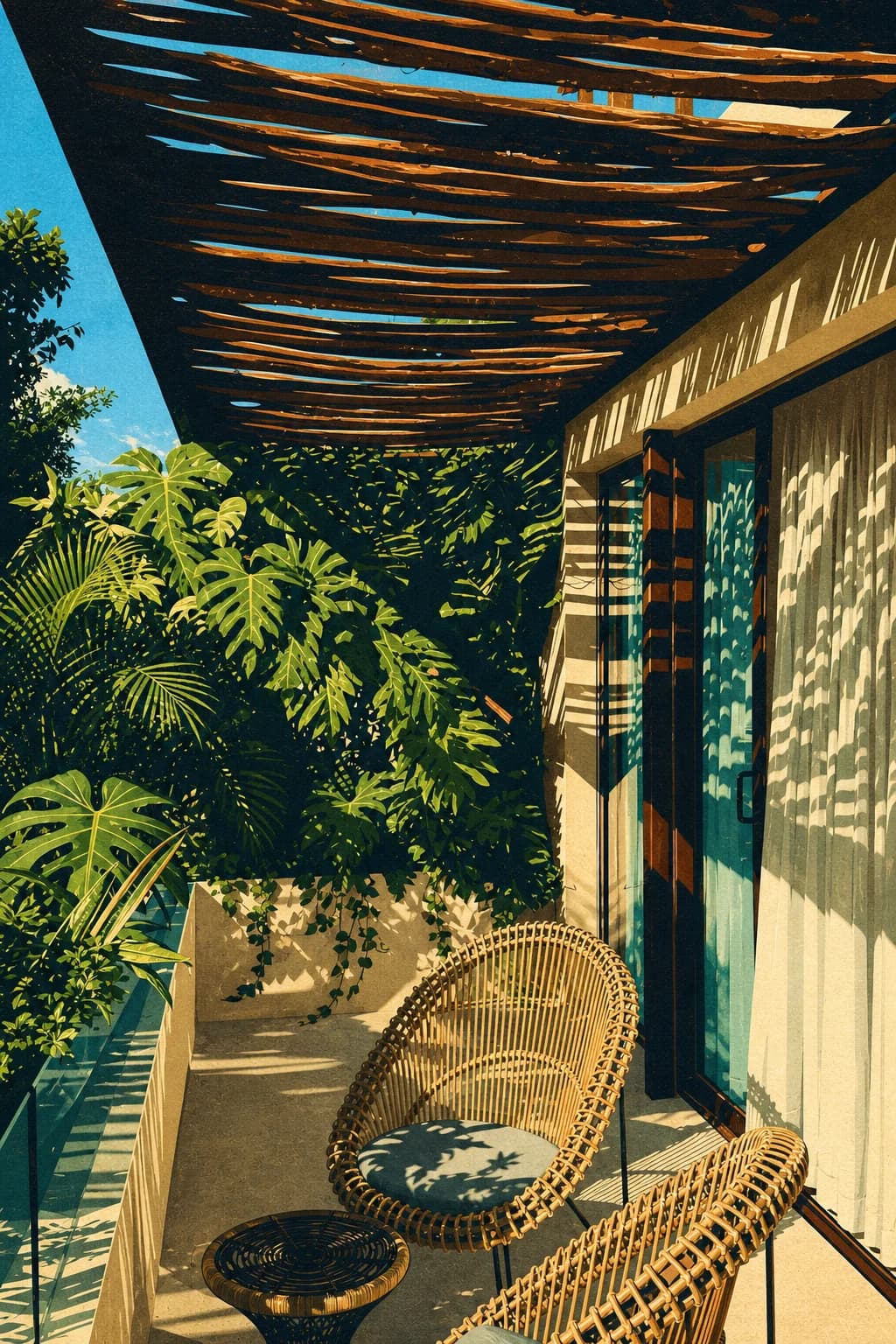
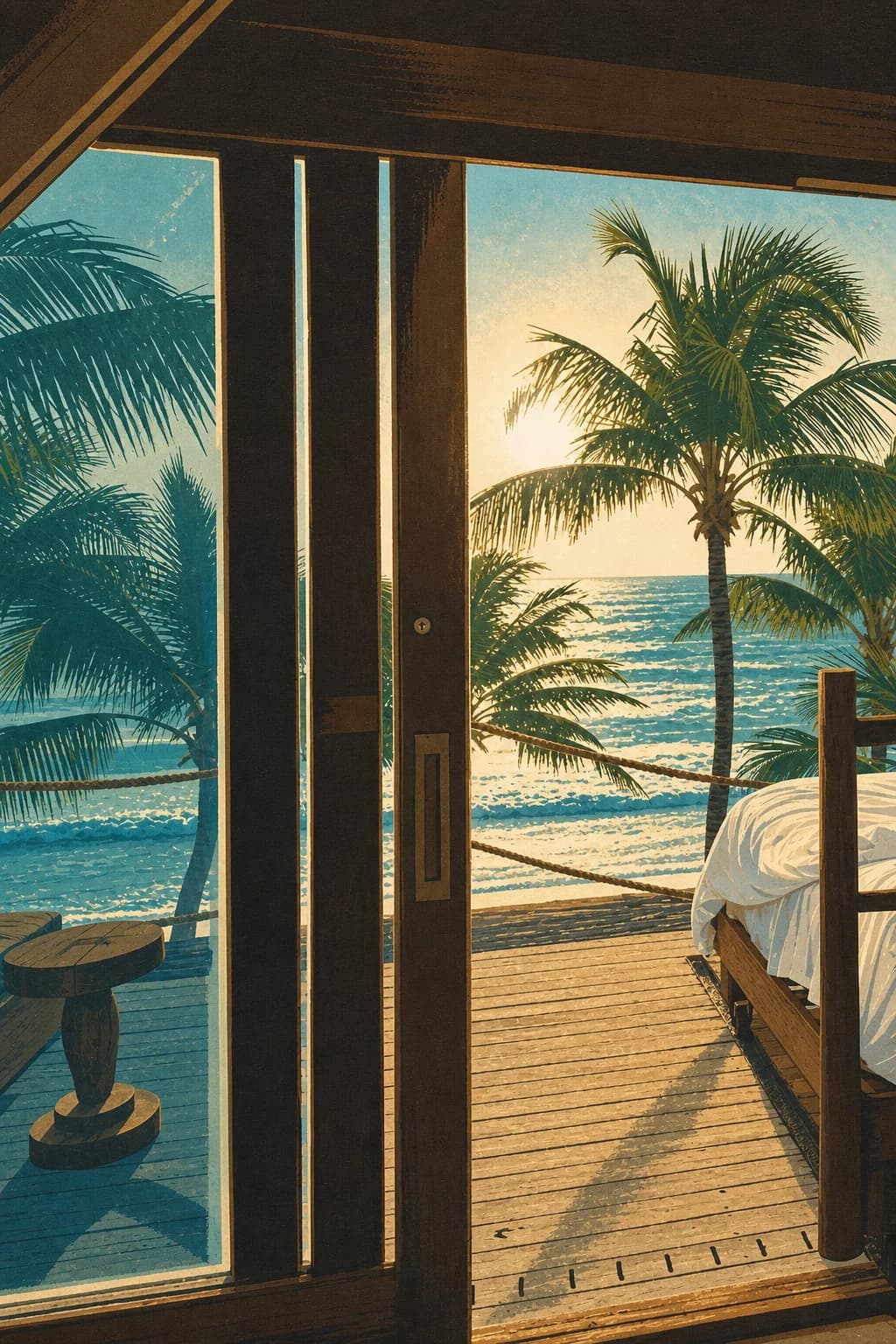
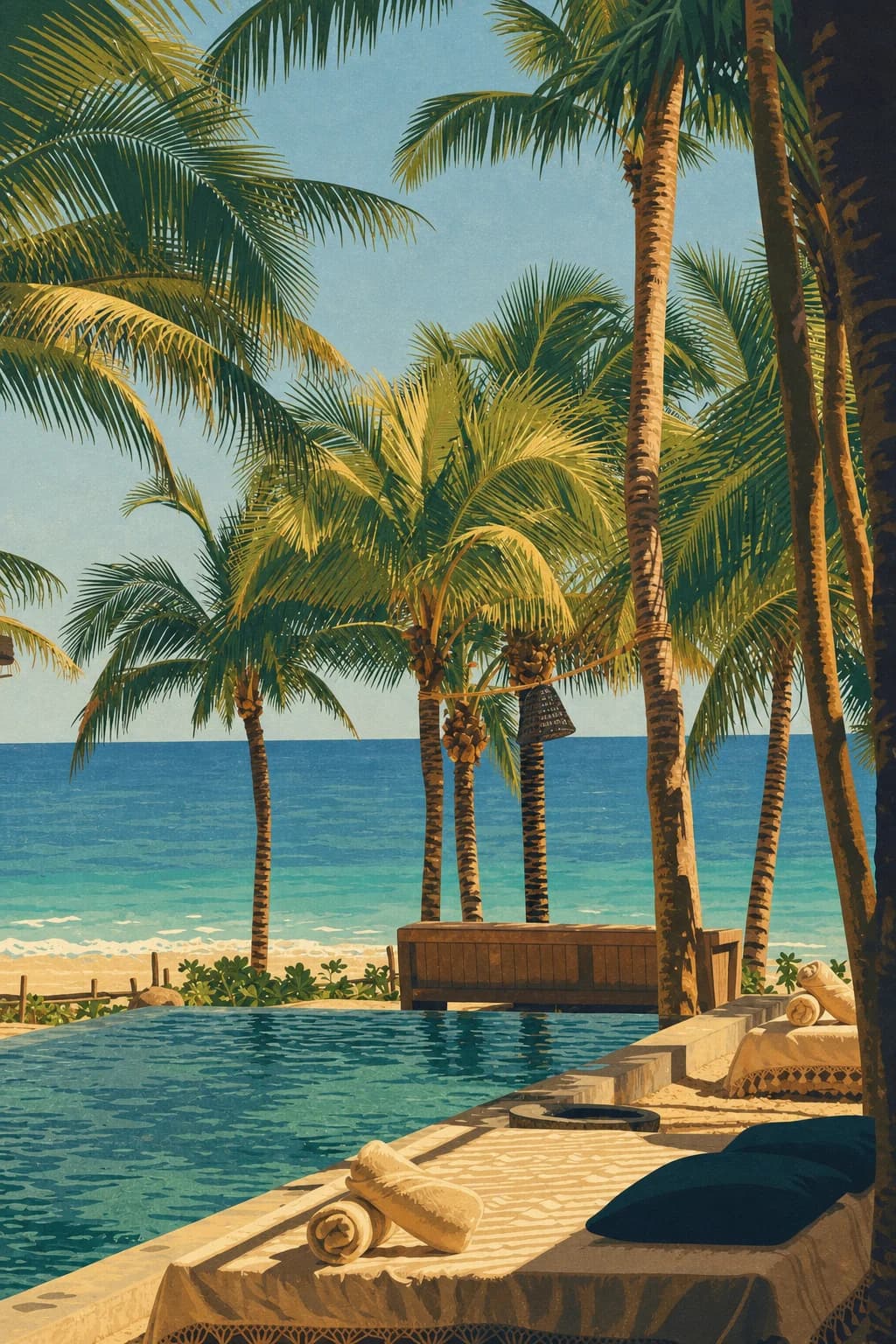
The architecture coverage is real and fair. Where the marketing oversells is the beach claim: Copal is close to the beach in Tulum terms, but it is not on it, and some guests arrive expecting five minutes and get fifteen in traffic. What ArchDaily captured correctly is the relationship between the building and the jungle.
The cenote on the property is not marketed heavily because management has to limit daily swims to protect the water. Ask at check-in about morning cenote access windows. Locals and long-stay residents from the condo side often use it before 9am and then disappear, leaving a quiet window for hotel guests who ask.
angles.
Architecture That Got Published
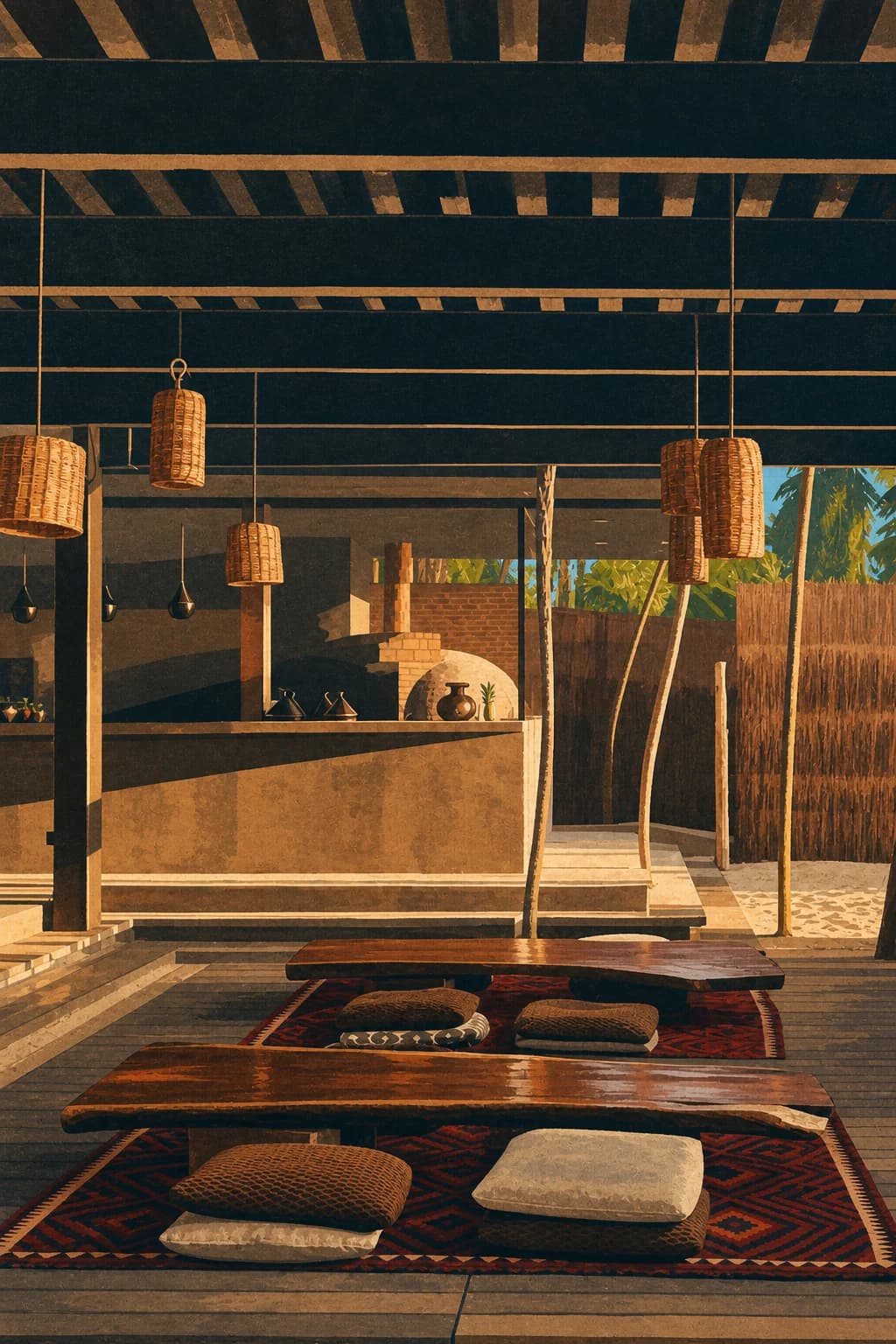
Studio Arquitectos' design landed a full ArchDaily feature in 2019, and the property is one of the few in Aldea Zama built around a real architectural brief rather than a developer's brochure. Timber, local stone, and canopy-level walkways place the buildings inside the jungle instead of on top of it. For travellers who read ArchDaily before they read Condé Nast, this is rare in the inland neighbourhoods.
A Cenote on the Property
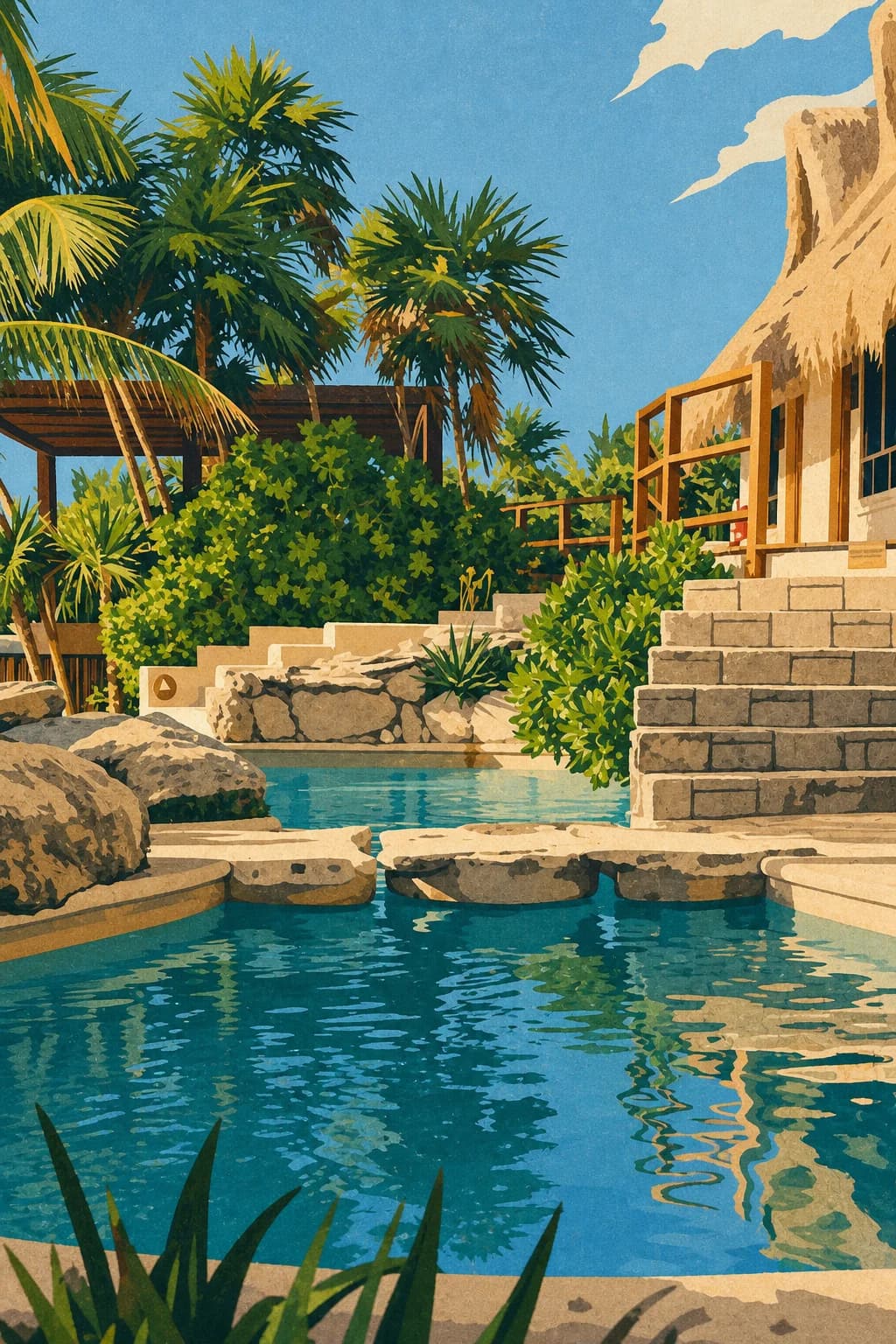
Aldea Zama has exactly one natural cenote inside its boundaries, and Copal sits directly next to it. Guests can swim in a cenote without leaving the hotel grounds, which is the kind of amenity that the beach road properties south of here cannot match at any price. Combined with the on-site pool, it makes the inland tradeoff easier to accept.
Walk to Restaurants
The Aldea Zama dining scene has quietly become one of the better eating districts in Tulum, with walkable distance to places like Arca's sister spots, wine bars, and bakeries. Staying at Copal means you can actually leave the hotel on foot for dinner, which is almost impossible on the beach road unless you commit to the hotel's own restaurant every night.
talk.
mapped.
“A great green lung that integrates its natural context with the social activities that take place in the complex of 56 luxury residences in Aldea Zama, Tulum.”
record.
Studio Arquitectos built the 85-room property into 6,000 square metres of jungle wrapped around the neighbourhood's only natural cenote, using regional timber and local stone in a way that got ArchDaily to run a full feature on the construction.
It is a condo-hotel, which means 56 of the rooms are also residences, and the mix keeps the property busier than a pure hotel would be at a comparable rate. The seasonal rate spread is unusually wide, and the trade is clear: you lose direct beach access and gain a jungle setting, a cenote on the grounds, and walkable proximity to the Aldea Zama restaurant strip. Parties are explicitly prohibited, so the clientele is calmer than the beach road average.
changed.
December through March peaks. November is the value window. Avoid September: sargassum and hurricane risk peak together.
Tulum runs on three overlapping forces — weather, crowd density, and sargassum seaweed — and misreading any one of them can wreck a trip. That triangulation matters more here than at almost any other Caribbean destination.
December through March is peak season, and it earns the title. Humidity drops, rain turns rare, and the Caribbean hits its clearest. December carries maximum demand on Christmas and New Year's pricing, while January through March hold steady before a March Spring Break surge fills South Beach Zone properties weeks out. For Ultra or Very High tier properties that book direct only, plan 60 to 90 days ahead — Nomade and Hotel Esencia both manage their own reservations and sell out specific room categories well before arrival.
April is the bridge. Easter and Semana Santa bring a final demand spike, driven largely by Mexican domestic travelers. Once that holiday window closes, both rates and crowds ease.
May through November is where the trade-offs live. Hurricane season officially runs June 1 through November 30, but statistical risk concentrates in September and October, with September carrying a 15 to 20% probability of tropical cyclone activity. June also opens the worst sargassum stretch: the floating brown algae, carried by Atlantic currents, piles onto Tulum's east-facing beaches from roughly May through October, peaking in July and August. Tulum's open coastline orientation means it catches more than Cancun or Playa del Carmen, and University of South Florida forecasts suggest 2026 could be among the heaviest sargassum years on record for the Mexican Caribbean.
Hotels with dedicated beach cleanup crews manage the situation daily; properties without them can have significant accumulation.
September is the genuine low point. Demand bottoms out, hurricane risk peaks, sargassum lingers, and some smaller properties cut hours or close for maintenance. October begins a slow recovery, with Day of the Dead at month's end marking the cultural pivot back toward high season. November is a legitimate value window: sargassum fades, hurricane odds drop sharply, and pricing hasn't yet climbed to December levels.
approach.
briefing.
“Copal is a luxury hotel, set in what feels like the jungle. There are two swimming pools; one on the ground floor and then one on the roof.”
stands.
demand's going.
The real Instagram following over time, plus where this hotel sits for demand in Tulum. Pick a range, toggle the lines. Followers are reach and demand, not engagement.
assessment.
File closes at MODERATE. Book direct three to six weeks out, longer for holidays. Skip the condo side; ask explicitly for hotel-managed cenote rooms and confirm in writing.
The numbers behind the tiers
Copal Tulum Hotel · SOURCE READINGS · REDACTED- Availability density · sampled
- Monthly search volume · raw
- TikTok hashtag views · raw
- YouTube total views · raw
- TikTok following · latest sweep
- Pinterest saves · latest sweep
More from Tulum.






Get the hotel's Unbookable Score.
Any post or reel with a hotel in it. Booking.com hotel pages work too. One free check, no account needed.