KAI TULUM
(Ahau Collection).
1 critic review
filed.
KAI gets less press than its sibling Ahau, and that is part of its appeal. The hype gets the Ahau Collection right on aesthetics and location; what it misses is that KAI is the calmer option in that portfolio, which matters if you are not here to party.
Walking the beach north to the Tulum archaeological zone at sunrise before the tour buses arrive. You can be back at KAI for breakfast and most guests never realise how close the ruins are.
angles.
Inside Jaguar Park
The location is the story. KAI sits within the national park boundary at Playa Pescadores, a short walk from the Tulum archaeological ruins and accessible via the park's controlled beach road. That means fewer party hotels next door, cleaner beach, and a morning you can actually walk the ruins before the day-trippers arrive. The couples location score on Booking.com is 8.9.
Low-Tech by Design
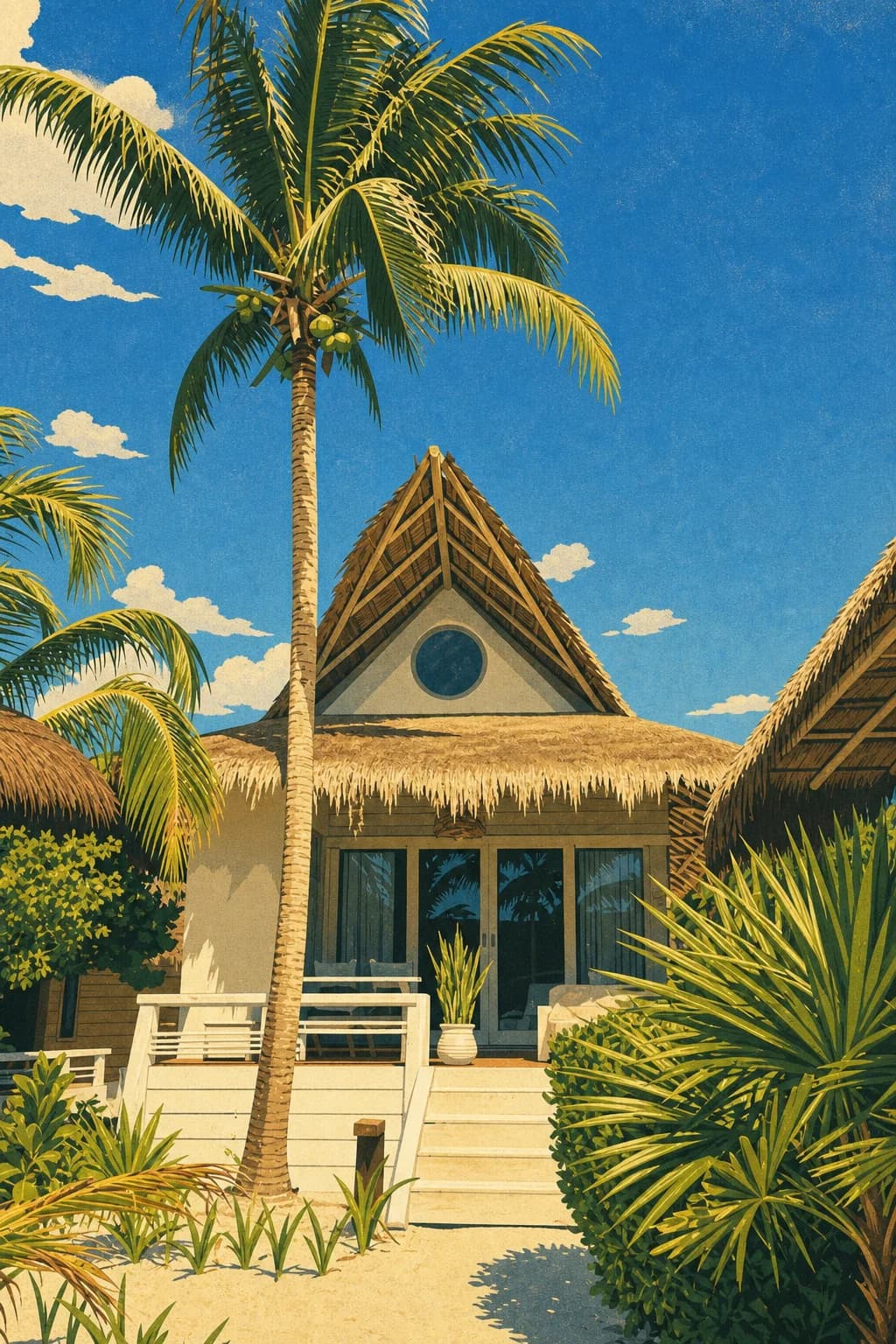
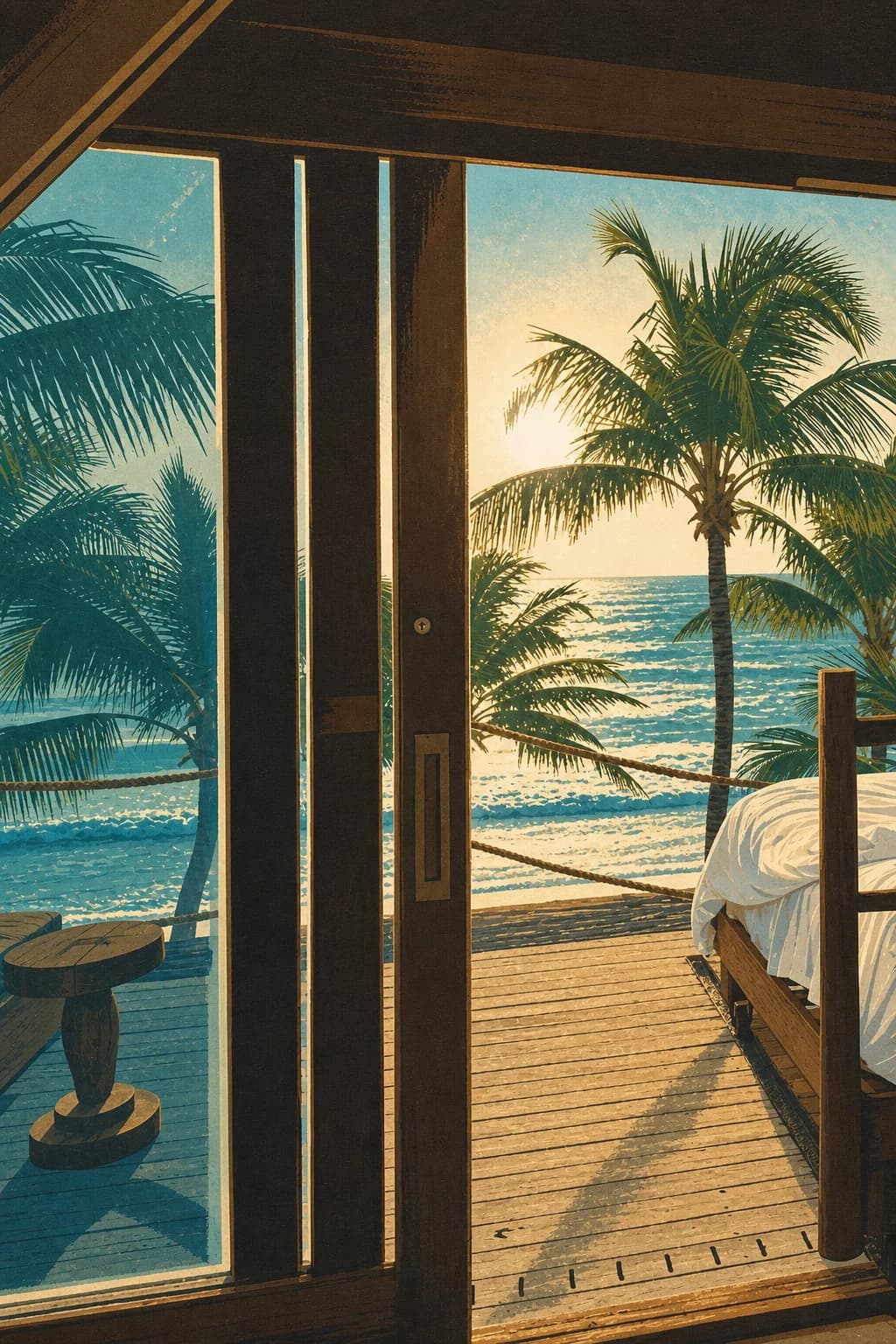
No televisions in the rooms, palapa roofs, eco-friendly construction. It is the kind of place where the staff would rather talk to you about the morning snorkel spots than hand you a streaming password. If you want a place that forces a digital reset without leaning on wellness jargon, this is one of the more honest examples on the beach road.
Ahau Family Access
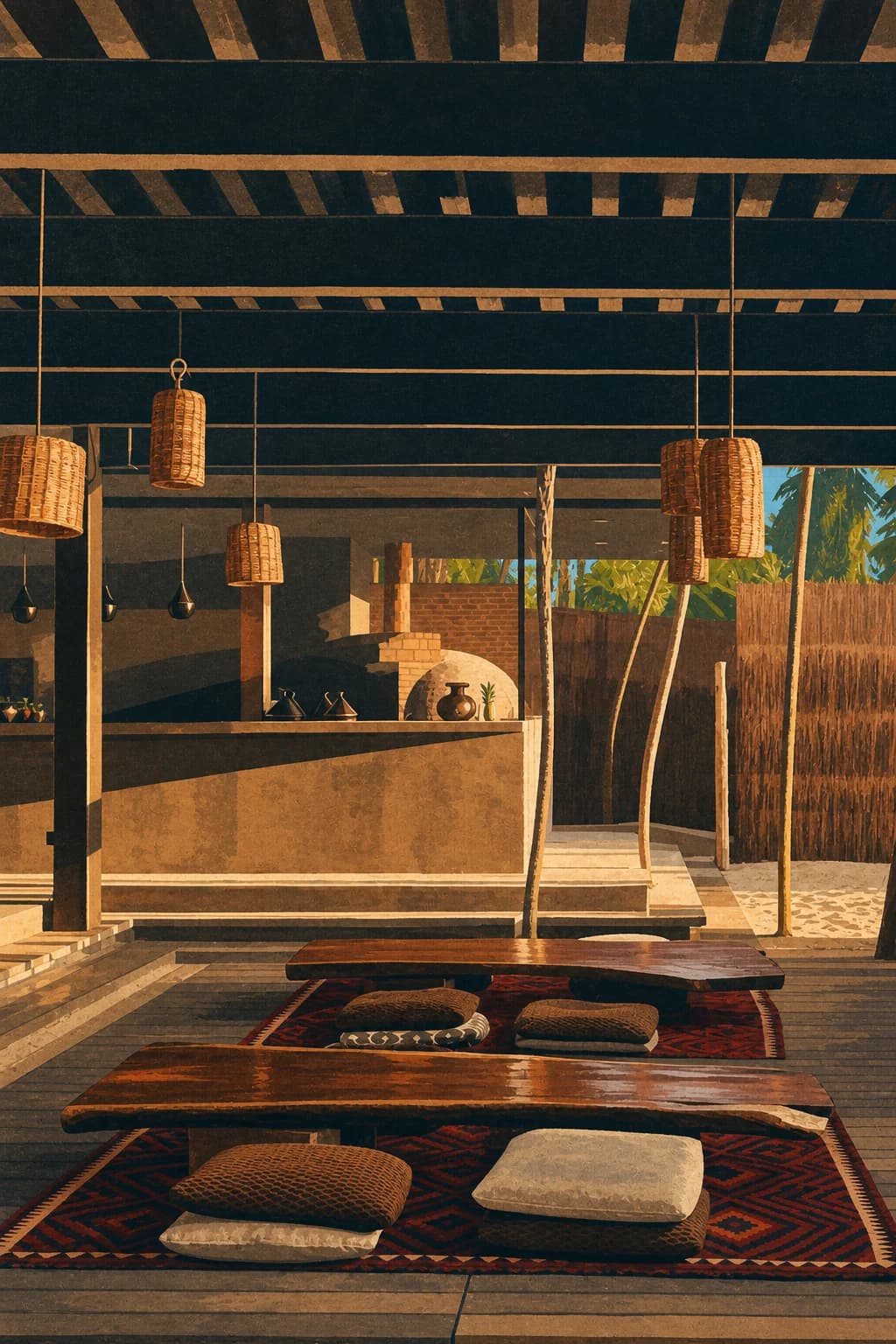
Because KAI is part of the Ahau Collection, guests can cross-use facilities and beach clubs at sister properties Ahau, Alaya and Villa Pescadores. That gives you variety without moving luggage: breakfast here, a long lunch at Ahau's Kapok vegan kitchen, a different sunset cocktail every night. Useful if you are staying longer than three days.
talk.
mapped.
record.
It is part of the Ahau Collection, a 14-year-old local group that runs Ahau, Alaya, Kanan and Villa Pescadores along this same stretch, so the vibe is locally owned eco-boho rather than flown-in consultant design.
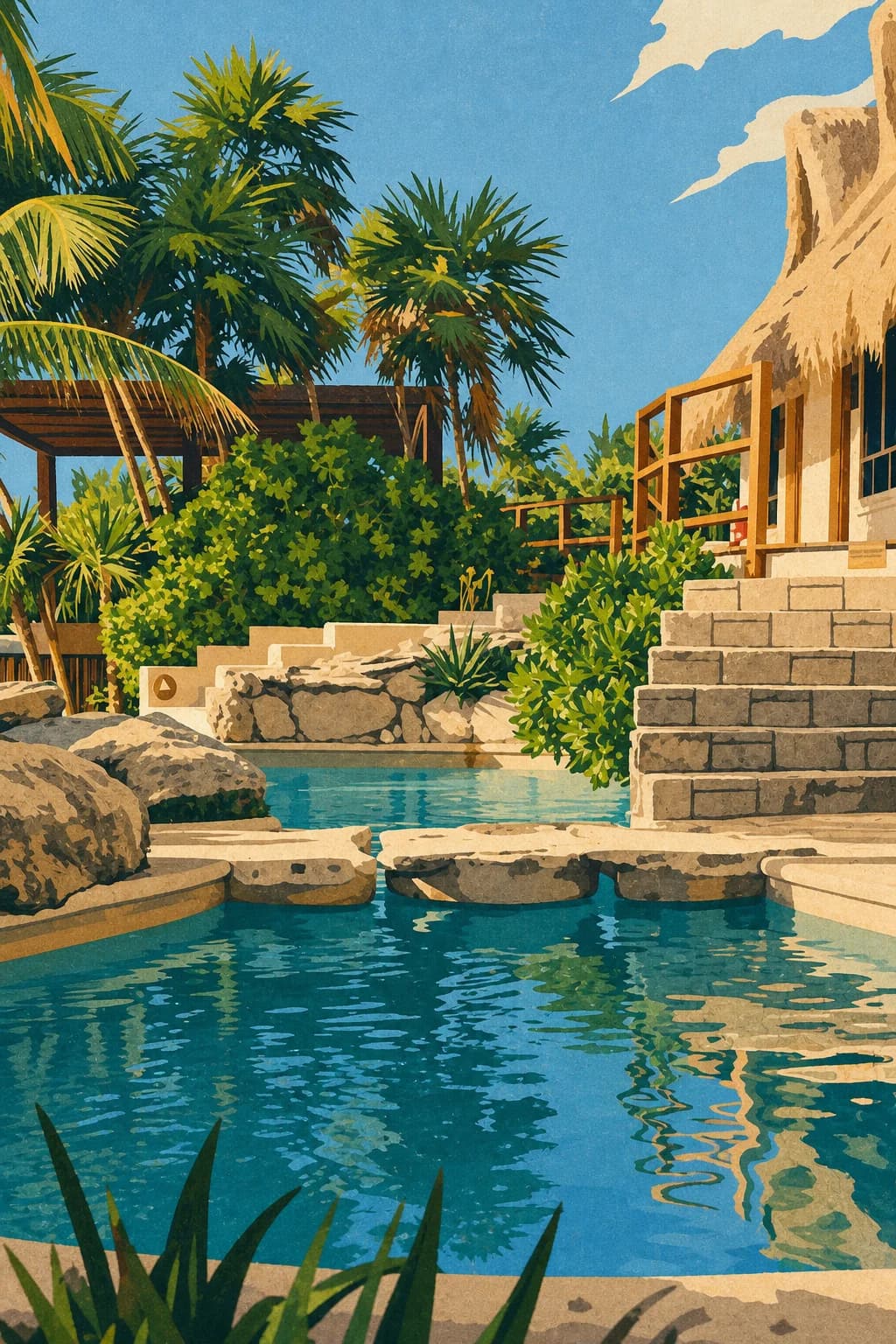
Sixteen palapa-roofed bungalows and villas, no televisions by design, a gourmet restaurant, beach club, yoga and massage, and direct access to one of the whitest sand strips on the Caribbean coast. Why it fills: park access restrictions inside El Jaguar kept new builds out, so existing properties operate as fixed inventory. Fifteen rooms, one beach, rising demand.
changed.
December through March peaks. November is the value window. Avoid September: sargassum and hurricane risk peak together.
Tulum runs on three overlapping forces — weather, crowd density, and sargassum seaweed — and misreading any one of them can wreck a trip. That triangulation matters more here than at almost any other Caribbean destination.
December through March is peak season, and it earns the title. Humidity drops, rain turns rare, and the Caribbean hits its clearest. December carries maximum demand on Christmas and New Year's pricing, while January through March hold steady before a March Spring Break surge fills South Beach Zone properties weeks out. For Ultra or Very High tier properties that book direct only, plan 60 to 90 days ahead — Nomade and Hotel Esencia both manage their own reservations and sell out specific room categories well before arrival.
April is the bridge. Easter and Semana Santa bring a final demand spike, driven largely by Mexican domestic travelers. Once that holiday window closes, both rates and crowds ease.
May through November is where the trade-offs live. Hurricane season officially runs June 1 through November 30, but statistical risk concentrates in September and October, with September carrying a 15 to 20% probability of tropical cyclone activity. June also opens the worst sargassum stretch: the floating brown algae, carried by Atlantic currents, piles onto Tulum's east-facing beaches from roughly May through October, peaking in July and August. Tulum's open coastline orientation means it catches more than Cancun or Playa del Carmen, and University of South Florida forecasts suggest 2026 could be among the heaviest sargassum years on record for the Mexican Caribbean.
Hotels with dedicated beach cleanup crews manage the situation daily; properties without them can have significant accumulation.
September is the genuine low point. Demand bottoms out, hurricane risk peaks, sargassum lingers, and some smaller properties cut hours or close for maintenance. October begins a slow recovery, with Day of the Dead at month's end marking the cultural pivot back toward high season. November is a legitimate value window: sargassum fades, hurricane odds drop sharply, and pricing hasn't yet climbed to December levels.
approach.
briefing.
stands.
demand's going.
The real Instagram following over time, plus where this hotel sits for demand in Tulum. Pick a range, toggle the lines. Followers are reach and demand, not engagement.
assessment.
File closes at HIGH. Book direct two to three months out for peak season. Skip if you want size in a standard bungalow; the suites are where the actual upgrade lives across this 16-room property.
The numbers behind the tiers
KAI TULUM (Ahau Collection) · SOURCE READINGS · REDACTED- Availability density · sampled
- Monthly search volume · raw
- TikTok hashtag views · raw
- YouTube total views · raw
- TikTok following · latest sweep
- Pinterest saves · latest sweep
More from Tulum.







Get the hotel's Unbookable Score.
Any post or reel with a hotel in it. Booking.com hotel pages work too. One free check, no account needed.