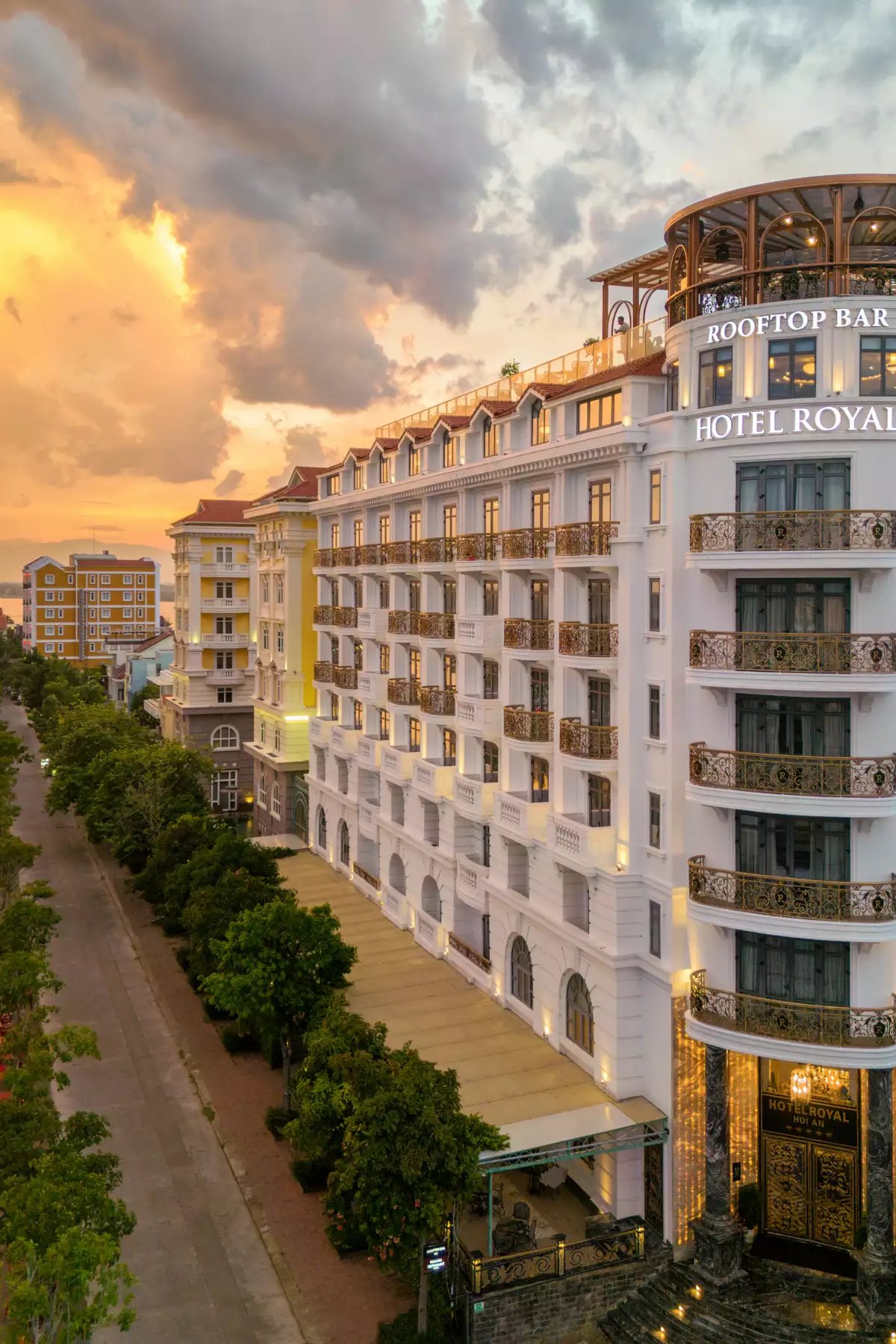
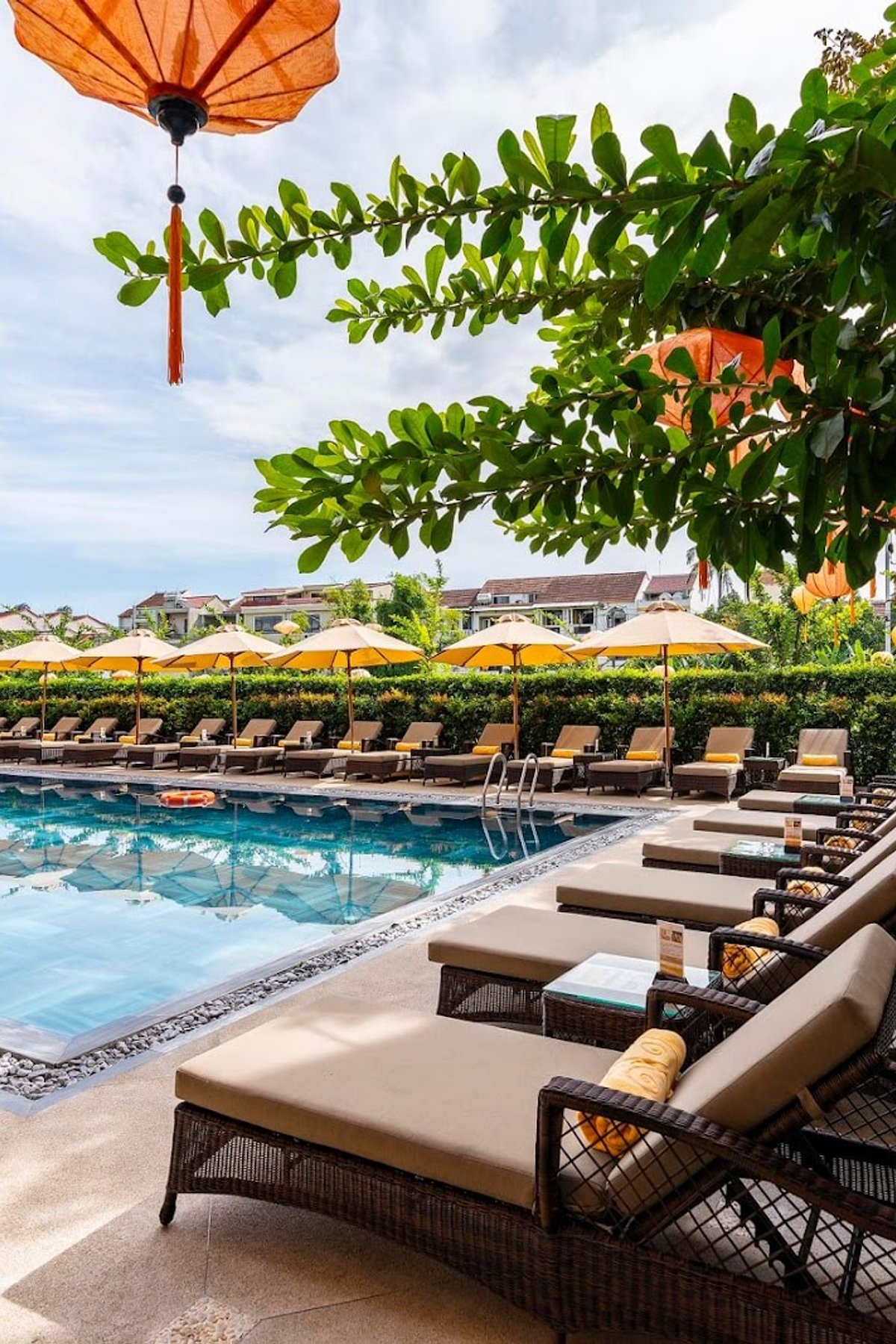
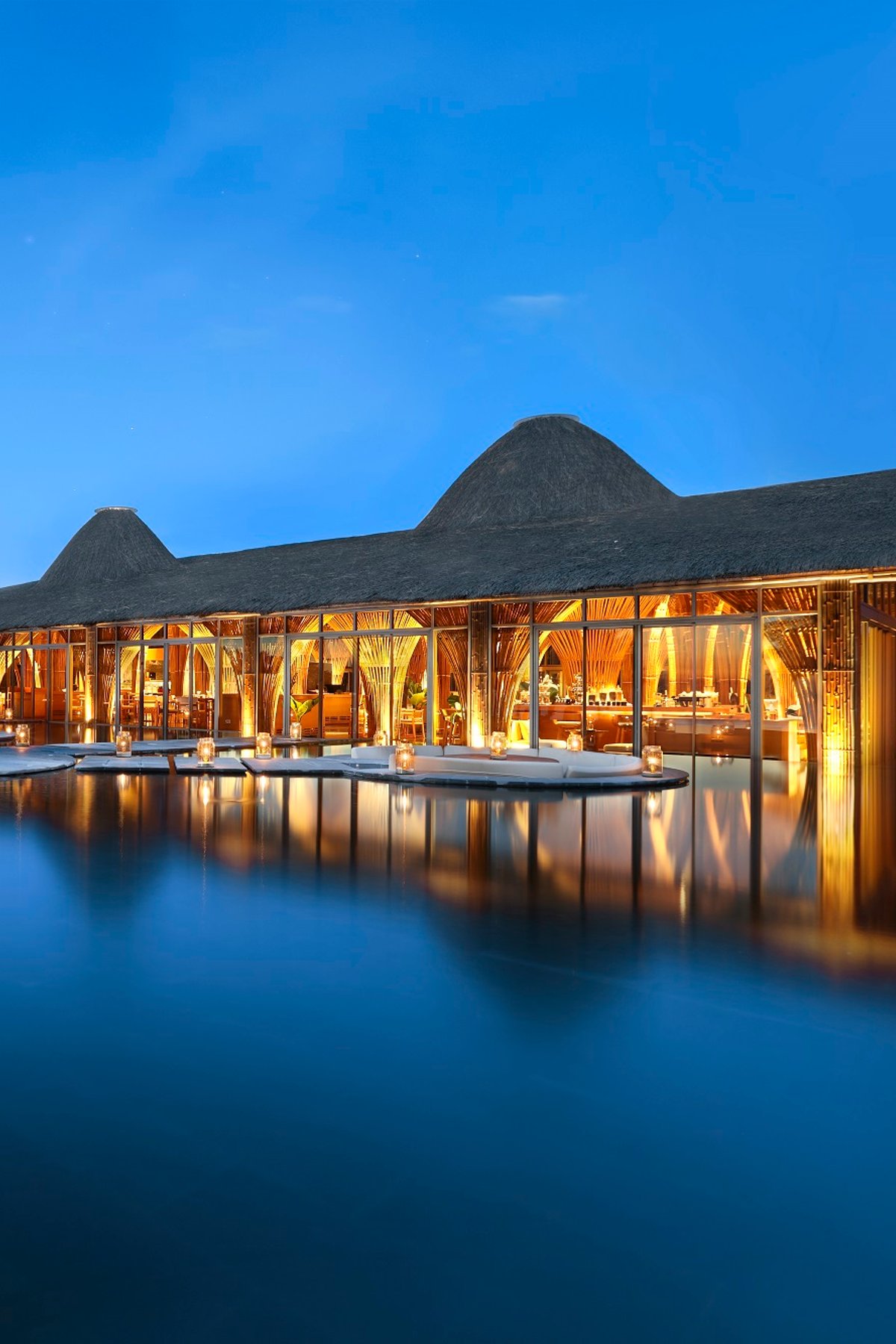
It earns its reputation as a calm, well-run beach base rather than a scene. You are paying an upper-mid rate for space, quiet, and a genuinely good stretch of sand, not for buzz or a big-name design story. For a beach-and-lanterns Hoi An trip, that is the right trade.
It flies under the radar for travelers who default to old-town hotels or the bigger beach names. There is no big social-media push pulling crowds, just steady guide coverage and repeat guests. That makes it quietly easier to book than places with a fraction of its charm.
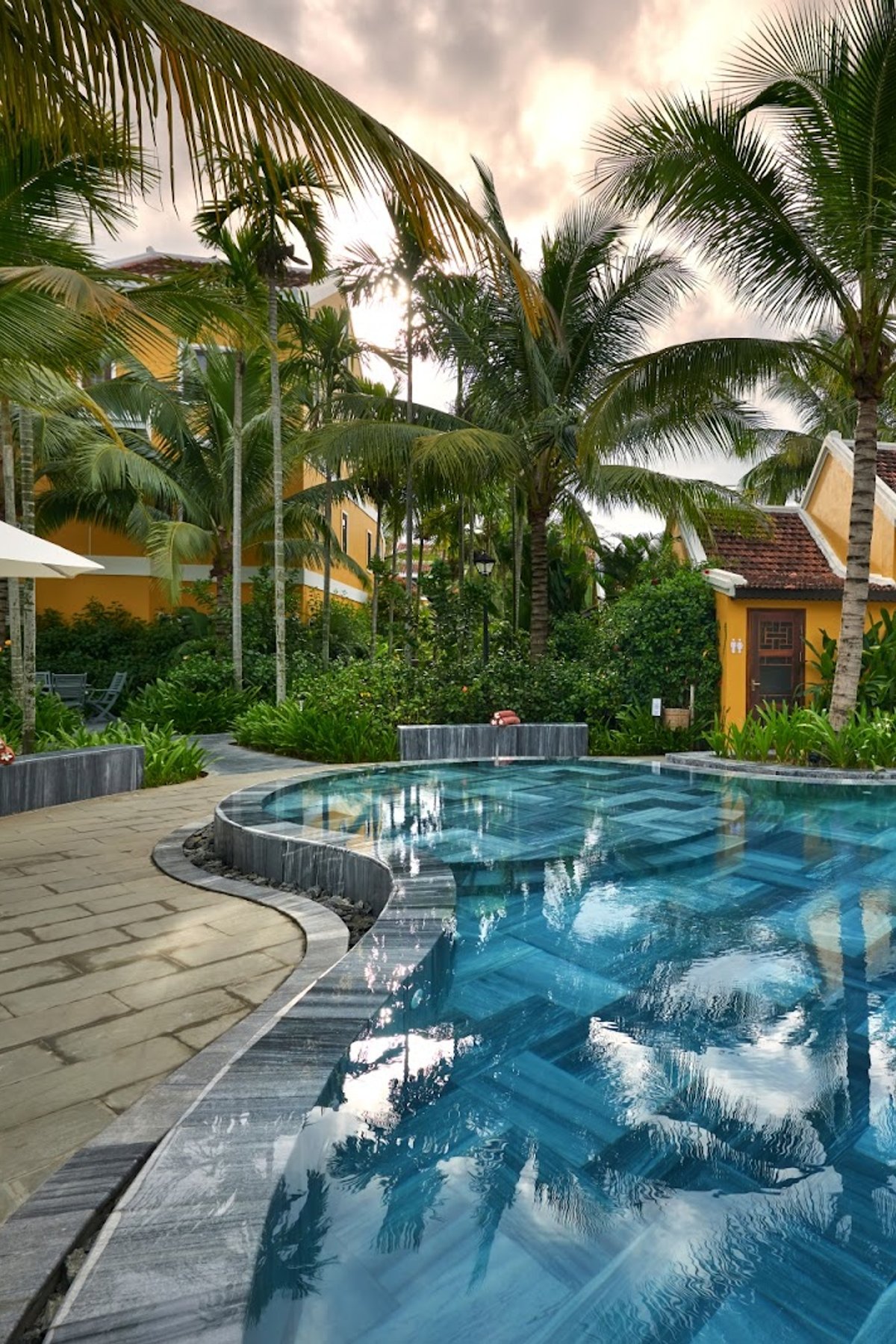
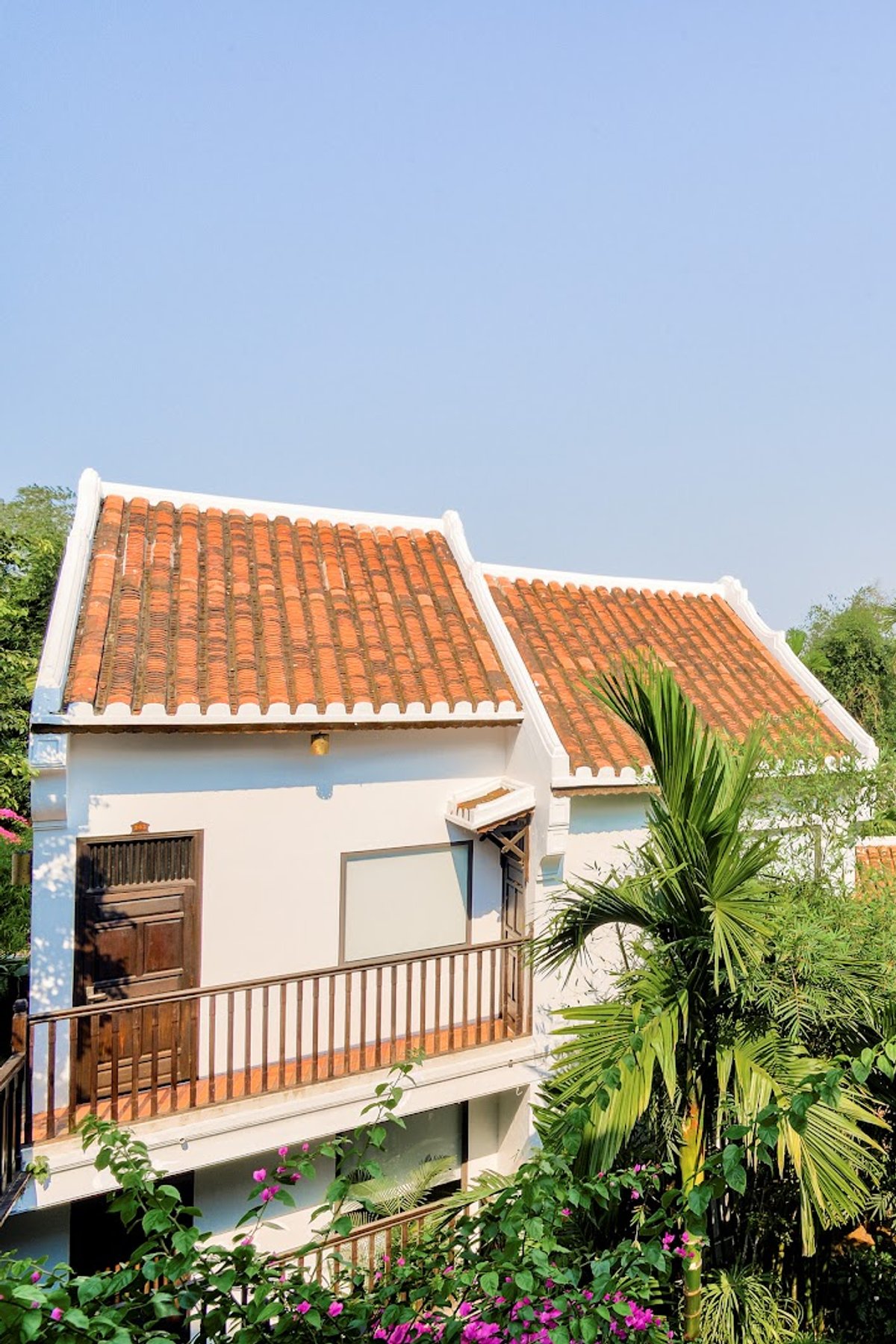
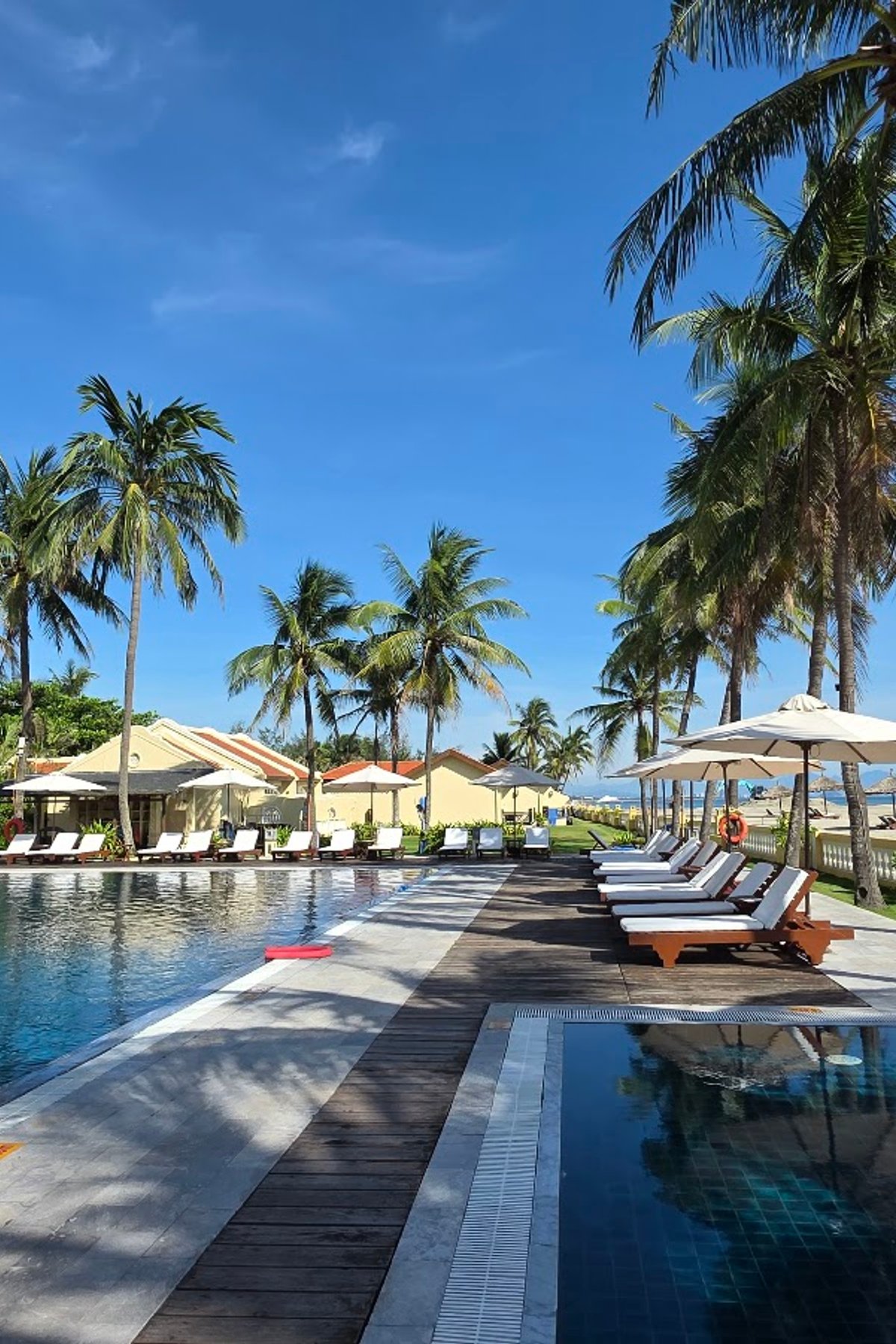
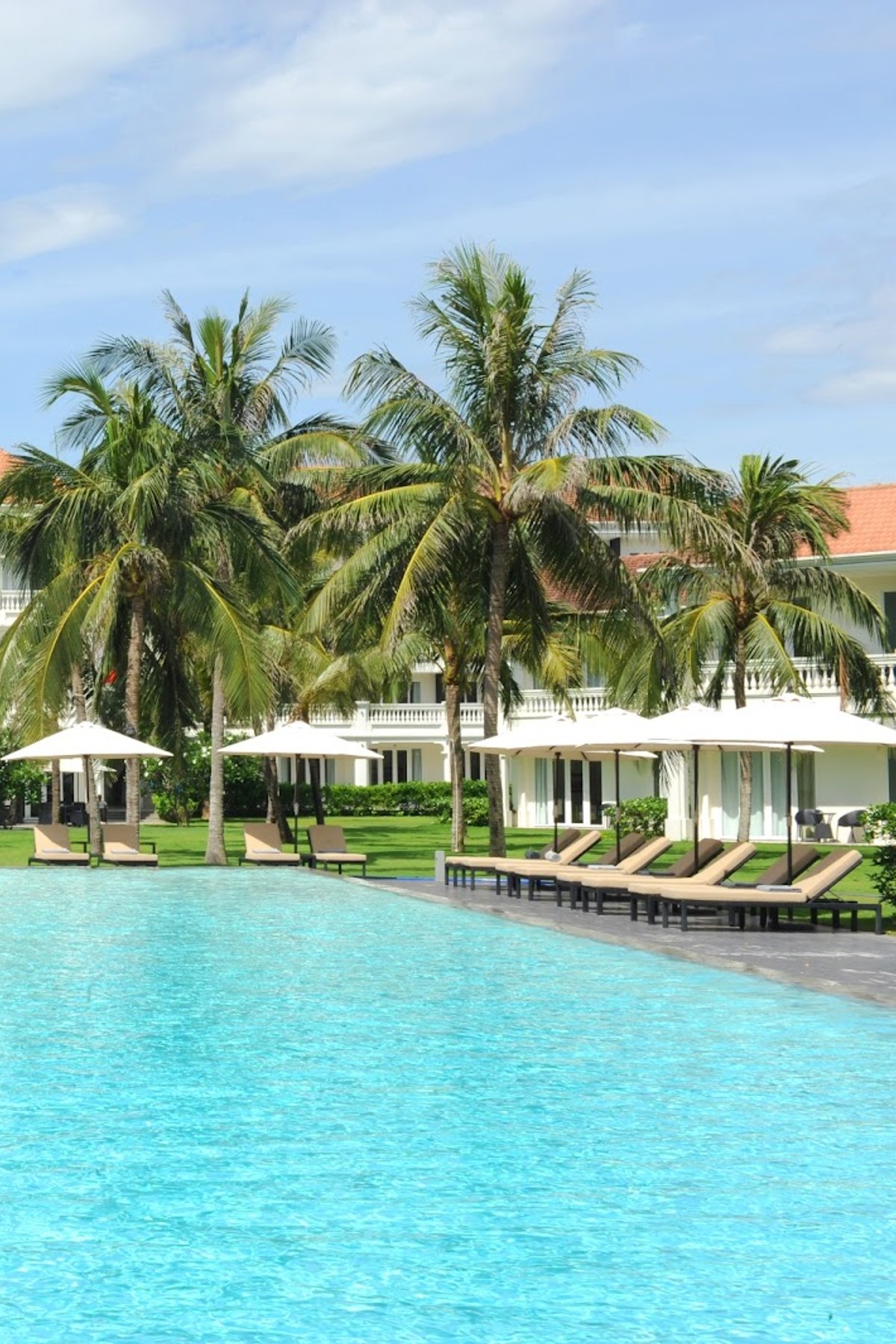
The resort spreads across a wide beachfront plot without crowding it. Buildings stay short, gardens stay lush, and the distance between blocks is the point: you get quiet and green rather than a wall of balconies. Rooms run airy and simple, with big windows, furnished patios, and rain showers. A handful of deluxe villas sit closest to the sand, some with their own plunge pool.
Le Cafe is the anchor, and breakfast is included on every rate: a wide spread that swings between Vietnamese and Western without phoning in either. Lunch and dinner move a la carte, pricier than the street stalls up the lane but genuinely good. The pool bar runs a happy hour and a light menu if you would rather not move far from the water.
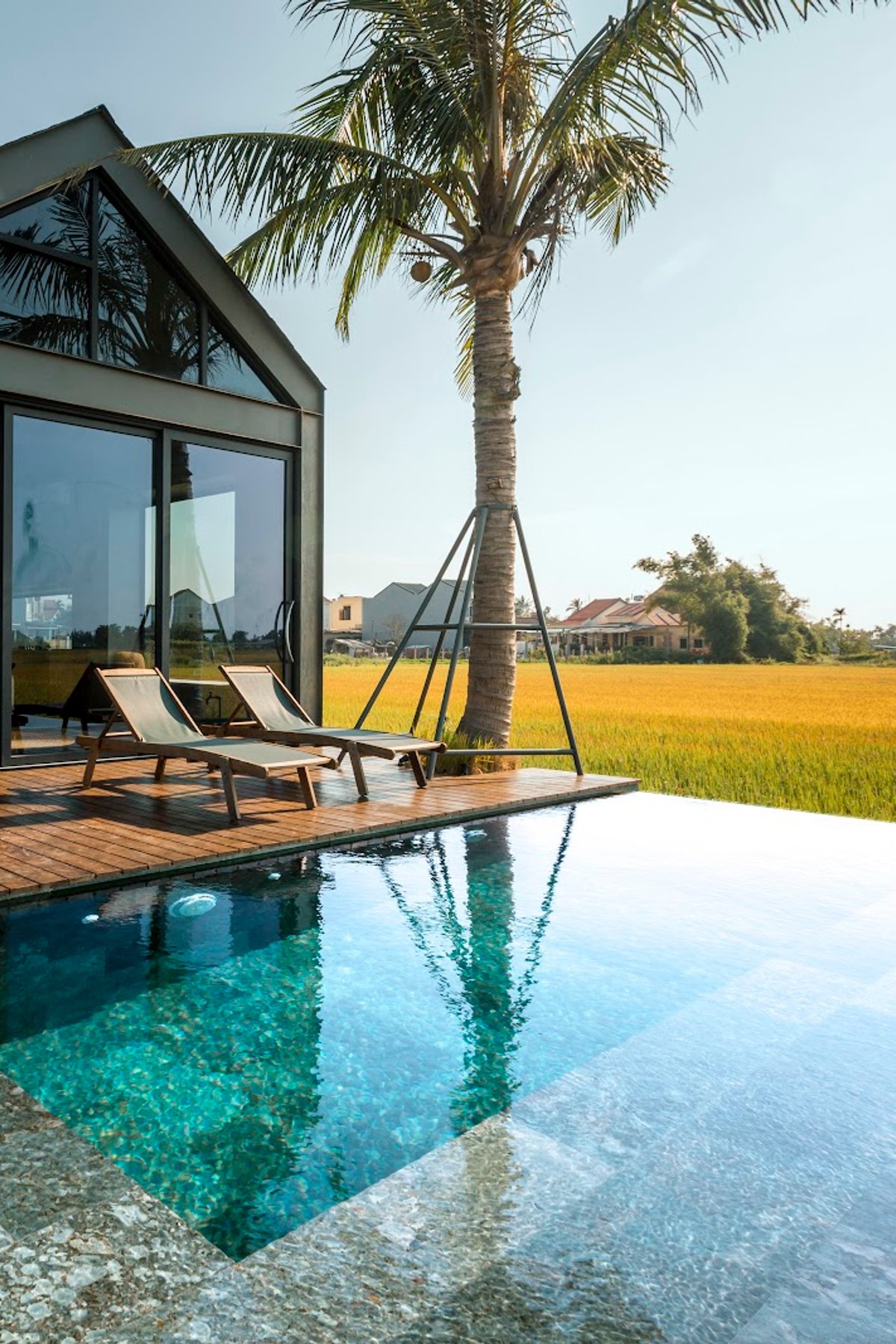
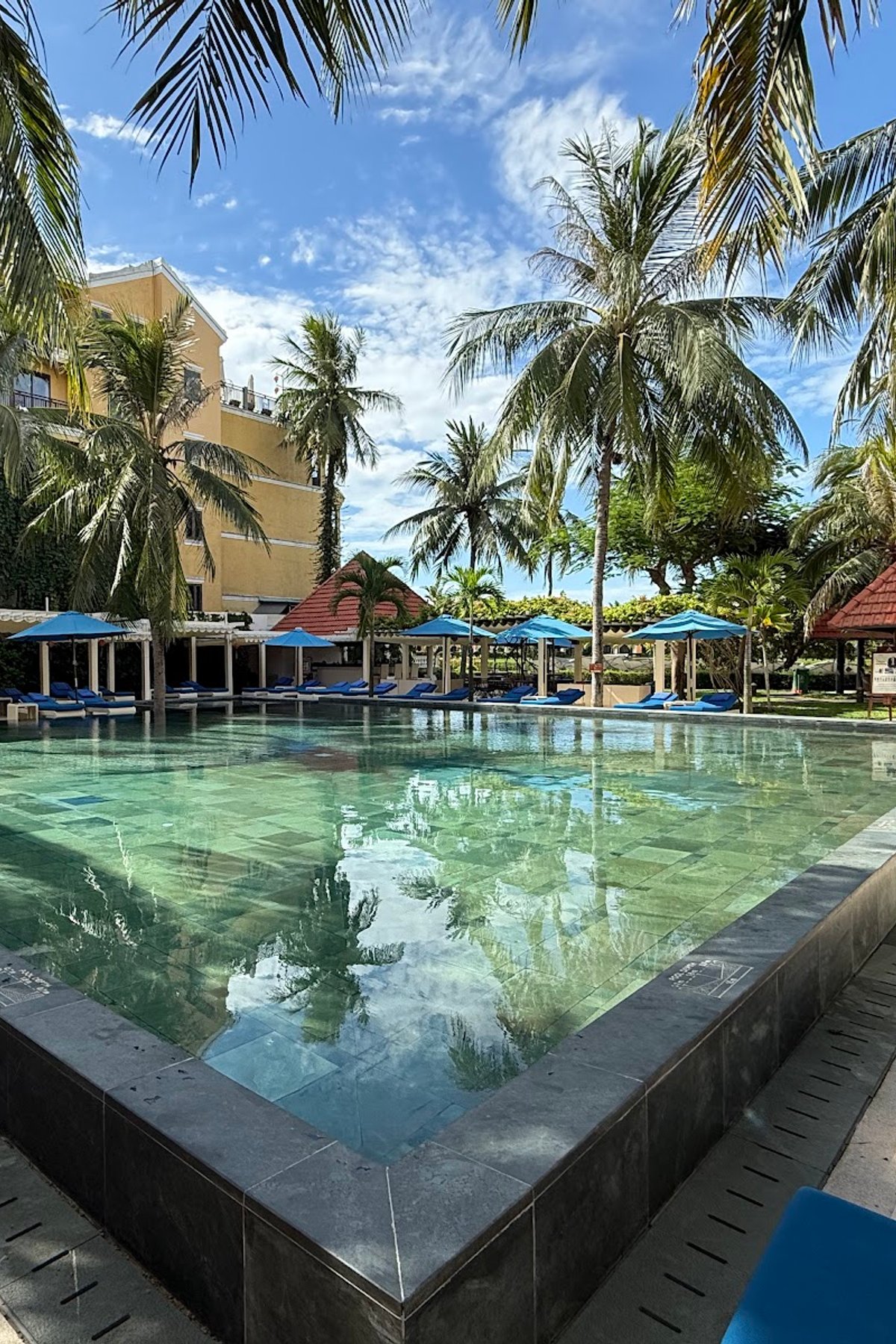
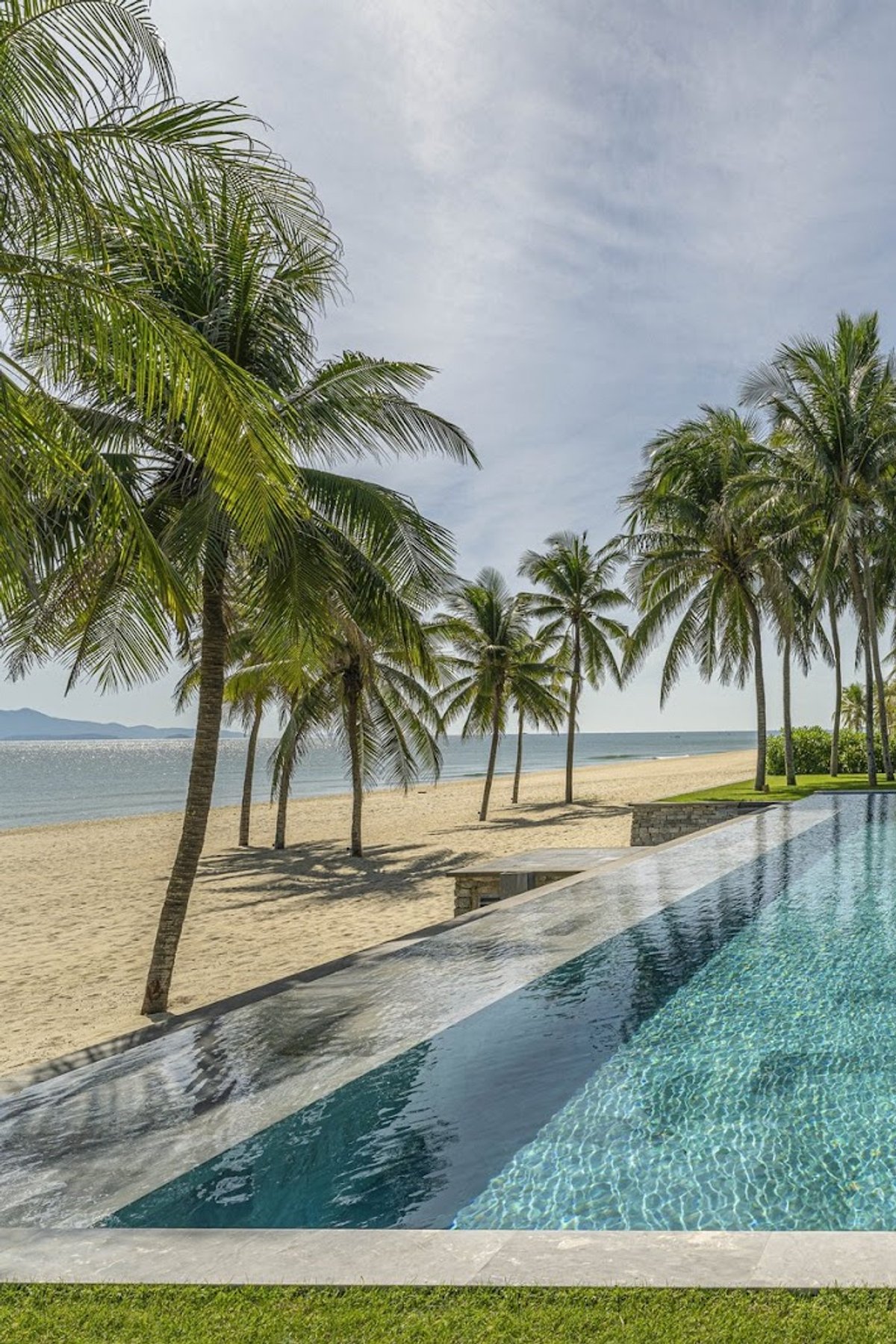
You are on a calm, soft-sand stretch with an infinity pool looking straight at the water. An Bang village sits close by, a cluster of beach cafes and easygoing restaurants that locals and expats actually use. Hoi An's old town is a short cycle or cab ride, so you get lantern-lit evenings and quiet beach mornings from the same base.
At 84 rooms across garden blocks it reads as a resort, not an intimate boutique despite the name.
Best for travelers who want beach mornings and old-town evenings, less so for anyone who needs to walk to the lanterns.
Superiors sit in a taller block away from the water while villas hug the sand, so the category you book changes the stay a lot.
An Bang has a growing cluster of beach resorts and cafes, so this competes on calm and space rather than being the only option.
An Bang Beach is where Hoi An goes to exhale, and this is the resort that gets the beach without the crowd noise. Eighty-four rooms spread low across a long garden plot, so the place feels bigger and quieter than the number suggests. The buildings stay short, the lawns stay green, and the design leans on space rather than spectacle: rain showers, wide patios, villas set close enough to the sand that you can hear it.
The pool runs to an infinity edge over the beach, and Le Cafe handles both a generous breakfast and dinners worth staying in for. Fodor's and a couple of long-standing Vietnam guides have written it up over the years, which tells you it has been quietly good for a while rather than freshly hyped. Rooms stay available most of the year, but the beach season tightens things, so plan ahead when everyone else wants sun too.
The demand curve here has one sharp spike and a long, flat tail, and understanding why saves both money and disappointment. The February-to-April peak exists because it is the only stretch when central Vietnam reliably delivers dry, mild days: the winter rains have gone and the brutal summer heat has not yet arrived. That window also overlaps Tet, the lunar new year, which stacks a wall of domestic demand on top of the international crowd. If you want a specific room in a small Cam Thanh retreat or a heritage resort near the Covered Bridge during these months, plan on booking three to six months out. The top-tier addresses are few, and they sell their peak dates first. The rest of the year rewards flexibility. May and September are the genuinely undervalued months. They sit in the shoulder band on price and availability but still deliver plenty of usable weather, and September in particular lands before the rains turn serious. The deep summer of June through August is hot and humid, which is exactly why it prices as shoulder; for beach-first travelers and families who will spend the afternoons in a pool or at An Bang, that heat is a feature, not a deterrent, and it is the easiest time to walk into a good room on short notice. October and November are the honest gamble. This is central Vietnam's wet season, and the Thu Bon can rise enough to flood the Ancient Town's lower streets; locals paddle boats down them most years. Demand stays in the shoulder band, which means the rooms are there and the rates are soft, but you are trading certainty for value. Nothing closes, so the calculus is yours. One timing note cuts across every month: the lantern festival falls on the fourteenth night of each lunar cycle, when the town douses its electric lights for candlelit lanterns. It is worth building a trip around, and it is not a summer-versus-winter decision. Check the lunar calendar, then pick your dates.
The real Instagram following over time, plus where this hotel sits for demand in Hoi An. Pick a range, toggle the lines. Followers are reach and demand, not engagement.
File closes at MODERATE. Available most of the year and fairly priced for the beach it sits on. Book it if you want An Bang calm with old-town Hoi An in reach; skip it if you need to step straight onto the lantern streets.