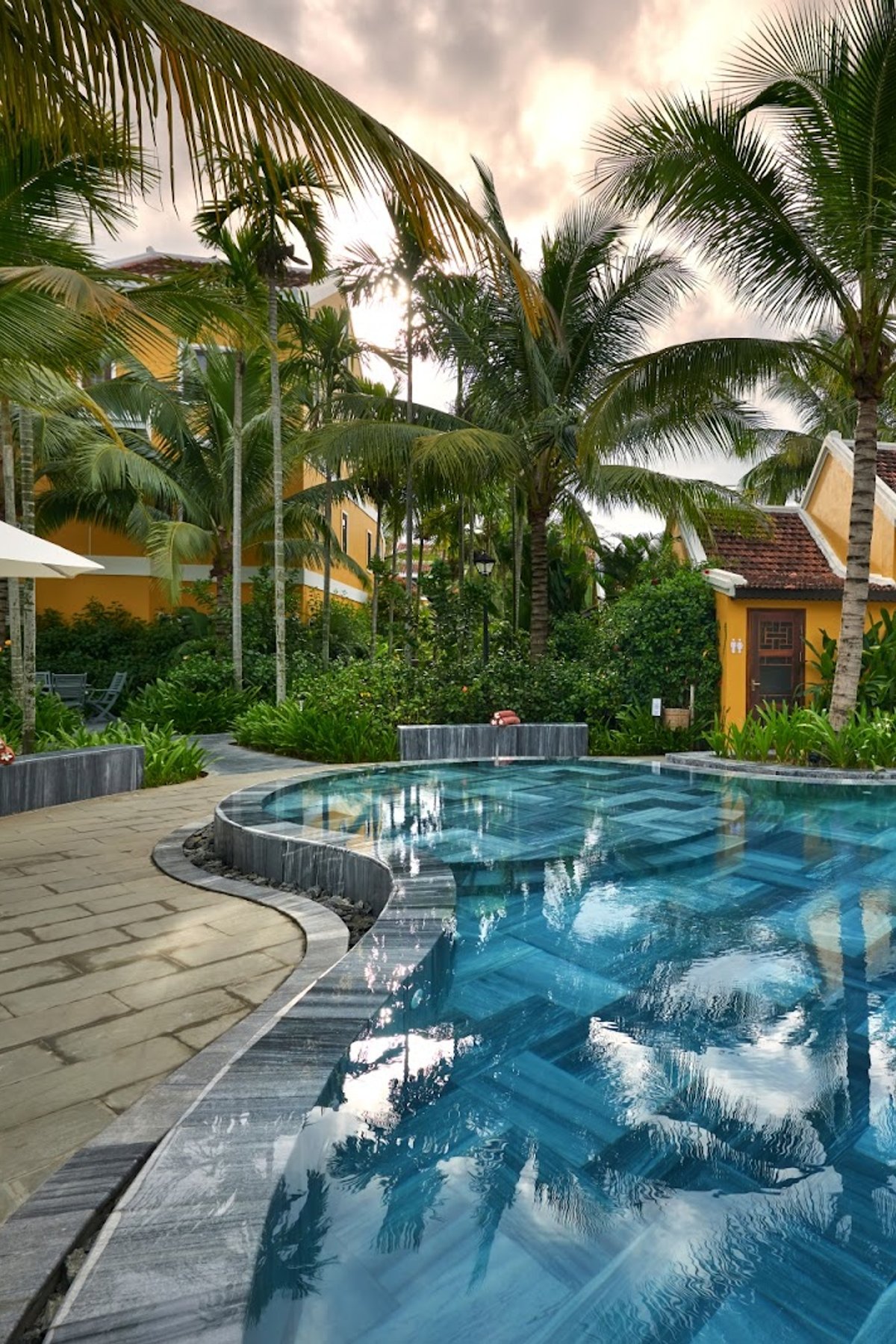
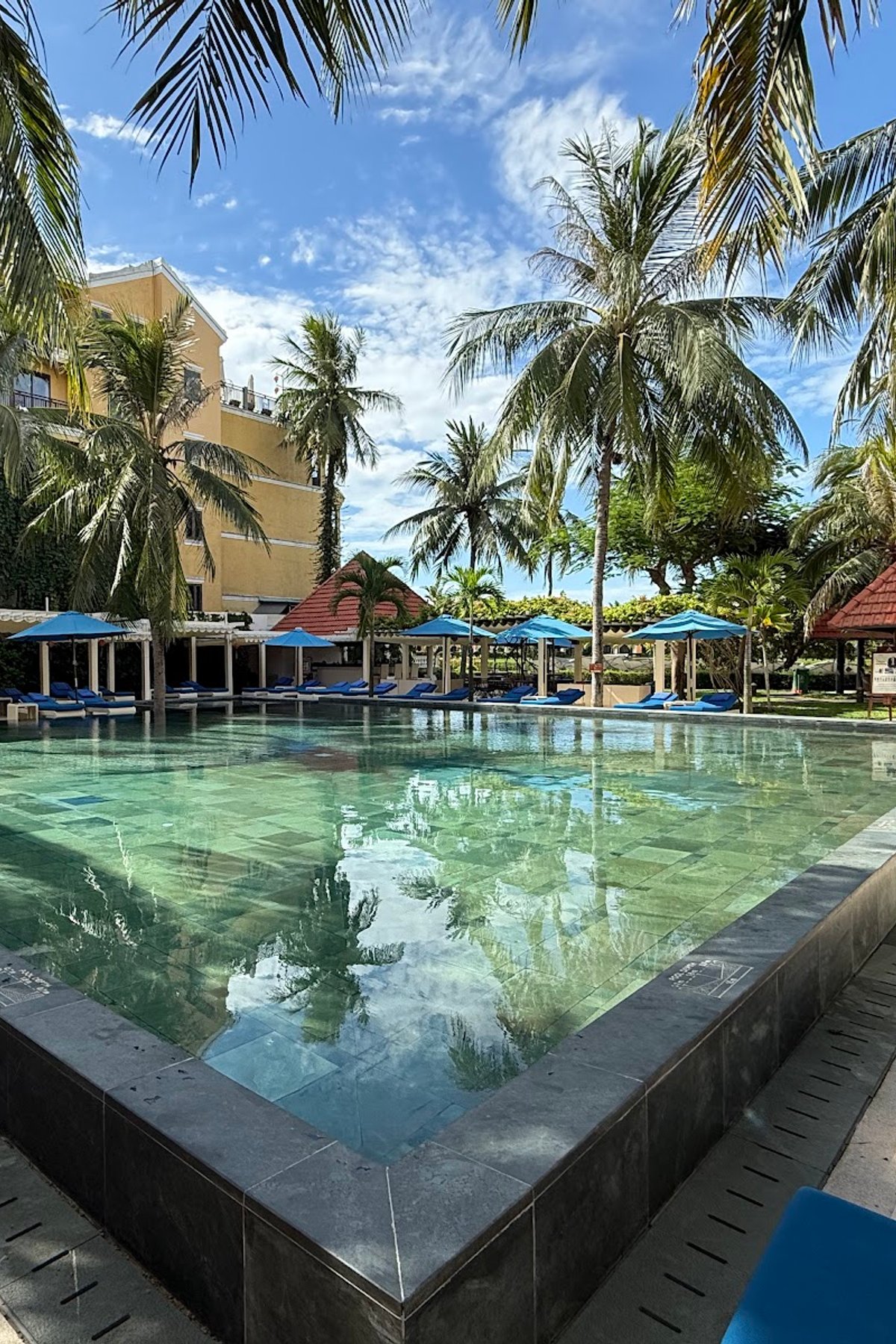
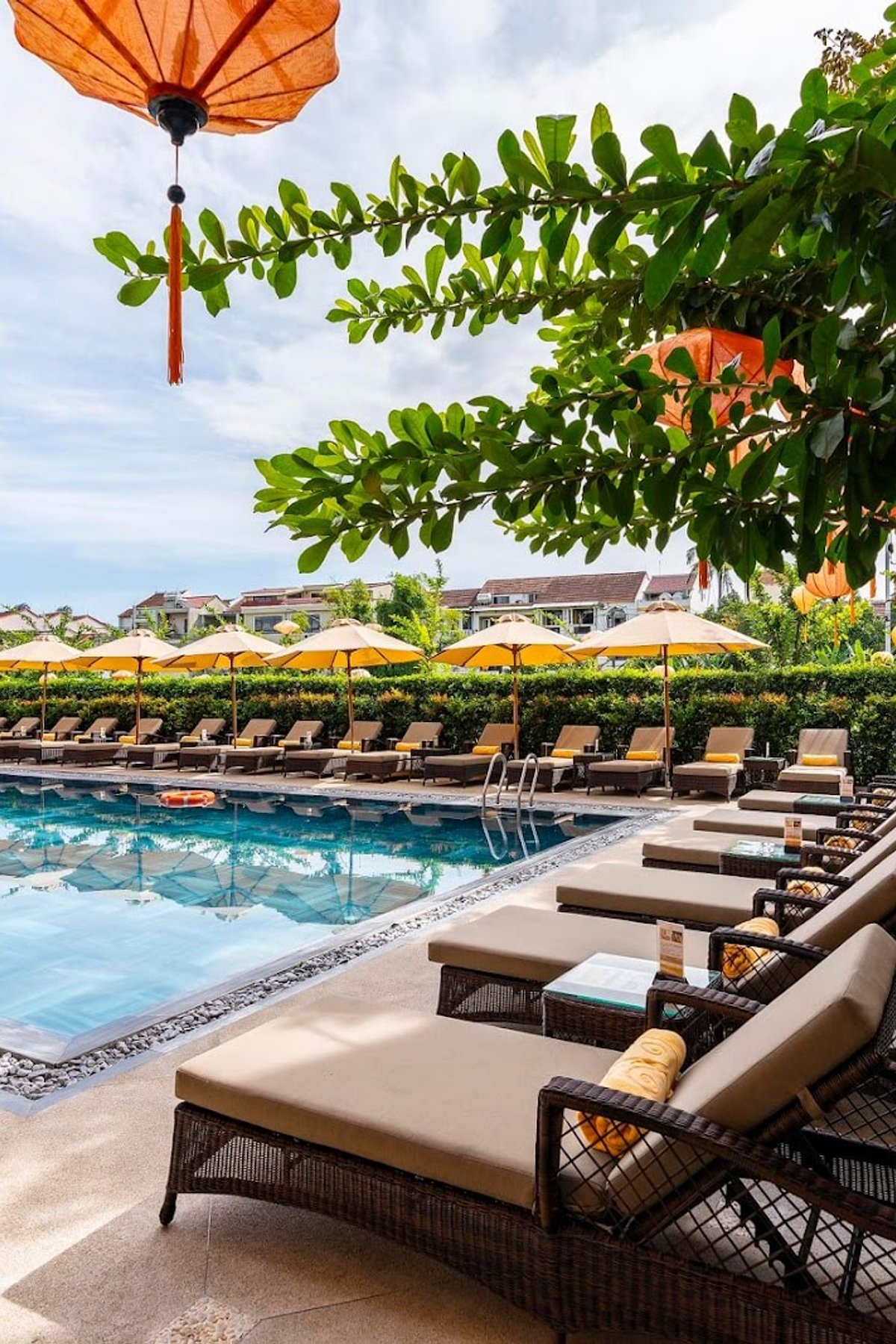
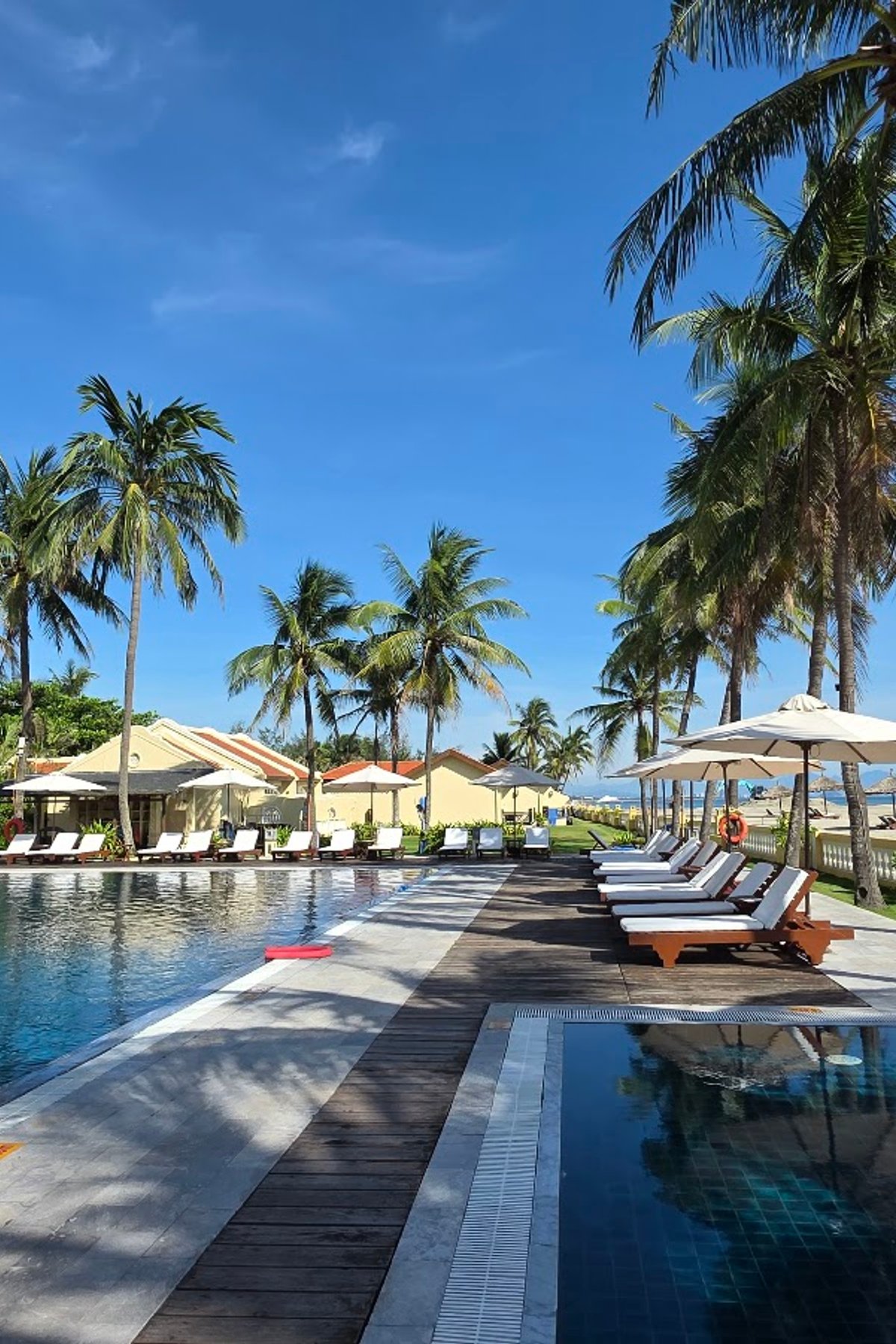
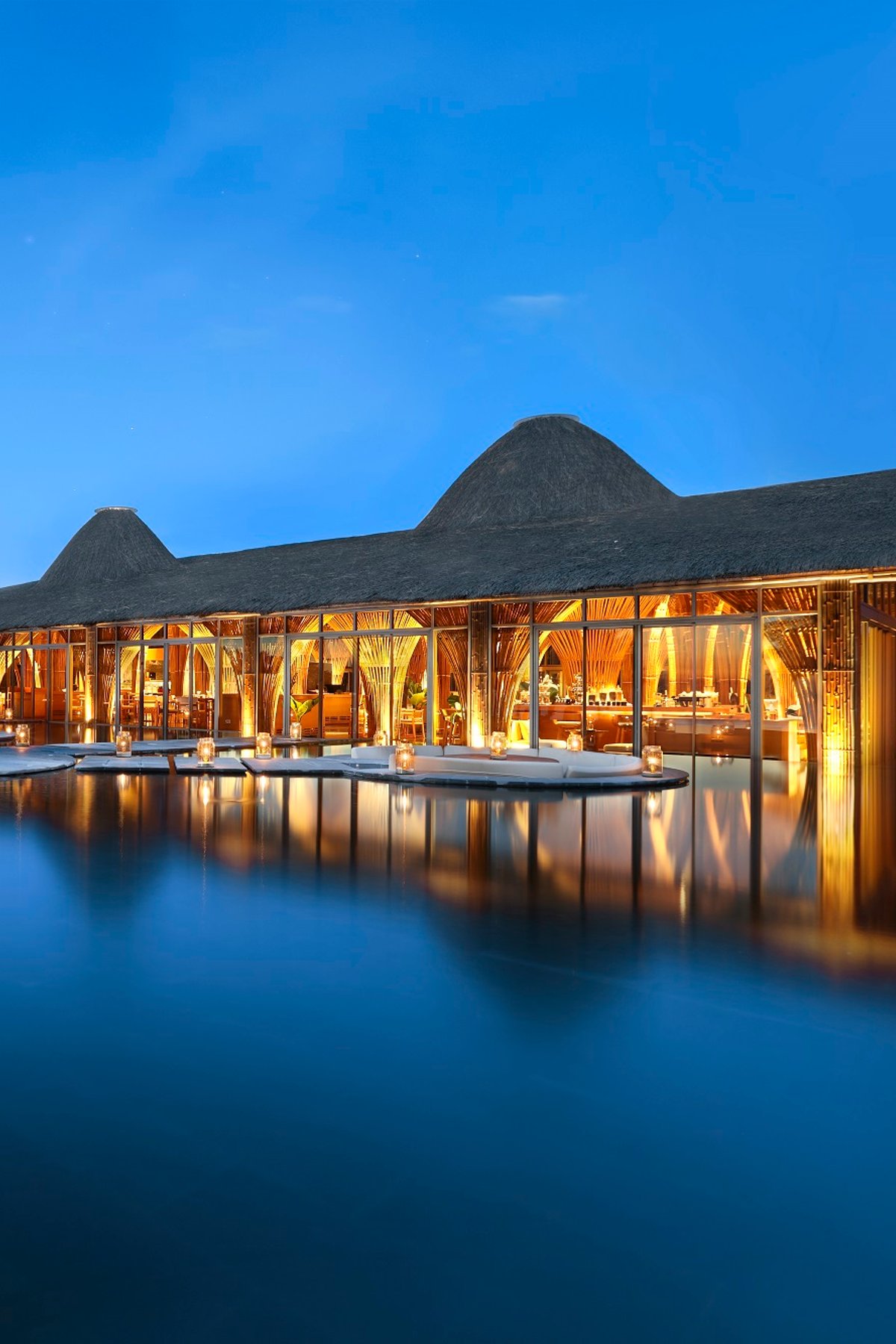
For a garden pool, a walkable old-town location, and rooms that punch above their price, yes, it earns its reputation. It is not a design landmark or a scene, and it does not pretend to be. What it delivers is a calm, comfortable base in one of Vietnam's most charming towns.
It is something of a hidden gem in that it flies under the radar of travelers chasing Hoi An's marquee names, yet it delivers most of what they are after with less fuss. Well-reviewed but not fought-over, it is the kind of place regulars quietly keep to themselves.
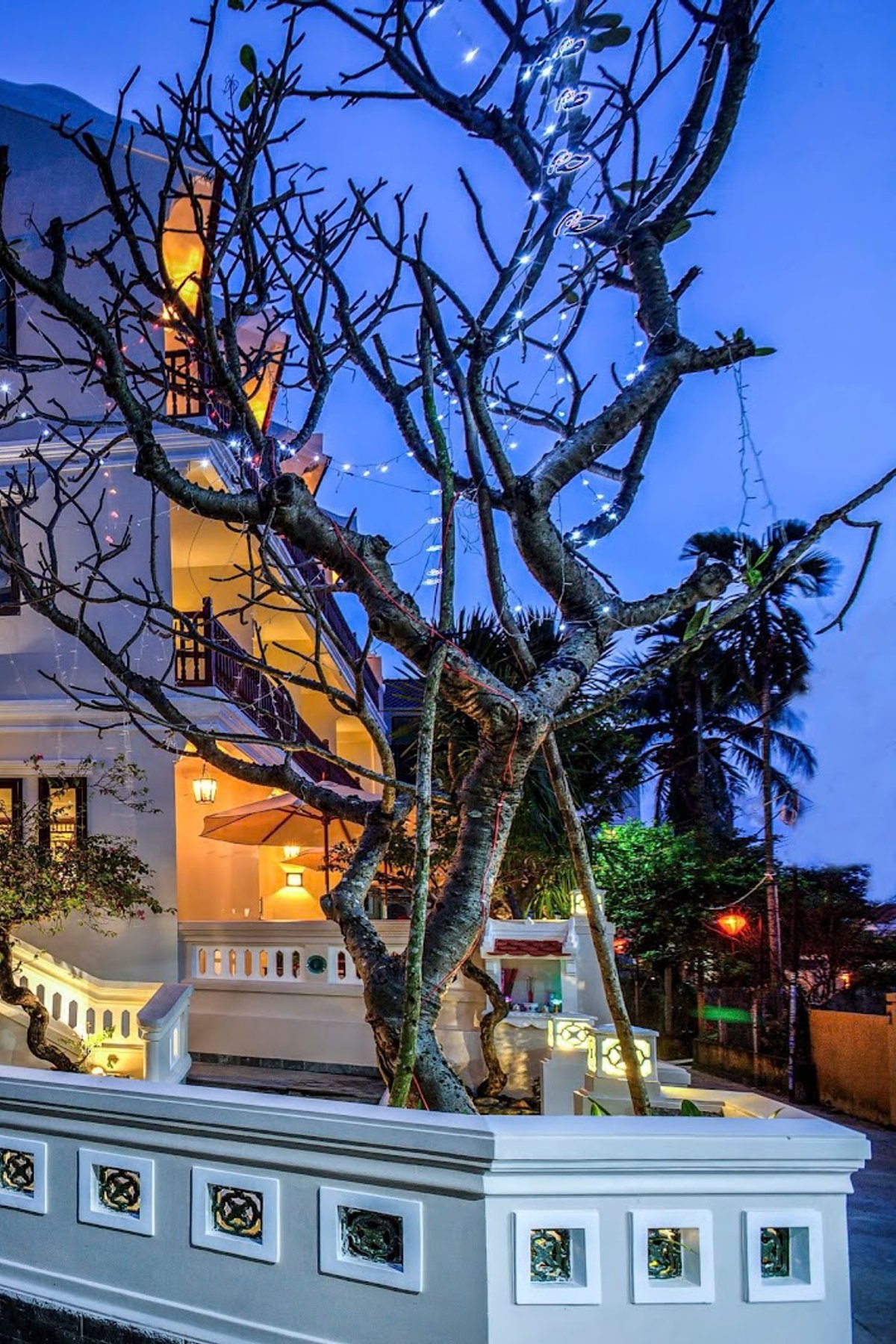
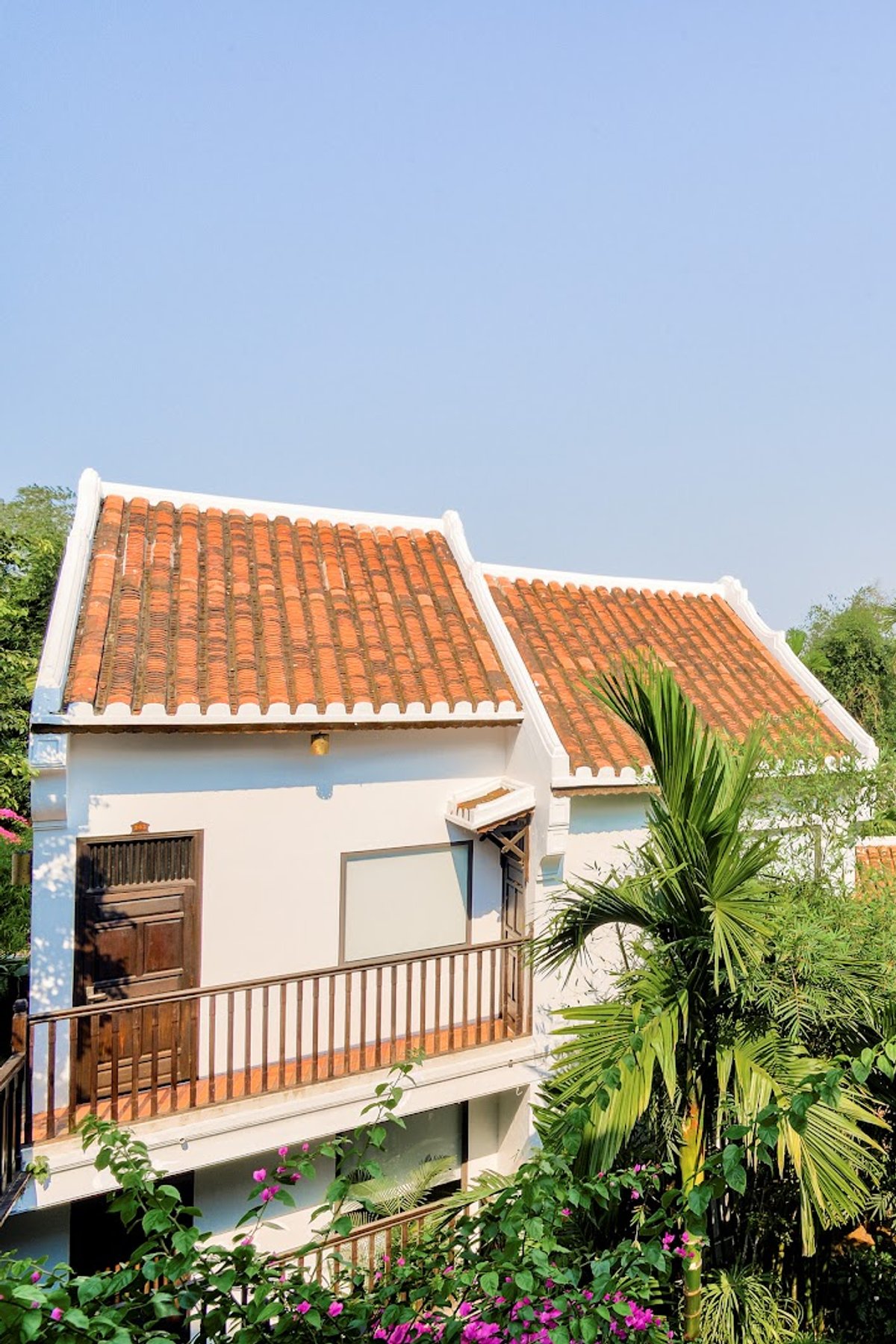
The look is the Hoi An boutique template done with care: dark wood against white plaster, shuttered windows, and bathrooms with the deep soaking tubs guests keep mentioning. Rooms run spacious for the price, most with a private balcony facing the garden rather than the street. It reads calm rather than showy, which is the right instinct for a town this visually busy.
You are a flat, easy stroll from the Japanese Covered Bridge, the riverside, and the tailor shops that made Hoi An famous. The Ancient Town closes to traffic and fills with lanterns after dark, which is when it earns its reputation. Sitting just outside the core means you skip the nightly crowds at your door but reach them in minutes on foot.
Hoi An is one of Vietnam's great eating towns, and you are within walking distance of the good stuff: cao lau, the smoky pork-and-noodle specialty you can only get here, white rose dumplings, and the banh mi stalls that draw queues at lunch. Breakfast at the villa handles the mornings; the rest of the day, eat your way through the market and the riverside.
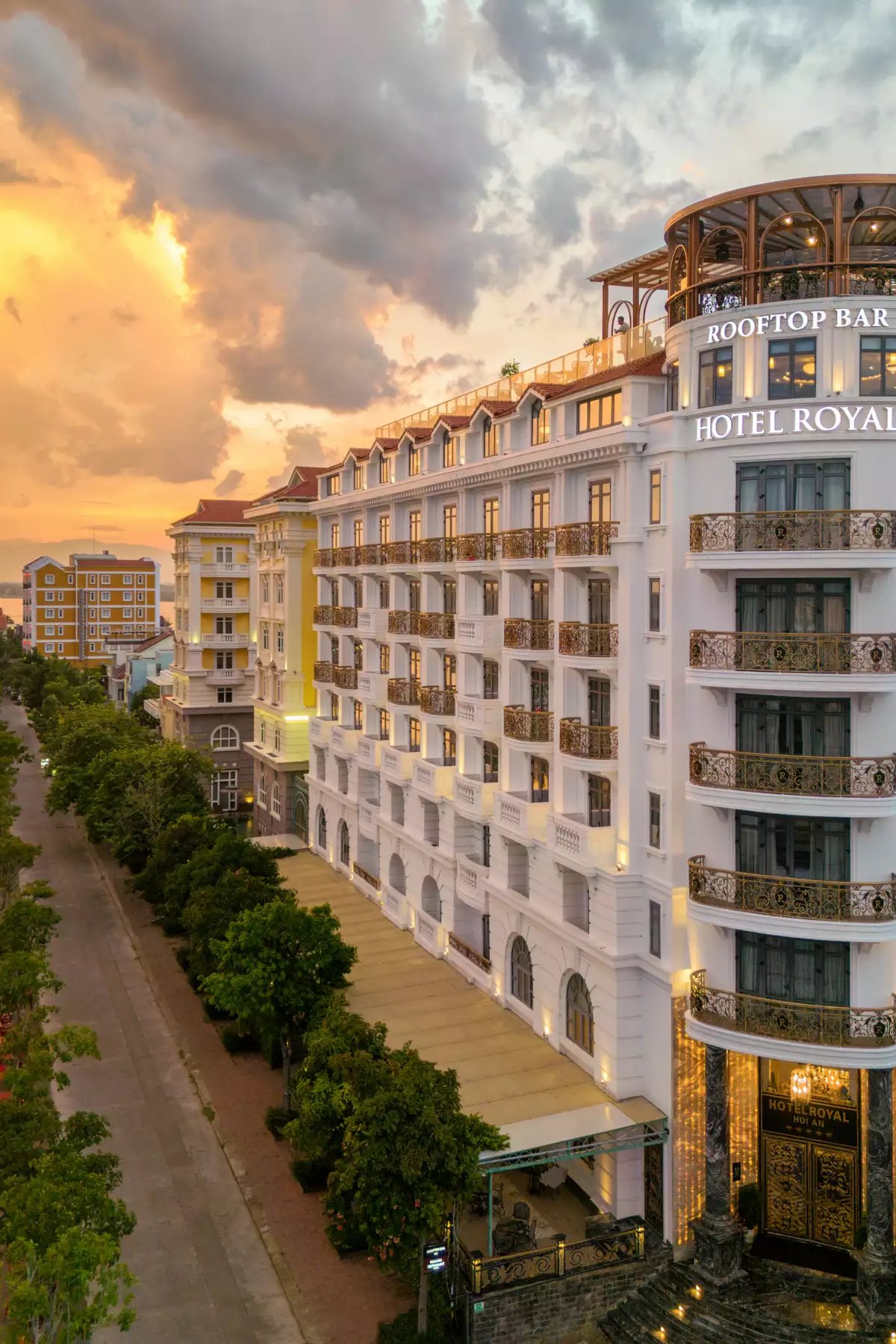
At 53 rooms it runs larger than a true villa hideaway, so expect a full-service hotel feel rather than an intimate one.
Best for travelers who want a comfortable, walkable base and a pool, not those chasing a design-forward scene or nightlife.
Rooms range from snug entry categories to spacious upper-floor balconies, so the category you book matters more than usual.
Hoi An is thick with boutique stays at this price, so the pool, garden, and walkable location are what set this one apart.
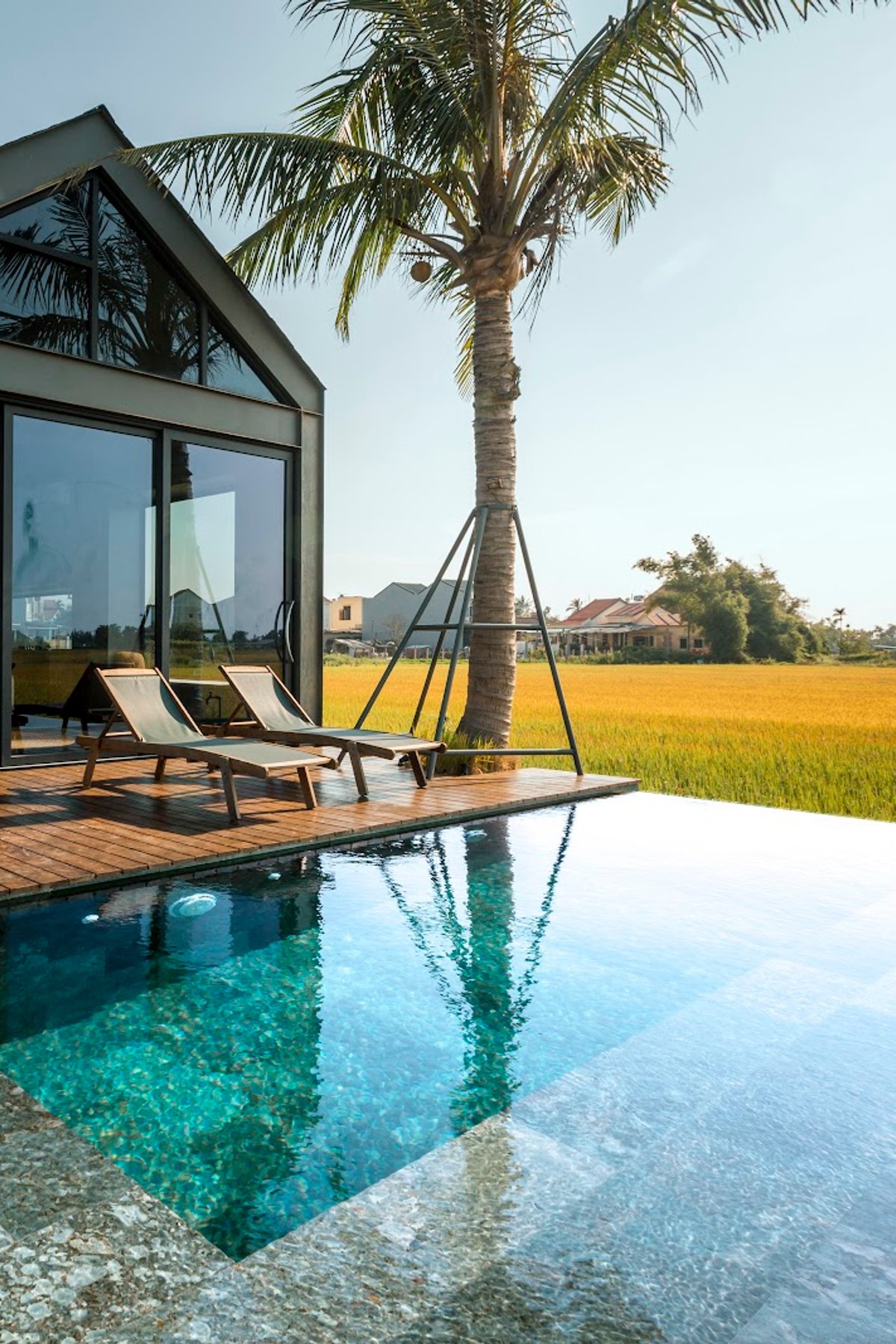
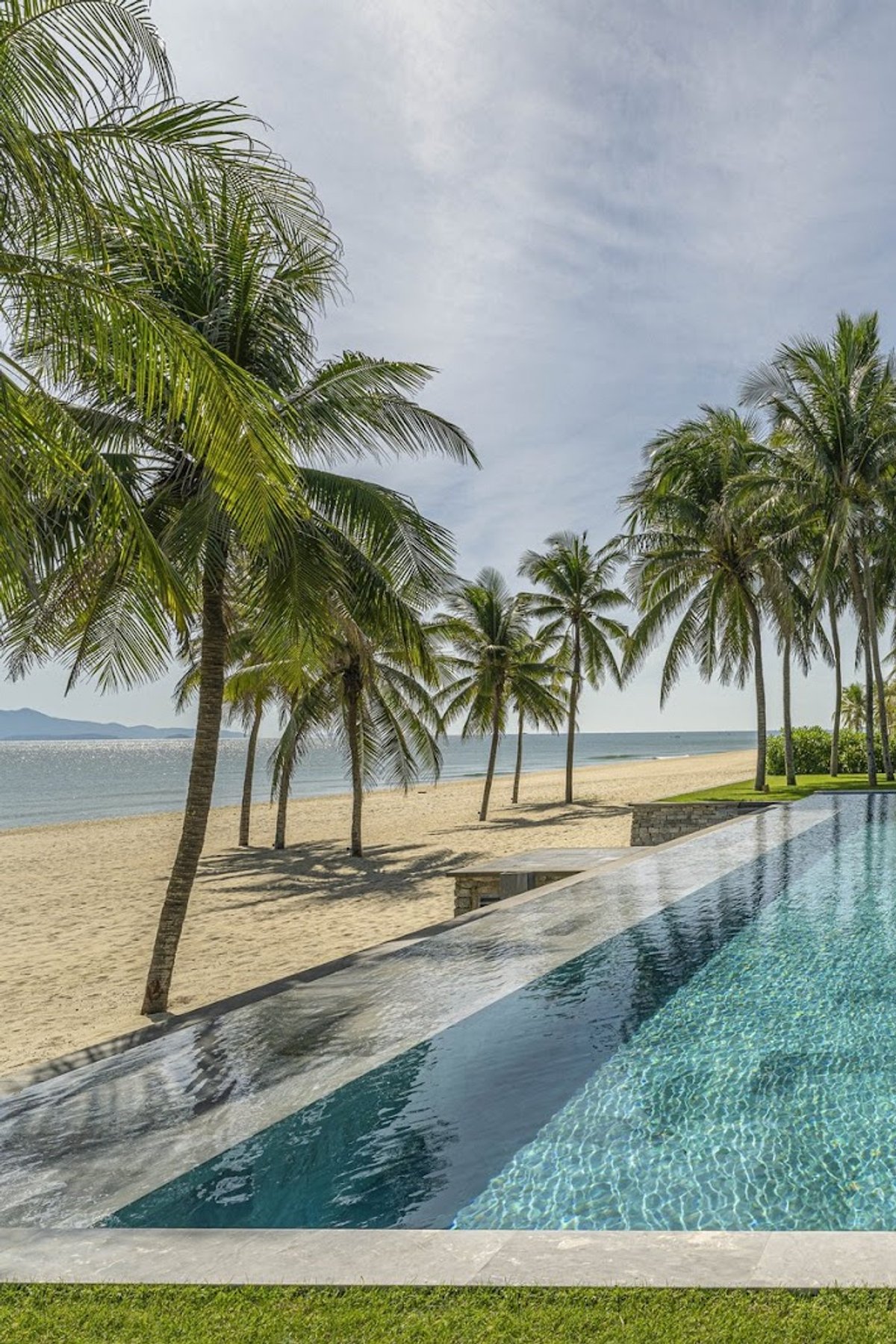
Most of Hoi An's prettiest boutique stays vanish from the calendar months out. This one, mostly, does not, and that is the whole appeal. Cozy An opened in 2015 as a small garden villa a short walk from the Ancient Town, and it has grown into a 53-room retreat built around the thing Hoi An does best: a quiet courtyard, an outdoor pool ringed by tropical planting, and rooms that open onto balconies over the greenery.
The bones are classic Hoi An boutique: dark timber, white walls, deep soaking tubs, a small library for the hot part of the afternoon. Da Nang's airport sits about 40 minutes north, close enough for a lazy arrival. You get the lantern-lit old town on foot and the pool to come home to. And unlike the marquee names, you can usually still find a room here when you actually want one.
The demand curve here has one sharp spike and a long, flat tail, and understanding why saves both money and disappointment. The February-to-April peak exists because it is the only stretch when central Vietnam reliably delivers dry, mild days: the winter rains have gone and the brutal summer heat has not yet arrived. That window also overlaps Tet, the lunar new year, which stacks a wall of domestic demand on top of the international crowd. If you want a specific room in a small Cam Thanh retreat or a heritage resort near the Covered Bridge during these months, plan on booking three to six months out. The top-tier addresses are few, and they sell their peak dates first. The rest of the year rewards flexibility. May and September are the genuinely undervalued months. They sit in the shoulder band on price and availability but still deliver plenty of usable weather, and September in particular lands before the rains turn serious. The deep summer of June through August is hot and humid, which is exactly why it prices as shoulder; for beach-first travelers and families who will spend the afternoons in a pool or at An Bang, that heat is a feature, not a deterrent, and it is the easiest time to walk into a good room on short notice. October and November are the honest gamble. This is central Vietnam's wet season, and the Thu Bon can rise enough to flood the Ancient Town's lower streets; locals paddle boats down them most years. Demand stays in the shoulder band, which means the rooms are there and the rates are soft, but you are trading certainty for value. Nothing closes, so the calculus is yours. One timing note cuts across every month: the lantern festival falls on the fourteenth night of each lunar cycle, when the town douses its electric lights for candlelit lanterns. It is worth building a trip around, and it is not a summer-versus-winter decision. Check the lunar calendar, then pick your dates.
The real Instagram following over time, plus where this hotel sits for demand in Hoi An. Pick a range, toggle the lines. Followers are reach and demand, not engagement.
File closes at ACCESSIBLE. A rare Hoi An boutique you can usually still book: right for travelers who want a garden pool and a walkable old-town base, skippable if you need a design landmark or total quiet. Book the upper-floor garden balcony.