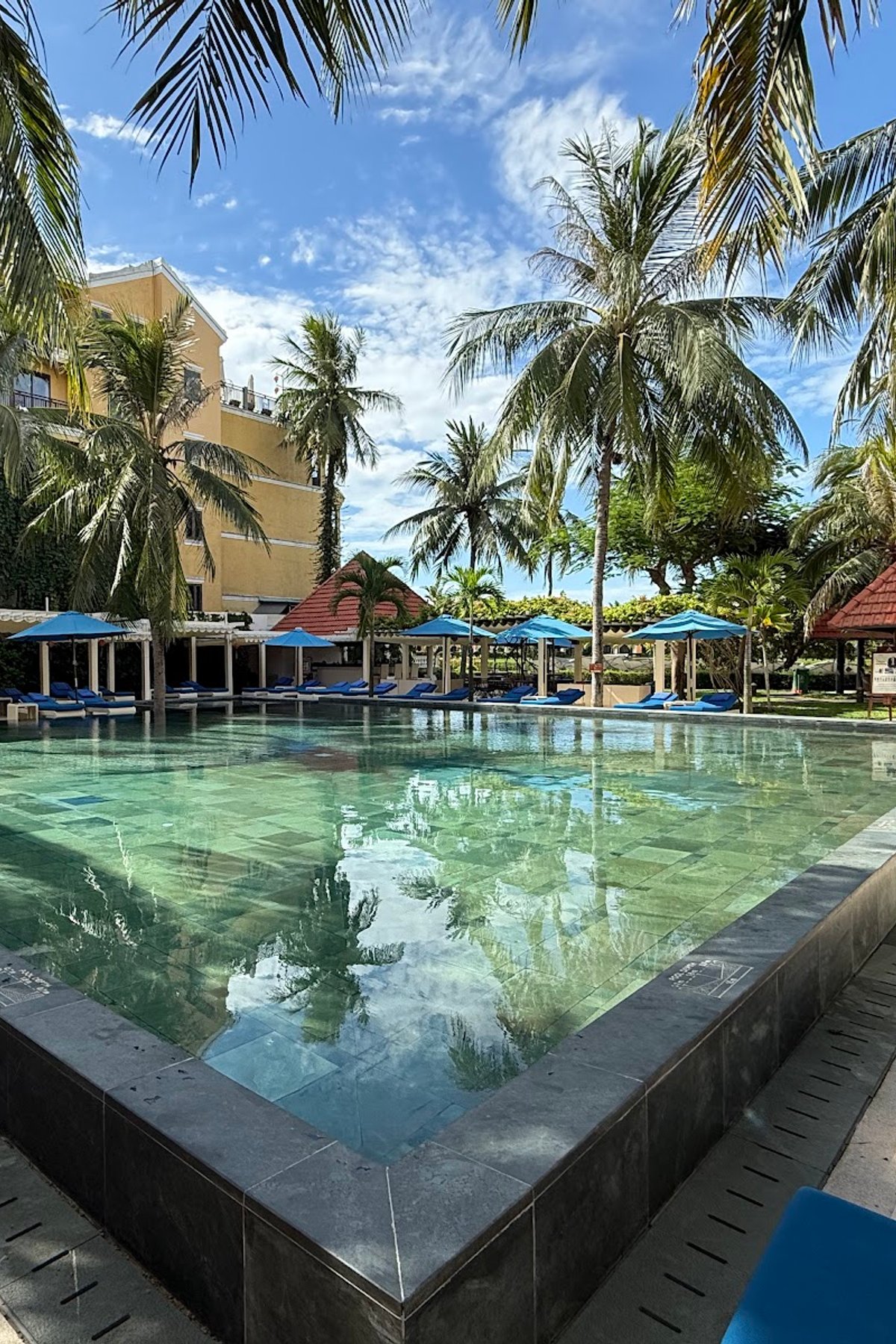
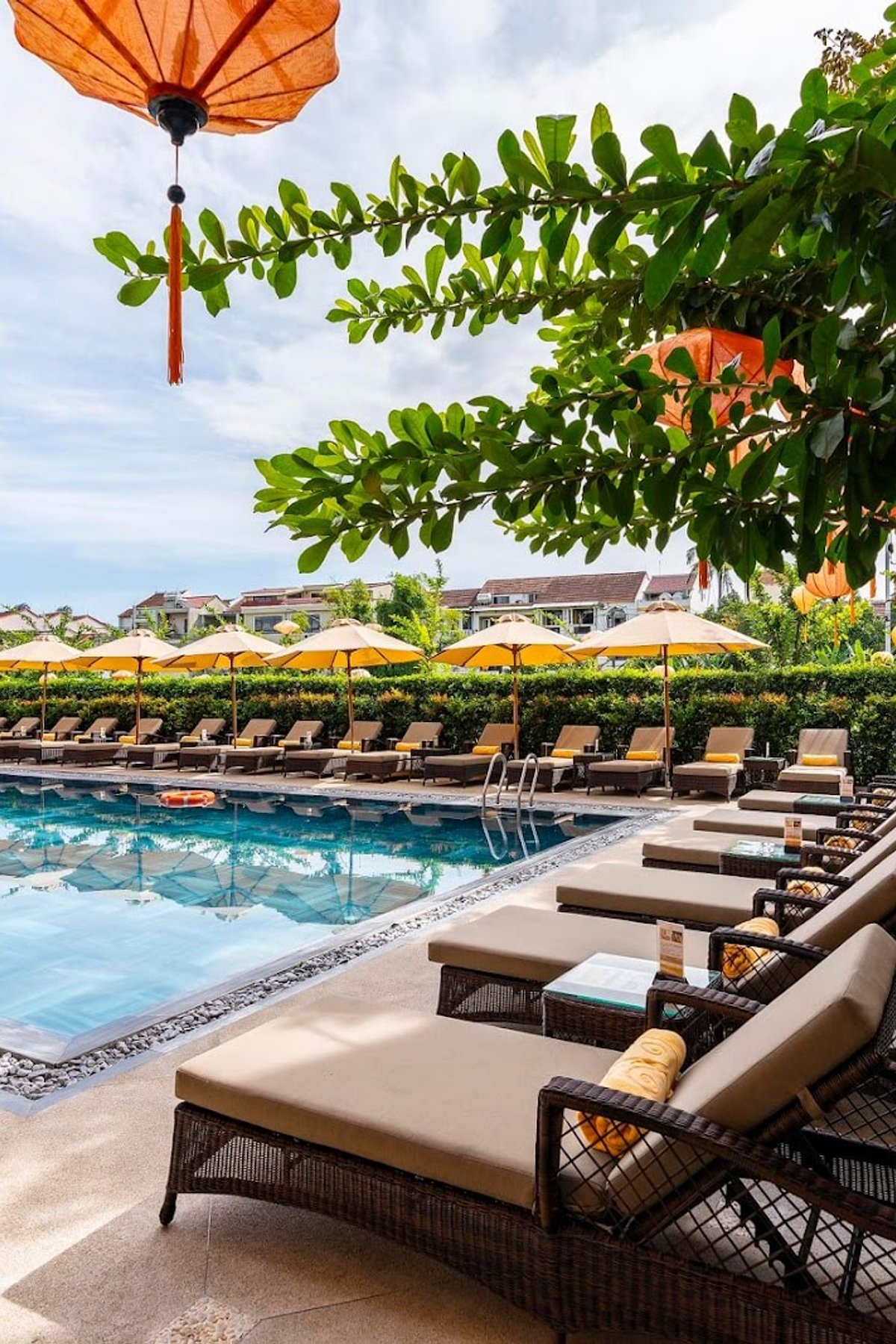
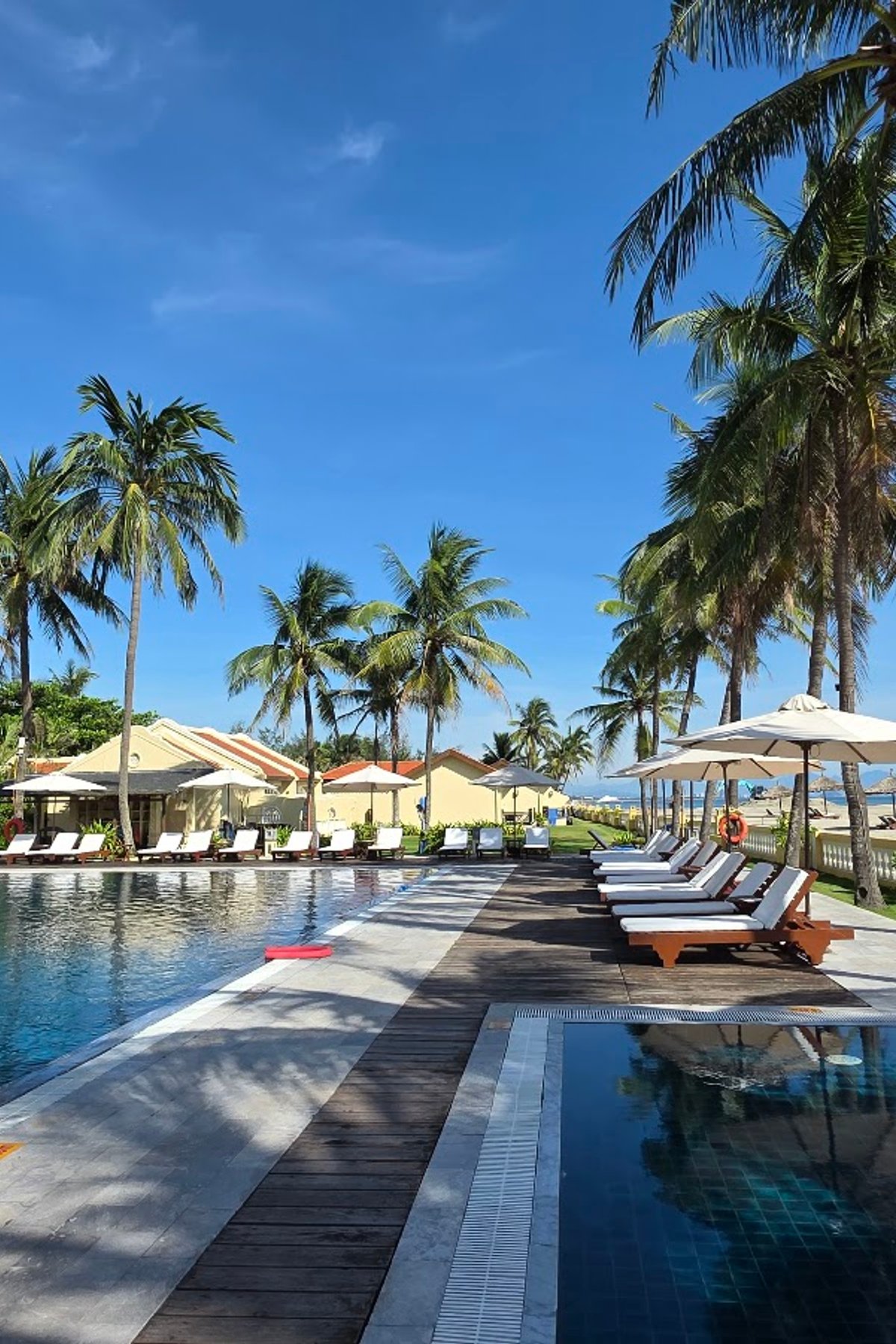
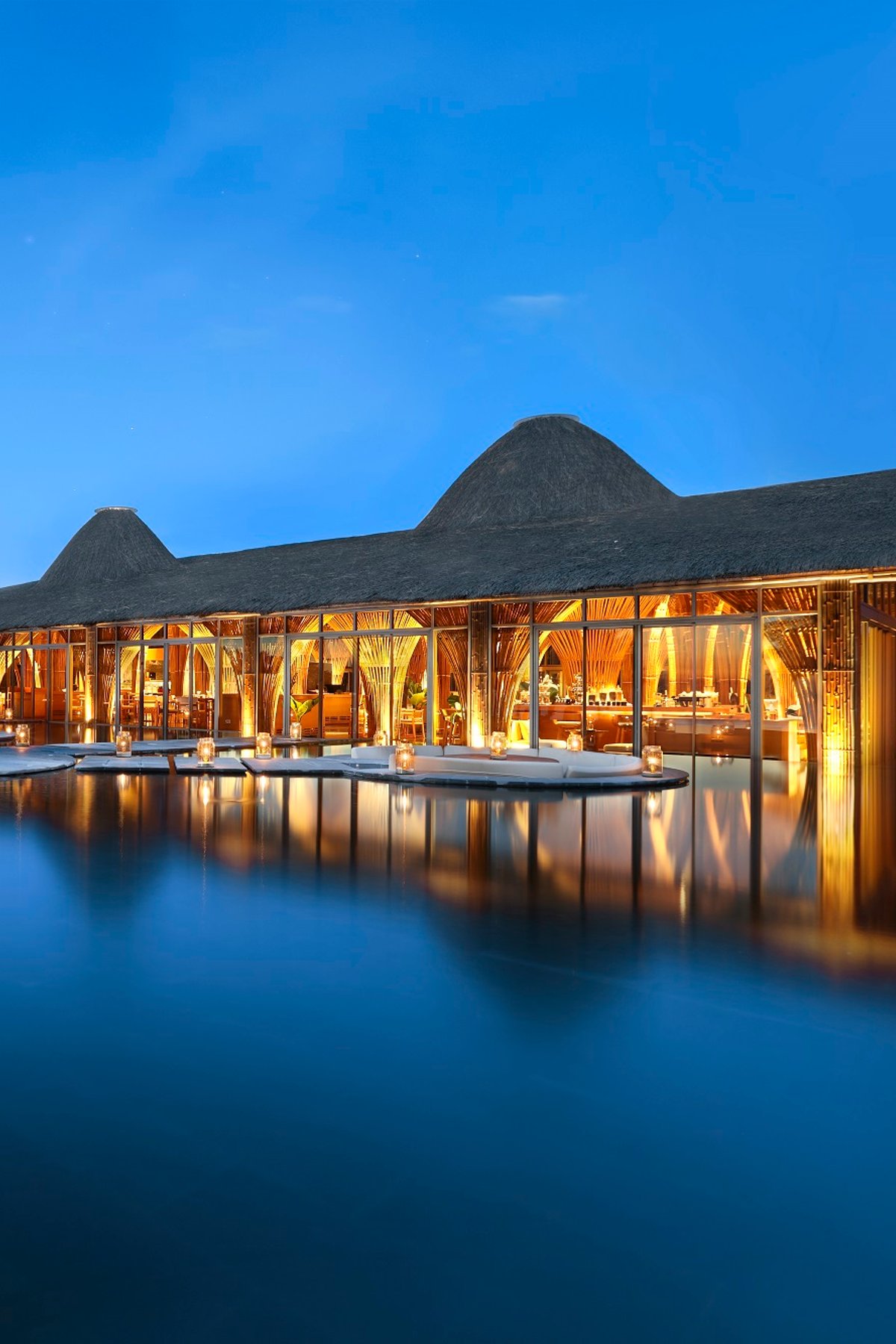
It does not sell itself as a landmark, and it is not one. What it delivers is a calm, green, well-kept base with handmade rooms and an easy run into town, which is exactly what a lot of Hoi An travellers actually want. Set your expectations there and it earns its keep.
Genuinely under-noticed. It has no big social following and does not chase the influencer crowd, so it flies below the radar of people fixated on riverside addresses. If you value a quiet coconut-forest setting over a central postcode, it is one of the better-kept secrets out here.
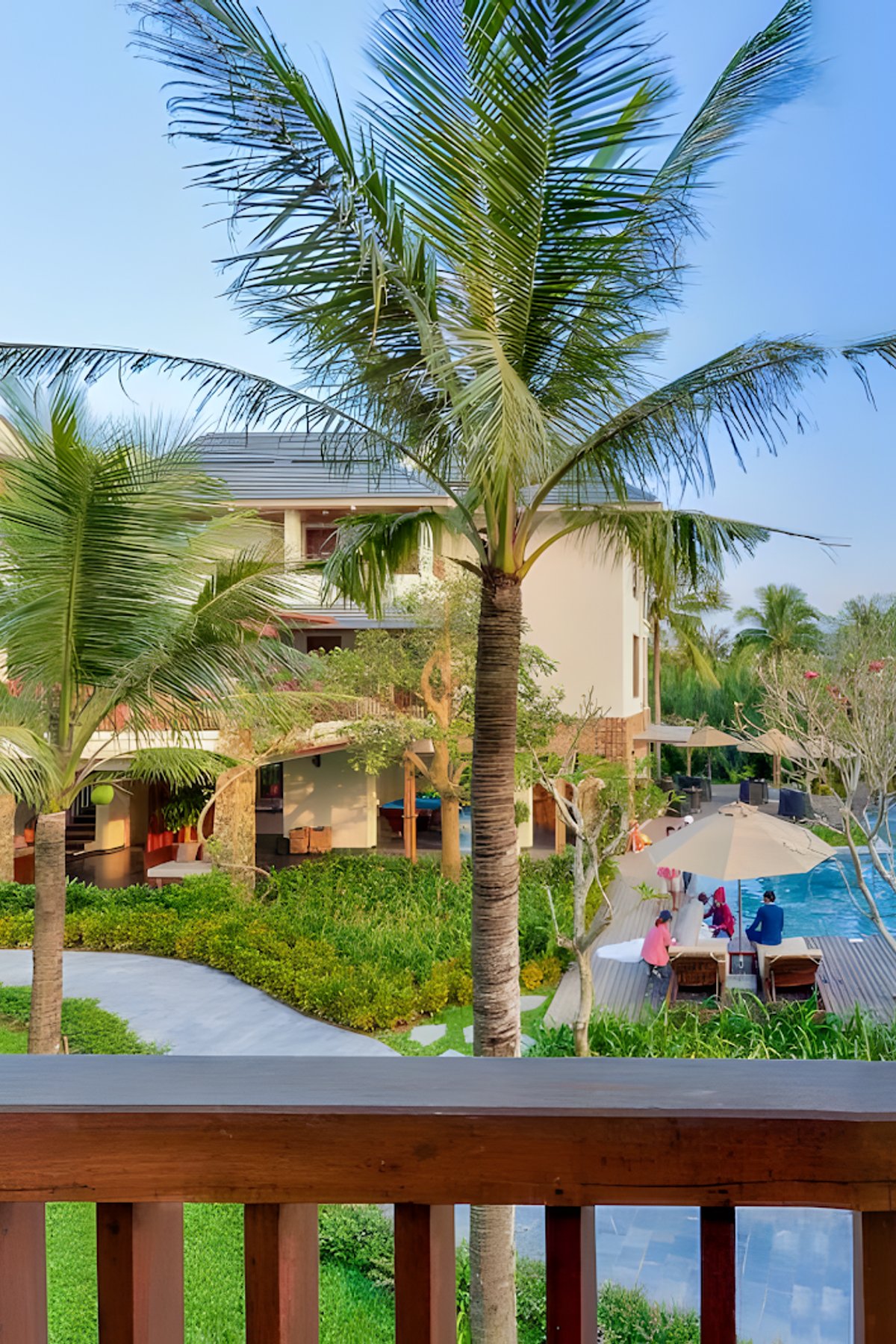
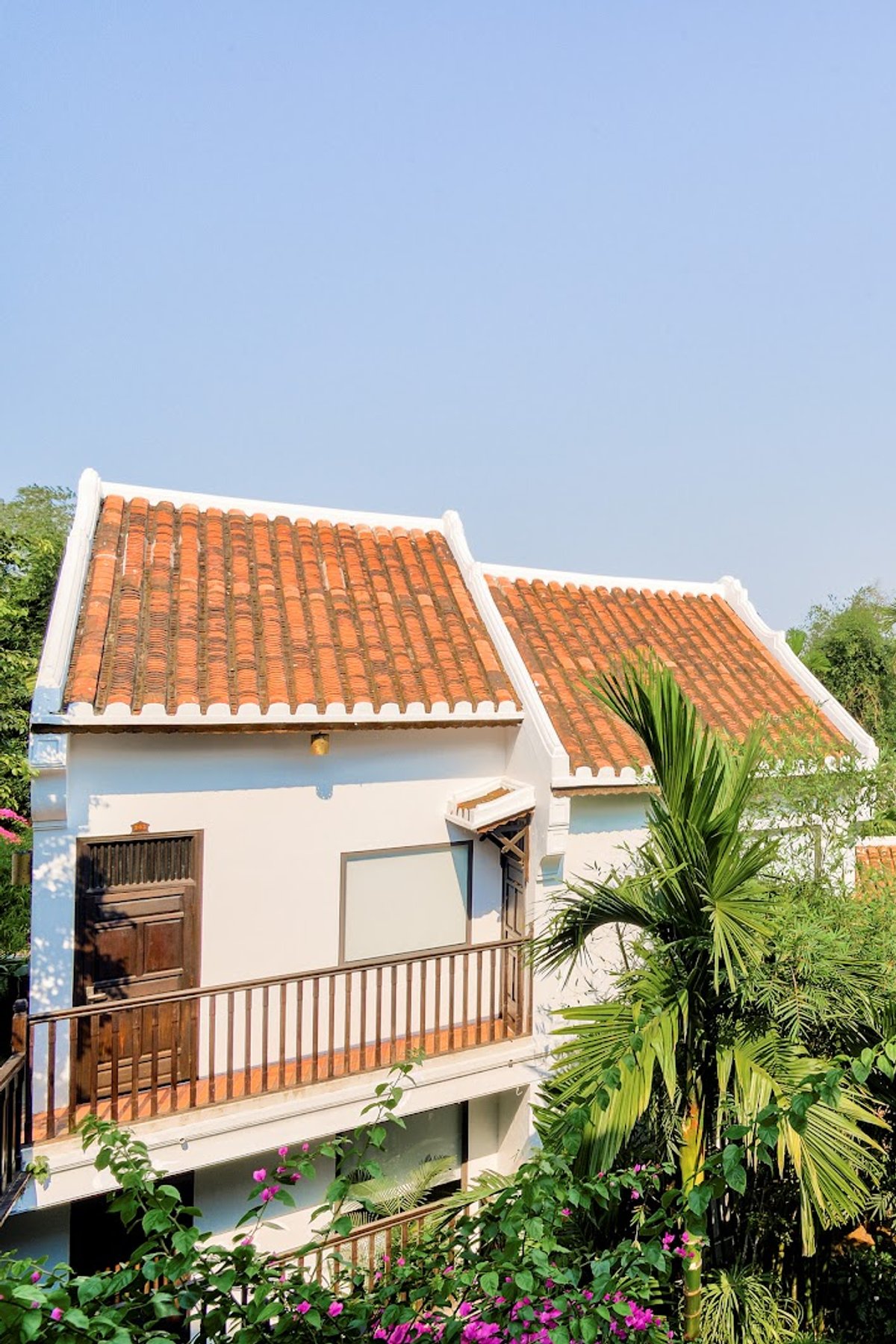
The 46 rooms are furnished individually rather than stamped from one template, with handcrafted furniture and natural materials doing most of the talking. Balconies open onto greenery, mattresses are the pillow-top kind you actually sleep on, and the whole place carries an unfussy, low-rise feel that sits closer to a garden retreat than a hotel block. It reads calm rather than showy.
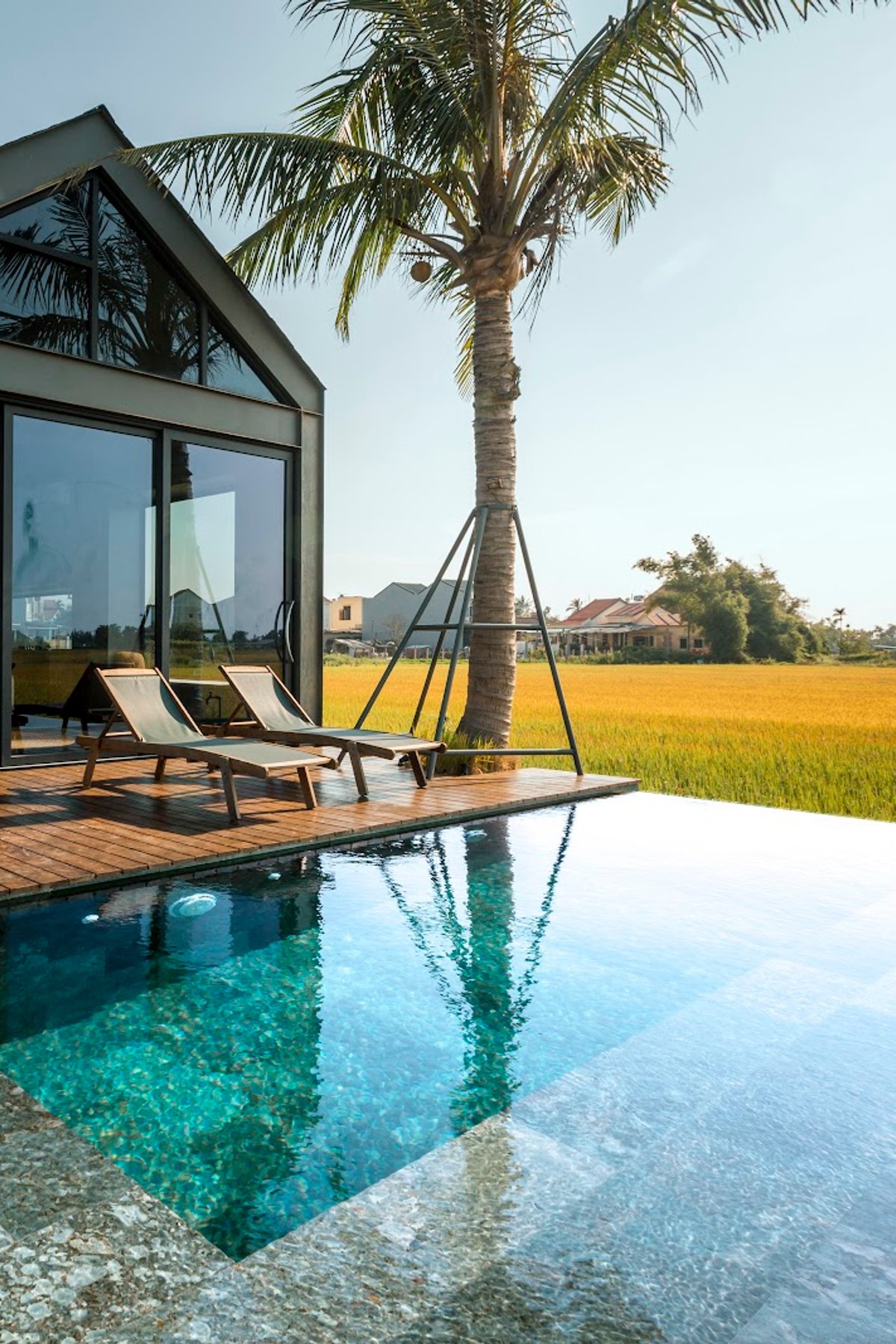
Cam Thanh is coconut country, a maze of Nipa palm canals that locals call a little Mekong. You can take a round basket boat through the channels, watch fishermen cast nets, and pedal past rice fields where water buffalo graze. The Ancient Town is a short ride away, so you get lantern-lit evenings and buffalo-and-paddy mornings on the same day.
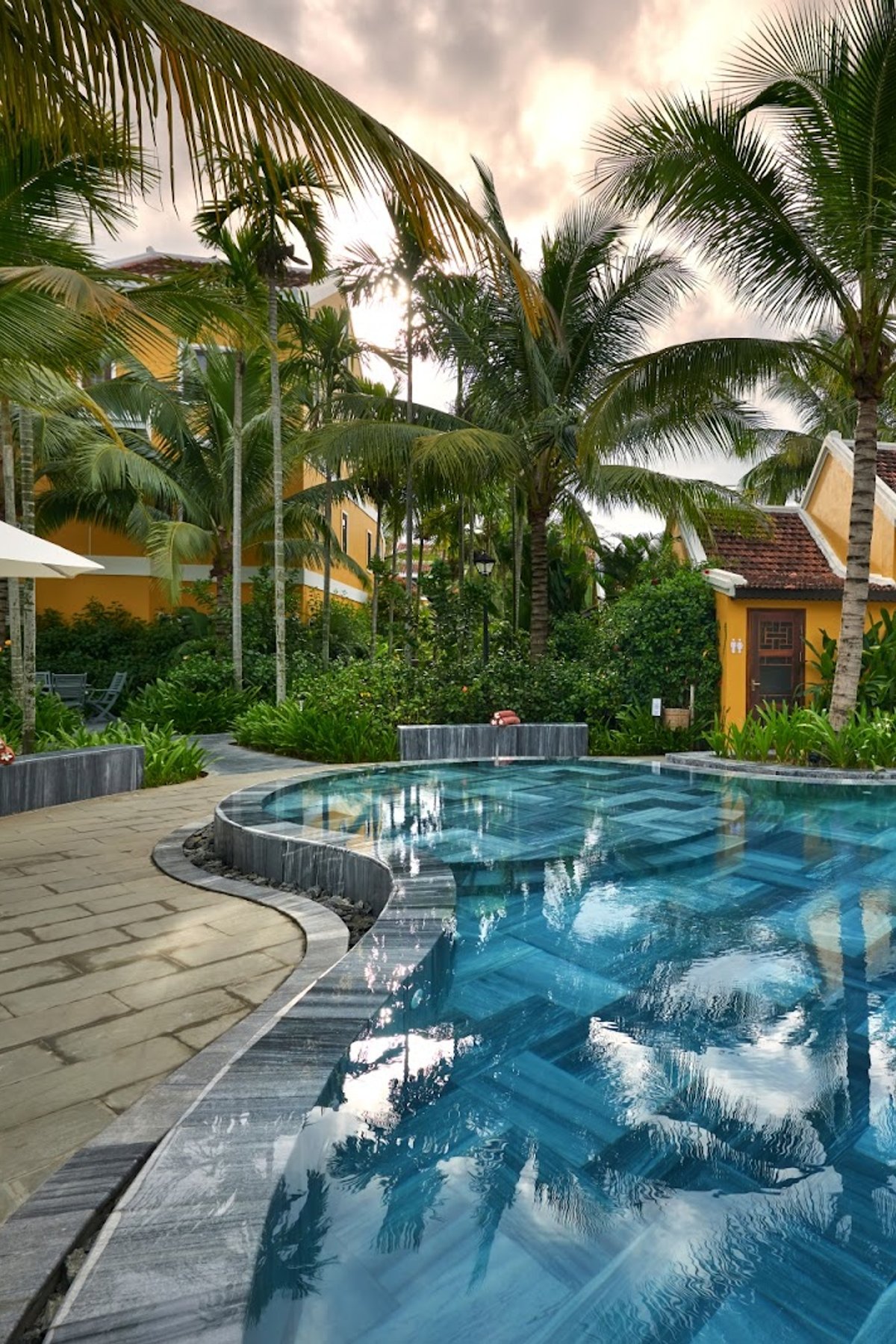
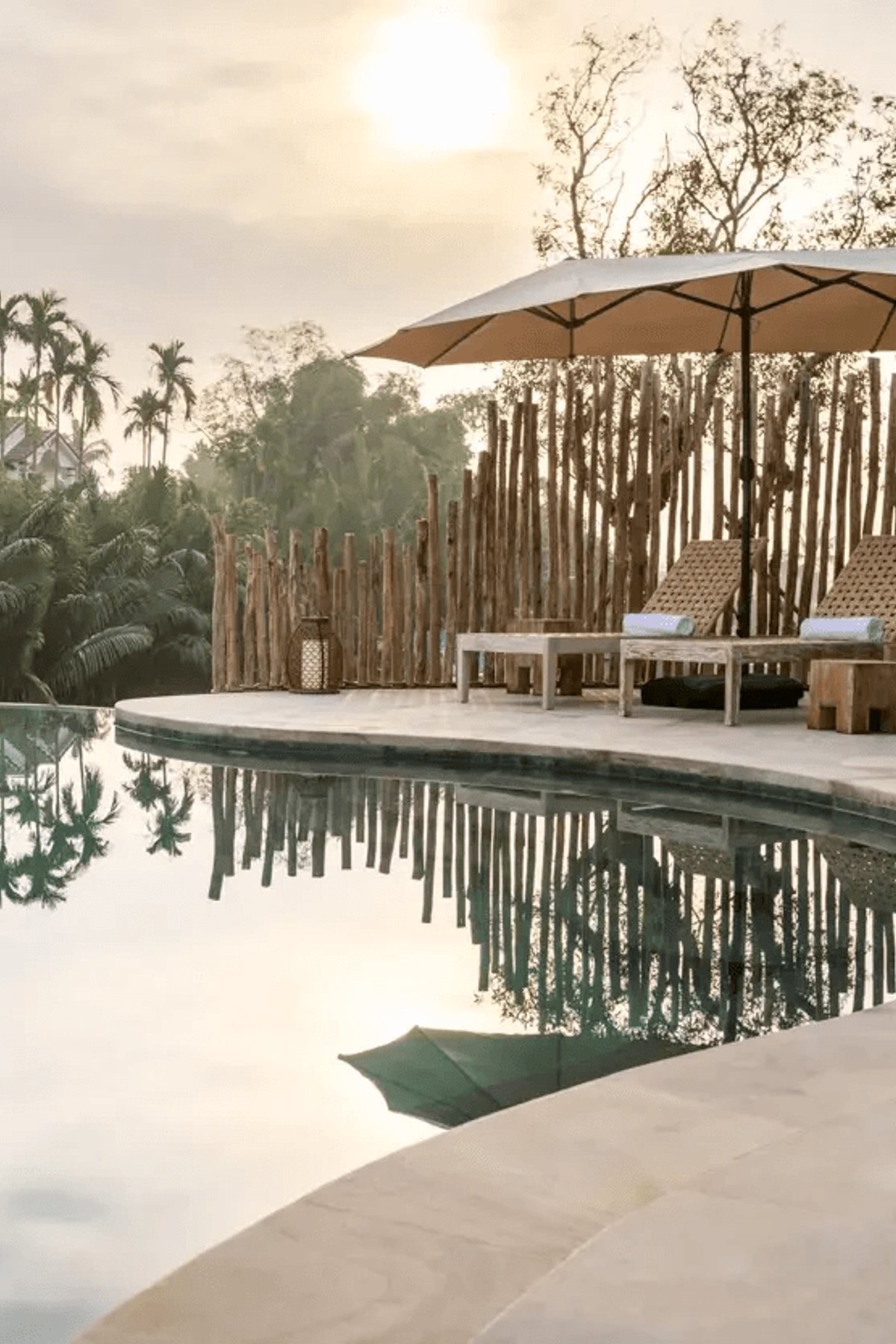
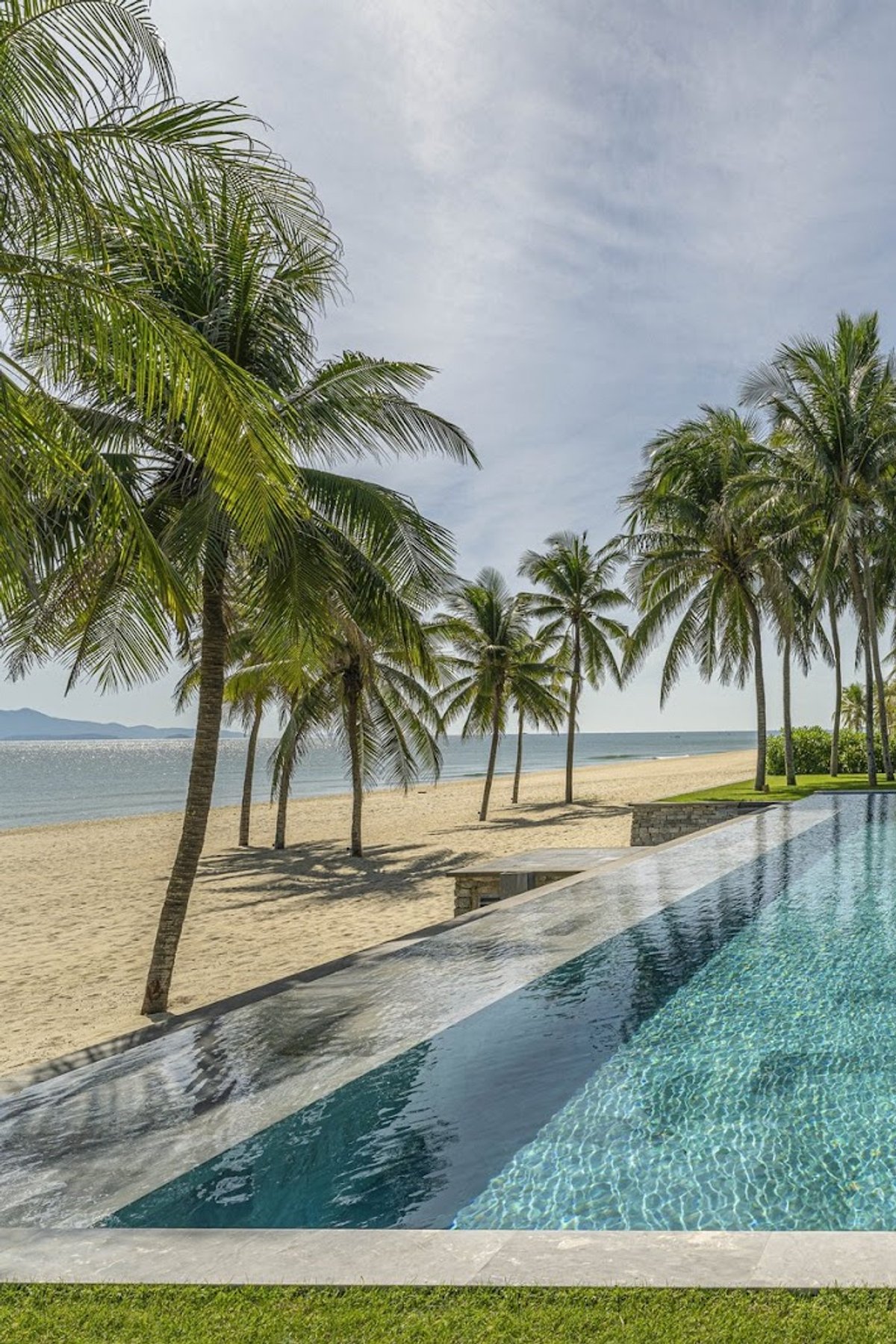
This is a place built for downshifting. Complimentary bikes get you out among the paddies, the spa and pools handle the afternoons, and the eco-leaning setup keeps the footprint light. Cam Thanh rewards the unhurried: a basket boat before lunch, a swim, a slow bike into town for dinner. If you want a base for going nowhere in particular, this is a good one.
At 46 rooms it stays intimate, but that also means the best balconies go fast in high season.
Built for slow travellers and couples who want green quiet over a central address; night owls chasing the bar scene will tire of the commute.
Rooms are furnished individually, so quality and views differ, and the interior-facing ones lack the paddy outlook that makes the place.
Plenty of central Hoi An hotels put you closer to the action, but few match this coconut-forest calm at the price.
Book this one when you want Hoi An without living inside it. Cam Thanh sits about five kilometres from the Ancient Town, close enough to bike in for lanterns and dinner, far enough that you fall asleep to frogs instead of scooters. The lodge holds 46 rooms, each furnished a little differently, with handcrafted pieces and natural materials that lean into the setting rather than fighting it.
Around you: Nipa palm waterways, the labyrinth of brackish canals where the river meets the sea, rice fields with the occasional water buffalo, and villagers still weaving basket boats the way they have for generations. Days here run slow. Pool, spa, a borrowed bicycle, a slow pedal past the paddies at dusk. It is priced in the comfortable middle, and rooms stay available most of the year, though peak season fills the calendar fast enough that planning ahead pays off.
The demand curve here has one sharp spike and a long, flat tail, and understanding why saves both money and disappointment. The February-to-April peak exists because it is the only stretch when central Vietnam reliably delivers dry, mild days: the winter rains have gone and the brutal summer heat has not yet arrived. That window also overlaps Tet, the lunar new year, which stacks a wall of domestic demand on top of the international crowd. If you want a specific room in a small Cam Thanh retreat or a heritage resort near the Covered Bridge during these months, plan on booking three to six months out. The top-tier addresses are few, and they sell their peak dates first. The rest of the year rewards flexibility. May and September are the genuinely undervalued months. They sit in the shoulder band on price and availability but still deliver plenty of usable weather, and September in particular lands before the rains turn serious. The deep summer of June through August is hot and humid, which is exactly why it prices as shoulder; for beach-first travelers and families who will spend the afternoons in a pool or at An Bang, that heat is a feature, not a deterrent, and it is the easiest time to walk into a good room on short notice. October and November are the honest gamble. This is central Vietnam's wet season, and the Thu Bon can rise enough to flood the Ancient Town's lower streets; locals paddle boats down them most years. Demand stays in the shoulder band, which means the rooms are there and the rates are soft, but you are trading certainty for value. Nothing closes, so the calculus is yours. One timing note cuts across every month: the lantern festival falls on the fourteenth night of each lunar cycle, when the town douses its electric lights for candlelit lanterns. It is worth building a trip around, and it is not a summer-versus-winter decision. Check the lunar calendar, then pick your dates.
The real Instagram following over time, plus where this hotel sits for demand in Hoi An. Pick a range, toggle the lines. Followers are reach and demand, not engagement.
File closes at ACCESSIBLE. Rooms stay bookable most of the year, tightening in peak season. Book it for coconut-forest quiet and handmade rooms a short bike from town; skip it if you want to fall out of your door into the Ancient Town at midnight.