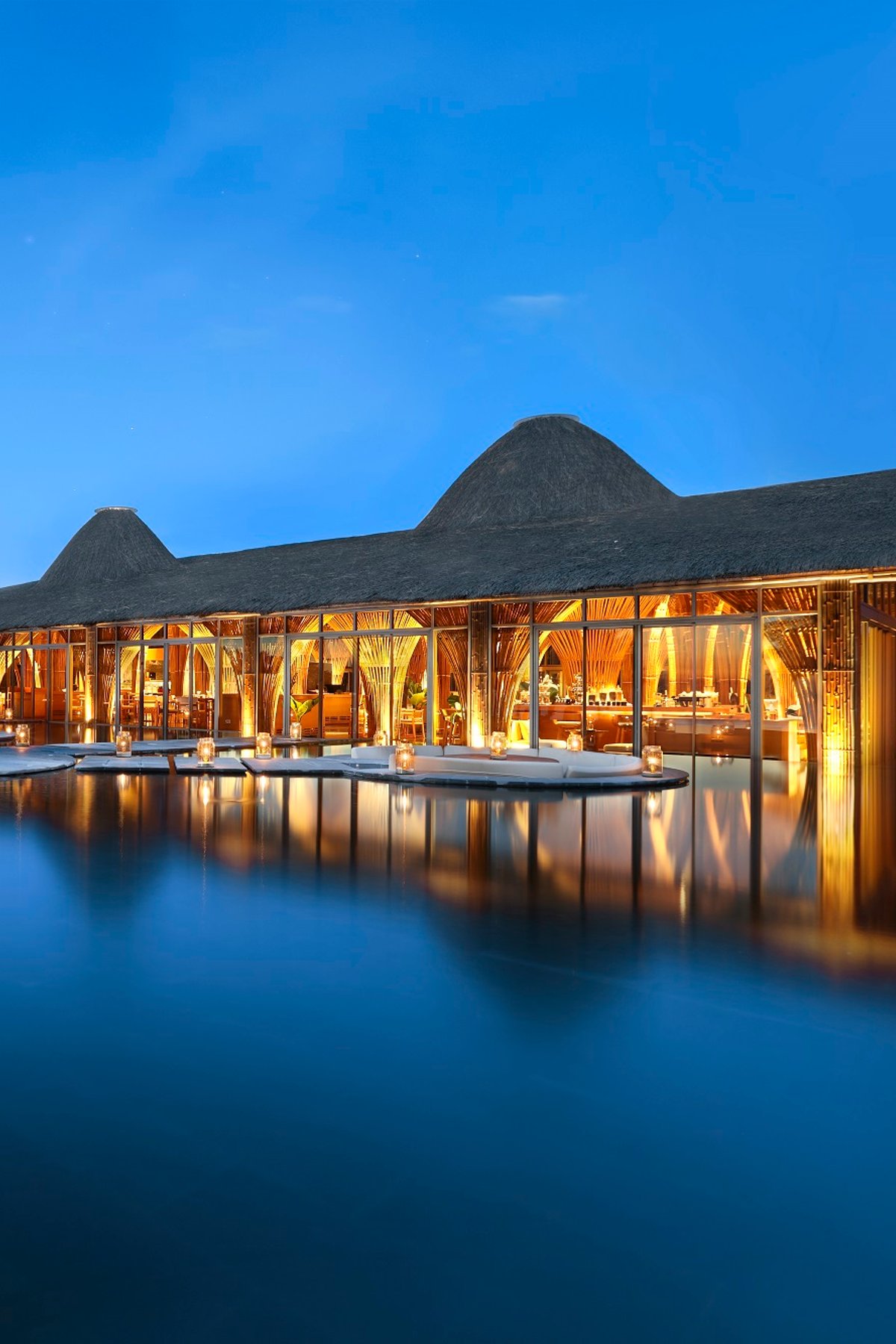
It delivers on exactly what it promises: quiet, kind service, and rooms that look out on water and rice. It won't wow anyone chasing Old Town energy or big-resort facilities, but for calm a short ride from the lanterns, it's the real thing.
Very much under the radar. With a small social footprint and a handful of rooms out in Cam Thanh, this is a genuine hidden gem that trades on word of mouth and repeat guests rather than hype. Most Hoi An visitors never make it out here.
Cam Thanh is where the Thu Bon River unravels into a maze of saltwater channels and nipa palms, the so-called coconut forest a few kilometres east of the Ancient Town. Locals still paddle round basket boats and weave palm-leaf houses here. The retreat puts you among the rice paddies and fish farms, not the crowds.
Breakfast is cooked to order rather than piled on a buffet, and guests consistently single out the staff: warm, quick, genuinely helpful. The on-site restaurant leans into home-style Vietnamese cooking. It is a small operation, so service feels personal in a way big riverfront hotels rarely manage.
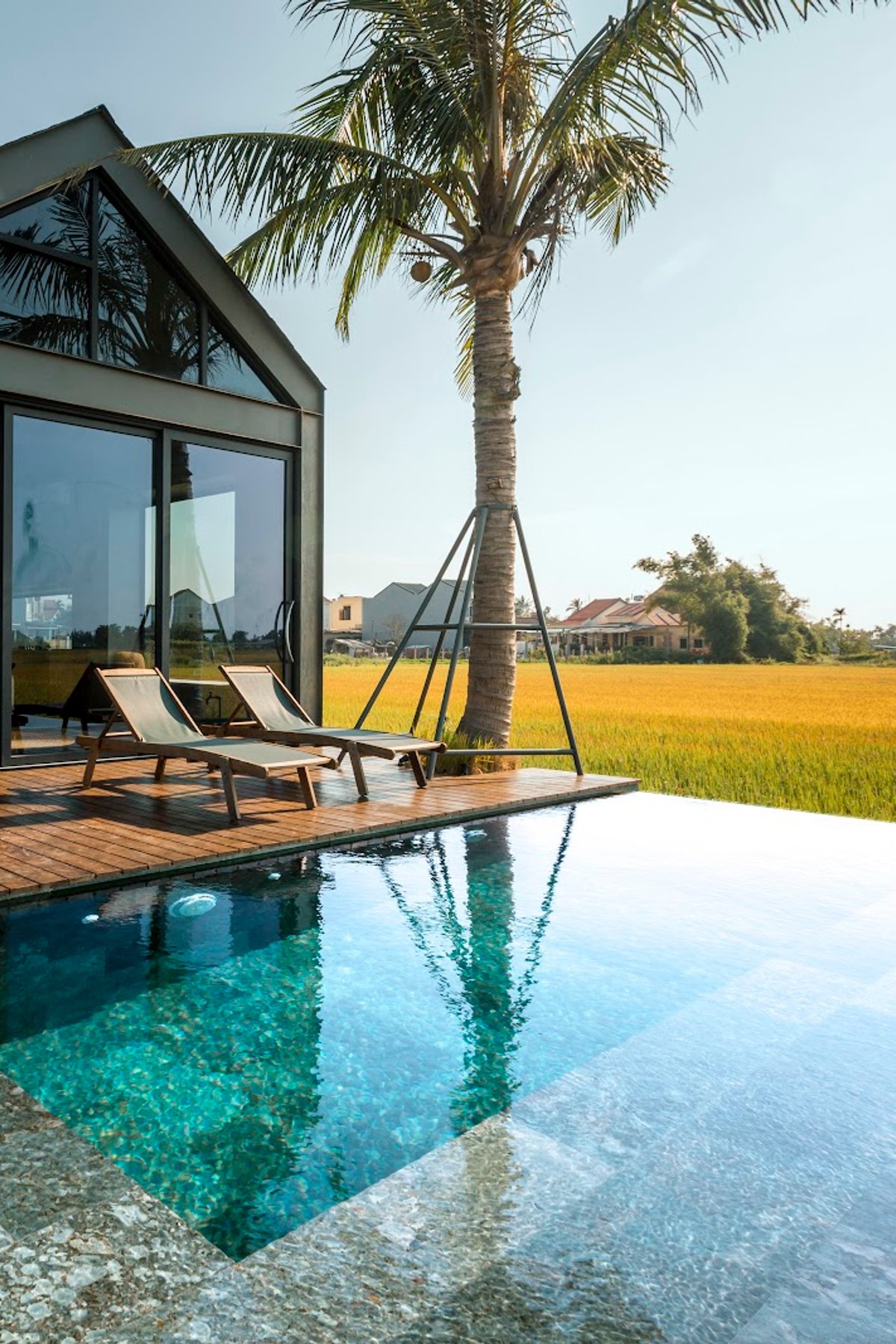
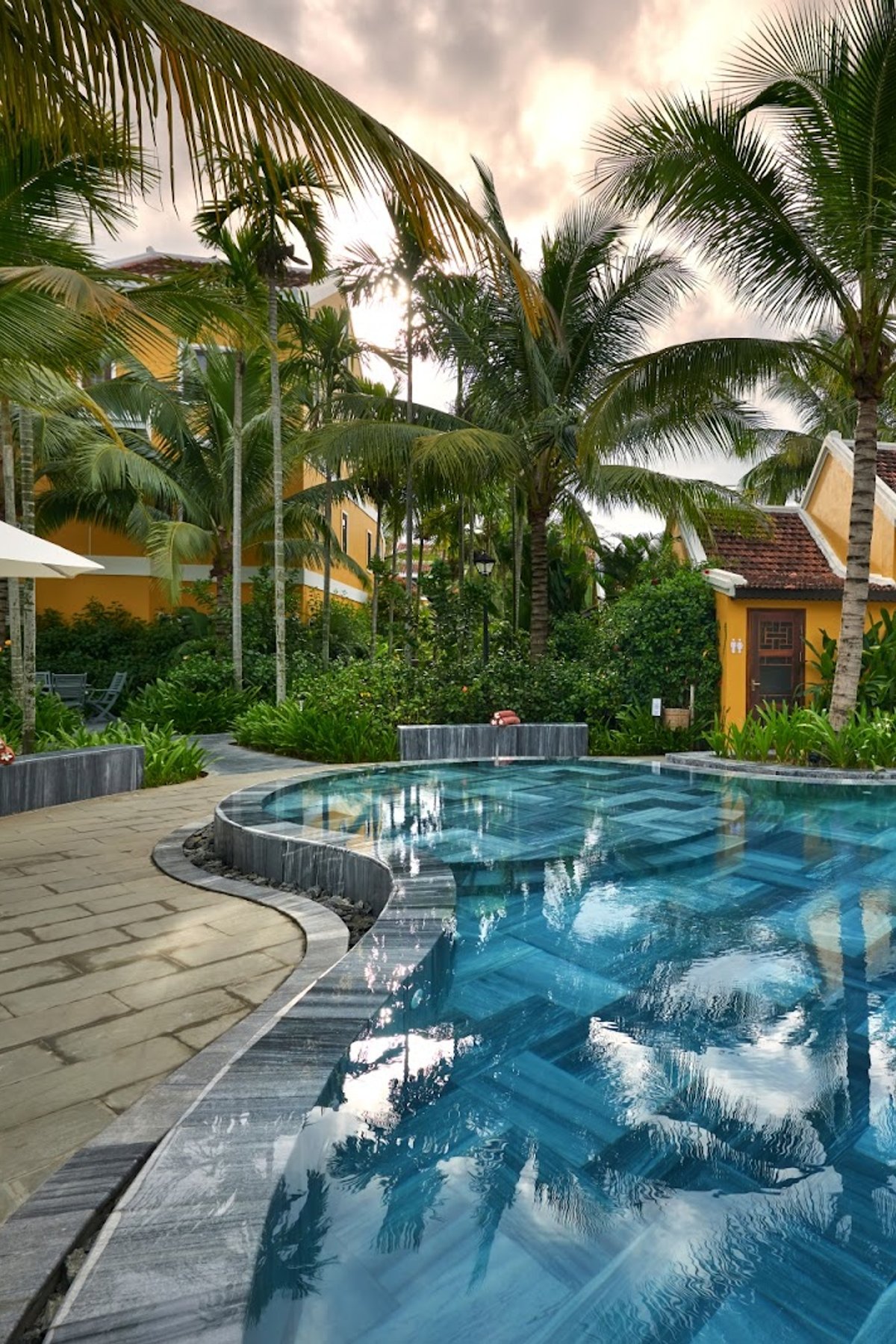
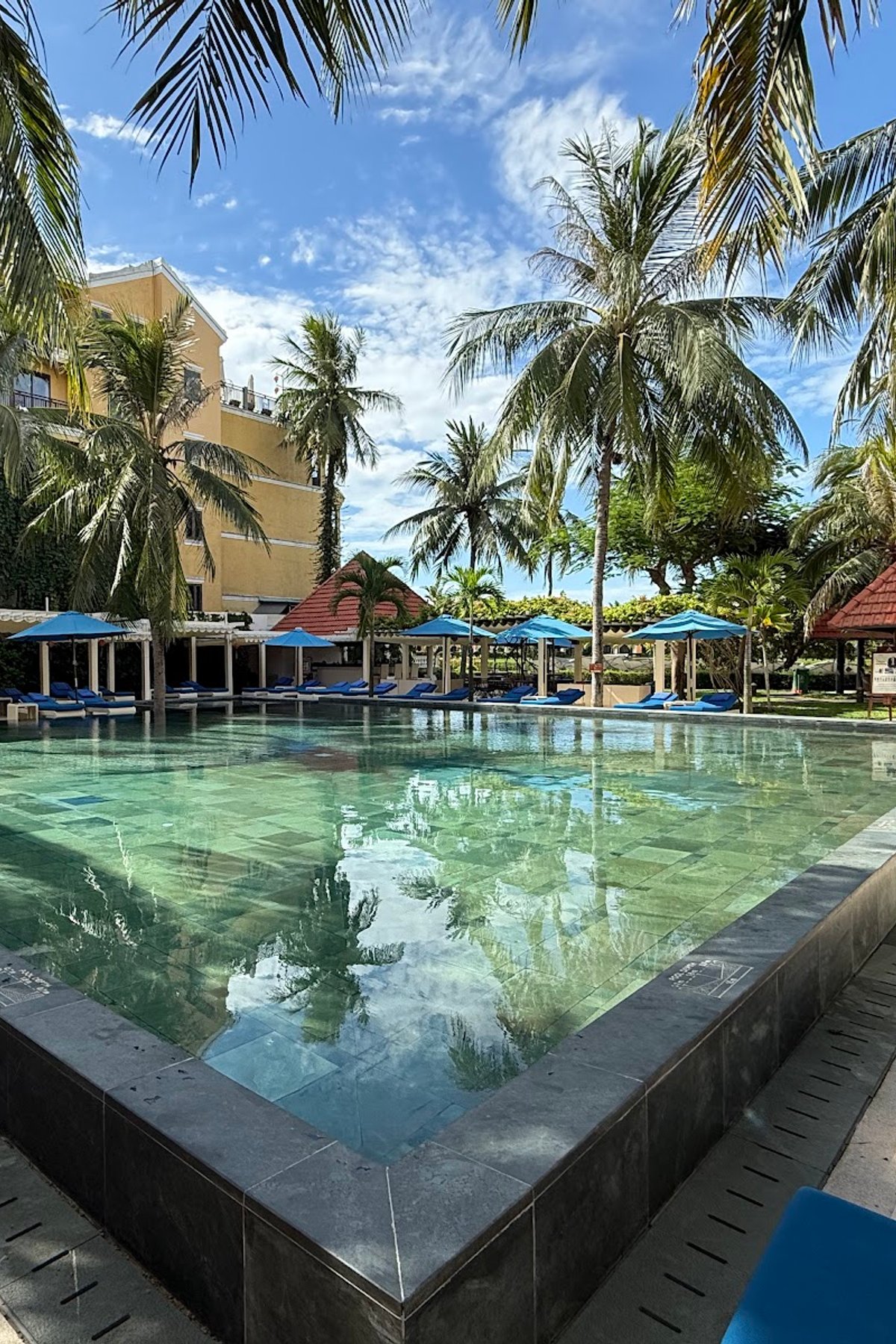
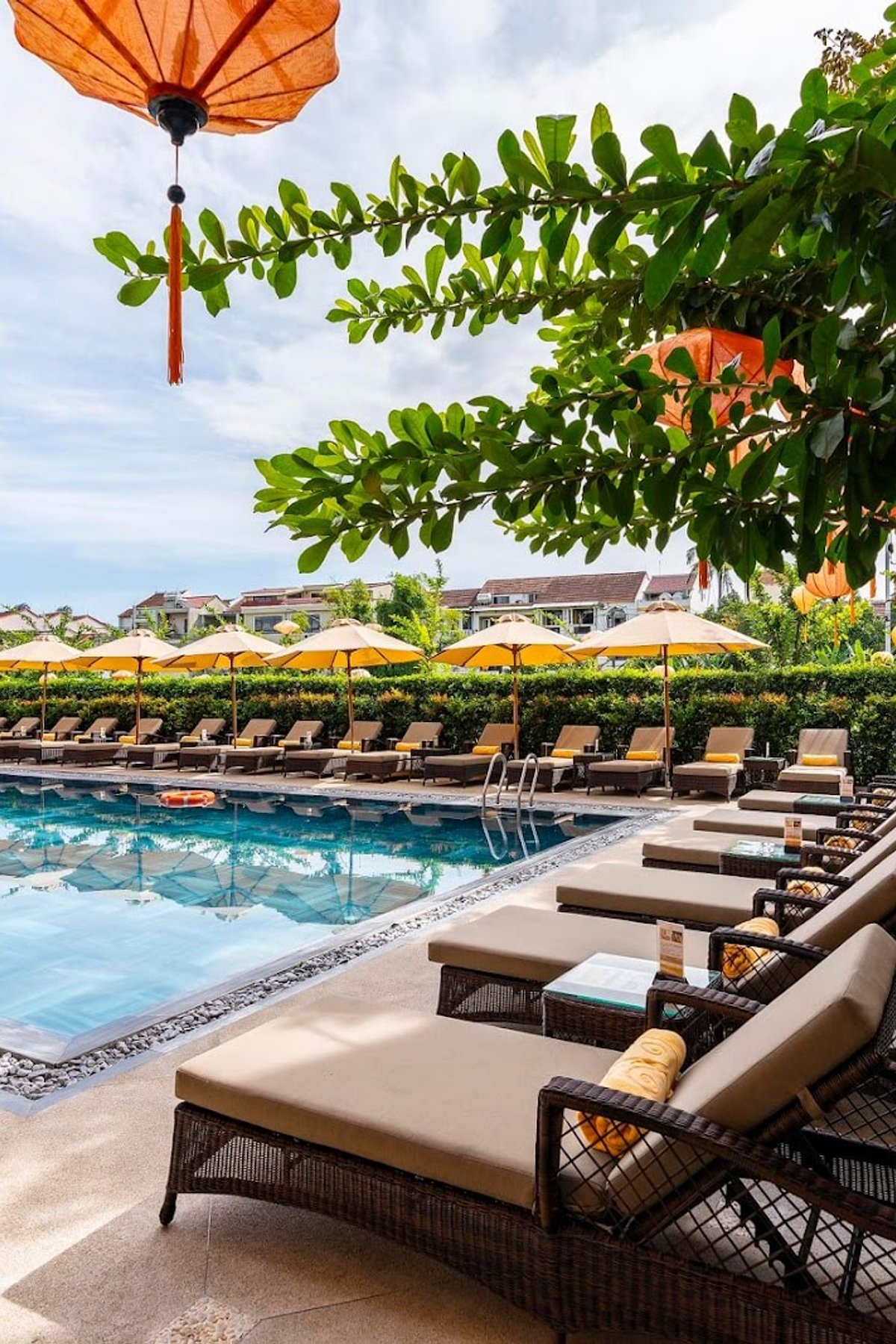
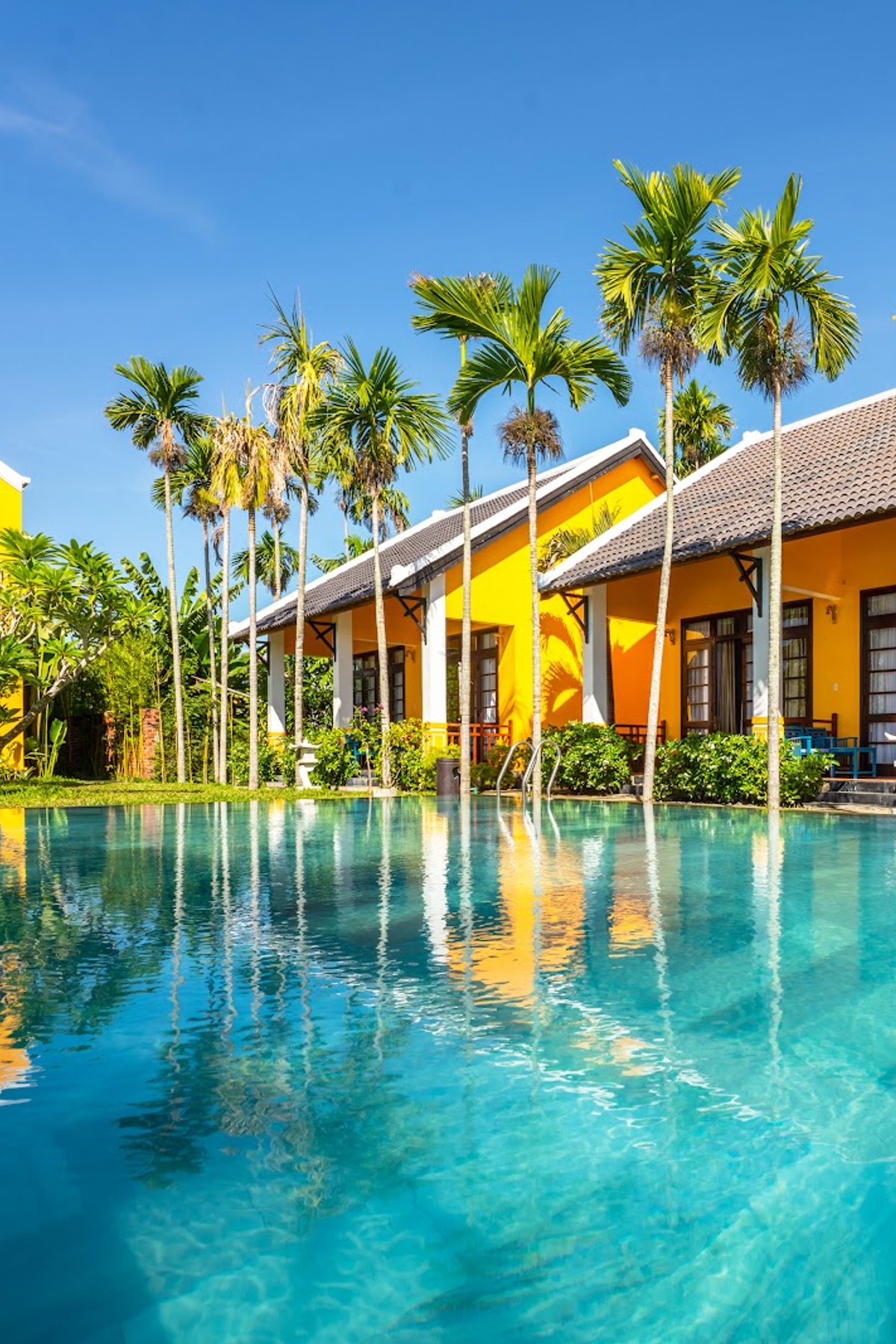
Fifteen rooms and a single outdoor pool keep the whole place quiet by design. Rooms are generous, with big beds, deep bathtubs, and windows that frame the lake and the rice fields behind it. The scale is the point: no lobby churn, no crowds at the water, just green in every direction.
Fifteen rooms and one pool means it books out fast at peak and leaves little slack when it's full.
This is for travelers who want paddies and quiet, not walk-to-everything Old Town convenience.
On-site food is limited in variety, so plan some meals in town or nearby.
Cam Thanh has a cluster of small eco-stays; this one wins on staff and calm, not on nightlife.
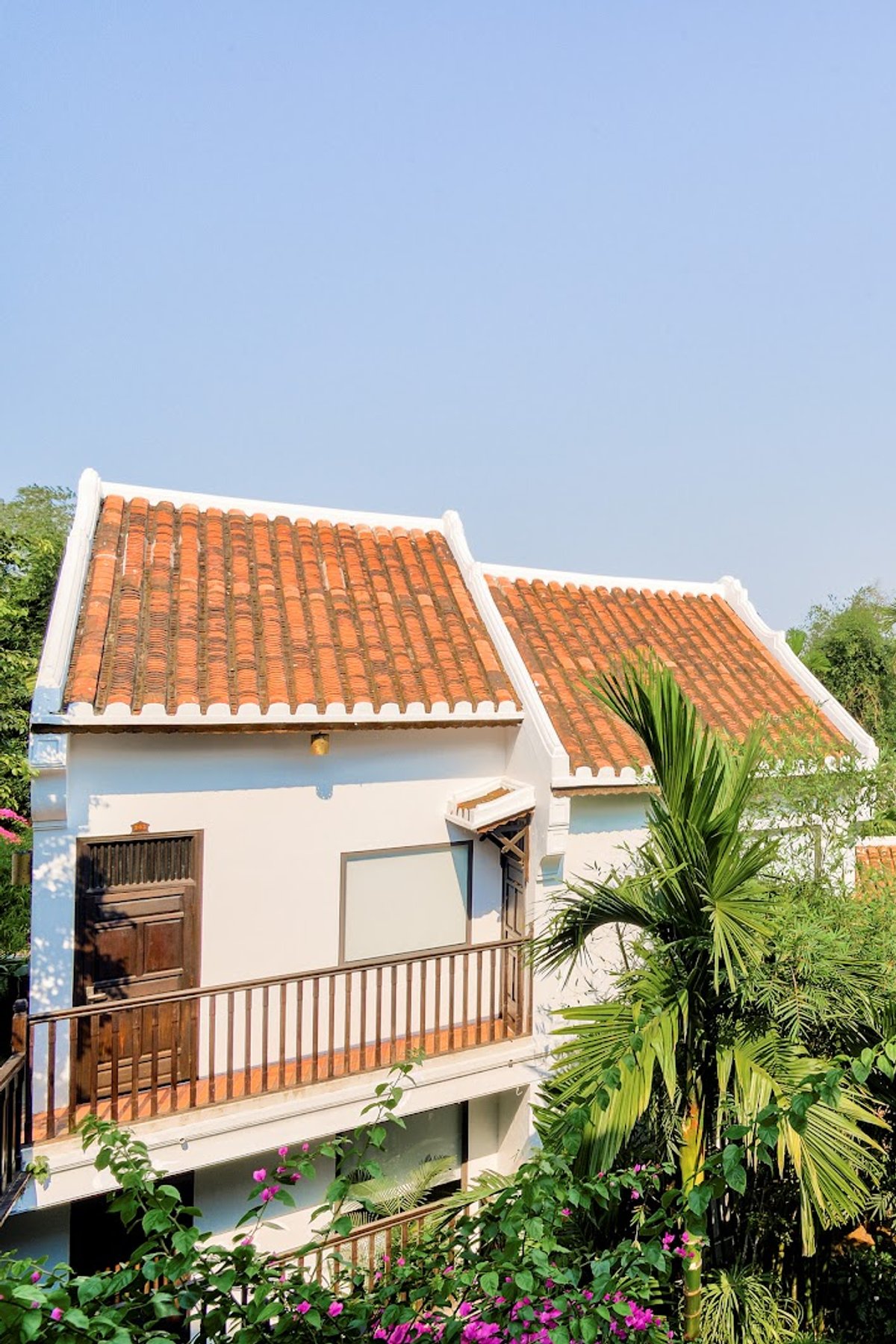
Fifteen rooms, one pool, and a great deal of quiet: this is not the Hoi An of lantern crowds and tailor shops. Zen Retreat sits east of the Ancient Town in Cam Thanh, the coconut-palm commune where the Thu Bon River splits into saltwater channels and locals still paddle round basket boats through the nipa palms. Rooms face a lake with rice fields behind, and come with big beds, deep bathtubs, scented air, and showers that push real hot water.
Breakfast is cooked to order rather than heaped on a buffet, and the staff are the part guests remember. A daily shuttle runs into town, so you can trade the paddies for the riverfront and come back to silence. It stays small on purpose, which is why rooms get spoken for once the season turns. Plan ahead.
The demand curve here has one sharp spike and a long, flat tail, and understanding why saves both money and disappointment. The February-to-April peak exists because it is the only stretch when central Vietnam reliably delivers dry, mild days: the winter rains have gone and the brutal summer heat has not yet arrived. That window also overlaps Tet, the lunar new year, which stacks a wall of domestic demand on top of the international crowd. If you want a specific room in a small Cam Thanh retreat or a heritage resort near the Covered Bridge during these months, plan on booking three to six months out. The top-tier addresses are few, and they sell their peak dates first. The rest of the year rewards flexibility. May and September are the genuinely undervalued months. They sit in the shoulder band on price and availability but still deliver plenty of usable weather, and September in particular lands before the rains turn serious. The deep summer of June through August is hot and humid, which is exactly why it prices as shoulder; for beach-first travelers and families who will spend the afternoons in a pool or at An Bang, that heat is a feature, not a deterrent, and it is the easiest time to walk into a good room on short notice. October and November are the honest gamble. This is central Vietnam's wet season, and the Thu Bon can rise enough to flood the Ancient Town's lower streets; locals paddle boats down them most years. Demand stays in the shoulder band, which means the rooms are there and the rates are soft, but you are trading certainty for value. Nothing closes, so the calculus is yours. One timing note cuts across every month: the lantern festival falls on the fourteenth night of each lunar cycle, when the town douses its electric lights for candlelit lanterns. It is worth building a trip around, and it is not a summer-versus-winter decision. Check the lunar calendar, then pick your dates.
The real Instagram following over time, plus where this hotel sits for demand in Hoi An. Pick a range, toggle the lines. Followers are reach and demand, not engagement.
File closes at ACCESSIBLE. This one is genuinely available, so no games: book direct, aim for the dry months, and you'll get it. Right for anyone who wants rice-field quiet over Old Town buzz, and a skip if you need to walk to dinner.