Arlo
NoMad.

5 critic reviews
filed.
The 141k Instagram following is mostly the rooftop doing its job. The rooms themselves are honest about what they are, and the NoMad location puts Madison Square Park, the Flatiron, and Koreatown in walking range. For solo travelers and couples who value neighborhood over square footage, it holds up.
The AJ Soho Snack Bar on the ground floor serves coffee and wine through most of the day without the rooftop crowds. Locals use it as a work space; guests can treat it as a second living room and usually have a table.
angles.
Micro-Rooms, By Design
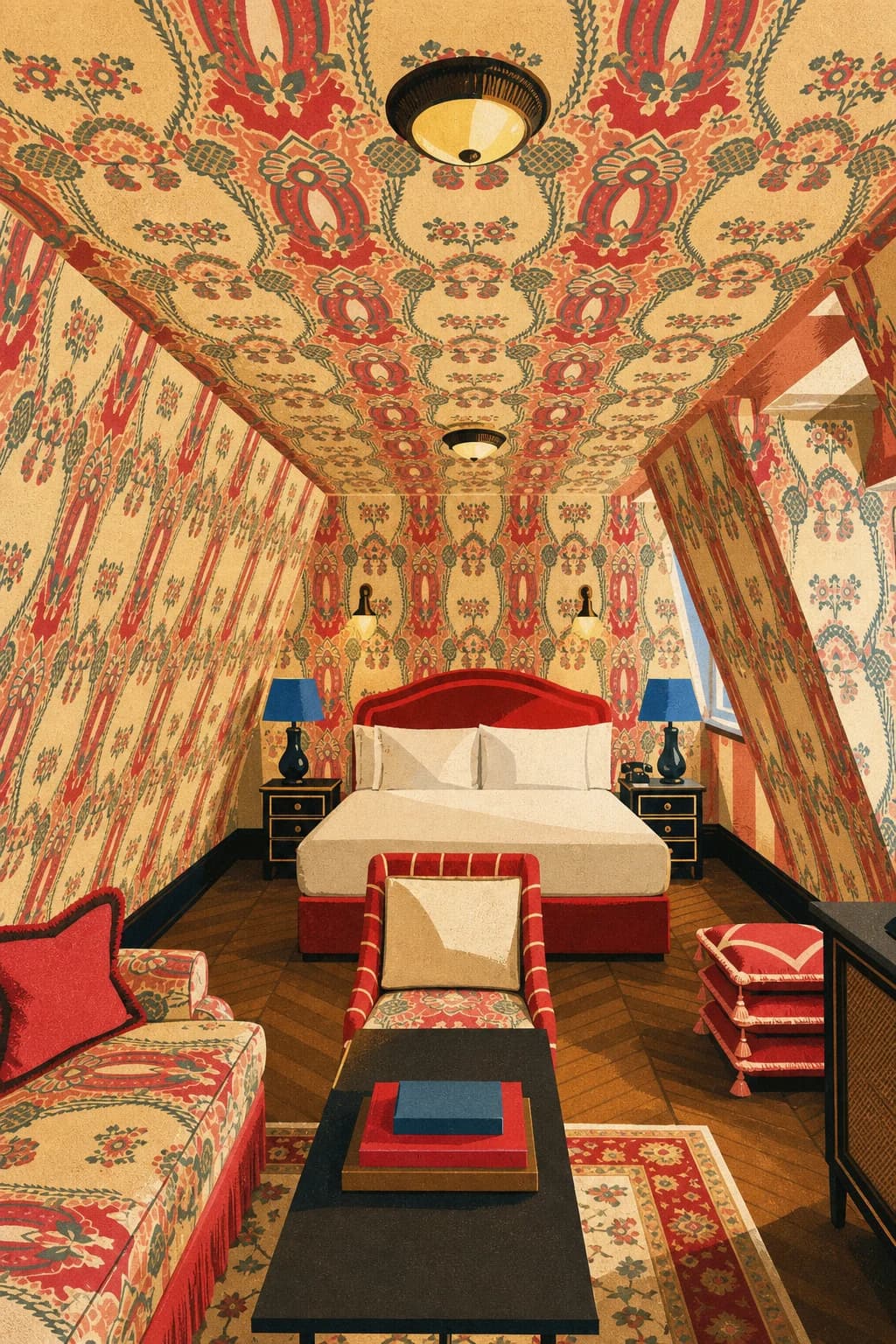
Rooms start around 150 square feet, with floor-to-ceiling windows doing the work of making the footprint feel livable. Stonehill Taylor designed for efficiency rather than compromise. Storage hides in every bench, hook, and wall panel. Guests either read it as clever or cramped; there is not much middle ground. Bring one suitcase, unpack lightly, and the scale works.
A Rooftop That Earns Its Keep
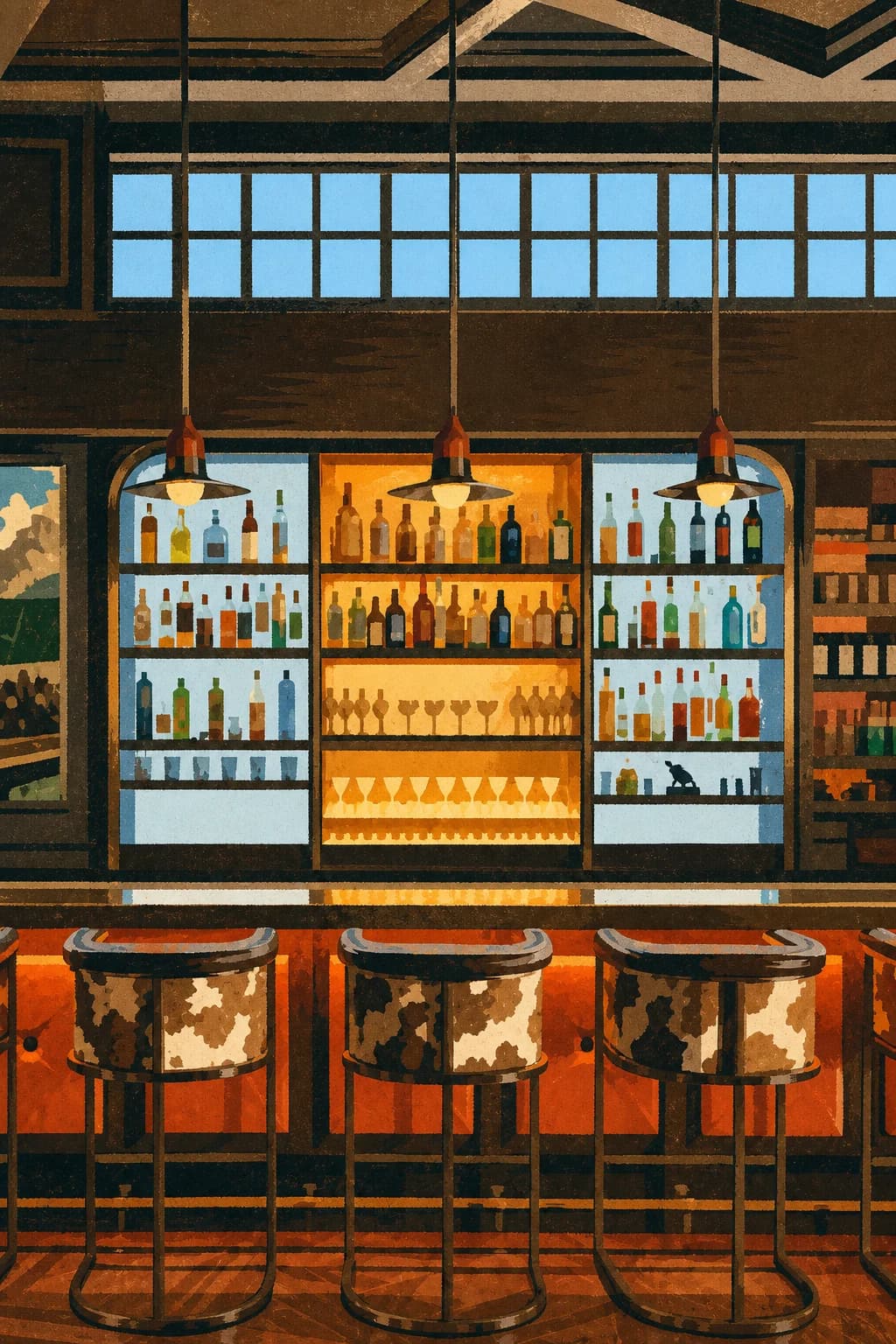
A.R.T. NoMad sits on top of the hotel with one of the closest Empire State Building views in Manhattan and a small glass-floor section that pulls the feed. It runs as a public bar, so guests share it with locals and cocktail tourists most evenings. Get there early or reserve for a table with the view; the pictures are better than the service pace.
A Social Lobby Not a Lounge
The ground floor is built around AJ Soho Snack Bar and a lobby that functions more like a neighborhood cafe than a formal check-in. People work there on laptops, drink coffee, meet dates. It is the part of Arlo that justifies the micro-room thesis: you are meant to live in the building, not just sleep in your room.
talk.
mapped.
“A slick modern hotel set in the heart of the up and coming NoMad district. Craftily designed rooms use limited space well.”
record.
Arlo NoMad opened in 2016 inside a former office conversion on East 31st Street, and its premise was clear from day one: 249 micro-rooms starting around 150 square feet, priced so that paying for Manhattan floor space felt like an optional upgrade. Architect Peter Poon handled the shell, Stonehill Taylor dressed the interiors, and Quadrum Global's Arlo Hotels brand was built around the idea that compact rooms could feel designed rather than punitive.
The rooftop cocktail bar, A.R.T. NoMad, does most of the heavy social lifting, with glass-floor sections and an Empire State Building view that keeps the Instagram account fed. Eight years in, Arlo NoMad remains one of the cheapest ways to sleep in a proper design hotel between Madison Square Park and Herald Square, and the 141k Instagram followers are mostly the rooftop carrying the building.
changed.
Late April–early May beats Met Gala. First two weeks of September beat UNGA. Anything Sep–Dec needs 60–90 days of lead time.
September is the single hardest month to book in New York City, and nothing else comes close. Fashion Week and the United Nations General Assembly collide in the same two-week window, pulling designers, buyers, diplomats, journalists, and their combined entourages into a city already running near capacity. Rates during UNGA week routinely blow past the rest of the year by wide margins.
October runs a close second, and for entirely different reasons. Hudson Valley foliage trips drain weekend supply, while NY Comic Con and a dense events calendar keep midweek pressure high. If September is out of reach, expect October to feel almost identical at the top of the market.
The holiday corridor from November through December is the other sustained peak. NYC Marathon weekend in early November compresses supply across all five boroughs before Thanksgiving arrives with the Macy's parade and family travel. December then stacks Rockefeller Center, holiday markets, Broadway's busiest stretch, and New Year's Eve on top of one another.
Booking lead times for November and December should extend to 60 to 90 days minimum at High and Very High tier properties.
May and June bring sharp, event-driven spikes rather than a broad surge. Met Gala week in early May and Frieze New York concentrate pressure in Midtown and downtown Manhattan respectively. June adds NYC Pride, the Tribeca Festival, and the Tony Awards, keeping demand high but with more day-to-day variability than the fall corridor.
The value window runs January through February. NYC Restaurant Week in January and February's Fashion Week supply the cultural programming, but overall demand hits its yearly floor, with rates falling 40 to 50 percent below peak and normally rigid properties running promotions during NYC Hotel Week. August is the other soft spot: residents flee for the summer, and while the US Open opens late in the month, the first three weeks sit well below their neighbors.
The practical read: chase the shoulders. Target late April, early May before the Met Gala, or the first two weeks of September before UNGA arrives, and you'll get peak-season energy with meaningfully better availability. July is warm and less programmed but also cheaper, a fair trade if theater and outdoor dining are the priority.
approach.
briefing.
“The king bed/killer views are the stars of the tiny (162 square foot) but very adorable Sky King room.”
stands.
demand's going.
The real Instagram following over time, plus where this hotel sits for demand in New York City. Pick a range, toggle the lines. Followers are reach and demand, not engagement.
assessment.
File closes at MODERATE. Book ahead three to four weeks for Fashion Week and September through December peaks. Skip the lower floors; the office building across the street eats the skyline view.
The numbers behind the tiers
Arlo NoMad · SOURCE READINGS · REDACTED- Availability density · sampled
- Monthly search volume · raw
- TikTok hashtag views · raw
- YouTube total views · raw
- TikTok following · latest sweep
- Pinterest saves · latest sweep
More from New York City.


Get the hotel's Unbookable Score.
Any post or reel with a hotel in it. Booking.com hotel pages work too. One free check, no account needed.