NoMo
SoHo.
6 critic reviews
filed.
For the ivy archway and a single night of photography, yes. For a full week at the published rate, it depends heavily on whether the lobby theatre matches the trip you are planning or distracts from it.
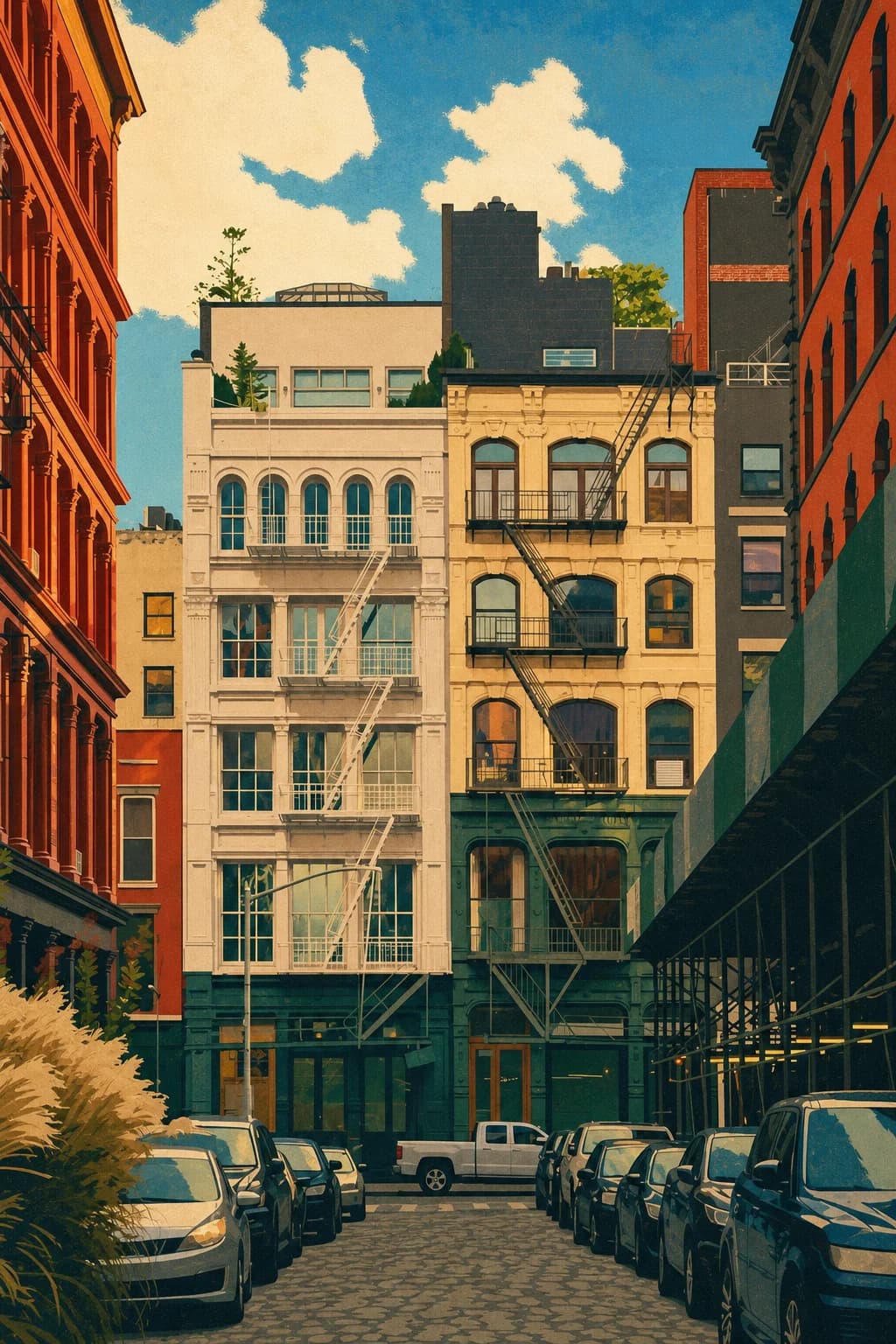
The Crosby Street block itself is the find. Closed to most traffic, cobblestoned, and lined with Saint Laurent, Reformation, and the original Housing Works bookstore cafe two blocks south. It is one of the last genuinely walkable micro-pockets in SoHo.
angles.
The Ivy Archway Is the Whole Entry Sequence
The tunnel of living ivy that connects Crosby Street to the lobby is Noriega-Ortiz's signature move and the single most photographed entrance in SoHo. It is maintained by a dedicated horticulture contractor, swapped seasonally, and lit at night in a way that makes every arrival feel like a film cue. If the design does nothing else for you, the first 20 seconds of walking through it will.
A Lobby Designed As a Theatrical Set
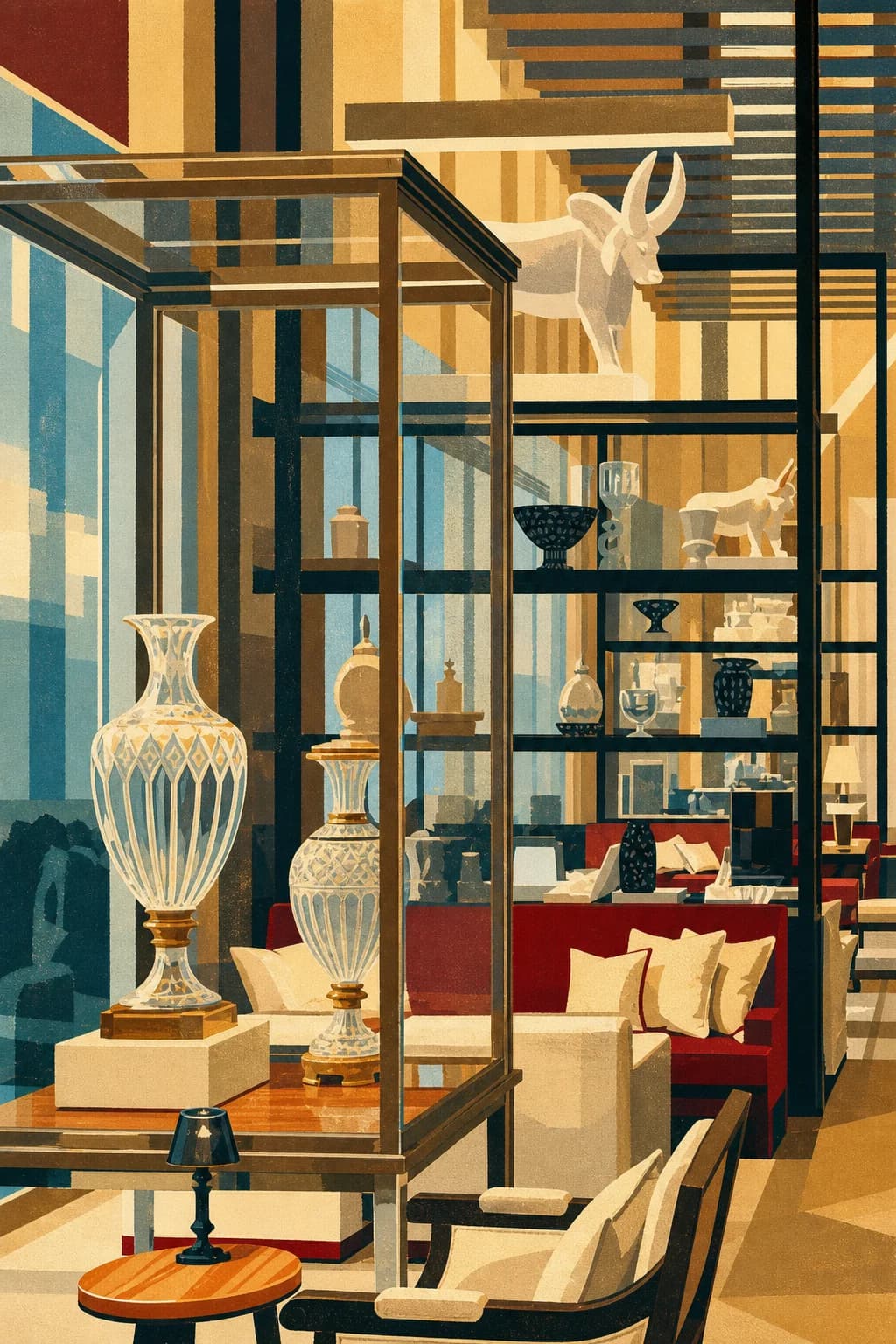
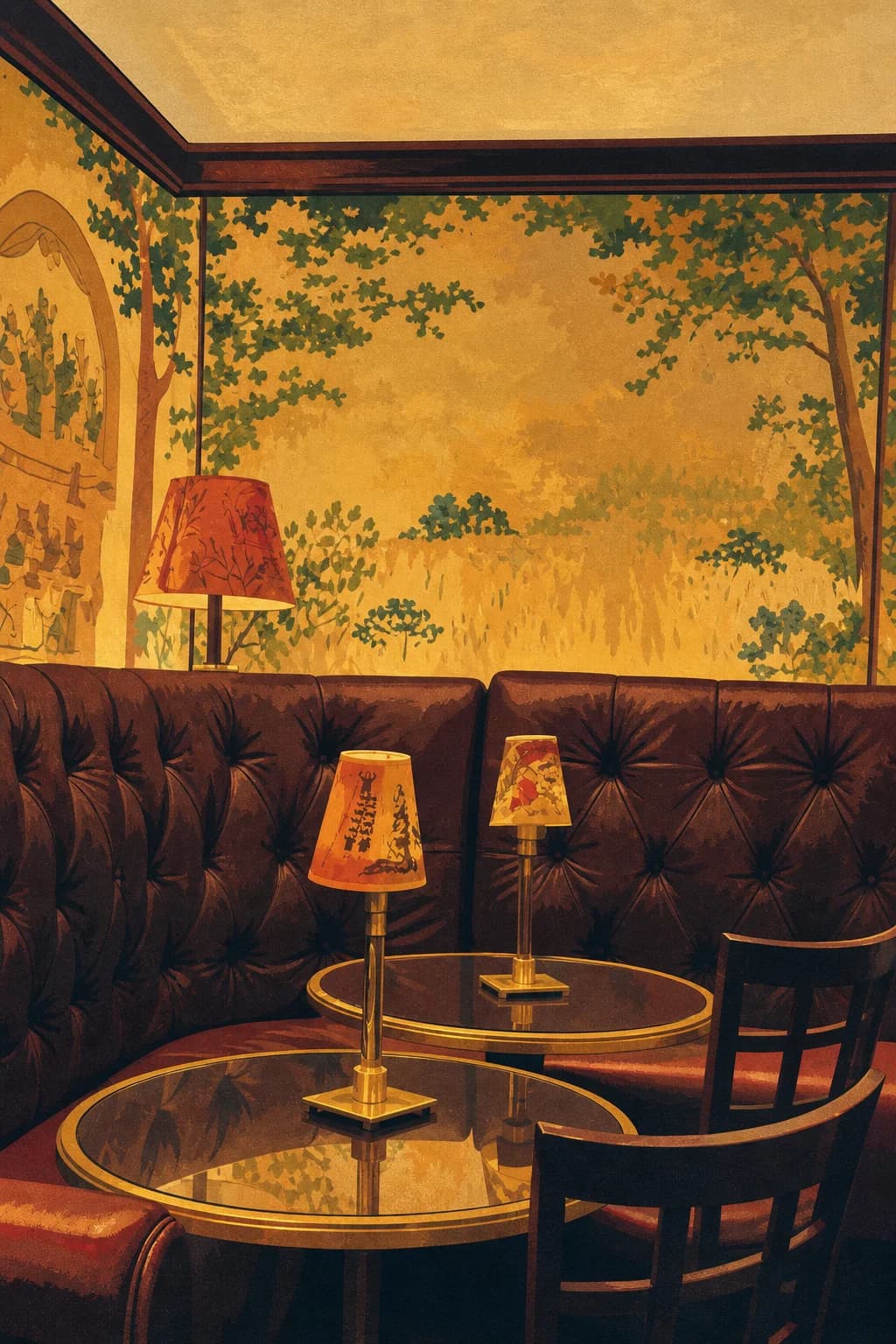
Silver lanterns, mirrored tables, feathery blue pendants, and outsize urns fill the double-height lobby with the kind of drama that almost no new hotel would commission today. Some guests find it intoxicating. Others find it exhausting. Both reactions are valid, and Noriega-Ortiz designed it expecting both.
Ten-Foot Windows In 264 Rooms
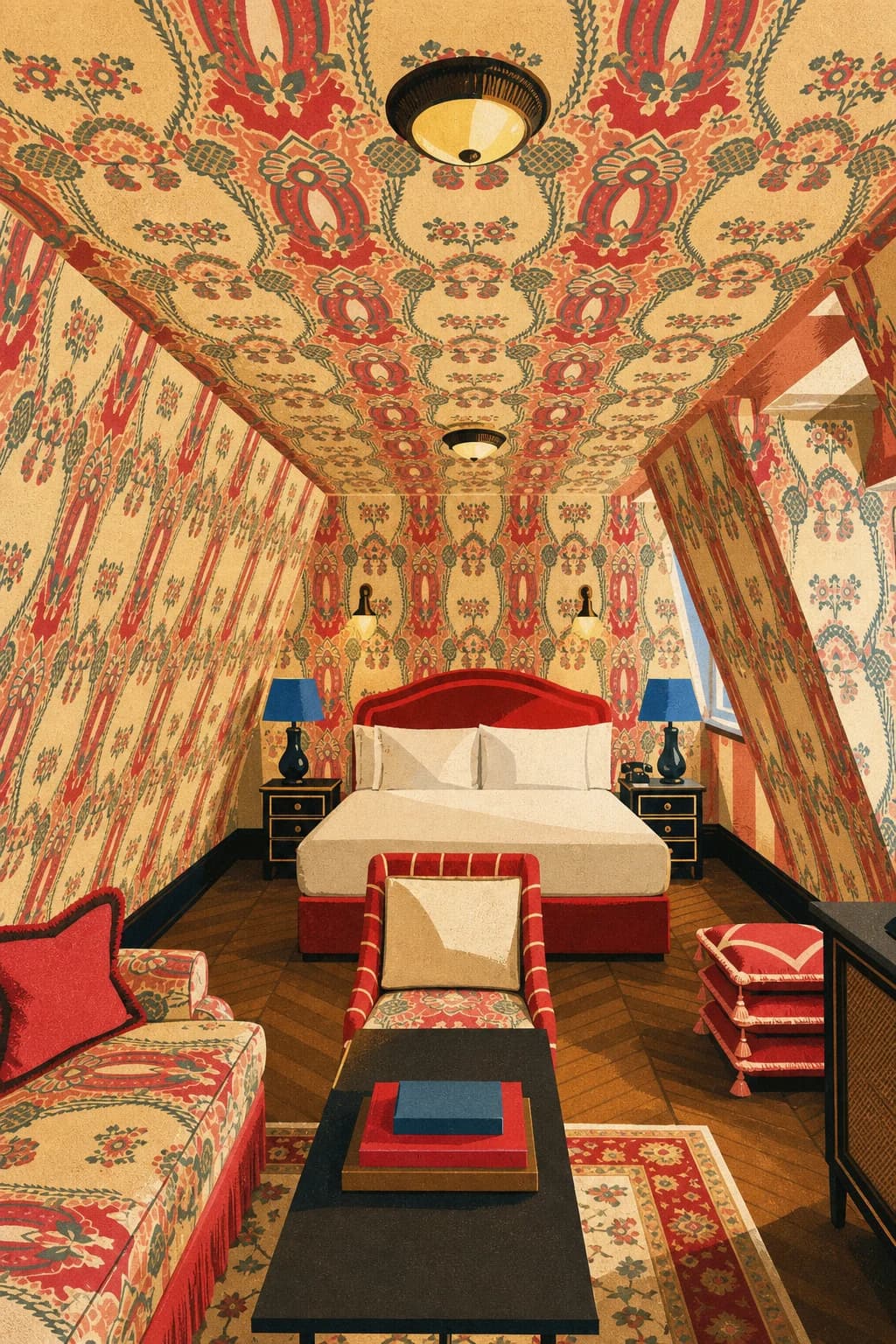
The rooms, which follow the same fairytale logic with crisp whites and vibrant vintage fabrics, were designed around full-height windows that pour light into SoHo from above the Crosby Street boutiques. The bedding is good, the bathrooms are marble, and the corner kings with park-facing exposures are the ones you want.
talk.
mapped.
“an otherworldly hotel on the most nostalgic block in the neighborhood. Benjamin Noriega Ortiz provides the whimsical interior design”
record.
The Cuban-American designer Benjamin Noriega-Ortiz was given the full theatrical brief, and he responded with a cobblestone entry archway wrapped in living ivy, a lobby of silver urns and feathery blue pendants, and 264 rooms that treat every sightline as a set piece.
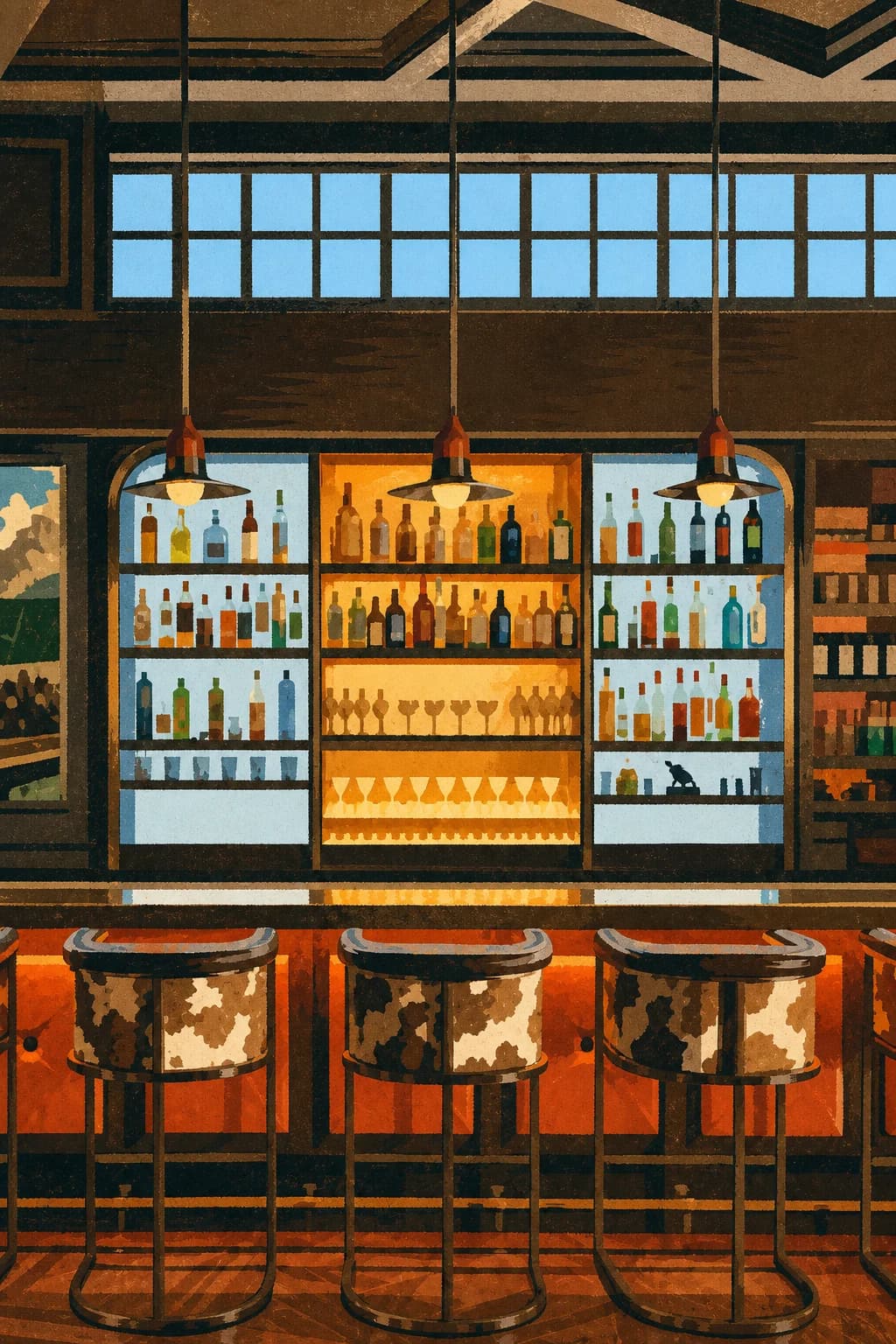
Morgans sold off the property around 2015 and the building rebranded as NoMo SoHo, holding Noriega-Ortiz's design intact while letting the service operation drift in and out of the rate. NoMo Kitchen anchors the ground floor and Jimmy NoMo (a separate bar from the ModernHaus rooftop up the street) runs a quieter Crosby Street programme. The Instagram following is largely built on that ivy archway, which means every guest you meet in the lift has already photographed it from the same angle.
changed.
Late April–early May beats Met Gala. First two weeks of September beat UNGA. Anything Sep–Dec needs 60–90 days of lead time.
September is the single hardest month to book in New York City, and nothing else comes close. Fashion Week and the United Nations General Assembly collide in the same two-week window, pulling designers, buyers, diplomats, journalists, and their combined entourages into a city already running near capacity. Rates during UNGA week routinely blow past the rest of the year by wide margins.
October runs a close second, and for entirely different reasons. Hudson Valley foliage trips drain weekend supply, while NY Comic Con and a dense events calendar keep midweek pressure high. If September is out of reach, expect October to feel almost identical at the top of the market.
The holiday corridor from November through December is the other sustained peak. NYC Marathon weekend in early November compresses supply across all five boroughs before Thanksgiving arrives with the Macy's parade and family travel. December then stacks Rockefeller Center, holiday markets, Broadway's busiest stretch, and New Year's Eve on top of one another.
Booking lead times for November and December should extend to 60 to 90 days minimum at High and Very High tier properties.
May and June bring sharp, event-driven spikes rather than a broad surge. Met Gala week in early May and Frieze New York concentrate pressure in Midtown and downtown Manhattan respectively. June adds NYC Pride, the Tribeca Festival, and the Tony Awards, keeping demand high but with more day-to-day variability than the fall corridor.
The value window runs January through February. NYC Restaurant Week in January and February's Fashion Week supply the cultural programming, but overall demand hits its yearly floor, with rates falling 40 to 50 percent below peak and normally rigid properties running promotions during NYC Hotel Week. August is the other soft spot: residents flee for the summer, and while the US Open opens late in the month, the first three weeks sit well below their neighbors.
The practical read: chase the shoulders. Target late April, early May before the Met Gala, or the first two weeks of September before UNGA arrives, and you'll get peak-season energy with meaningfully better availability. July is warm and less programmed but also cheaper, a fair trade if theater and outdoor dining are the priority.
approach.
briefing.
stands.
demand's going.
The real Instagram following over time, plus where this hotel sits for demand in New York City. Pick a range, toggle the lines. Followers are reach and demand, not engagement.
assessment.
File closes at HIGH. Book direct three to four weeks out for September through December peaks and Fashion Week spillover. Skip if you confuse it with ModernHaus Jimmy a block away; this is the quieter NoMo version.
The numbers behind the tiers
NoMo SoHo · SOURCE READINGS · REDACTED- Availability density · sampled
- Monthly search volume · raw
- TikTok hashtag views · raw
- YouTube total views · raw
- TikTok following · latest sweep
- Pinterest saves · latest sweep
More from New York City.

Get the hotel's Unbookable Score.
Any post or reel with a hotel in it. Booking.com hotel pages work too. One free check, no account needed.