PUBLIC, an Ian
Schrager hotel.
4 critic reviews
filed.
The Herzog & de Meuron building, the Pawson rooms, and The Roof are all worth the rate on their own and together they make PUBLIC the best architectural-hotel value in Manhattan. The escalator entrance is a genuine tourist attraction. The rooftop view is the one you recognise from films.
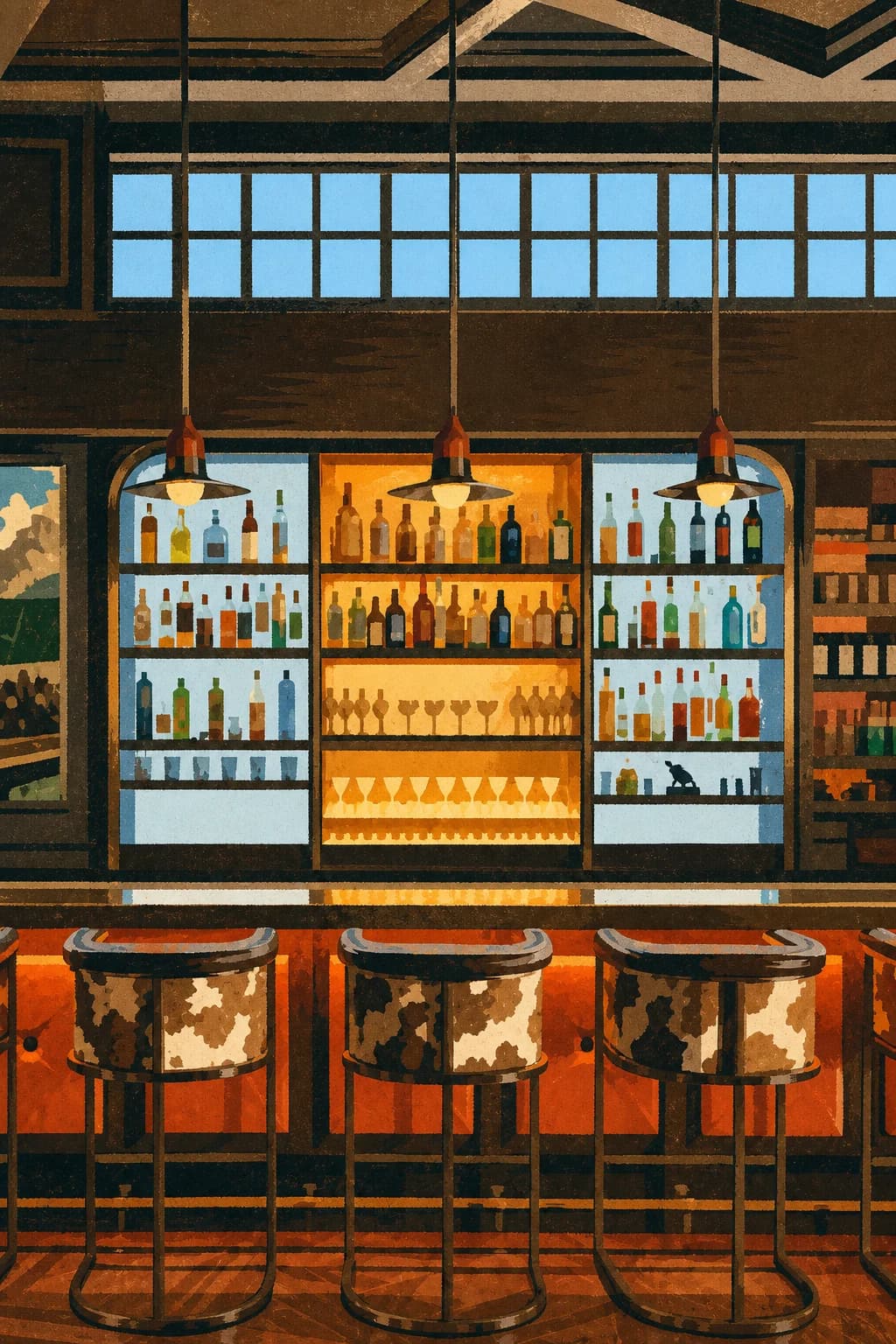
Diego, the 18th floor bar conceived as a London gentleman's club, is open to non-guests Tuesday through Saturday from 6pm. The crowd is quieter than The Roof next door, the cocktail programme is more serious, and the view is the same. Walk through the lobby, take the lift to 18, and skip the rooftop queue.
angles.
Herzog and de Meuron
The Pritzker-winning Swiss firm designed Tate Modern, the Beijing Olympic Stadium, and the de Young Museum. PUBLIC is their first and only New York hotel. The 28-story reinforced-concrete tower has slightly canted windows that give the façade a craggy, glossy air, and the swooping escalator entrance is an instant-recognition architectural gesture that replaces the grand-stair arrival of old-school luxury hotels with something faster and more theatrical.
John Pawson Cabins
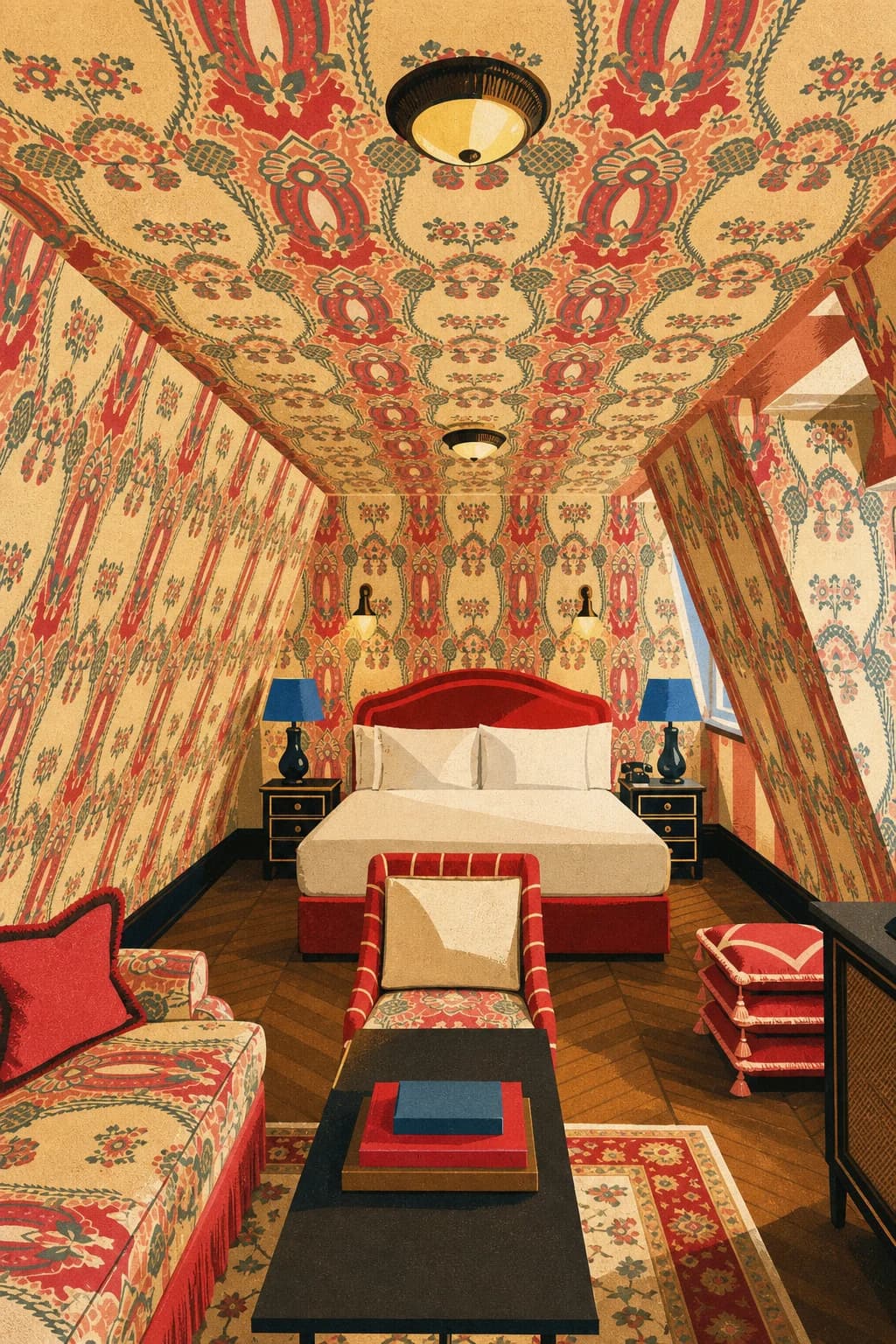
John Pawson is the British minimalist who designed monasteries for Cistercian monks and Calvin Klein flagships, and his PUBLIC rooms are some of the smallest in his portfolio. The beds tuck against floor-to-ceiling windows, the wardrobes are built-in slabs, the bathrooms are honed stone with no drawer pulls. Schrager called the rooms cabins on a yacht and that is still the most accurate description of what you are paying for.
The Roof Has the Best View
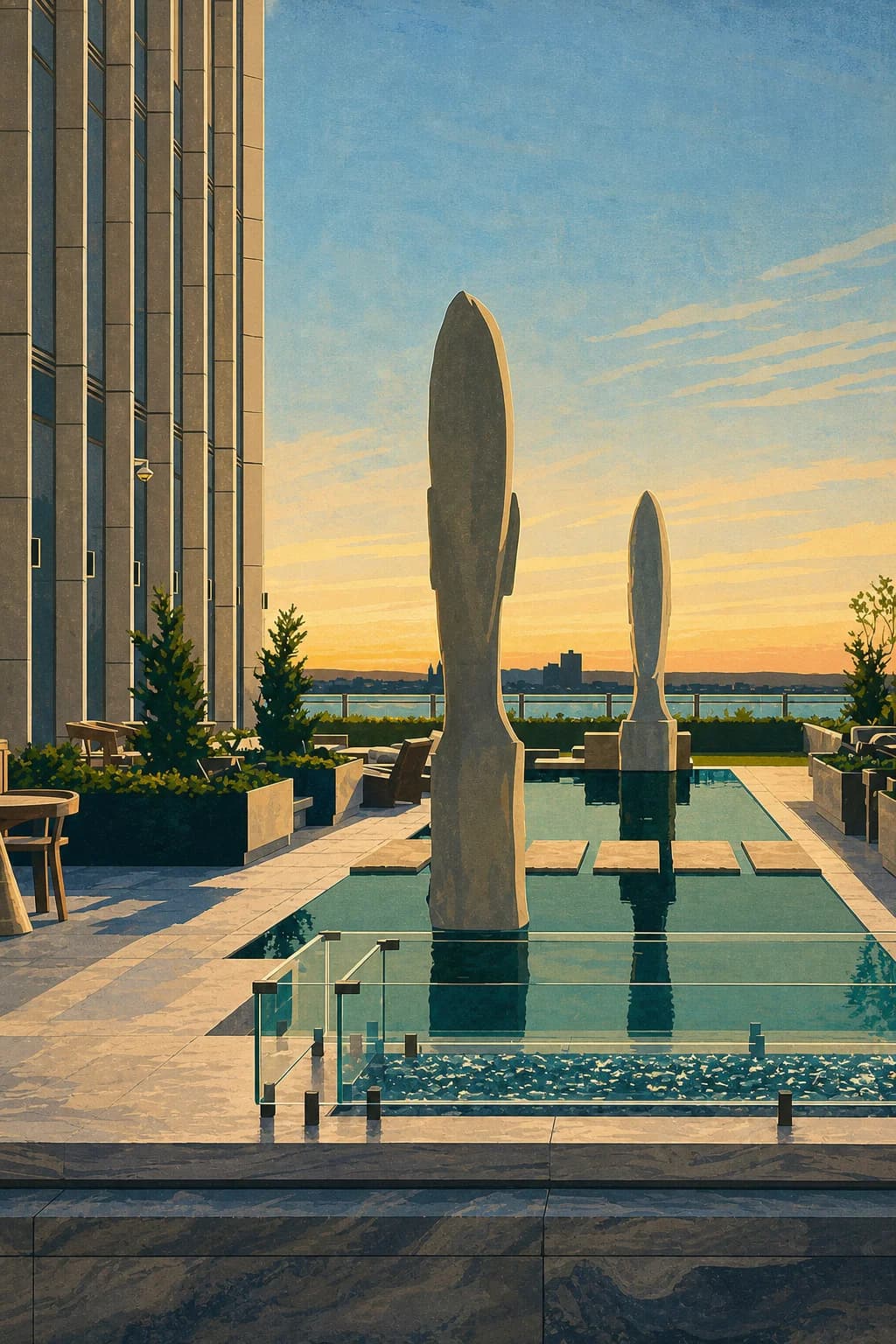
PUBLIC's rooftop bar, simply called The Roof, sits on the 18th floor with an indoor lounge wrapped in floor-to-ceiling glass and a landscaped outdoor terrace facing the full downtown skyline and the Williamsburg Bridge. It is one of the most photographed rooftops in Manhattan and non-guests queue for 40 minutes on Friday nights. Guests ride the lift.
talk.
mapped.
“A revolutionary hotel on the trendy Lower East Side. It's all about public spaces here, from the cafe-bar-boutique that replaces the lobby”
record.
It opened in 2017 inside a 28-story Herzog & de Meuron tower at 215 Chrystie Street on the Bowery, the first New York hotel the Swiss firm has ever designed.
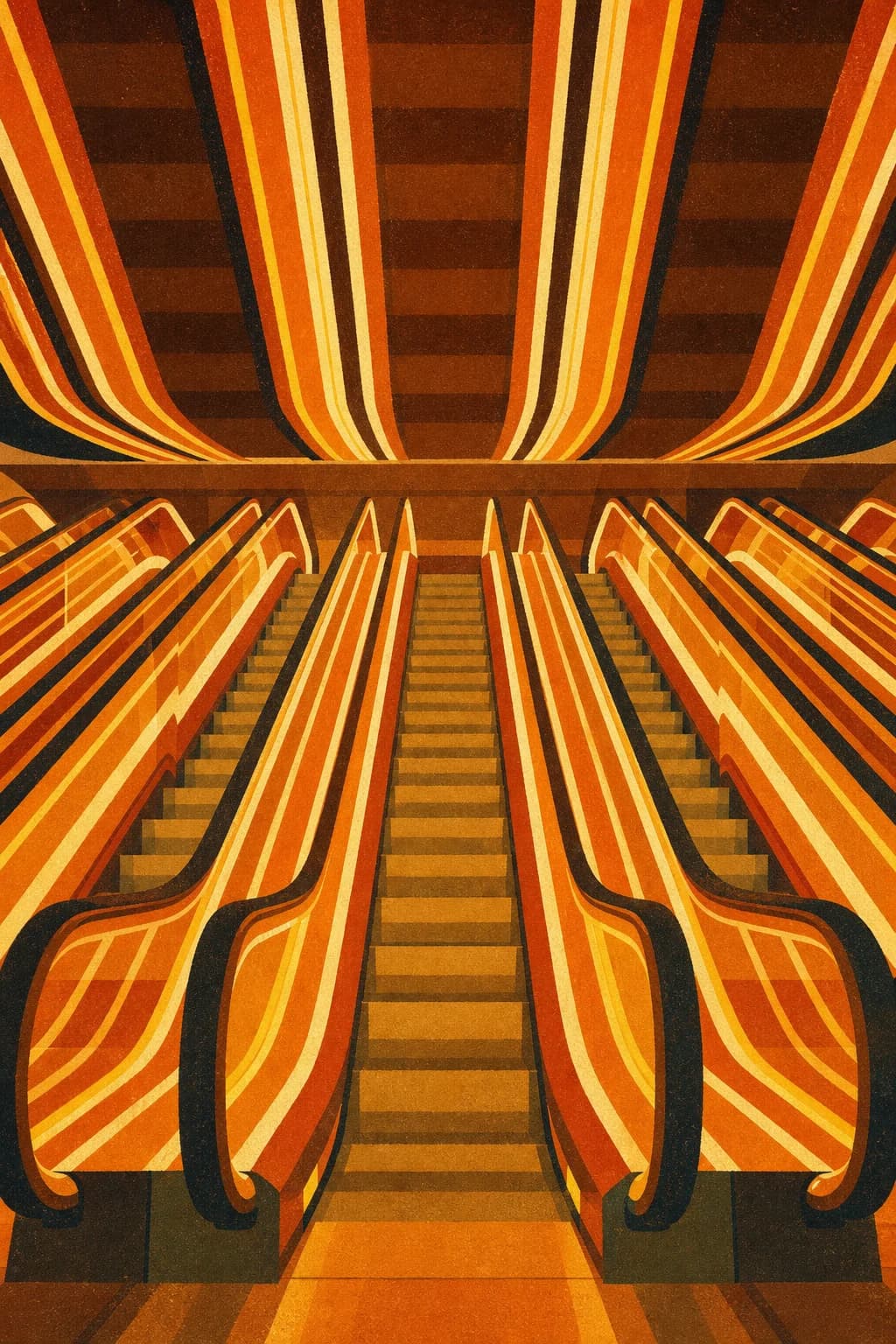
The lobby entrance is a swooping stainless-steel escalator lined with neon-orange light that cost more than most hotels spend on whole floors. John Pawson consulted on the interiors, which read like yacht cabins with floor-to-ceiling windows and almost no ornament. Three hundred sixty-seven rooms. Slow-season rates undercut most Manhattan boutiques, which makes PUBLIC the only hotel in the Herzog & de Meuron canon you can book without a six-figure travel budget.
changed.
Late April–early May beats Met Gala. First two weeks of September beat UNGA. Anything Sep–Dec needs 60–90 days of lead time.
September is the single hardest month to book in New York City, and nothing else comes close. Fashion Week and the United Nations General Assembly collide in the same two-week window, pulling designers, buyers, diplomats, journalists, and their combined entourages into a city already running near capacity. Rates during UNGA week routinely blow past the rest of the year by wide margins.
October runs a close second, and for entirely different reasons. Hudson Valley foliage trips drain weekend supply, while NY Comic Con and a dense events calendar keep midweek pressure high. If September is out of reach, expect October to feel almost identical at the top of the market.
The holiday corridor from November through December is the other sustained peak. NYC Marathon weekend in early November compresses supply across all five boroughs before Thanksgiving arrives with the Macy's parade and family travel. December then stacks Rockefeller Center, holiday markets, Broadway's busiest stretch, and New Year's Eve on top of one another.
Booking lead times for November and December should extend to 60 to 90 days minimum at High and Very High tier properties.
May and June bring sharp, event-driven spikes rather than a broad surge. Met Gala week in early May and Frieze New York concentrate pressure in Midtown and downtown Manhattan respectively. June adds NYC Pride, the Tribeca Festival, and the Tony Awards, keeping demand high but with more day-to-day variability than the fall corridor.
The value window runs January through February. NYC Restaurant Week in January and February's Fashion Week supply the cultural programming, but overall demand hits its yearly floor, with rates falling 40 to 50 percent below peak and normally rigid properties running promotions during NYC Hotel Week. August is the other soft spot: residents flee for the summer, and while the US Open opens late in the month, the first three weeks sit well below their neighbors.
The practical read: chase the shoulders. Target late April, early May before the Met Gala, or the first two weeks of September before UNGA arrives, and you'll get peak-season energy with meaningfully better availability. July is warm and less programmed but also cheaper, a fair trade if theater and outdoor dining are the priority.
approach.
briefing.
“I truly believe that everyone deserves a one-of-a-kind experience that lifts their spirits and makes their heart beat faster”
stands.
demand's going.
The real Instagram following over time, plus where this hotel sits for demand in New York City. Pick a range, toggle the lines. Followers are reach and demand, not engagement.
assessment.
File closes at MODERATE. Book ahead three to four weeks for fall peaks; weeknights inside ten days for SoHo and January lulls. Skip if hostel-density bothers you; this is a 367-room build.
The numbers behind the tiers
PUBLIC, an Ian Schrager hotel · SOURCE READINGS · REDACTED- Availability density · sampled
- Monthly search volume · raw
- TikTok hashtag views · raw
- YouTube total views · raw
- TikTok following · latest sweep
- Pinterest saves · latest sweep
More from New York City.


Get the hotel's Unbookable Score.
Any post or reel with a hotel in it. Booking.com hotel pages work too. One free check, no account needed.