The Surrey, A Corinthia
Hotel.

5 critic reviews
filed.
Twenty-three thousand Instagram followers is a soft number for a $250 million reopening, and that gap is the opportunity. The hotel has not yet found its full audience, and travelers booking in 2026 are getting a freshly MICHELIN-Keyed property that will be significantly harder to get into by 2027.
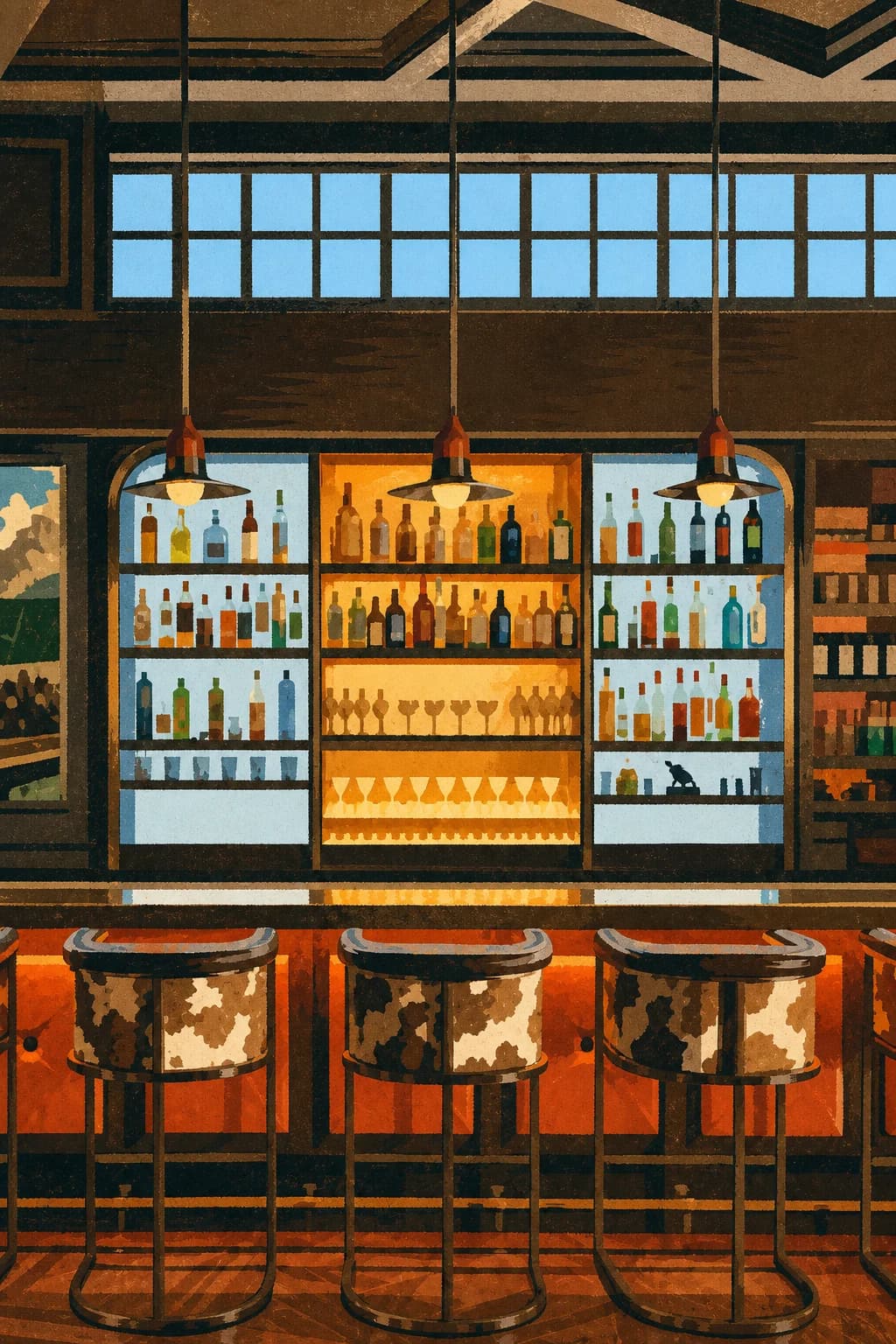
Bar Pleiades is the same intimate cocktail room that ran under the previous operators, restored rather than replaced. It seats around 30 people and runs a short, serious cocktail menu. Most guests don't realize it is open to non-members and will turn down a table by assuming they need membership.
angles.
Martin Brudnizki, In Full
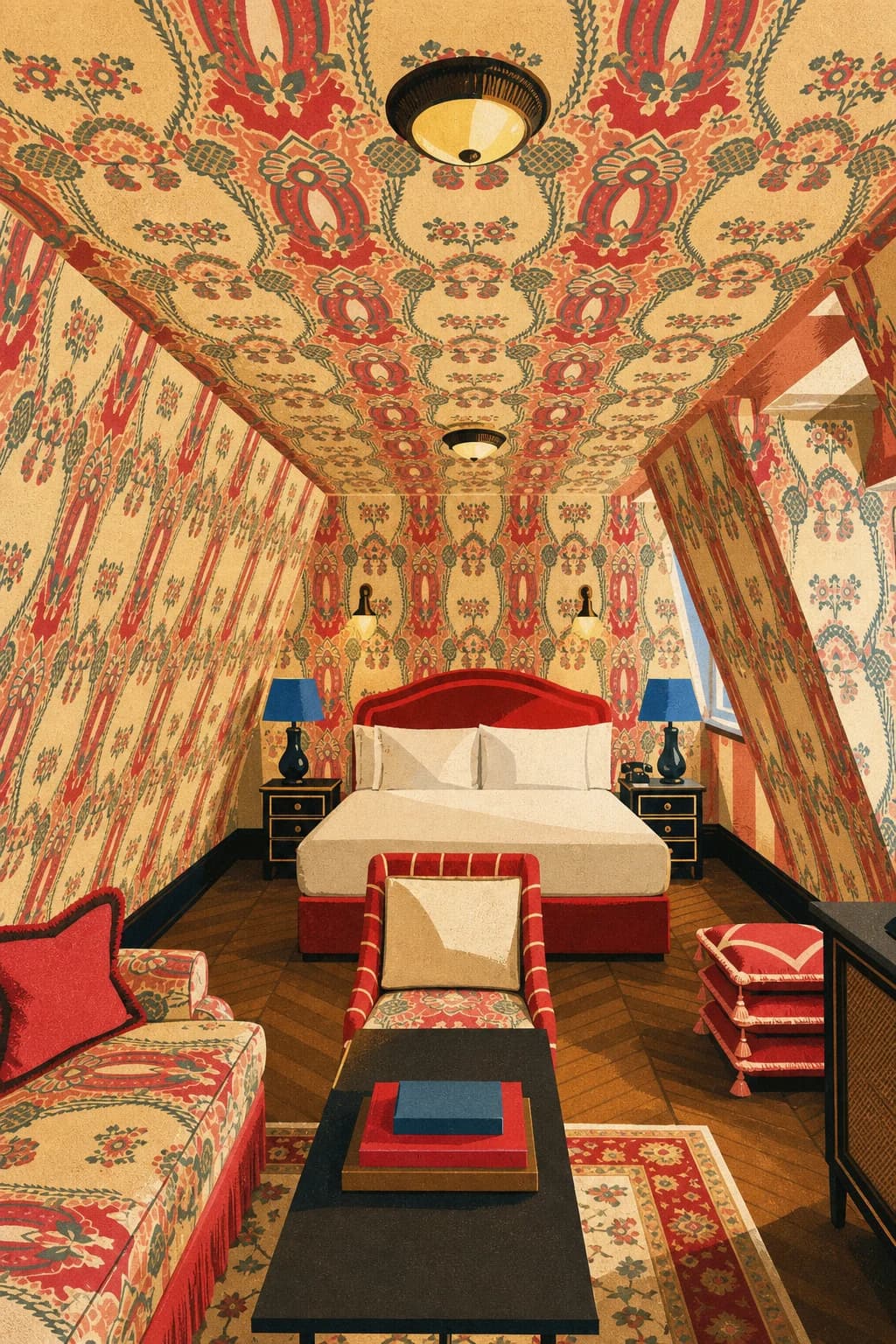
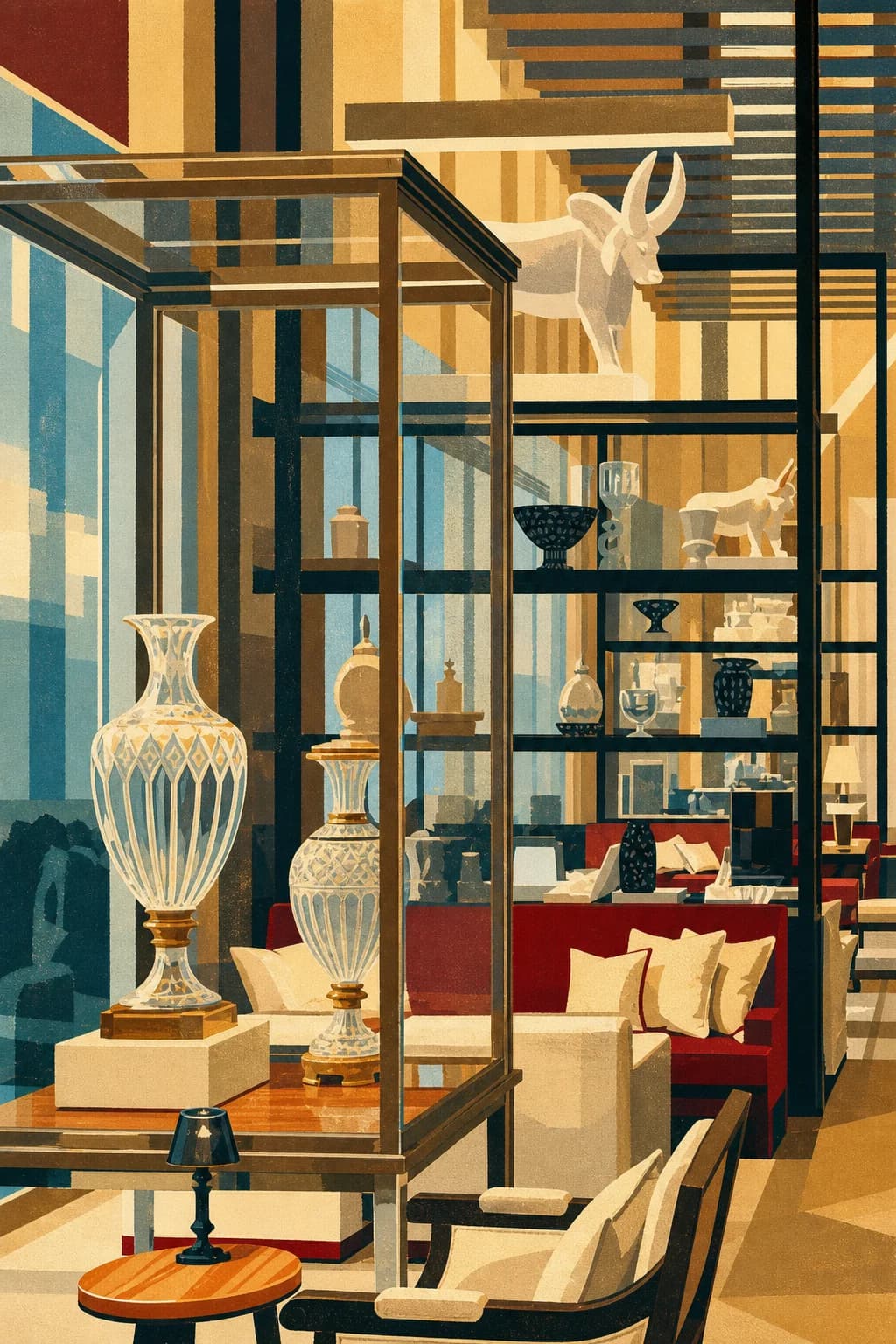
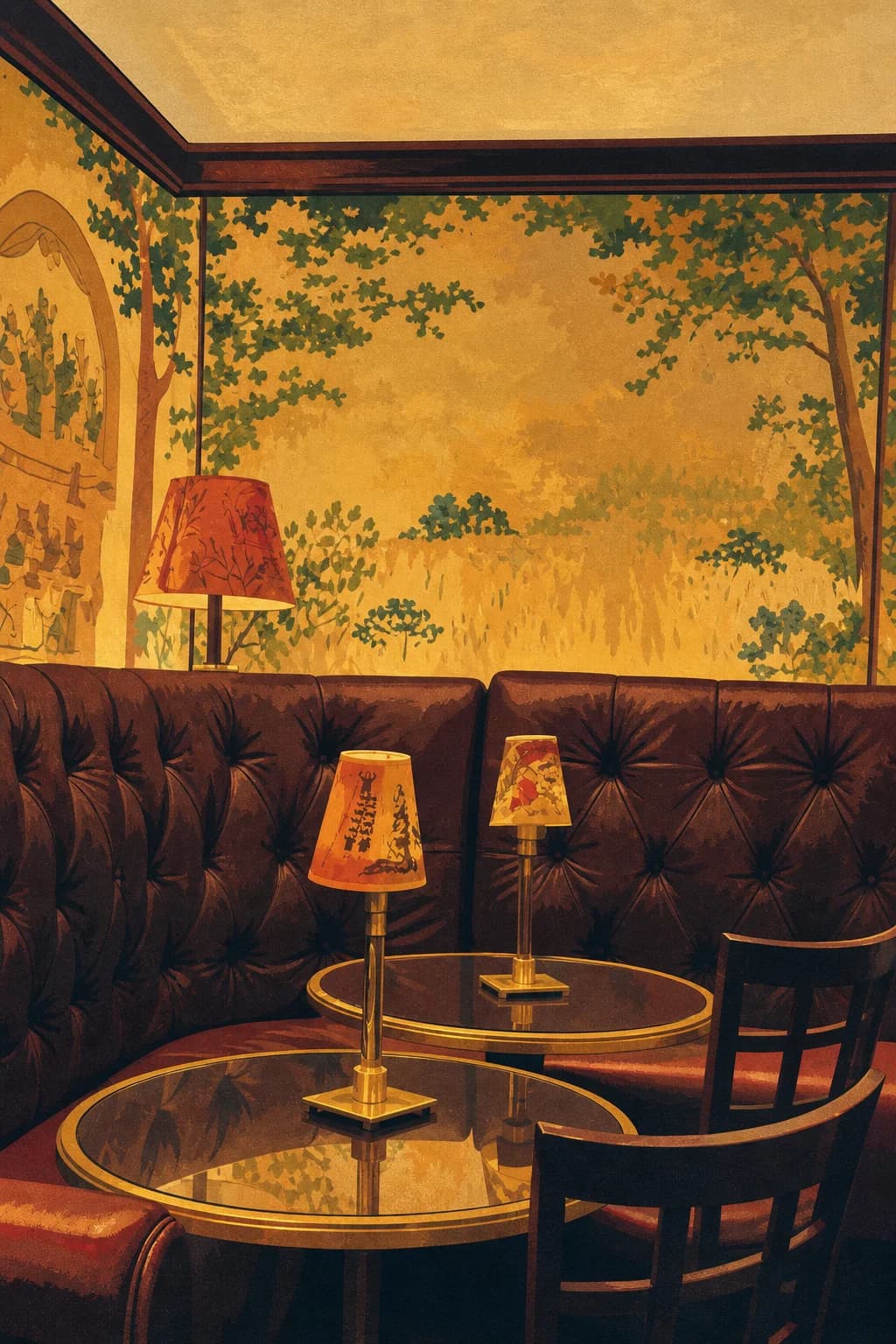
Brudnizki is the designer behind Annabel's, the Beekman, and Hotel Fouquet's New York, and the Surrey is his biggest solo New York project. The redesign leans into the 1926 bones rather than covering them: restored plasterwork, custom textiles, hand-painted wallpapers, and a rotating art program through the public spaces. It reads as a proper restoration, not a gut renovation with a heritage skin.
Casa Tua Members Club
The ground-floor restaurant space is now Casa Tua, the Miami members' club making its New York debut as the hotel's exclusive food and beverage partner. Hotel guests get access regardless of membership status, which is the main reason to book direct rather than through third parties. The Italian menu is a meaningful step up from standard hotel dining, and the members-only atmosphere carries over.
A Fast MICHELIN Key
The MICHELIN Key arrived within months of the September 2024 reopening, which is unusual speed in any market. It signals that the guide had been watching the Corinthia brand and was ready to reward the quality of the restoration immediately. For a property that had been dark for four years, the Key is a meaningful reset and part of what has kept rates at the top of the Upper East Side since day one.
talk.
mapped.
“Stepping into The Surrey, A Corinthia Hotel, is like discovering a secret the Upper East Side has been keeping to itself.”
record.
It is Corinthia's first North American property and Martin Brudnizki handled the redesign, which gave the 100 rooms, suites, and residences the Art Deco grounding the original building was missing after decades of incremental updates.
A MICHELIN Key arrived within months of the reopening, which is unusually fast in any market. Casa Tua Members' Club took over the ground-floor dining space where Cafe Boulud previously operated, and Bar Pleiades remains as the hotel bar. Twenty-three thousand Instagram followers is soft for a building of this budget, and 2026 is the booking window before the UES rediscovers the address.
changed.
Late April–early May beats Met Gala. First two weeks of September beat UNGA. Anything Sep–Dec needs 60–90 days of lead time.
September is the single hardest month to book in New York City, and nothing else comes close. Fashion Week and the United Nations General Assembly collide in the same two-week window, pulling designers, buyers, diplomats, journalists, and their combined entourages into a city already running near capacity. Rates during UNGA week routinely blow past the rest of the year by wide margins.
October runs a close second, and for entirely different reasons. Hudson Valley foliage trips drain weekend supply, while NY Comic Con and a dense events calendar keep midweek pressure high. If September is out of reach, expect October to feel almost identical at the top of the market.
The holiday corridor from November through December is the other sustained peak. NYC Marathon weekend in early November compresses supply across all five boroughs before Thanksgiving arrives with the Macy's parade and family travel. December then stacks Rockefeller Center, holiday markets, Broadway's busiest stretch, and New Year's Eve on top of one another.
Booking lead times for November and December should extend to 60 to 90 days minimum at High and Very High tier properties.
May and June bring sharp, event-driven spikes rather than a broad surge. Met Gala week in early May and Frieze New York concentrate pressure in Midtown and downtown Manhattan respectively. June adds NYC Pride, the Tribeca Festival, and the Tony Awards, keeping demand high but with more day-to-day variability than the fall corridor.
The value window runs January through February. NYC Restaurant Week in January and February's Fashion Week supply the cultural programming, but overall demand hits its yearly floor, with rates falling 40 to 50 percent below peak and normally rigid properties running promotions during NYC Hotel Week. August is the other soft spot: residents flee for the summer, and while the US Open opens late in the month, the first three weeks sit well below their neighbors.
The practical read: chase the shoulders. Target late April, early May before the Met Gala, or the first two weeks of September before UNGA arrives, and you'll get peak-season energy with meaningfully better availability. July is warm and less programmed but also cheaper, a fair trade if theater and outdoor dining are the priority.
approach.
briefing.
“The Surrey features 100 guest rooms, including 30 suites, and 14 private residences on the upper floors.”
stands.
demand's going.
The real Instagram following over time, plus where this hotel sits for demand in New York City. Pick a range, toggle the lines. Followers are reach and demand, not engagement.
assessment.
File closes at MODERATE. Book direct three to four weeks out for Met Gala spillover and September through December peaks. Skip the residences if design coverage matters; the suite tier carries the more complete treatment.
The numbers behind the tiers
The Surrey, A Corinthia Hotel · SOURCE READINGS · REDACTED- Availability density · sampled
- Monthly search volume · raw
- TikTok hashtag views · raw
- YouTube total views · raw
- TikTok following · latest sweep
- Pinterest saves · latest sweep
More from New York City.





Get the hotel's Unbookable Score.
Any post or reel with a hotel in it. Booking.com hotel pages work too. One free check, no account needed.