Owall
Hotel.

4 critic reviews
filed.
If your idea of a great hotel is a great building, Owall delivers on exactly that. It is a design object first and a service operation second, so temper expectations on amenities and lean into the craft. For the right traveller, that trade is easy to make.
With a following in the low thousands and only a few design-press features to its name, Owall is genuinely a hidden gem rather than a hyped one. The people who find it tend not to broadcast it. That quiet is part of the appeal.
angles.
Detailed Down To The Faucets
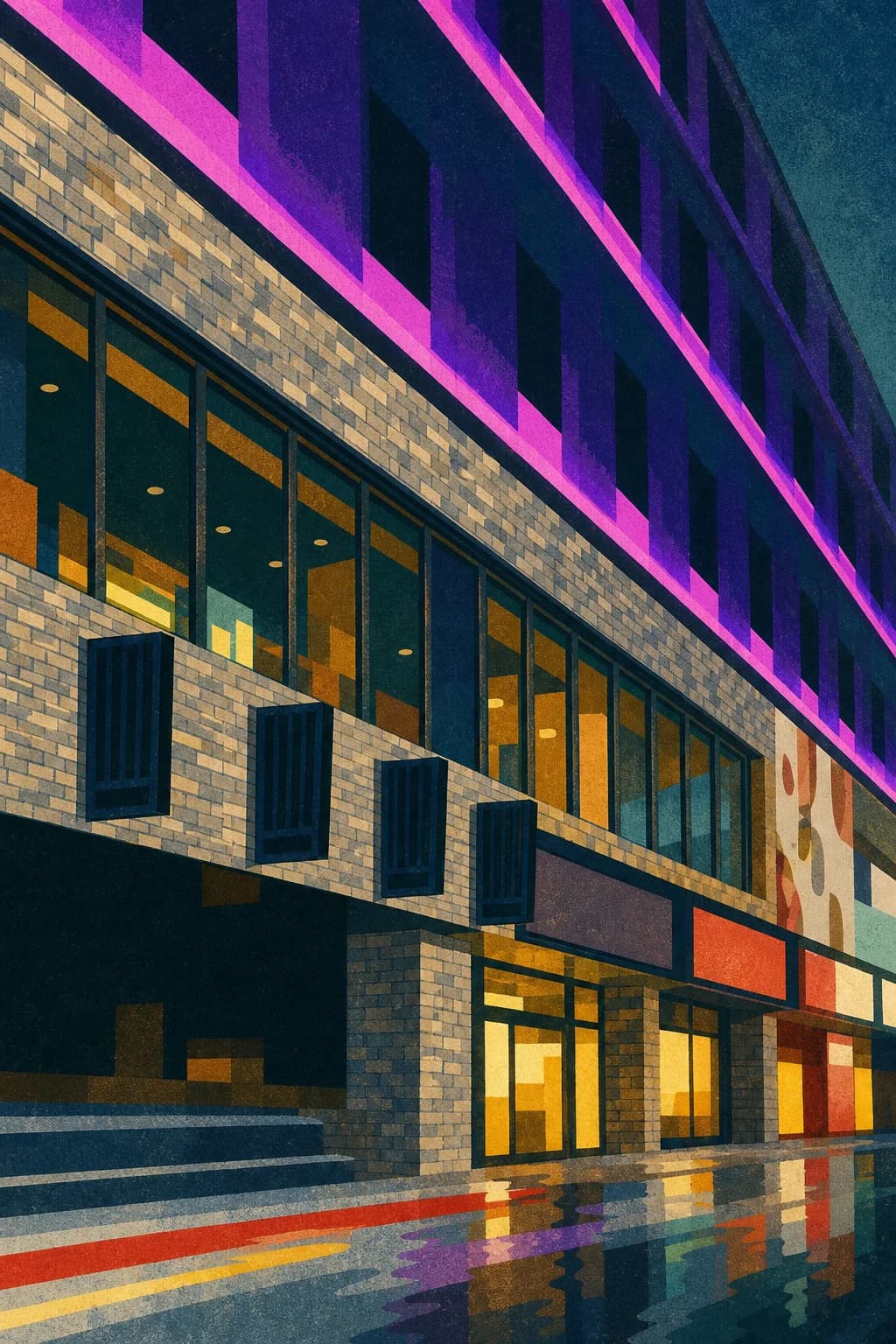
Kim Baek-sun designed Owall as a painter would, controlling every surface from the marble-clad exterior to the granite, the locally sourced wood, and yes, the faucets. His work ran to Ferrum Tower and KEB Hana Bank's private bank, but this was the last thing he built. The rooms carry that discipline: nothing decorative, everything considered, a lightness earned across a lifetime of composing canvases.
Breakfast Is A Hangover Cure
The restaurant pours bugeoguk in the morning, a milky broth simmered from dried pollack that Seoulites treat as gospel after a heavy night out. In a neighbourhood built for late evenings, that is not an accident. It is unfussy, restorative, deeply local, and a long way from the international buffet most hotels at this price default to.
Gangnam's After-Dark Quarter
Owall sits in the Apgujeong and Cheongdam stretch of Gangnam, Seoul's address for flagship boutiques, clinics, and restaurants that fill up at midnight. Gangnam Station and its subway lines are close, which matters in a city this size. Step out and you are among the entertainment venues the district is known for, then retreat to something quiet and considered.
talk.
mapped.
“From the marble-clad exterior to the faucets, he personally designed every detail, infusing each element with a lightness of touch”
record.
Owall is the final work of Kim Baek-sun, the Korean painter and space designer also behind Alternative Space Loop and the Korean Embassy in Denmark, who detailed everything here from the marble-clad facade down to the faucets before he died. It shows.
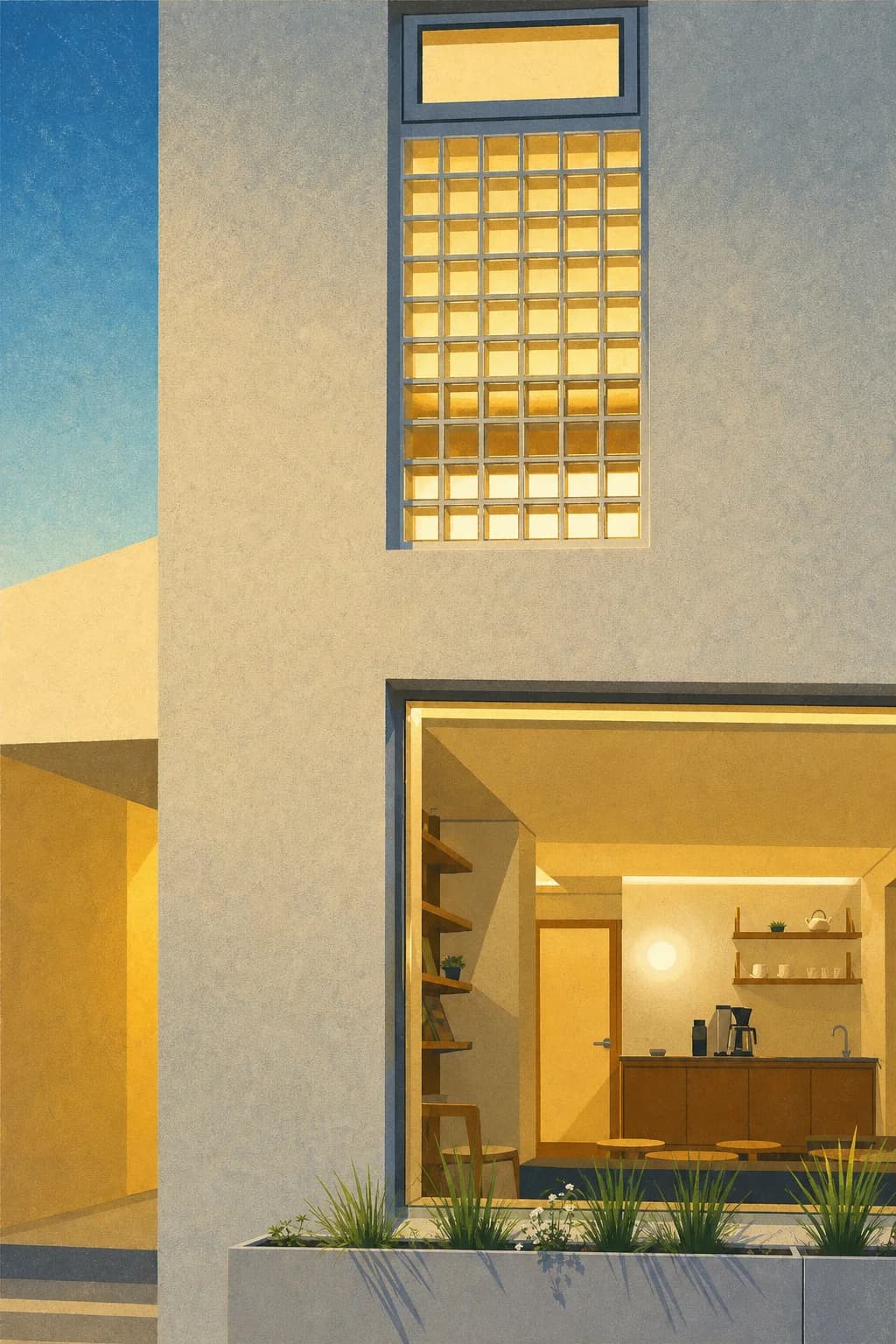
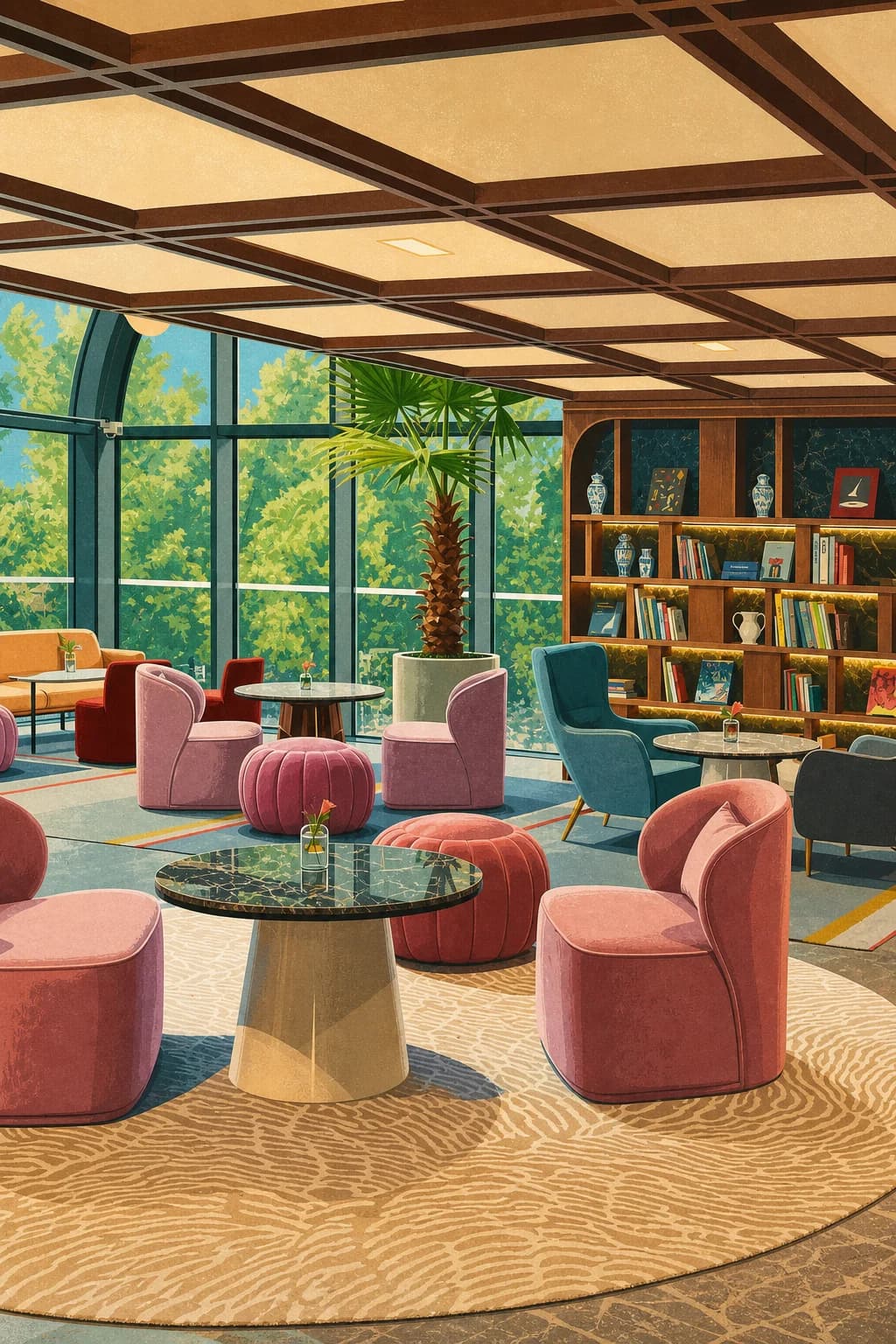
The thirty-two rooms read like modern translations of traditional Korean houses: Italian marble, granite, and locally sourced wood, arranged with a painter's restraint. A ground-floor gallery rotates work from emerging Korean artists every month, and breakfast is bugeoguk, the dried-pollack broth Seoul swears by after a long night. With only thirty-two rooms and a deliberately small audience, this is a place you plan around rather than stumble into.
changed.
Seoul's demand curve tracks two things travelers chase and one they flee. They chase the cherry blossom window in April and the maple-and-ginkgo turn in October — the two visual set-pieces that drive the city to its yearly peaks, with May riding the tail of spring into Seoul's most comfortable stretch. What they flee is the summer: July and August collapse into the monsoon and a wet, heavy heat that pushes demand to its annual low, even though the city never closes and the air-conditioned interiors of Gangnam and Myeongdong barely register the season.
The shoulder months are where the real strategy lives. March and November sit just below peak, and both are genuinely undervalued. March catches the pre-blossom palace quiet before the crowds land; November delivers crisp, dry, blue-sky weather after the foliage tourists have gone home. September is the same bet on the back end of summer.
If your trip is flexible, these are the months where the scarce hanok stays and downtown boutiques are reachable without booking a full season out.
For the peaks, lead time is everything — and it's sharpest where the rooms are fewest. A five-room hanok like Rakkojae Seoul or an eight-room stay like arr.dep. can sell out its April and October dates months ahead, because the cherry-blossom and autumn windows concentrate the entire year's demand into a few weeks against a room count that never grows. The larger design hotels and Gangnam boutiques give you more runway, but even Hotel28 Myeongdong tightens noticeably around the blossom peak.
December through February is the contrarian's season. Cold and dry, but clear, cheaper, and paired with the city's best indoor life — its bathhouses, night markets, and endless barbecue. Nothing shuts down. If you can handle the temperature, this is when Seoul is most bookable and least crowded, and when even the scarce rooms open up.
Time the visit to the neighborhood you want, then book the scarce end of the roster first. The hanoks and small boutiques set the pace; everything larger follows. Get those locked, and the rest of the trip falls into place around them.
approach.
briefing.
“Zen-like and minimalist, the Owall Hotel in the Gangnam-Gu district is a beautiful nature-inspired respite and a bona fide hidden gem when it comes to the best boutique hotels in Seoul.”
stands.
demand's going.
The real Instagram following over time, plus where this hotel sits for demand in Seoul. Pick a range, toggle the lines. Followers are reach and demand, not engagement.
assessment.
File closes at MODERATE. A 32-room design pilgrimage in Gangnam, the last work of a painter who detailed every faucet. Book direct, stay flexible on dates. For those who want the building to be the reason; skip it if you need full-service resort comforts.
The numbers behind the tiers
Owall Hotel · SOURCE READINGS · REDACTED- Availability density · sampled
- Monthly search volume · raw
- TikTok hashtag views · raw
- YouTube total views · raw
- TikTok following · latest sweep
- Pinterest saves · latest sweep
More from Seoul.

Get the hotel's Unbookable Score.
Any post or reel with a hotel in it. Booking.com hotel pages work too. One free check, no account needed.