Monastero Santa
Rosa.
18 critic reviews
filed.
The Condé Nast #1 Italy win and the Michelin star at Il Refettorio are both earned. The cliffside infinity pool, the adults-only policy, and the converted refectory deliver exactly what the rankings promised. Where the hype skips detail is that Conca dei Marini is tiny, so dining outside the property means driving, and some of the rooms (former monks' cells) are genuinely compact by modern luxury standards.
Il Refettorio books independently of room availability, which means you can eat in the 17th-century refectory as a non-guest. It is the cheapest legitimate way to feel Monastero Santa Rosa from the inside. Book dinner on the terrace side and walk the cloister before your reservation. Most guests never realise the sfogliatella connection: the pastry was invented in this exact building by the Dominican nuns who used to live here.
angles.
Il Refettorio, One Star
The restaurant occupies the monastery's original refectory, where Dominican nuns once ate their meals. One Michelin star. The kitchen serves Campanian cuisine with ingredients sourced locally. Eating in the same room where nuns dined centuries ago, with a Michelin-starred kitchen now in charge, is the kind of continuity that no new-build restaurant can manufacture.
The Sfogliatella Origin
The Santa Rosa nuns are credited with creating sfogliatella Santa Rosa, the ricotta-and-semolina pastry that became Naples' most famous sweet. The hotel's pastry kitchen continues the tradition. The historical connection between this specific monastery and one of Italy's most recognised pastries gives the property a culinary provenance that goes beyond the restaurant. The sfogliatella is the edible founding story.
Conca dei Marini's Cliff
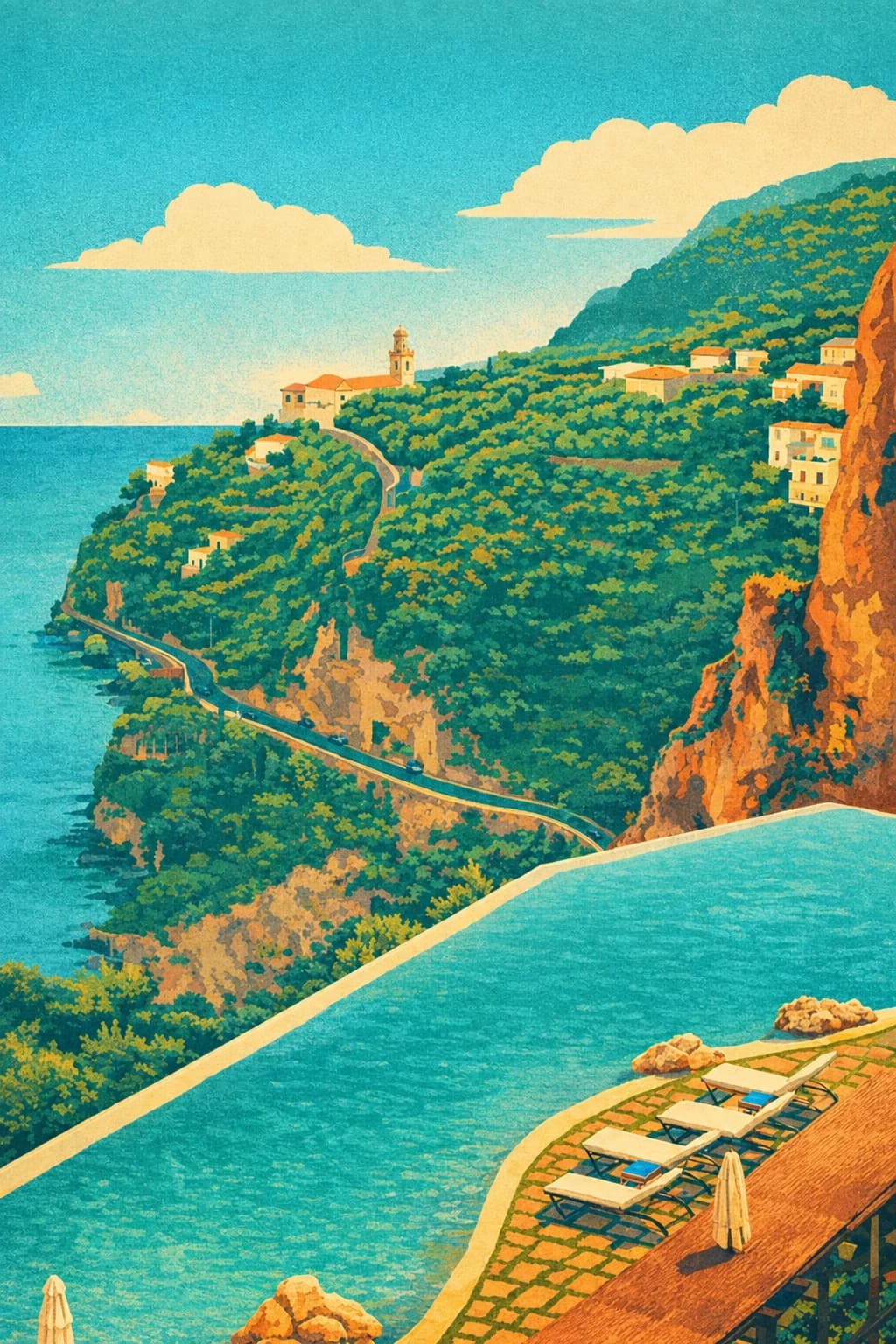
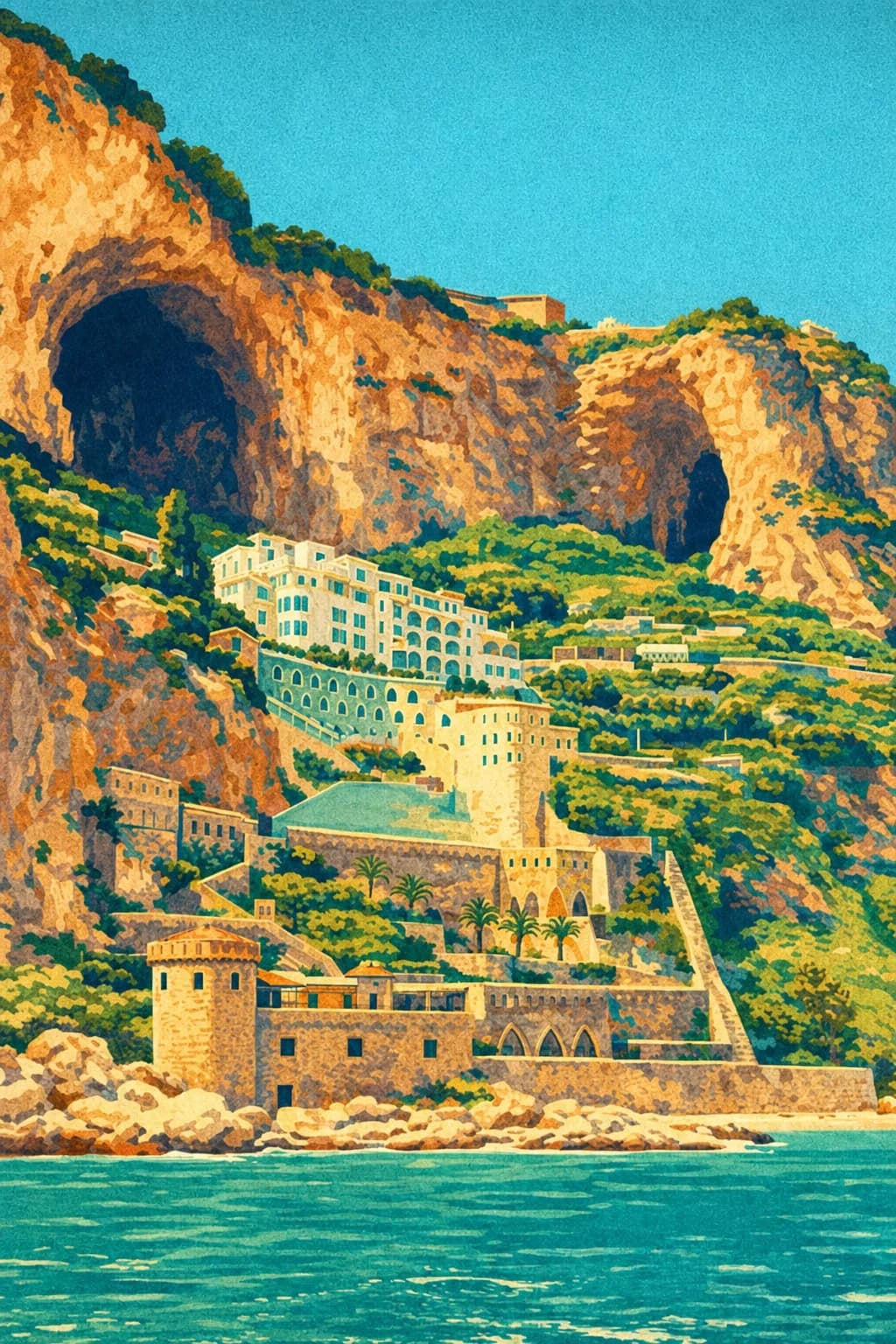
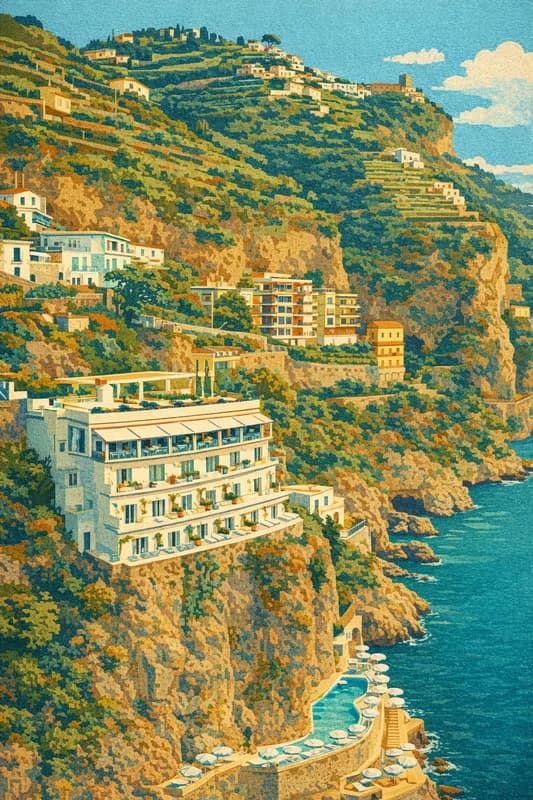
Conca dei Marini sits between Amalfi and Positano on the coast road, quieter than either neighbour. The monastery clings to the cliff above the sea. The infinity pool occupies the former terrace. The Emerald Grotto (Grotta dello Smeraldo) is accessible from the coast below. The location gives the property the Amalfi coastline views without the Positano or Amalfi foot traffic.
talk.
mapped.
“Monastic luxury becomes A Thing at Monastero Santa Rosa.”
record.
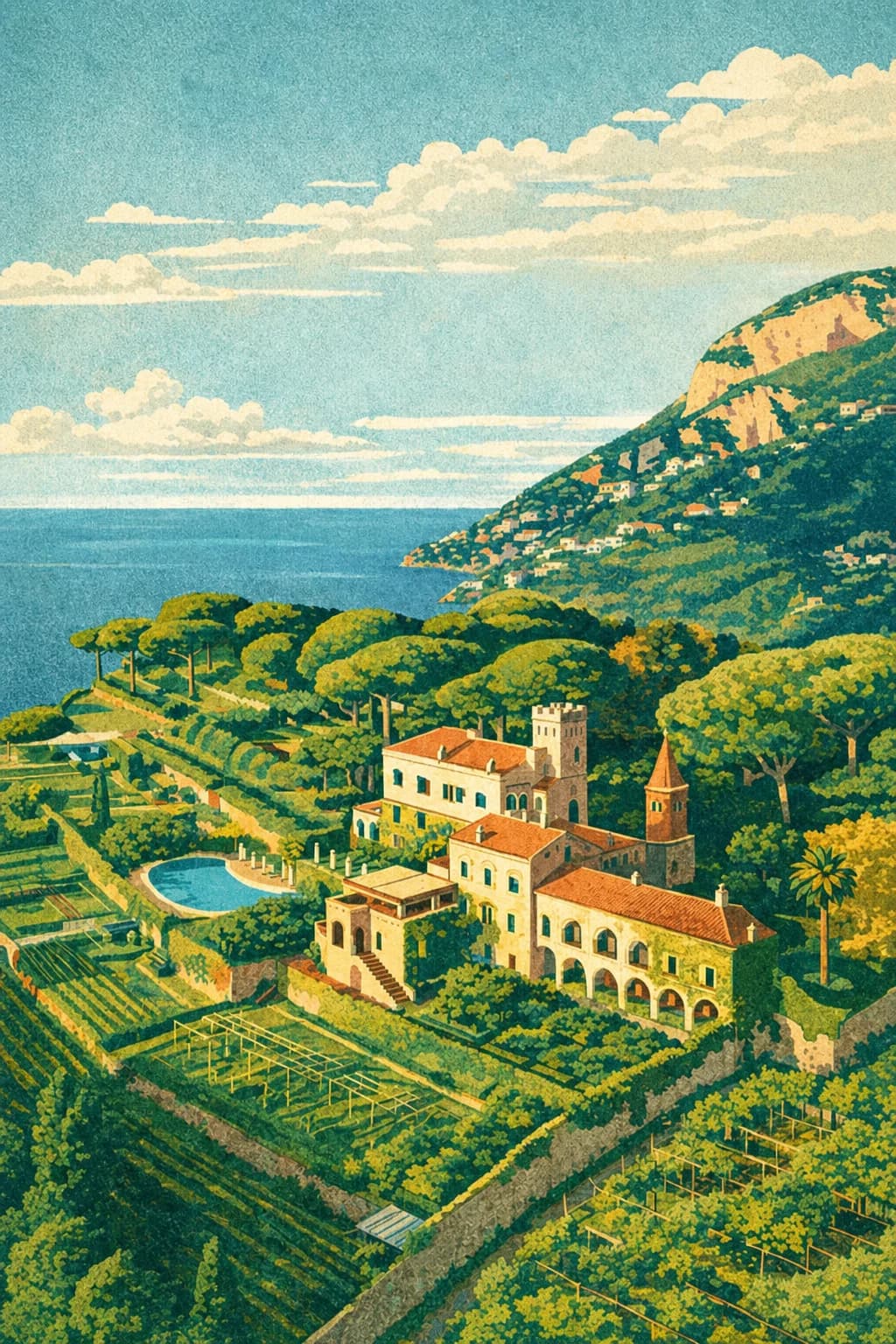
Centuries later, the monastery was converted into a twenty-room adults-only hotel by architect Francesco Avolio de Martino with interiors by Bianca Sharma, opening in 2012. Condé Nast Traveler named it #1 Hotel in Italy in the 2019 Readers' Choice Awards. Il Refettorio restaurant holds one Michelin star.
4.8 on Google. The property clings to the cliff at Conca dei Marini, between Amalfi and Positano, with an infinity pool on the monastery's former terrace. Twenty rooms across former monks' cells, a chapel, and the refectory. Adults only. Exceptional breakfast included. 105 minutes from Naples airport. The monastery's history, the nuns' pastry, and a Michelin star: the layers run deep.
changed.
May–June and September are the sweet spots. Skip November–March: most hotels are closed. July–August demands four to six months of lead time.
The Amalfi Coast is not a year-round destination, and it doesn't pretend to be. Most hotels close entirely from November through March, and the handful that stay open run on reduced services and limited restaurant options. January through March posts demand scores in the single digits.
April opens the season, and Easter week delivers the first booking pressure of the year. Demand jumps to around 40, but availability stays reasonable outside the holiday itself. The weather suits walking the Path of the Gods and exploring without crowds, though some beach clubs and boat services haven't yet started running.
May and June are the sweet spot. Demand climbs from 65 to 85, the lemon groves are in full bloom, the sea warms enough for swimming by late May, and the SS163 coast road hasn't yet hit its summer gridlock. Restaurant reservations are manageable and hotel rates sit below their July peak. For Ultra-tier properties like Villa Cimbrone or Le Sirenuse, May still requires booking two to three months out, and June availability tightens further.
July and August are a different animal entirely. Demand hits 100 in July and 95 in August. The coast road slows to a crawl, particularly on weekends and around the Ferragosto holiday on August 15, when Italian domestic tourism surges and many restaurants switch to fixed holiday menus. Boat transfers become not just convenient but essential for moving between towns. Ultra-tier rooms in these months demand four to six months of lead time. The tradeoff is the fullest expression of the coast's energy: every restaurant open, every beach club running, warm seas, and long evenings.
September is the most undervalued month on the coast, when quality of experience and ease of booking align most favorably.
September rewards travelers who wait. Demand drops to 70 as European schools reopen, yet the sea stays warm from months of summer heat. Hotel rates step down, the SS163 clears, and the grape harvest adds a layer of activity in the hillside towns. Late September into early October is the window worth targeting.
October is the last shoulder month before the shutdowns. Demand falls to 40, some properties begin their seasonal closures in the final week, and the weather grows less reliable. It works best for travelers who prioritize quiet over guaranteed sunshine.
approach.
briefing.
“One MICHELIN Star restaurant Il Refettorio”
stands.
demand's going.
The real Instagram following over time, plus where this hotel sits for demand in Amalfi Coast. Pick a range, toggle the lines. Followers are reach and demand, not engagement.
assessment.
File closes at ULTRA. Book direct three to four months out for summer; the twenty-room adults-only count creates real scarcity. Skip if you need flexibility; cancellations rarely surface here.
The numbers behind the tiers
Monastero Santa Rosa · SOURCE READINGS · REDACTED- Availability density · sampled
- Monthly search volume · raw
- TikTok hashtag views · raw
- YouTube total views · raw
- TikTok following · latest sweep
- Pinterest saves · latest sweep
More from Amalfi Coast.


Get the hotel's Unbookable Score.
Any post or reel with a hotel in it. Booking.com hotel pages work too. One free check, no account needed.