Caruso A Belmond
Hotel.

12 critic reviews
filed.
The infinity pool is as photogenic in person as on the feed, the Forbes Five Star and Condé Nast recognition are earned, and the Belmond service standard under LVMH is genuinely consistent. Where the hype misses is Ravello itself: at 350 metres elevation there is no beach, so if you came to the Amalfi Coast to swim in the sea, the hotel pool is the substitute, not a supplement.
Caruso runs a complimentary shuttle boat down to a swim platform below Amalfi town in summer, which almost no one publicises because guests assume the cliff pool is the whole story. Also: the 11th-century frescoes restored by Professor Antonio Forcellino are in the Belvedere room, and most guests walk past them on the way to the pool. Ask for a fresco tour at check-in. It is free and never advertised.
angles.
The Infinity Pool
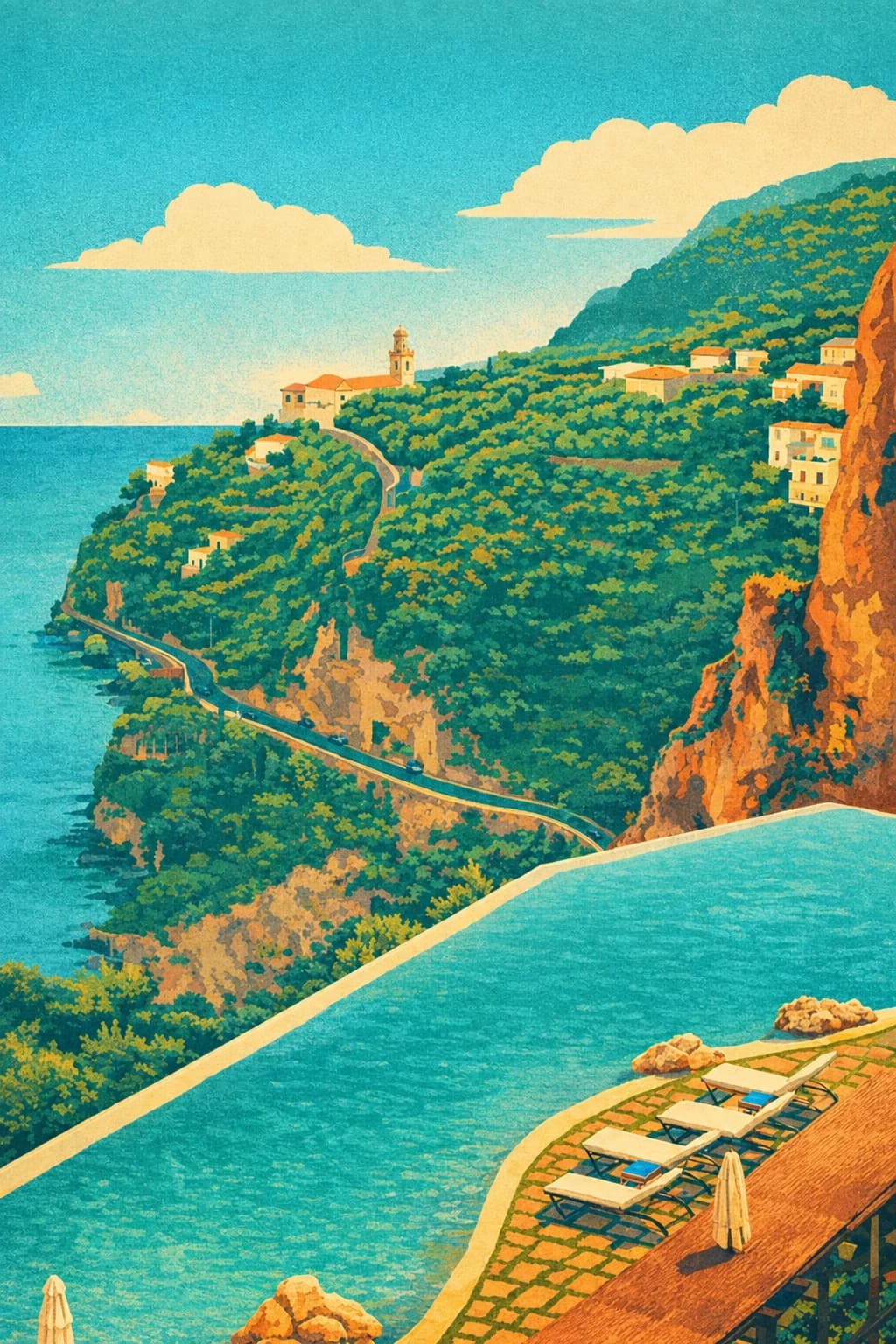
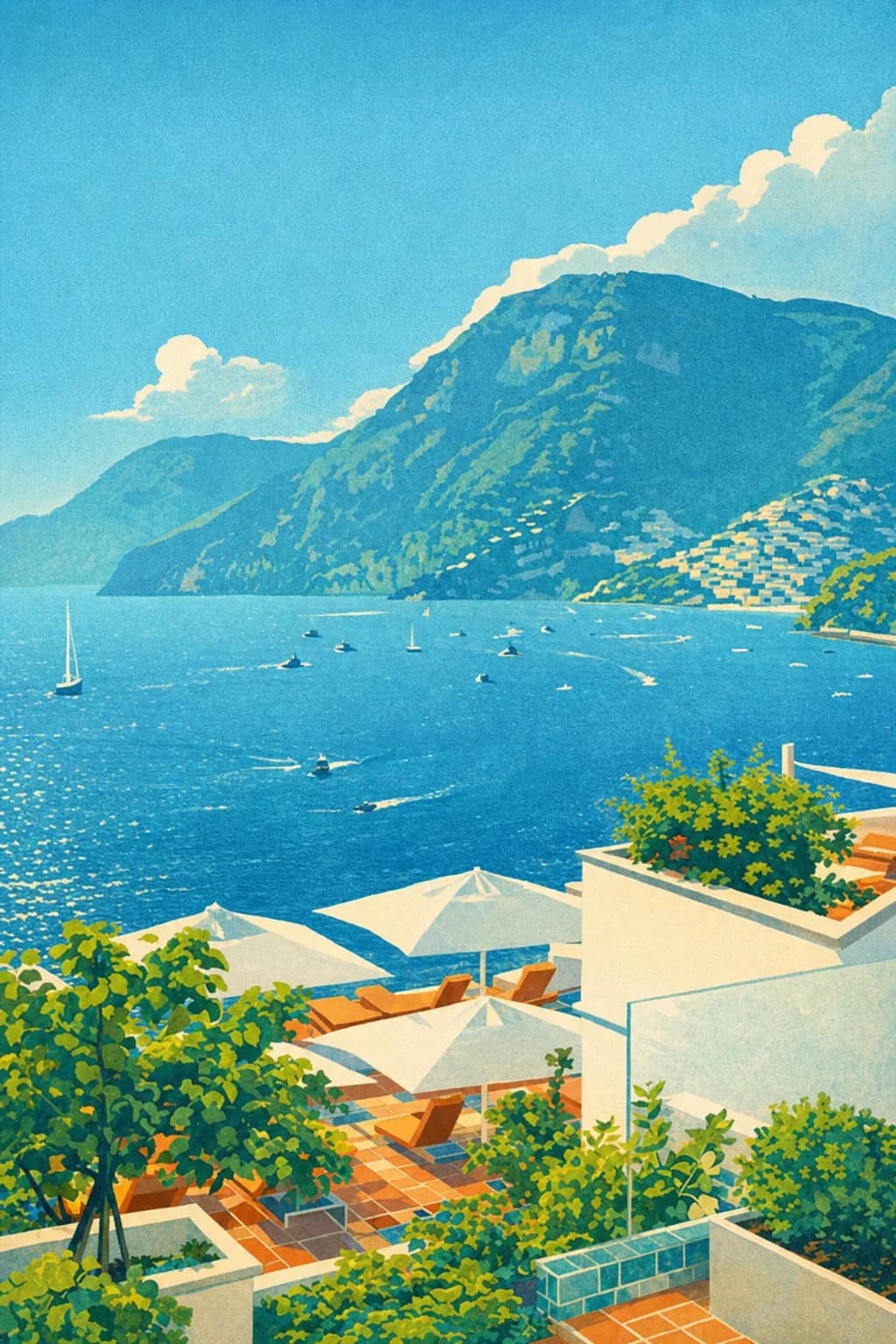
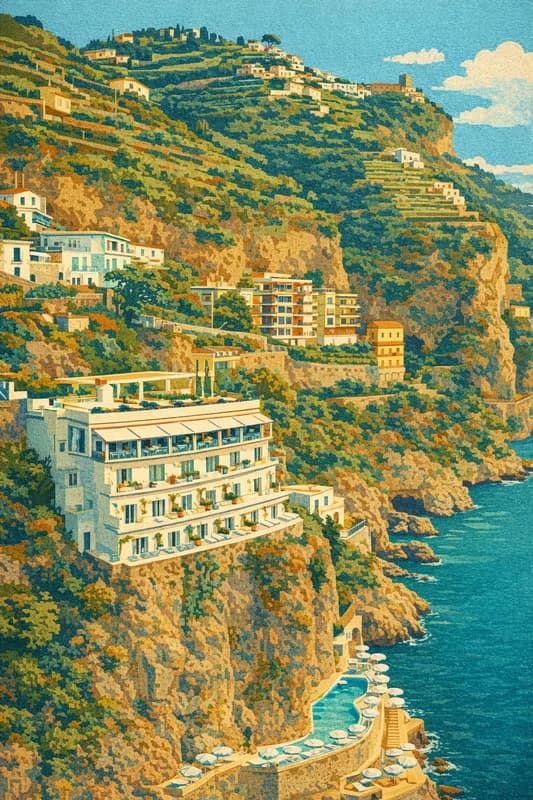
The heated infinity pool sits on the cliff edge at 350 metres elevation, with the Mediterranean and the Amalfi coastline below. It's the most photographed pool on the Amalfi Coast. Oyster called it "jaw-dropping." The pool's visual impact is the property's signature: blue water meeting blue sky at the cliff's edge, with terraced gardens and the coast in every direction.
Three Restorers
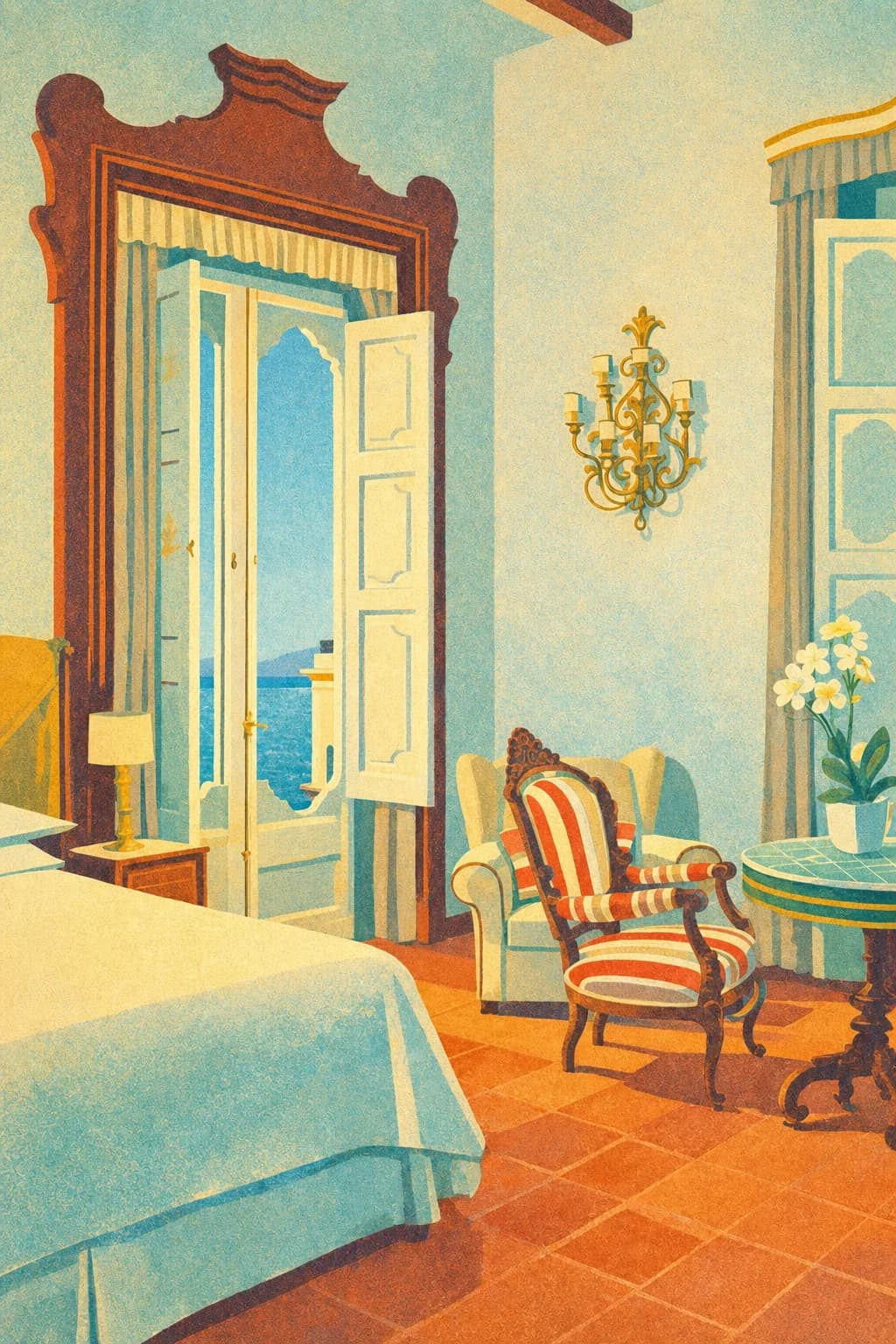
Gennaro Passerotti handled the building renovation. Federico Forquet designed the room interiors. Professor Antonio Forcellino restored the historic frescoes. Three specialists, each working on a different layer of the same building. The result is a property where the structural, decorative, and artistic elements were each handled by their own expert. The coordination is visible in rooms where restored frescoes meet Forquet's contemporary furnishings.
Belmond's Ravello Address
Belmond operates some of the world's most storied hotels: the Cipriani in Venice, the Splendido in Portofino, the Mount Nelson in Cape Town. The Ravello address puts Caruso in that company. The LVMH resources mean service and maintenance at a level that independent properties struggle to sustain. Forbes Five Star is the external validation. The 11th-century building is the credential Belmond can't buy.
talk.
mapped.
“People talk about old classics, but this one has roots dating back to the 11th century and it remains as relevant as ever.”
record.
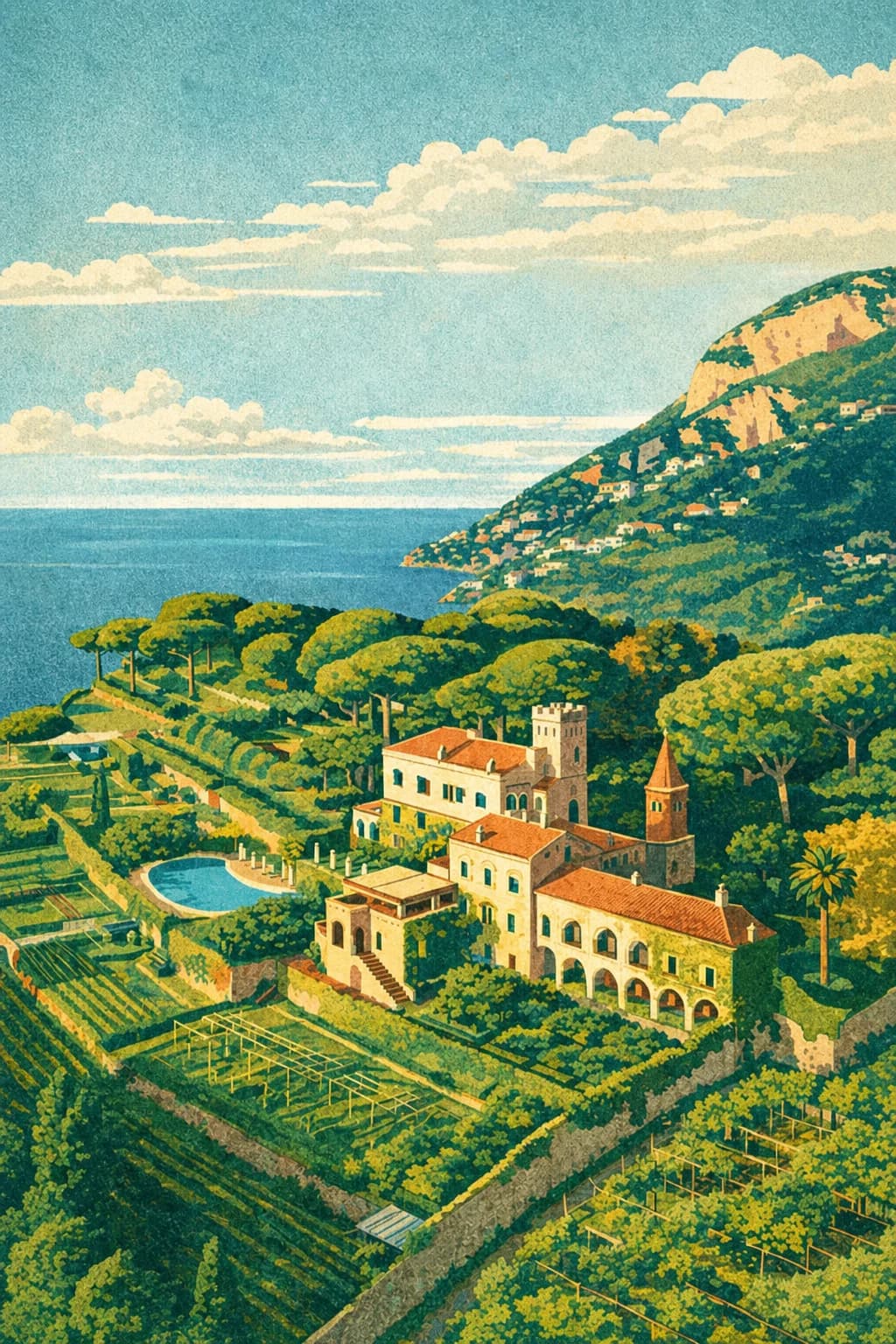
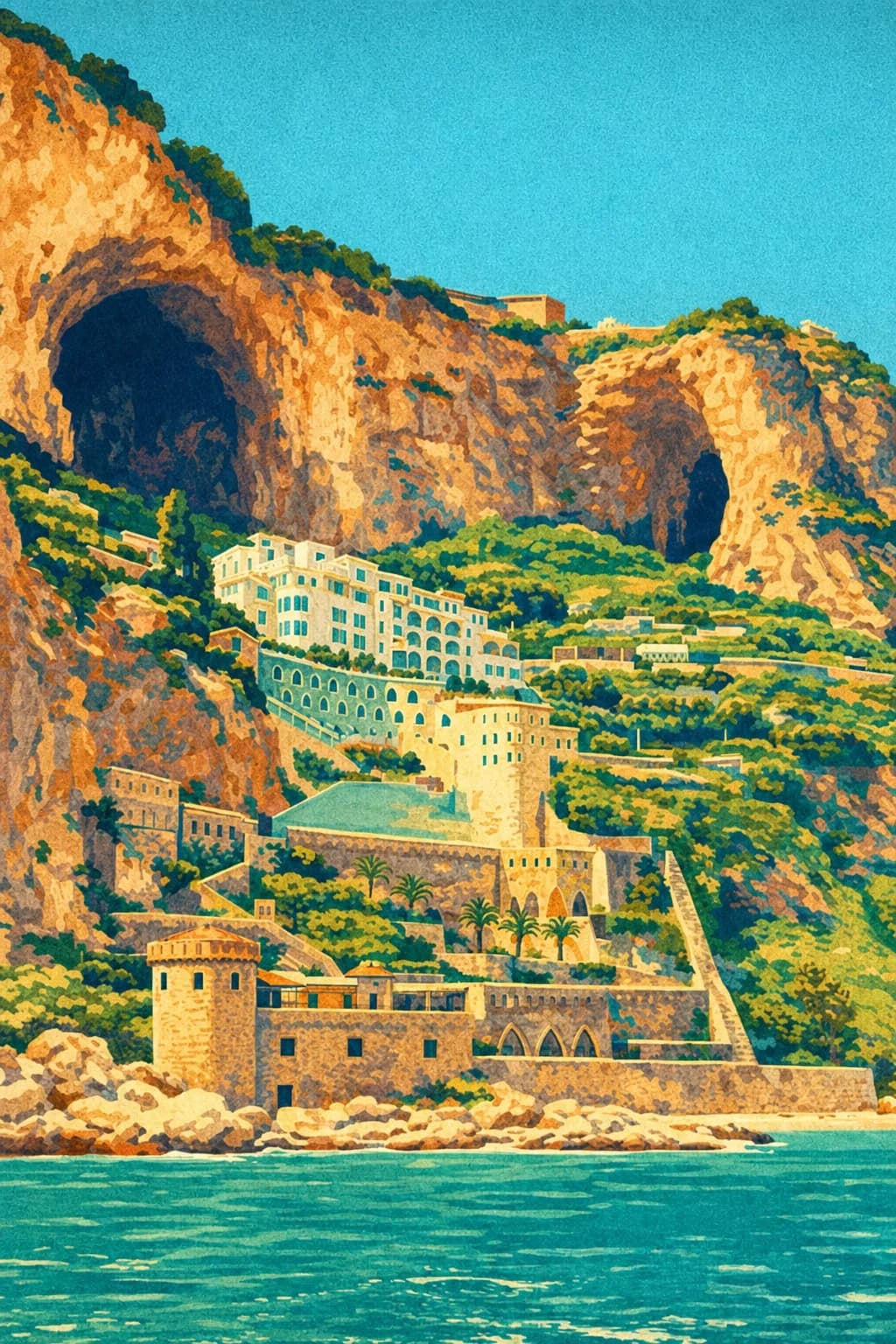
The hotel opened in 1893. Belmond (LVMH) now operates fifty rooms in a restored palace on Ravello's clifftop, with an infinity pool that has become the defining image of the Amalfi Coast's luxury tier. Gennaro Passerotti led the renovation. Federico Forquet designed the interiors. Professor Antonio Forcellino restored the frescoes. Forbes Five Star.
Oyster called the infinity pool "jaw-dropping." 4.8 on Google. EarthCheck certified through Belmond/LVMH, with a Parley for the Oceans partnership. Exceptional breakfast included. Pet friendly. Family suites available. 105 minutes from Naples airport. The Belmond service standard, the LVMH resources, and the 11th-century bones combine in a property where every layer of history has its own restorer.
changed.
May–June and September are the sweet spots. Skip November–March: most hotels are closed. July–August demands four to six months of lead time.
The Amalfi Coast is not a year-round destination, and it doesn't pretend to be. Most hotels close entirely from November through March, and the handful that stay open run on reduced services and limited restaurant options. January through March posts demand scores in the single digits.
April opens the season, and Easter week delivers the first booking pressure of the year. Demand jumps to around 40, but availability stays reasonable outside the holiday itself. The weather suits walking the Path of the Gods and exploring without crowds, though some beach clubs and boat services haven't yet started running.
May and June are the sweet spot. Demand climbs from 65 to 85, the lemon groves are in full bloom, the sea warms enough for swimming by late May, and the SS163 coast road hasn't yet hit its summer gridlock. Restaurant reservations are manageable and hotel rates sit below their July peak. For Ultra-tier properties like Villa Cimbrone or Le Sirenuse, May still requires booking two to three months out, and June availability tightens further.
July and August are a different animal entirely. Demand hits 100 in July and 95 in August. The coast road slows to a crawl, particularly on weekends and around the Ferragosto holiday on August 15, when Italian domestic tourism surges and many restaurants switch to fixed holiday menus. Boat transfers become not just convenient but essential for moving between towns. Ultra-tier rooms in these months demand four to six months of lead time. The tradeoff is the fullest expression of the coast's energy: every restaurant open, every beach club running, warm seas, and long evenings.
September is the most undervalued month on the coast, when quality of experience and ease of booking align most favorably.
September rewards travelers who wait. Demand drops to 70 as European schools reopen, yet the sea stays warm from months of summer heat. Hotel rates step down, the SS163 clears, and the grape harvest adds a layer of activity in the hillside towns. Late September into early October is the window worth targeting.
October is the last shoulder month before the shutdowns. Demand falls to 40, some properties begin their seasonal closures in the final week, and the weather grows less reliable. It works best for travelers who prioritize quiet over guaranteed sunshine.
approach.
briefing.
“Multiple World Travel Awards and Travel+Leisure nominations”
stands.
demand's going.
The real Instagram following over time, plus where this hotel sits for demand in Amalfi Coast. Pick a range, toggle the lines. Followers are reach and demand, not engagement.
assessment.
File closes at ULTRA. Book direct three to four months out and avoid Ravello Festival weeks. Skip if walk-in spontaneity matters; this one books quietly through loyalty channels.
The numbers behind the tiers
Caruso A Belmond Hotel · SOURCE READINGS · REDACTED- Availability density · sampled
- Monthly search volume · raw
- TikTok hashtag views · raw
- YouTube total views · raw
- TikTok following · latest sweep
- Pinterest saves · latest sweep
More from Amalfi Coast.

Get the hotel's Unbookable Score.
Any post or reel with a hotel in it. Booking.com hotel pages work too. One free check, no account needed.