Casa
Angelina.
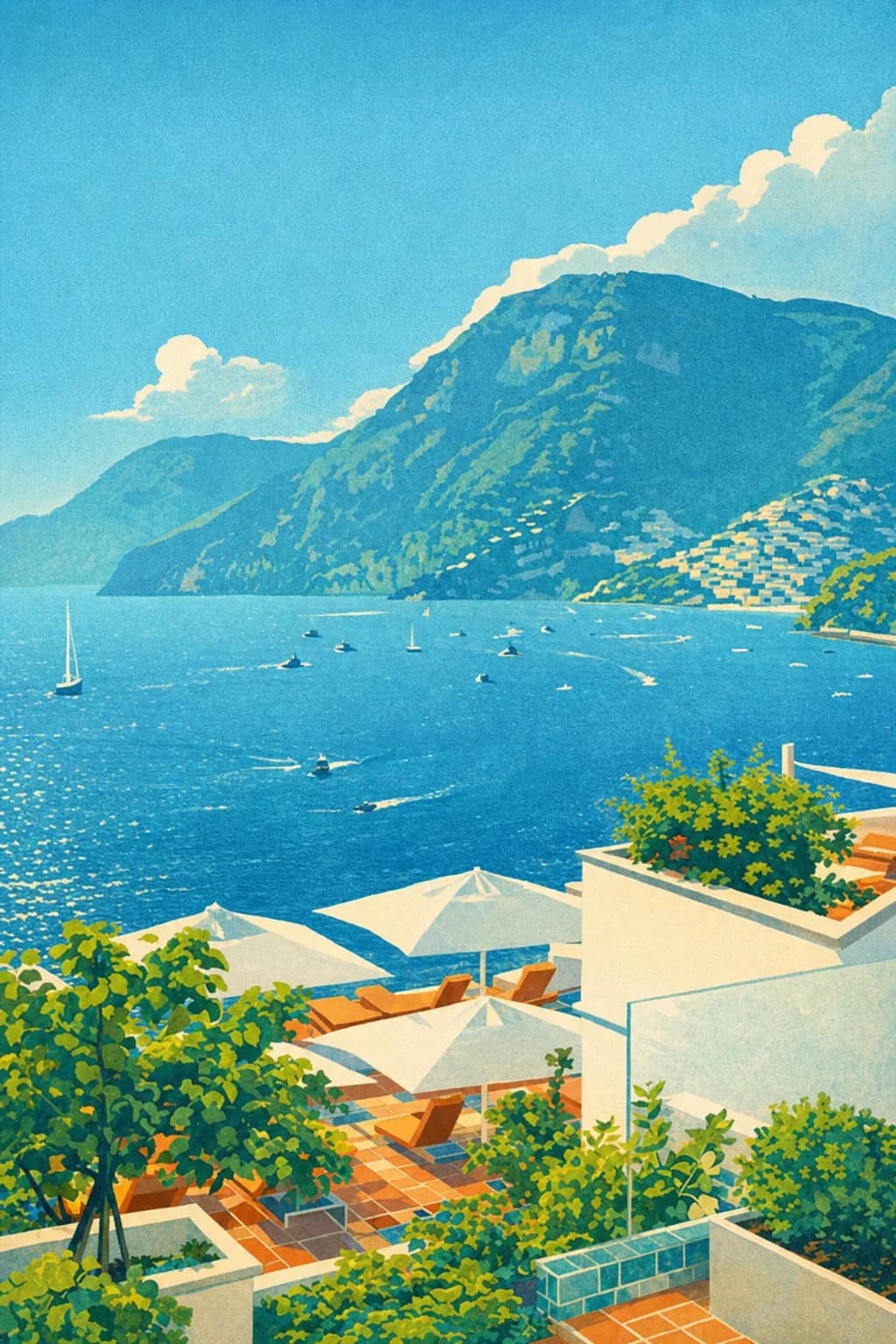
13 critic reviews
filed.
The all-white Marco De Luca interiors are as total as the feed suggests, and the GSTC certification is one of the only globally-credible sustainability badges on the Amalfi Coast. The adults-only policy and the Praiano cliff address deliver the serenity the marketing claims. Where the hype divides opinion is the aesthetic itself: some guests read the white as meditative, others as clinical, and there is no middle ground.
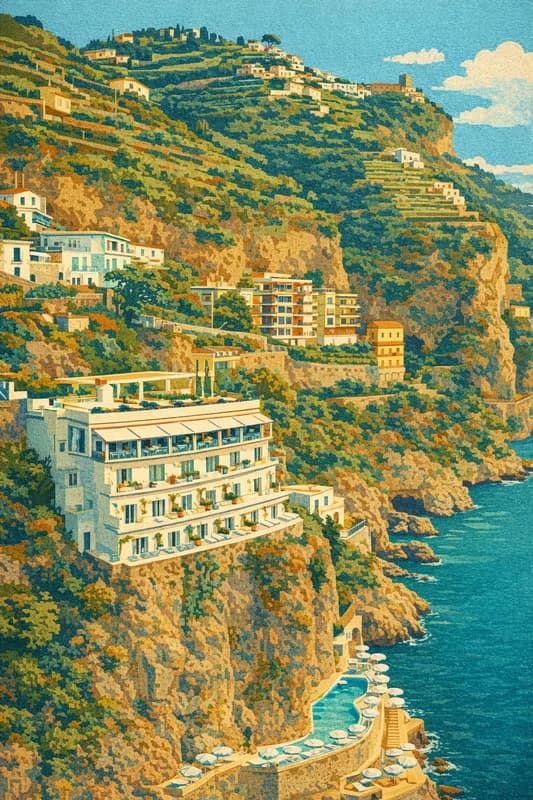
Casa Angelina's private boat shuttle runs from the Praiano dock below the property to Positano and Amalfi, which is faster than the coast road and means you can avoid driving entirely. Paola Lenti's newest suites are on the upper floors and book out first; ask for them by the Lenti name at the time of reservation. The Praiano position also puts you five minutes from Marina di Praia, a tiny swimming cove locals use.
angles.
All-White, By Design
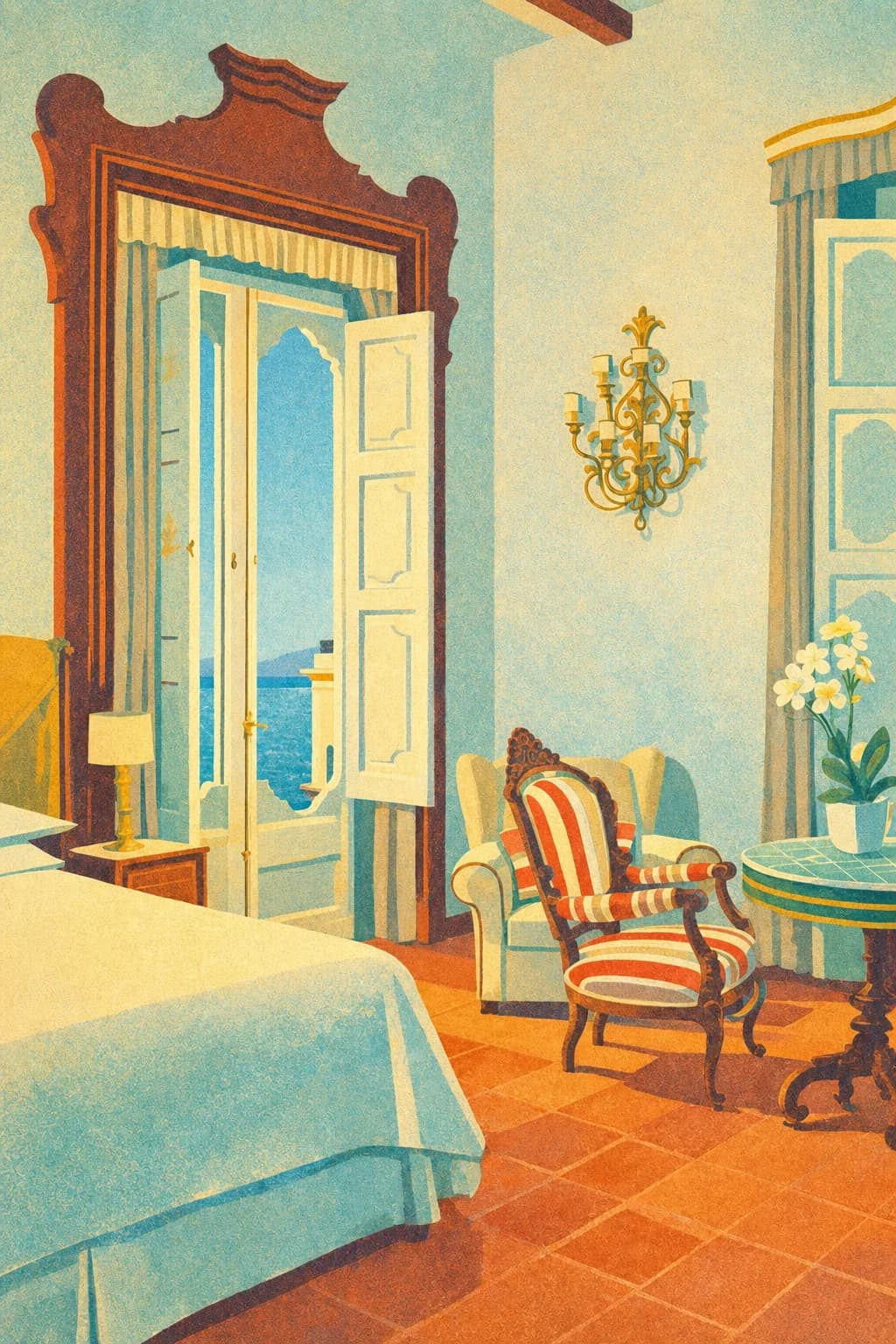
Marco De Luca designed every surface in white. The decision is radical on a coastline defined by colour: Positano's pastels, Ravello's gardens, Amalfi's ceramic tiles. Casa Angelina rejected the regional palette entirely. The white surfaces reflect the Mediterranean light, creating rooms that change temperature and mood with the time of day. The aesthetic is polarising and intentional.
GSTC Certified
The Global Sustainable Tourism Council certification is the international standard for sustainable tourism. Casa Angelina is one of the only Amalfi Coast hotels to hold it. The LHW Sustainability Leaders listing adds a second validation. On a coastline where sustainability is often mentioned but rarely audited, the GSTC certification means the claims are verified.
Paola Lenti's Suites
Paola Lenti, known for handwoven outdoor furniture and textile innovation, designed the newest suites. Her involvement brings an Italian design pedigree that complements De Luca's all-white canvas. The Lenti suites add texture and material depth to rooms that could otherwise feel clinical. The collaboration proves that all-white doesn't mean all-same.
talk.
mapped.
“Unlike the grande dames of the Amalfi Coast, Angelina is sleek, modern, and a startling, almost Greek-style interloper to the cliffside above pretty Praiano.”
record.
The all-white interior design by Marco De Luca is the architectural statement: every surface, every furnishing, white. Thirty-six adults-only rooms. GSTC certified, making it one of the only Amalfi Coast hotels with global sustainability certification. Listed in Leading Hotels of the World's Sustainability Leaders programme.
Paola Lenti, the Italian outdoor furniture designer, created the newest suites. Over 200,000 Instagram followers. $$$$$ pricing. Exceptional breakfast included. Seventy-five minutes from Naples airport. The white aesthetic is total and deliberate. In a region of terracotta, painted tiles, and Mediterranean colour, Casa Angelina chose none of it.
changed.
May–June and September are the sweet spots. Skip November–March: most hotels are closed. July–August demands four to six months of lead time.
The Amalfi Coast is not a year-round destination, and it doesn't pretend to be. Most hotels close entirely from November through March, and the handful that stay open run on reduced services and limited restaurant options. January through March posts demand scores in the single digits.
April opens the season, and Easter week delivers the first booking pressure of the year. Demand jumps to around 40, but availability stays reasonable outside the holiday itself. The weather suits walking the Path of the Gods and exploring without crowds, though some beach clubs and boat services haven't yet started running.
May and June are the sweet spot. Demand climbs from 65 to 85, the lemon groves are in full bloom, the sea warms enough for swimming by late May, and the SS163 coast road hasn't yet hit its summer gridlock. Restaurant reservations are manageable and hotel rates sit below their July peak. For Ultra-tier properties like Villa Cimbrone or Le Sirenuse, May still requires booking two to three months out, and June availability tightens further.
July and August are a different animal entirely. Demand hits 100 in July and 95 in August. The coast road slows to a crawl, particularly on weekends and around the Ferragosto holiday on August 15, when Italian domestic tourism surges and many restaurants switch to fixed holiday menus. Boat transfers become not just convenient but essential for moving between towns. Ultra-tier rooms in these months demand four to six months of lead time. The tradeoff is the fullest expression of the coast's energy: every restaurant open, every beach club running, warm seas, and long evenings.
September is the most undervalued month on the coast, when quality of experience and ease of booking align most favorably.
September rewards travelers who wait. Demand drops to 70 as European schools reopen, yet the sea stays warm from months of summer heat. Hotel rates step down, the SS163 clears, and the grape harvest adds a layer of activity in the hillside towns. Late September into early October is the window worth targeting.
October is the last shoulder month before the shutdowns. Demand falls to 40, some properties begin their seasonal closures in the final week, and the weather grows less reliable. It works best for travelers who prioritize quiet over guaranteed sunshine.
approach.
briefing.
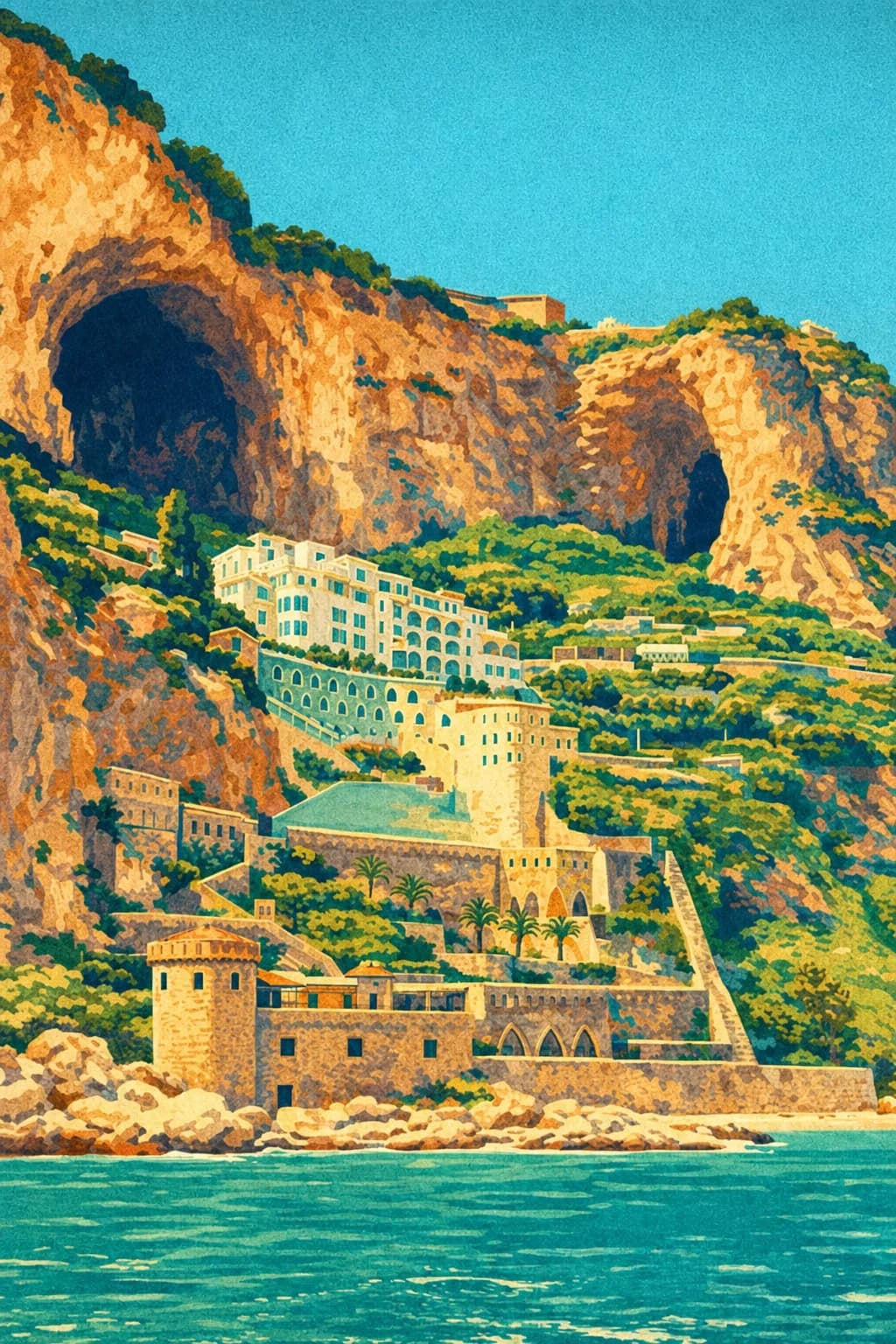
“Carved in the cliffs in the charming Italian village of Praiano, Casa Angelina offers a luxury boutique retreat.”
stands.
demand's going.
The real Instagram following over time, plus where this hotel sits for demand in Amalfi Coast. Pick a range, toggle the lines. Followers are reach and demand, not engagement.
assessment.
File closes at VERY HIGH. Book direct two to three months out for summer; Praiano runs slightly looser than Positano. Skip if you need beach steps from the lobby; here the swim is down a cliff staircase.
The numbers behind the tiers
Casa Angelina · SOURCE READINGS · REDACTED- Availability density · sampled
- Monthly search volume · raw
- TikTok hashtag views · raw
- YouTube total views · raw
- TikTok following · latest sweep
- Pinterest saves · latest sweep
More from Amalfi Coast.
Get the hotel's Unbookable Score.
Any post or reel with a hotel in it. Booking.com hotel pages work too. One free check, no account needed.