Hotel
Carlota.
8 critic reviews
filed.
Yes, mostly, if the hype you heard was about design and atmosphere rather than pampering. The building is genuinely striking and the restaurant earns its local following. Just know the rooms are the supporting act, not the star.
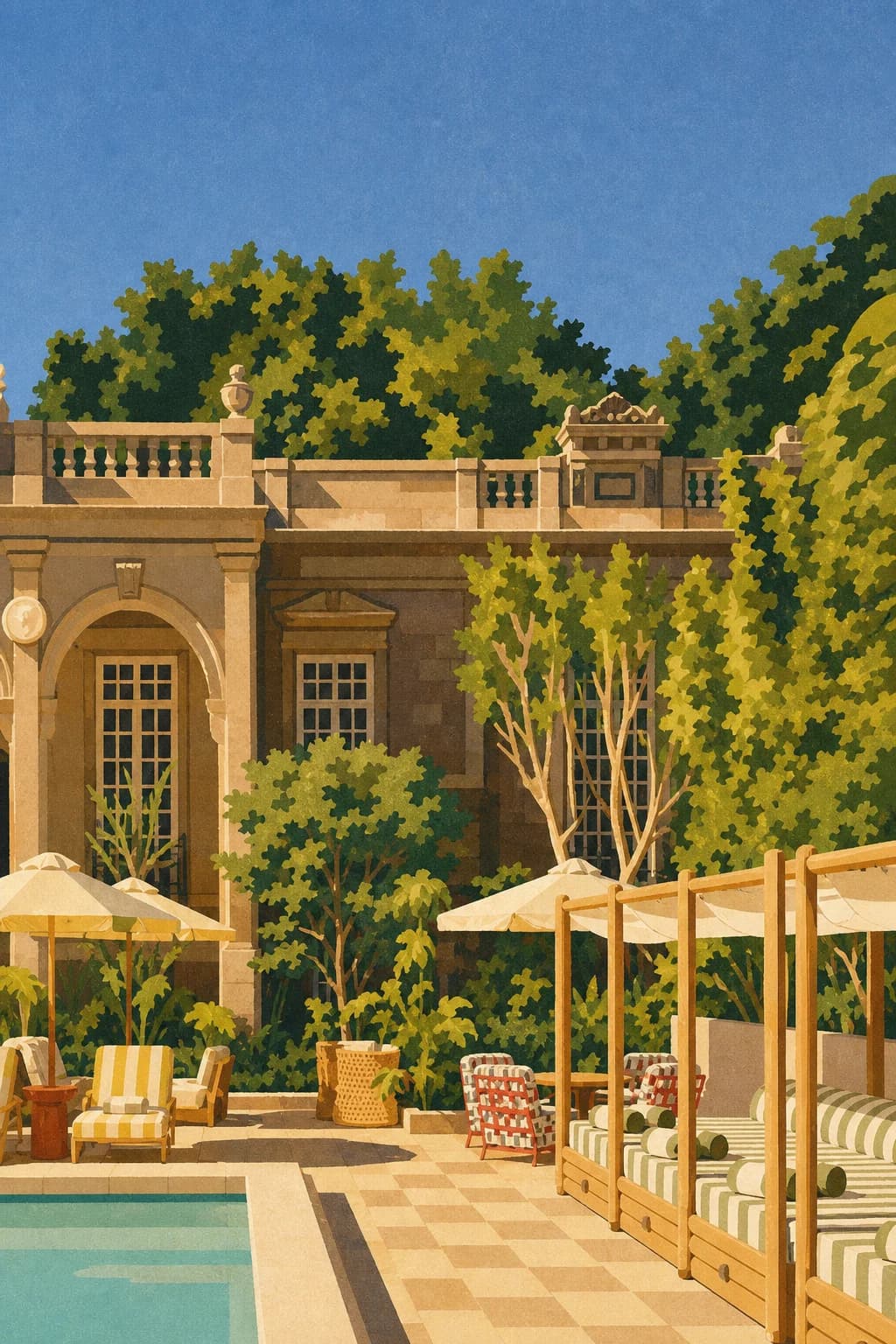
Not exactly a hidden gem anymore: the design press found it years ago and the pool is one of the more photographed corners of the city. But it stays under the radar for travellers who default to Roma and Condesa, so it can still feel like a local secret.
angles.
Concrete, Glass, And Water
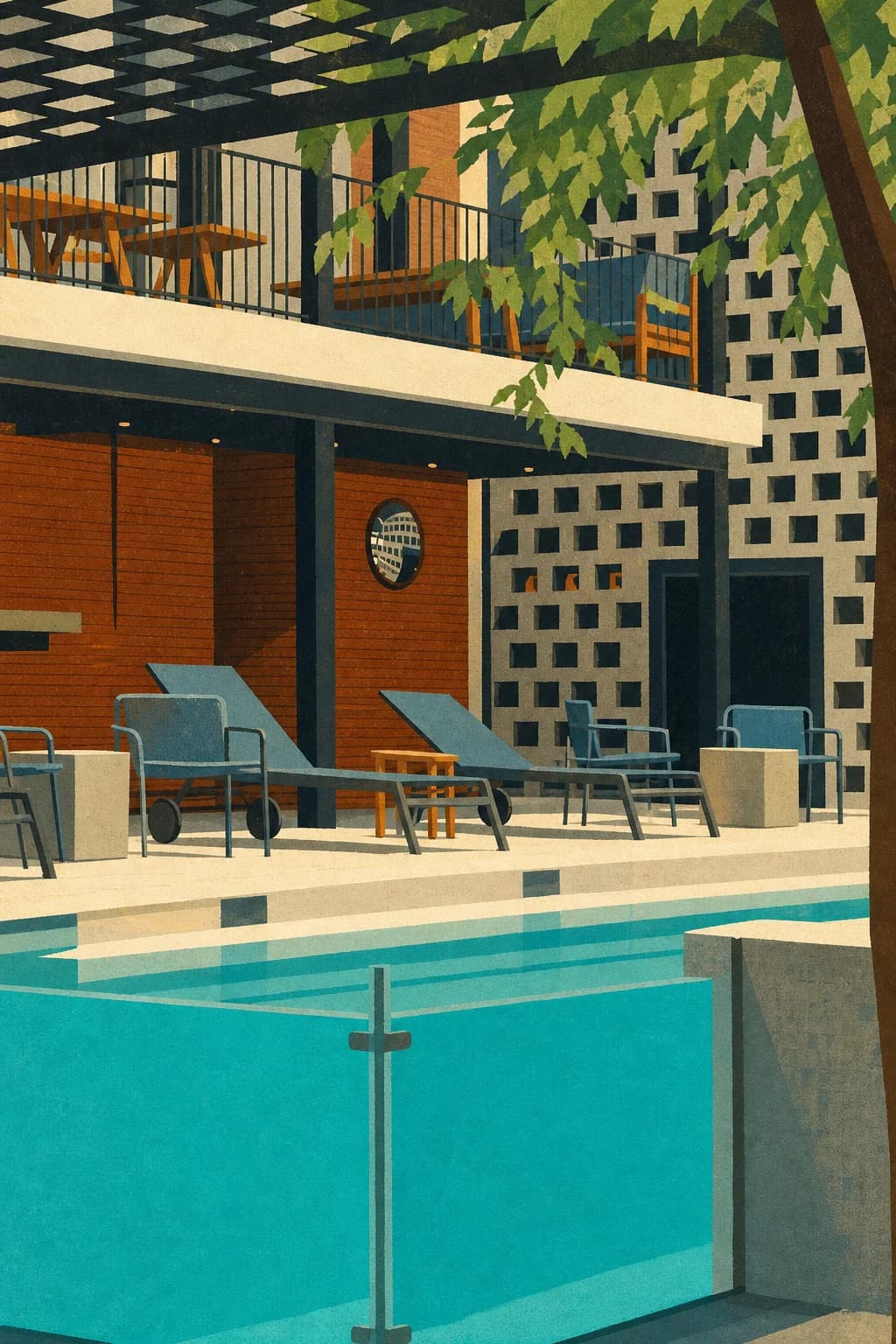
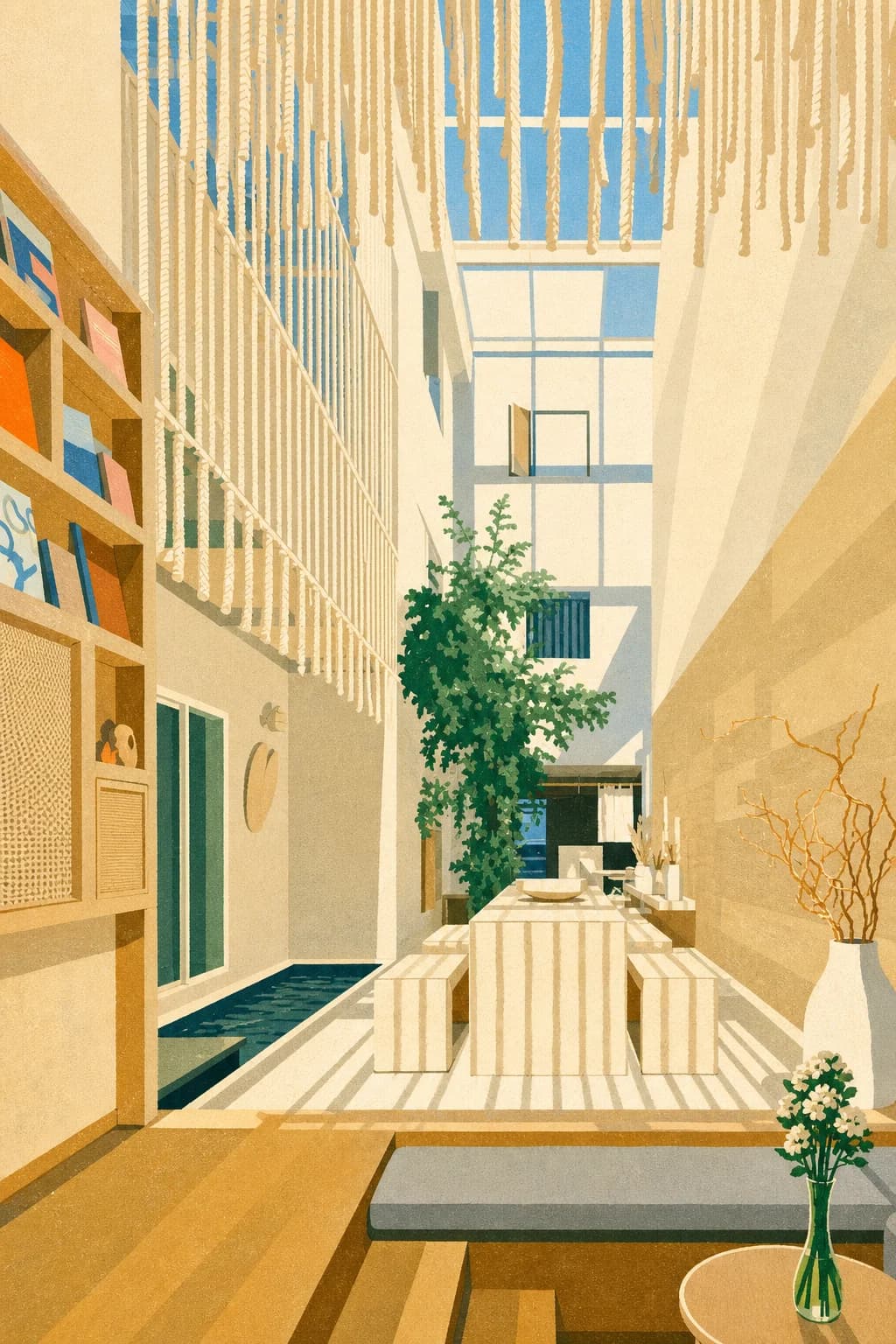
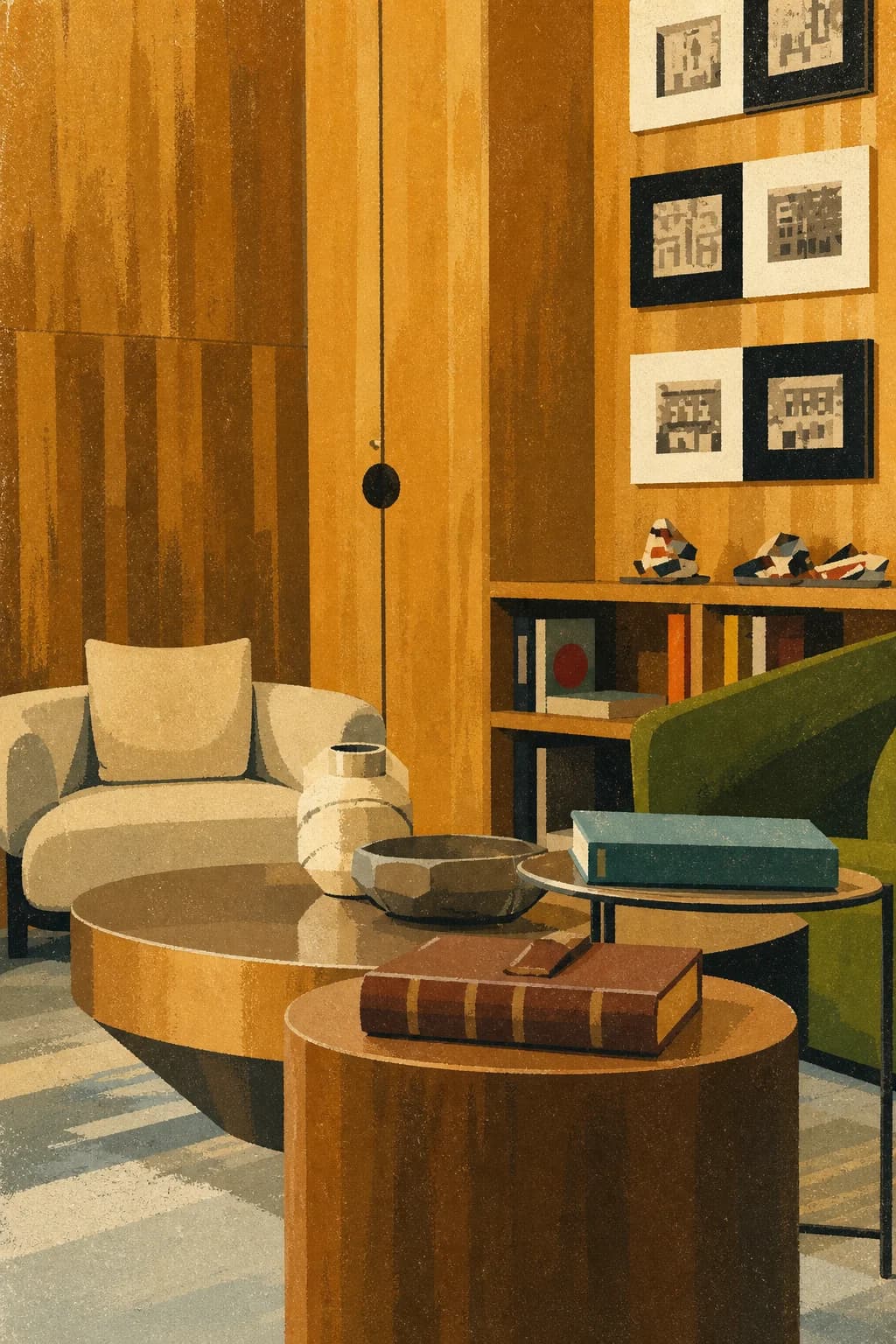
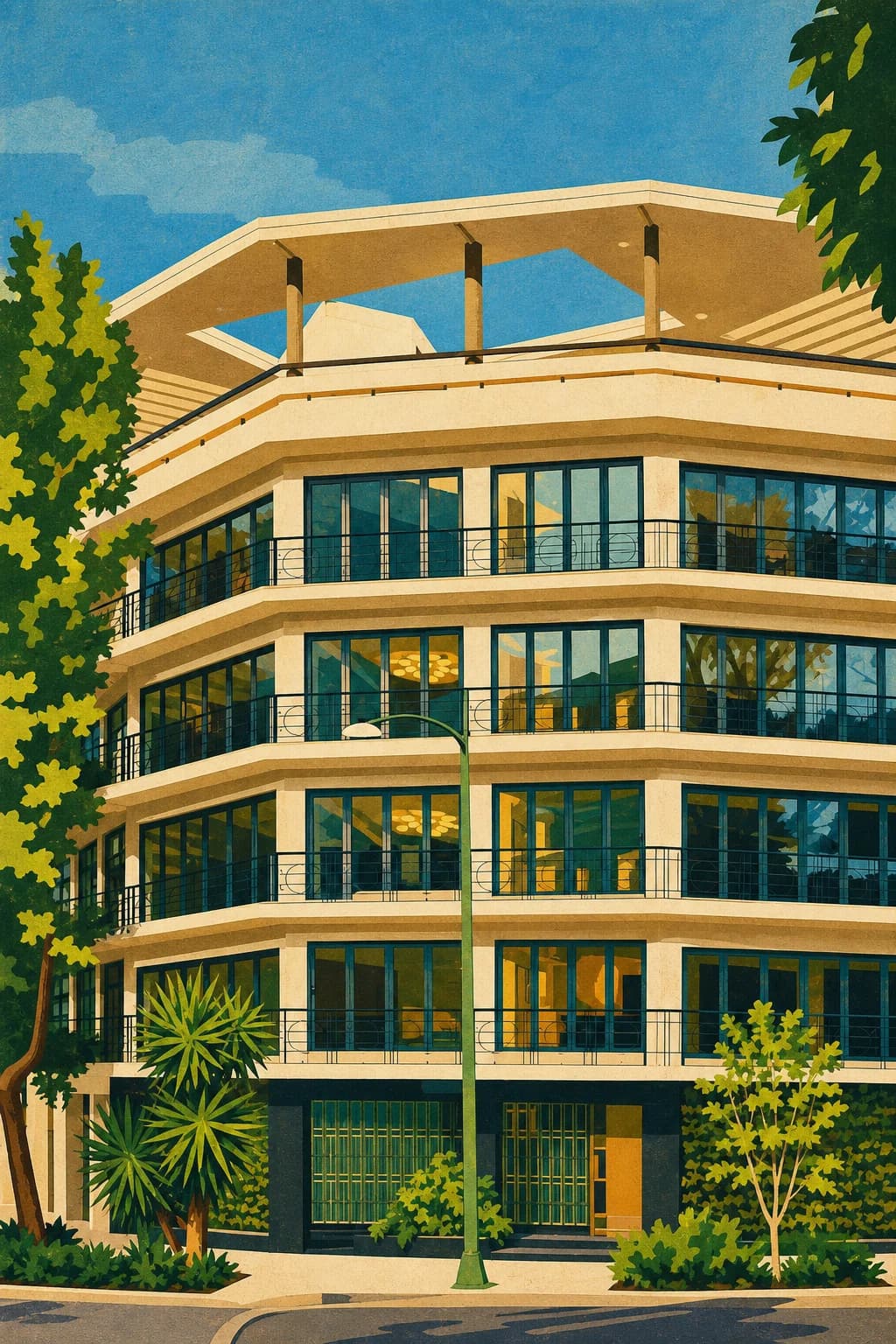
Javier Sánchez Architecture stripped the old building back to raw concrete and built the whole place around sightlines to the pool. Ignacio Cadena's interiors keep it warm: blonde wood, funky rugs, recovered objects and art installations against the neutral shell. Every room reads slightly differently, so the design feels collected rather than rolled out. It photographs beautifully, which is part of the problem.
Where Locals Come To Eat
The ground-floor restaurant pulls in more Chilangos than guests, which is the surest sign a hotel kitchen is worth your time. Contemporary Mexican cooking, seasonal and unfussy, served under the atrium with the pool glowing beside you. Come for breakfast before the crowds arrive, or hold a dinner table and watch the courtyard fill with the city's creative set.
Cuauhtémoc, Minutes From Reforma
Carlota sits in Cuauhtémoc, the quieter grid between Reforma's towers and the buzz of Juárez and Roma. Reforma's paseo, the Angel monument and the Sunday bike route sit within an easy walk of the lobby, then reach Roma Norte's cafes and mezcalerías in about fifteen minutes. It is central without being loud, residential enough that mornings stay calm.
talk.
mapped.
“Reflecting its surroundings, Hotel Carlota offers travelers an industrial-chic escape that leans in on architecture and design while offering…”
record.
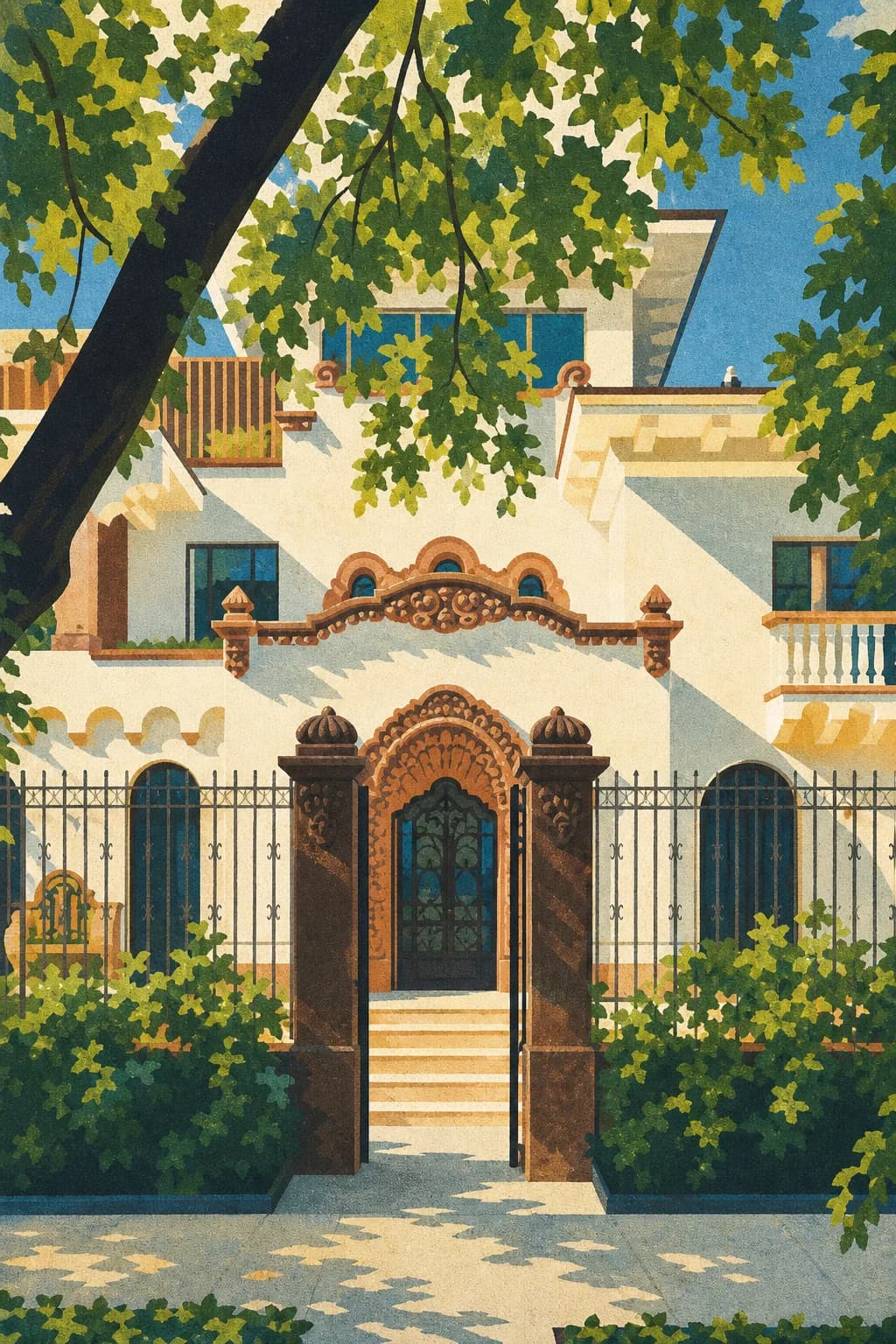
Javier Sánchez Architecture rebuilt it from the bones of the former Hotel Jardín Amazonas, and Ignacio Cadena of Cadena + Asociados handled the interiors. What they made isn't a hotel that hides behind a lobby.
You walk through a mirrored glass facade straight into a stripped-concrete courtyard, where a glass-walled lap pool sits like a giant fish tank and the whole building leans over it: bar, restaurant, balconies stacked above. Rooms run on polished concrete floors, blonde wood, white-tiled bathrooms, no two quite alike, some opening onto the water. It is contemporary Mexican design worn casually, not staged. With so few rooms and a courtyard locals treat as a living room, Carlota books out well ahead. Plan early or plan around it.
changed.
Mexico City runs on a two-peak calendar, and understanding why the curve looks the way it does is worth more than any temperature chart. The first peak is spring, roughly March into April, the dry-season stretch when the jacarandas turn the city violet and the skies stay clear. The second is late October into November, when Day of the Dead brings the single biggest travel surge of the year. Those are the weeks the city sells to the world, and they are the weeks the small design houses fill first.
For those peaks, plan far ahead. The Roma and Polanco properties that matter, the handful in the upper tiers, can close out three months before Day of the Dead and the jacaranda weeks, and there is no overflow wing when a hotel has nine or twenty rooms. If your trip is fixed to those dates, book the room before the flights.
The genuinely undervalued window is the summer rainy season, June through August. The rain scares people off, but it arrives as short, predictable afternoon storms that clear by evening, leaving bright mornings for everything you actually came to do. Demand drops to its yearly low, the same rooms that vanish in October sit open, and rates soften across the board. Shoulder travelers who do not need the jacarandas get the best value of the year here.
The rest of the calendar fills in around the peaks. February, May, September, and December run warm with demand: September carries Independence Day on the 16th and its plaza celebrations, and December brings the Guadalupe pilgrimage and Christmas, both of which tighten the center in particular. January sits quiet after the holidays, another soft, workable window.
The one thing Mexico City never does is close. There is no dead season, no shuttered-hotel month; the city works year-round, so the only real decision is how much company you want and how early you are willing to commit. Book the peaks early, take the summer if you can be flexible.
approach.
briefing.
“Lujo es la mejor palabra que puede describir al Hotel Carlota. Cuenta con 36 habitaciones y suites con un ambiente de descanso ideal para…”
stands.
demand's going.
The real Instagram following over time, plus where this hotel sits for demand in Mexico City. Pick a range, toggle the lines. Followers are reach and demand, not engagement.
assessment.
File closes at VERY HIGH. Thirty-six rooms around a glass pool that half the city wants to photograph means Carlota books out ahead. Book direct, plan early, and stay flexible on room type. Come for the design and the food; less so for anyone hoping for a hushed full-service resort.
The numbers behind the tiers
Hotel Carlota · SOURCE READINGS · REDACTED- Availability density · sampled
- Monthly search volume · raw
- TikTok hashtag views · raw
- YouTube total views · raw
- TikTok following · latest sweep
- Pinterest saves · latest sweep
More from Mexico City.
Get the hotel's Unbookable Score.
Any post or reel with a hotel in it. Booking.com hotel pages work too. One free check, no account needed.