Ignacia
Guest.
12 critic reviews
filed.
Yes for what it actually is, which is a beautifully restored private house with nine rooms and staff who behave like hosts. The design holds up in person: the 1913 shell, the concrete and wood addition behind it, the colour logic running room to room. It is not a full service hotel and never pretends to be, so judge it on the house, not the facilities list.
Not really, and it has not been for years. Forbes covered it in 2019, ArchDaily published the project, Design Milk wrote up the 1913 villa renovation, and A Hotel Life and Hotels Above Par have both reviewed it. What keeps it feeling like a discovery is simply the size: nine rooms means most people who hear about it never actually stay.
angles.
Old bones, new black volume
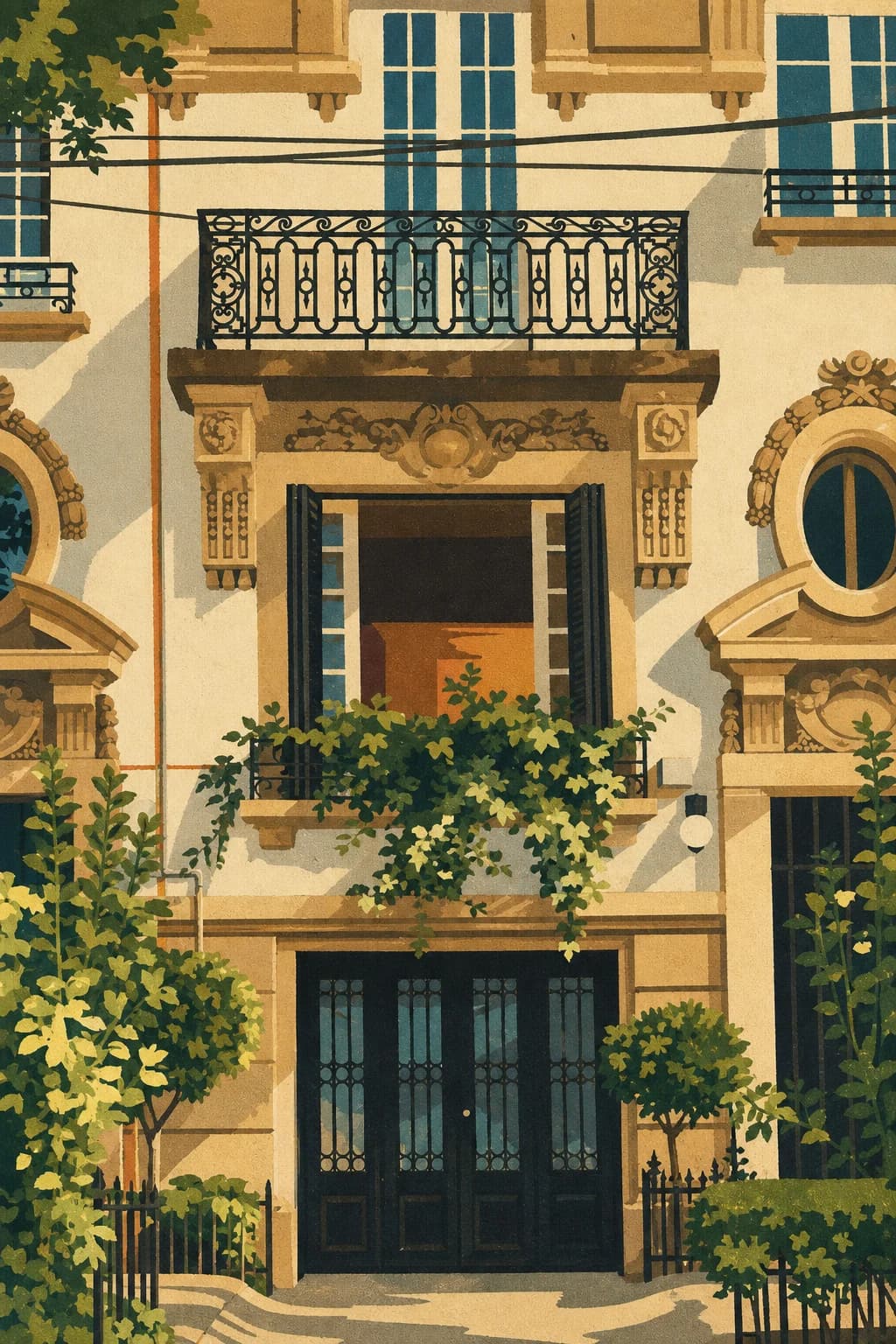
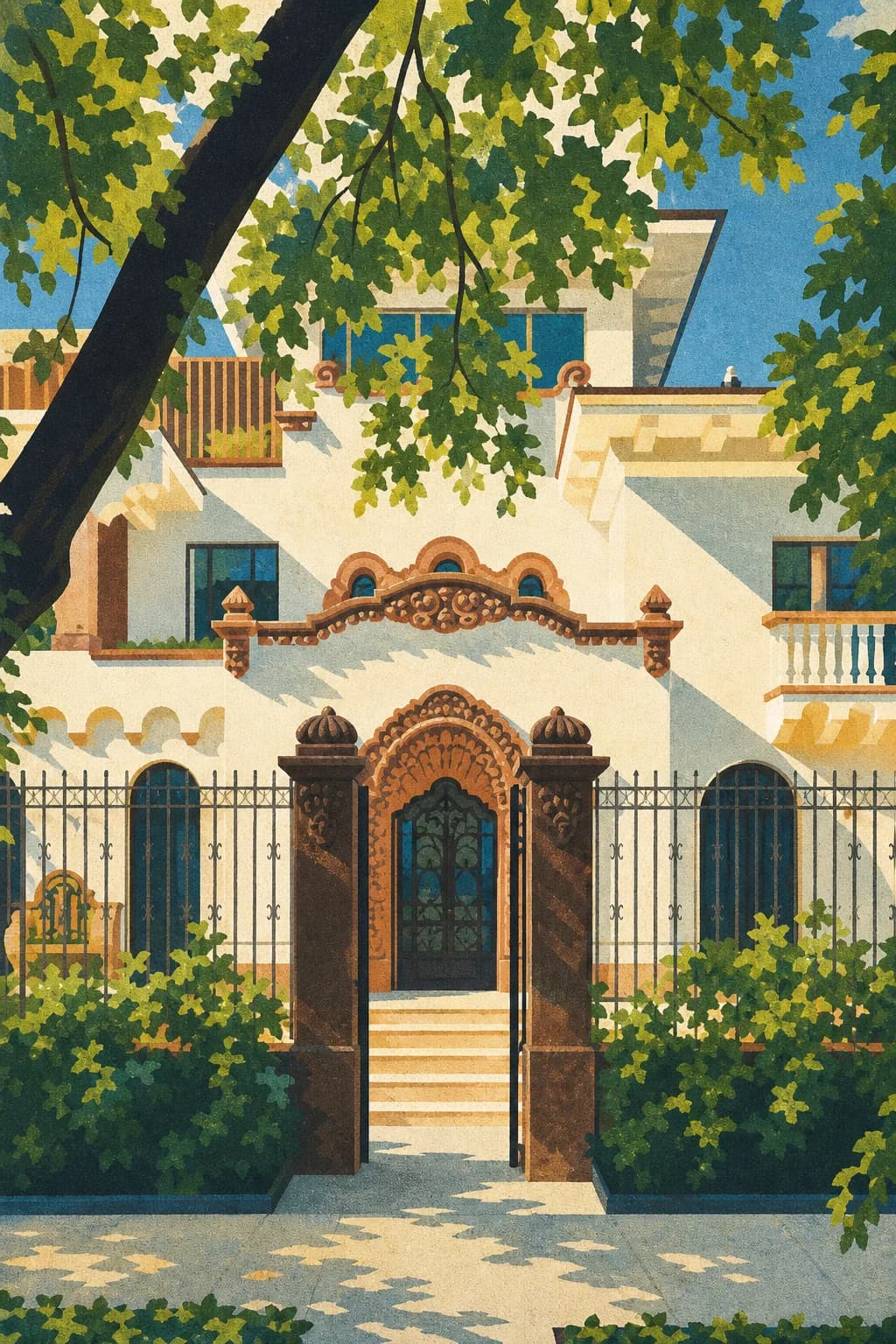
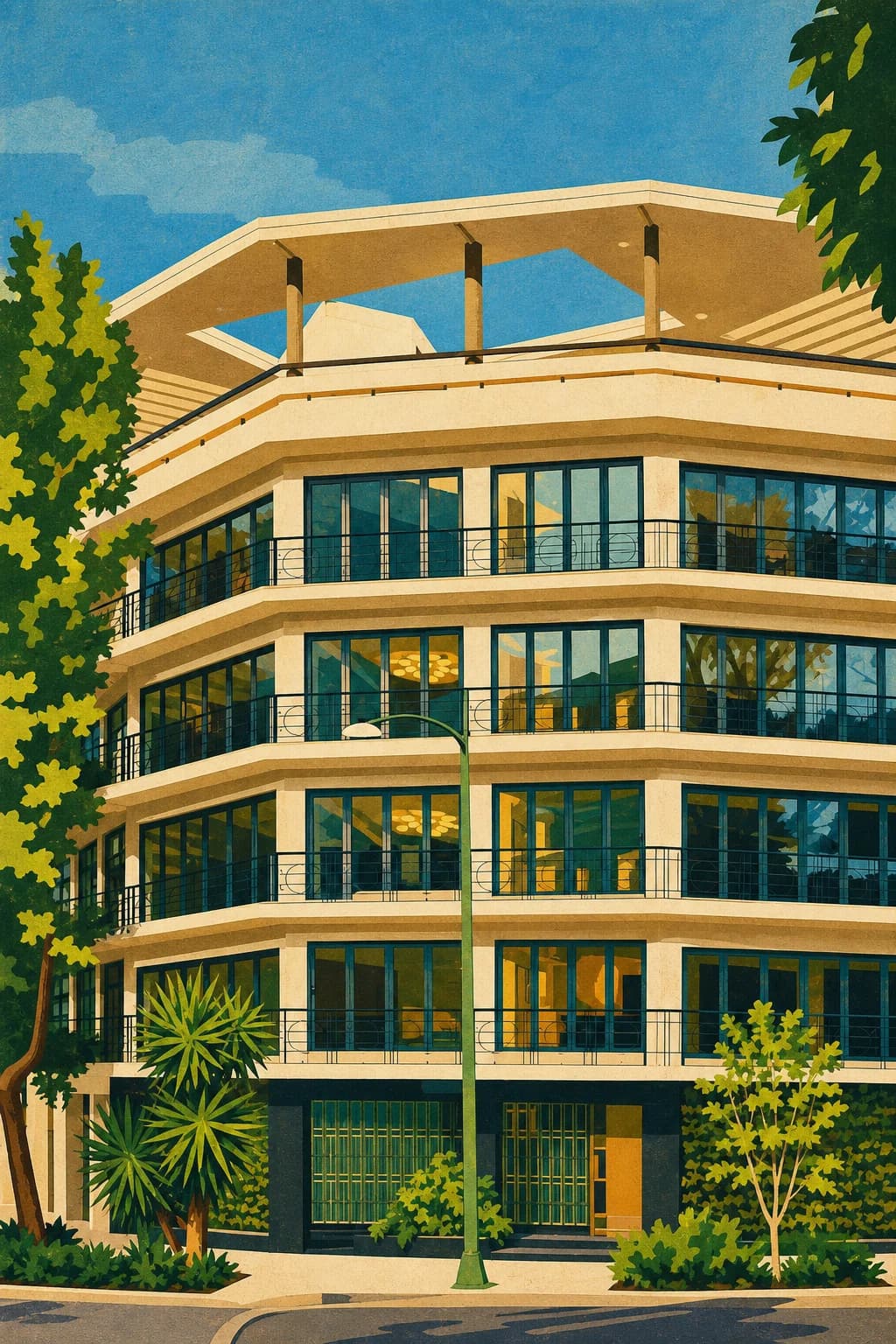
The 1913 casona keeps its street face: tall doors, plaster mouldings, the proportions of a family home rather than a hotel. Behind it stands a newer structure in wood and concrete, and the two are stitched together by the courtyard and its jacaranda. Andrés Gutiérrez of A-G Studio led the work, and the seam where old meets new is the most satisfying thing in the building.
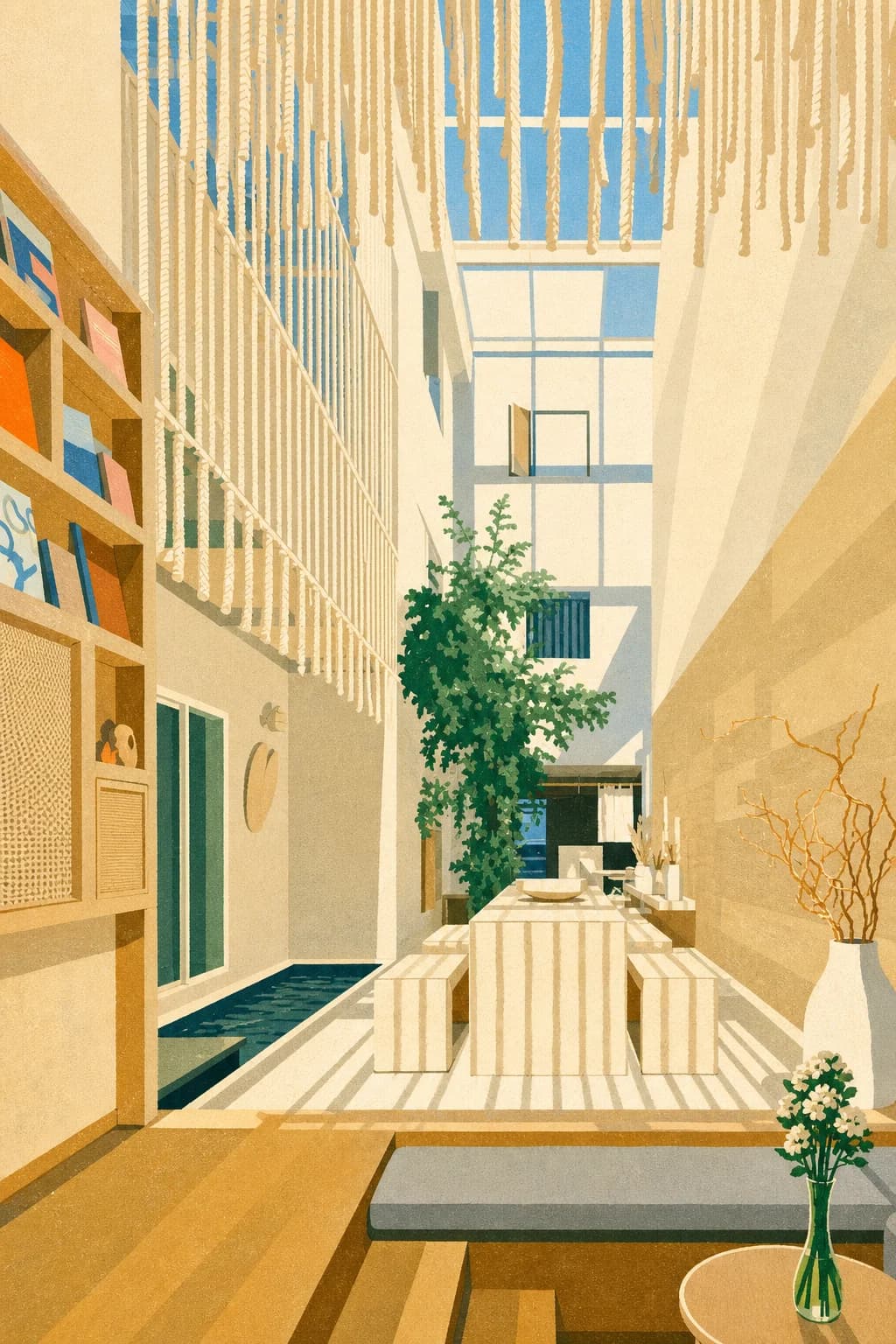
Breakfast happens under a tree
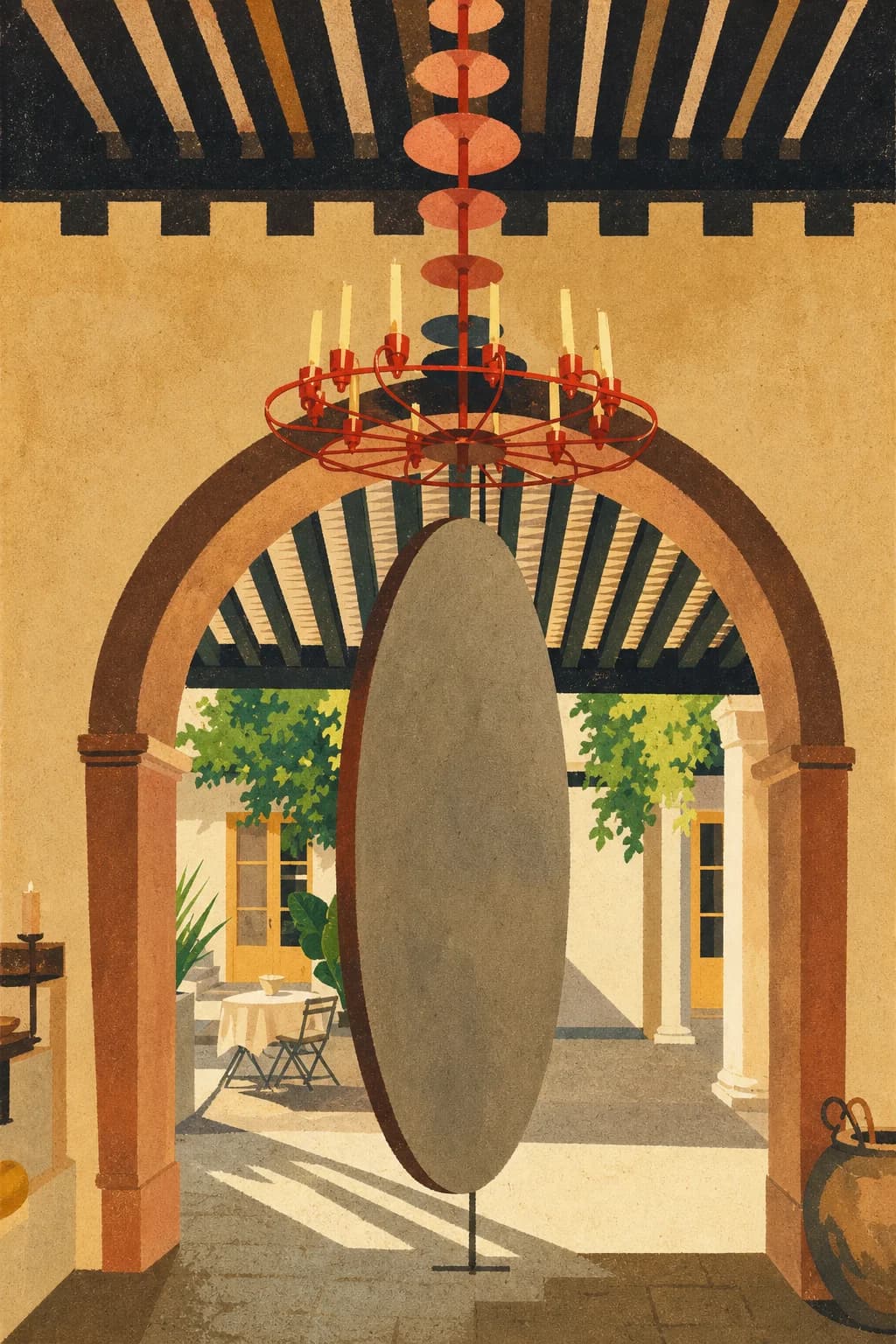
There is no restaurant, no lobby bar, no queue for anything. Mornings are eggs, fruit and serious coffee at a table in the courtyard or the old dining room, with the jacaranda dropping purple across the tiles in spring. Afternoons tend to involve mezcal and somebody asking where you have been all day. It runs like a house, because it was one.
Roma Norte at walking speed
The address puts you a few blocks off Álvaro Obregón and its bookshops, cantinas and shaded median, and within easy walking range of Contramar, Rosetta and Parque México. Roma is flat, leafy and best covered on foot, which counts for a lot in a city where a ten minute drive can take forty. You will not need a car once.
talk.
mapped.
“Dieses Herrenhaus im Beaux-Arts-Stil wurde 1913 als Privathaus erbaut und gilt heute als eines der besten Boutique-Hotels im Stadtteil Roma Norte.”
record.
That ratio is the whole story. The house is a neoclassical casona from 1913, and it carries the name of Ignacia, who was its housekeeper for more than seventy years. When it became a guest house, interior designer Andrés Gutiérrez of A-G Studio led the renovation and expansion: the old front rooms restored, a contemporary volume in wood and concrete added behind, both of them wrapped around the original courtyard.
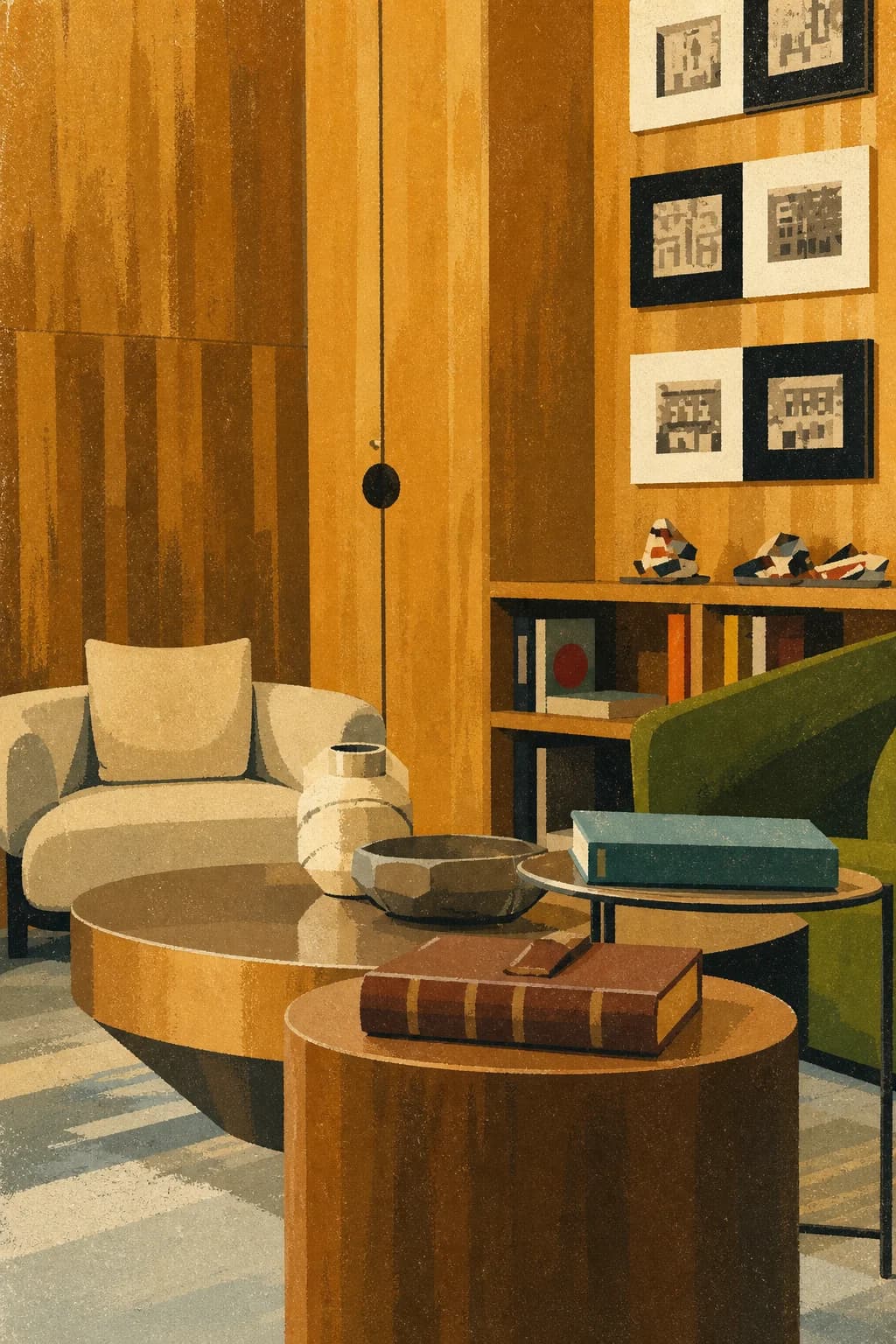
Every room runs on one colour. The Master Suite goes black and grey with a marble bathroom, the Patio rooms sit in gold and pink under the tree, the Terraza rooms open toward the roof. Staff outnumber guests most days and learn your coffee order by the second morning. Peak weeks fill early here, so choose your dates before you choose your flights.
changed.
Mexico City runs on a two-peak calendar, and understanding why the curve looks the way it does is worth more than any temperature chart. The first peak is spring, roughly March into April, the dry-season stretch when the jacarandas turn the city violet and the skies stay clear. The second is late October into November, when Day of the Dead brings the single biggest travel surge of the year. Those are the weeks the city sells to the world, and they are the weeks the small design houses fill first.
For those peaks, plan far ahead. The Roma and Polanco properties that matter, the handful in the upper tiers, can close out three months before Day of the Dead and the jacaranda weeks, and there is no overflow wing when a hotel has nine or twenty rooms. If your trip is fixed to those dates, book the room before the flights.
The genuinely undervalued window is the summer rainy season, June through August. The rain scares people off, but it arrives as short, predictable afternoon storms that clear by evening, leaving bright mornings for everything you actually came to do. Demand drops to its yearly low, the same rooms that vanish in October sit open, and rates soften across the board. Shoulder travelers who do not need the jacarandas get the best value of the year here.
The rest of the calendar fills in around the peaks. February, May, September, and December run warm with demand: September carries Independence Day on the 16th and its plaza celebrations, and December brings the Guadalupe pilgrimage and Christmas, both of which tighten the center in particular. January sits quiet after the holidays, another soft, workable window.
The one thing Mexico City never does is close. There is no dead season, no shuttered-hotel month; the city works year-round, so the only real decision is how much company you want and how early you are willing to commit. Book the peaks early, take the summer if you can be flexible.
approach.
briefing.
“the nine-suite property—featuring a salon, dining room, kitchen area, and three suites set in the original structure—is sought after for its cozy…”
stands.
demand's going.
The real Instagram following over time, plus where this hotel sits for demand in Mexico City. Pick a range, toggle the lines. Followers are reach and demand, not engagement.
assessment.
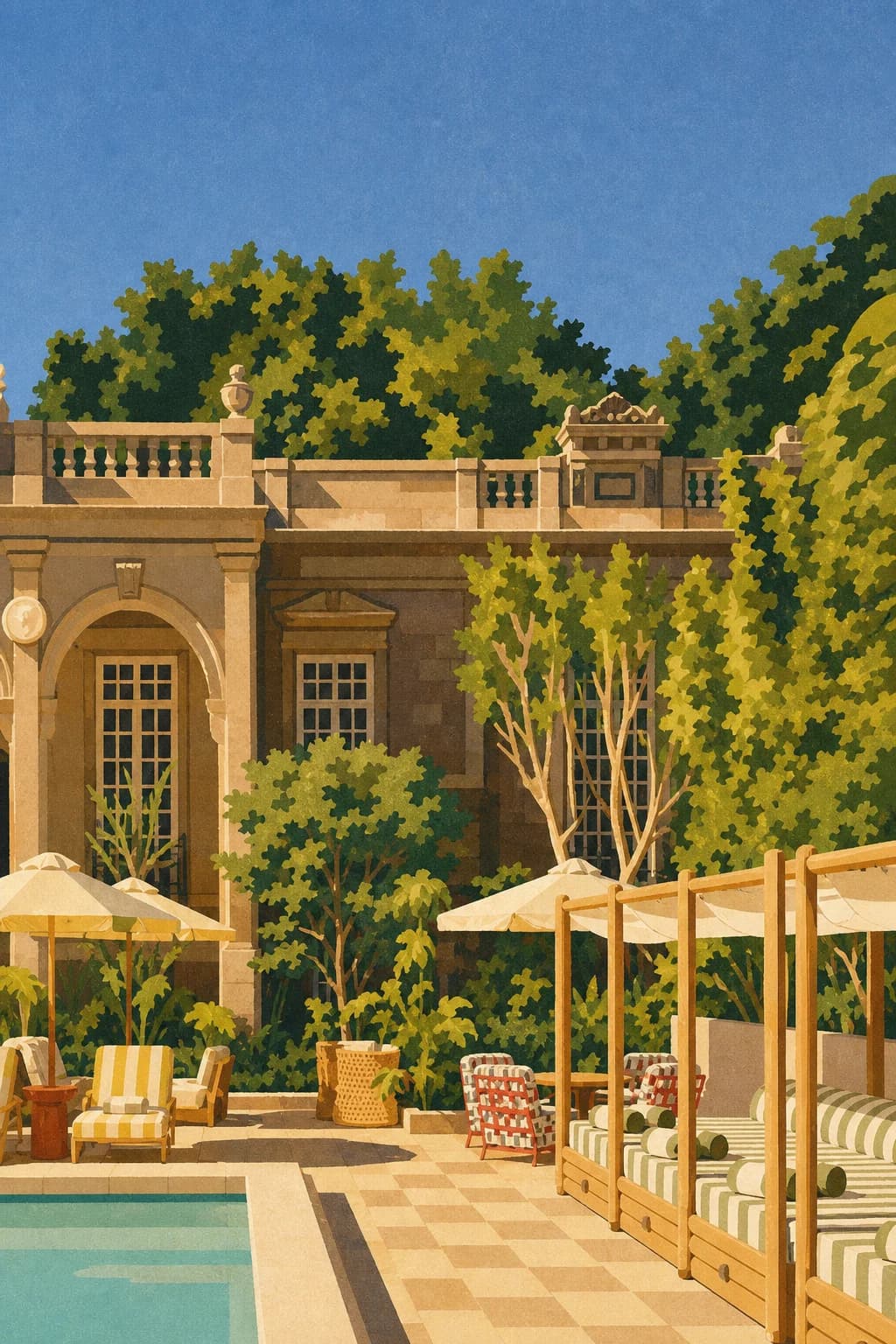
File closes at VERY HIGH. Nine rooms, a real neighbourhood and a house that remembers your coffee. Book it if you want Roma at walking speed and staff learning your name. Wrong fit for anyone counting on a pool, gym hours or a 3am front desk. Peak dates go early, so choose them first.
The numbers behind the tiers
Ignacia Guest · SOURCE READINGS · REDACTED- Availability density · sampled
- Monthly search volume · raw
- TikTok hashtag views · raw
- YouTube total views · raw
- TikTok following · latest sweep
- Pinterest saves · latest sweep
More from Mexico City.
Get the hotel's Unbookable Score.
Any post or reel with a hotel in it. Booking.com hotel pages work too. One free check, no account needed.