La
Valise.
3 critic reviews
filed.
Mostly, and for a specific reason. Forbes Vetted named it the Best Hotel For Couples In Mexico City in its Best Hotels In Mexico City guide, and that is the right frame: it rewards couples and disappoints anyone auditing amenities. The terrace bed is not a gimmick, it is the best sleep you will have in this city.
Not really, at least not to anyone who reads travel coverage: SheerLuxe, Maxim and A Hotel Life have all written it up. What keeps it feeling like a discovery is the scale, with no signage shouting at the street and a house small enough that the block barely registers it. Known, but never crowded.
angles.
Maximalism inside French bones
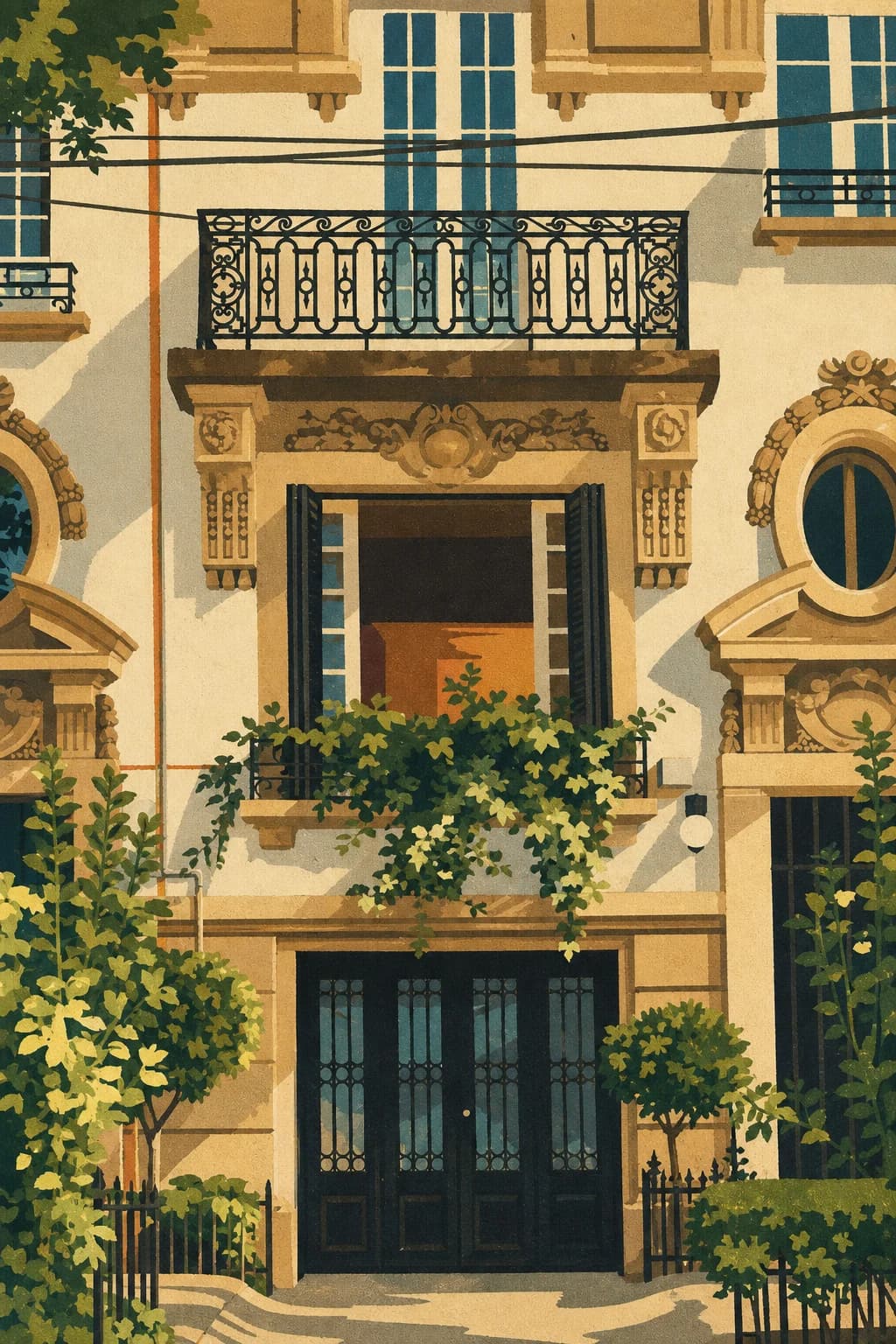
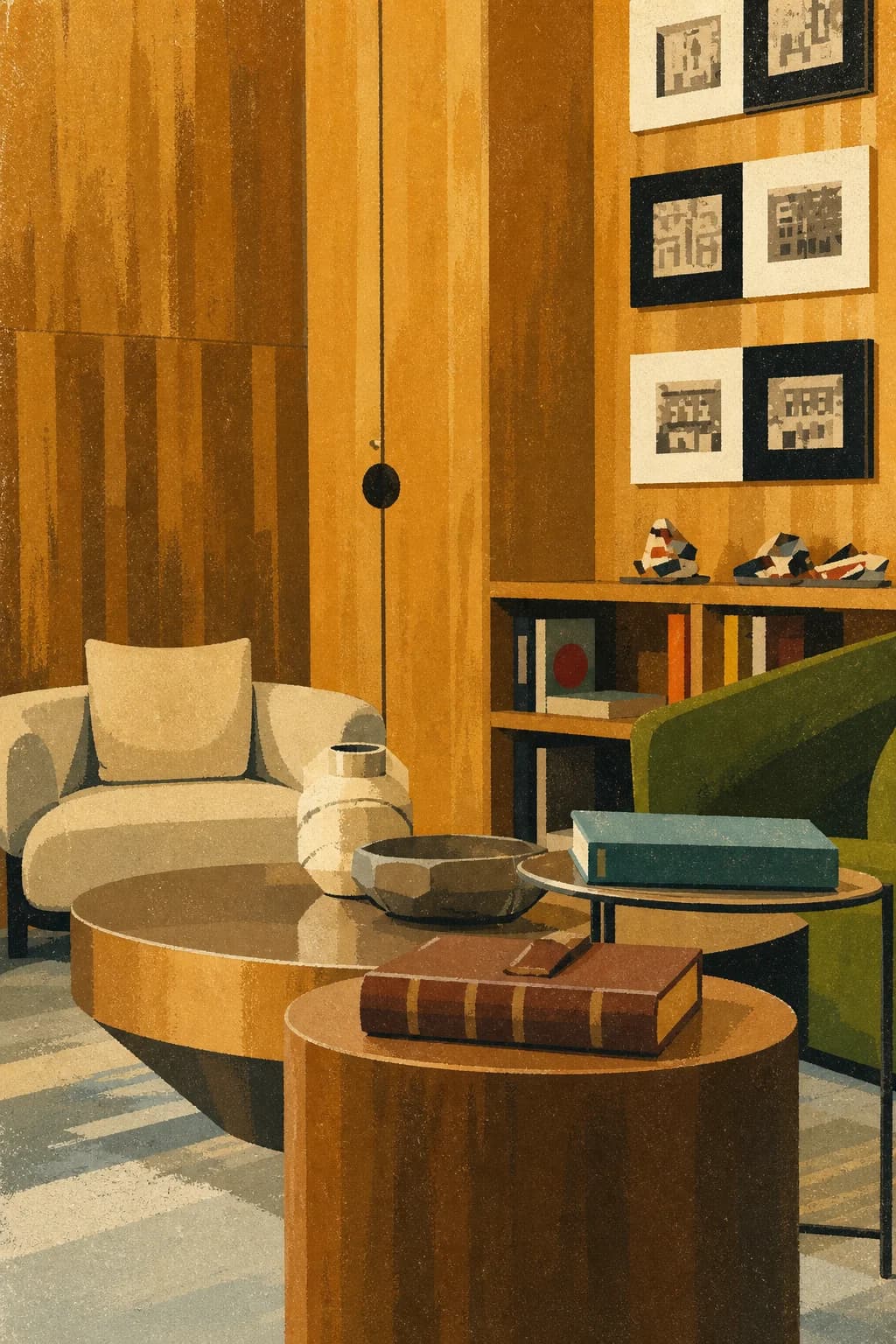
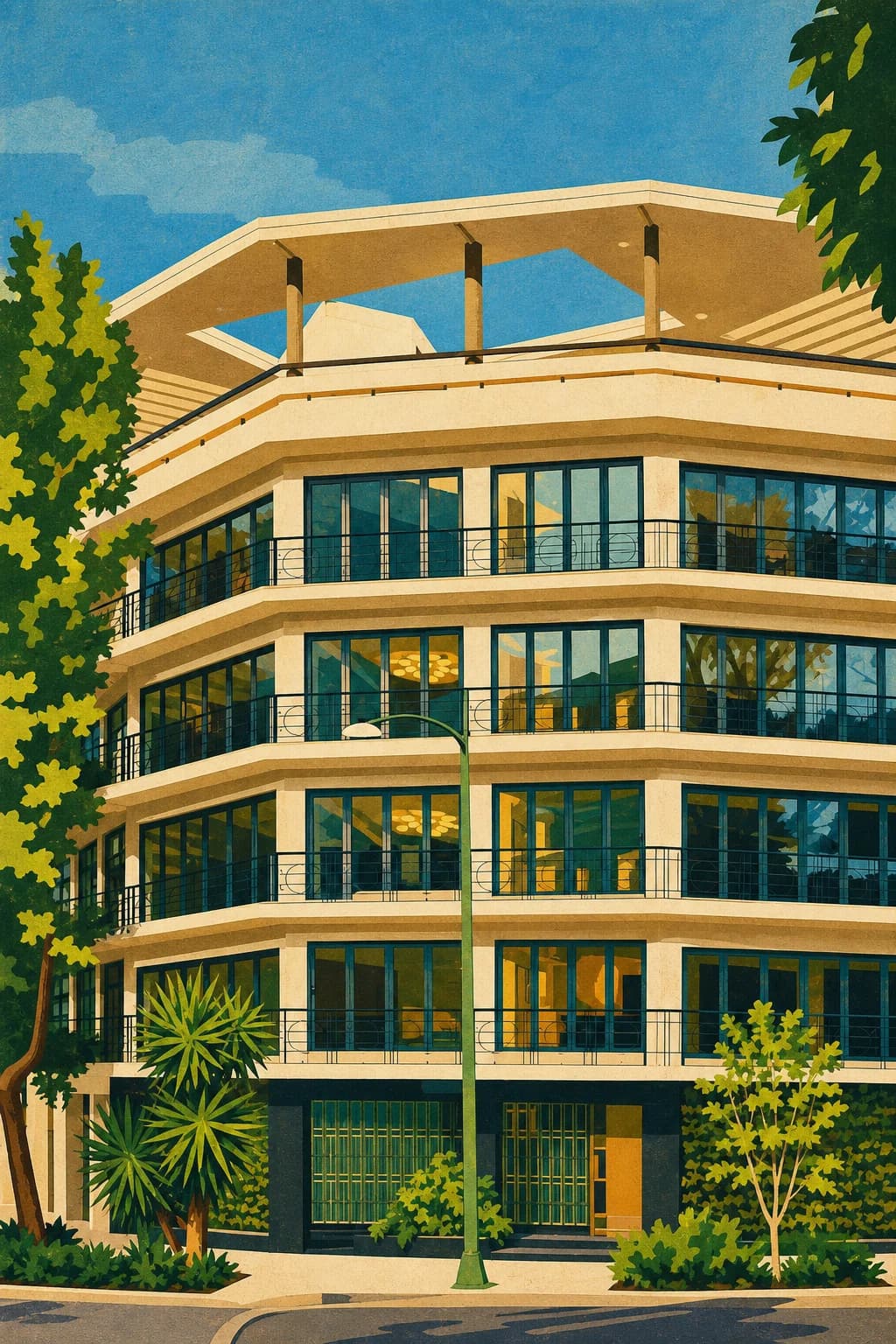
The house is 1920s French in its bones: tall windows, iron balconies, patterned tile underfoot. Chic by Accident filled it with the opposite of restraint, mixing mid-century Mexican pieces with brass, onyx, marble, taxidermy and religious objects that should not work together and absolutely do. Bathrooms are theatrical, sometimes open to the bedroom. Nothing in here feels ordered from a catalogue.
Roma Norte at walking speed
Roma Norte is the reason half the plane is coming, and the house sits inside the walkable part of it. Contramar's tuna tostadas are a short stroll, Rosetta and its bakery are close, and Mercado Medellín, Parque México and the antique dealers of Colonia Roma will eat an unplanned afternoon. Cafés open early, mezcalerías close late, and you rarely need a car after breakfast.
Service without a front desk
There is no front desk performing efficiency at you. Someone lets you in, walks you up, then largely disappears until you want something, at which point breakfast arrives in your room and a dinner reservation quietly materialises. With so few guests in the building at once, attention lands where it should, and the place reads as a private house you happen to be paying for.
talk.
mapped.
“Just three rooms are enough to make La Valise the quintessential gem in Mexico City's happening hub, Roma/Condesa.”
record.
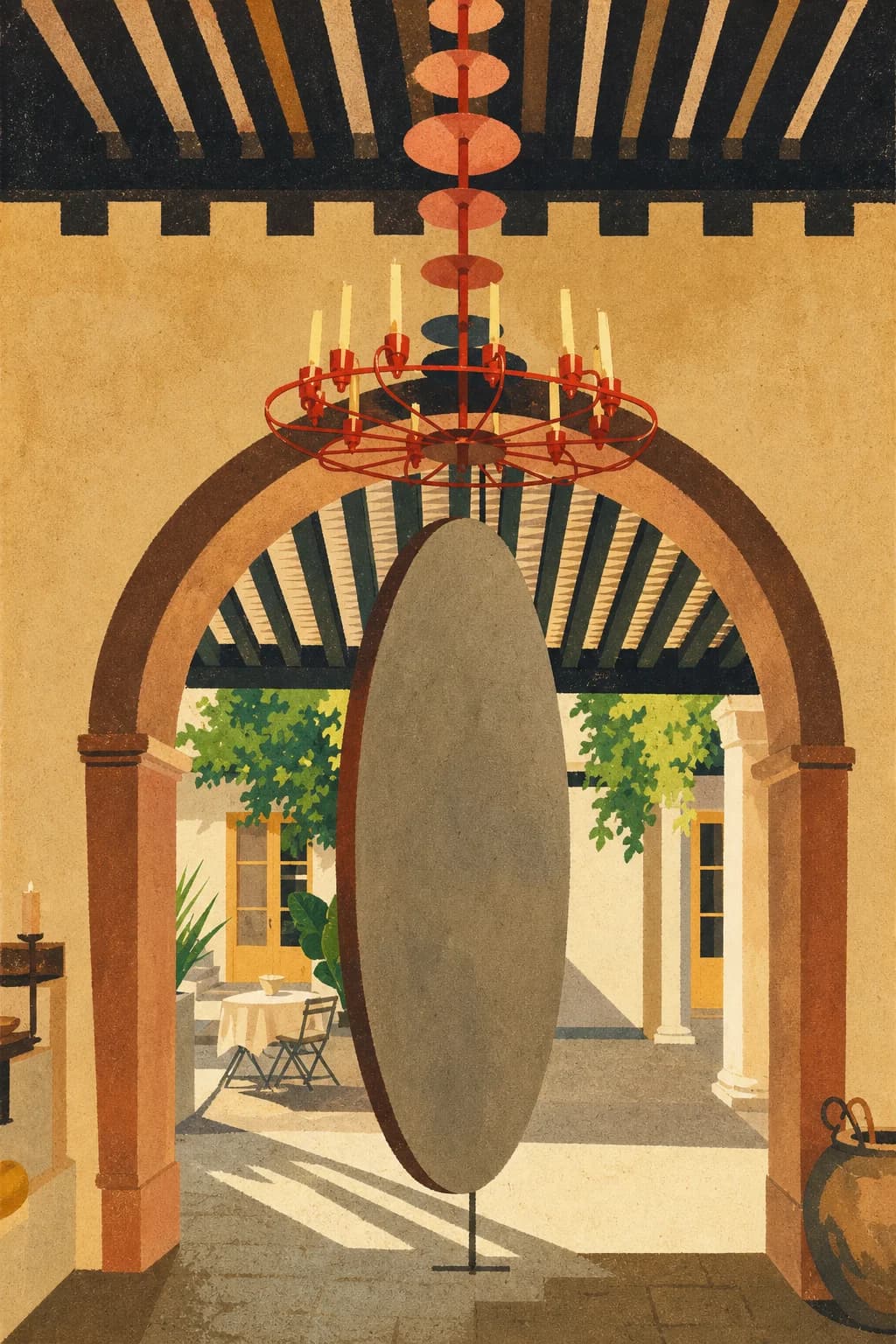
La Valise Mexico City was founded in 2014 by Yves Naman inside a 1920s French-style townhouse, and it runs more like the private apartment of an extravagantly tasteful friend than any hotel you have stayed in. The original rooms were designed by Chic by Accident, the firm of French-born designer Emmanuel Picault, which explains the mix: mid-century Mexican furniture, brass and onyx, heavy velvet, ecclesiastical oddities, a freestanding tub sitting out in the open.
The signature move is upstairs, where a bed on rails rolls through the doors onto a private terrace so you can sleep with the jacarandas and the low hum of the city above you. There is no lobby to speak of, no restaurant, and staff who seem to know what you want before you ask. It is a small house in a neighbourhood everyone wants, so treat the calendar as the hard part.
changed.
Mexico City runs on a two-peak calendar, and understanding why the curve looks the way it does is worth more than any temperature chart. The first peak is spring, roughly March into April, the dry-season stretch when the jacarandas turn the city violet and the skies stay clear. The second is late October into November, when Day of the Dead brings the single biggest travel surge of the year. Those are the weeks the city sells to the world, and they are the weeks the small design houses fill first.
For those peaks, plan far ahead. The Roma and Polanco properties that matter, the handful in the upper tiers, can close out three months before Day of the Dead and the jacaranda weeks, and there is no overflow wing when a hotel has nine or twenty rooms. If your trip is fixed to those dates, book the room before the flights.
The genuinely undervalued window is the summer rainy season, June through August. The rain scares people off, but it arrives as short, predictable afternoon storms that clear by evening, leaving bright mornings for everything you actually came to do. Demand drops to its yearly low, the same rooms that vanish in October sit open, and rates soften across the board. Shoulder travelers who do not need the jacarandas get the best value of the year here.
The rest of the calendar fills in around the peaks. February, May, September, and December run warm with demand: September carries Independence Day on the 16th and its plaza celebrations, and December brings the Guadalupe pilgrimage and Christmas, both of which tighten the center in particular. January sits quiet after the holidays, another soft, workable window.
The one thing Mexico City never does is close. There is no dead season, no shuttered-hotel month; the city works year-round, so the only real decision is how much company you want and how early you are willing to commit. Book the peaks early, take the summer if you can be flexible.
approach.
briefing.
“La Valise sits just a few blocks from Rio de Janiero plaza, one of the neighborhoods many parks.”
stands.
demand's going.
The real Instagram following over time, plus where this hotel sits for demand in Mexico City. Pick a range, toggle the lines. Followers are reach and demand, not engagement.
assessment.
File closes at VERY HIGH. Available if you plan like an adult: two to three months out, longer for the terrace suite in high season. Made for anyone who wants a designed house and a bed under the open sky. Skip it if you want a pool, a gym and somewhere to sit in the lobby.
The numbers behind the tiers
La Valise · SOURCE READINGS · REDACTED- Availability density · sampled
- Monthly search volume · raw
- TikTok hashtag views · raw
- YouTube total views · raw
- TikTok following · latest sweep
- Pinterest saves · latest sweep
More from Mexico City.


Get the hotel's Unbookable Score.
Any post or reel with a hotel in it. Booking.com hotel pages work too. One free check, no account needed.