Namu
Hotel.
2 critic reviews
filed.
Worth it if you read hotels as architecture and value quiet over amenities. The brickwork, the alley entrance and the balconies are genuinely special and earned their award. Anyone wanting a full-service city hotel will feel the 24-room limits.
Genuinely under the radar for international travellers, who mostly cluster in Myeongdong and Gangnam. It is better known to Korea's design and architecture readers than to the guidebook crowd. Gwangjin-gu keeps it off most first-time Seoul itineraries.
angles.
Old brick, cut for grain
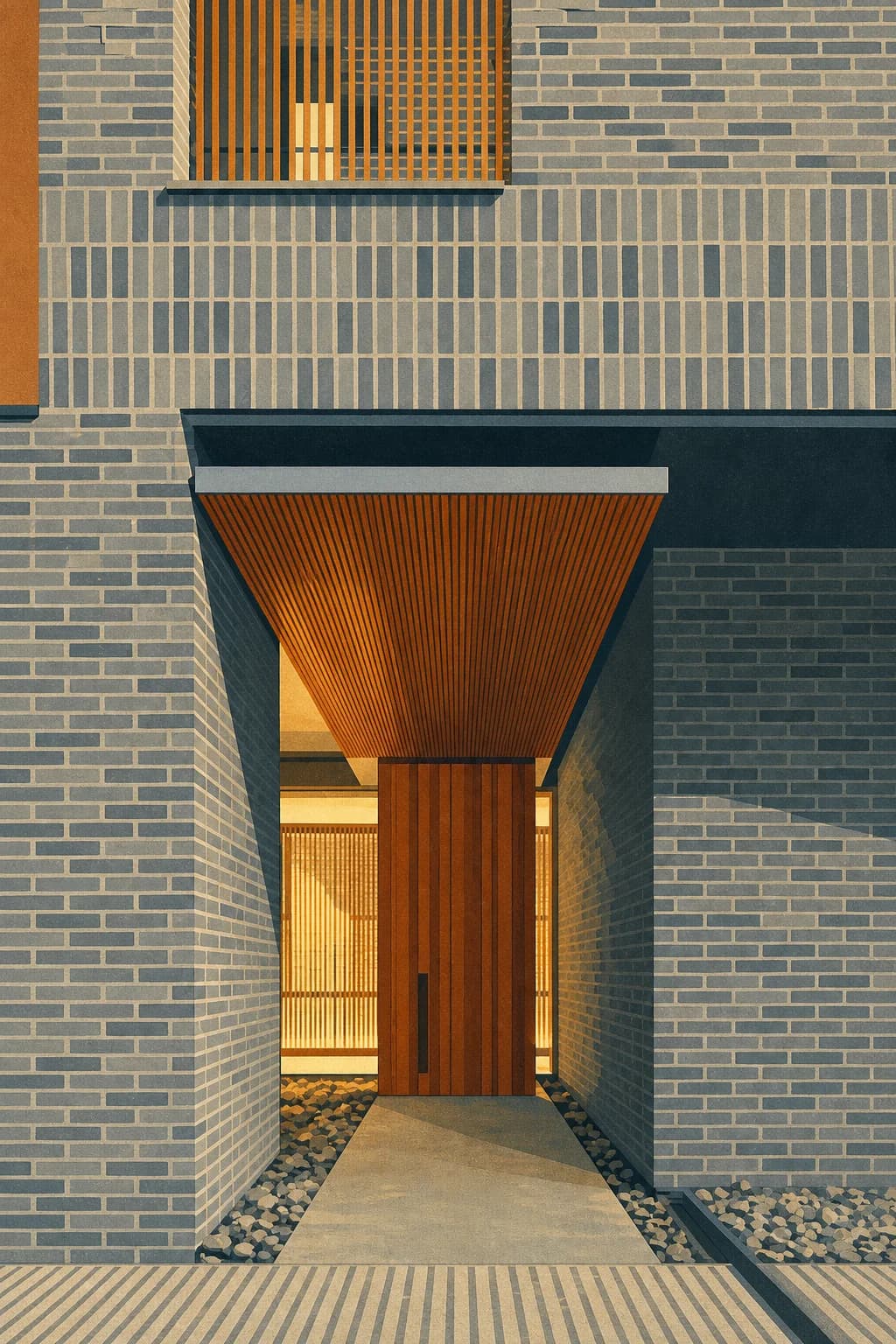
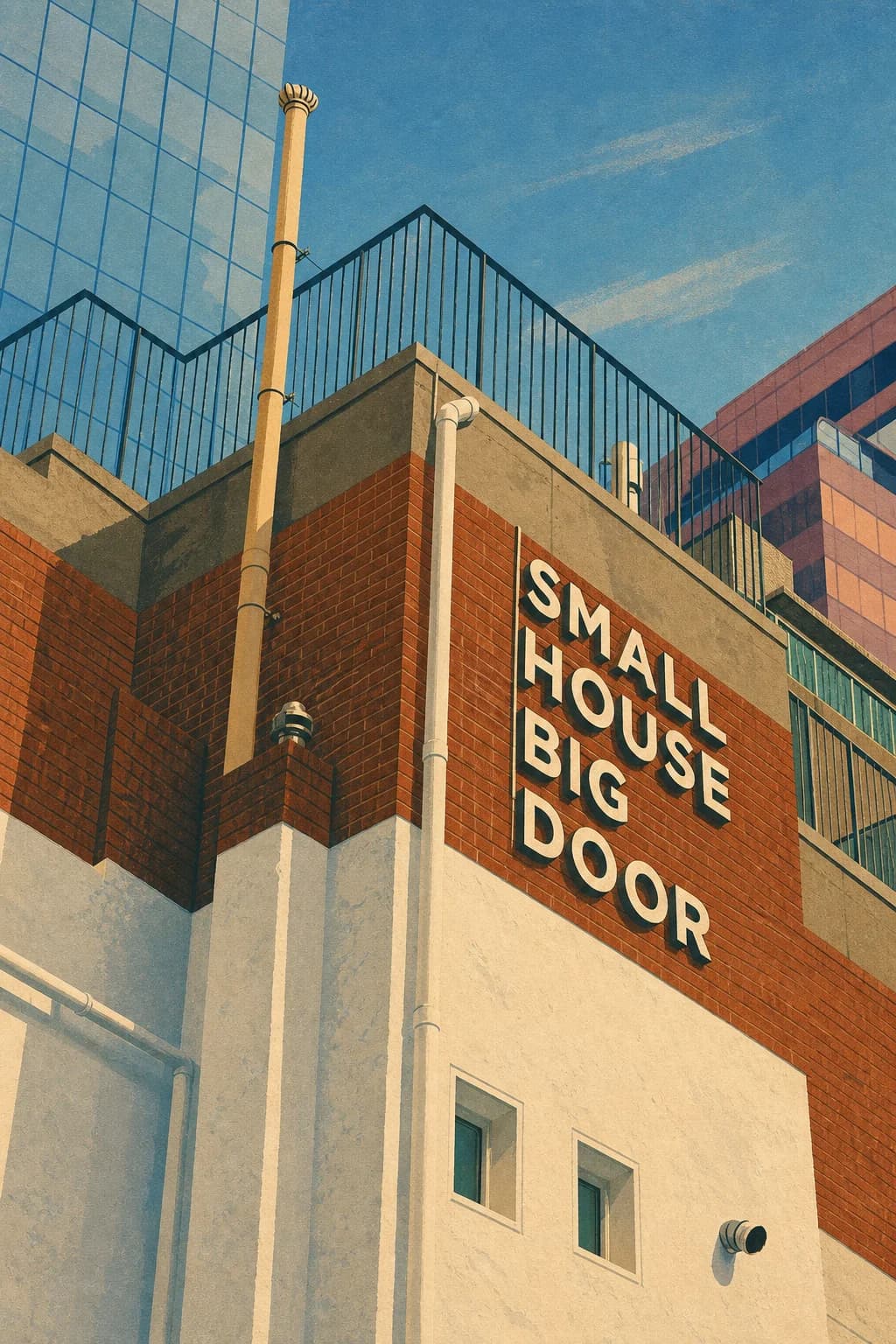
The whole building turns on one material: reclaimed brick, sliced and laid in varied patterns so the texture, not ornament, does the talking. The street side reads as a single calm mass; the alley side breaks into smaller volumes that follow the lane. Jeong Jaeheon spent his career on houses, and it shows. This feels lived-in, not staged.
Achasan and the Han River
Gwangjin-gu is residential Seoul, not tourist Seoul. You wake up among neighbourhood bakeries and side streets, with Achasan's wooded ridge on one side and Han River Park a short walk the other. Come dawn, locals hike Achasan for the sunrise over the river. It is central enough to reach the rest of the city, quiet enough to forget it.
Balconies bring the weather in
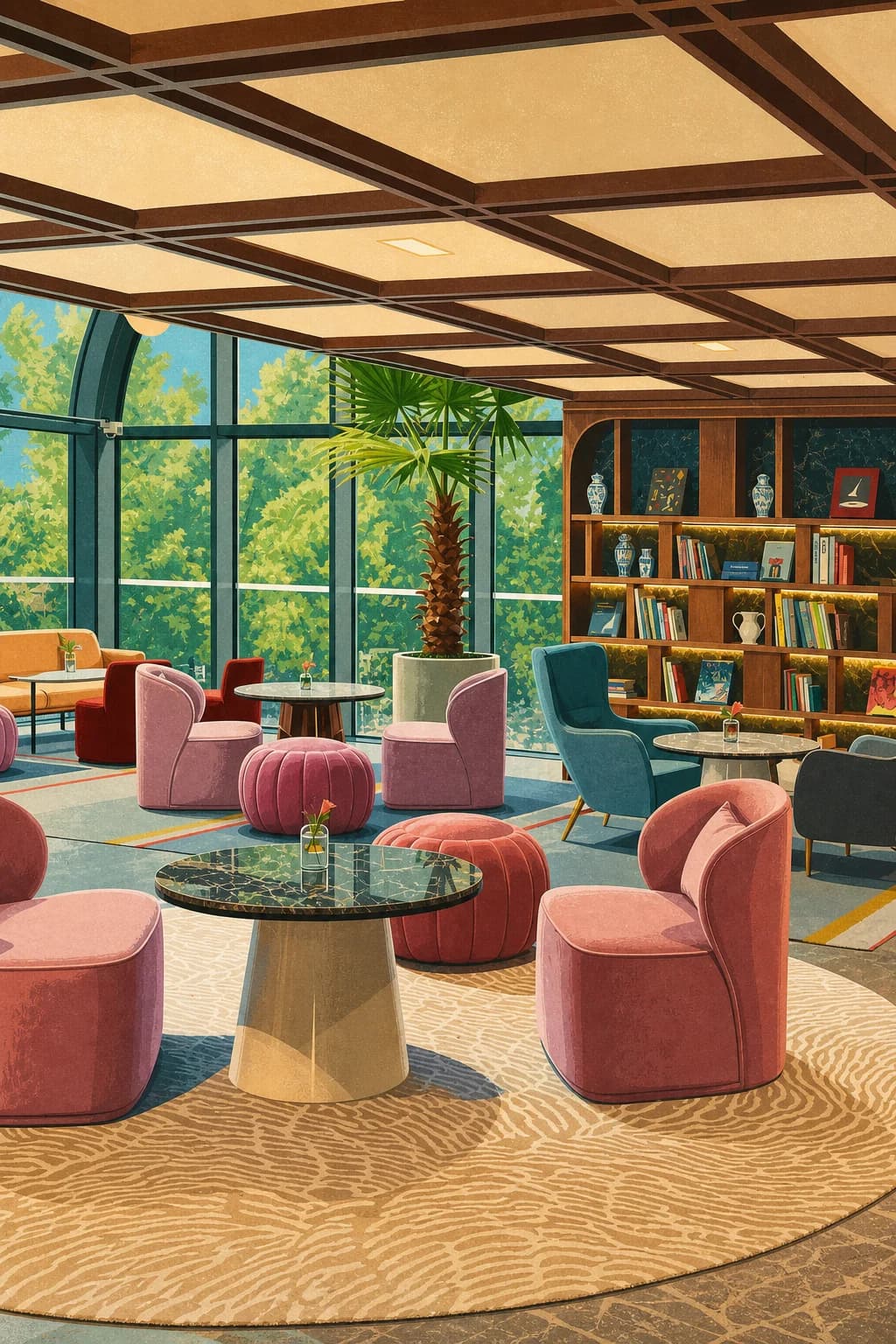
Nearly every room has a balcony, which sounds minor until you stay in one. Light, wind and the sound of the season move through the space, so a rainy afternoon becomes part of the room rather than something you watch through glass. The interiors stay warm and plain, closer to a friend's well-built home than a hotel floor.
talk.
mapped.
“'Namu Hotel' opened amid the noisy cityscape of Seoul. It embraces the host's wish to be a place for quiet rest”
record.
Namu means tree, and the building earns the name: architect Jeong Jaeheon, a professor at Kyung Hee University, built it from old brick, each one cut to expose its grain and stacked into a facade that reads more like a quiet house than a hotel. There is no grand entrance on the road.
You slip in through the alley, past stone, water and shifting light, into rooms named The Square, Terrace One and Oriental Box. Most open onto a balcony, so weather and season come indoors. It won a 2021 Korean Institute of Architects Award and drew coverage from VMSPACE and Stayfolio, which is exactly why the good rooms thin out at peak. It stays bookable if you plan ahead.
changed.
Seoul's demand curve tracks two things travelers chase and one they flee. They chase the cherry blossom window in April and the maple-and-ginkgo turn in October — the two visual set-pieces that drive the city to its yearly peaks, with May riding the tail of spring into Seoul's most comfortable stretch. What they flee is the summer: July and August collapse into the monsoon and a wet, heavy heat that pushes demand to its annual low, even though the city never closes and the air-conditioned interiors of Gangnam and Myeongdong barely register the season.
The shoulder months are where the real strategy lives. March and November sit just below peak, and both are genuinely undervalued. March catches the pre-blossom palace quiet before the crowds land; November delivers crisp, dry, blue-sky weather after the foliage tourists have gone home. September is the same bet on the back end of summer.
If your trip is flexible, these are the months where the scarce hanok stays and downtown boutiques are reachable without booking a full season out.
For the peaks, lead time is everything — and it's sharpest where the rooms are fewest. A five-room hanok like Rakkojae Seoul or an eight-room stay like arr.dep. can sell out its April and October dates months ahead, because the cherry-blossom and autumn windows concentrate the entire year's demand into a few weeks against a room count that never grows. The larger design hotels and Gangnam boutiques give you more runway, but even Hotel28 Myeongdong tightens noticeably around the blossom peak.
December through February is the contrarian's season. Cold and dry, but clear, cheaper, and paired with the city's best indoor life — its bathhouses, night markets, and endless barbecue. Nothing shuts down. If you can handle the temperature, this is when Seoul is most bookable and least crowded, and when even the scarce rooms open up.
Time the visit to the neighborhood you want, then book the scarce end of the roster first. The hanoks and small boutiques set the pace; everything larger follows. Get those locked, and the rest of the trip falls into place around them.
approach.
briefing.
“The front of the building facing a cluttered road has been simplified through a single mass”
stands.
demand's going.
The real Instagram following over time, plus where this hotel sits for demand in Seoul. Pick a range, toggle the lines. Followers are reach and demand, not engagement.
assessment.
File closes at ACCESSIBLE. A quiet, brick-built design hotel that stays bookable if you plan around peak weekends and autumn. Book it if you want architecture and calm; skip it if you need a full-service city base near the nightlife.
The numbers behind the tiers
Namu Hotel · SOURCE READINGS · REDACTED- Availability density · sampled
- Monthly search volume · raw
- TikTok hashtag views · raw
- YouTube total views · raw
- TikTok following · latest sweep
- Pinterest saves · latest sweep
More from Seoul.




Get the hotel's Unbookable Score.
Any post or reel with a hotel in it. Booking.com hotel pages work too. One free check, no account needed.