Local Stitch Creator
Town Seogyo.

5 critic reviews
filed.
For the price of a standard Seoul hotel you get a room plus a working community, and that trade lands well if you're the type to use it. The design is sharp and the location is genuinely good. Just know the hype is about the building, not the bedroom.
It's better known to Seoul's long-stay and creative crowd than to first-time tourists, who default to bigger Hongdae hotels. STAYFOLIO and It's Nice That have both featured it, yet it still flies under the average traveller's radar. That gap is the opportunity.
angles.
Architects Built For Collisions
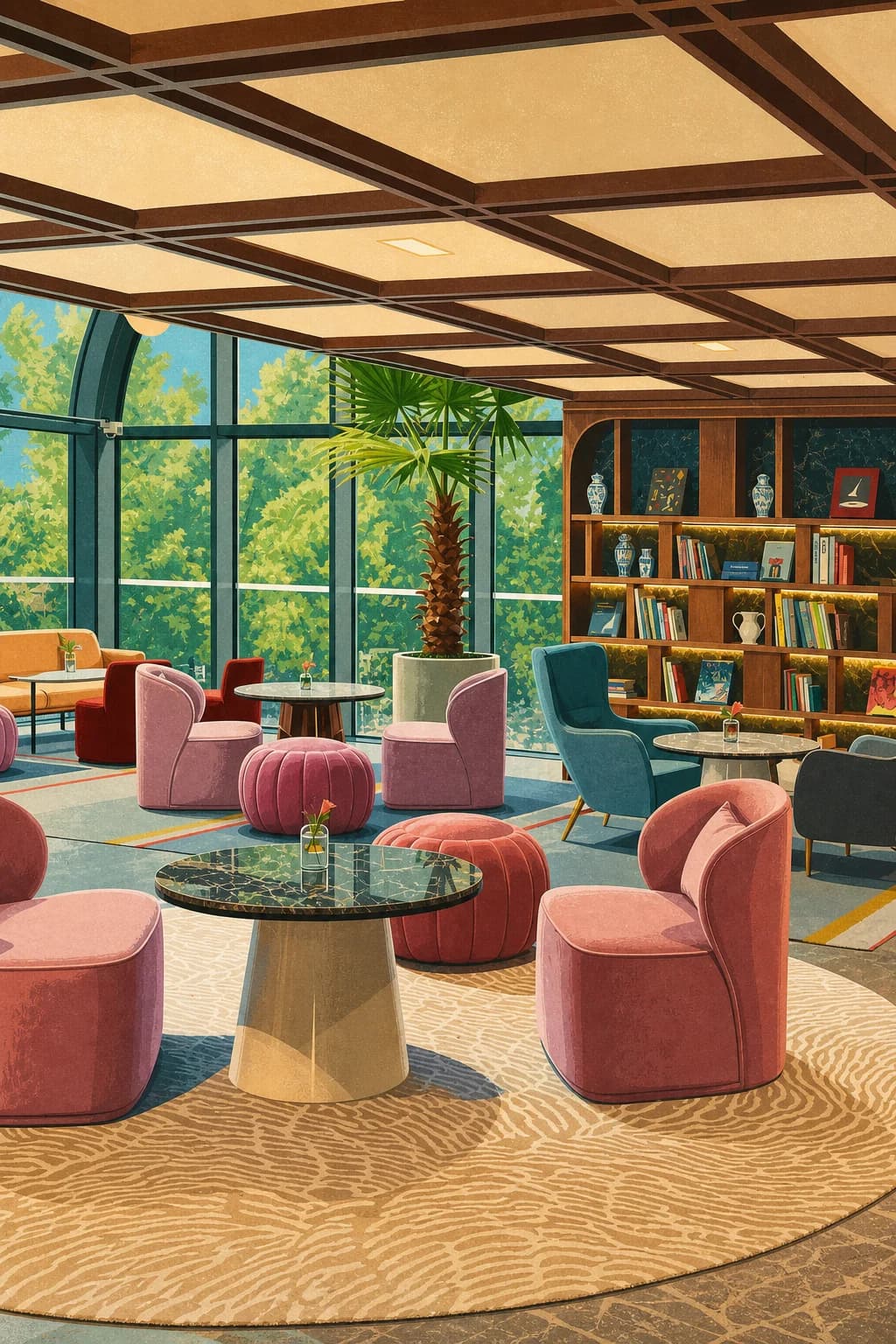
Gansam Architects & Partners completed the building in April 2023 under lead architect Kim Tae-jip, and the logic is social. Instead of maximizing private square footage, the design pushes daily life into shared floors: a big communal kitchen, a gym, laundry, and a town lounge open around the clock. Concrete and warm wood keep it from feeling institutional. The rooms are compact on purpose, nudging you toward the people and spaces outside your door.
Robot Barista, Real Brunch
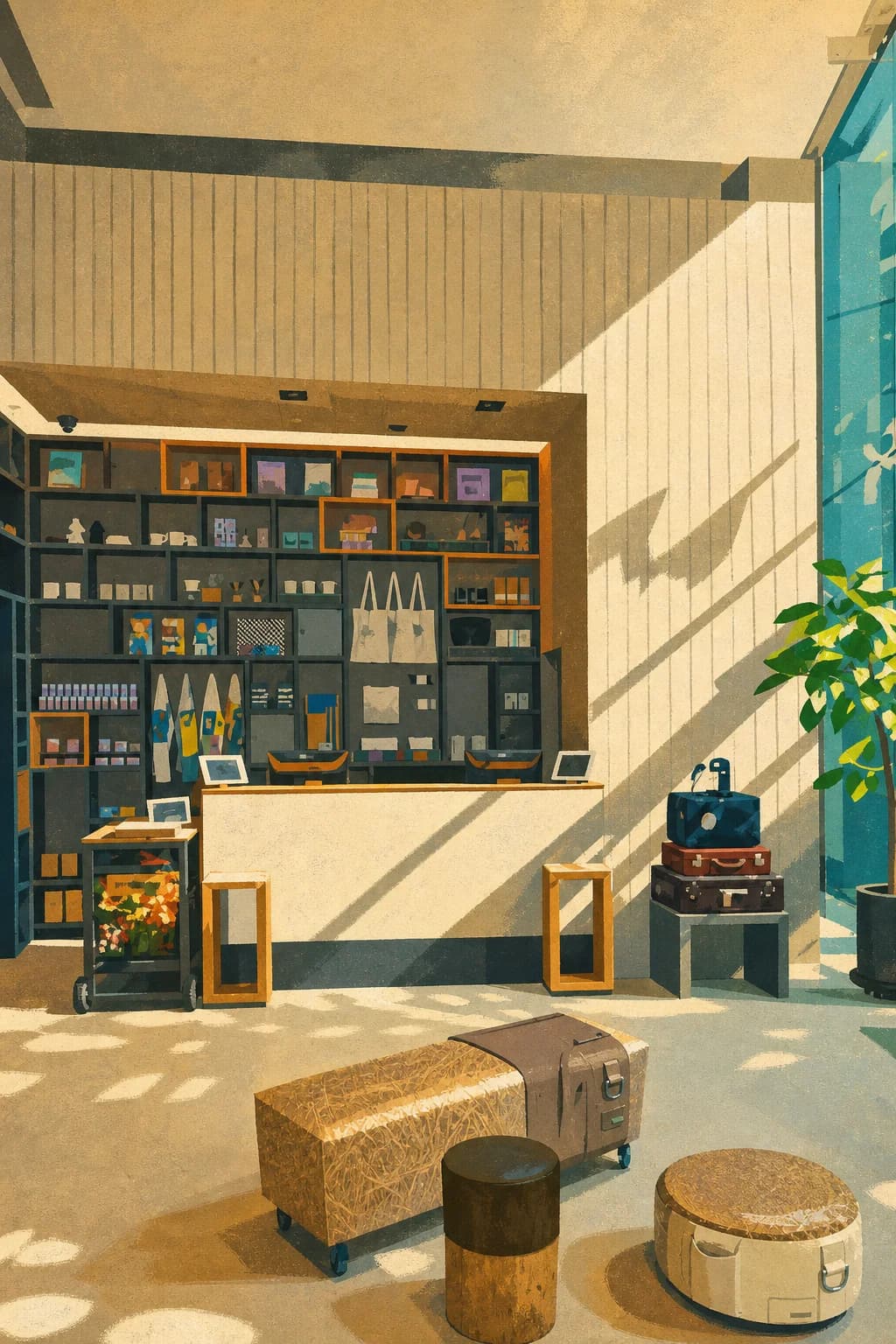
Coffee comes from a robot barista in the lounge, which sounds gimmicky until you're grabbing an americano at midnight before a co-working session. The upstairs cafe does a genuinely good brunch, and the shared kitchen means you can cook rather than eat out every night. Add yoga classes and rotating social events, and the food-and-community layer does more work here than the room service menu at most hotels.
Hongdae Without The Roar
Seogyo-dong sits just off Hongdae's main streets, so you get the neighbourhood's cafes, record shops, and late-night energy without sleeping above the noise. It's a five to fifteen minute walk to most of the action, and Mangwon Market is close for cheap eats and street food. Subway links make the rest of Seoul easy. This is the part of Mapo where creatives actually live, not just party.
talk.
mapped.
“Located in Seogyo-dong, near the bustling area around Hongdae, Local Stitch Creatortown Seogyo (or simply Seogyo Town) is a mixed-use cultural…”
record.
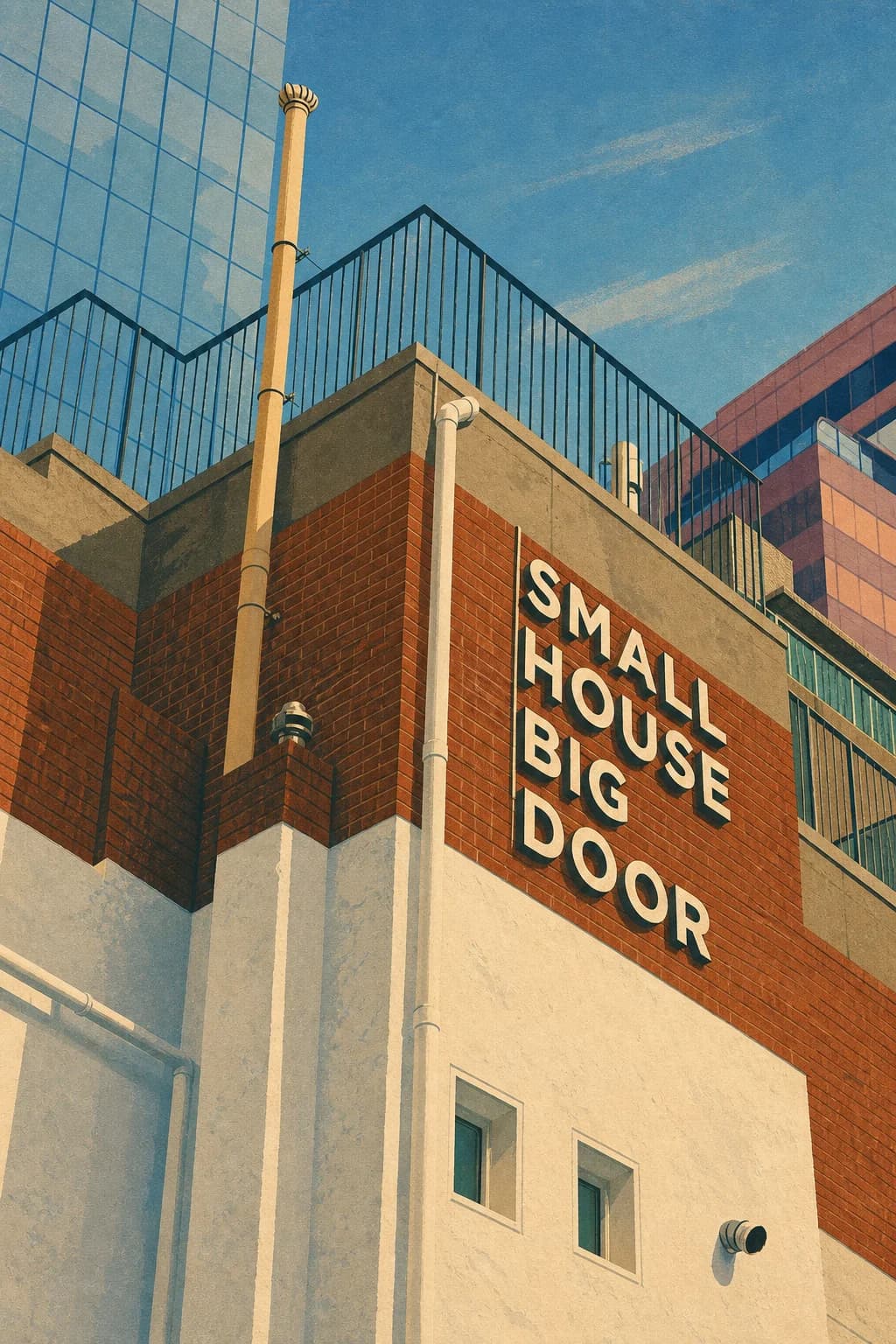
Local Stitch Creator Town Seogyo is a co-living hotel where the shared kitchen, gym, and 24-hour co-working lounge matter as much as the bed. Gansam Architects & Partners finished the building in April 2023, with Kim Tae-jip leading the design, and it shows: clean concrete-and-timber communal floors that pull residents out of their rooms and into the same spaces.
The 184 rooms run small and functional, heated floors and a mini-fridge, the essentials done right rather than padded out. Upstairs there's brunch and a robot barista; downstairs you're a short walk from Mangwon Market and off the loud main drag of Hongdae. It's built for solo stays that stretch from a few nights to a few months, and that flexibility is exactly why availability tightens when Seoul fills up. Plan ahead around peak.
changed.
Seoul's demand curve tracks two things travelers chase and one they flee. They chase the cherry blossom window in April and the maple-and-ginkgo turn in October — the two visual set-pieces that drive the city to its yearly peaks, with May riding the tail of spring into Seoul's most comfortable stretch. What they flee is the summer: July and August collapse into the monsoon and a wet, heavy heat that pushes demand to its annual low, even though the city never closes and the air-conditioned interiors of Gangnam and Myeongdong barely register the season.
The shoulder months are where the real strategy lives. March and November sit just below peak, and both are genuinely undervalued. March catches the pre-blossom palace quiet before the crowds land; November delivers crisp, dry, blue-sky weather after the foliage tourists have gone home. September is the same bet on the back end of summer.
If your trip is flexible, these are the months where the scarce hanok stays and downtown boutiques are reachable without booking a full season out.
For the peaks, lead time is everything — and it's sharpest where the rooms are fewest. A five-room hanok like Rakkojae Seoul or an eight-room stay like arr.dep. can sell out its April and October dates months ahead, because the cherry-blossom and autumn windows concentrate the entire year's demand into a few weeks against a room count that never grows. The larger design hotels and Gangnam boutiques give you more runway, but even Hotel28 Myeongdong tightens noticeably around the blossom peak.
December through February is the contrarian's season. Cold and dry, but clear, cheaper, and paired with the city's best indoor life — its bathhouses, night markets, and endless barbecue. Nothing shuts down. If you can handle the temperature, this is when Seoul is most bookable and least crowded, and when even the scarce rooms open up.
Time the visit to the neighborhood you want, then book the scarce end of the roster first. The hanoks and small boutiques set the pace; everything larger follows. Get those locked, and the rest of the trip falls into place around them.
approach.
briefing.
“Named Noudit Hongdae by its developer but Creator Town Seogyo by its operator and manager, Local Stitch, the site provides 296 private rooms.”
stands.
demand's going.
The real Instagram following over time, plus where this hotel sits for demand in Seoul. Pick a range, toggle the lines. Followers are reach and demand, not engagement.
assessment.
File closes at ACCESSIBLE. Bookable, well priced, and built for people who want a community more than a cocoon. Solo travellers and long-stay creatives should book; couples craving space should skip. Plan a few weeks ahead, more at peak.
The numbers behind the tiers
Local Stitch Creator Town Seogyo · SOURCE READINGS · REDACTED- Availability density · sampled
- Monthly search volume · raw
- TikTok hashtag views · raw
- YouTube total views · raw
- TikTok following · latest sweep
- Pinterest saves · latest sweep
More from Seoul.



Get the hotel's Unbookable Score.
Any post or reel with a hotel in it. Booking.com hotel pages work too. One free check, no account needed.