Hotel
Poseidon.
4 critic reviews
filed.
4.8 on Google from nearly 500 reviews and the Condé Nast nod for the rooftop pool are both earned. The Aonzo family's three-generation ownership is the quiet engine: the consistency of staff and service comes from people who live on-site and treat the hotel as their house. What the hype cannot show is how much the atmosphere shifts in peak summer when 52 rooms are full and the family feel dilutes.
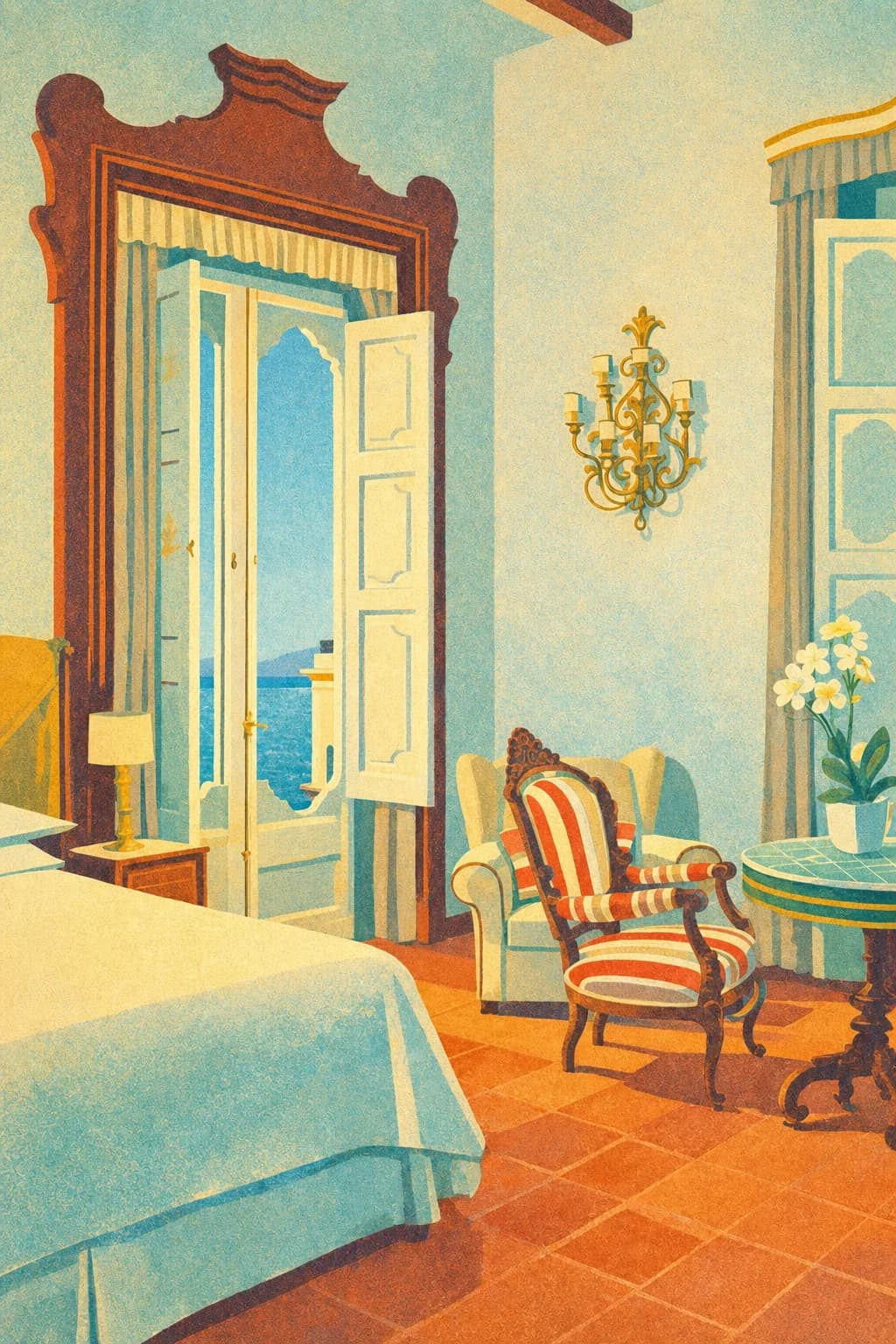
L'Onda Beauty Centre's hammam is carved directly into the cliff rock and is open to non-guests in limited slots through the week, which is the cheapest legitimate way to sit inside the hotel without a room rate. Also: the Funny Room is the smallest category at 14 square metres, which is the budget entry point to Poseidon that OTAs often fail to list; the terrace is larger than the room itself and that is the point. Ask for it by name.
angles.
A Hammam in the Rock
L'Onda Beauty Centre sits inside the cliff itself. The Turkish bath is carved from the rock face, with four treatment rooms and a tea room. It's the kind of detail that would headline a new-build boutique hotel's marketing. Here it's just something the family added because they thought guests might like it. Open daily, 10:30 to 18:30.
Il Tridente at Sunset
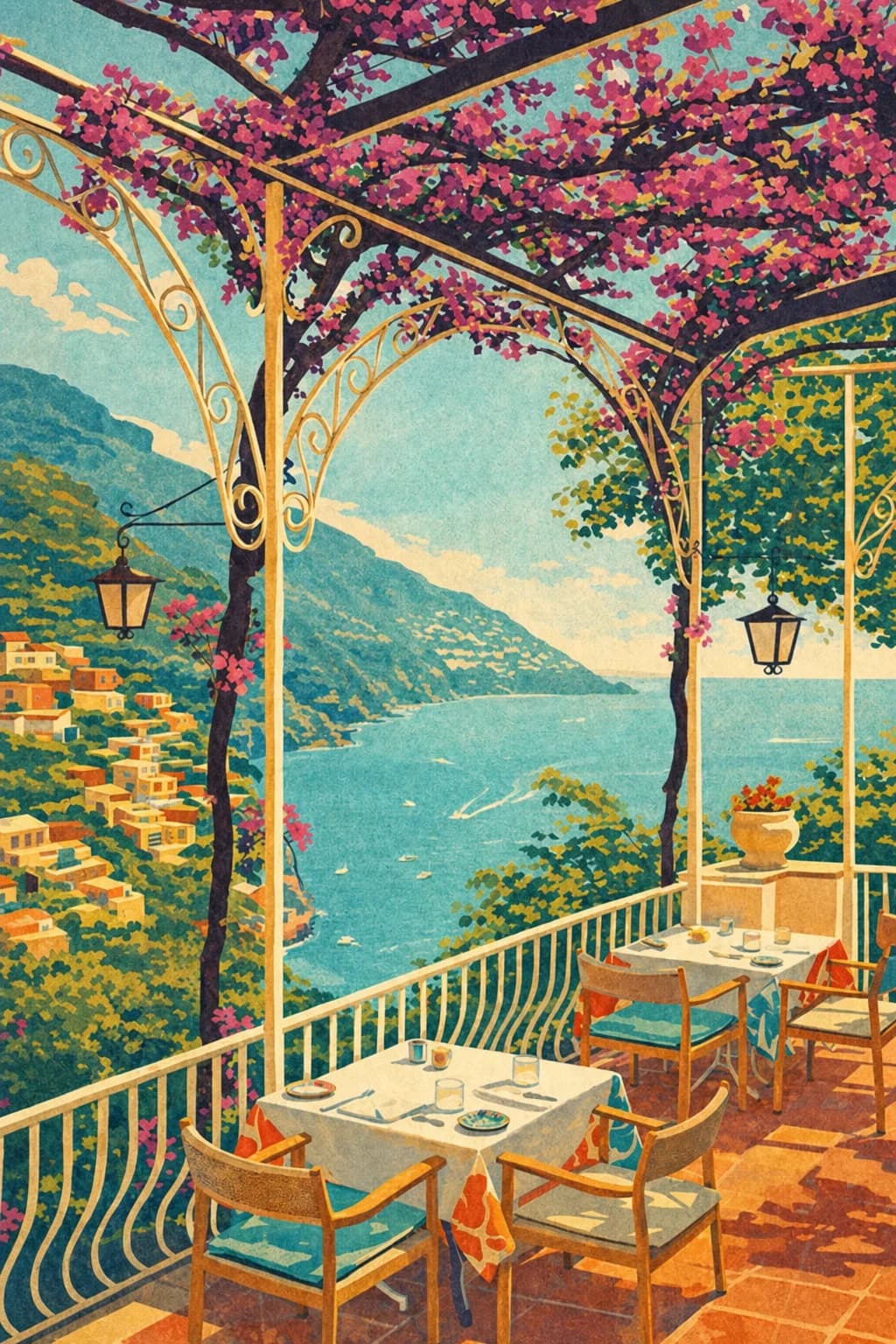
Chef Antonio Sorrentino cooks Neapolitan tradition with seasonal, local ingredients. The restaurant sits on the main terrace overlooking the Tyrrhenian Sea. Open to non-guests, but covers are limited; reserve online. The cocktail bar opens to the public after 18:30. Breakfast, included in the rate, is served here too. Dinner on the terrace your first night is non-negotiable.
The Beetle and the Key
A 1971 VW Beetle convertible sits in the garage, belonging to Monica's brother Marco. Since 2008, guests can borrow it free of charge to drive the Amalfi Coast roads. The hotel also holds a Green Key eco-certification. These aren't amenities on a checklist. They're things a family decided to share because that's what you do when guests are in your home.
talk.
mapped.
“Classic luxury hotel since 1955; Aonzo family-owned; VW Beetle for guests”
record.
In 1950, Bruno Aonzo and Liliana Del Bosco bought a house on a cliff in Positano as a summer retreat. Five years later they opened it to guests. Today their daughter Monica and granddaughters Margherita and Liliana Mascolo run 52 rooms and suites stacked down the hillside. The family lives on-site.
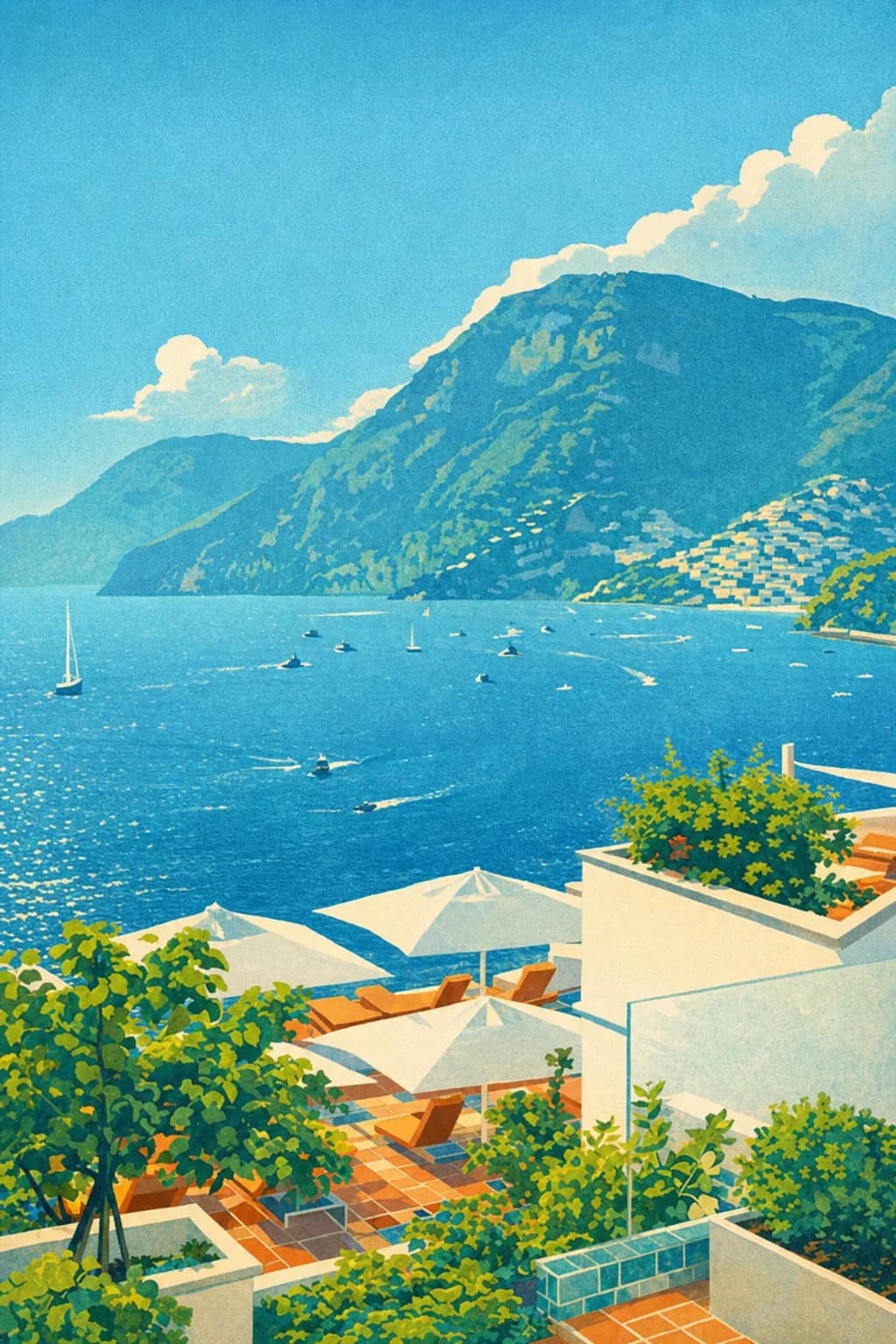
Chef Antonio Sorrentino runs Il Tridente on the main terrace, serving Neapolitan cooking with sea views that compete with any restaurant on the coast. A Turkish bath is carved directly into the cliff rock. The pool terrace looks out over Positano and the islands of Li Galli. Guests rate it 4.8 on Google from nearly 500 reviews. Condé Nast Traveler named the rooftop pool one of the best in the world. Three generations later, the family has never hired an architect. They've never needed one.
changed.
May–June and September are the sweet spots. Skip November–March: most hotels are closed. July–August demands four to six months of lead time.
The Amalfi Coast is not a year-round destination, and it doesn't pretend to be. Most hotels close entirely from November through March, and the handful that stay open run on reduced services and limited restaurant options. January through March posts demand scores in the single digits.
April opens the season, and Easter week delivers the first booking pressure of the year. Demand jumps to around 40, but availability stays reasonable outside the holiday itself. The weather suits walking the Path of the Gods and exploring without crowds, though some beach clubs and boat services haven't yet started running.
May and June are the sweet spot. Demand climbs from 65 to 85, the lemon groves are in full bloom, the sea warms enough for swimming by late May, and the SS163 coast road hasn't yet hit its summer gridlock. Restaurant reservations are manageable and hotel rates sit below their July peak. For Ultra-tier properties like Villa Cimbrone or Le Sirenuse, May still requires booking two to three months out, and June availability tightens further.
July and August are a different animal entirely. Demand hits 100 in July and 95 in August. The coast road slows to a crawl, particularly on weekends and around the Ferragosto holiday on August 15, when Italian domestic tourism surges and many restaurants switch to fixed holiday menus. Boat transfers become not just convenient but essential for moving between towns. Ultra-tier rooms in these months demand four to six months of lead time. The tradeoff is the fullest expression of the coast's energy: every restaurant open, every beach club running, warm seas, and long evenings.
September is the most undervalued month on the coast, when quality of experience and ease of booking align most favorably.
September rewards travelers who wait. Demand drops to 70 as European schools reopen, yet the sea stays warm from months of summer heat. Hotel rates step down, the SS163 clears, and the grape harvest adds a layer of activity in the hillside towns. Late September into early October is the window worth targeting.
October is the last shoulder month before the shutdowns. Demand falls to 40, some properties begin their seasonal closures in the final week, and the weather grows less reliable. It works best for travelers who prioritize quiet over guaranteed sunshine.
approach.
briefing.
“Sustainability feature 2021; Top Rooftop Pools World 2021-23”
stands.
demand's going.
The real Instagram following over time, plus where this hotel sits for demand in Amalfi Coast. Pick a range, toggle the lines. Followers are reach and demand, not engagement.
assessment.
File closes at VERY HIGH. Book direct two to three months out; the April 2026 reopening will run hot through summer. Skip if a flat seafront walk matters; the beach is six minutes down steep stairs.
The numbers behind the tiers
Hotel Poseidon · SOURCE READINGS · REDACTED- Availability density · sampled
- Monthly search volume · raw
- TikTok hashtag views · raw
- YouTube total views · raw
- TikTok following · latest sweep
- Pinterest saves · latest sweep
More from Amalfi Coast.

Get the hotel's Unbookable Score.
Any post or reel with a hotel in it. Booking.com hotel pages work too. One free check, no account needed.