The Myst
Dong Khoi.
3 critic reviews
filed.
Mostly yes, if you know what you are booking. The design story is real and the balcony bath is a genuine pleasure you will not find at the chains next door. Just do not come chasing the river panorama, because a taller neighbour took most of it.
It is something of a hidden gem for a central hotel this characterful, with a modest social following and quiet word of mouth rather than a queue. That keeps it bookable most of the year. The catch is that the design crowd already knows, so peak dates tighten fast.
angles.
Built from a demolished shipyard
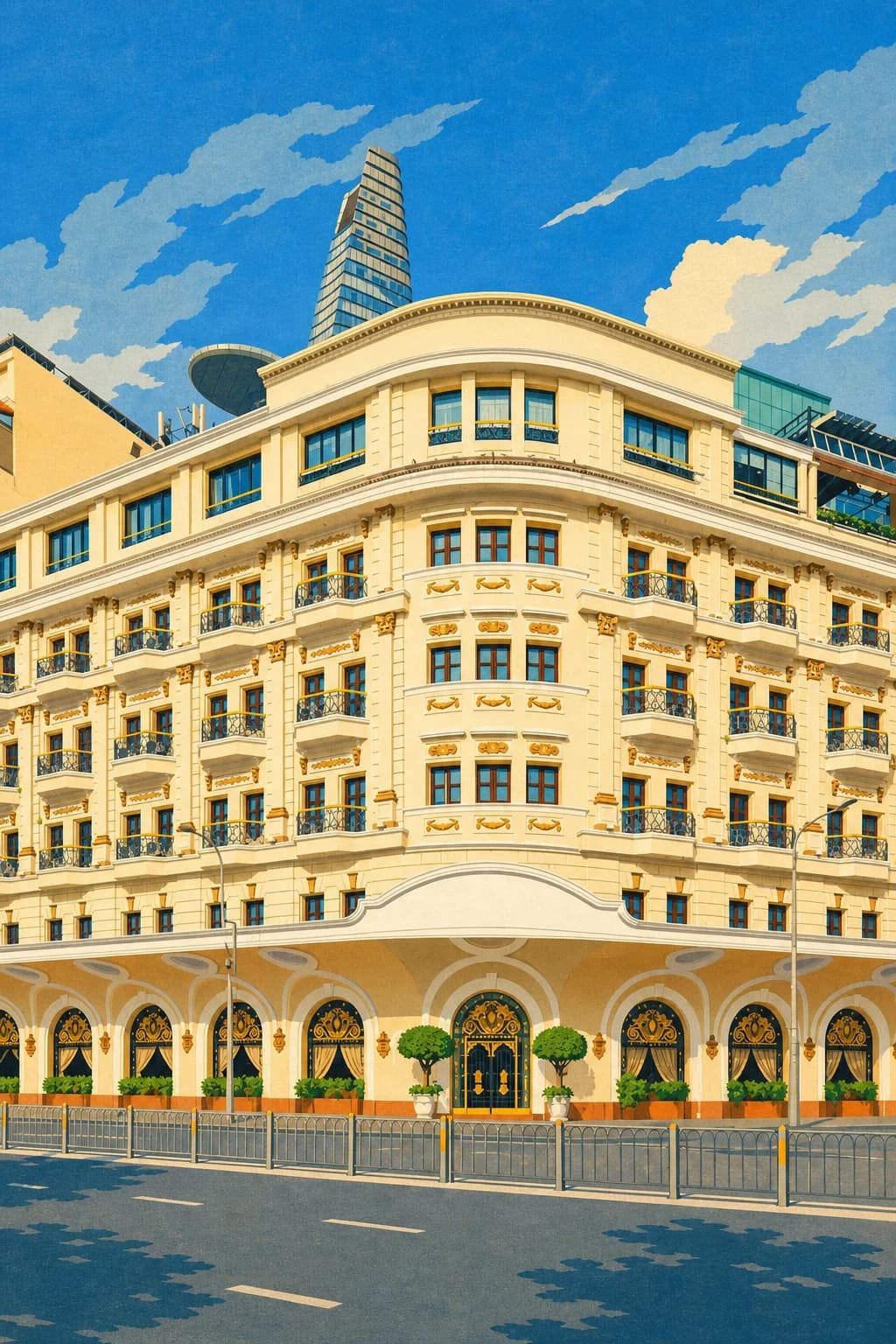
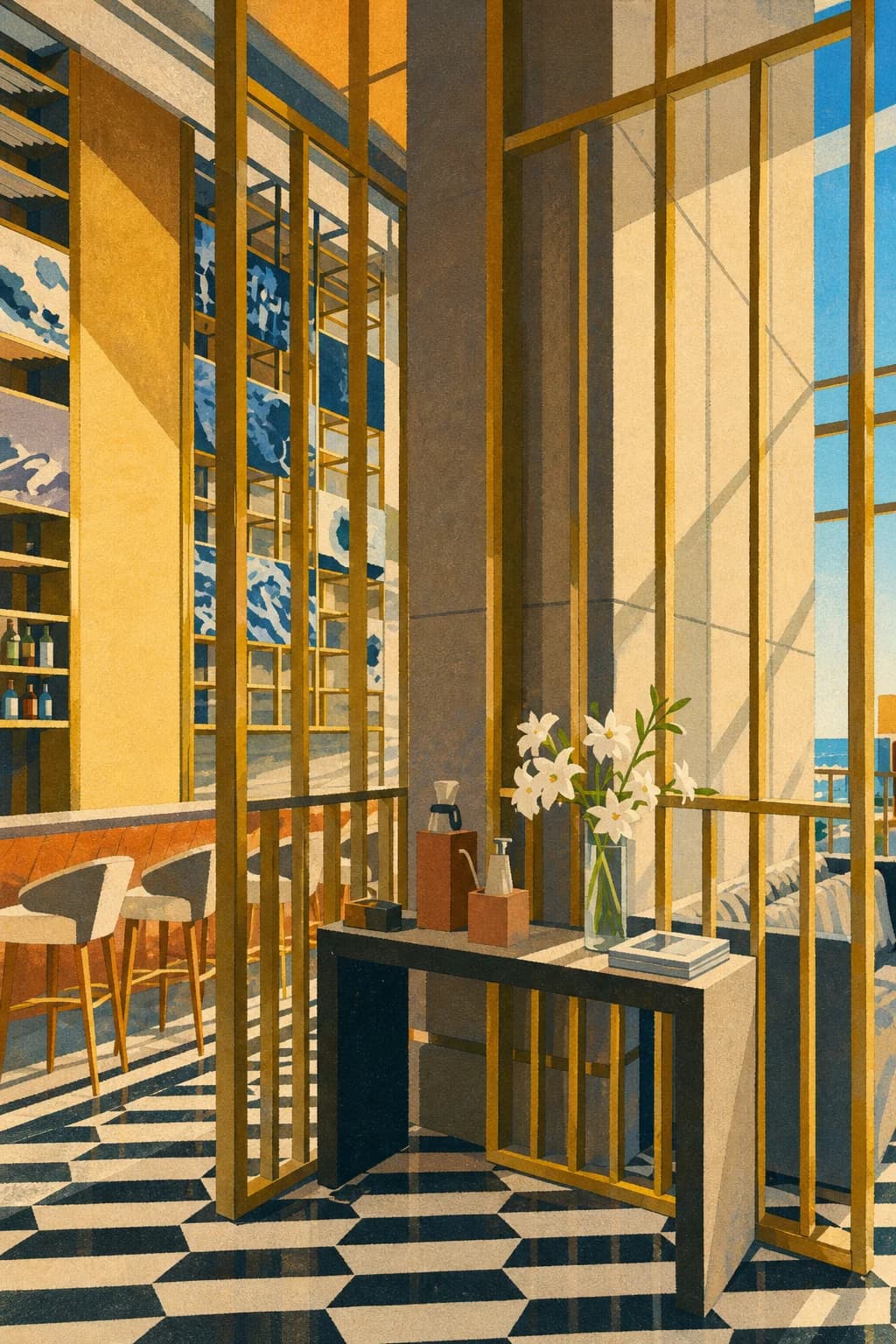
The design is A21 studio's, architect Nguyen Hoa Hiep, and its central move is memory. Iron, wood, and tile pulled from the 200-year-old Ba Son Shipyard, torn down across the river, reappear in the lobby and outdoor café as beams, panels, and salvaged fittings. Hospitality Design magazine featured the project in 2018. The effect is a building that feels grown out of the city rather than dropped onto it.
A bathtub on every balcony
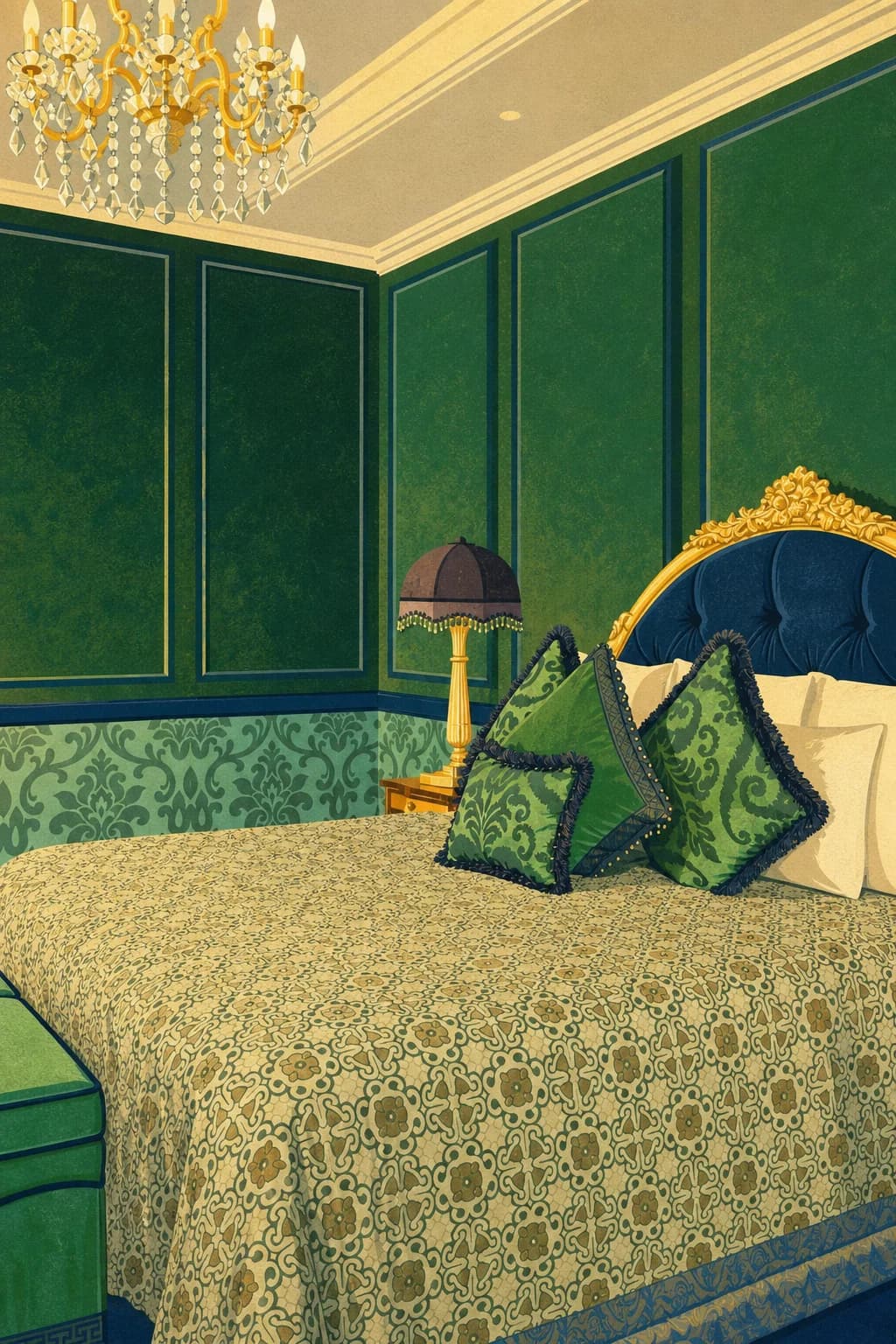
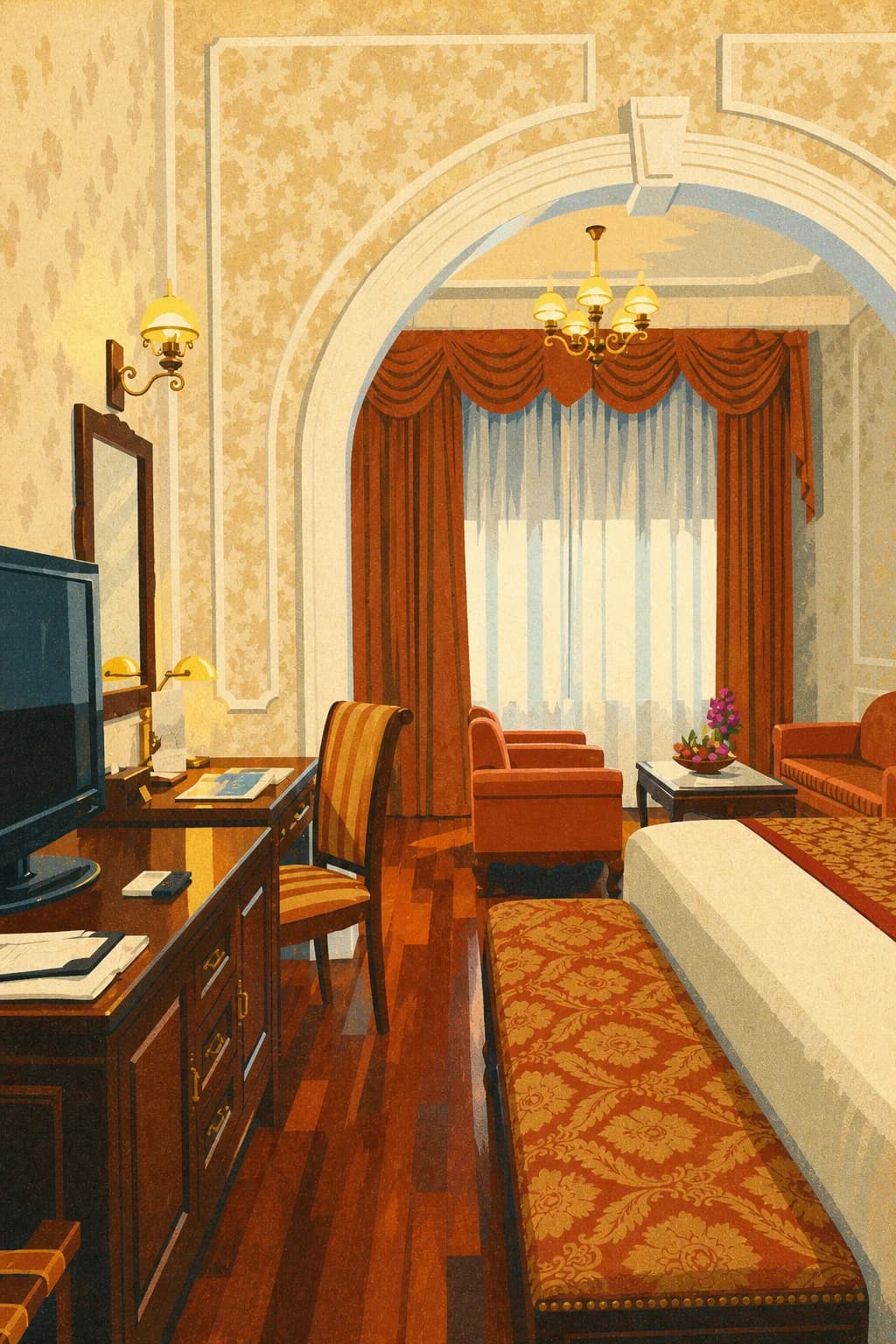
Each room, from the Saigon City category up to the Verdant Calm and Serene Corner rooms, comes with its own balcony bathtub set among potted greenery, big enough to soak in while the light drops over the city. Interiors stay soft and neutral, roughly 40 square metres in the standard rooms, so nothing competes with the view or the plants. It is a genuinely private ritual in a very dense downtown.
Steps from Dong Khoi's core
The hotel sits on tree-lined Ho Huan Nghiep Street, a quiet cut between the Saigon River and Dong Khoi Street, the commercial spine of District 1 since colonial times. On foot you reach the Opera House, Nguyen Hue walking street, Le Loi Boulevard, and Bach Dang Wharf in a few minutes each. You get the centre of everything without the noise landing directly on your balcony.
talk.
mapped.
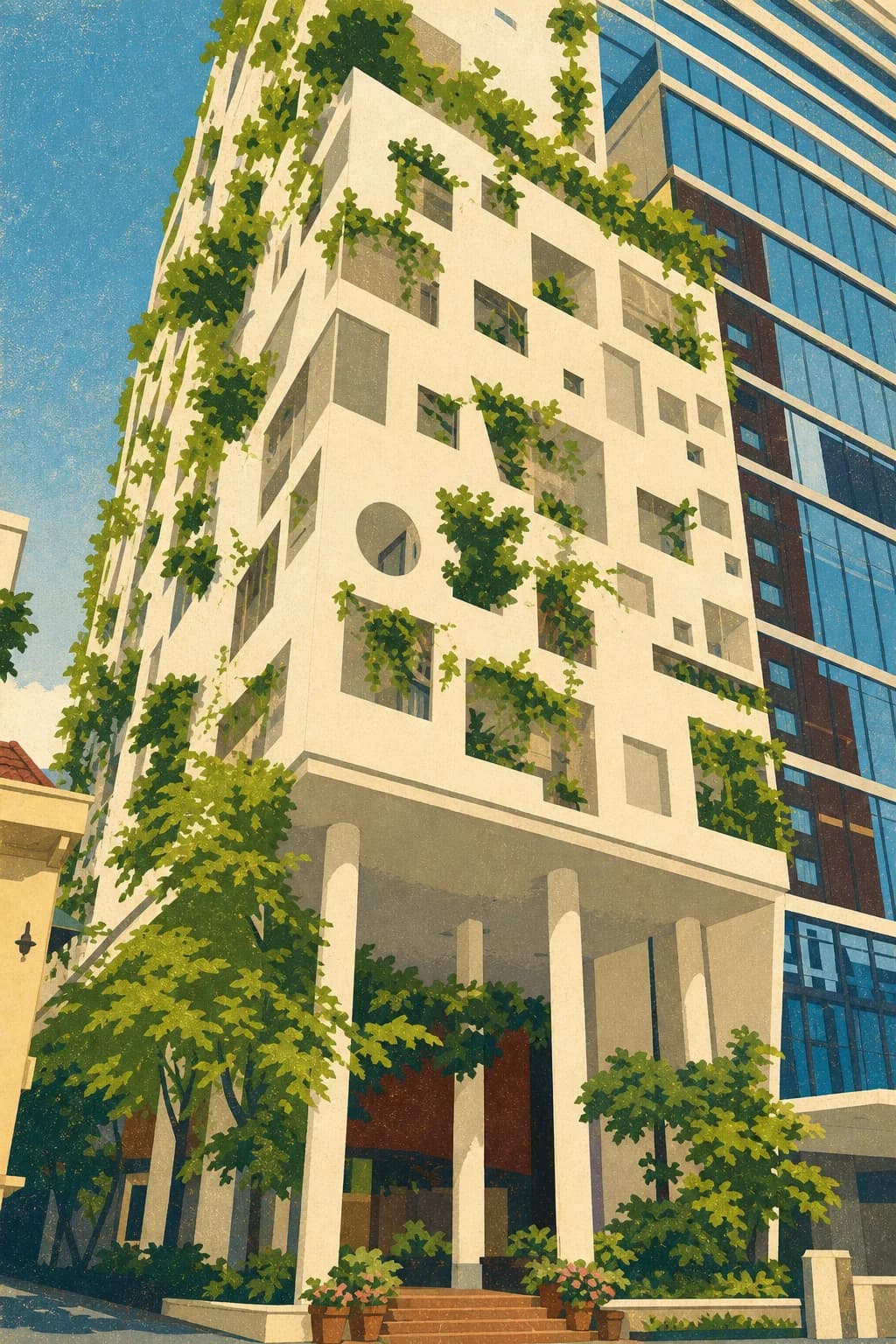
“a modernist tower whose windows and balconies stud the facade in an unusual pattern, while bursting forth with leafy plants.”
record.
The Myst was designed by Vietnamese firm A21 studio and its architect Nguyen Hoa Hiep, who wrapped a modernist tower in asymmetrical balconies that spill vines and bougainvillea, the way old Saigon apartments have always leaned toward the sun.
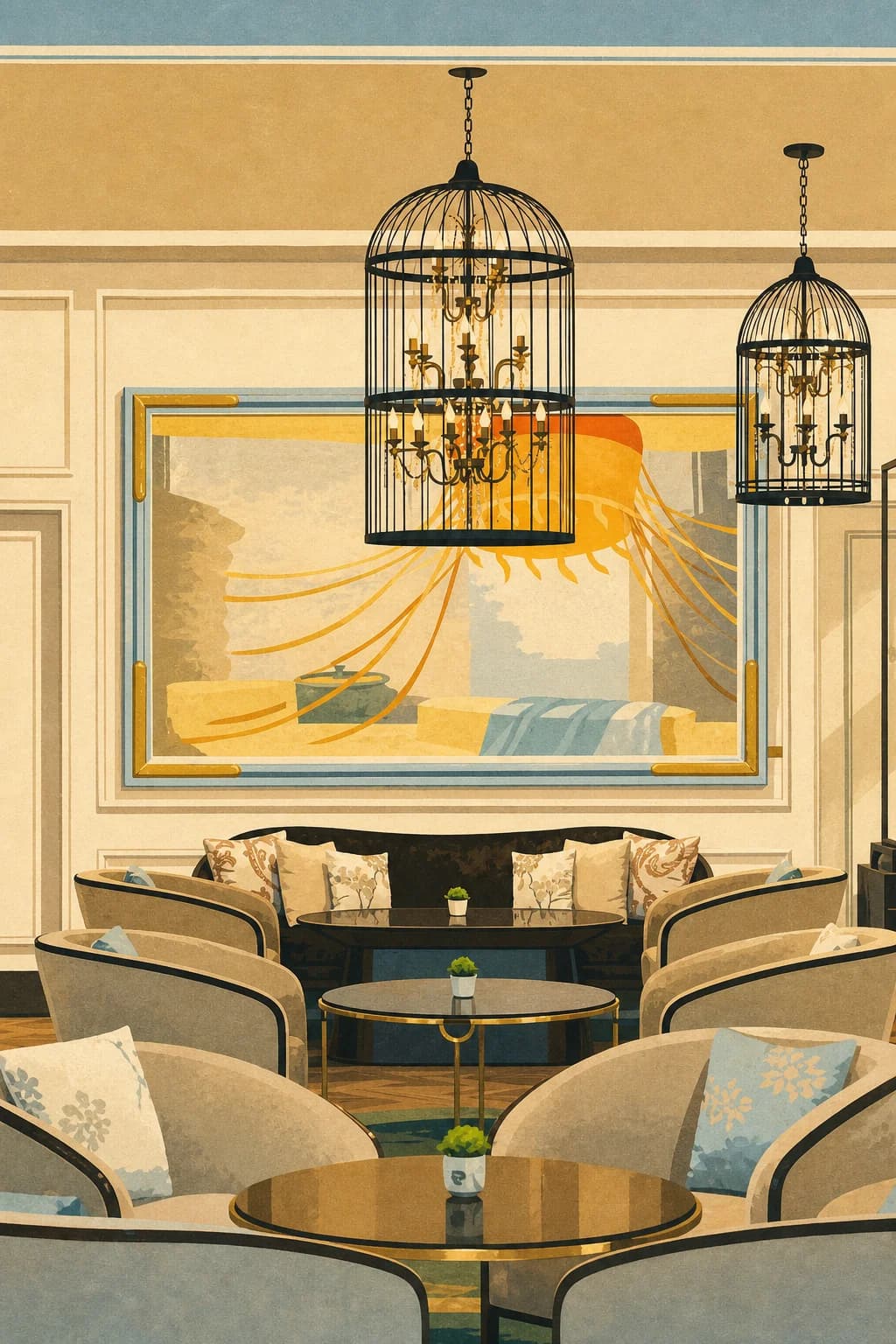
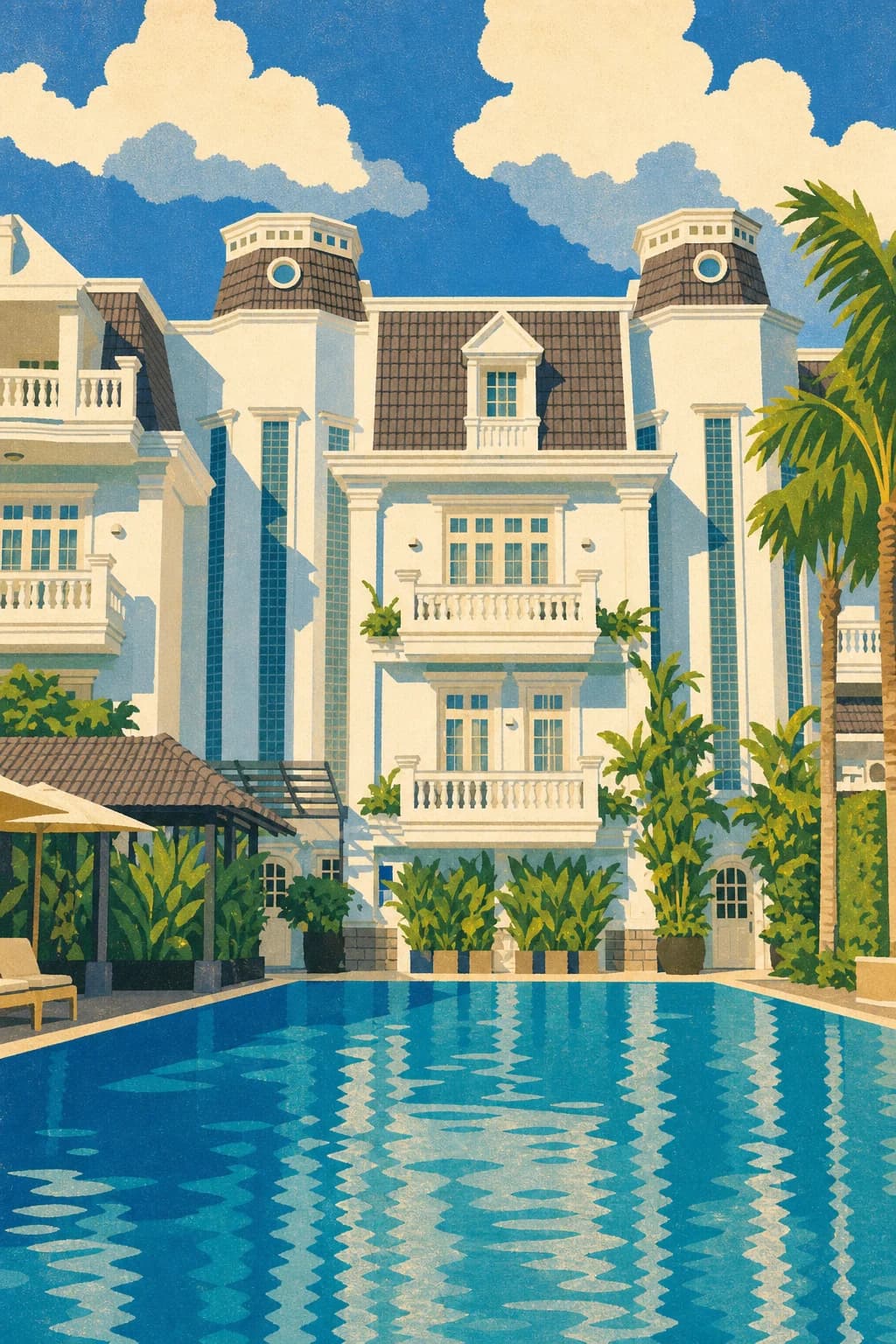
Downstairs, the lobby and outdoor café are assembled from industrial parts salvaged from the demolished 200-year-old Ba Son Shipyard across the river, so you sit among the literal bones of the port city that built this one. Rooms run soft and neutral, each with a balcony bathtub set into its own pocket garden. Up top, a pool and rooftop bar watch the evening traffic braid itself into ribbons of light. It stays bookable. The rooms you actually want do not, not at peak.
changed.
Saigon's demand curve is blunt, and reading it before you book is the difference between the room you wanted and whatever's left. Four months — December through March — sit at the top for a reason: this is the only stretch when the city's heat arrives without the daily monsoon, and it overlaps with Tet, the Lunar New Year that pulls the entire country into motion at once.
December through March is peak, and it fills from the top down. The dry season delivers the conditions everyone wants, which is exactly why the good room categories close first. For the central design hotels or a small Thao Dien boutique in this window, treat four to eight weeks of lead time as your floor and book the better categories immediately.
Tet itself deserves its own strategy. Falling in late January or February, it is the single busiest booking moment of the year — and the strangest on the ground. Many family-run restaurants and shops shut for several days as locals return to their hometowns, and the normally relentless traffic thins to something almost calm. Plan around the closures and it's fascinating; ignore them and it's frustrating.
The shoulders are where the value hides. April and November carry high but not peak demand, buying you dry-season conditions without the Tet surcharge — the sweet spot repeat visitors quietly aim for. This is the window that rewards travelers who know the calendar without paying for the crowd.
September and October are the easiest months of the year to walk into the room you actually wanted: warm, green, quiet, and roughly half the demand of peak.
The long wet season, May through October, cuts demand by about half. Rates and booking friction fall with it. The rain is real but rarely a washout — it arrives as heavy afternoon downpours that clear within an hour or two, leaving mornings and evenings open. There is no closed season in Saigon and no month the city stops working; what changes is the math of getting a bed. Plan the peak months like a competition, the shoulders like a gift, and let the wet season carry the trips where flexibility matters more than sunshine.
approach.
briefing.
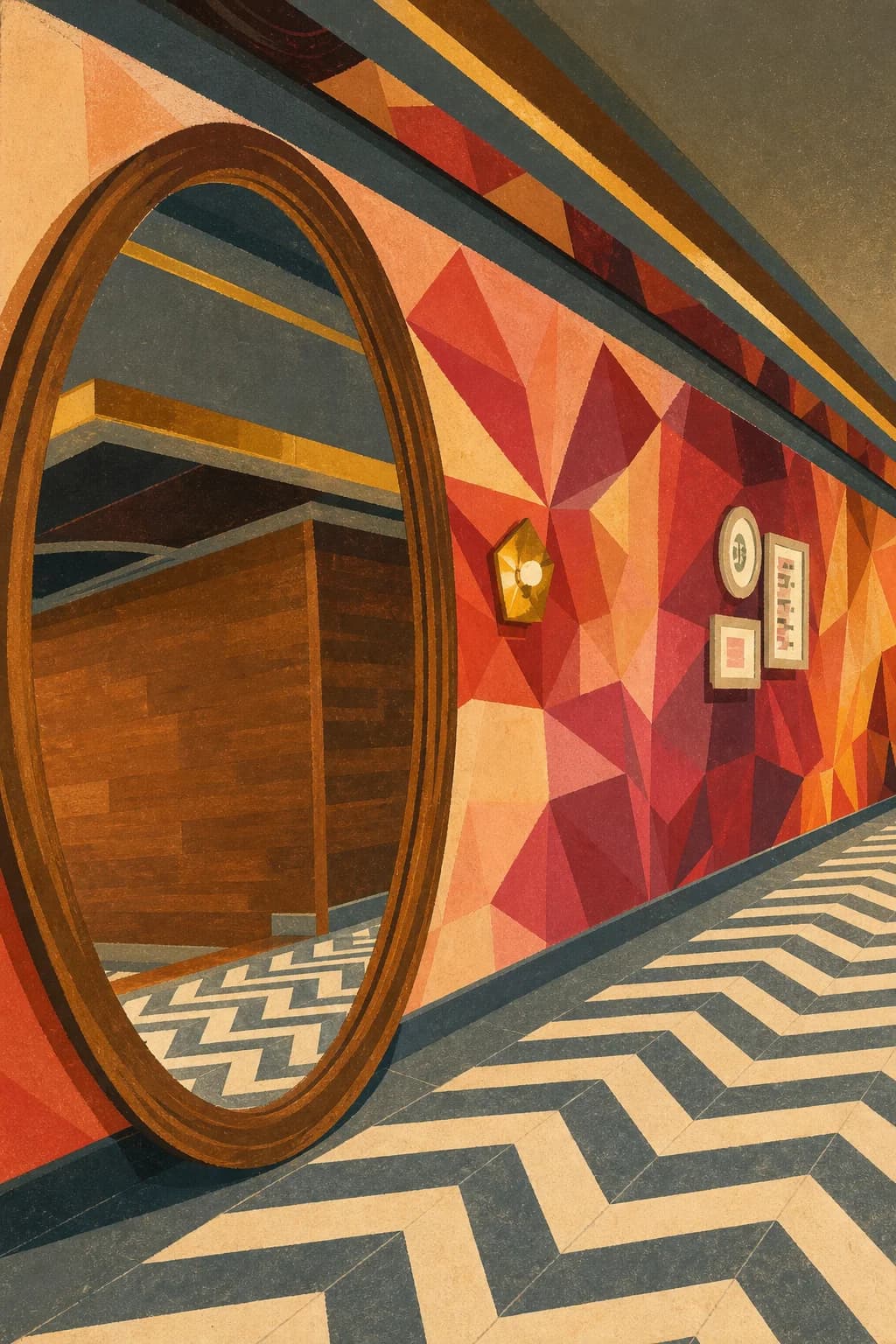
“From its perplexing, asymmetrical exterior to its eccentric and stylish interiors, the Myst is a unique, bold, concept-driven boutique accommodation.”
stands.
demand's going.
The real Instagram following over time, plus where this hotel sits for demand in Ho Chi Minh City. Pick a range, toggle the lines. Followers are reach and demand, not engagement.
assessment.
File closes at MODERATE. Available most of the year, but the corner rooms and suites go early at Tet and dry-season peak. Book direct, aim high, and come for the shipyard-built rooms and balcony bath. Skip it if you need a river view or resort-scale space.
The numbers behind the tiers
The Myst Dong Khoi · SOURCE READINGS · REDACTED- Availability density · sampled
- Monthly search volume · raw
- TikTok hashtag views · raw
- YouTube total views · raw
- TikTok following · latest sweep
- Pinterest saves · latest sweep
More from Ho Chi Minh City.
Get the hotel's Unbookable Score.
Any post or reel with a hotel in it. Booking.com hotel pages work too. One free check, no account needed.