Hotel des Arts
Saigon MGallery.
3 critic reviews
filed.
Mostly, yes. The rooftop pool earns its reputation and the art-filled interiors are a genuine cut above the usual boutique styling. Just know that the standard rooms are good rather than spectacular, and the real magic is in the public spaces and that 24th floor.
Not exactly under the radar; with around 11,000 Instagram followers, the pool photos travel far. But it flies below the big international chains in name recognition, so it feels less obvious than a Park Hyatt or a Reverie, and District 3 keeps it a step off the busiest tourist track.
angles.
The art is the owner's
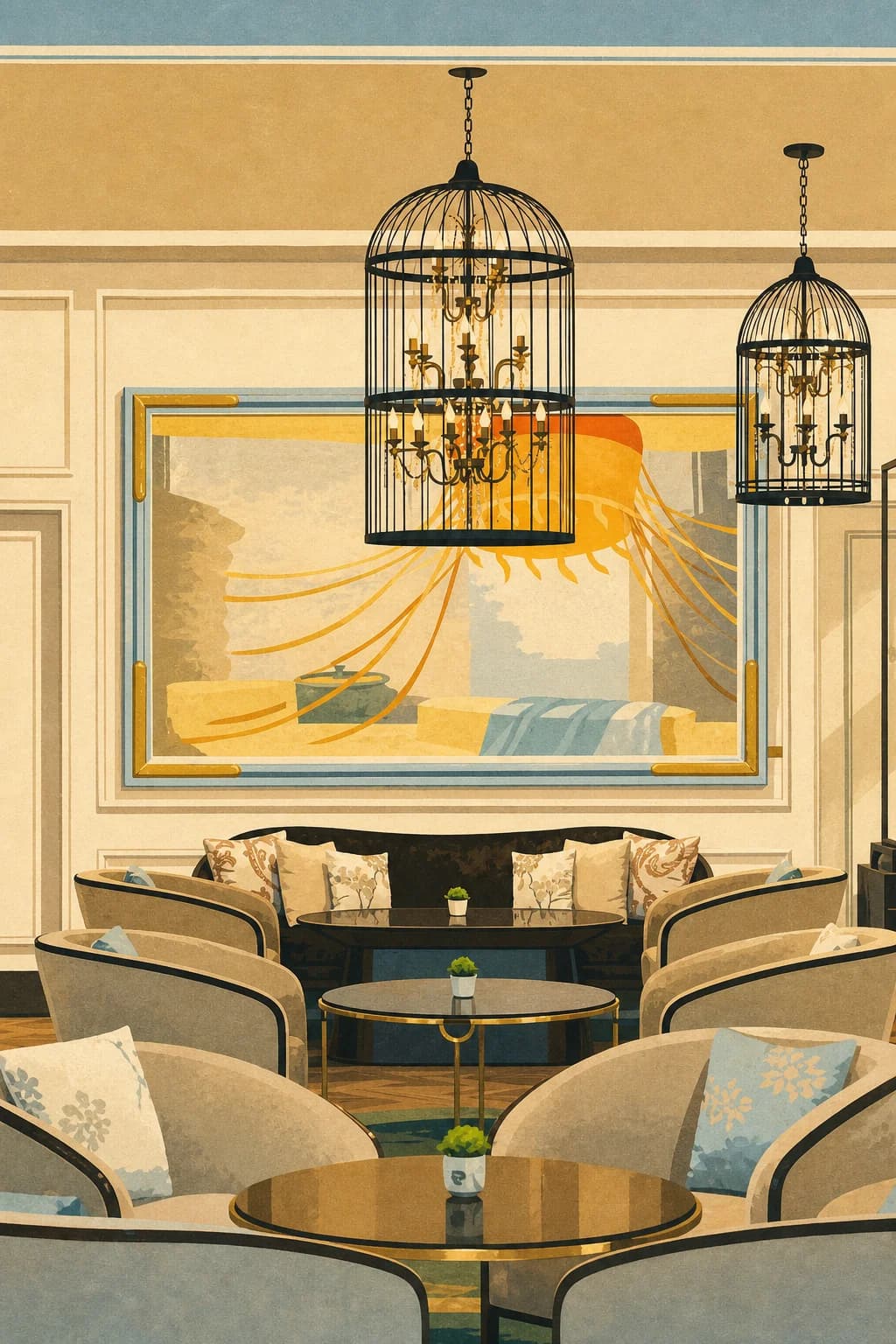
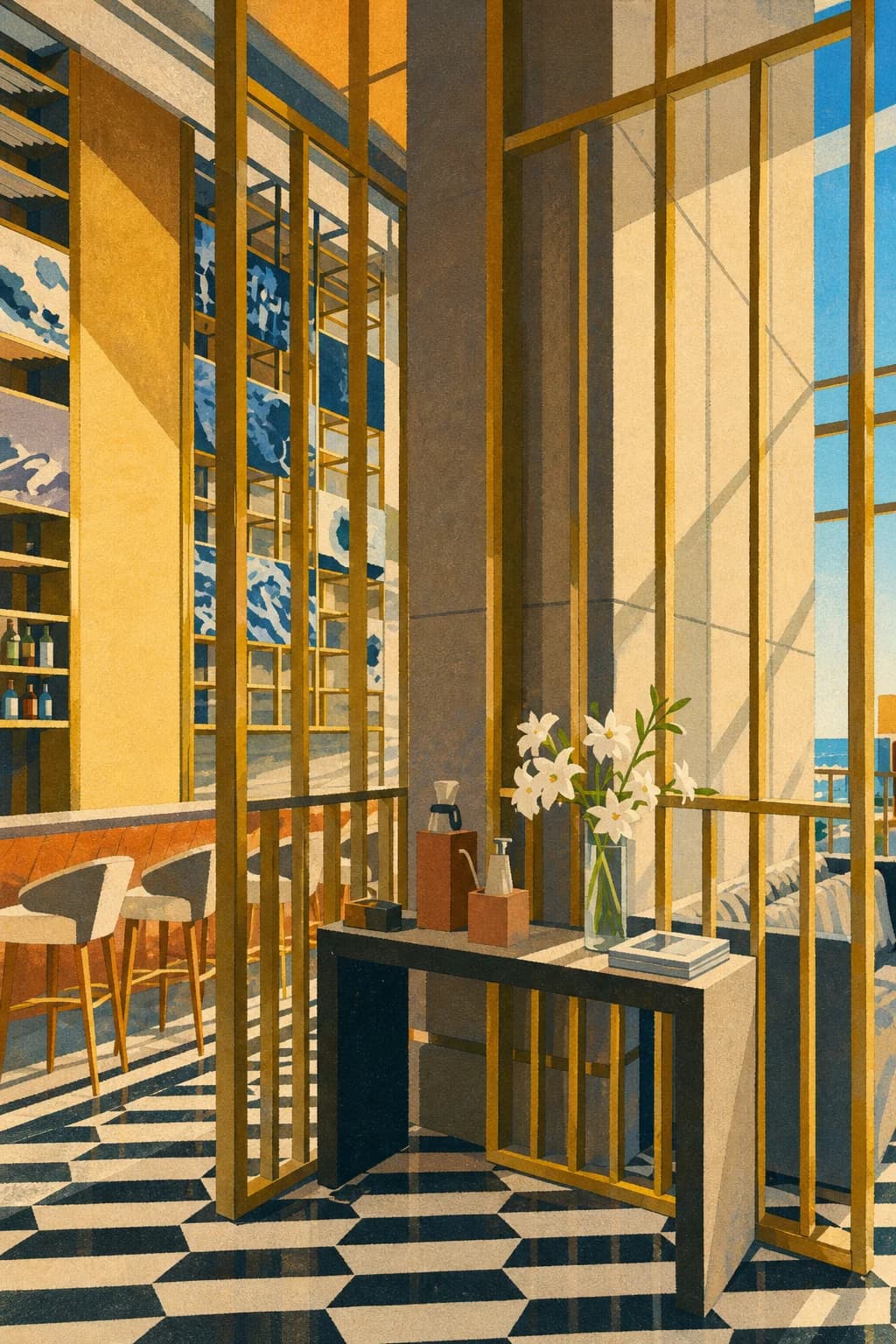
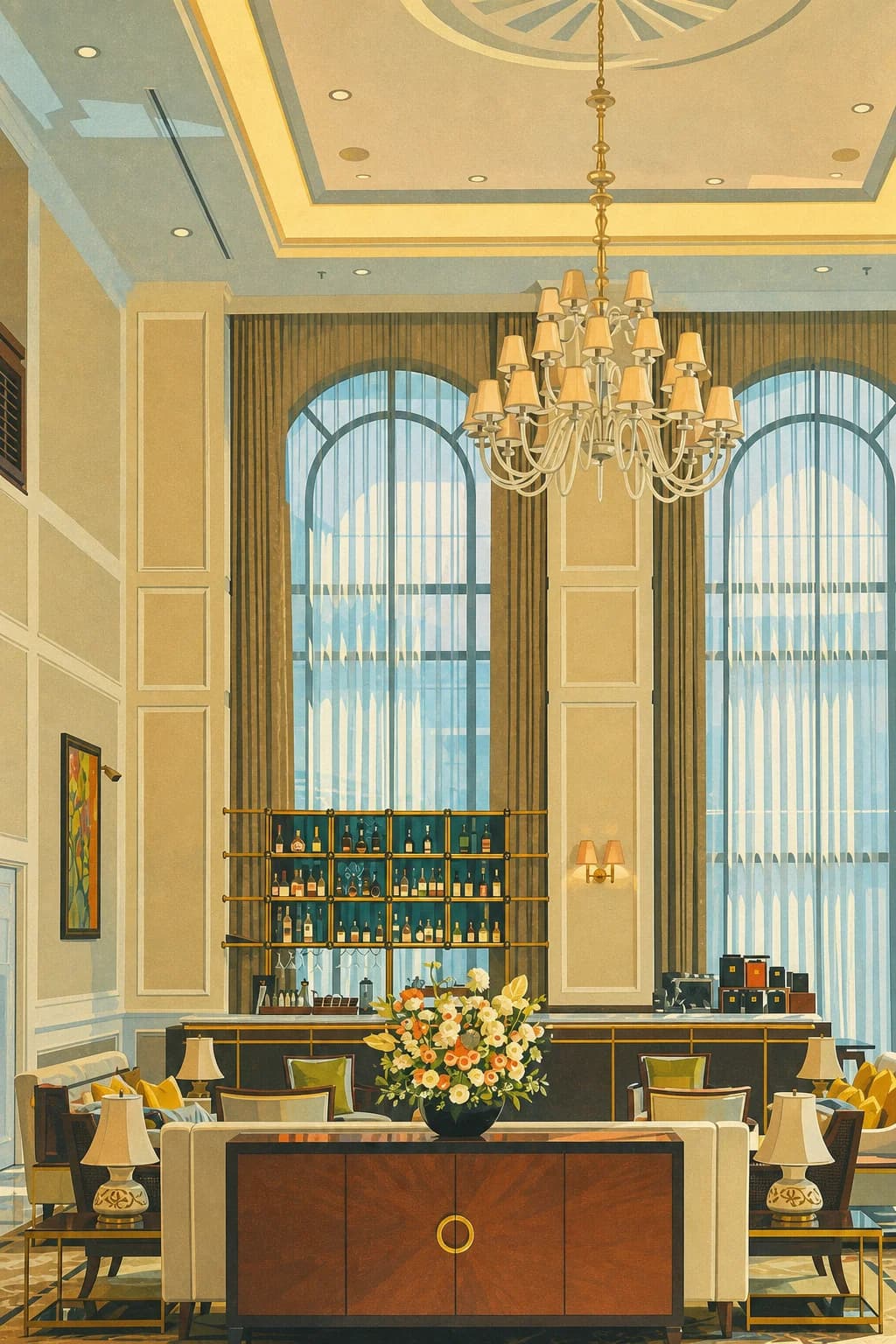
This is not hotel-lobby art bought by the metre. The paintings and antiques are the owner's own collection, and they hang in the corridors, the stairwells, and the rooms, not just the public spaces. Scott Whittaker selected the pieces and shaped the artistic scheme, so the 1930s Indochine theme runs consistently from the Art Deco doorframes to the framed canvases outside your room.
The rooftop does double duty
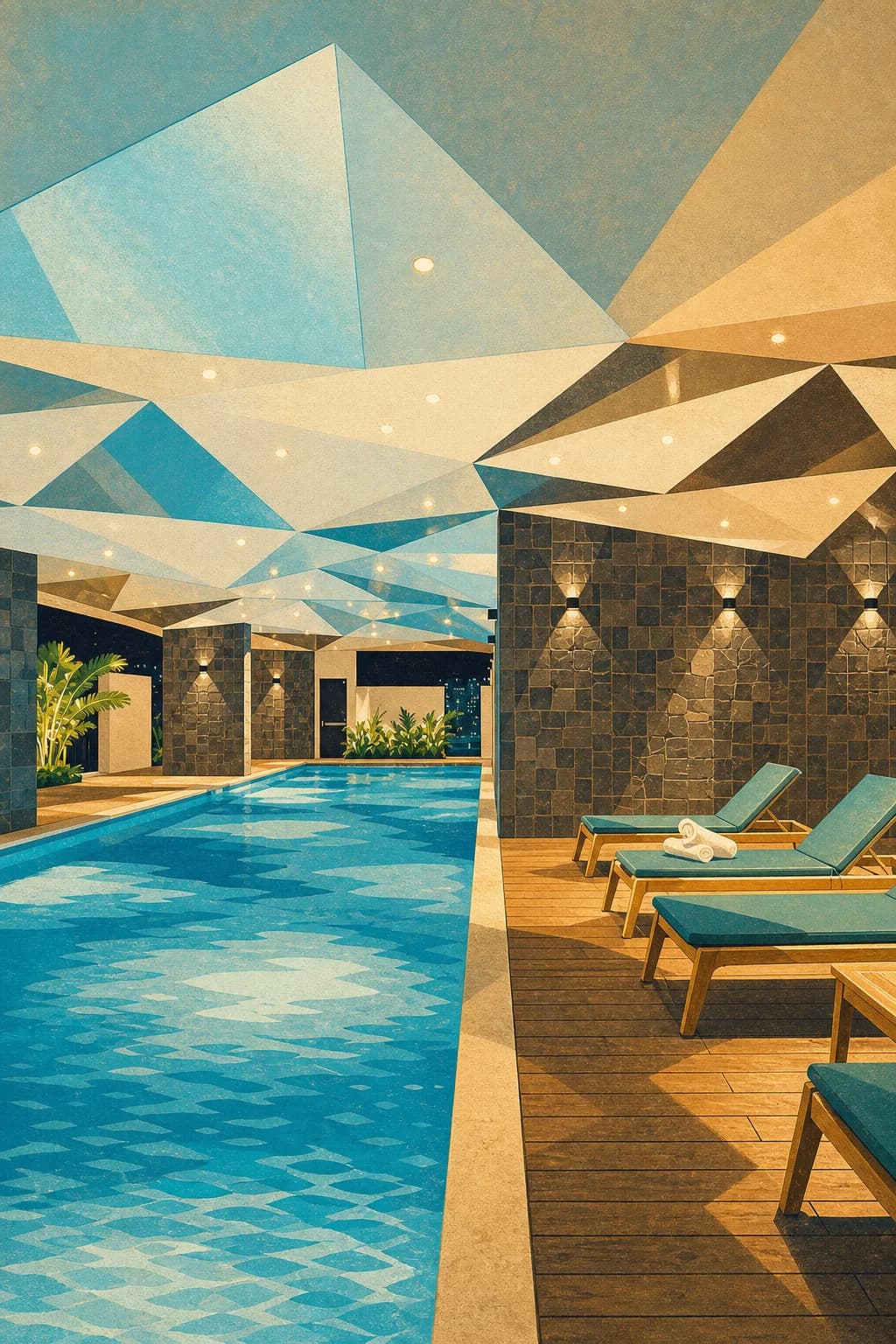
The 24th floor is the draw: an infinity pool that wraps roughly 270 degrees around the skyline, with the Social Club bar beside it running cocktails and DJ sets into the evening. Down below, Café des Beaux-Arts does a piano-scored French afternoon tea, and Saigon Kitchen leans into Asian street-food flavours in a market-styled room. You can eat well without leaving the building, which in this heat matters.
Steps from the old landmarks
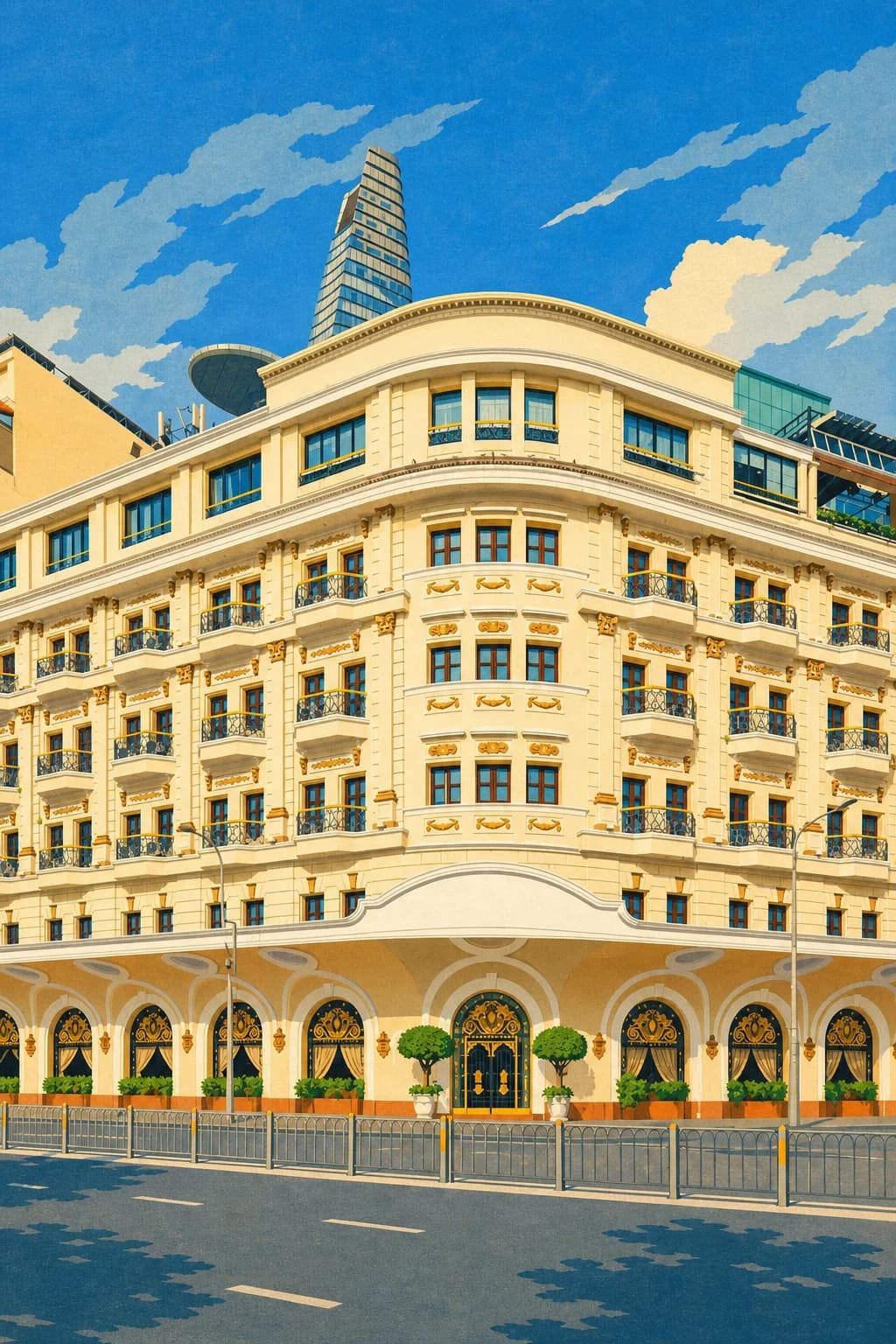
District 3 sits just west of the tourist-heavy District 1 core, close enough to walk to Notre-Dame Cathedral, the Opera House, and the Central Post Office, but with quieter, tree-lined streets and stronger local coffee shops. You get the landmark access without staying inside the busiest blocks. The airport is roughly 30 minutes out, which for Saigon traffic is about as painless as arrivals get.
talk.
mapped.
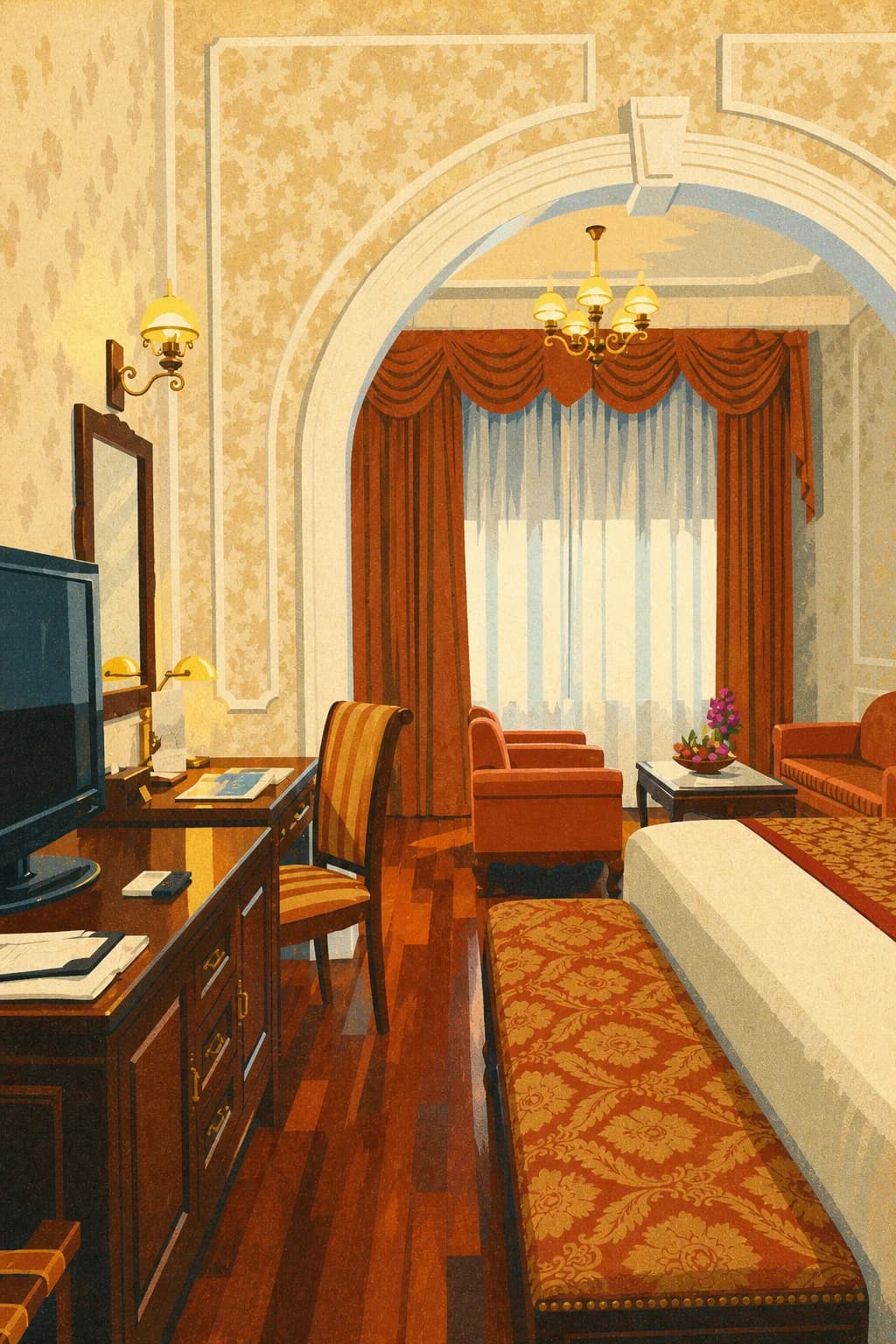
“Spacious Art Deco-inspired rooms and excellent views over historic Ho Chi Minh City cement Hôtel des Arts Saigon's place among the city's growing collection of top-notch luxury hotels.”
record.
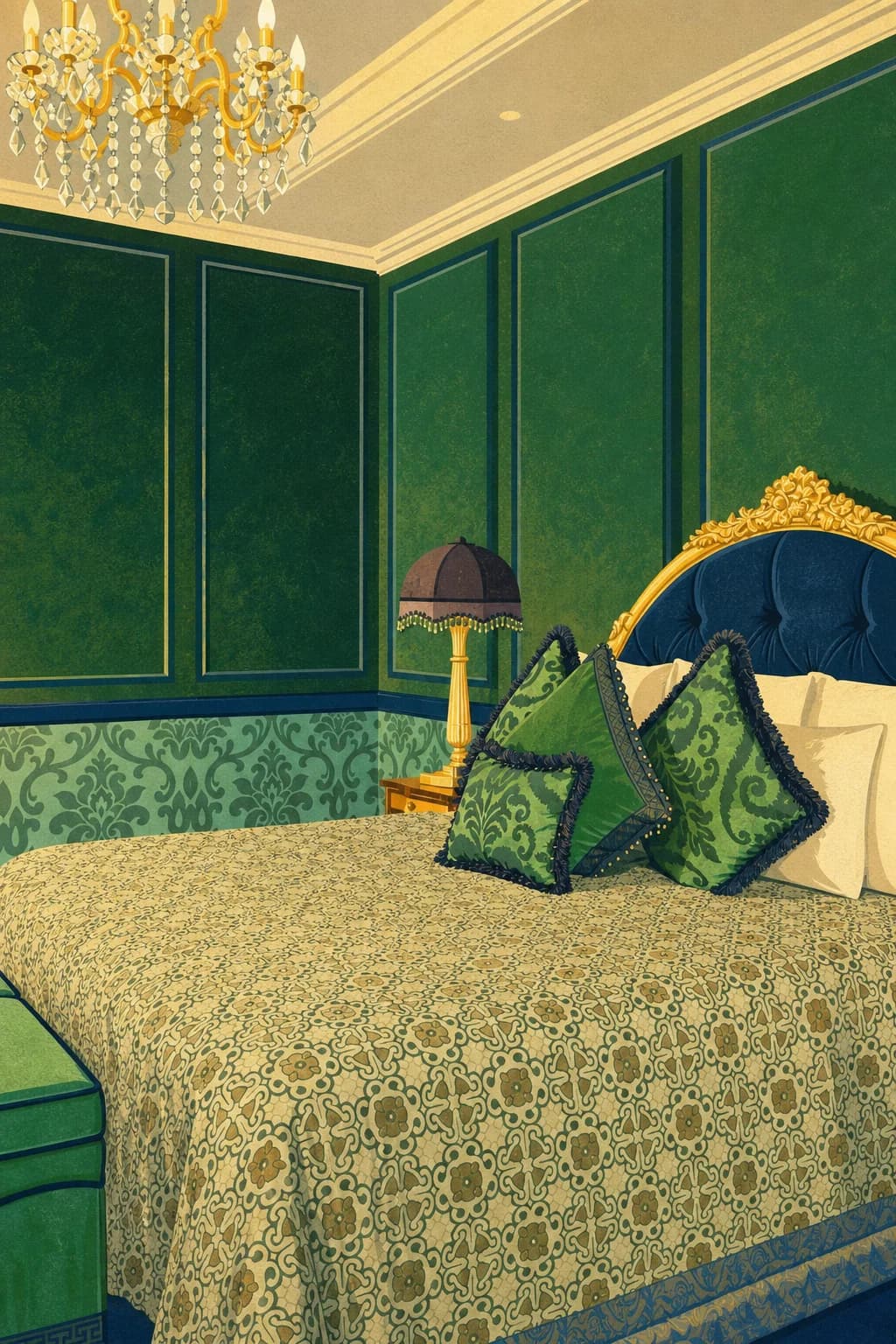
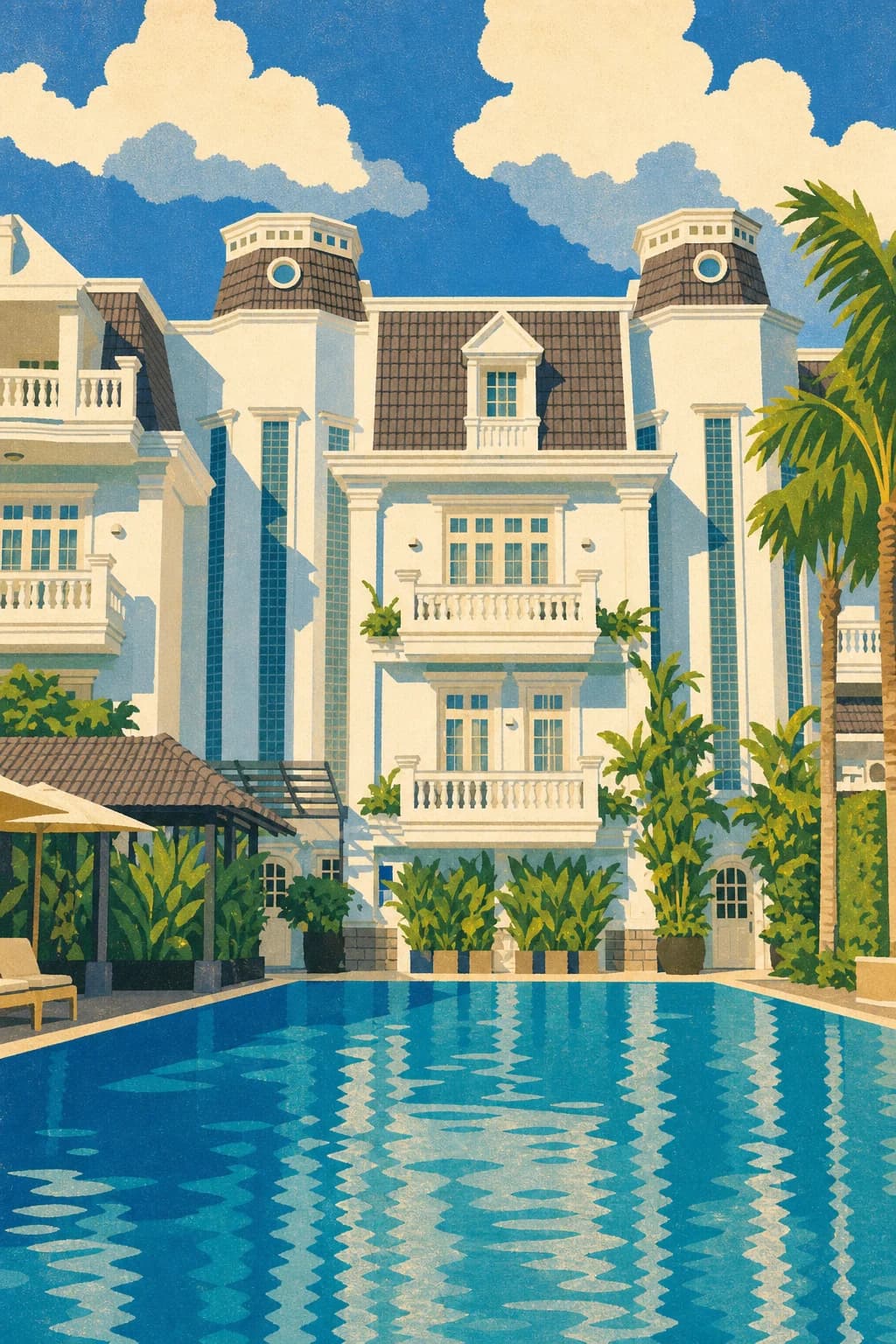
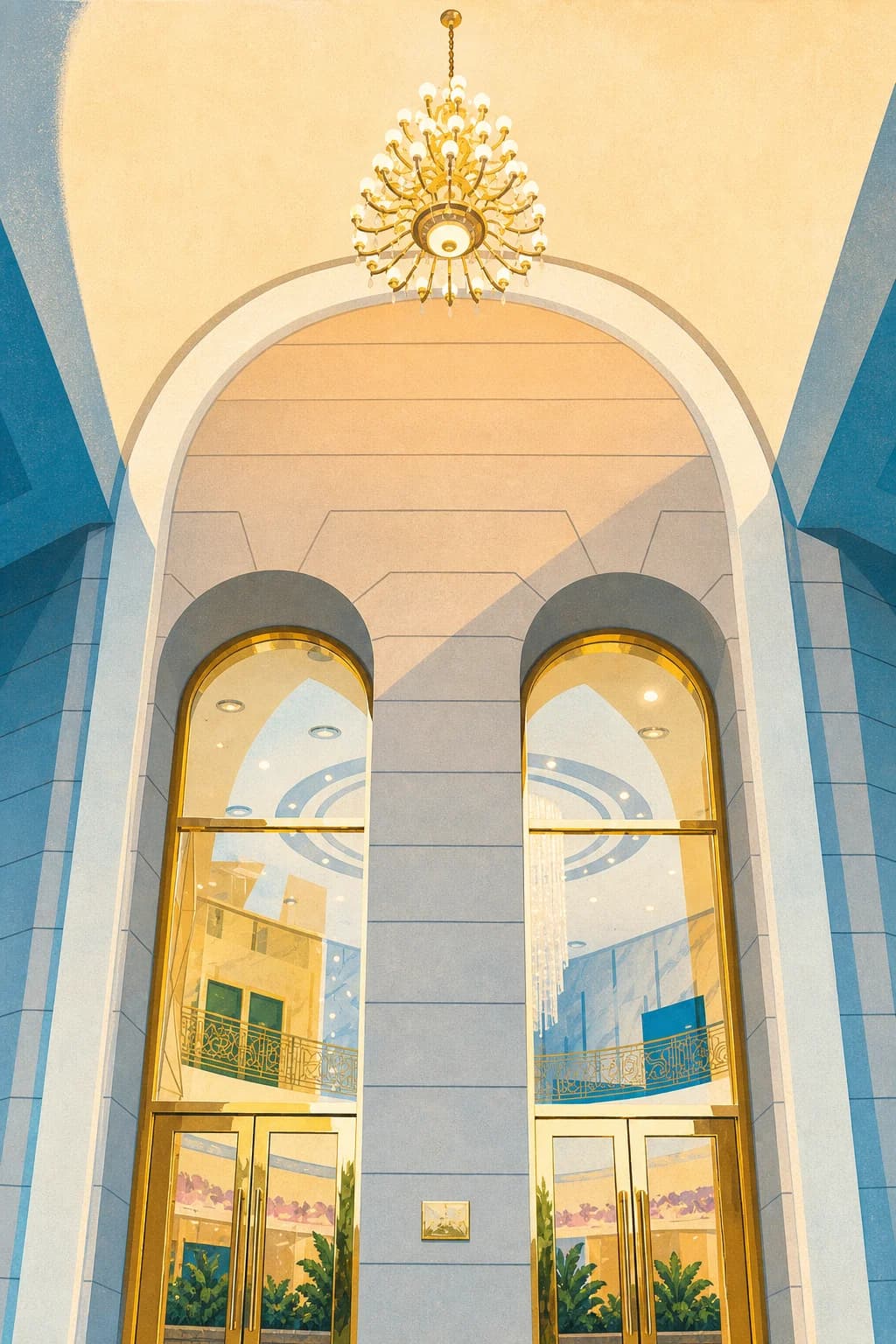
But the pool is the least interesting thing here. Hotel des Arts opened in October 2015 and turned ten in October 2025, and the whole building is a love letter to 1930s Indochine: Art Deco lines, French colonial detailing, and the owner's personal collection of paintings and antiques hung down every corridor.
Scott Whittaker shaped the artistic design and chose the art; Toan Cau R Vietnam and DWP Vietnam handled the architecture and interiors. The result reads less like a boutique hotel and more like a period reconstruction you happen to sleep inside. It sits in District 3, walking distance from the cathedral and the Opera House. It stays available, but rooms tighten at peak, so plan ahead.
changed.
Saigon's demand curve is blunt, and reading it before you book is the difference between the room you wanted and whatever's left. Four months — December through March — sit at the top for a reason: this is the only stretch when the city's heat arrives without the daily monsoon, and it overlaps with Tet, the Lunar New Year that pulls the entire country into motion at once.
December through March is peak, and it fills from the top down. The dry season delivers the conditions everyone wants, which is exactly why the good room categories close first. For the central design hotels or a small Thao Dien boutique in this window, treat four to eight weeks of lead time as your floor and book the better categories immediately.
Tet itself deserves its own strategy. Falling in late January or February, it is the single busiest booking moment of the year — and the strangest on the ground. Many family-run restaurants and shops shut for several days as locals return to their hometowns, and the normally relentless traffic thins to something almost calm. Plan around the closures and it's fascinating; ignore them and it's frustrating.
The shoulders are where the value hides. April and November carry high but not peak demand, buying you dry-season conditions without the Tet surcharge — the sweet spot repeat visitors quietly aim for. This is the window that rewards travelers who know the calendar without paying for the crowd.
September and October are the easiest months of the year to walk into the room you actually wanted: warm, green, quiet, and roughly half the demand of peak.
The long wet season, May through October, cuts demand by about half. Rates and booking friction fall with it. The rain is real but rarely a washout — it arrives as heavy afternoon downpours that clear within an hour or two, leaving mornings and evenings open. There is no closed season in Saigon and no month the city stops working; what changes is the math of getting a bed. Plan the peak months like a competition, the shoulders like a gift, and let the wet season carry the trips where flexibility matters more than sunshine.
approach.
briefing.
“While MGallery hotels in Vietnam are mostly flamboyant affairs, Hotel Des Arts Saigon has opted for a more subdued feel - and it works well.”
stands.
demand's going.
The real Instagram following over time, plus where this hotel sits for demand in Ho Chi Minh City. Pick a range, toggle the lines. Followers are reach and demand, not engagement.
assessment.
File closes at MODERATE. It stays bookable most of the year, so this is a plan-ahead-at-peak stay, not a scramble. Book it if you want Art Deco character and that rooftop pool; skip it if you need resort-scale space or a quiet high-floor retreat.
The numbers behind the tiers
Hotel des Arts Saigon MGallery · SOURCE READINGS · REDACTED- Availability density · sampled
- Monthly search volume · raw
- TikTok hashtag views · raw
- YouTube total views · raw
- TikTok following · latest sweep
- Pinterest saves · latest sweep
More from Ho Chi Minh City.
Get the hotel's Unbookable Score.
Any post or reel with a hotel in it. Booking.com hotel pages work too. One free check, no account needed.