Vinpearl Landmark 81,
Autograph Collection.
3 critic reviews
filed.
Mostly, yes. The height is genuine and the views are the real product; on a clear evening nothing in Ho Chi Minh City touches it. Just go in knowing you are paying for altitude and glass more than for a great neighbourhood at street level.
Not really. It sits inside the most recognisable building in the country and carries a global brand, so nobody is stumbling on it by accident. The quieter surprise is how contemporary and genuinely Vietnamese the interiors feel, rather than the generic tower-hotel look you might expect.
angles.
Rooms Begin Where Others End
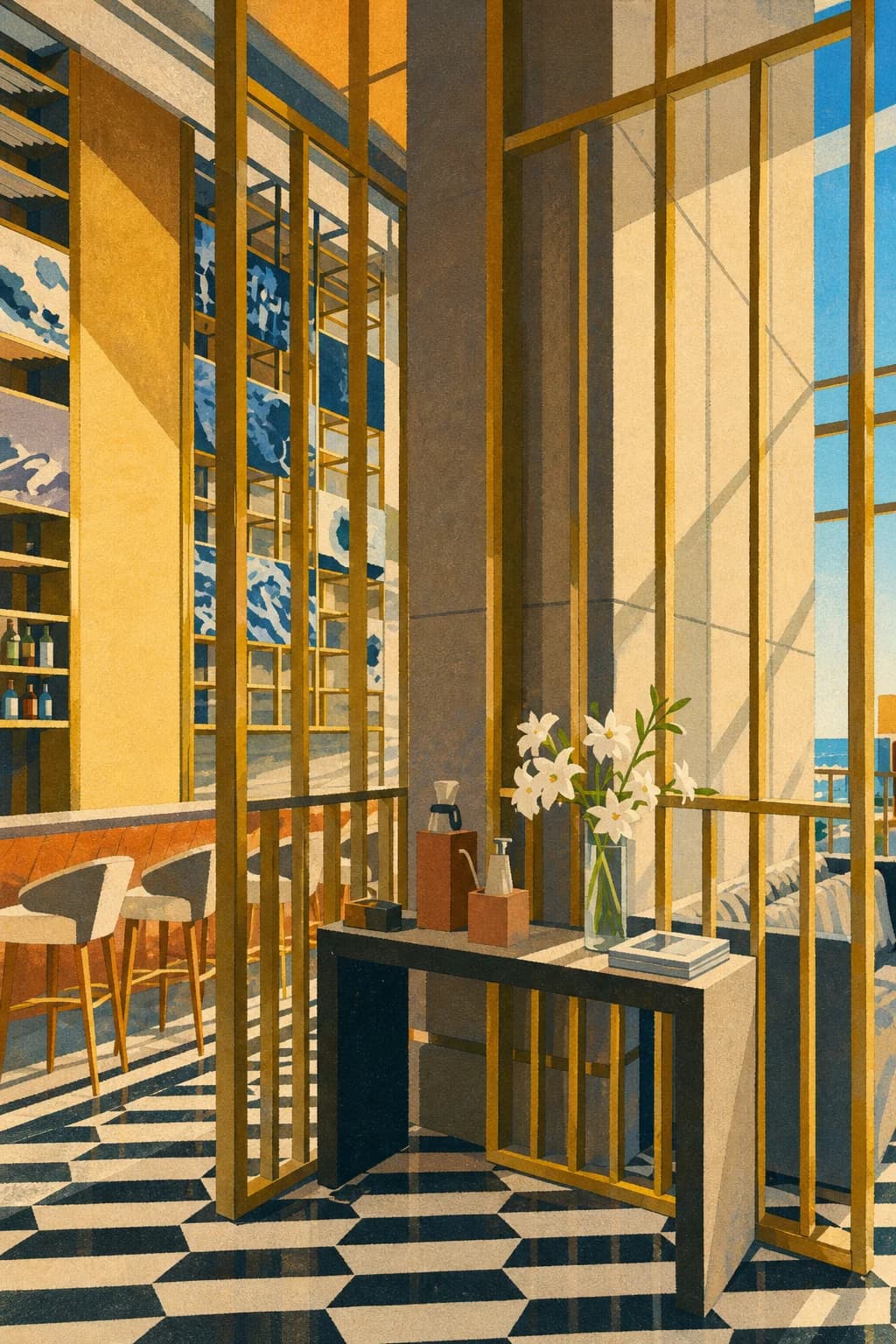
The tower was designed by British firm Atkins, and the hotel occupies floors 47 to 71, so your room starts where most skyscrapers stop. Floor-to-ceiling windows run the length of each room, framing the Saigon River and a grid of motorbike-lit streets. Interiors favour contemporary Vietnamese design and local craft over standard-issue luxury, with window-side armchairs positioned for the view.
Buffet Views From Floor 66
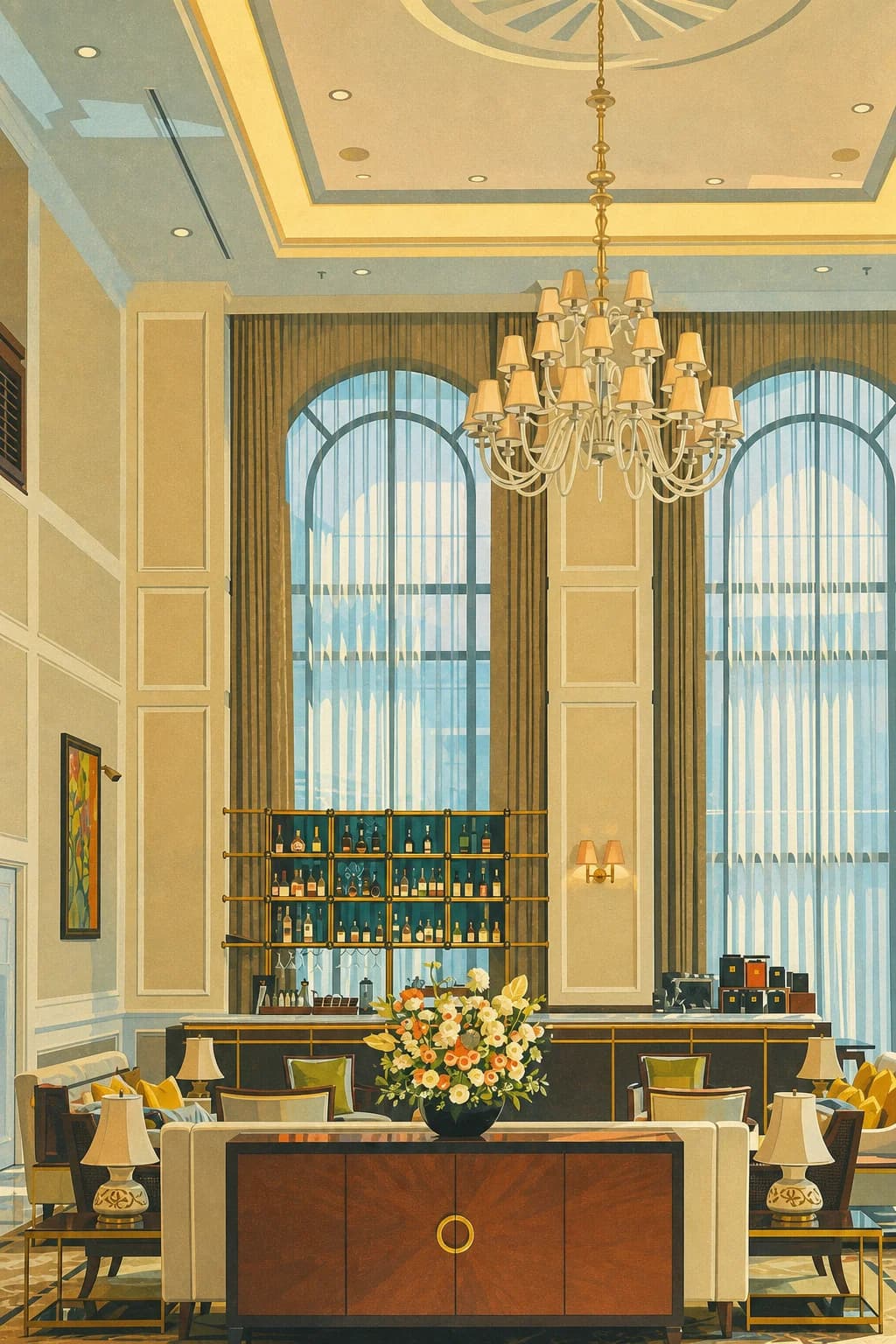
Oriental Pearl sits on the 66th floor, an international buffet where the draw is as much the drop below as the spread in front of you. Lower down, the lobby lounge on the 48th floor pours coffee and cocktails against the same wall of glass, and the Cloud Lounge handles the after-dark crowd. Come hungry at sunset, when the city switches from haze to neon.
Binh Thanh, Not District 1
The hotel anchors the Binh Thanh riverside, a short hop from the tourist churn of District 1 rather than inside it. Below the tower sits a large shopping and entertainment complex, so dinner, a cinema and a supermarket are all a lift ride away. The airport, SGN, is about 30 minutes out when traffic behaves, which in Saigon is never a guarantee.
talk.
mapped.
“Vietnam's latest landmark hotel destination with contemporary offerings that appeal to both leisure and business travellers.”
record.
The hotel inside it fills fast when Saigon does, and now you know why. British firm Atkins designed the tower; the Autograph Collection hotel opened on 21 September 2022, taking floors 47 through 71, its 223 rooms wrapped in floor-to-ceiling glass.
Step out of the lift and the city turns into a circuit board far below, the Saigon River bending gold at sunset. Interiors lean into contemporary Vietnamese craft rather than generic five-star gloss: lacquer tones, local art, window-side armchairs angled at the one thing you came for. This was the Vietnam debut of Marriott's Autograph brand, and it plays the altitude for everything it is worth. When the city gets busy, the high floors go first, so plan ahead.
changed.
Saigon's demand curve is blunt, and reading it before you book is the difference between the room you wanted and whatever's left. Four months — December through March — sit at the top for a reason: this is the only stretch when the city's heat arrives without the daily monsoon, and it overlaps with Tet, the Lunar New Year that pulls the entire country into motion at once.
December through March is peak, and it fills from the top down. The dry season delivers the conditions everyone wants, which is exactly why the good room categories close first. For the central design hotels or a small Thao Dien boutique in this window, treat four to eight weeks of lead time as your floor and book the better categories immediately.
Tet itself deserves its own strategy. Falling in late January or February, it is the single busiest booking moment of the year — and the strangest on the ground. Many family-run restaurants and shops shut for several days as locals return to their hometowns, and the normally relentless traffic thins to something almost calm. Plan around the closures and it's fascinating; ignore them and it's frustrating.
The shoulders are where the value hides. April and November carry high but not peak demand, buying you dry-season conditions without the Tet surcharge — the sweet spot repeat visitors quietly aim for. This is the window that rewards travelers who know the calendar without paying for the crowd.
September and October are the easiest months of the year to walk into the room you actually wanted: warm, green, quiet, and roughly half the demand of peak.
The long wet season, May through October, cuts demand by about half. Rates and booking friction fall with it. The rain is real but rarely a washout — it arrives as heavy afternoon downpours that clear within an hour or two, leaving mornings and evenings open. There is no closed season in Saigon and no month the city stops working; what changes is the math of getting a bed. Plan the peak months like a competition, the shoulders like a gift, and let the wet season carry the trips where flexibility matters more than sunshine.
approach.
briefing.
“Sitting in a comfortable chair facing the floor-to-ceiling window, I have taken in the view in daylight and darkness.”
stands.
demand's going.
The real Instagram following over time, plus where this hotel sits for demand in Ho Chi Minh City. Pick a range, toggle the lines. Followers are reach and demand, not engagement.
assessment.
File closes at MODERATE. Available to book, but the high floors and river views thin out fast at peak. Book direct, plan a few months ahead for Tet and year-end, and insist on a river-facing room. Skip it if a walkable front door matters more to you than the altitude.
The numbers behind the tiers
Vinpearl Landmark 81, Autograph Collection · SOURCE READINGS · REDACTED- Availability density · sampled
- Monthly search volume · raw
- TikTok hashtag views · raw
- YouTube total views · raw
- TikTok following · latest sweep
- Pinterest saves · latest sweep
More from Ho Chi Minh City.
Get the hotel's Unbookable Score.
Any post or reel with a hotel in it. Booking.com hotel pages work too. One free check, no account needed.