Amanaki Thao
Dien.
1 critic review
filed.
If the hype is "a boutique that takes art seriously without turning stiff," it holds up. The rooms are genuinely comfortable and the neighbourhood is the best part of the deal. Just know the appeal is atmosphere and calm, not proximity to downtown sights.
Fairly under-the-radar for international travellers, who default to the District 1 towers. It has real design credibility and a small, quiet footprint, so it reads more like a local secret than a hidden gem the whole internet has found. Thao Dien regulars already know it.
angles.
Art On Every Wall
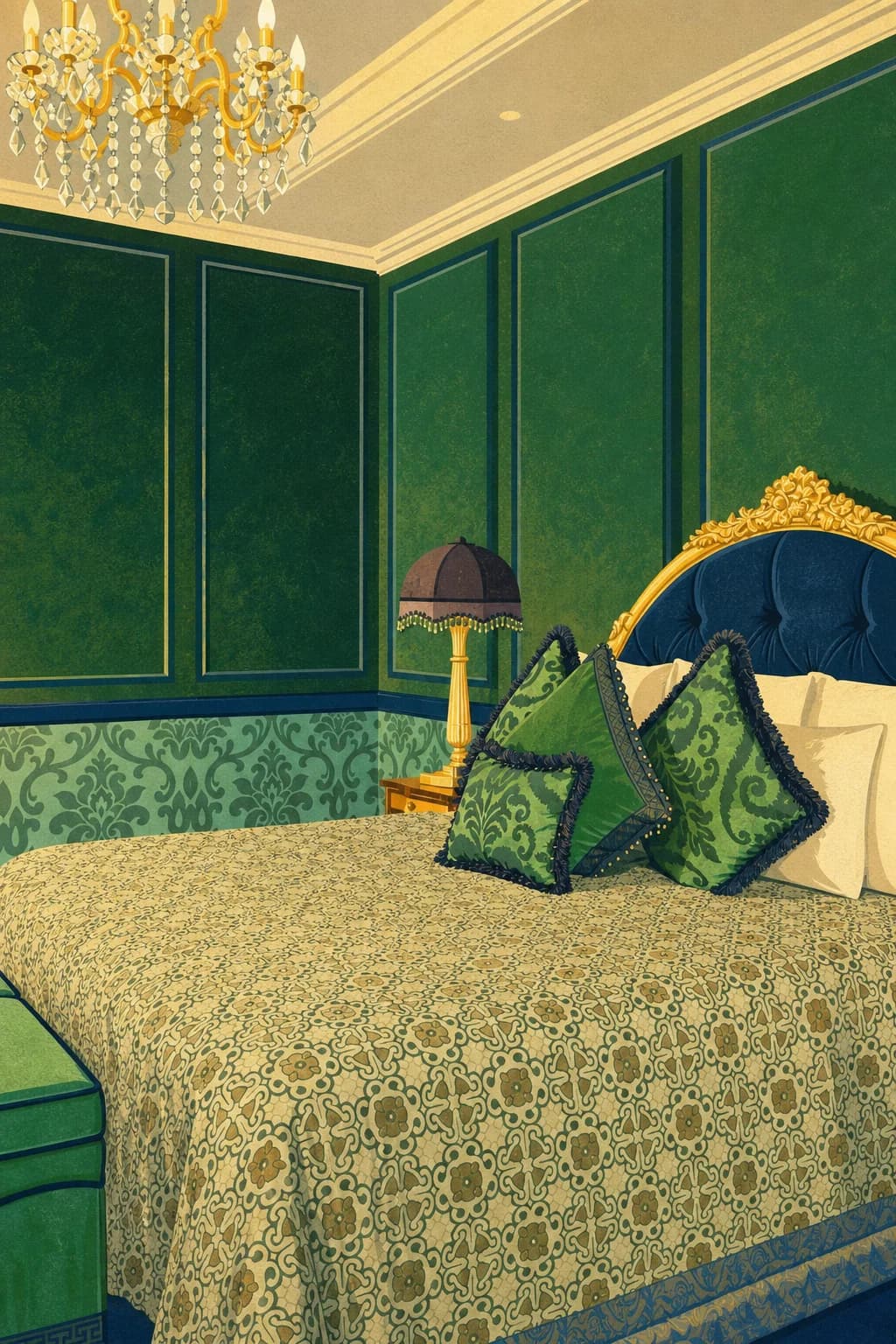
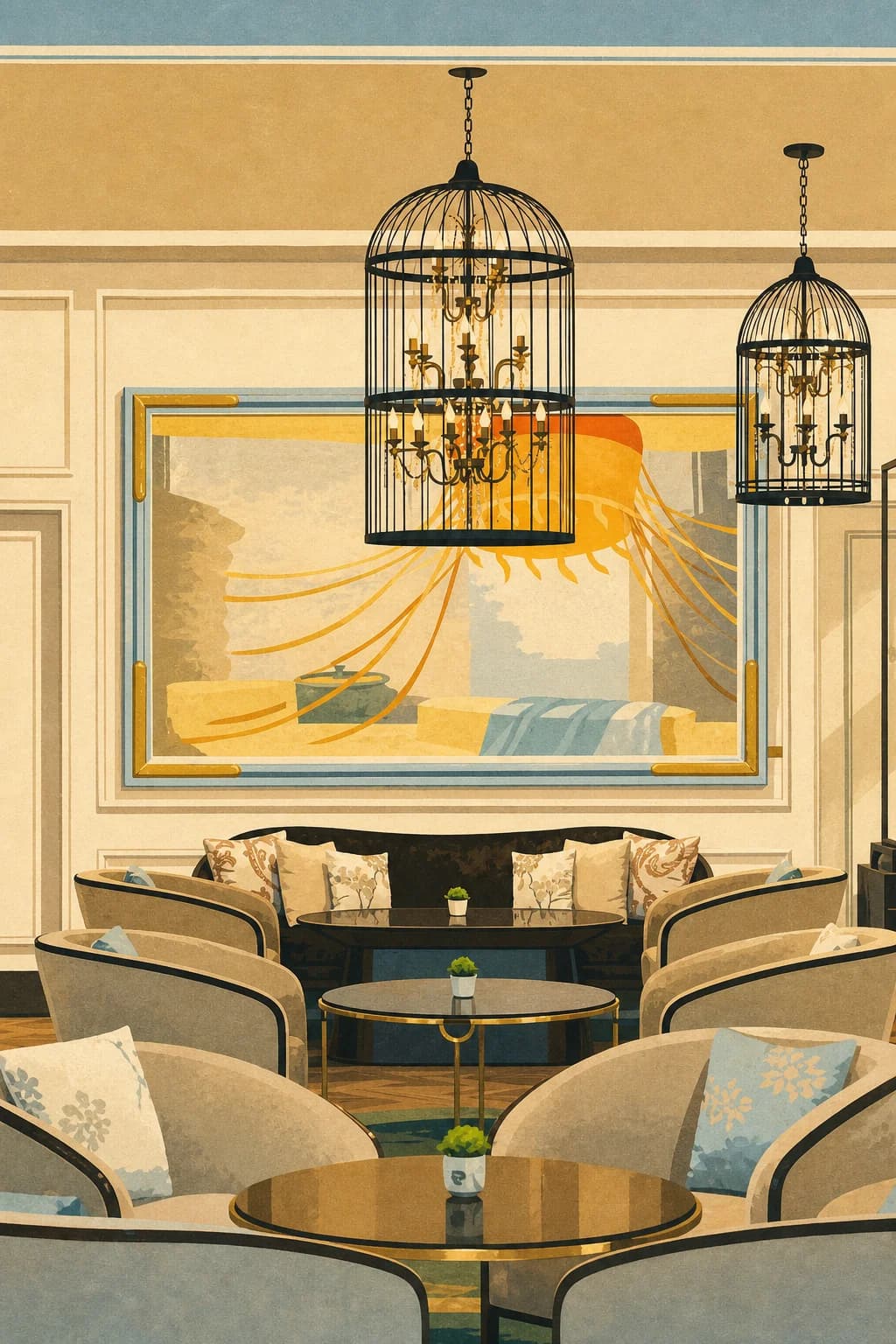
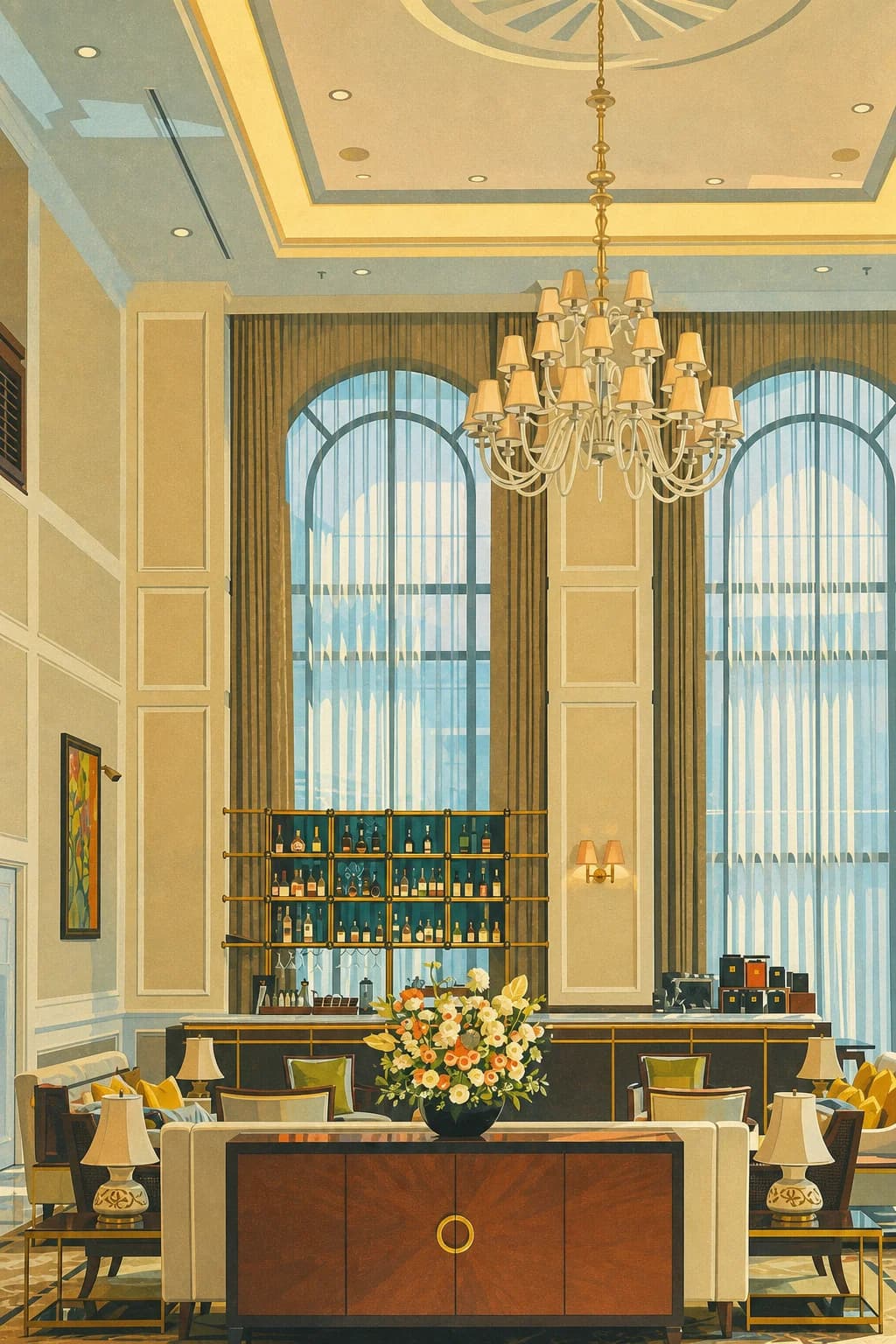
The lobby reads like a small museum and the theme never lets up. Bien Hoa pottery, hand-carved wood, and paintings by local artists fill the halls, with recycled timber from demolished Western villas rebuilt into furniture. Forbes Travel Guide singled out the curated art collection running across all 29 rooms. Up on the seventh floor, an exhibition space rotates work you can take in over a coffee.
Thao Dien Does The Work
Thao Dien sits along the Saigon River, a green, walkable enclave of independent cafes, international restaurants, wine bars, and boutiques that feels a world away from District 1's traffic. You can fill a whole day here without a taxi. It also makes an easy base: the airport runs about 30 minutes out, and the city centre is a short ride back across the river when you want the noise.
Wellness Without The Sermon
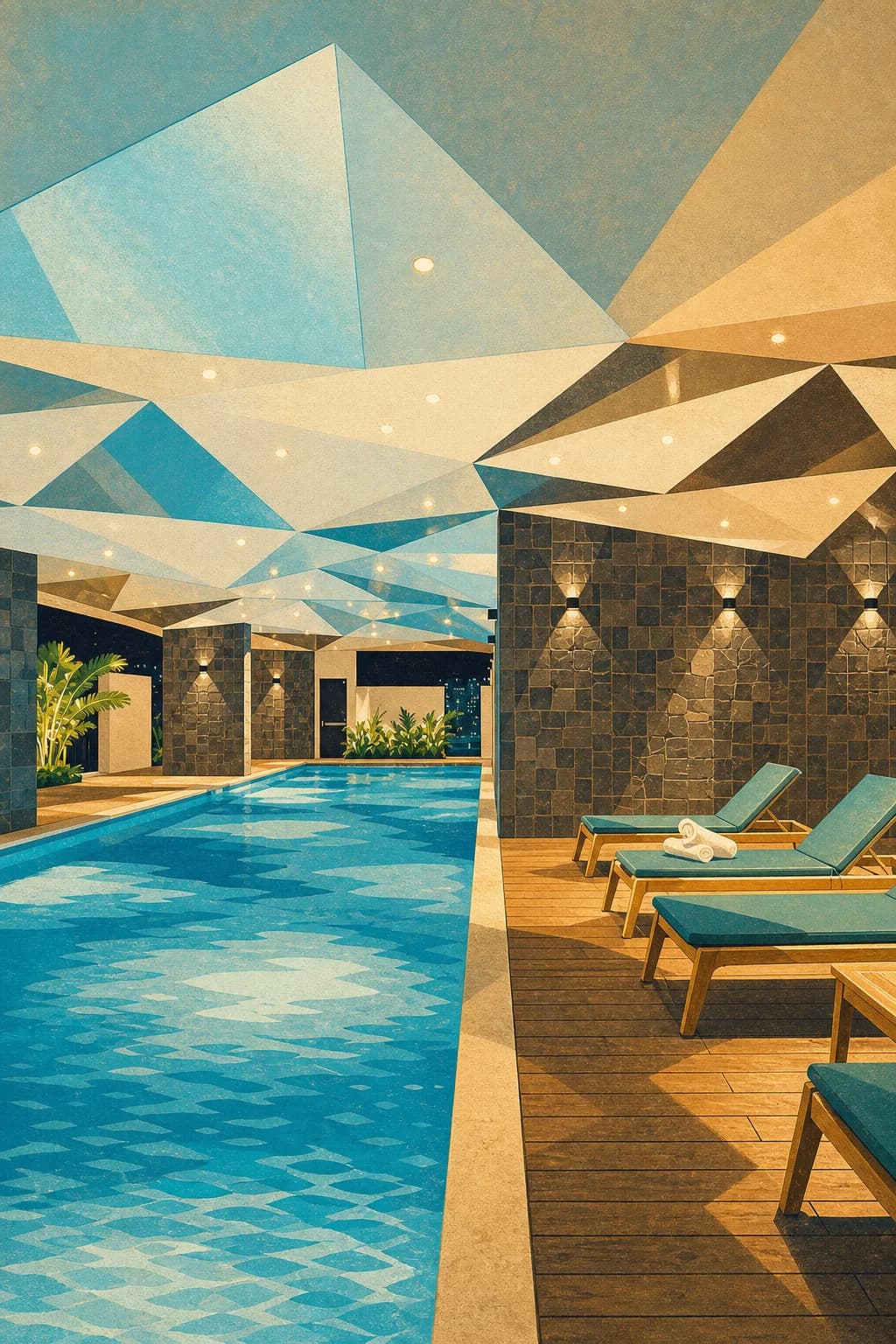
Amanaki means hope, and the property builds around balance rather than a spa upsell. There is a rooftop pool for the heat, a spa for the aftermath of Saigon's pavements, and a calm that guests keep flagging. Travellive, a Vietnamese travel magazine, ran a 2024 feature framing it as one of the city's quieter corners. This is a place to decompress, not just to crash.
talk.
mapped.
“Set within Ho Chi Minh City's trendy Thao Dien neighborhood, the boutique beauty with a black and white facade draws inspiration from its cosmopolitan surroundings.”
record.
This one refuses. Amanaki Thao Dien is a 29-room boutique behind a black-and-white facade in Thao Dien, the riverside pocket that draws Saigon's designers, expats, and long-lunch crowd. Inside, it runs on art: Bien Hoa ceramics, hand-carved wood, recycled timber pulled from old Western villas, and canvases by Vietnamese painters across nearly every wall.
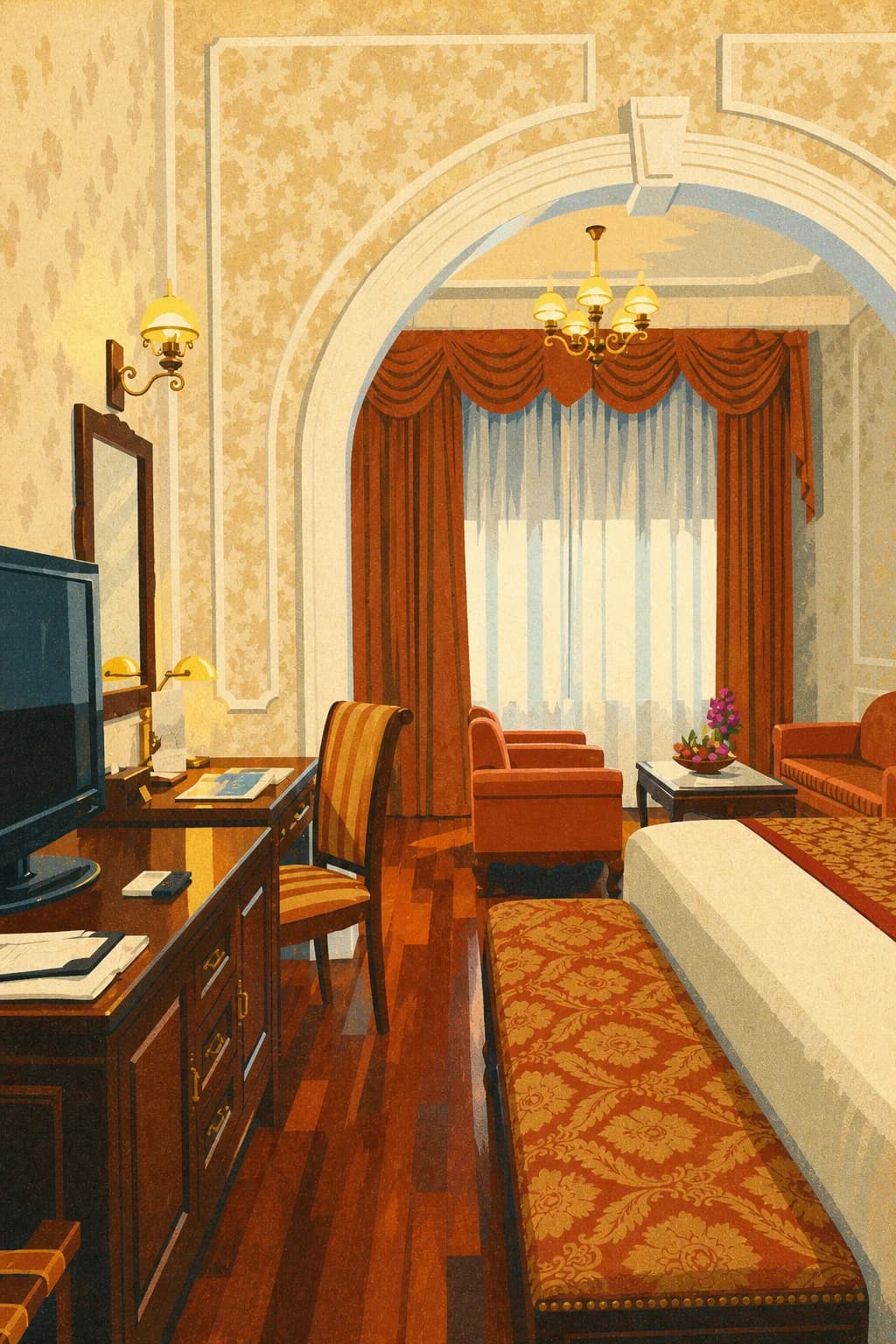
The name means hope, and the property leans into a quiet wellness idea, with a rooftop pool, a spa, and a seventh-floor space where you drink coffee among rotating shows. Rooms carry dark wood and floor-to-ceiling windows over the treetops. It stays genuinely available most of the year, but the good rooms thin out when Saigon fills up, so plan around the peak instead of assuming a last-minute walk-in will work.
changed.
Saigon's demand curve is blunt, and reading it before you book is the difference between the room you wanted and whatever's left. Four months — December through March — sit at the top for a reason: this is the only stretch when the city's heat arrives without the daily monsoon, and it overlaps with Tet, the Lunar New Year that pulls the entire country into motion at once.
December through March is peak, and it fills from the top down. The dry season delivers the conditions everyone wants, which is exactly why the good room categories close first. For the central design hotels or a small Thao Dien boutique in this window, treat four to eight weeks of lead time as your floor and book the better categories immediately.
Tet itself deserves its own strategy. Falling in late January or February, it is the single busiest booking moment of the year — and the strangest on the ground. Many family-run restaurants and shops shut for several days as locals return to their hometowns, and the normally relentless traffic thins to something almost calm. Plan around the closures and it's fascinating; ignore them and it's frustrating.
The shoulders are where the value hides. April and November carry high but not peak demand, buying you dry-season conditions without the Tet surcharge — the sweet spot repeat visitors quietly aim for. This is the window that rewards travelers who know the calendar without paying for the crowd.
September and October are the easiest months of the year to walk into the room you actually wanted: warm, green, quiet, and roughly half the demand of peak.
The long wet season, May through October, cuts demand by about half. Rates and booking friction fall with it. The rain is real but rarely a washout — it arrives as heavy afternoon downpours that clear within an hour or two, leaving mornings and evenings open. There is no closed season in Saigon and no month the city stops working; what changes is the math of getting a bed. Plan the peak months like a competition, the shoulders like a gift, and let the wet season carry the trips where flexibility matters more than sunshine.
approach.
briefing.
stands.
demand's going.
The real Instagram following over time, plus where this hotel sits for demand in Ho Chi Minh City. Pick a range, toggle the lines. Followers are reach and demand, not engagement.
assessment.
File closes at MODERATE. Genuinely bookable most of the year, but the good rooms thin out at peak, so plan ahead. Book it if you want an art-filled base in Saigon's most liveable district; skip it if your trip lives downtown and every taxi minute counts.
The numbers behind the tiers
Amanaki Thao Dien · SOURCE READINGS · REDACTED- Availability density · sampled
- Monthly search volume · raw
- TikTok hashtag views · raw
- YouTube total views · raw
- TikTok following · latest sweep
- Pinterest saves · latest sweep
More from Ho Chi Minh City.

Get the hotel's Unbookable Score.
Any post or reel with a hotel in it. Booking.com hotel pages work too. One free check, no account needed.