Hotel The Celestine
Kyoto Gion.
4 critic reviews
filed.
Mostly, yes, as long as you know what you're buying. You're paying for location, design, and a genuinely calm public bath, not for spacious rooms or a sweeping view. Judged as a base for walking Gion and Higashiyama, it more than earns its keep.
Partly. It holds a Michelin Key and has a following, so it isn't a secret to people who research Kyoto hard, but it flies under the radar next to the city's famous ryokan and big international brands. Among design-literate travellers it's better known than the general crowd realises.
angles.
A garden, not a view
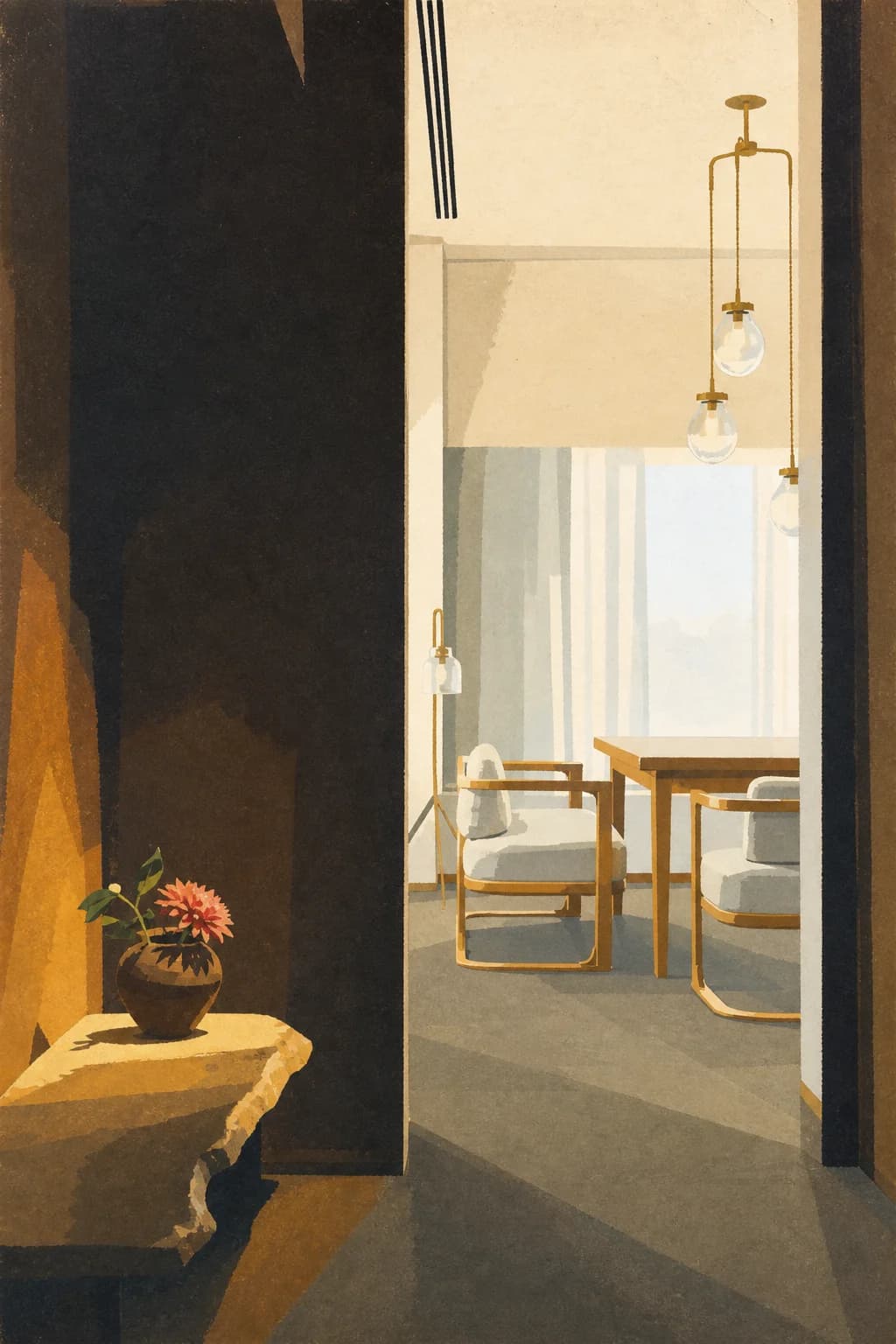
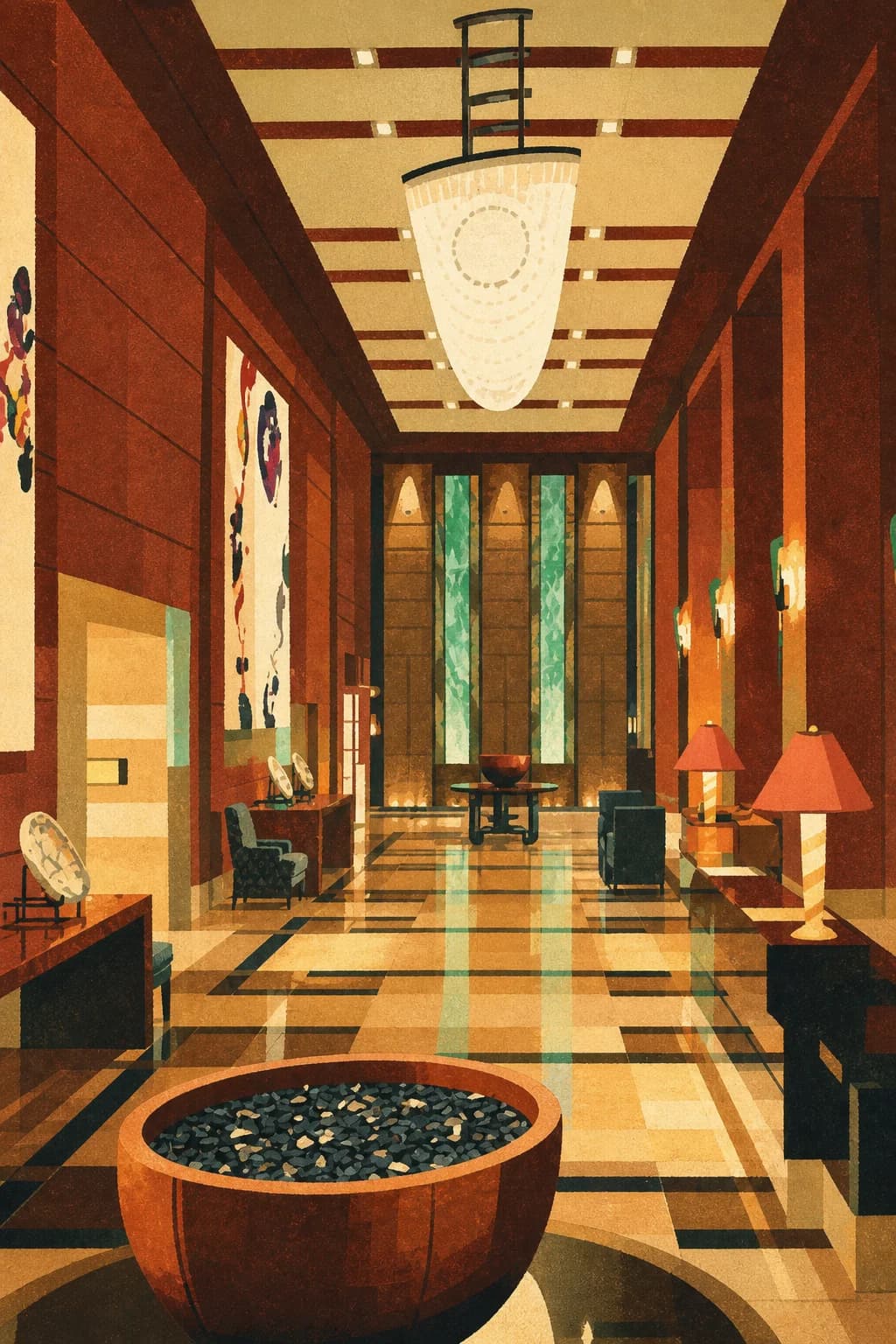
The signature move here is inward. Instead of chasing a skyline, the building wraps around a small tei-en garden of red pine, mountain cherry, and maple, glimpsed from the lobby and the corridors. Toshiya Ogino Landscape Architects handled the landscaping and exterior, and the material palette leans on Tanba stone and washi paper. The effect is a modern Japanese calm that feels closer to a gallery than a hotel.
Tea, a bar, a soak
Off the lobby, Yasaka Endo serves Kyoto gastronomy in a tea-house setting, and Bar Oumie pours in the evening after moonlighting as the guest lounge from morning to early evening, complimentary drinks included. Down in the basement there is a large communal bath, the kind of amenity Kyoto hotels this size rarely bother with. Rooms carry a tea theme, with Ippodo matcha as the house detail.
The old city, on foot
The address is Yasaka-dori, the sloping lane that runs up into Higashiyama, which means Yasaka Shrine, the lantern-lit alleys of Gion, and the climb to Kiyomizu-dera are all walkable. The Kamo River and Pontocho's dining are a flat stroll west. Mornings are the trick: get out before nine and the famous streets are yours before the tour groups arrive.
talk.
mapped.
“The Celestine Kyoto Gion is unmistakably a contemporary luxury hotel, and while the name may not be well known outside of Japan.”
record.
This is one of the dozen, which is why the good months fill early. Walk in off Yasaka-dori and the noise of Gion drops away: a tall, stone-clad lobby, floor-to-ceiling glass, and a small interior garden of Japanese red pine, mountain cherry, and maple that changes with the season. The landscaping, exterior, and corridors are the work of Toshiya Ogino Landscape Architects, and it shows in how the building frames greenery instead of the street.
The 157 rooms are compact in the Kyoto way, but finished in warm wood, washi-filtered light, and quiet, muted tones. Downstairs there is a communal bath; off the lobby, a tea-house restaurant and a bar that doubles as a lounge by day. It earned a Michelin Key two years running. Book the shoulder seasons and you can still get in.
changed.
Kyoto's demand curve is one of the most legible in Japan because it is almost entirely botanical. Two events set the peaks: cherry blossom in late March and April, and maple color in November. In those windows the city runs at capacity.
The two blossom peaks are a lead-time contest, not a booking exercise. Small houses in Gion and Higashiyama get spoken for six to nine months out, and the marquee rooms go further still. If your heart is set on blossom or foliage at a specific address, treat lead time as the whole game and book the moment dates open.
The shoulder months either side reward flexibility. February and December stay busy without hitting the peak — plum blossom and year-end temple illuminations, respectively. January is genuinely quiet: cold, clear, with the occasional dusting of snow on temple roofs that photographers wait years for. These are the months to chase the houses that vanish in spring.
Summer is the real value story, and the least understood. June through September reads as low demand despite holding one of Japan's great festivals, Gion Matsuri, which fills July with float processions, plus the Daimonji bonfires on August 16. The suppressant is simple: heat and humidity climb well into the thirties, and many travelers stay away.
If you can tolerate the weather, summer is when the hardest rooms open up at the softest rates.
The practical read is a split. Peak seasons are about discipline and early commitment; shoulder and low seasons are about opportunism. Because the curve tracks leaves rather than school holidays or weather comfort, the undervalued months are the counterintuitive ones — the hot ones. Nothing in Kyoto closes across the year, so the only real constraint is the two blossom peaks and how far ahead you are willing to plan.
approach.
briefing.
“Everything was pristine, conveniently located, and beautiful. The included breakfast was delightful and they had so many options we never got bored because each meal was a new experience.”
stands.
demand's going.
The real Instagram following over time, plus where this hotel sits for demand in Kyoto. Pick a range, toggle the lines. Followers are reach and demand, not engagement.
assessment.
File closes at HIGH. Available most of the year and worth booking for the address, the stone-and-garden calm, and the Michelin Key. Book those small rooms up a category, lock the peak weeks early, and skip it if you need space to sprawl.
The numbers behind the tiers
Hotel The Celestine Kyoto Gion · SOURCE READINGS · REDACTED- Availability density · sampled
- Monthly search volume · raw
- TikTok hashtag views · raw
- YouTube total views · raw
- TikTok following · latest sweep
- Pinterest saves · latest sweep
More from Kyoto.






Get the hotel's Unbookable Score.
Any post or reel with a hotel in it. Booking.com hotel pages work too. One free check, no account needed.