The
Hotel Seiryu Kyoto Kiyomizu.
4 critic reviews
filed.
Mostly yes, if you value place over floor space. The design restraint and the Higashiyama address are the real draw, and the Forbes Travel Guide Four-Star rating tracks with the service you get. Just know you are buying location and story more than a big room.
Not exactly hidden; design press and the rooftop crowd already found it, and the K36 bar pulls in plenty of non-guests. But it stays quieter than the branded international names in Kyoto, and many first-time visitors book elsewhere without realising this option exists.
angles.
A Schoolhouse Kept Honest
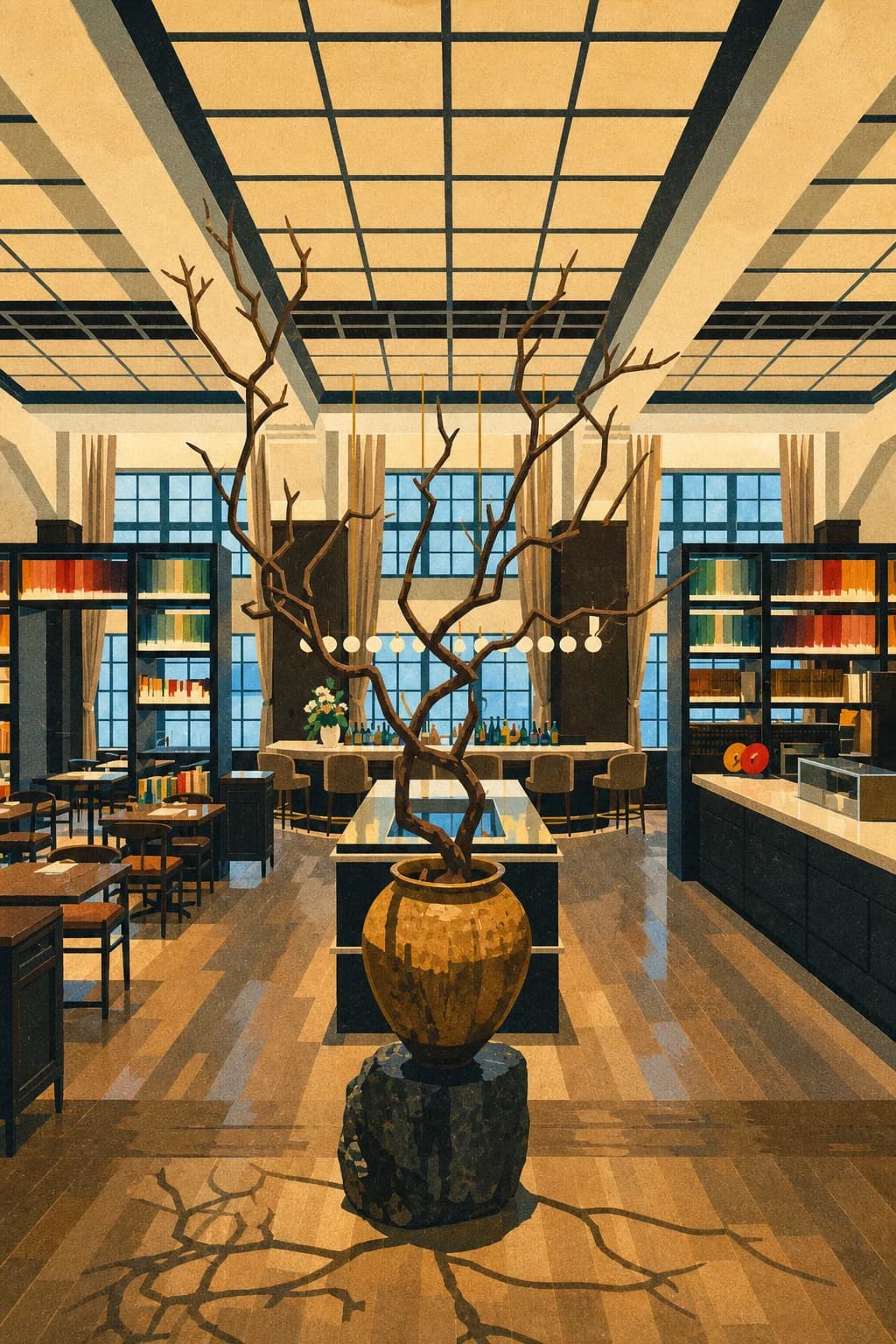
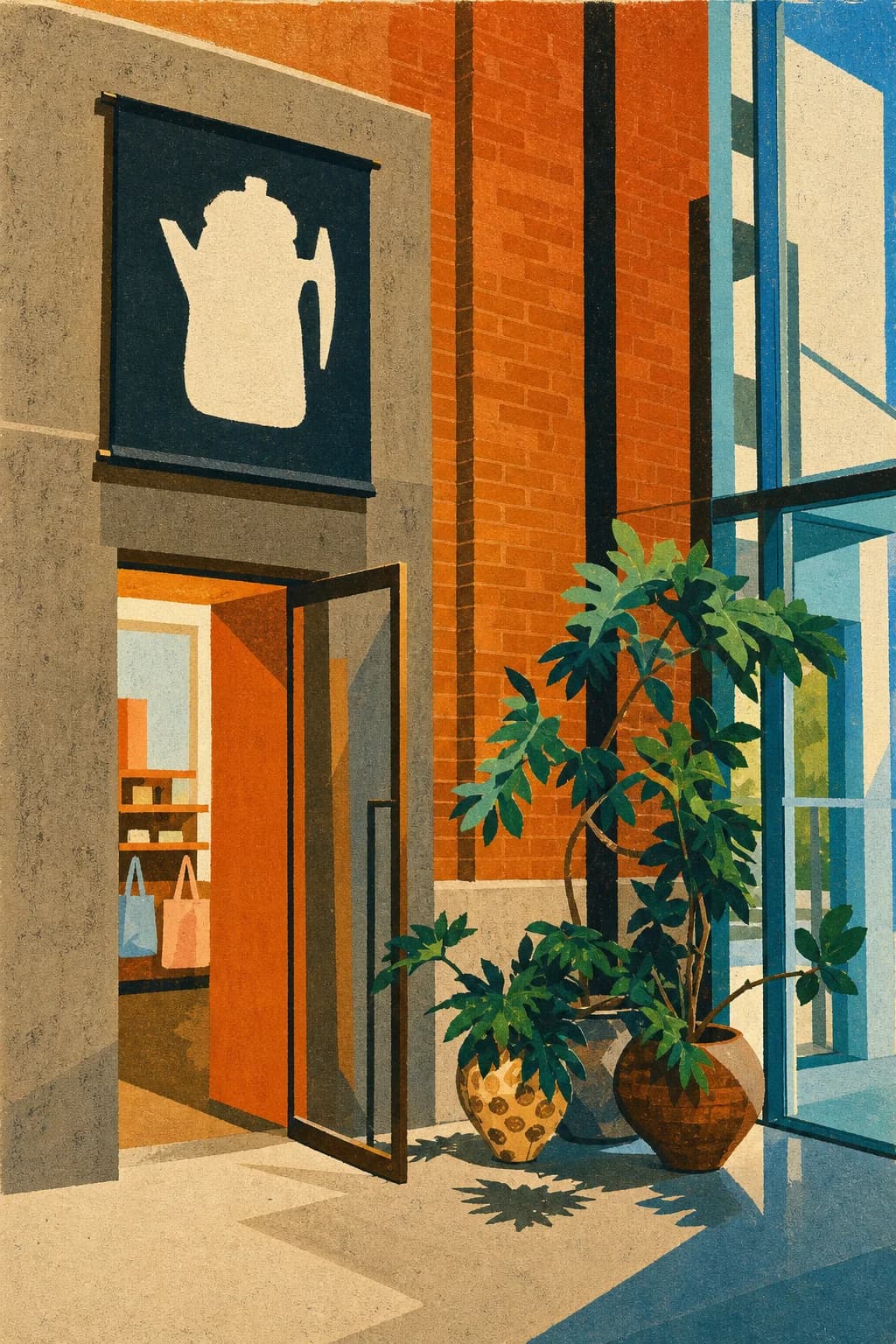
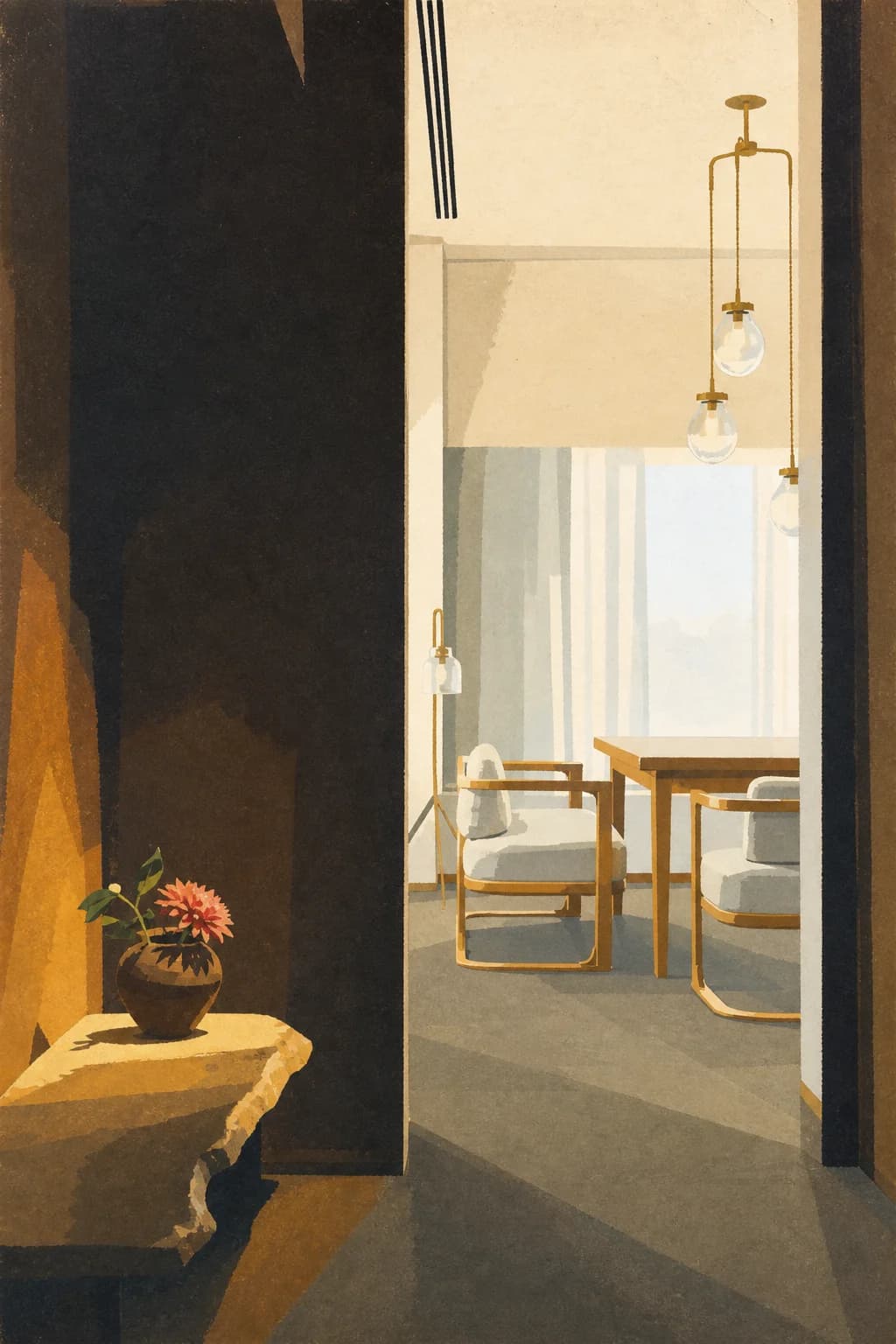
The 1922 origins are not decoration. Aoyama Nomura Design left the Spanish roof tiles, arched windows, wooden latticework and scalloped trim of Kiyomizu Elementary in place, then layered in vintage furniture and contemporary art. The stair railings are still worn from decades of small hands. Guest rooms go warm and modern, wide planes of wood and gilded walls, with bathrooms far bigger than Kyoto norms.
A Rooftop Aimed At The Pagoda
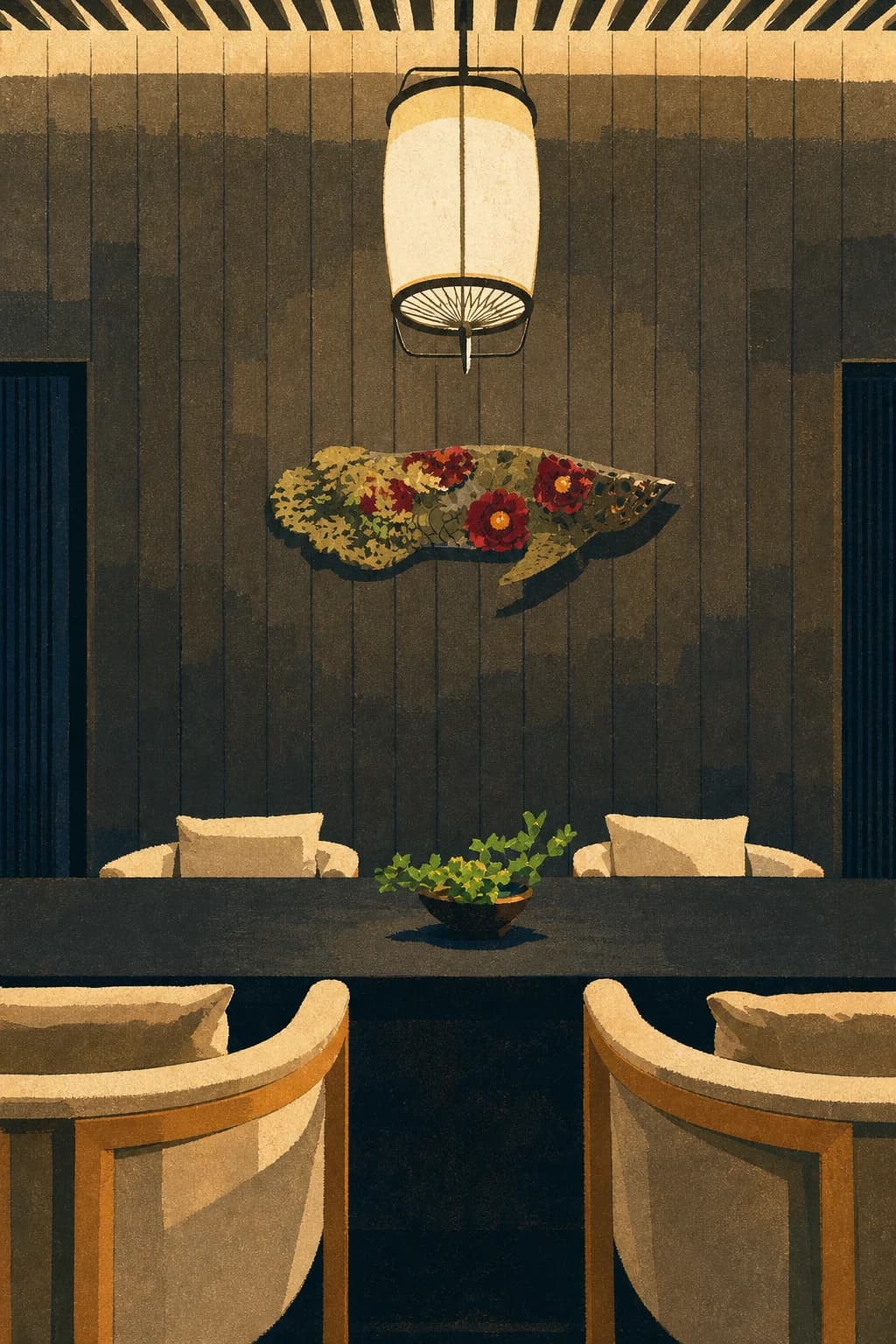
K36, the rooftop bar, points straight at the Yasaka Pagoda, which glows gold once the evening lights come up over Higashiyama. Downstairs, the old gymnasium is now a library-lined restaurant where breakfast happens by day and a sushi counter runs at night. Reserve the rooftop separately; it is popular with people who are not even staying here.
Steps From Kiyomizu-dera
You are in Higashiyama, the Kyoto that shows up on postcards. Kiyomizu-dera, a UNESCO temple, is a short walk uphill, and the stone-paved lanes of Ninenzaka and Sannenzaka spill down toward Gion. The streets are crowded by day and quiet by dawn. Step out early, before the tour groups arrive, and the old city is briefly yours.
talk.
mapped.
“Hotel Seiryu Kyoto Kiyomizu wears its provenance proudly, retaining the 1930s brick-and-arch facade of its former life as an elementary school.”
record.
Here is why it is worth the effort. The building opened in 1922 as Kiyomizu Elementary School, a European-influenced concrete structure whose Spanish tiles, arched windows and scalloped detailing survived the decades.
Tokyo firm Aoyama Nomura Design, under creative director Ryu Kosaka, turned it into 48 rooms without erasing the past: the wooden stair railings are still worn smooth by generations of children's hands, and the checkerboard hallways run under contemporary art. The former gymnasium is now a restaurant lined floor to ceiling with books. Rooms lean warm and minimalist, wide planes of wood and gilded walls, with unusually large bathrooms. Above it all sits K36, a rooftop bar aimed straight at the illuminated Yasaka Pagoda. It fills fast in peak season, so plan ahead.
changed.
Kyoto's demand curve is one of the most legible in Japan because it is almost entirely botanical. Two events set the peaks: cherry blossom in late March and April, and maple color in November. In those windows the city runs at capacity.
The two blossom peaks are a lead-time contest, not a booking exercise. Small houses in Gion and Higashiyama get spoken for six to nine months out, and the marquee rooms go further still. If your heart is set on blossom or foliage at a specific address, treat lead time as the whole game and book the moment dates open.
The shoulder months either side reward flexibility. February and December stay busy without hitting the peak — plum blossom and year-end temple illuminations, respectively. January is genuinely quiet: cold, clear, with the occasional dusting of snow on temple roofs that photographers wait years for. These are the months to chase the houses that vanish in spring.
Summer is the real value story, and the least understood. June through September reads as low demand despite holding one of Japan's great festivals, Gion Matsuri, which fills July with float processions, plus the Daimonji bonfires on August 16. The suppressant is simple: heat and humidity climb well into the thirties, and many travelers stay away.
If you can tolerate the weather, summer is when the hardest rooms open up at the softest rates.
The practical read is a split. Peak seasons are about discipline and early commitment; shoulder and low seasons are about opportunism. Because the curve tracks leaves rather than school holidays or weather comfort, the undervalued months are the counterintuitive ones — the hot ones. Nothing in Kyoto closes across the year, so the only real constraint is the two blossom peaks and how far ahead you are willing to plan.
approach.
briefing.
“The result of refurbishing an elementary school dating to the 1930s with all the updates necessary to make it an ultra-luxe destination”
stands.
demand's going.
The real Instagram following over time, plus where this hotel sits for demand in Kyoto. Pick a range, toggle the lines. Followers are reach and demand, not engagement.
assessment.
File closes at HIGH. A 1922 schoolhouse turned 48-room hotel with a pagoda-facing rooftop, bookable if you plan around peak foliage and blossom weeks. Book it for the building and the view; skip it if you need a large room or step-free access from the station.
The numbers behind the tiers
The Hotel Seiryu Kyoto Kiyomizu · SOURCE READINGS · REDACTED- Availability density · sampled
- Monthly search volume · raw
- TikTok hashtag views · raw
- YouTube total views · raw
- TikTok following · latest sweep
- Pinterest saves · latest sweep
More from Kyoto.


Get the hotel's Unbookable Score.
Any post or reel with a hotel in it. Booking.com hotel pages work too. One free check, no account needed.