Park Hyatt
Kyoto.
5 critic reviews
filed.
It earns the attention. The building's choice to step down the hill rather than crown it is the rare kind of restraint you feel across the whole stay, and the pagoda view from the teppan counter is genuinely hard to match. Just know the hype rides largely on that view, so book the room that delivers it.
Not exactly a hidden gem: two straight years on the World's 50 Best Hotels list means the design crowd already knows it well. What stays under the radar is Kyoyamato next door, the kaiseki house with more than 140 years behind it that most guests walk past without realizing it predates the hotel by generations.
angles.
Built To Follow The Hill
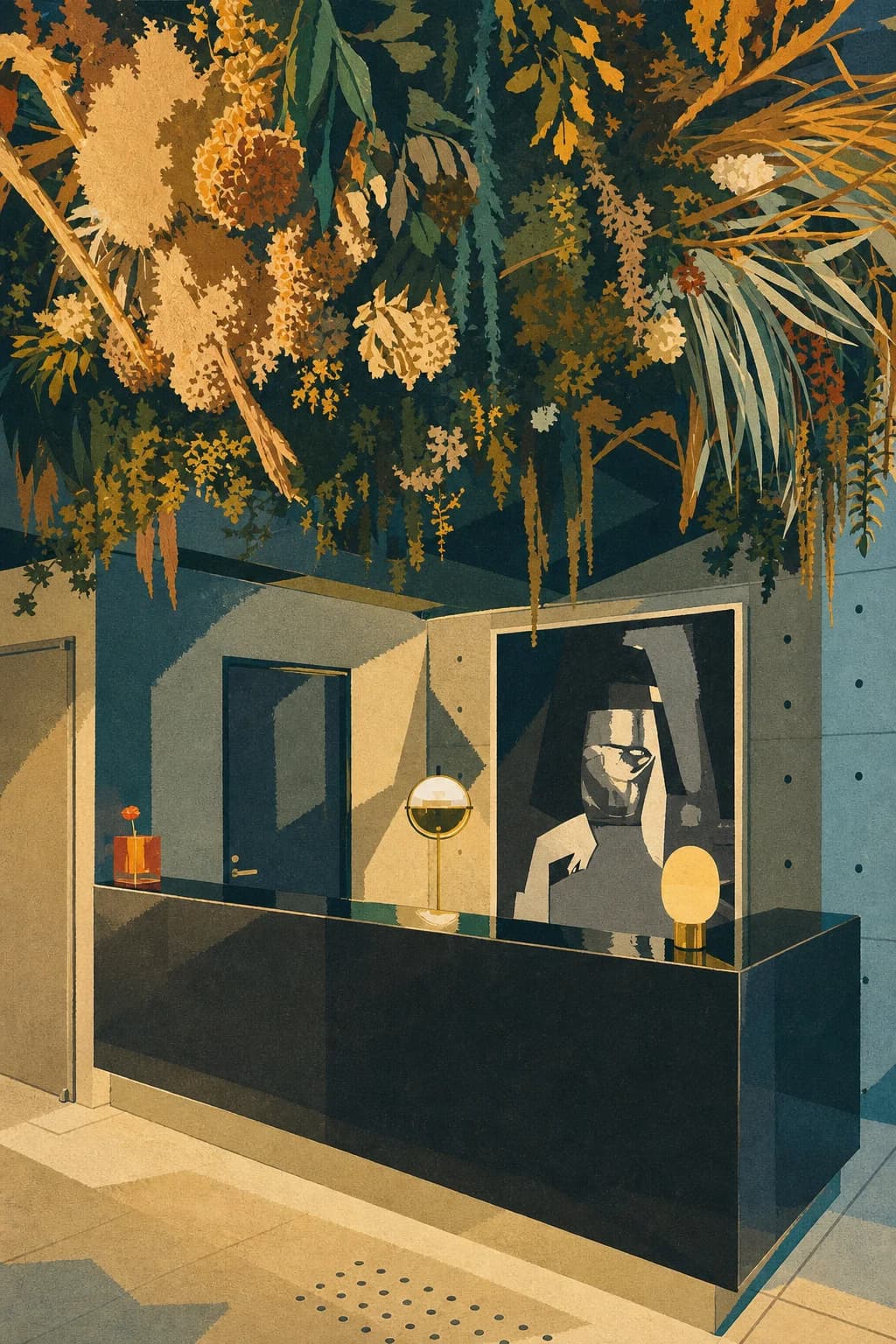
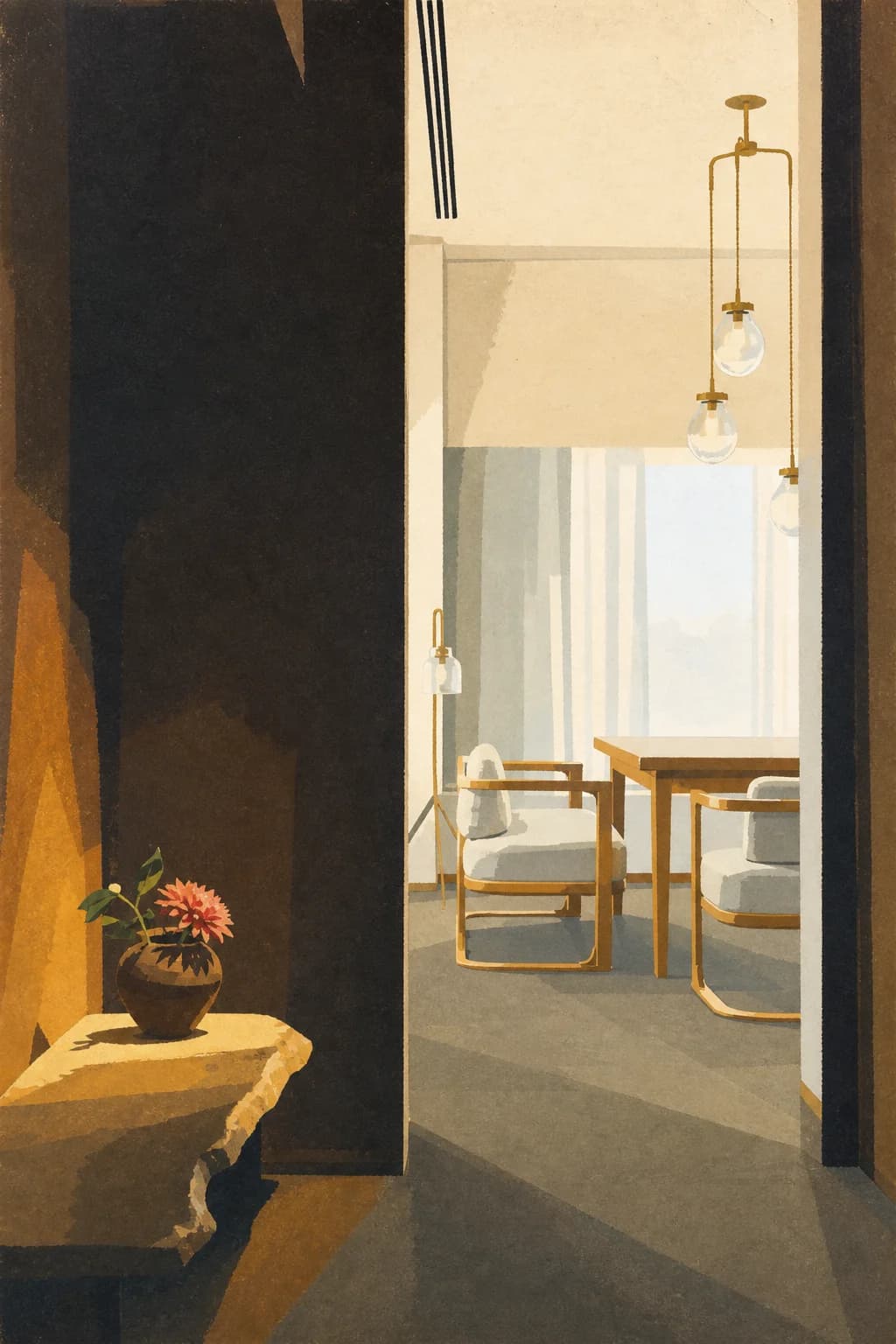
The building steps down Higashiyama in terraces instead of rising above it, so it reads more like a cluster of townhouses than a tower. Takenaka Corporation handled the construction, tonychi & associates the interiors. Inside, cedar, cypress, local stone, washi paper, and clay tile do the talking, and the Eishin-tei garden by Yasuo Kitayama gives the place a still, green center.
Teppanyaki Under A Thousand-Year Pagoda
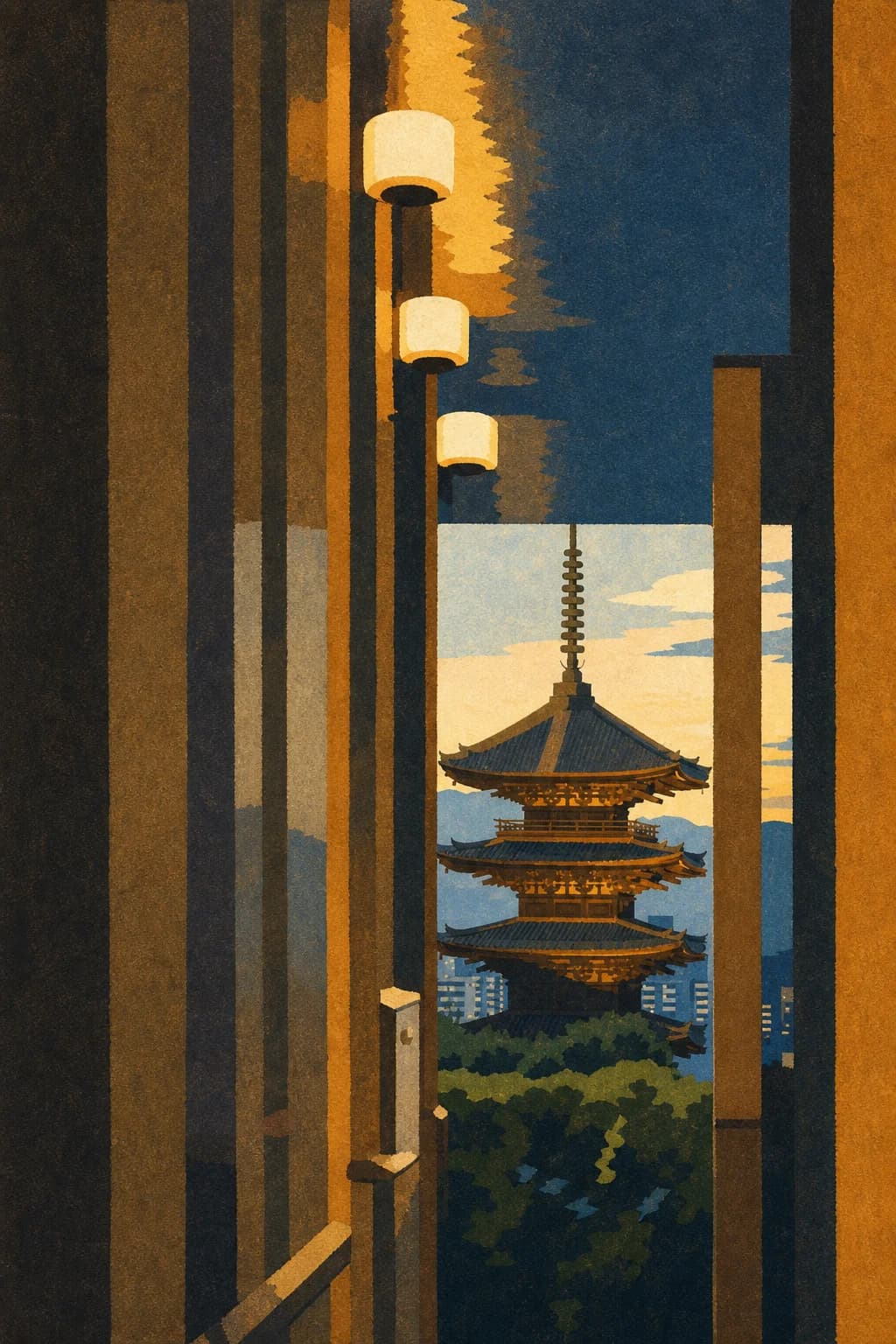
The teppan counter at Yasaka faces a wall that opens onto Higashiyama's rooftops, with the Yasaka Pagoda rising just beyond the glass. Chefs work Kyoto-grown vegetables, freshwater fish, and wagyu across the iron. Next door sits Kyoyamato, the kaiseki house that predates the hotel by well over a century and still serves seasonal Kyoto cooking and tea. Few dinners in Japan come with a view like this.
Steps From Kyoto's Best Walks
Higashiyama is the Kyoto people picture: stone lanes, wooden machiya, temple gates. The hotel sits on the slope near Kodai-ji, a short walk from the Ninenzaka and Sannenzaka staircases and the Yasaka Pagoda itself. Go early and you get those famous lanes almost empty before the day-trippers arrive. It is one of the few places in the city where you can walk straight out into the old town.
talk.
mapped.
“The hotel follows the gradient of the hill rather than dominating it, combining contemporary construction with the permanence of temples and townhouses.”
record.
Here is what they are chasing. Park Hyatt Kyoto opened on October 30, 2019, built by Takenaka Corporation on the hillside of Higashiyama, alongside Kyoyamato, a kaiseki house with more than 140 years of history. The interiors came from tonychi & associates, and the Eishin-tei garden from landscape architect Yasuo Kitayama.
Rather than dominate the slope, the building steps down it in terraces, following the gradient past temples and old townhouses. Cedar, cypress, local stone, washi paper, and traditional tile carry Kyoto's craft traditions indoors. Rooms open onto a sea of black-tiled roofs, and the Yasaka Pagoda stands close enough to feel within reach. It books out at peak, so plan ahead.
changed.
Kyoto's demand curve is one of the most legible in Japan because it is almost entirely botanical. Two events set the peaks: cherry blossom in late March and April, and maple color in November. In those windows the city runs at capacity.
The two blossom peaks are a lead-time contest, not a booking exercise. Small houses in Gion and Higashiyama get spoken for six to nine months out, and the marquee rooms go further still. If your heart is set on blossom or foliage at a specific address, treat lead time as the whole game and book the moment dates open.
The shoulder months either side reward flexibility. February and December stay busy without hitting the peak — plum blossom and year-end temple illuminations, respectively. January is genuinely quiet: cold, clear, with the occasional dusting of snow on temple roofs that photographers wait years for. These are the months to chase the houses that vanish in spring.
Summer is the real value story, and the least understood. June through September reads as low demand despite holding one of Japan's great festivals, Gion Matsuri, which fills July with float processions, plus the Daimonji bonfires on August 16. The suppressant is simple: heat and humidity climb well into the thirties, and many travelers stay away.
If you can tolerate the weather, summer is when the hardest rooms open up at the softest rates.
The practical read is a split. Peak seasons are about discipline and early commitment; shoulder and low seasons are about opportunism. Because the curve tracks leaves rather than school holidays or weather comfort, the undervalued months are the counterintuitive ones — the hot ones. Nothing in Kyoto closes across the year, so the only real constraint is the two blossom peaks and how far ahead you are willing to plan.
approach.
briefing.
“This initiative proves that it's possible to build a brand-new hotel that seamlessly blends with a heritage cityscape and hews to the time-honored…”
stands.
demand's going.
The real Instagram following over time, plus where this hotel sits for demand in Kyoto. Pick a range, toggle the lines. Followers are reach and demand, not engagement.
assessment.
File closes at VERY HIGH. Bookable online but tight around blossom and autumn, so plan months ahead for those weeks. Book it if the Higashiyama hillside and that pagoda view are the point; skip it if you want a central base for Kyoto's nightlife and dining.
The numbers behind the tiers
Park Hyatt Kyoto · SOURCE READINGS · REDACTED- Availability density · sampled
- Monthly search volume · raw
- TikTok hashtag views · raw
- YouTube total views · raw
- TikTok following · latest sweep
- Pinterest saves · latest sweep
More from Kyoto.
Get the hotel's Unbookable Score.
Any post or reel with a hotel in it. Booking.com hotel pages work too. One free check, no account needed.