The
Shinmonzen.
6 critic reviews
filed.
If your idea of a great hotel is a nine-room house where a serious architect worked in wood and every suite has a cypress bath, this earns its reputation. If you need facilities, nightlife, or a scene, you will feel the smallness keenly. It is precise and quiet, and it knows exactly what it is.
Not really a hidden gem: Tadao Ando's name and a wave of design-press coverage since 2021 put it firmly on the map for people who track this sort of thing. What stays under the radar is the setting itself, an antique-dealer backstreet most Gion visitors never wander down.
angles.
Ando In Wood, Not Concrete
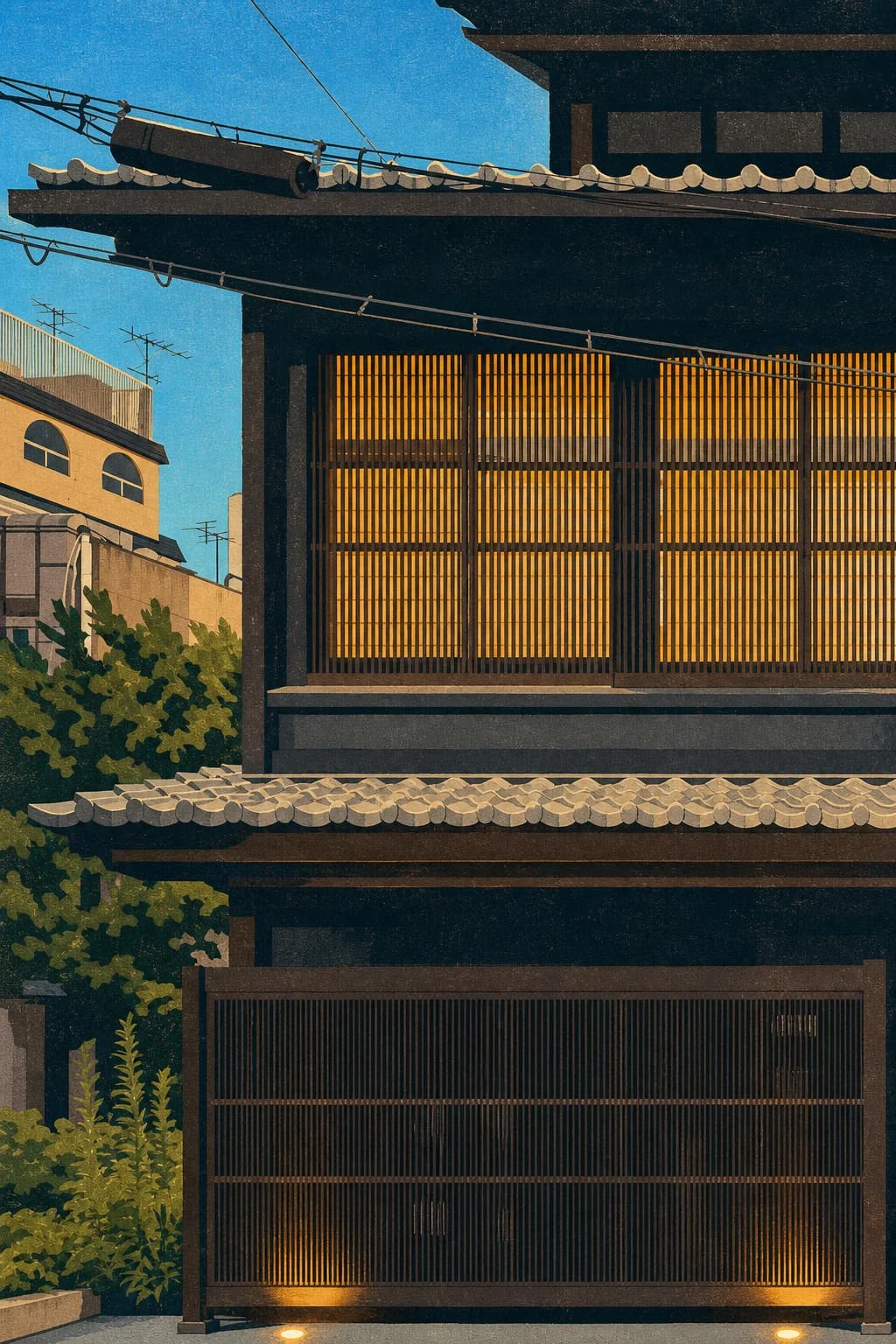
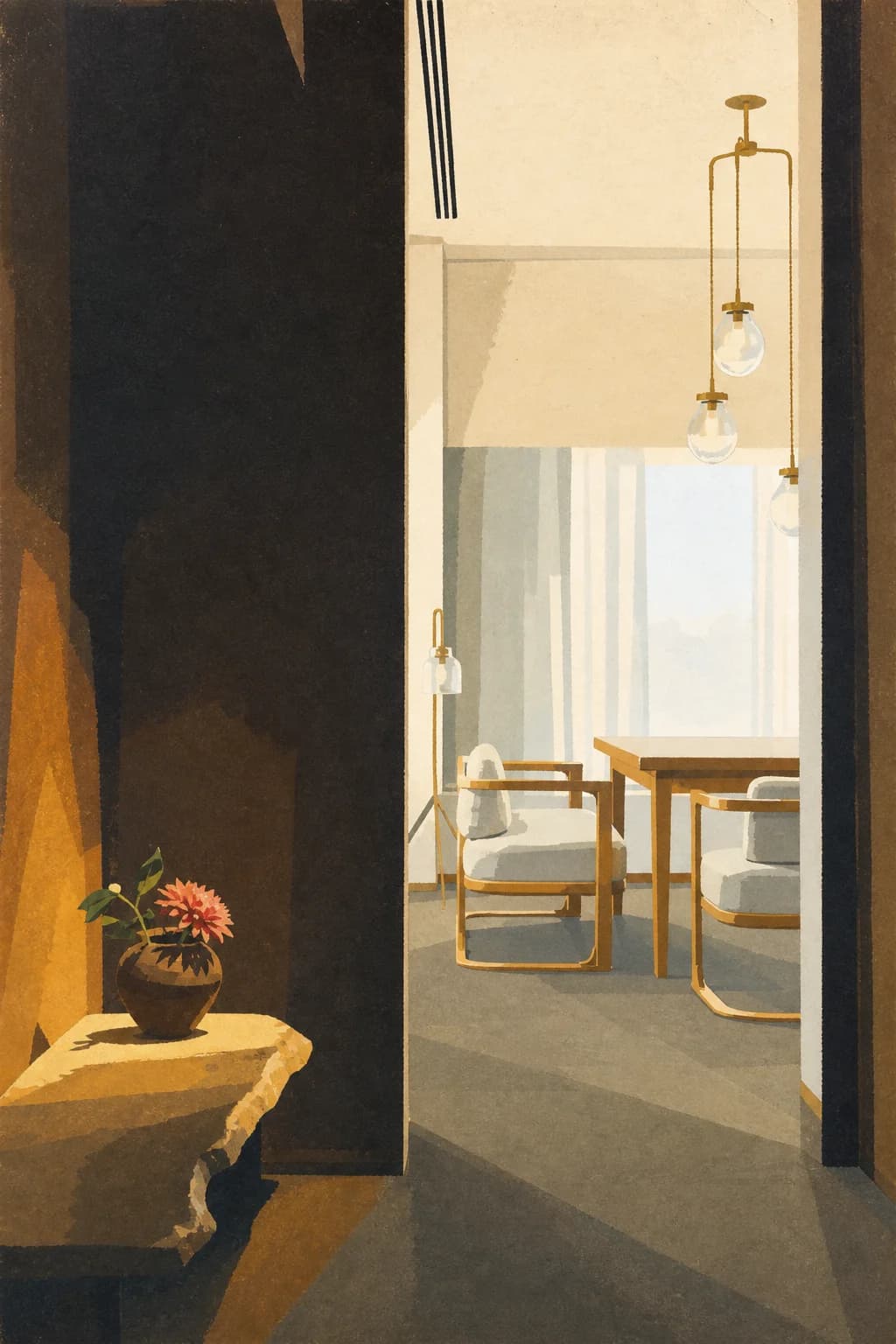
Tadao Ando made his name in board-formed concrete, so the Shinmonzen is a genuine surprise: a timber-clad building with tiered balconies leaning out over the water. The nine suites carry the material through, bamboo, lacquer, silk and stone, softened by shoji screens and anchored by a deep hinoki cypress bathtub. It reads as Kyoto rather than as an architect's signature move imported wholesale.
River-Terrace Breakfasts, French Kitchen
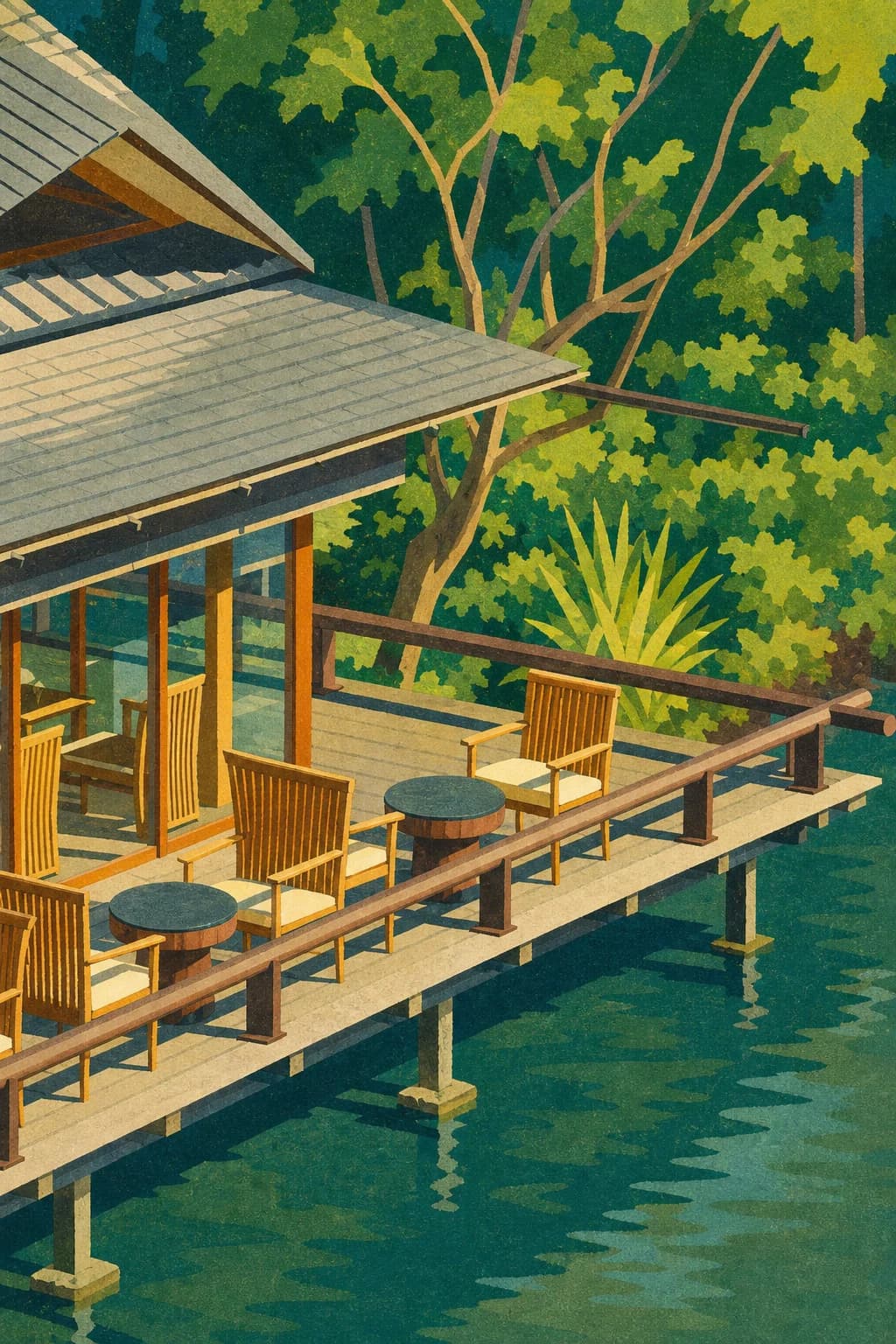
The kitchen runs French technique through Kyoto's produce, and the room to know is your own terrace. Guests take breakfast, afternoon tea, or a pre-dinner aperitif out over the balcony while the Shirakawa canal moves below and the willows do their thing. It is a small operation, which means the cooking gets to be precise instead of industrial. Come hungry and unhurried.
Gion's Antique-Dealer Backstreet
Shinmonzen street has traded in antiques and art for generations, a quieter seam of Gion than the geisha-spotting crowds two blocks south. The hotel sits right on the Shirakawa canal, willow-lined and stone-bridged, arguably the prettiest few hundred metres in the city. You are walking distance from Kennin-ji temple, Hanamikoji's teahouses, and the Kamo river. Step out at dawn, before the tour groups, and it is yours.
talk.
mapped.
“this hidden haven of contemporary design – with traits of a traditional ryokan and an unparalleled service philosophy – is nestled into a quiet…”
record.
That is the whole problem. The Shinmonzen opened in December 2021, after a single trial night in April 2020, a decade-long project that put Tadao Ando, Japan's great concrete minimalist, on unfamiliar ground. Here he built in timber, stacking tiered balconies over the Shirakawa canal instead of pouring another grey monolith.
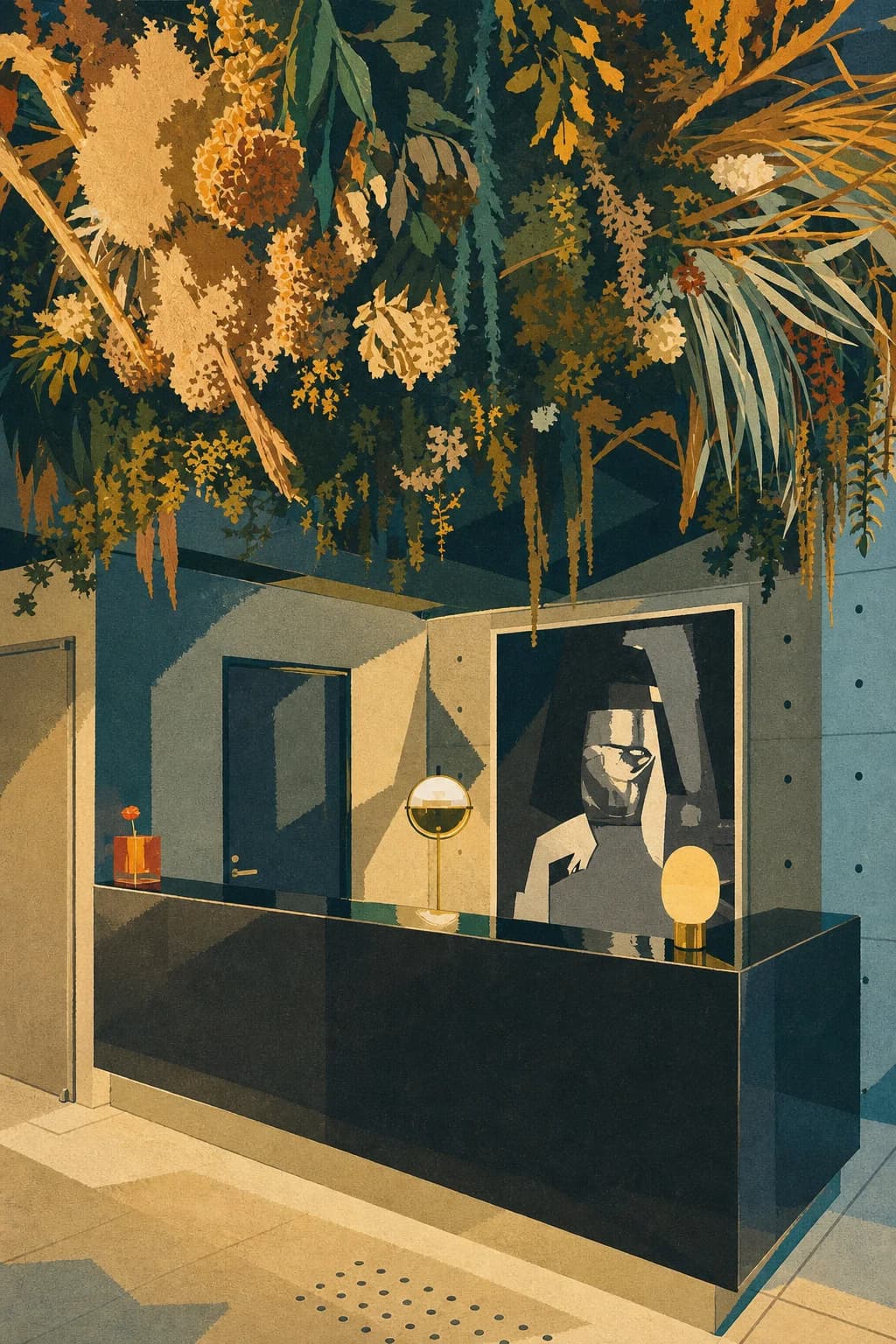
Inside, the nine suites run on natural materials, bamboo, lacquer, silk, stone, with shoji screens filtering the light and a hinoki bathtub deep enough to disappear into. Contemporary art hangs where a lesser hotel would hang nothing. You take breakfast on your own terrace while the canal slides past below and antique dealers roll up their shutters on Shinmonzen street. With nine keys and Gion's seasons pulling hard, it books out at peak. Plan around that, not into it.
changed.
Kyoto's demand curve is one of the most legible in Japan because it is almost entirely botanical. Two events set the peaks: cherry blossom in late March and April, and maple color in November. In those windows the city runs at capacity.
The two blossom peaks are a lead-time contest, not a booking exercise. Small houses in Gion and Higashiyama get spoken for six to nine months out, and the marquee rooms go further still. If your heart is set on blossom or foliage at a specific address, treat lead time as the whole game and book the moment dates open.
The shoulder months either side reward flexibility. February and December stay busy without hitting the peak — plum blossom and year-end temple illuminations, respectively. January is genuinely quiet: cold, clear, with the occasional dusting of snow on temple roofs that photographers wait years for. These are the months to chase the houses that vanish in spring.
Summer is the real value story, and the least understood. June through September reads as low demand despite holding one of Japan's great festivals, Gion Matsuri, which fills July with float processions, plus the Daimonji bonfires on August 16. The suppressant is simple: heat and humidity climb well into the thirties, and many travelers stay away.
If you can tolerate the weather, summer is when the hardest rooms open up at the softest rates.
The practical read is a split. Peak seasons are about discipline and early commitment; shoulder and low seasons are about opportunism. Because the curve tracks leaves rather than school holidays or weather comfort, the undervalued months are the counterintuitive ones — the hot ones. Nothing in Kyoto closes across the year, so the only real constraint is the two blossom peaks and how far ahead you are willing to plan.
approach.
briefing.
“Blending French, American and Asian influences, the restaurant is a global voyage through Vongerichten's international lens whilst embracing the excellence of Kyoto's kyo-yasai heirloom vegetables”
stands.
demand's going.
The real Instagram following over time, plus where this hotel sits for demand in Kyoto. Pick a range, toggle the lines. Followers are reach and demand, not engagement.
assessment.
File closes at HIGH. Nine rooms, a Tadao Ando timber house, and a canal that draws crowds every bloom season, so it books out at peak and rewards planning months ahead. Book it if you want quiet and craft; skip it if you need facilities or a scene.
The numbers behind the tiers
The Shinmonzen · SOURCE READINGS · REDACTED- Availability density · sampled
- Monthly search volume · raw
- TikTok hashtag views · raw
- YouTube total views · raw
- TikTok following · latest sweep
- Pinterest saves · latest sweep
More from Kyoto.
Get the hotel's Unbookable Score.
Any post or reel with a hotel in it. Booking.com hotel pages work too. One free check, no account needed.