Casa Jacinta
Guest.
2 critic reviews
filed.
Worth it if what you want is a house with a garden in a neighbourhood most visitors only experience between 11am and 4pm. It will not out-spec a Roma Norte design hotel, and it is not trying to. The write-ups are accurate about the warmth, which happens to be the part you cannot buy elsewhere.
Less hidden than it used to be. Two travel outlets have now covered it and the Coyoacán regulars have caught on, but it still sits below the radar of the Mexico City round-ups that funnel everyone to Roma and Condesa. Call it known to the right people rather than known to everyone.
angles.
The bathrooms steal the show
Every room is styled on its own terms, but the bathrooms are where the house shows off: tile laid in dense patterns of green, yellow and blue, no two rooms alike. Elsewhere the details keep coming. Vintage sewing machines repurposed as dressing tables, upcycled wine bottles set into windows so the light arrives coloured, and art hung on nearly every wall of every corridor.
Coyoacán belongs to walkers
The house sits on a quiet residential street a short walk from Jardín Hidalgo and the baroque bulk of San Juan Bautista. Casa Azul is close enough that you can be standing in the queue before the tour groups arrive. The covered market, the cobbled lanes, the churro stands, the Viveros park and the weekend artisan stalls are all on foot from the door.
Pay for the breakfast
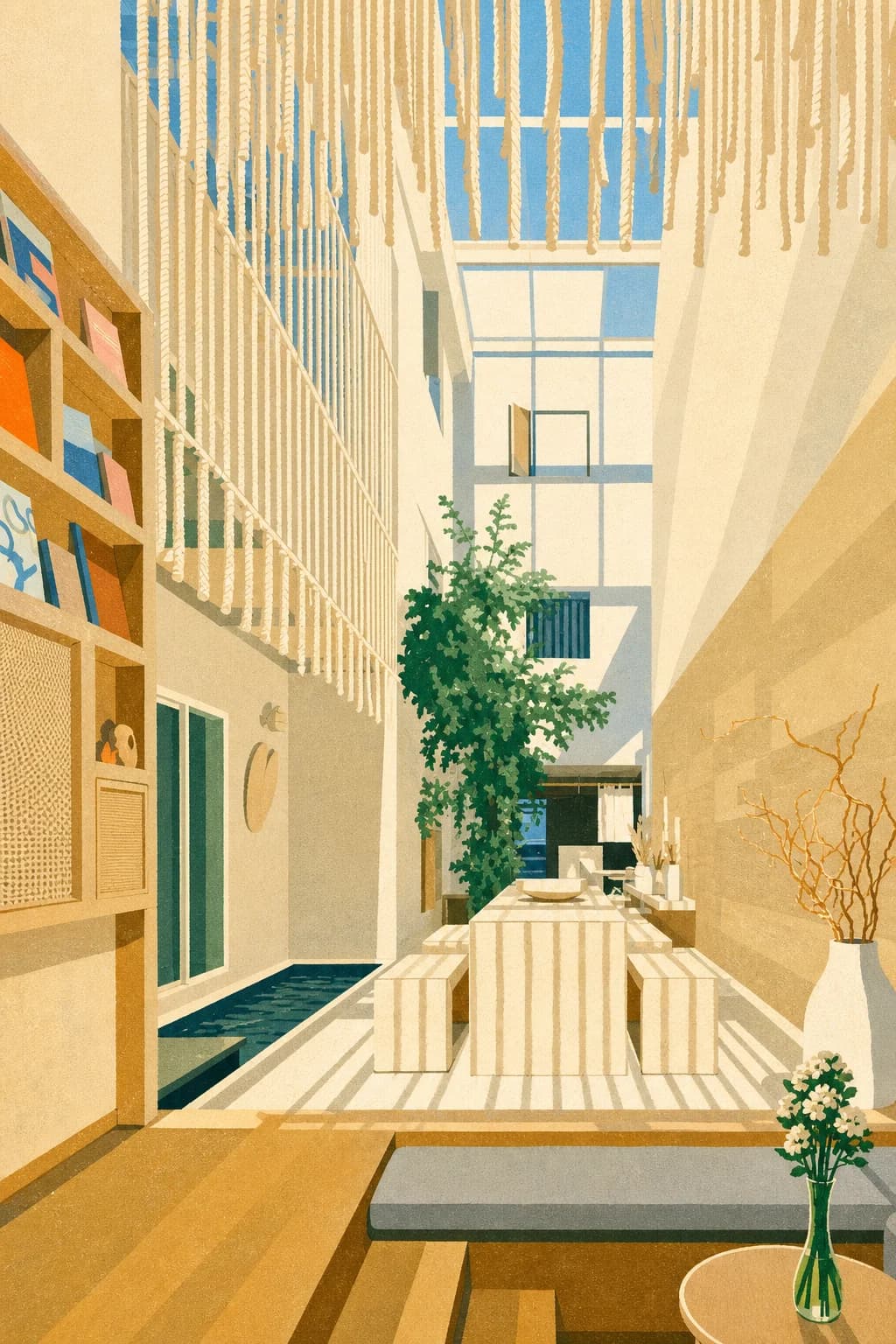
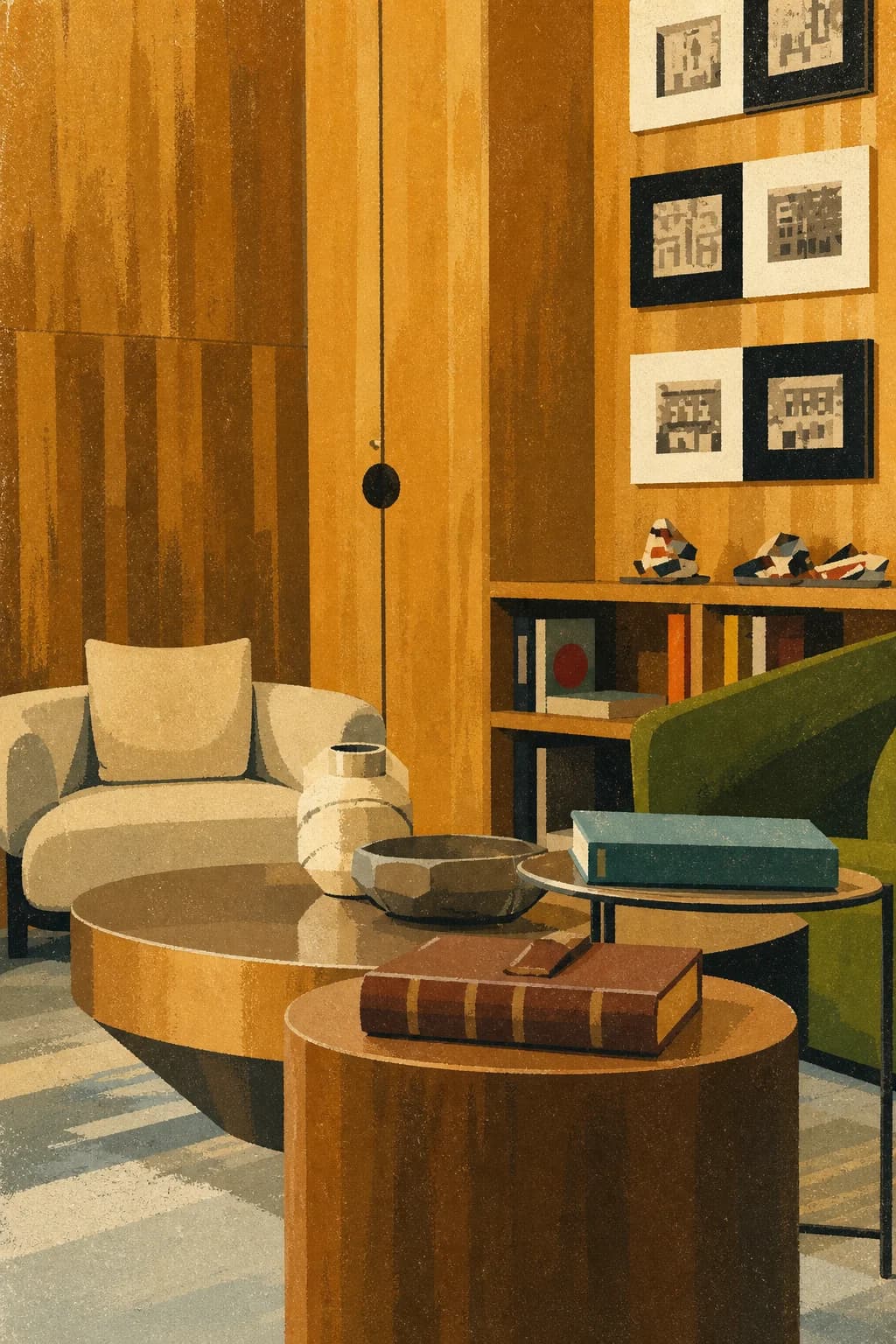
Breakfast runs weekday mornings from 7:30 to 10:30, a little later at weekends, for a fee, and guests who skip it tend to regret it: eggs, fruit and good coffee, carried out to the garden if you want it there. Coffee, tea and water sit in the dining room all day. There are couches, board games, and a library holding thousands of books.
talk.
“The staff can really make or break a stay, and the staff at Casa Jacinta certainly enhanced our experience.”
record.
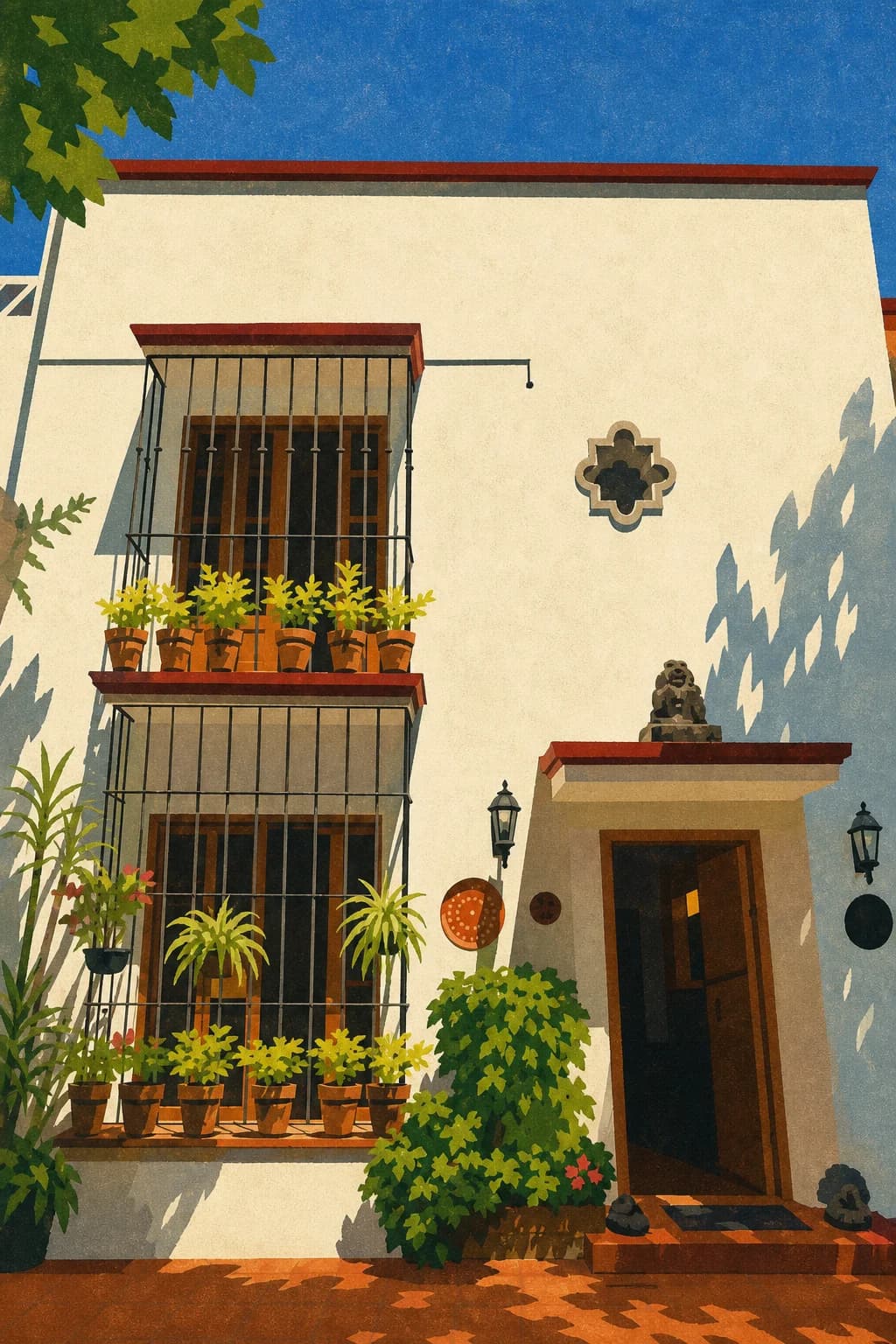
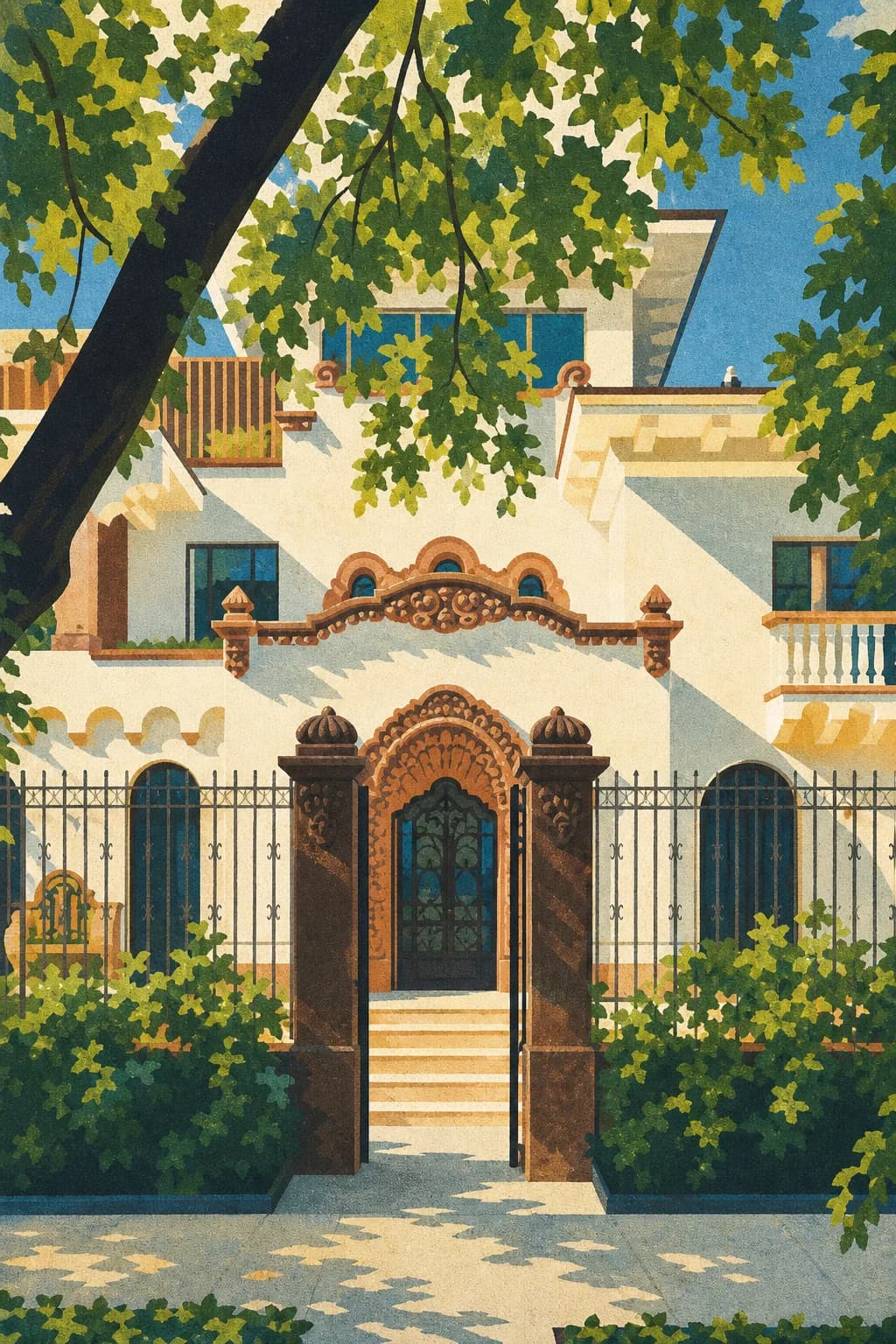
Casa Jacinta gets written up by the travellers who find it: Dan Flying Solo covered it in 2024, Beautiful Brown Adventures too. What they found is a house rather than a hotel. Two buildings on a residential street a few minutes from Jardín Hidalgo, with a walled garden of citrus trees and purple flowering plants, a white iron bench, and cats who claim the shade by early afternoon.
Bathrooms are tiled in dense greens, yellows and blues, and upcycled wine bottles throw coloured light through the windows. There are antique typewriters lined up in the library, original art on nearly every wall, vine shaded balconies, and a piano audible somewhere in the building. Nobody is performing hospitality at you here, which is why a house this small gets talked about far more than its size suggests.
changed.
Mexico City runs on a two-peak calendar, and understanding why the curve looks the way it does is worth more than any temperature chart. The first peak is spring, roughly March into April, the dry-season stretch when the jacarandas turn the city violet and the skies stay clear. The second is late October into November, when Day of the Dead brings the single biggest travel surge of the year. Those are the weeks the city sells to the world, and they are the weeks the small design houses fill first.
For those peaks, plan far ahead. The Roma and Polanco properties that matter, the handful in the upper tiers, can close out three months before Day of the Dead and the jacaranda weeks, and there is no overflow wing when a hotel has nine or twenty rooms. If your trip is fixed to those dates, book the room before the flights.
The genuinely undervalued window is the summer rainy season, June through August. The rain scares people off, but it arrives as short, predictable afternoon storms that clear by evening, leaving bright mornings for everything you actually came to do. Demand drops to its yearly low, the same rooms that vanish in October sit open, and rates soften across the board. Shoulder travelers who do not need the jacarandas get the best value of the year here.
The rest of the calendar fills in around the peaks. February, May, September, and December run warm with demand: September carries Independence Day on the 16th and its plaza celebrations, and December brings the Guadalupe pilgrimage and Christmas, both of which tighten the center in particular. January sits quiet after the holidays, another soft, workable window.
The one thing Mexico City never does is close. There is no dead season, no shuttered-hotel month; the city works year-round, so the only real decision is how much company you want and how early you are willing to commit. Book the peaks early, take the summer if you can be flexible.
approach.
briefing.
stands.
demand's going.
The real Instagram following over time, plus where this hotel sits for demand in Mexico City. Pick a range, toggle the lines. Followers are reach and demand, not engagement.
assessment.
File closes at ACCESSIBLE. Seven rooms and a slow drip of write-ups mean it moves, but this is not a fortress: pick a quiet week and you will get in. Book it if you want a house and a neighbourhood; skip it if you need a lobby, a bar and a lift.
The numbers behind the tiers
Casa Jacinta Guest · SOURCE READINGS · REDACTED- Availability density · sampled
- Monthly search volume · raw
- TikTok hashtag views · raw
- YouTube total views · raw
- TikTok following · latest sweep
- Pinterest saves · latest sweep
More from Mexico City.


Get the hotel's Unbookable Score.
Any post or reel with a hotel in it. Booking.com hotel pages work too. One free check, no account needed.