Brick
Hotel.
2 critic reviews
filed.
Mostly, yes, provided you understand you are booking a house rather than a hotel. The restoration, the food and the street are all better than the room count would let you assume, and the attention it gets from design press is earned. What it cannot give you is scale: no pool, no big gym, no quiet corner when the rooftop is full.
Not really a hidden gem anymore. With around 27,000 Instagram followers against seventeen keys and write-ups in Wallpaper and The Hotel Guru, Brick is firmly on the Roma Norte map for anyone who reads travel media. It still feels discreet from the pavement, which is a different thing from being undiscovered.
angles.
The Restoration Stayed Quiet
The building was a house first and still behaves like one. Rooms open off landings rather than long corridors, the parquet creaks in the right way, and the panelling and mouldings were kept rather than smoothed over. Newer pieces sit lightly on top: linen, brass, low lamps, deep tubs in the larger suites. It reads as restraint rather than a design statement, which is rarer here than it sounds.
Two Kitchens, One Roofline
Cerrajería is why locals with no room upstairs still walk through the door. It does Mexican cooking with the volume turned up on technique rather than chilli theatrics, and the room, banquettes, marble bar, low pendants, will hold a table for two hours without pushing you out. Upstairs, Terraza Orizaba runs lighter: mezcal, snacks, fire pits, and the rooftop line of Roma Norte at dusk.
Orizaba Is The Good Stretch
Orizaba is the spine of Roma Norte, and the hotel sits on the best part of it, a short walk from Plaza Río de Janeiro and its bronze David. Álvaro Obregón's bookshops and cantinas are five minutes away, Condesa's parks about fifteen, Chapultepec reachable without a car. Almost nothing here requires a car, and in this city that is the rarest amenity going.
talk.
mapped.
record.
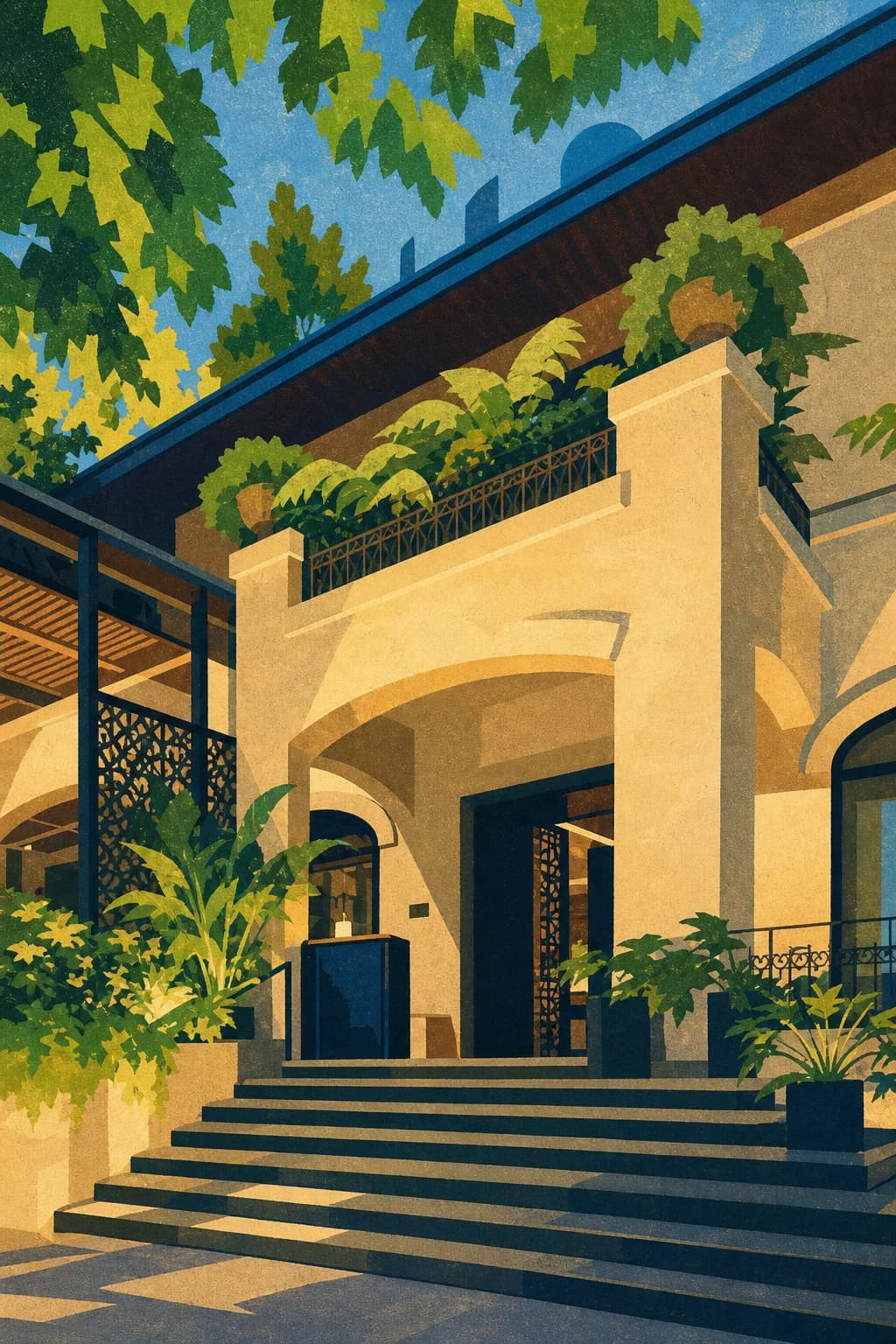
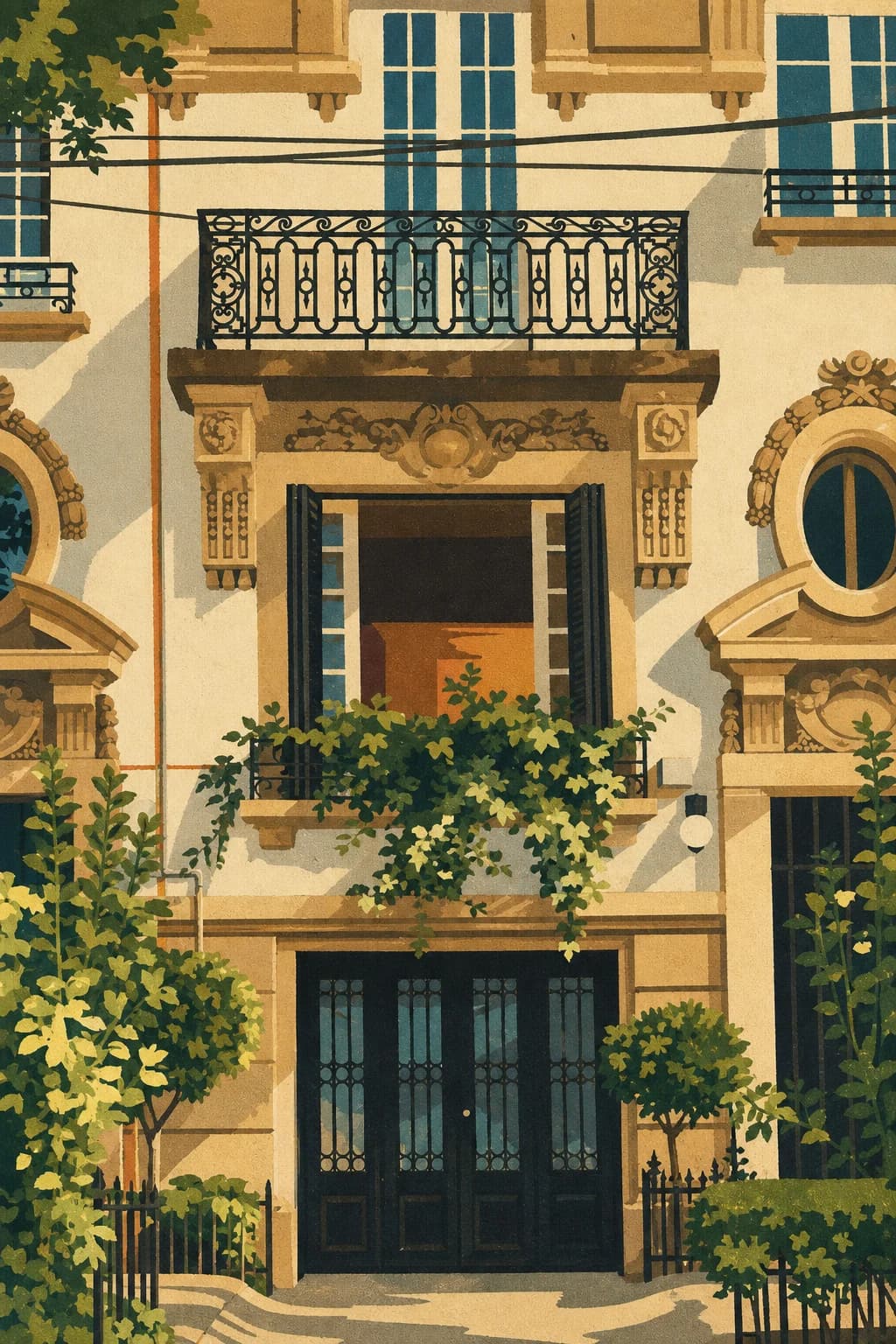
Brick sits on Orizaba, a block off Plaza Río de Janeiro, inside a restored brick mansion whose facade still reads as a private house: iron balconies, deep window reveals, a door you could walk past twice. Inside, the restoration went gentle. Parquet floors, panelled walls, claw-foot tubs in the larger suites, a lobby bar lit like a private study.
Cerrajería handles the serious cooking downstairs; Terraza Orizaba puts you level with the jacarandas and water tanks of Roma Norte, which is the better seat most evenings. Hela Spa is genuinely used rather than decorative. Wallpaper and The Hotel Guru have both written the place up, and that attention lands on a very small number of keys, which is the whole problem with a house this size.
changed.
Mexico City runs on a two-peak calendar, and understanding why the curve looks the way it does is worth more than any temperature chart. The first peak is spring, roughly March into April, the dry-season stretch when the jacarandas turn the city violet and the skies stay clear. The second is late October into November, when Day of the Dead brings the single biggest travel surge of the year. Those are the weeks the city sells to the world, and they are the weeks the small design houses fill first.
For those peaks, plan far ahead. The Roma and Polanco properties that matter, the handful in the upper tiers, can close out three months before Day of the Dead and the jacaranda weeks, and there is no overflow wing when a hotel has nine or twenty rooms. If your trip is fixed to those dates, book the room before the flights.
The genuinely undervalued window is the summer rainy season, June through August. The rain scares people off, but it arrives as short, predictable afternoon storms that clear by evening, leaving bright mornings for everything you actually came to do. Demand drops to its yearly low, the same rooms that vanish in October sit open, and rates soften across the board. Shoulder travelers who do not need the jacarandas get the best value of the year here.
The rest of the calendar fills in around the peaks. February, May, September, and December run warm with demand: September carries Independence Day on the 16th and its plaza celebrations, and December brings the Guadalupe pilgrimage and Christmas, both of which tighten the center in particular. January sits quiet after the holidays, another soft, workable window.
The one thing Mexico City never does is close. There is no dead season, no shuttered-hotel month; the city works year-round, so the only real decision is how much company you want and how early you are willing to commit. Book the peaks early, take the summer if you can be flexible.
approach.
briefing.
stands.
demand's going.
The real Instagram following over time, plus where this hotel sits for demand in Mexico City. Pick a range, toggle the lines. Followers are reach and demand, not engagement.
assessment.
File closes at MODERATE. A small house with a following far larger than its key count, so the city's calendar peaks are the real pinch. Take it for Roma Norte on foot and a room with period bones; pass if your trip calls for a pool, gym time, or space to hide.
The numbers behind the tiers
Brick Hotel · SOURCE READINGS · REDACTED- Availability density · sampled
- Monthly search volume · raw
- TikTok hashtag views · raw
- YouTube total views · raw
- TikTok following · latest sweep
- Pinterest saves · latest sweep
More from Mexico City.



Get the hotel's Unbookable Score.
Any post or reel with a hotel in it. Booking.com hotel pages work too. One free check, no account needed.