Casona Roma
Norte.
2 critic reviews
filed.
Yes on the building and the drinking, with a caveat on price. You are paying serious money for a 32 room house whose real appeal is that you can eat, drink and sleep without crossing the street. If that reads as a trap rather than a feature, Roma has cheaper beds and the same restaurants outside.
Not quite a hidden gem, and less so every month. A pale pink INBA listed mansion with six venues in the most photographed neighbourhood in Mexico City was never going to stay quiet. The Instagram account is still modest at around 7,300 followers, which means you are early rather than alone.
angles.
The restoration kept the bones
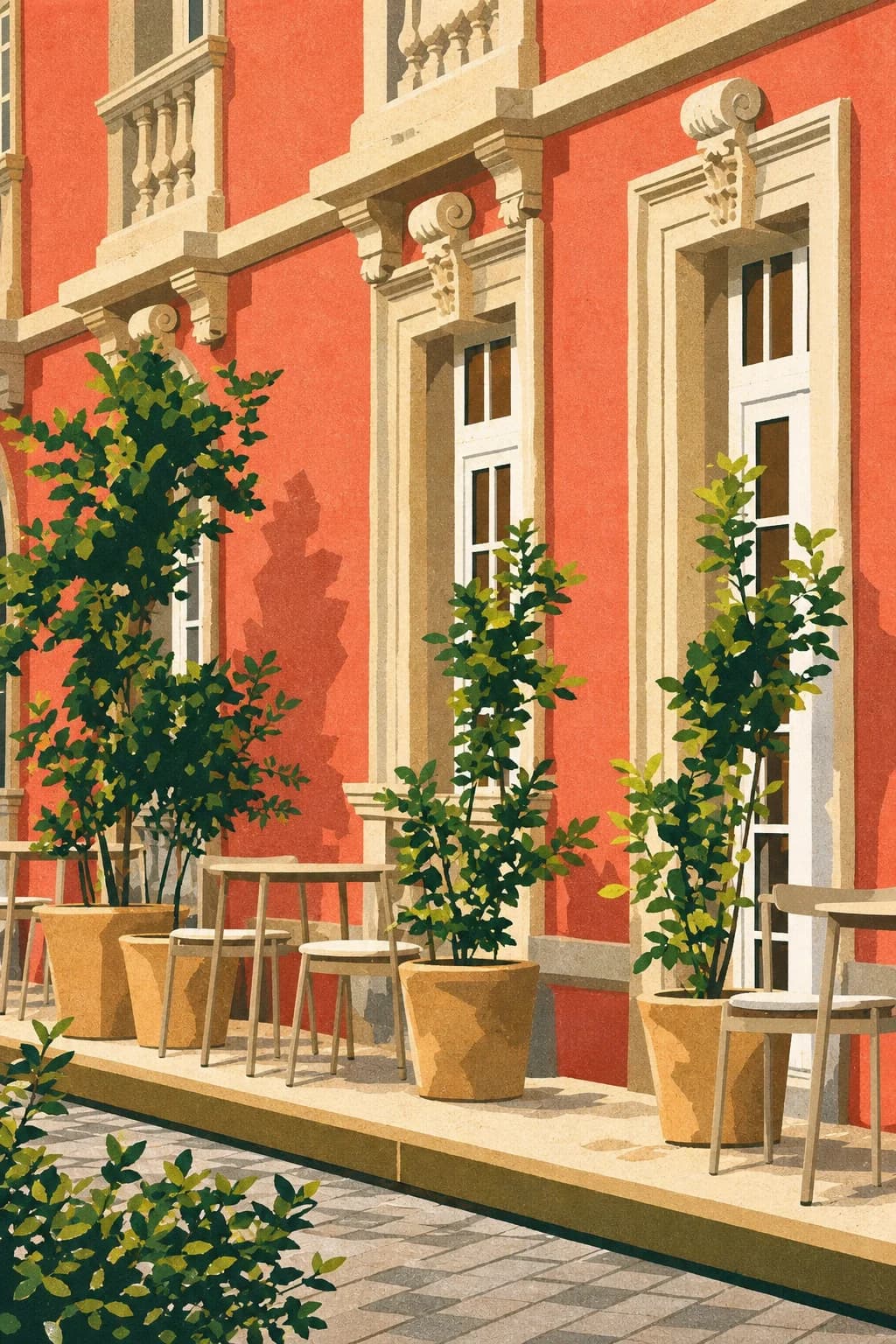
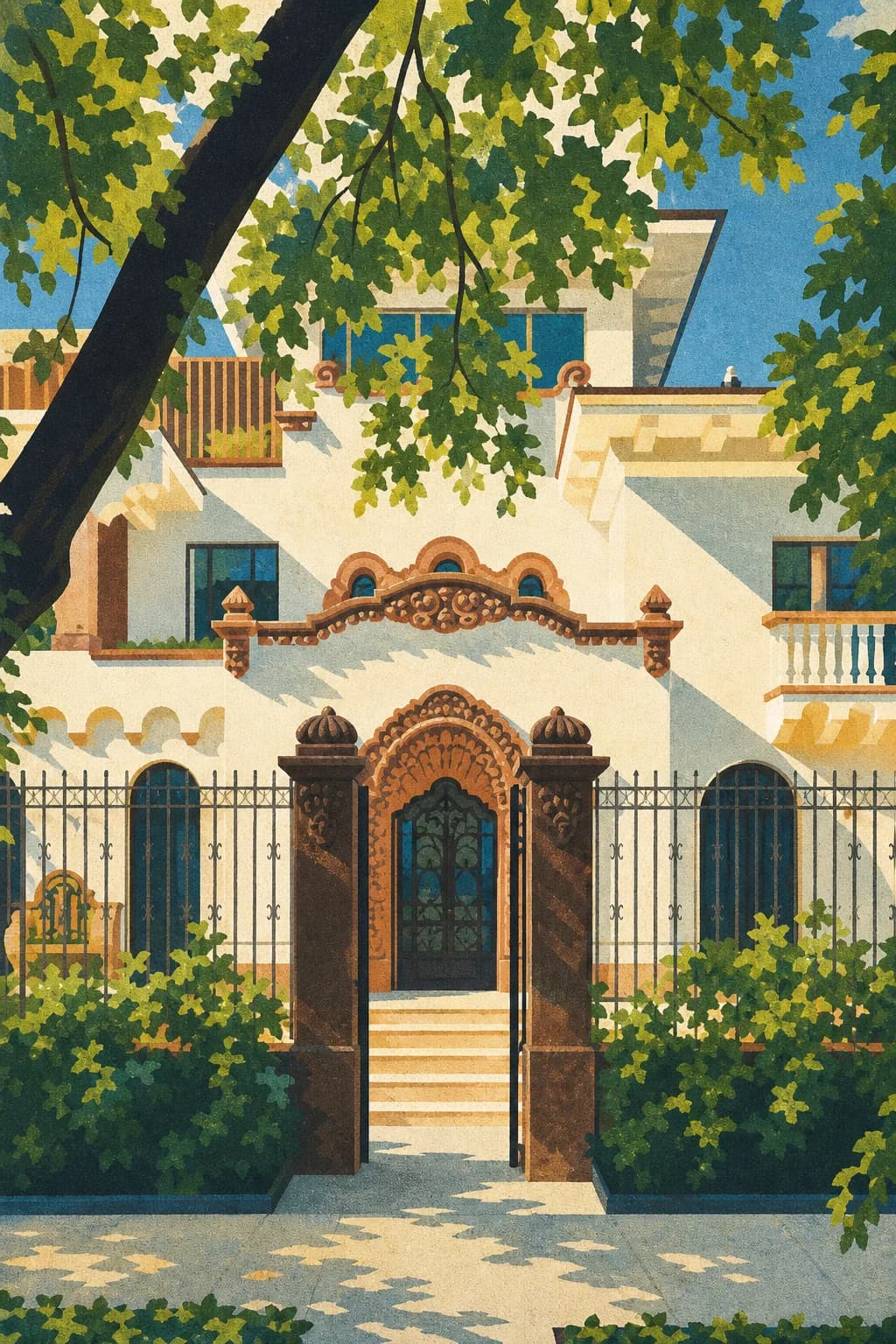
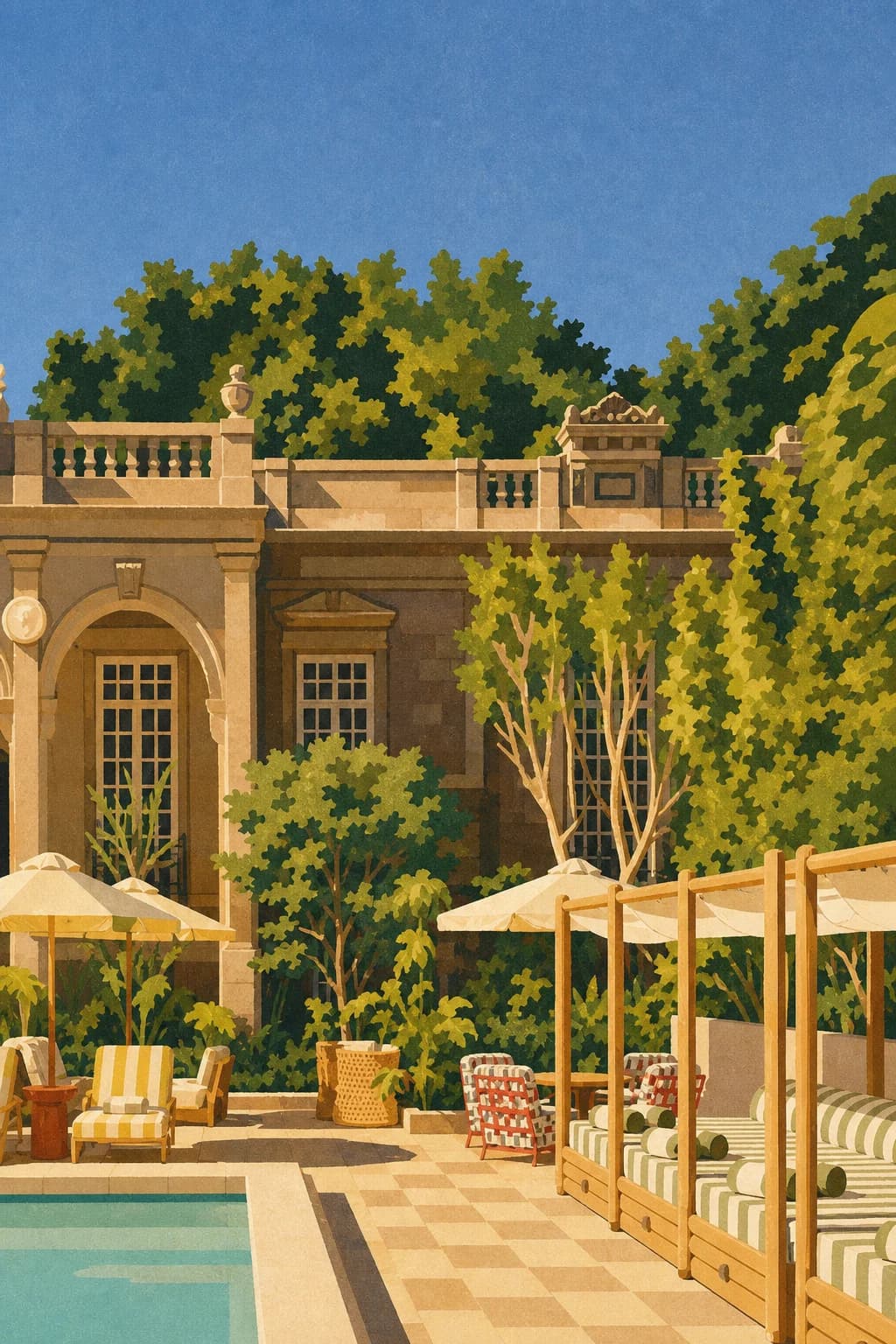
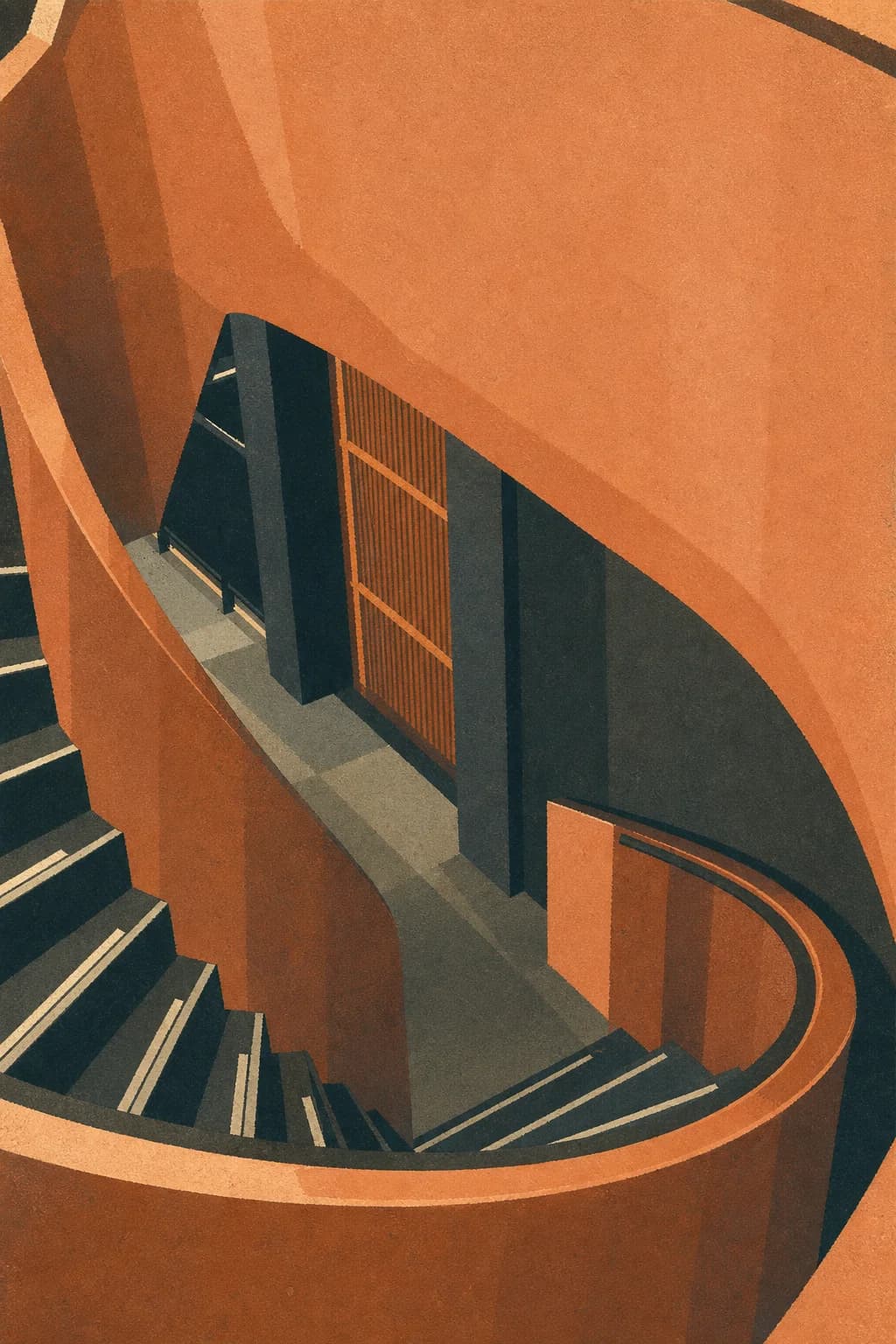
Colonnier Arquitectos ran the renovation, Simple Arquitectura the restoration and interiors, and the split shows. Original stone balconies, marble staircases and Belle Epoque railings stayed. Exposed white brick ceilings, pale wood floors and floor to ceiling window doors came after. INBA lists the building as an Artistic Monument, which limits what anyone can change, and that limit is why the house still feels like 1923 instead of a set dressed to look like it.
Six venues under one roof
Most 32 room hotels manage one restaurant. This one runs a matcha and French pastry salon, Aquiles for seasonal Mexican cooking, a sushi counter crossing Japanese technique with Sinaloa and Coahuila flavours, Akamba as a dark mezcal and tequila tasting room, a flame grill on the roof and an Art Deco speakeasy with live DJs. You can spend a full day here without leaving, which is either the point or the problem.
Roma Norte on foot
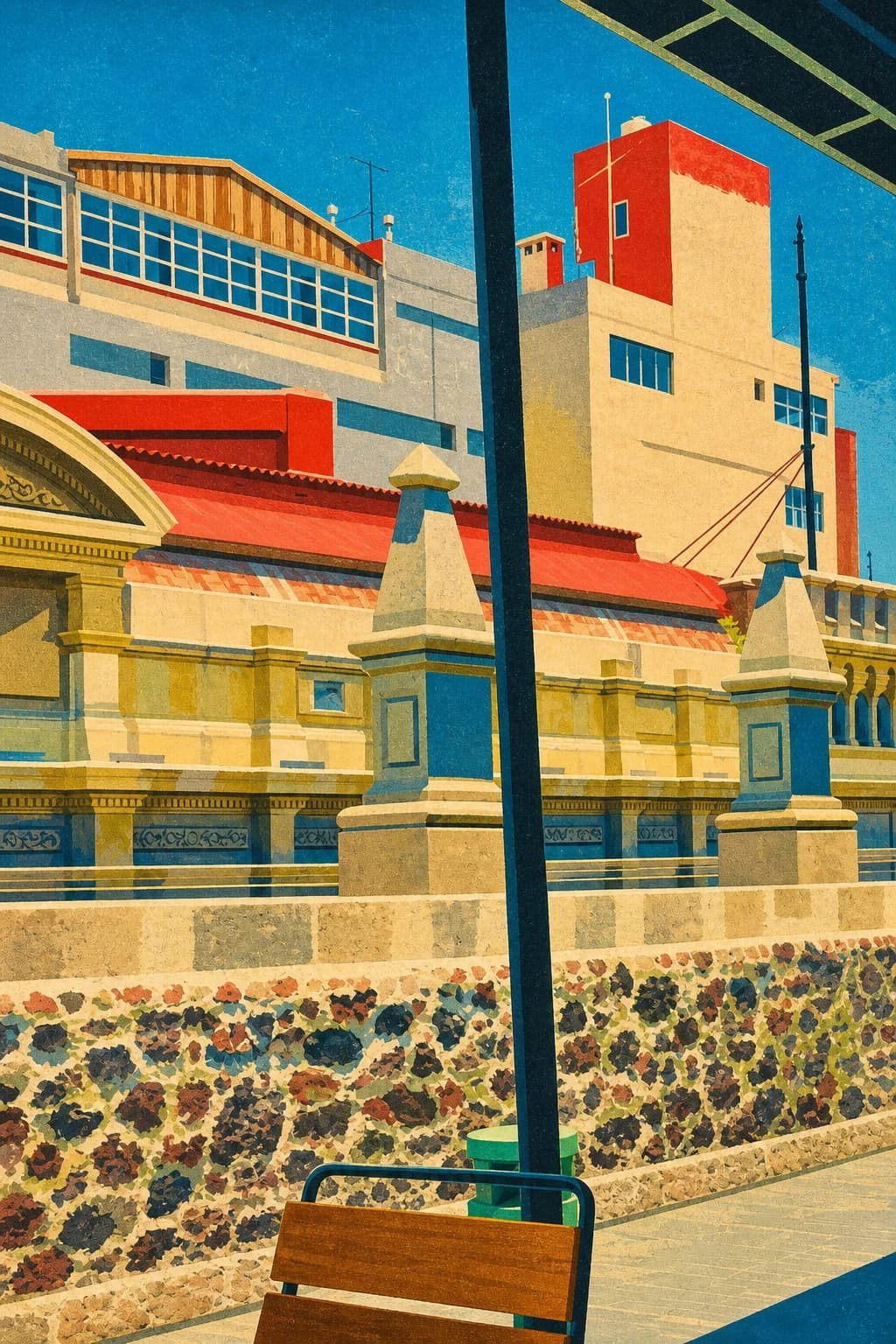
The house sits on Durango, central to Roma Norte but a block off the Álvaro Obregón noise. Contramar and Lardo are short walks. Plaza Cibeles, the galleries around Colima, the vintage shops and the Sunday sprawl of Mercado Medellín all sit inside twenty minutes on foot, and Bosque de Chapultepec is a quick ride west. You will not need a car here.
talk.
mapped.
“Casona Roma Norte has it all—and more—immersing guests in the energetic core of Mexico City's trendsetting hamlet with its authentic décor, historic elegance, and innovative gastronomy offerings.”
record.
This one has a matcha salon, a mezcal cave, a rooftop grill, a speakeasy and a sushi counter doing Coahuila style rolls, all under one pale pink roof, which is why rooms go quickly when the city is busy. The building went up in 1923, a Porfirian mansion on Durango with Belle Epoque balcony railings and marble stairs, and Mexico's Instituto Nacional de Bellas Artes recognises it as an Artistic Monument.
Colonnier Arquitectos handled the renovation, Simple Arquitectura the restoration and interiors. What they left alone matters as much as what they added: exposed white brick ceilings, floor to ceiling window doors, light wood floors, marble bathrooms that fill with daylight. The lobby reads like an art collector's front room, tan velvet and contemporary Mexican work on the walls. Thirty two rooms, and peak season fills them, so plan around it.
changed.
Mexico City runs on a two-peak calendar, and understanding why the curve looks the way it does is worth more than any temperature chart. The first peak is spring, roughly March into April, the dry-season stretch when the jacarandas turn the city violet and the skies stay clear. The second is late October into November, when Day of the Dead brings the single biggest travel surge of the year. Those are the weeks the city sells to the world, and they are the weeks the small design houses fill first.
For those peaks, plan far ahead. The Roma and Polanco properties that matter, the handful in the upper tiers, can close out three months before Day of the Dead and the jacaranda weeks, and there is no overflow wing when a hotel has nine or twenty rooms. If your trip is fixed to those dates, book the room before the flights.
The genuinely undervalued window is the summer rainy season, June through August. The rain scares people off, but it arrives as short, predictable afternoon storms that clear by evening, leaving bright mornings for everything you actually came to do. Demand drops to its yearly low, the same rooms that vanish in October sit open, and rates soften across the board. Shoulder travelers who do not need the jacarandas get the best value of the year here.
The rest of the calendar fills in around the peaks. February, May, September, and December run warm with demand: September carries Independence Day on the 16th and its plaza celebrations, and December brings the Guadalupe pilgrimage and Christmas, both of which tighten the center in particular. January sits quiet after the holidays, another soft, workable window.
The one thing Mexico City never does is close. There is no dead season, no shuttered-hotel month; the city works year-round, so the only real decision is how much company you want and how early you are willing to commit. Book the peaks early, take the summer if you can be flexible.
approach.
briefing.
“While Roma has a lot of boutique hotels to choose from, few have the variety of on-site amenities of Casona.”
stands.
demand's going.
The real Instagram following over time, plus where this hotel sits for demand in Mexico City. Pick a range, toggle the lines. Followers are reach and demand, not engagement.
assessment.
File closes at MODERATE. Rooms are there if you plan around Day of the Dead and the December holidays. Book it for the 1923 house, the terraces and the six venues downstairs; skip it if you want silence, or a cheaper Roma bed with the same restaurants outside.
The numbers behind the tiers
Casona Roma Norte · SOURCE READINGS · REDACTED- Availability density · sampled
- Monthly search volume · raw
- TikTok hashtag views · raw
- YouTube total views · raw
- TikTok following · latest sweep
- Pinterest saves · latest sweep
More from Mexico City.
Get the hotel's Unbookable Score.
Any post or reel with a hotel in it. Booking.com hotel pages work too. One free check, no account needed.