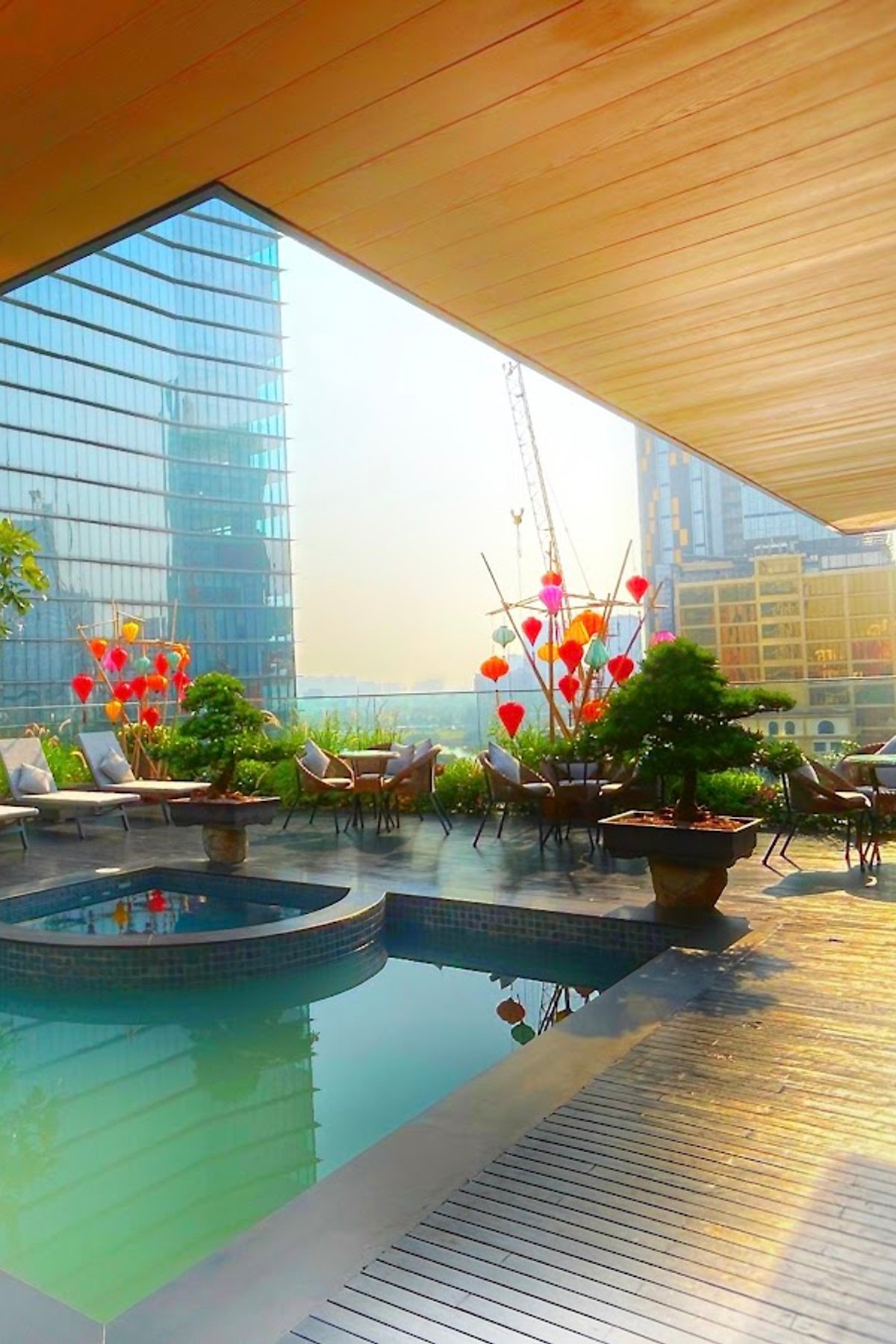
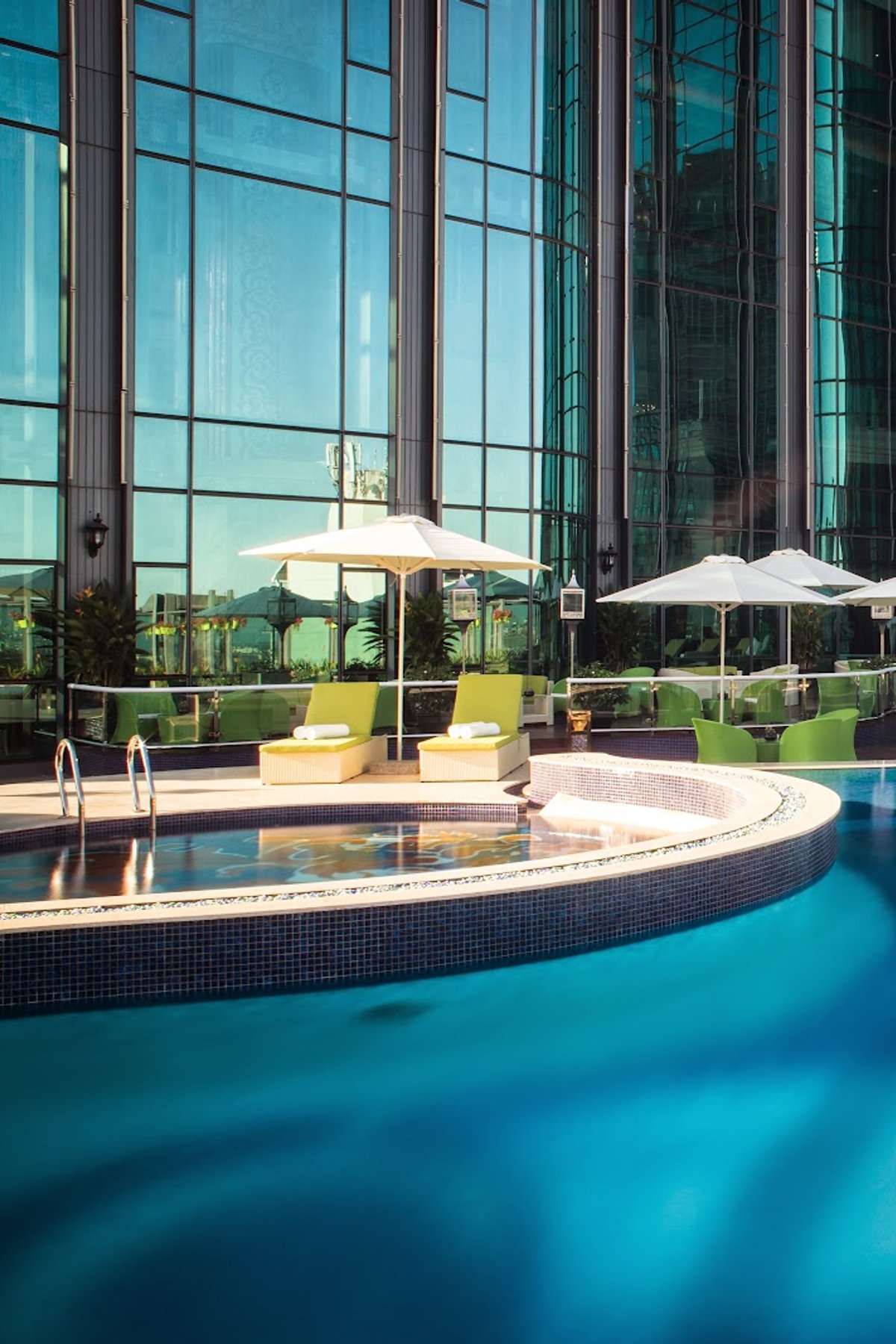
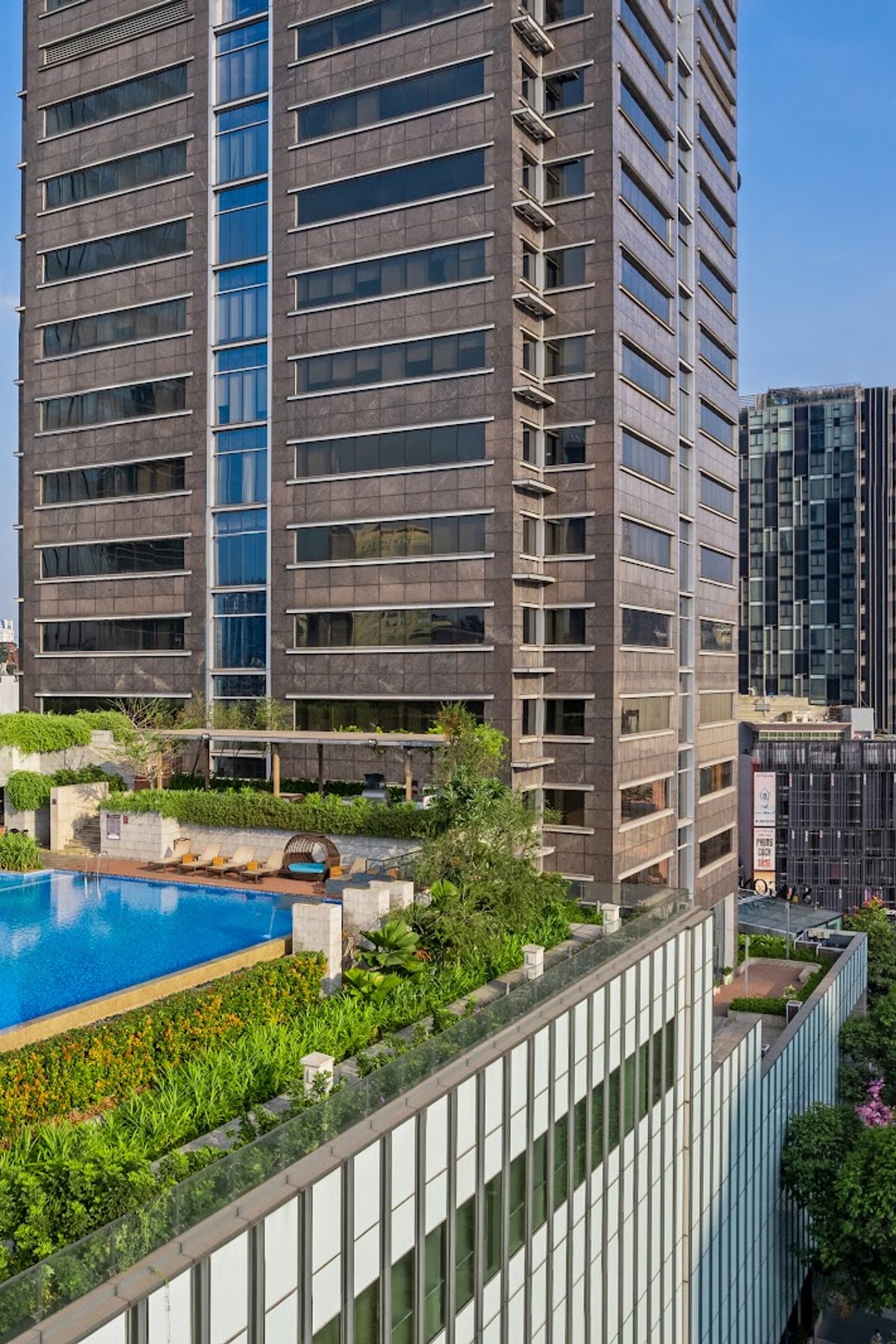
For a mid-price District 1 hotel, the in-room soaking tubs and the dual-temperature rooftop pool genuinely lift it above the pack. It won a 2025 continent-level nod from the World Luxury Hotel Awards, and the wellness angle is real rather than decorative. Just calibrate for cozy rooms and a compact pool.
With a tiny social footprint and no splashy marketing, this flies well under the radar for a hotel with a serious spa and a genuine Japanese-bath concept. If you want the calm of a boutique Saigon stay without the crowds, it qualifies as a hidden gem.
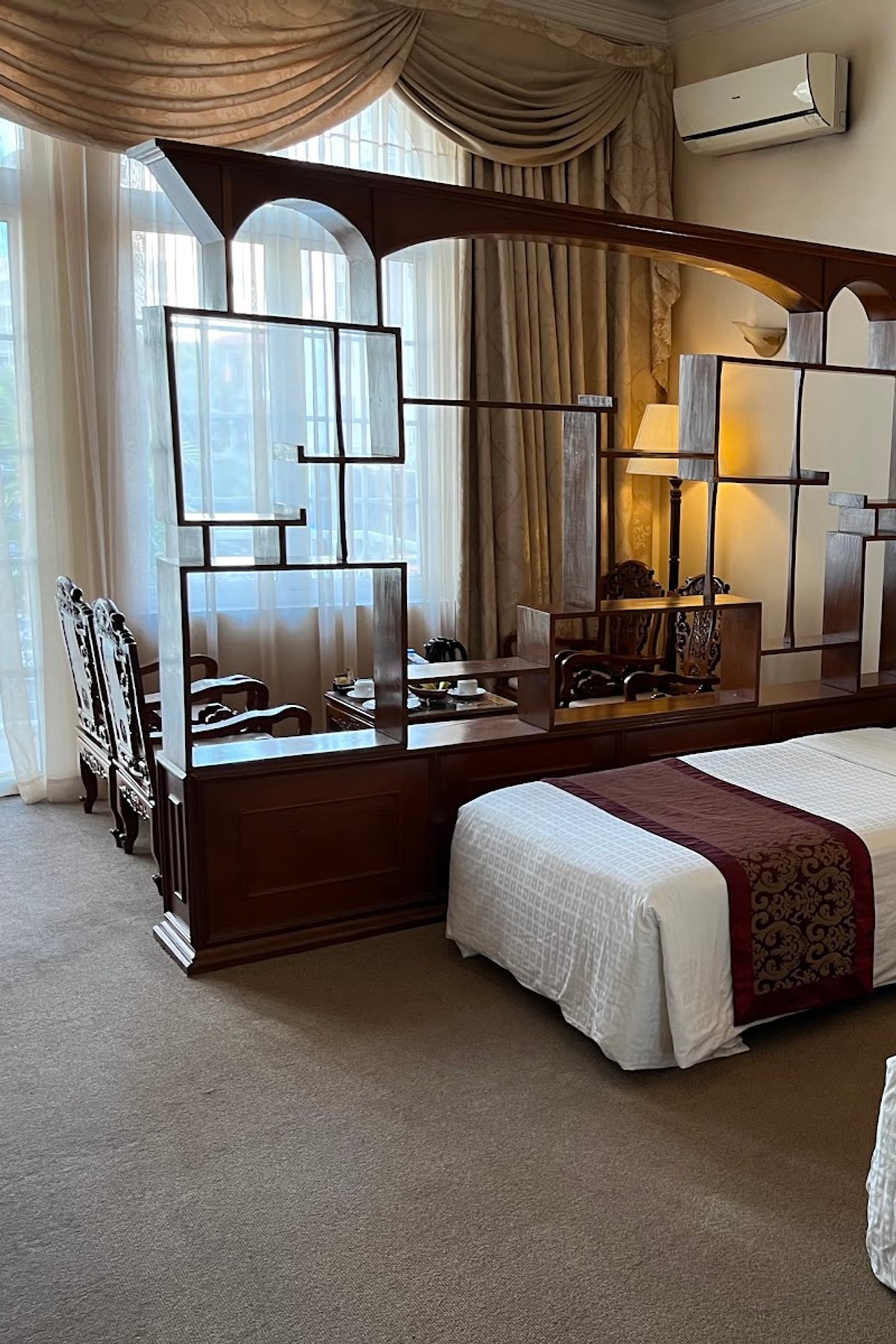
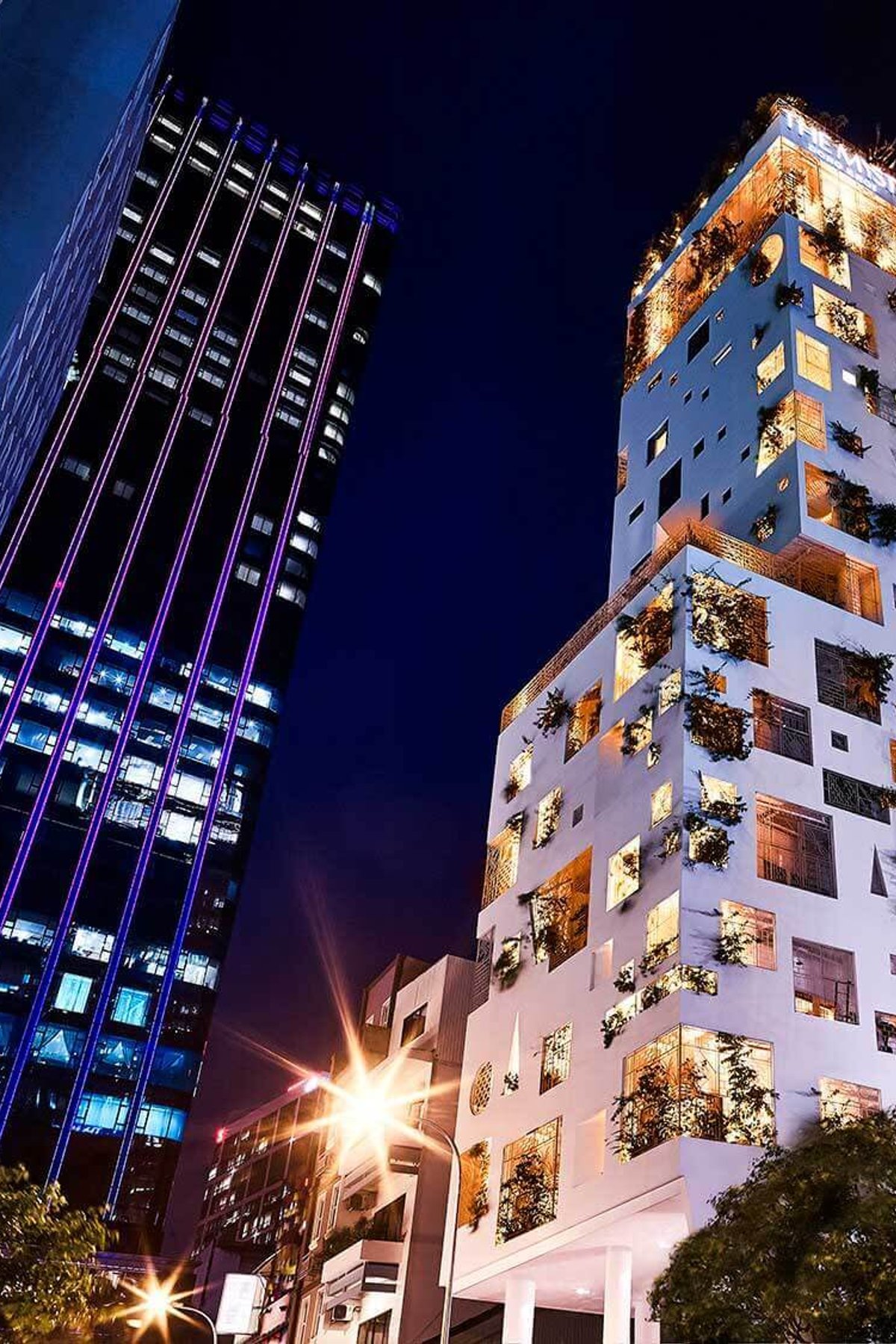
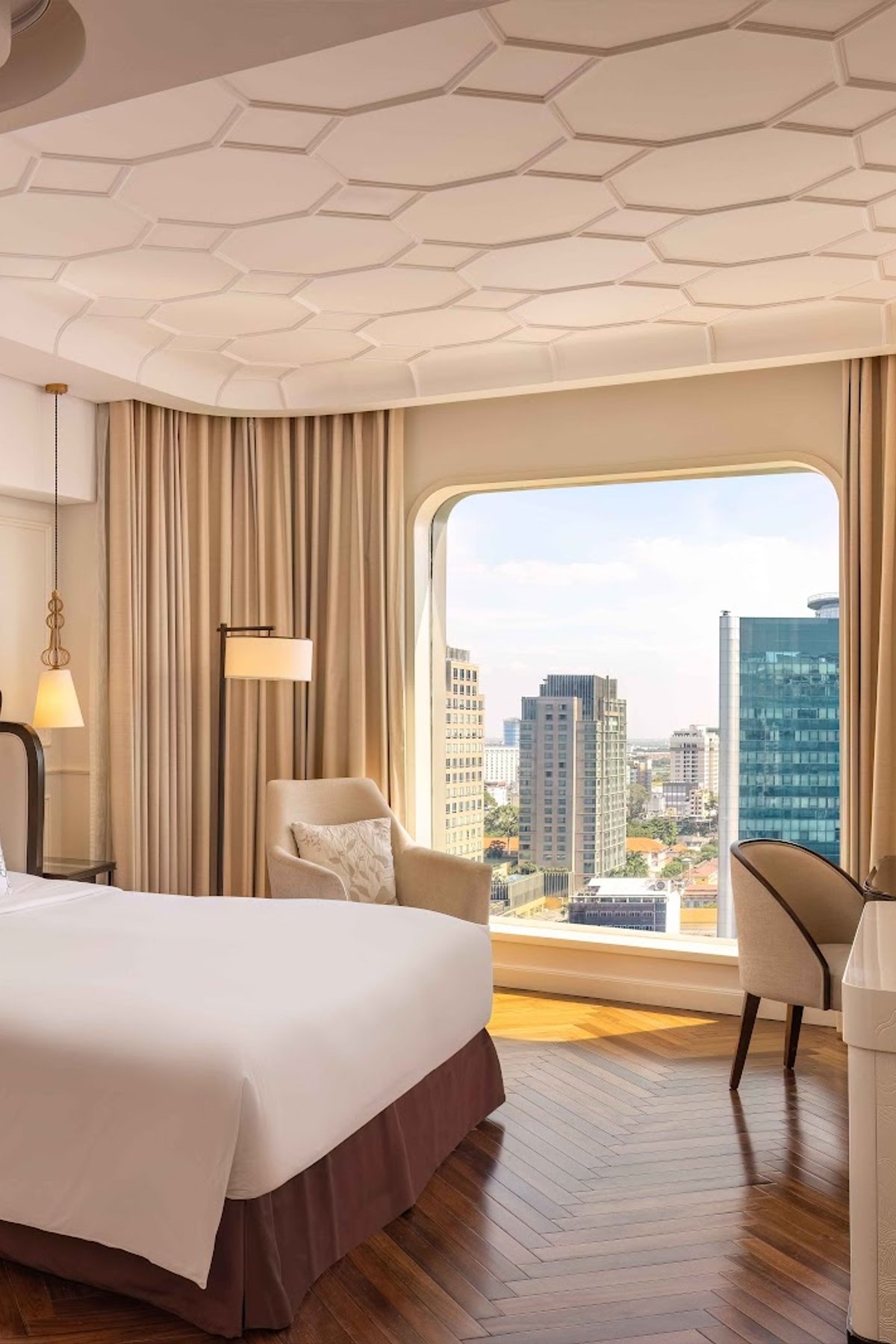
The design language here is restraint: pale wood, low light, clean lines, the visual quiet that Japanese hospitality trades in. But it is not a copy-paste import. Vietnamese texture and warmth soften the edges, and the in-room soaking tubs turn a standard city hotel bathroom into the reason you booked. It reads calm without ever feeling cold or clinical.
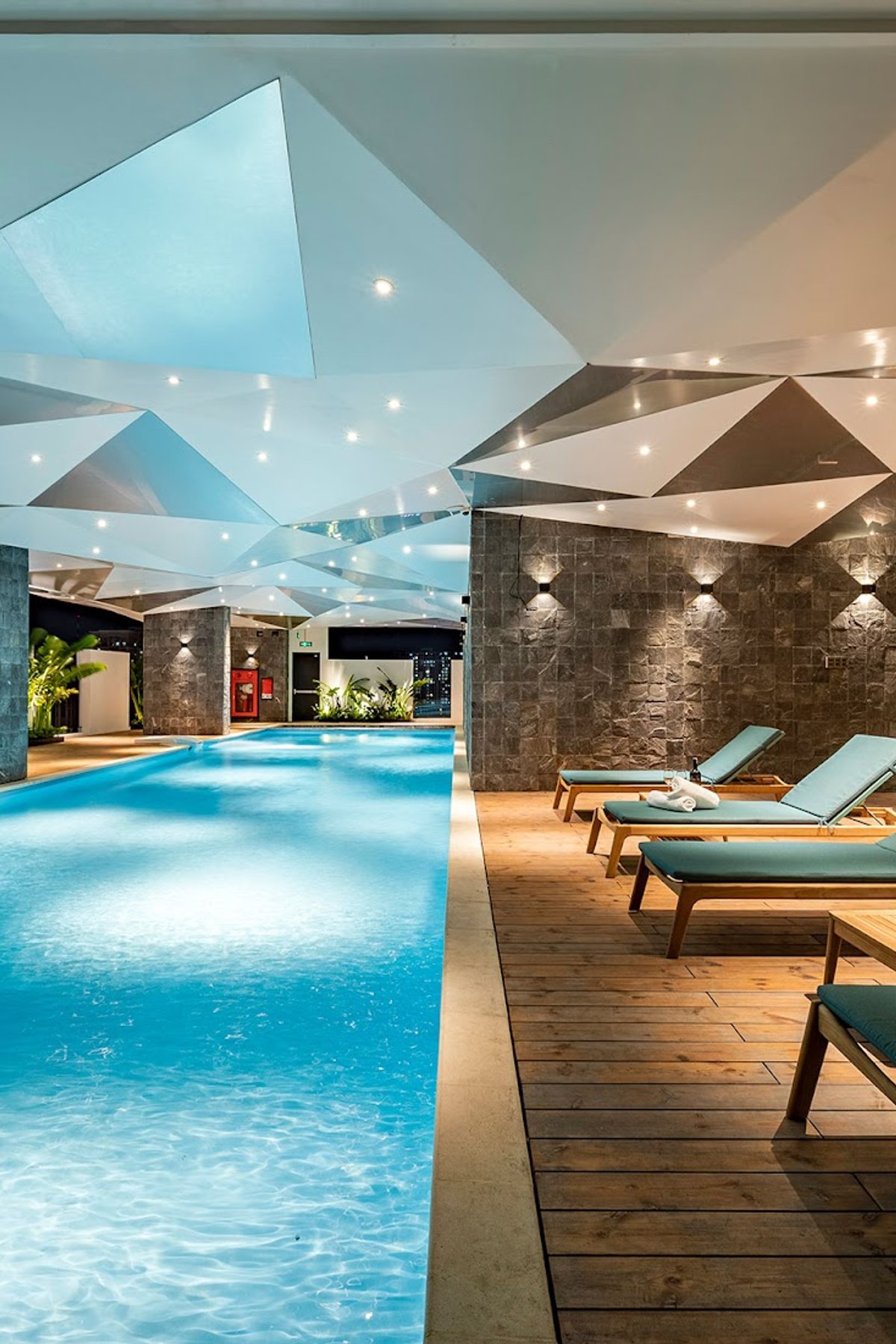
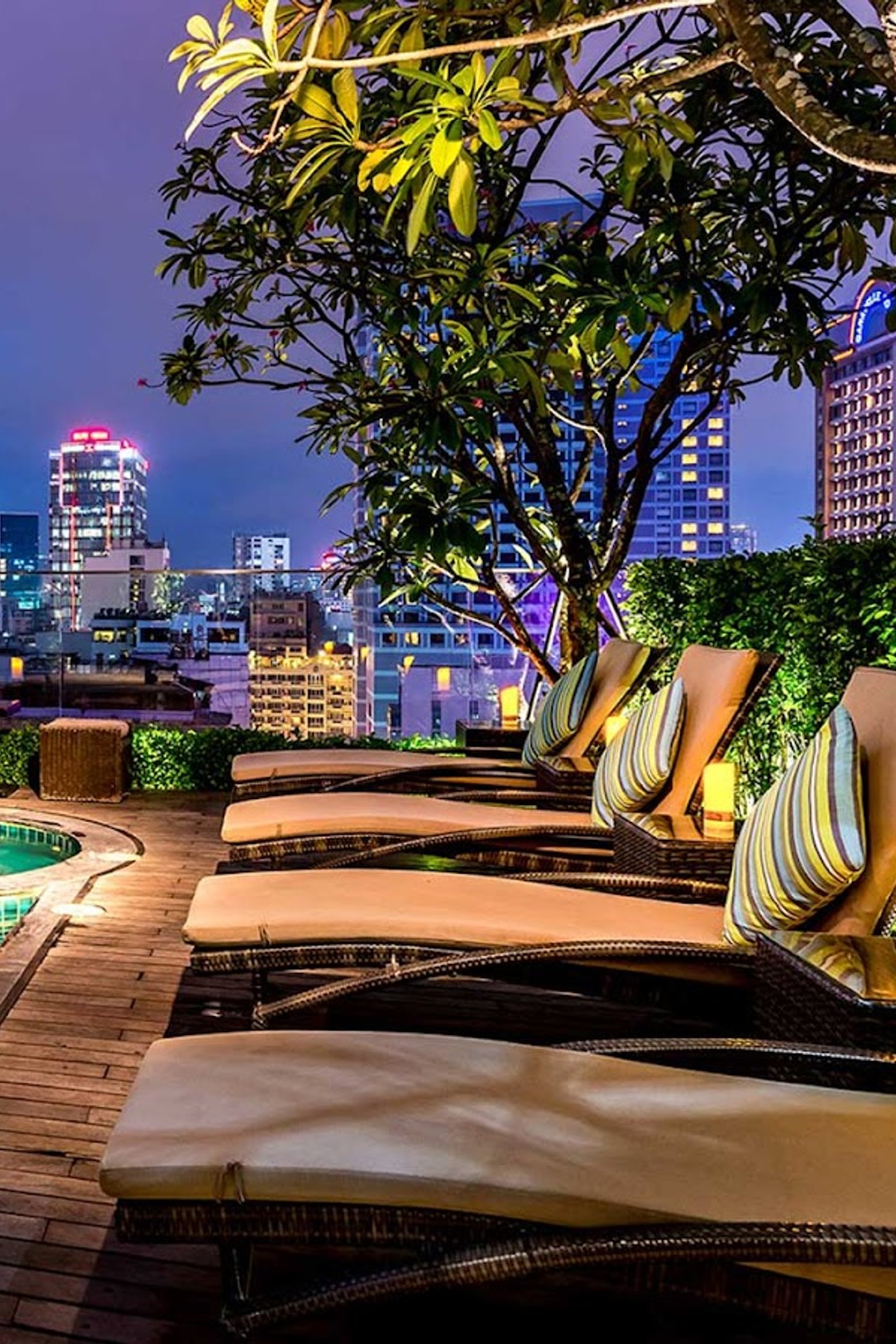
Up top, the jacuzzi pool runs two temperatures on purpose: a 38-degree hot side and an 18-degree cold plunge, so you can cycle between them Nordic-style while Saigon hums below. Downstairs, KL Spa handles the slower recovery with massage and treatment packages. For a mid-price city hotel, having a genuine wellness rhythm rather than a token gym is the real draw.
You are in the Le Thanh Ton pocket of District 1, the compact grid where Saigon's Japanese community eats, drinks, and runs its izakayas and ramen counters. Ben Thanh Market and the backpacker energy of Pham Ngu Lao are both walkable. It means late-night bowls of noodles and quiet sake bars are steps away, not a taxi ride across town.
The rooftop pool is only around 20 square meters, so peak afternoons get crowded fast.
Built for travellers who want to retreat and recover, not party seekers chasing a rooftop bar scene.
Rooms run cozy and the minimalist styling reads plain to some and serene to others, so category choice matters.
District 1 is thick with hotels, but few in this bracket offer in-room soaking tubs and a hot-cold pool.
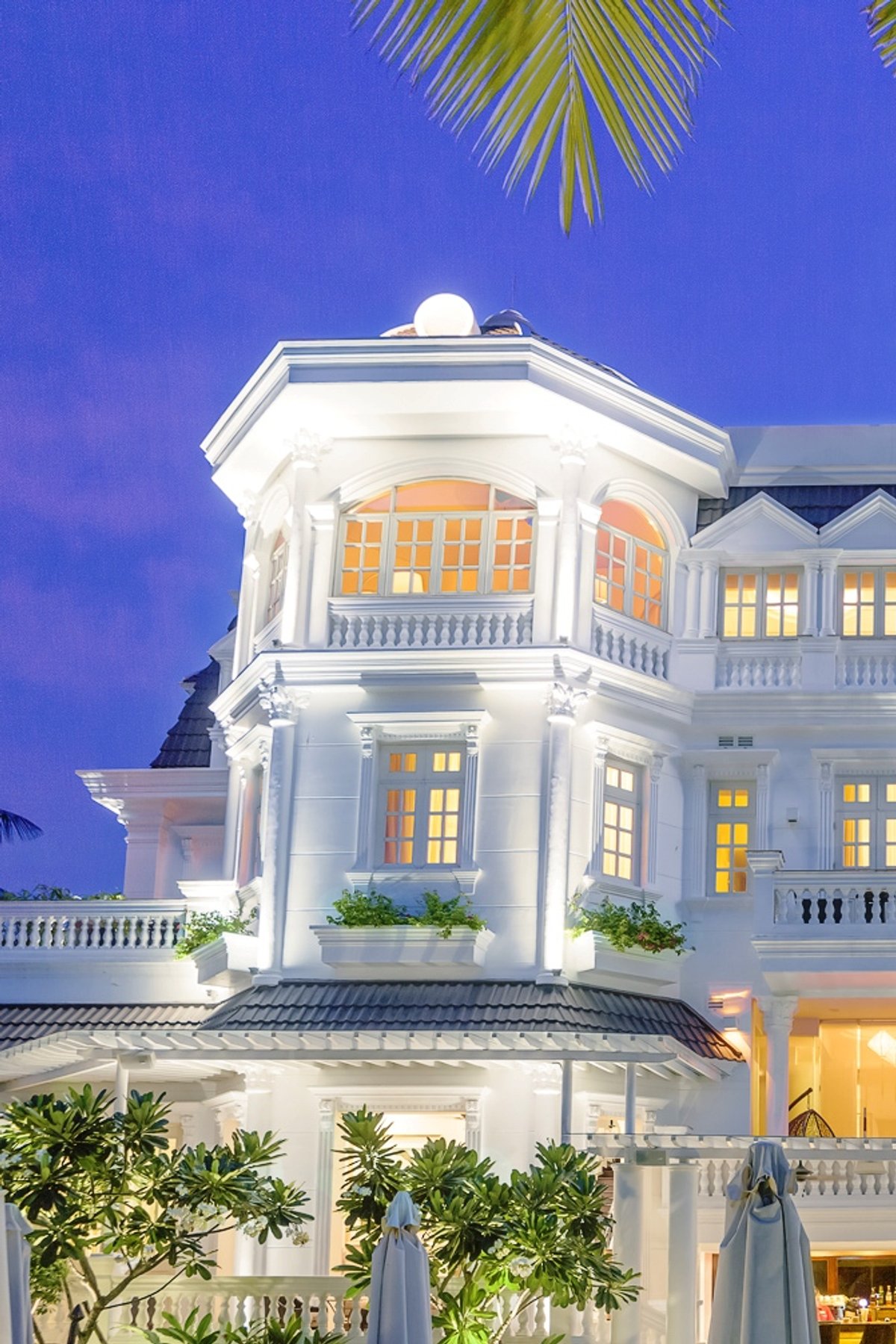
The rooms come with deep Japanese soaking tubs, which tells you exactly what kind of hotel this wants to be: one you retreat into, not one you just sleep in. Silverland Sakyo sits in Little Tokyo, the pocket of District 1 where Saigon's Japanese expat life clusters, and the design leans in with quiet blond wood and clean lines crossed with Vietnamese warmth.
The parent group, Silverland Hospitality, once called Tan Hai Long, has run hotels in Ho Chi Minh City since 2001, so this is a local operator that knows the city, not a parachuted-in flag. On the roof, a jacuzzi pool splits into two zones, one at a scalding 38 degrees, one at a bracing 18, with the hum of Saigon rising from below. It picked up a 2025 continent-level nod from the World Luxury Hotel Awards. Rooms move fast in peak season, so plan ahead.
The demand curve here is blunt and worth reading before you book. Four months, December through March, sit at the top, and they sit there for a reason: the dry season is the only stretch when Saigon's heat comes without the daily monsoon, and it overlaps with Tet, the Lunar New Year that pulls the entire country into motion at once. If you want the central design hotels or a small Thao Dien boutique in this window, treat four to eight weeks of lead time as the floor, and book the good room categories first because they close first. Tet itself deserves a note. Falling in late January or February, it is the single busiest booking moment of the year, but it is also strange on the ground: many family-run restaurants and shops shut for several days as locals return to their hometowns, and the normally relentless traffic thins to something almost calm. It is a fascinating time to be here if you plan around the closures, and a frustrating one if you do not. The shoulders are where the value hides. April and November carry high but not peak demand, and they buy you dry-season conditions without the Tet surcharge, the sweet spot most repeat visitors aim for. The long wet season, May through October, drops demand by roughly half, and with it both rates and booking friction. The rain is real but rarely a washout; it arrives as heavy afternoon downpours that clear within an hour or two, leaving mornings and evenings open. September and October in particular are genuinely undervalued: warm, green, quiet, and the easiest months of the year to walk into the room you actually wanted. There is no closed season in Saigon and no month the city stops working. What changes is the math of getting a bed. Plan the peak months like a competition and the shoulder months like a gift, and let the wet season carry the trips where flexibility matters more than sunshine.
One reading captured so far. The trajectory draws in here as nightly readings stack up.
File closes at ACCESSIBLE. A rare mid-price Saigon stay built around actual wellness: soaking tubs, a hot-cold roof, a Little Tokyo address. Book it if you want to decompress; skip it if you need space to sprawl or a party scene. Plan a few weeks out for peak dates.