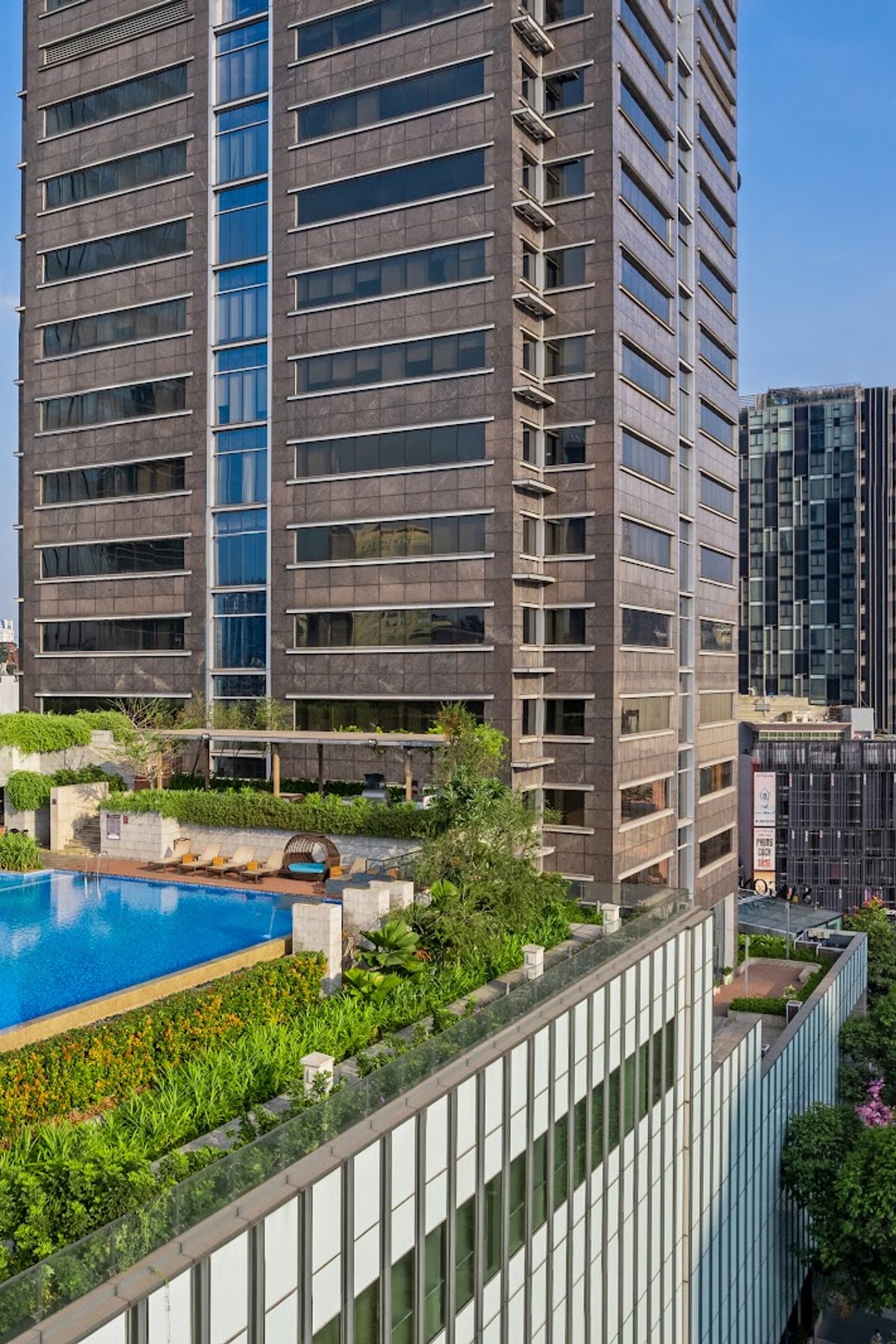
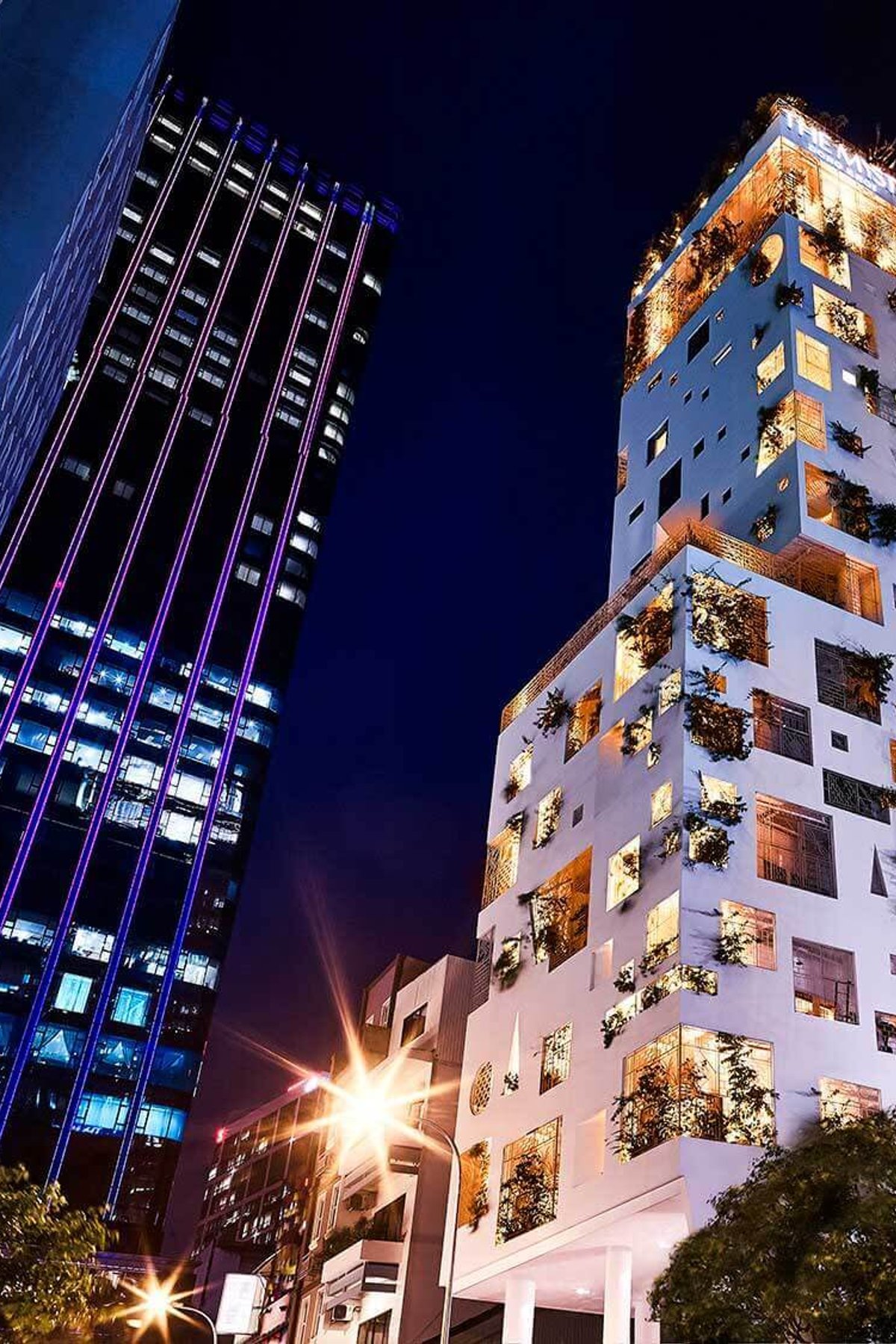
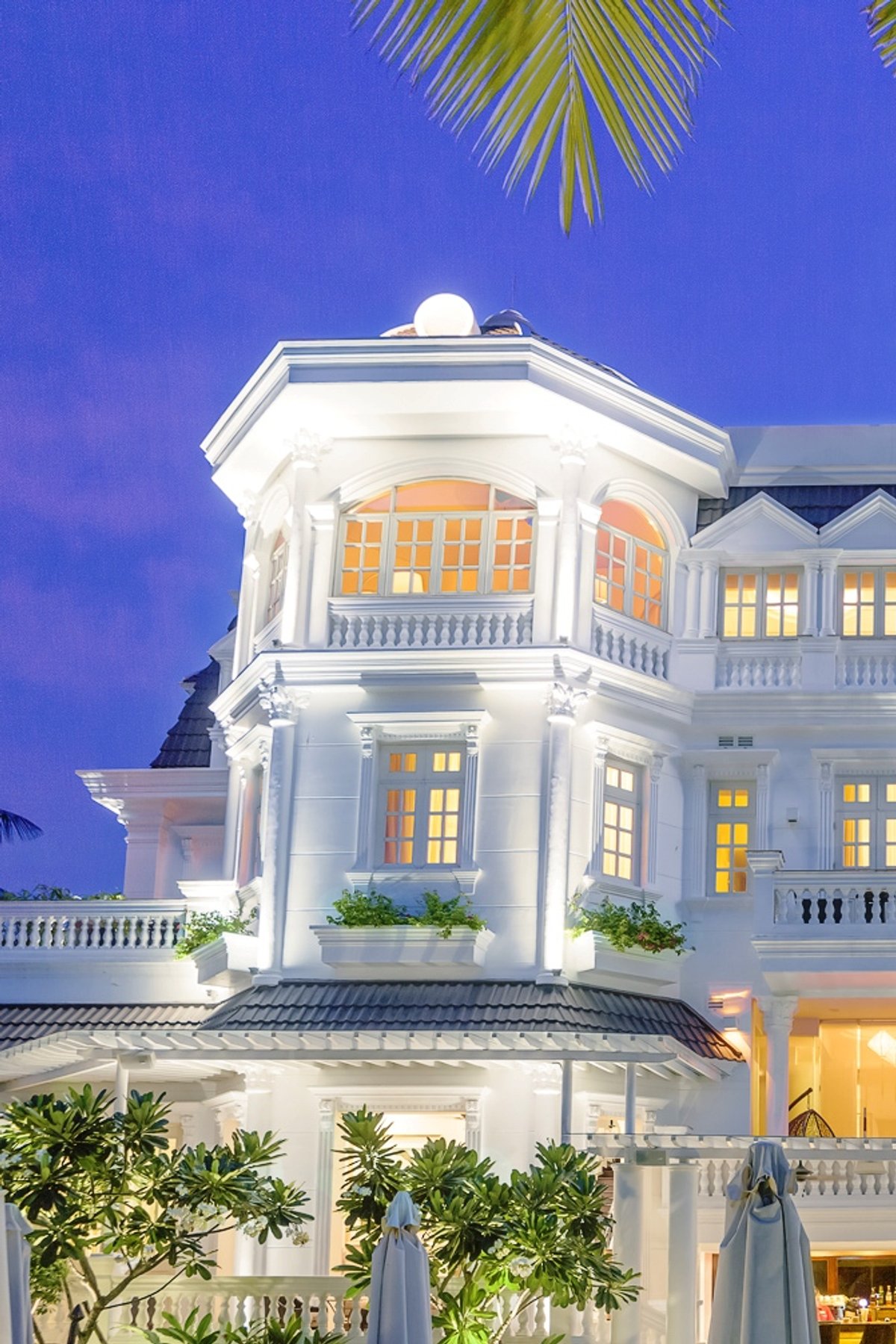
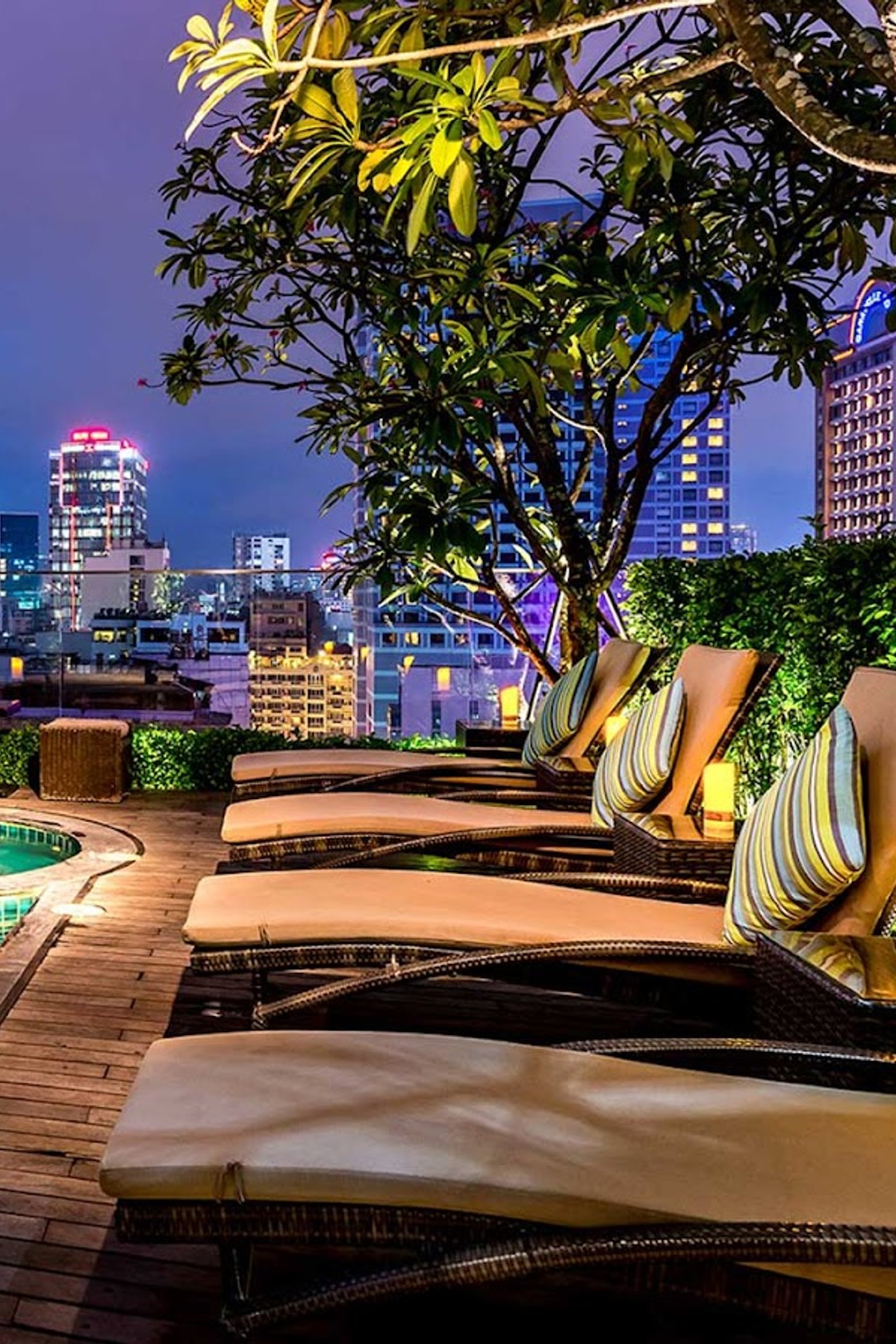
Mostly, with a condition. The heritage is genuine and the location is about as central as District 1 gets, but the experience lives or dies on which wing you land in. Choose the Ancient Wing and it delivers; default into the modern block and it becomes an ordinary big-city hotel.
Something of a hidden gem for a property this old and this central. It draws far less noise than the marquee international names nearby, which keeps it calmer and easier to get into. Heritage travelers who know Saigon seek it out; most first-timers walk straight past it.
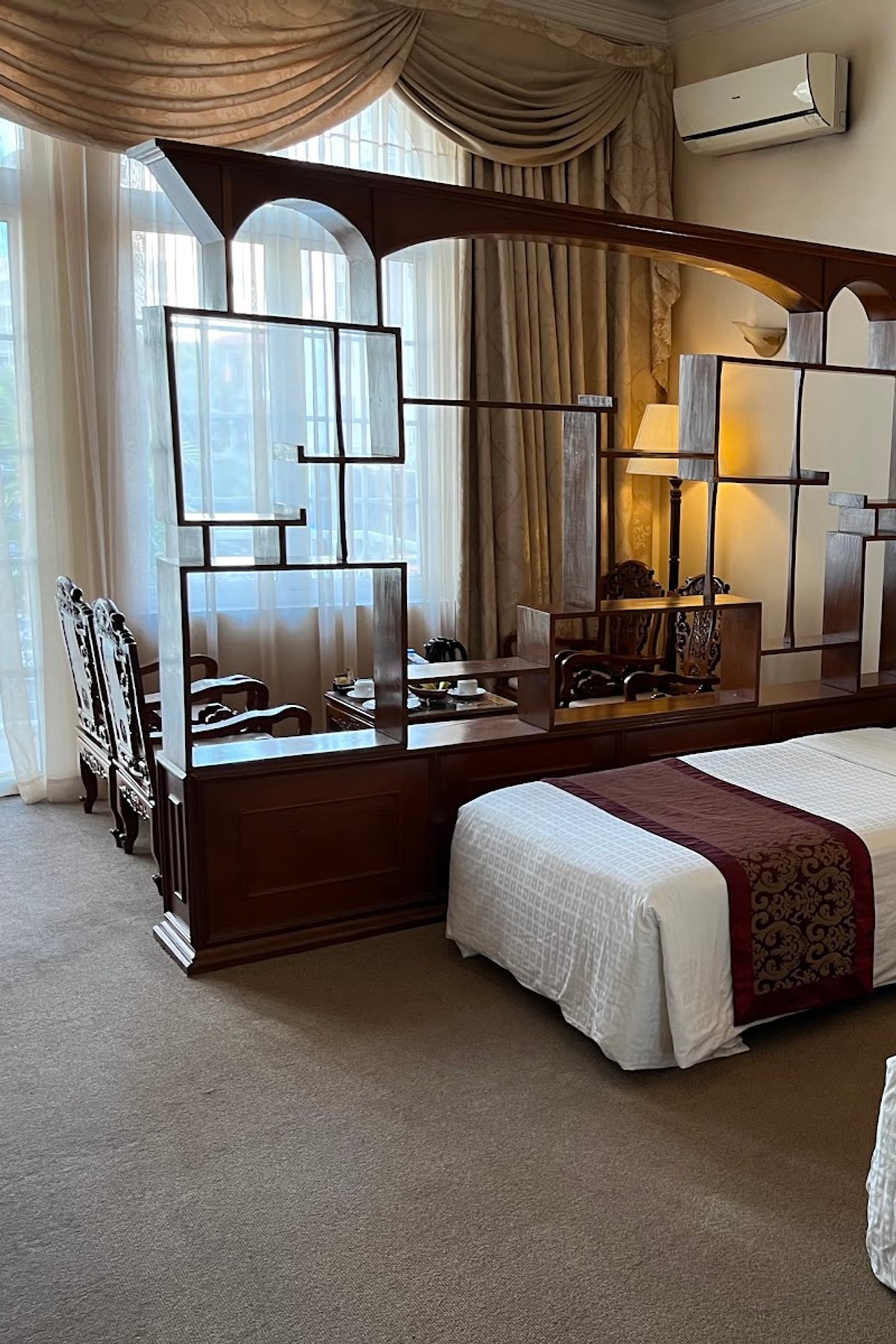
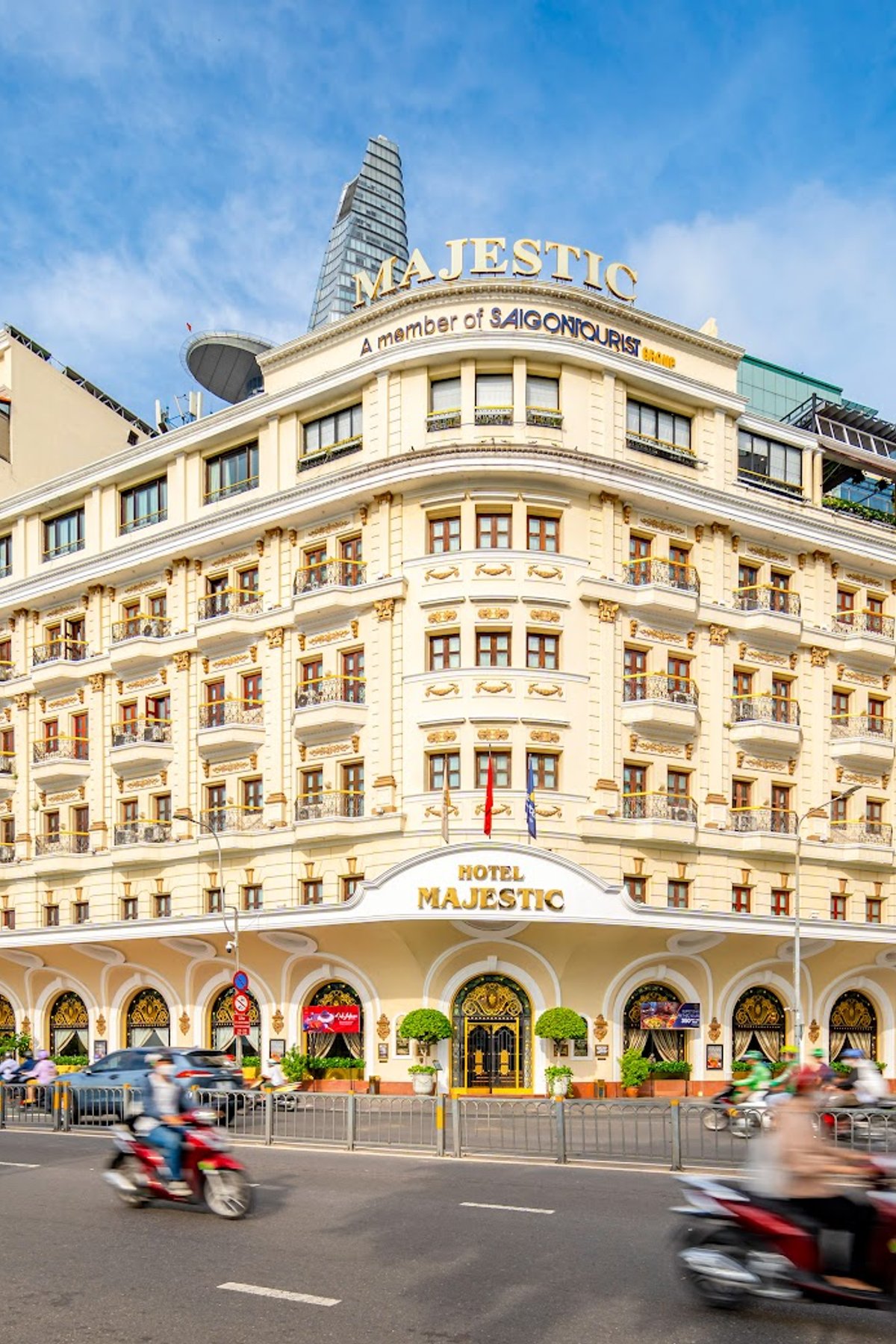
Skip the modern block and ask for the Ancient Wing. This is where the 1930 building survives: stained-glass windows, a grand staircase, beaded chandeliers, wooden parquet underfoot and an antique cage elevator that still works. French windows swing open over Dong Khoi Street. The details were not installed to look old. They are old, worn in the way only decades of daily use can produce.
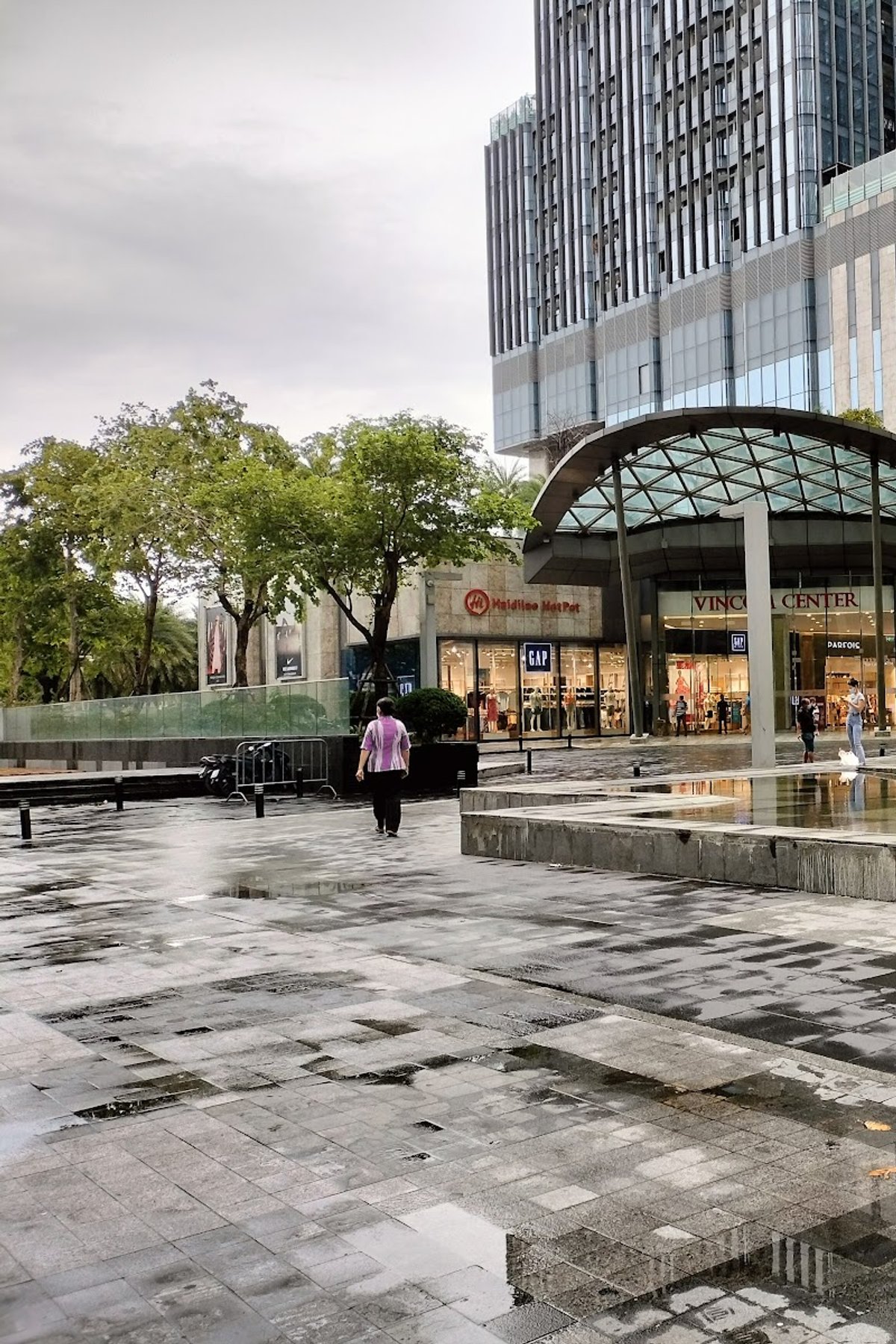
The hotel sits where Dong Khoi meets Ho Huan Nghiep and Ngo Duc Ke, a short walk from the Saigon River. This is District 1 at its most walkable: colonial facades, coffee windows, tailor shops and the Opera House within strolling distance. Step out in either direction and you are into the old Rue Catinat trading spine that has anchored the city for a century.
The Grand began as a commercial association assembled by Henry Chavigny de Lachevrotiere, a French politician and journalist who served as its first director when it opened in 1930. That lineage is not decoration. This is more than 95 years of continuous history, and the travel guide Rusty Compass has called it one of the city's glittering properties of the French colonial era.
At 250 rooms it runs like a large operation, so check-in at peak can feel processed rather than personal.
The gap between the Ancient Wing and the modern block is wide, and the room you book decides the whole stay.
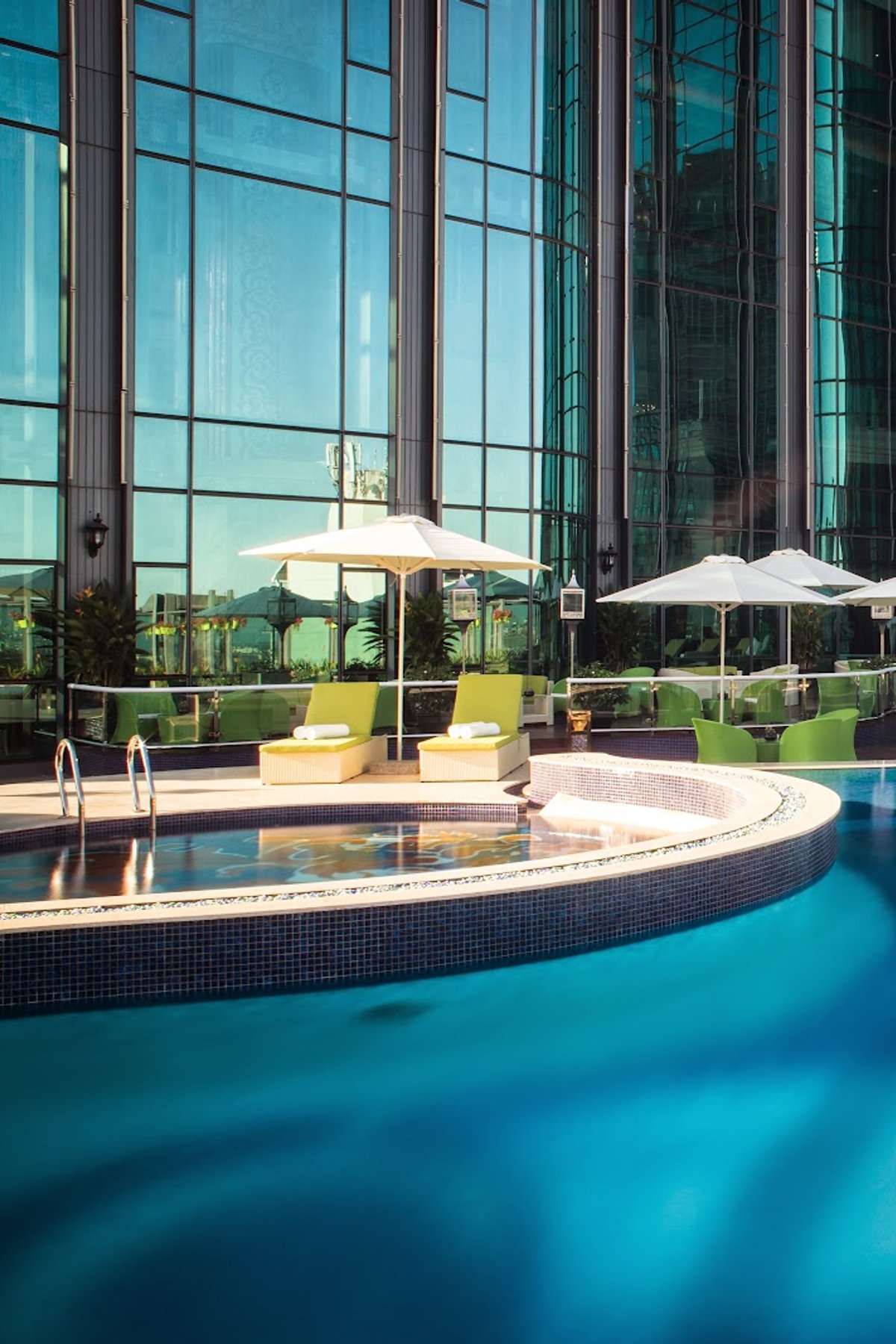
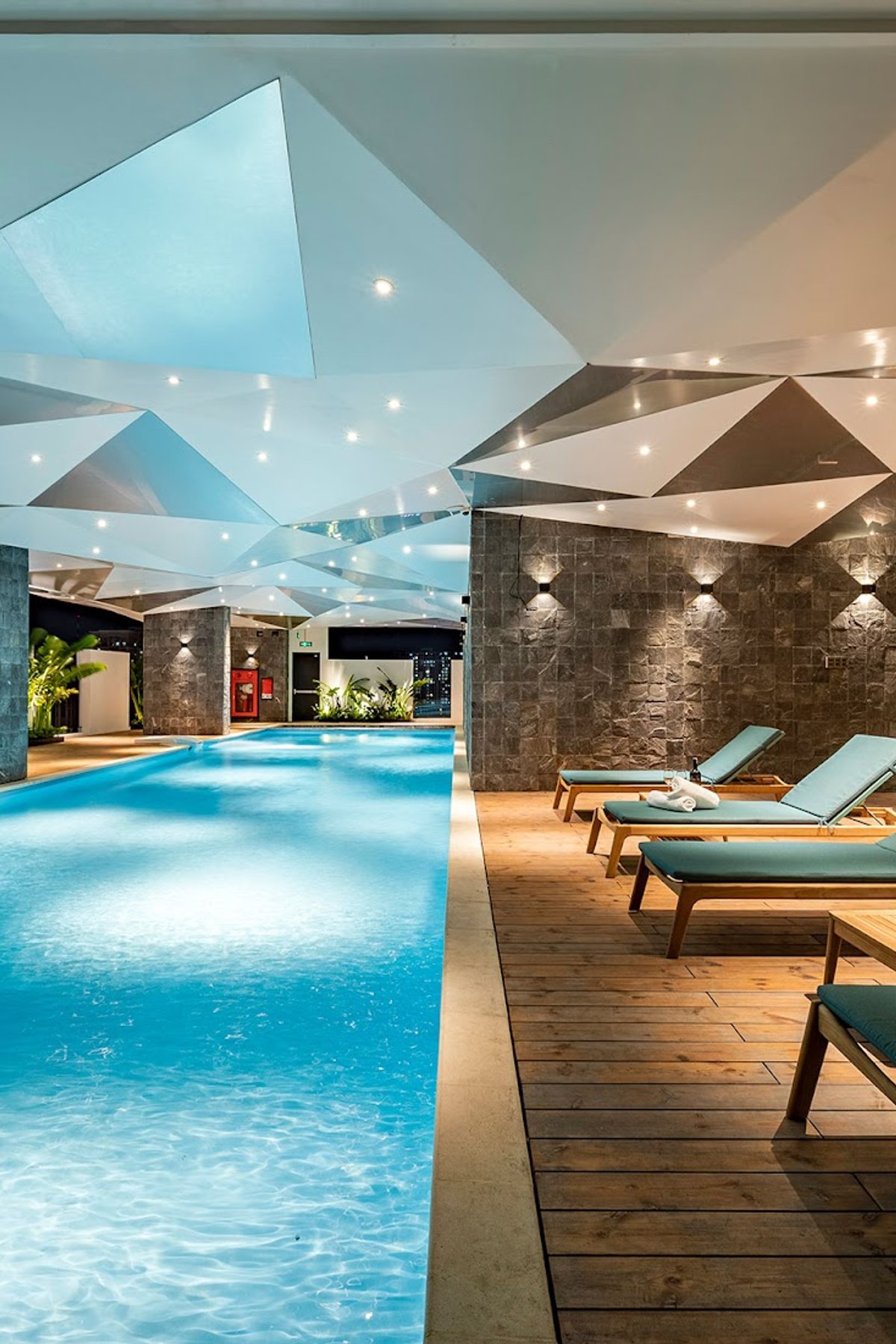
This is for heritage-minded travelers, not spa-and-infinity-pool seekers who will find newer towers a better fit.
Marquee international brands sit within walking distance, so you trade some polish and facilities for genuine 1930s character.
Book the Ancient Wing here and you are sleeping inside the city's colonial memory, not a themed reproduction of it. Rooms fill fast at peak, so plan ahead. The hotel opened in 1930 at 8 Rue Catinat, the street now called Dong Khoi, and it began as a commercial association founded by Henry Chavigny de Lachevrotiere, a French politician and journalist who became its first director.
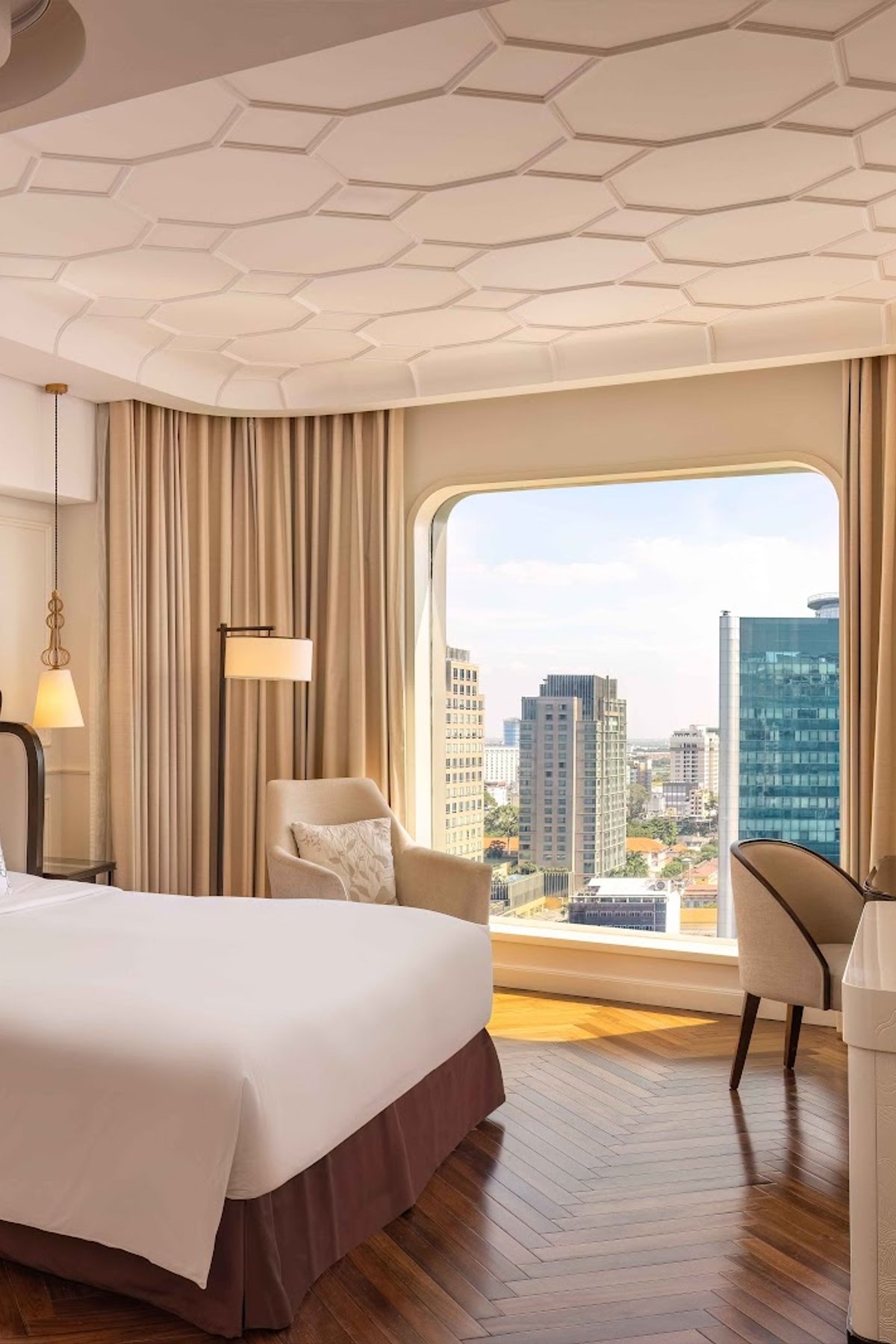
More than 95 years later it stands as one of the oldest heritage hotels in Ho Chi Minh City. The original wing keeps its stained glass, grand staircases, beaded chandeliers, wooden parquet floors and an antique cage elevator that still climbs its shaft. French windows open onto Dong Khoi below, and upper rooms look across to the Saigon River. It is a working piece of the 1930s, 250 rooms deep, and the good ones move when the city gets busy.
The demand curve here is blunt and worth reading before you book. Four months, December through March, sit at the top, and they sit there for a reason: the dry season is the only stretch when Saigon's heat comes without the daily monsoon, and it overlaps with Tet, the Lunar New Year that pulls the entire country into motion at once. If you want the central design hotels or a small Thao Dien boutique in this window, treat four to eight weeks of lead time as the floor, and book the good room categories first because they close first. Tet itself deserves a note. Falling in late January or February, it is the single busiest booking moment of the year, but it is also strange on the ground: many family-run restaurants and shops shut for several days as locals return to their hometowns, and the normally relentless traffic thins to something almost calm. It is a fascinating time to be here if you plan around the closures, and a frustrating one if you do not. The shoulders are where the value hides. April and November carry high but not peak demand, and they buy you dry-season conditions without the Tet surcharge, the sweet spot most repeat visitors aim for. The long wet season, May through October, drops demand by roughly half, and with it both rates and booking friction. The rain is real but rarely a washout; it arrives as heavy afternoon downpours that clear within an hour or two, leaving mornings and evenings open. September and October in particular are genuinely undervalued: warm, green, quiet, and the easiest months of the year to walk into the room you actually wanted. There is no closed season in Saigon and no month the city stops working. What changes is the math of getting a bed. Plan the peak months like a competition and the shoulder months like a gift, and let the wet season carry the trips where flexibility matters more than sunshine.
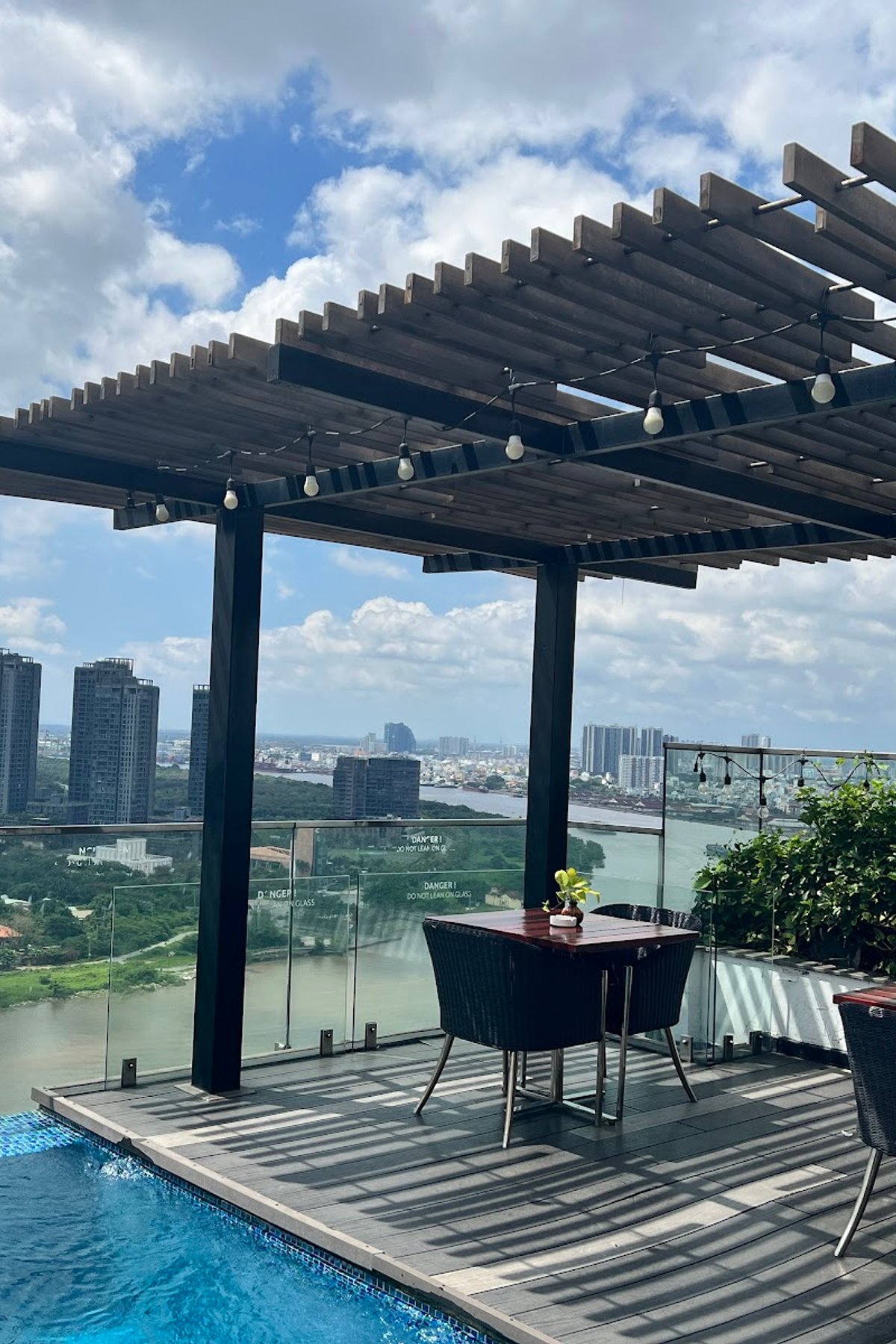
One reading captured so far. The trajectory draws in here as nightly readings stack up.
File closes at MODERATE. Bookable most of the year if you plan a few weeks out, tighter around Tet and December. Book the Ancient Wing river side and it earns its history; default into the modern block and you have overpaid for an ordinary big hotel.