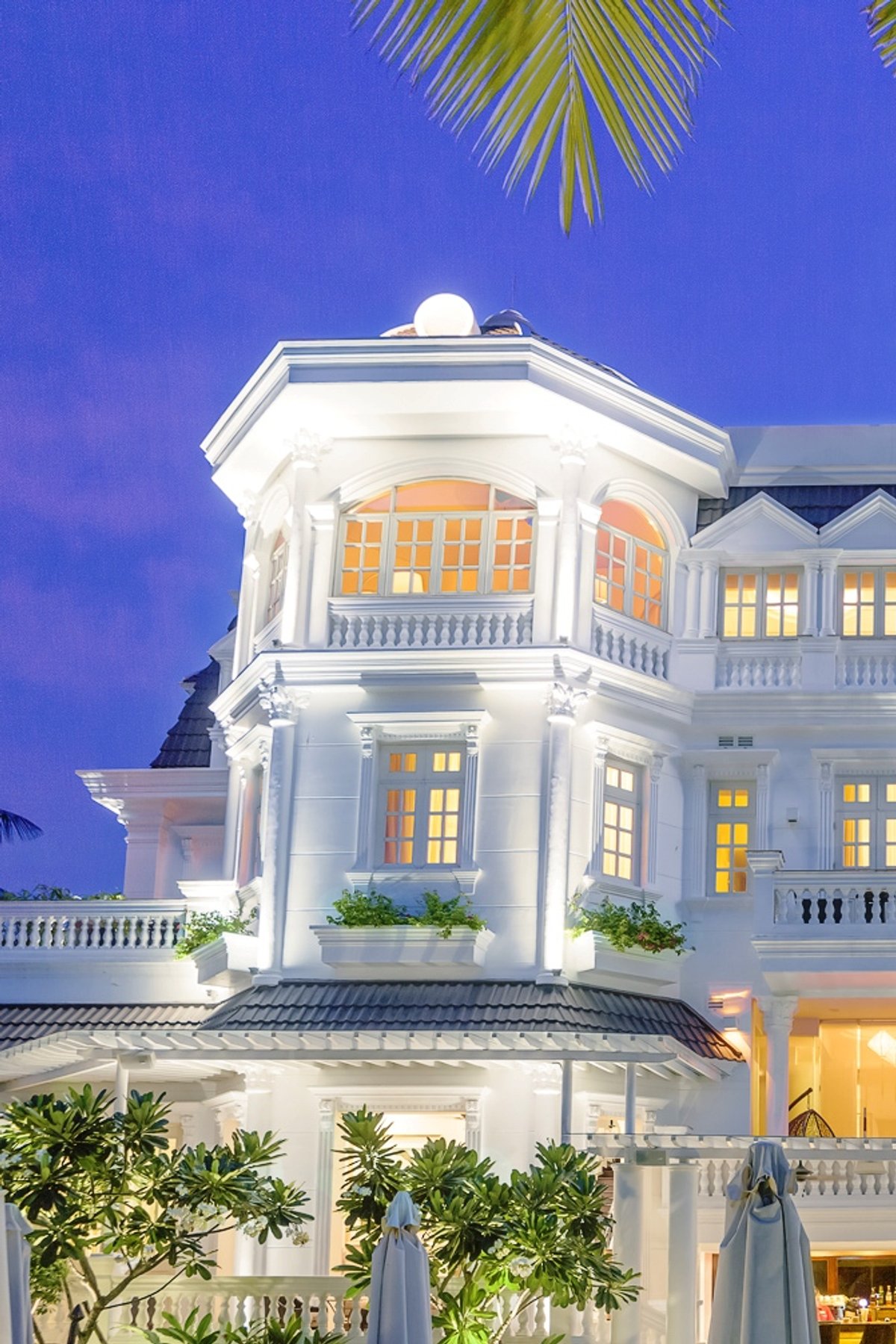
There is not much hype to test, and that is the honest appeal. What you get is a calm riverside compound in the neighbourhood expats never leave, strong on garden, water and long meals rather than landmarks. Judge it as a place to slow down, not a headline stay.
Genuinely under the radar. With a tiny online following and a location most tourists never cross the river to reach, this is a hidden gem in the truest sense, better known to residents than to visitors. If you like arriving somewhere the guidebooks skipped, this qualifies.
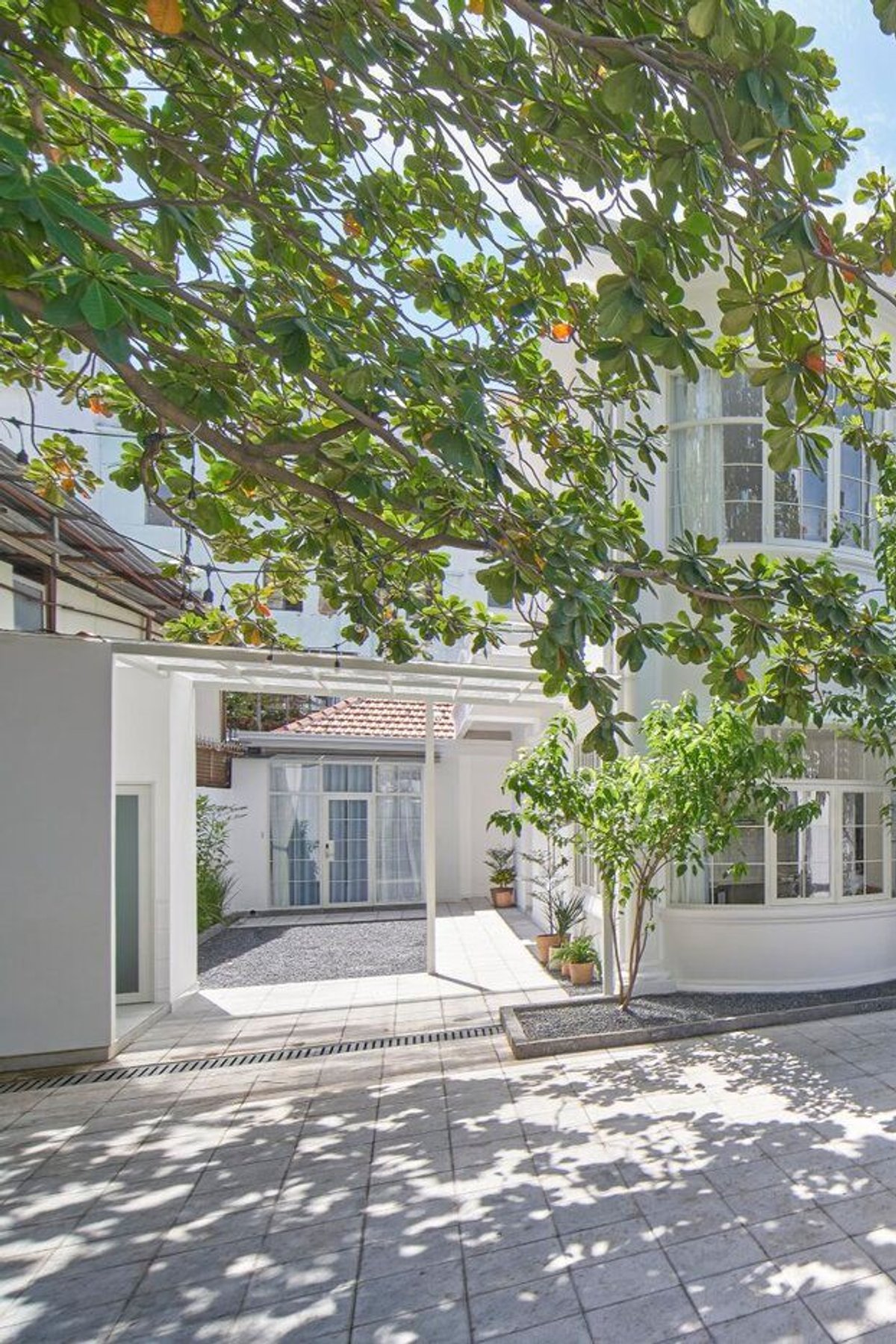
The layout is the draw. Buildings sit low among old trees and clipped lawn, so you cross greenery rather than corridors to reach your room. Interiors stay calm and contemporary, a mix of clean European lines and Asian warmth, with the river doing most of the decorating. Nothing shouts. It feels closer to a friend's riverside house than a front-desk operation.
Step outside and you are in Saigon's most walkable enclave, a grid of independent cafes, yoga studios, wine bars and riverside restaurants where much of the city's international crowd lives. The Deck and Boathouse do sunset drinks over the water a few minutes away. It is calmer than downtown District 1, greener, and built for slow days rather than sightseeing sprints.
The kitchen plays both sides, Vietnamese plates and Italian ones, and the real move is eating them outside. The lawn drops to the Saigon River, and the terrace fills for lazy weekend lunches, receptions and the occasional wedding. Order slowly, let the afternoon go long, and watch the boats work the brown river while the city stays somewhere behind the trees.
This is a small garden compound, not a full resort, so facilities stay modest and the mood is residential rather than grand.
It suits slow travellers and returning expats, not first-timers who want District 1 landmarks a short walk from the door.
Room categories and views differ a lot across the buildings, so an unspecified booking is a gamble on which one you get.
Plenty of Thao Dien stays compete on the same riverside calm, so you are choosing a vibe here, not a scarce slot.
Here is the rare Saigon address you can probably still get into this month, which is either a letdown or a gift depending on how you travel. Thao Dien Village sits on a bend of the Saigon River in Thao Dien, the leafy ward where the city's foreign residents cluster, walled off from the motorbike roar by a garden that runs down to the water.
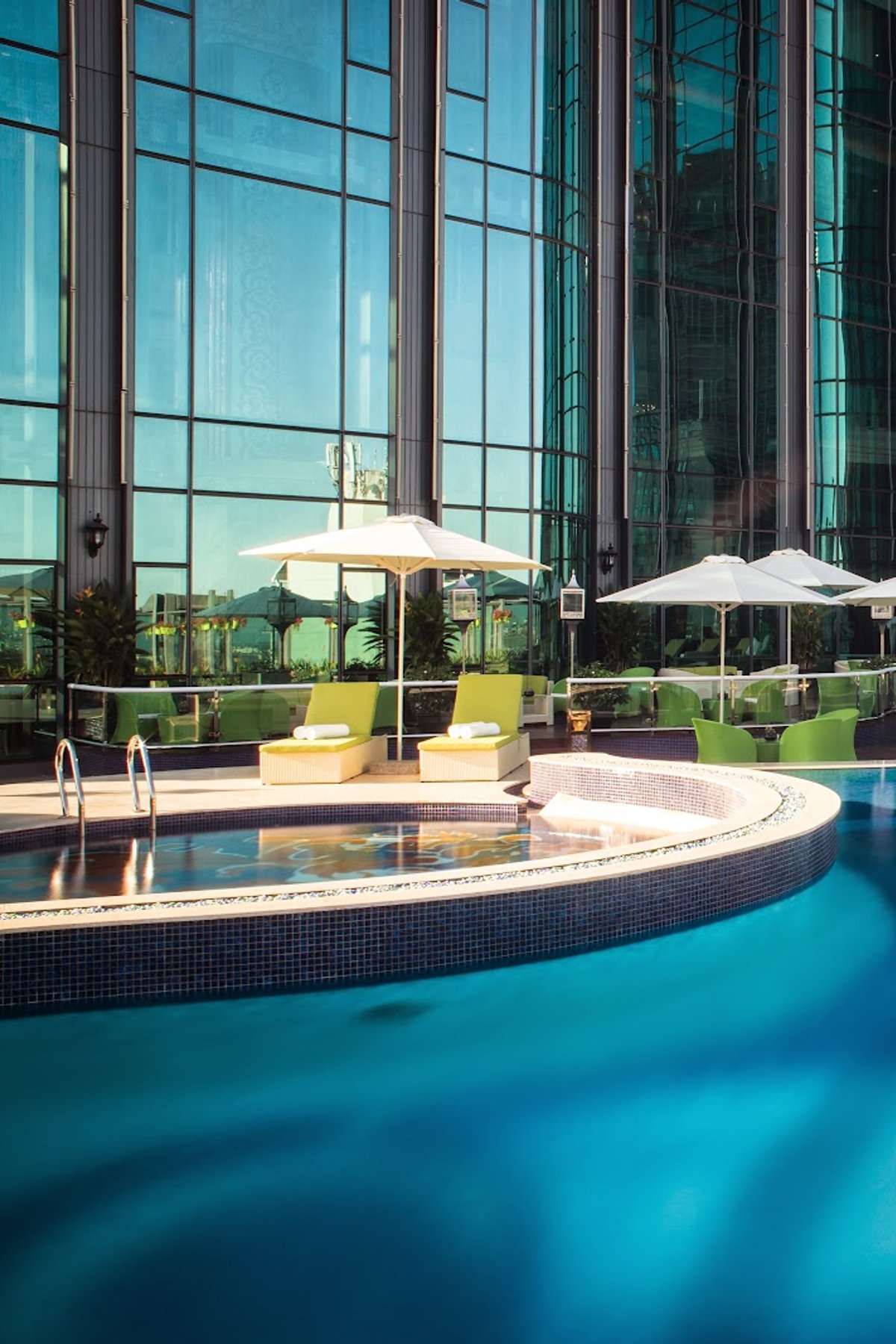
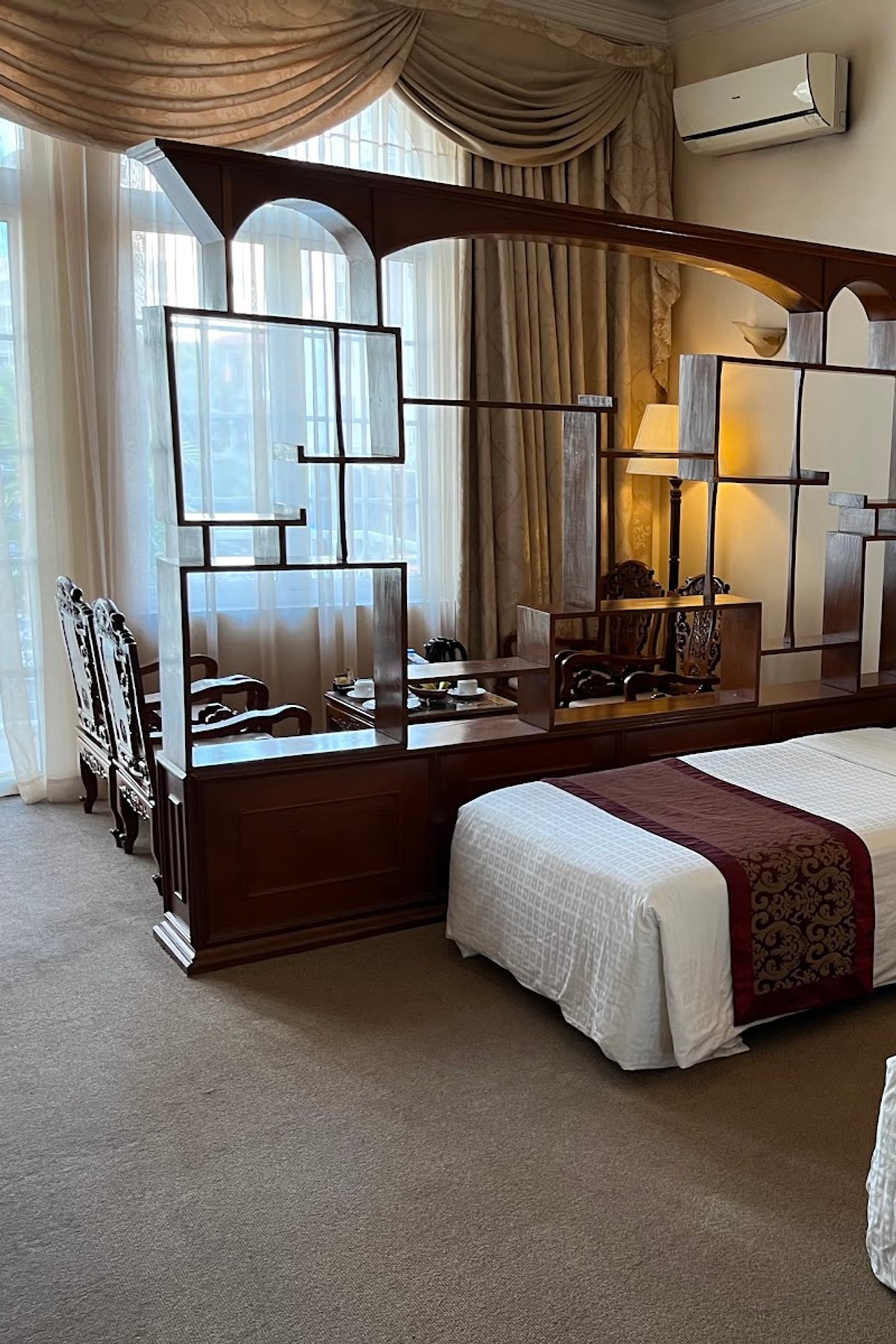
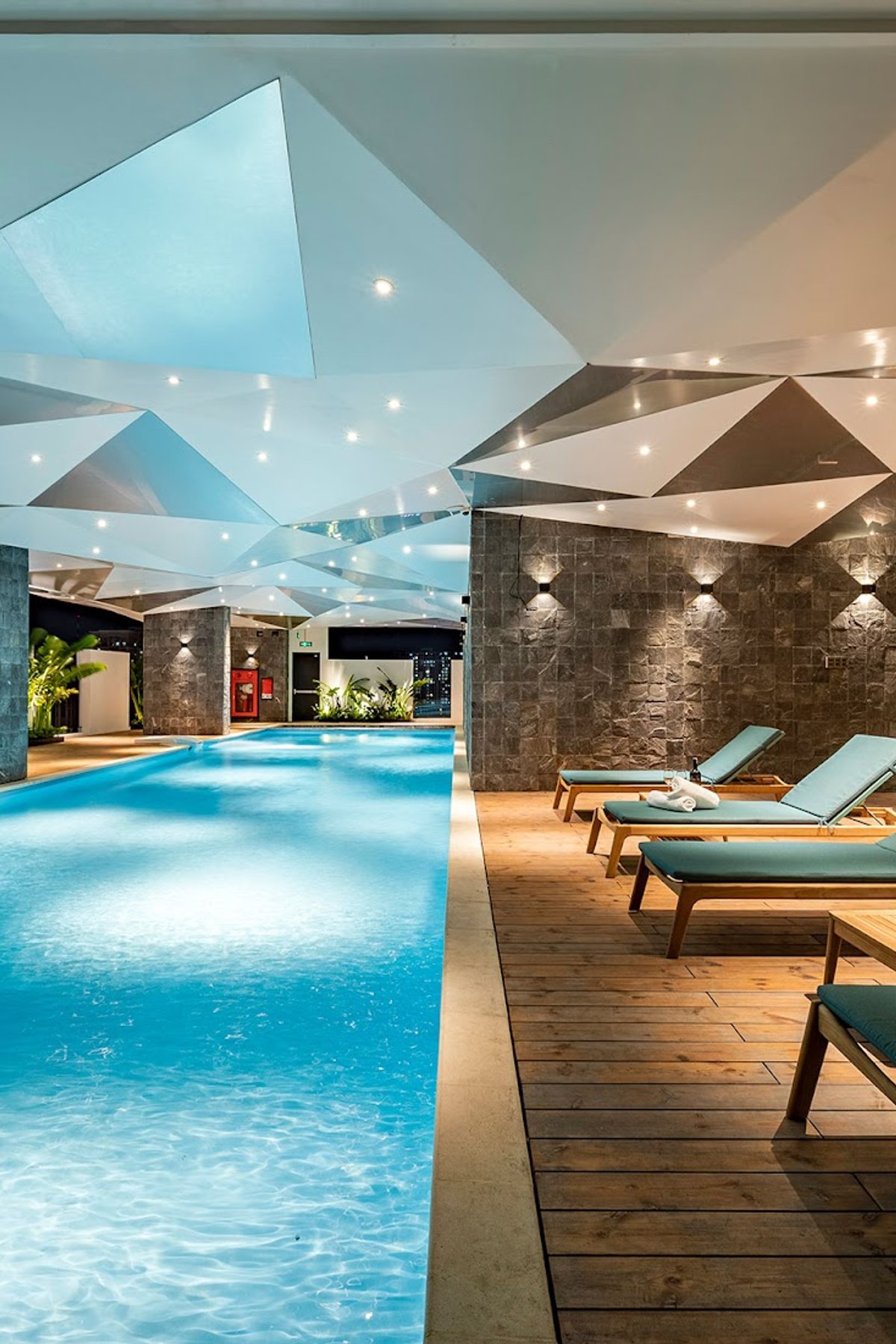
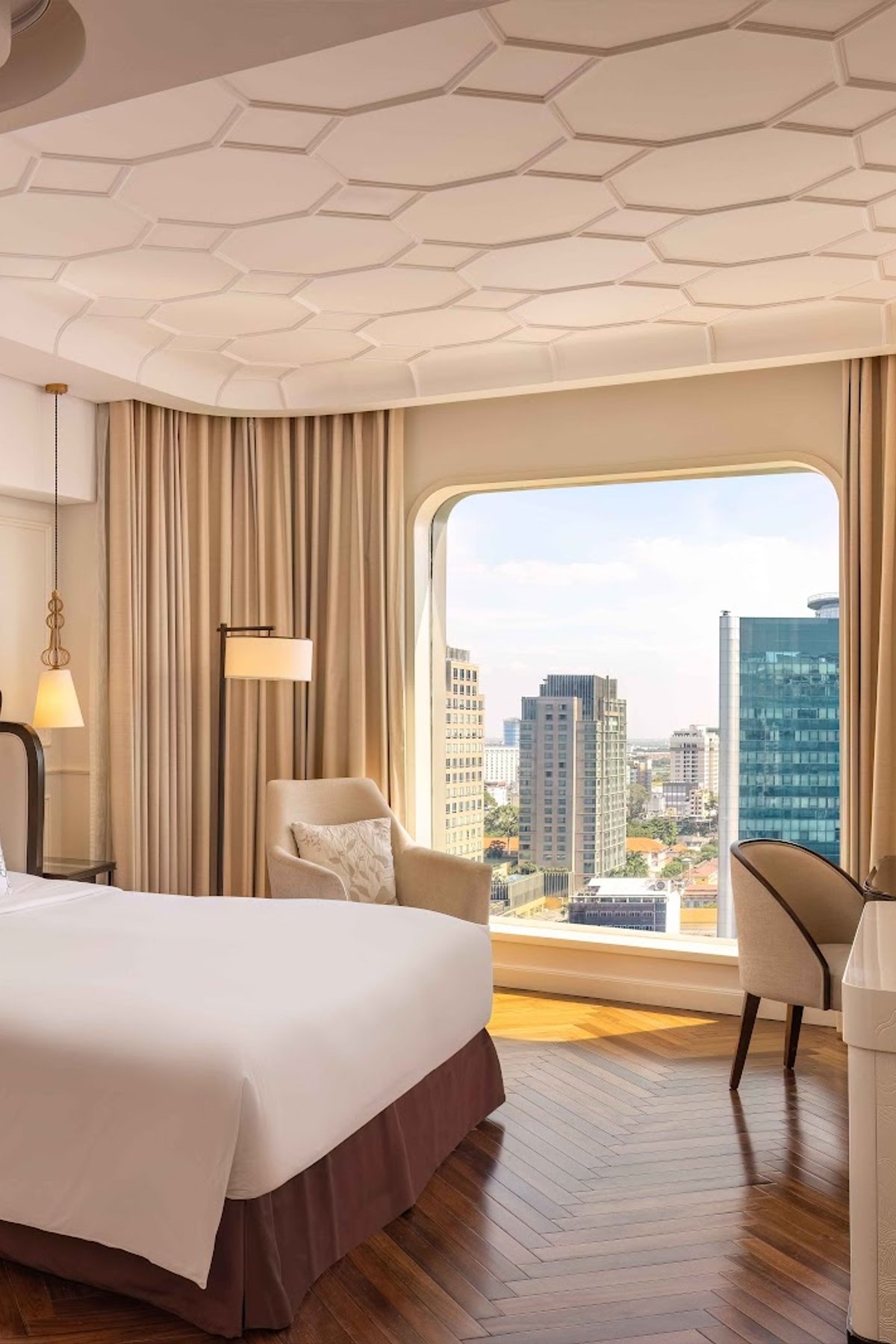
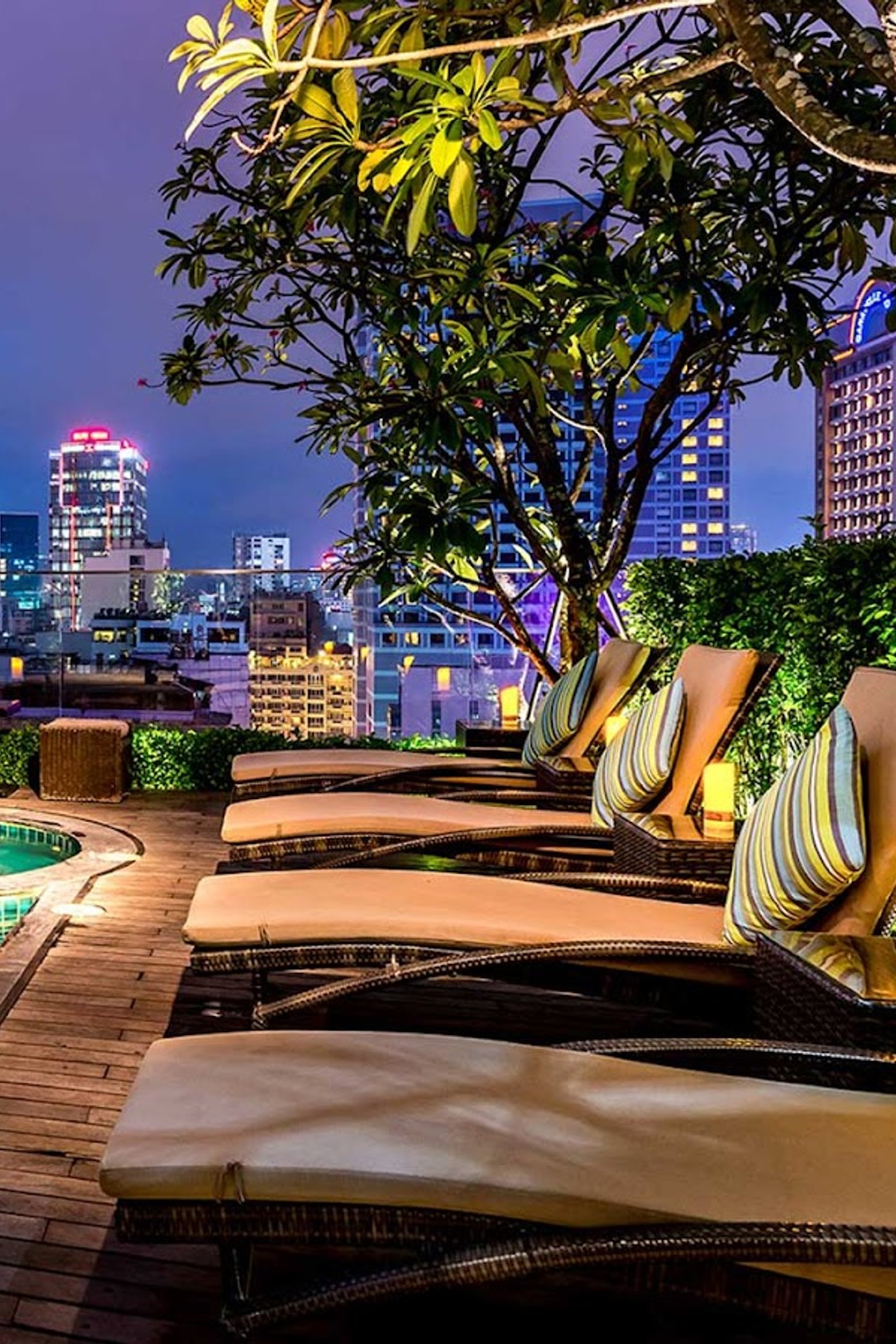
Inside, the mood is low and green: contemporary rooms that borrow from both European and Asian lines, a pool, a lawn built for long lunches, a kitchen that swings between Vietnamese plates and Italian ones. It reads less like a hotel and more like a private compound that happens to rent rooms. With a small following and a quiet profile, this is a place you find by knowing someone, or by reading this. Availability tends to stay open. Lean into that.
The demand curve here is blunt and worth reading before you book. Four months, December through March, sit at the top, and they sit there for a reason: the dry season is the only stretch when Saigon's heat comes without the daily monsoon, and it overlaps with Tet, the Lunar New Year that pulls the entire country into motion at once. If you want the central design hotels or a small Thao Dien boutique in this window, treat four to eight weeks of lead time as the floor, and book the good room categories first because they close first. Tet itself deserves a note. Falling in late January or February, it is the single busiest booking moment of the year, but it is also strange on the ground: many family-run restaurants and shops shut for several days as locals return to their hometowns, and the normally relentless traffic thins to something almost calm. It is a fascinating time to be here if you plan around the closures, and a frustrating one if you do not. The shoulders are where the value hides. April and November carry high but not peak demand, and they buy you dry-season conditions without the Tet surcharge, the sweet spot most repeat visitors aim for. The long wet season, May through October, drops demand by roughly half, and with it both rates and booking friction. The rain is real but rarely a washout; it arrives as heavy afternoon downpours that clear within an hour or two, leaving mornings and evenings open. September and October in particular are genuinely undervalued: warm, green, quiet, and the easiest months of the year to walk into the room you actually wanted. There is no closed season in Saigon and no month the city stops working. What changes is the math of getting a bed. Plan the peak months like a competition and the shoulder months like a gift, and let the wet season carry the trips where flexibility matters more than sunshine.
One reading captured so far. The trajectory draws in here as nightly readings stack up.
File closes at ACCESSIBLE. This is a river-quiet compound you can actually book, low on hype and high on calm. Book it if you want to live in Thao Dien for a week; skip it if you need Saigon's landmarks at your door.