Genji
Kyoto.

5 critic reviews
filed.
Mostly, yes, if the hype you care about is design rather than luxury theatrics. This is a genuinely thoughtful building where the architecture and craft are the amenity, so if you want spas, restaurants, and a grand lobby, look elsewhere. For anyone who reads a hotel as an experience, it delivers.
This is close to a hidden gem: a small, design-led place in a low-key neighbourhood that most Kyoto itineraries skip over. The design press has caught on, and the following is loyal if modest, so it is not a total secret. But it stays quieter than the marquee Kyoto names, which is exactly its appeal.
angles.
Concrete that remembers cedar
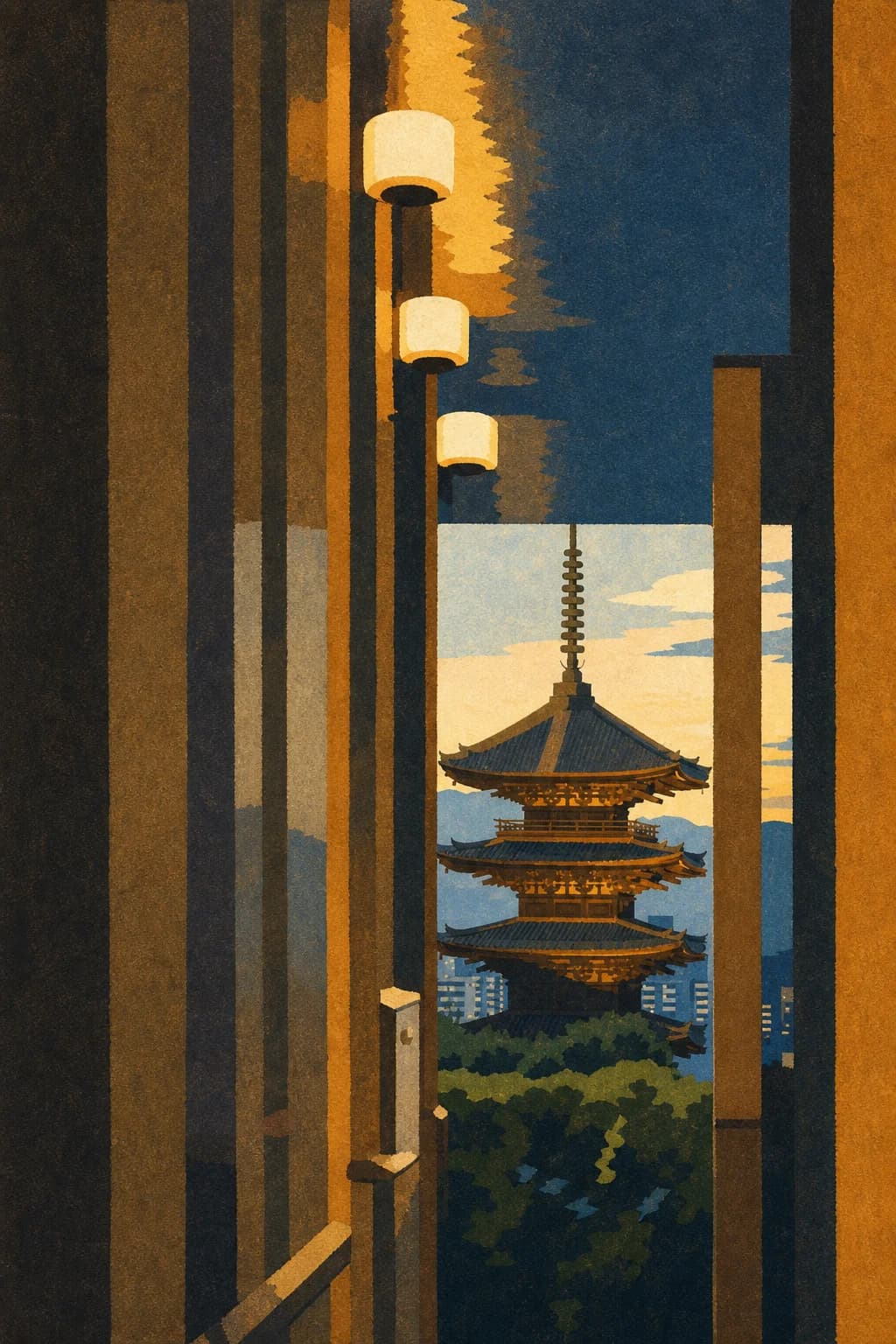
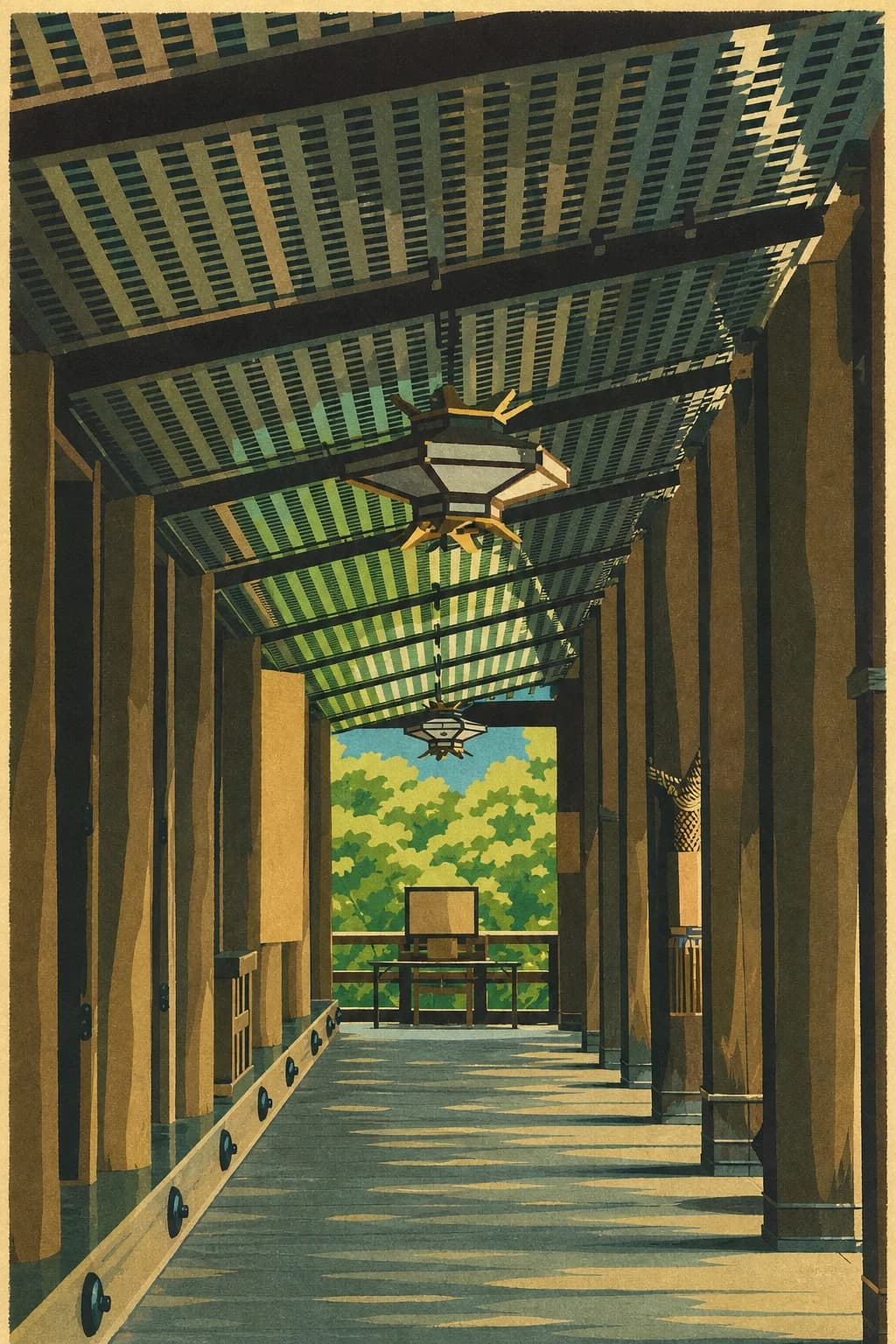
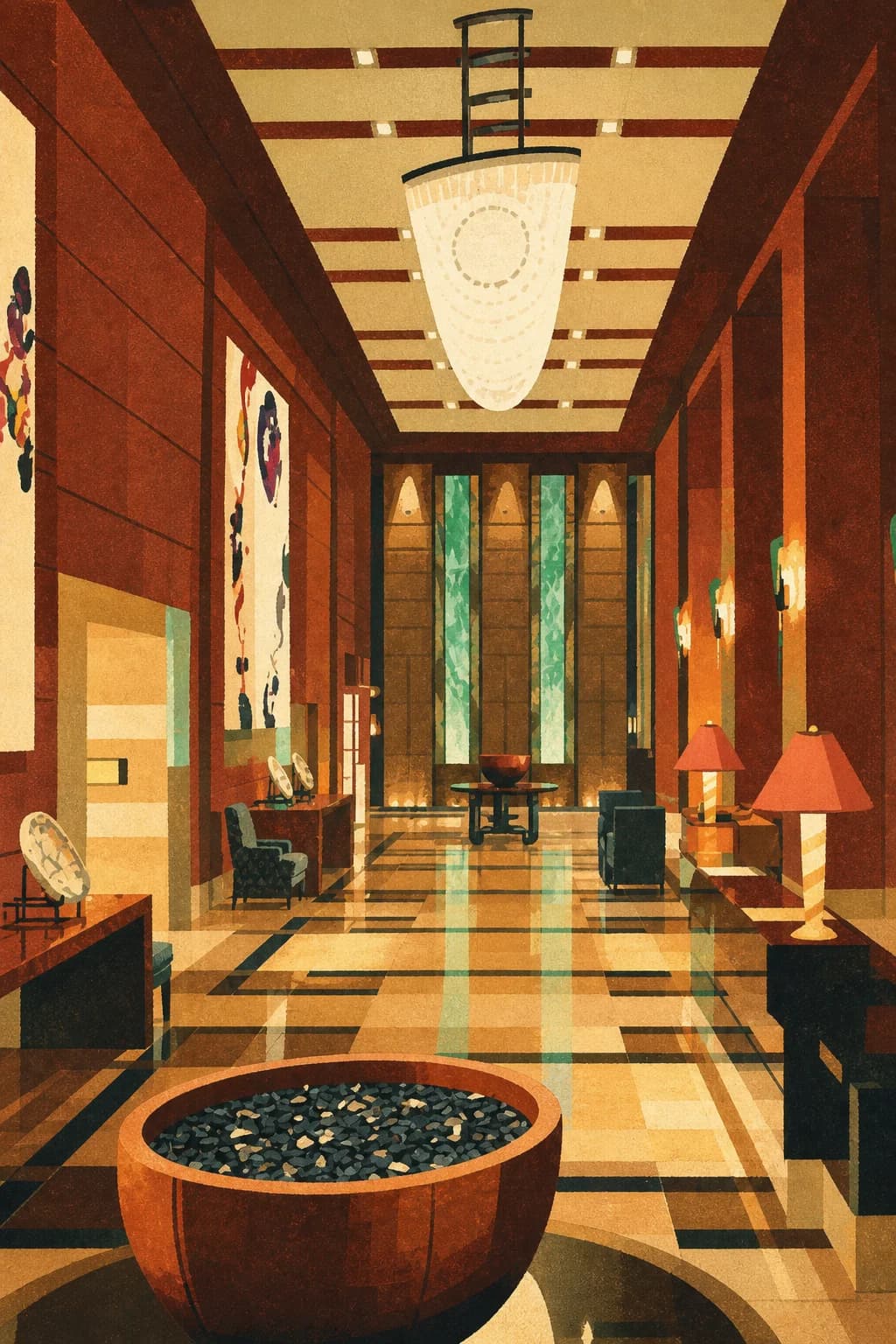
The whole building is a slow reveal. Moussas set two wings on either side of a Zen garden and linked them with a bridge, so you cross water to get anywhere. The concrete was poured against cedar boards and keeps their grain, giving hard surfaces a soft, tactile warmth. Pocket gardens open at turns, and washi paper windows soften the daylight into something closer to candlelight.
Rooms built for slowness
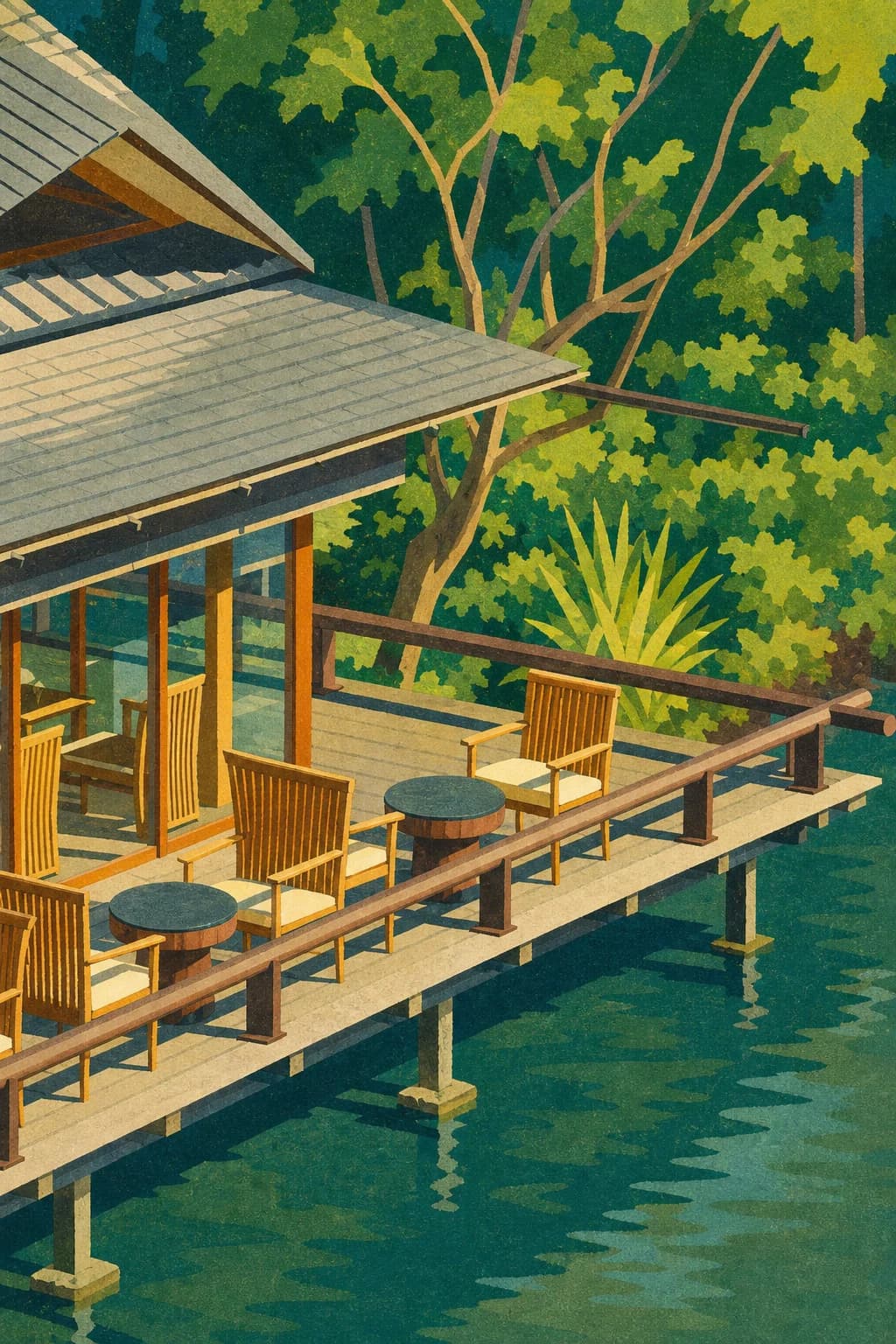
Each of the nineteen rooms pairs a low platform bed with a tatami corner, a deep timber bathtub, and a separate shower. Radiant heat runs under every floor, pressed yukata hang ready, and the minibar leans local. Nine river-facing rooms add glass-lined balconies over the Kamo, where the water and the birds do most of the entertaining. Furniture by Jun Tomita ties it together.
A quieter slice of downtown
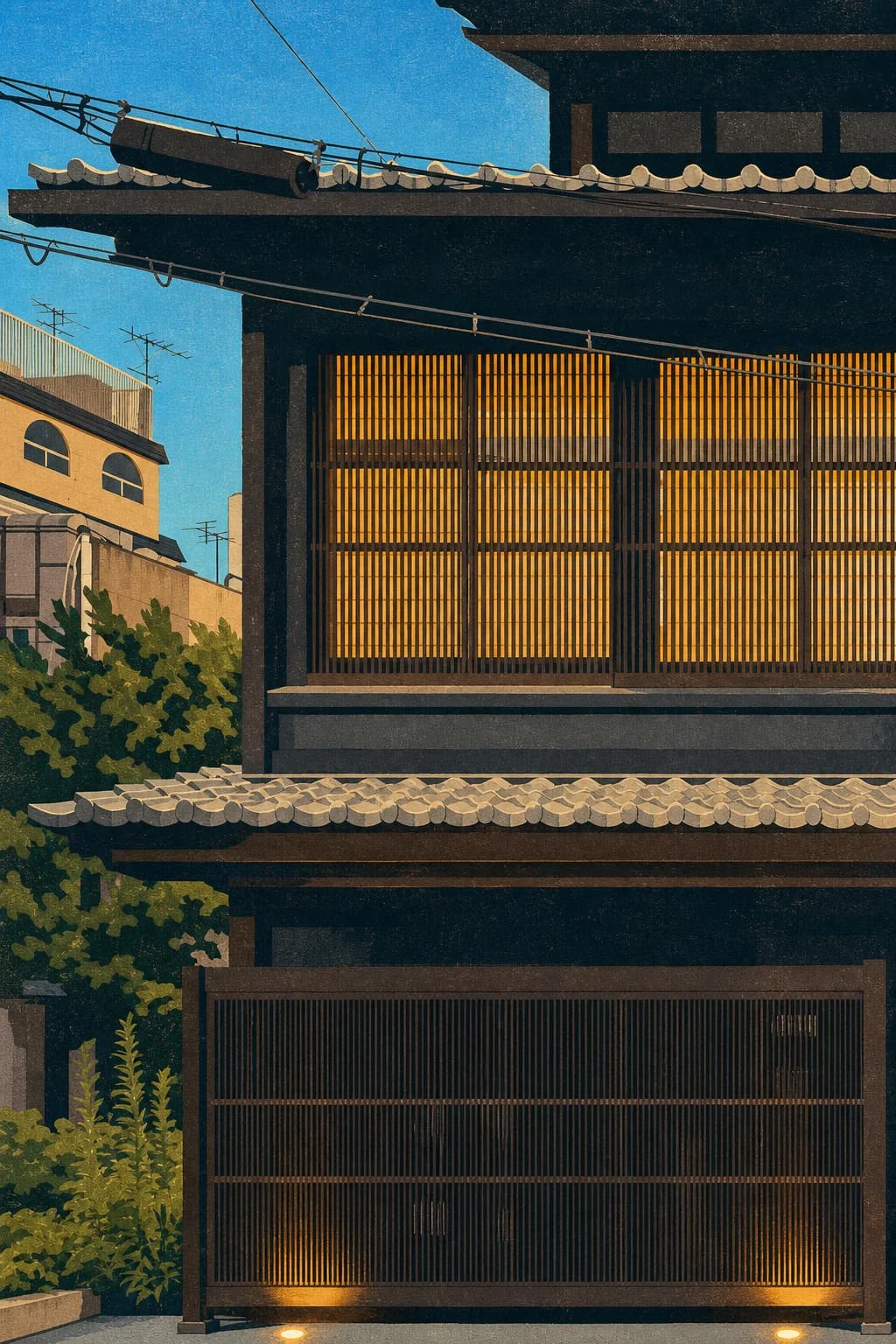
Gojo-Kawaramachi sits just off the tourist grooves, a grid of thin lanes running down to the Kamo River. Old machiya here have become small coffee shops, bars, and studios run by younger locals, so the street life feels lived-in rather than staged. You are walking distance to the river path and central Kyoto, but the block itself stays calm after dark.
talk.
mapped.
“Hidden away in the neighborhood of Gojo-Kawaramachi on the banks of the Kamo River is Genji Kyoto, a hotel that is, despite its modesty.”
record.
That is the setup at Genji Kyoto. Architect Geoffrey P. Moussas, New York born, MIT trained, and living in Japan since 1994, built two concrete wings and joined them with a bridge over a Zen garden, tracing the footprint of the four machiya townhouses that once stood here. The concrete carries the grain of cedar formwork, so the walls feel warm rather than raw.
Furniture custom designed by Jun Tomita pulls motifs straight from the Tale of Genji, and washi paper windows throw soft, shifting light across the lobby. Five floors up, a rooftop terrace looks out over eastern Kyoto. Publications from Yanko Design to Leibal have written it up, and the small following it has is loyal. With nineteen rooms and river balconies on only nine of them, the good ones move.
changed.
Kyoto's demand curve is one of the most legible in Japan because it is almost entirely botanical. Two events set the peaks: cherry blossom in late March and April, and maple color in November. In those windows the city runs at capacity.
The two blossom peaks are a lead-time contest, not a booking exercise. Small houses in Gion and Higashiyama get spoken for six to nine months out, and the marquee rooms go further still. If your heart is set on blossom or foliage at a specific address, treat lead time as the whole game and book the moment dates open.
The shoulder months either side reward flexibility. February and December stay busy without hitting the peak — plum blossom and year-end temple illuminations, respectively. January is genuinely quiet: cold, clear, with the occasional dusting of snow on temple roofs that photographers wait years for. These are the months to chase the houses that vanish in spring.
Summer is the real value story, and the least understood. June through September reads as low demand despite holding one of Japan's great festivals, Gion Matsuri, which fills July with float processions, plus the Daimonji bonfires on August 16. The suppressant is simple: heat and humidity climb well into the thirties, and many travelers stay away.
If you can tolerate the weather, summer is when the hardest rooms open up at the softest rates.
The practical read is a split. Peak seasons are about discipline and early commitment; shoulder and low seasons are about opportunism. Because the curve tracks leaves rather than school holidays or weather comfort, the undervalued months are the counterintuitive ones — the hot ones. Nothing in Kyoto closes across the year, so the only real constraint is the two blossom peaks and how far ahead you are willing to plan.
approach.
briefing.
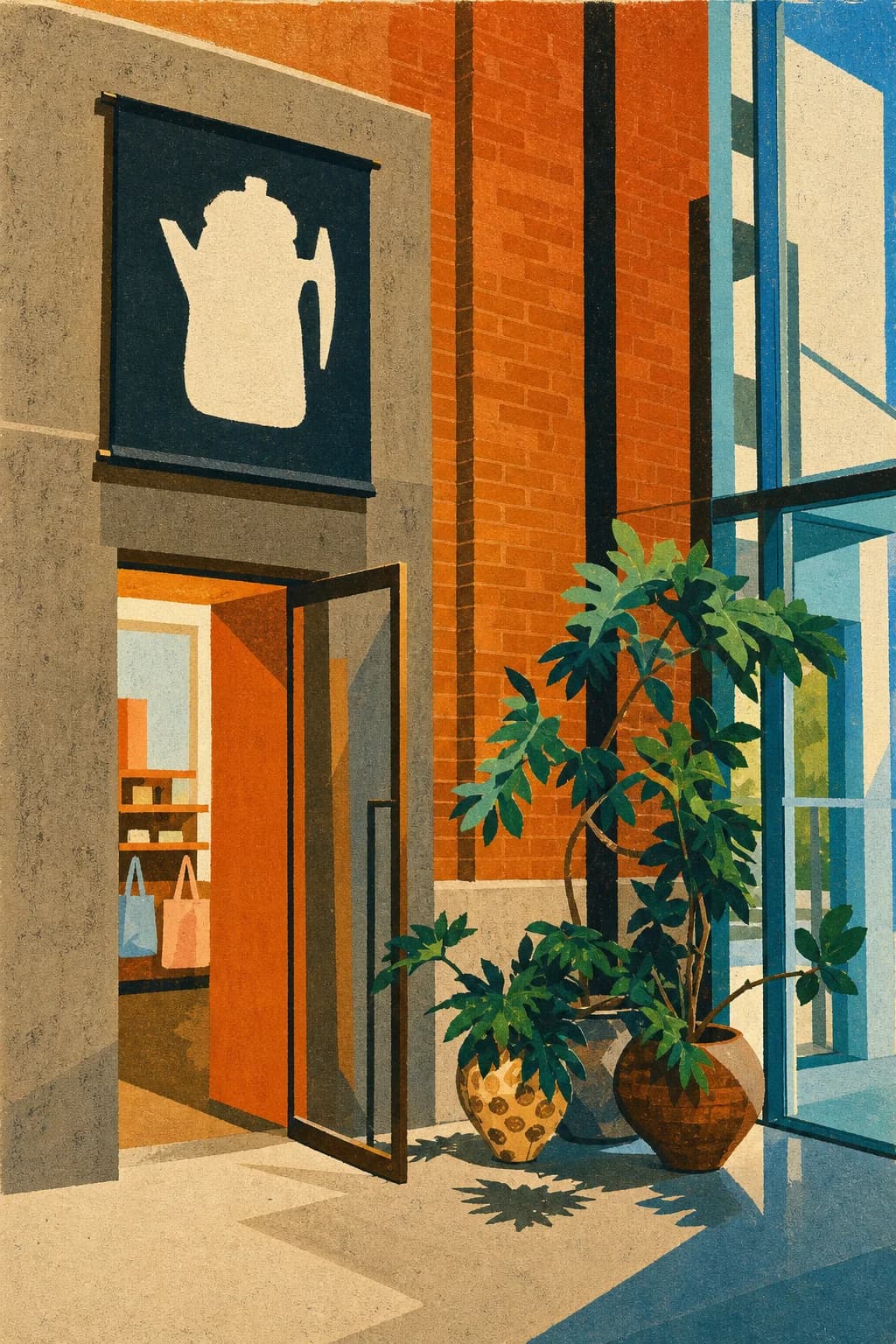
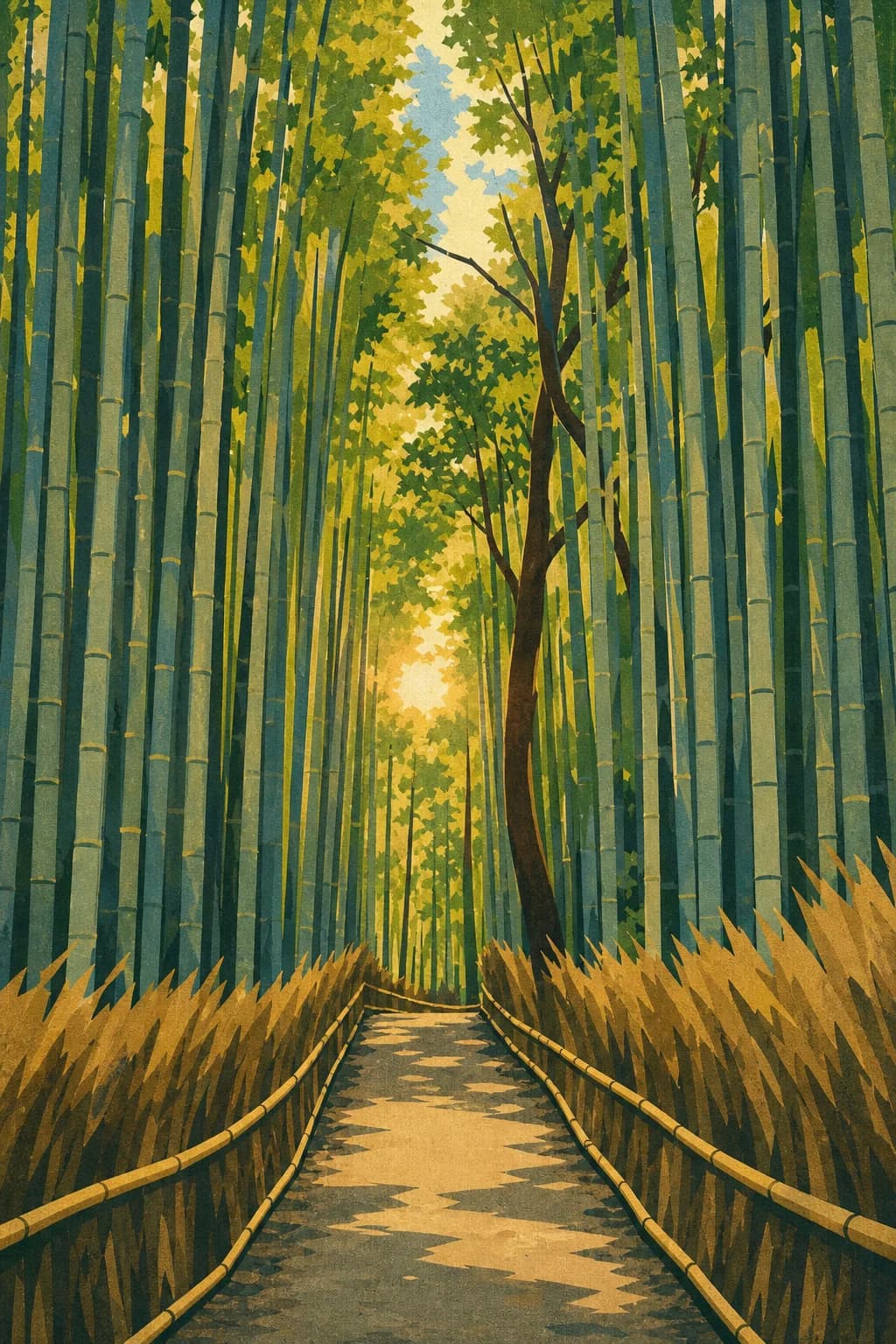
“Custom-designed locally made furniture, Washi-paper lamps, a bamboo-lined entrance.”
stands.
demand's going.
The real Instagram following over time, plus where this hotel sits for demand in Kyoto. Pick a range, toggle the lines. Followers are reach and demand, not engagement.
assessment.
File closes at MODERATE. Reachable if you plan around Kyoto's peak seasons and stay flexible on dates. Book it for the architecture and the river balconies; skip it if you need resort services, nightlife, or a big-name address on your doorstep.
The numbers behind the tiers
Genji Kyoto · SOURCE READINGS · REDACTED- Availability density · sampled
- Monthly search volume · raw
- TikTok hashtag views · raw
- YouTube total views · raw
- TikTok following · latest sweep
- Pinterest saves · latest sweep
More from Kyoto.

Get the hotel's Unbookable Score.
Any post or reel with a hotel in it. Booking.com hotel pages work too. One free check, no account needed.