HOTEL THE
MITSUI KYOTO.
4 critic reviews
filed.
Largely, yes, if your idea of Kyoto includes a genuine hot spring soak without leaving the building. The design is the real draw and it delivers. Just know you are paying luxury rates for a large branded hotel, not a small family ryokan.
Not really under the radar: a Forbes five-star rating and a place on a global best-hotels list keep it visible to anyone researching Kyoto. The quieter Nijo and Nishijin location, though, means it feels less mobbed than the big Gion-area names.
angles.
André Fu, Restrained Not Flashy
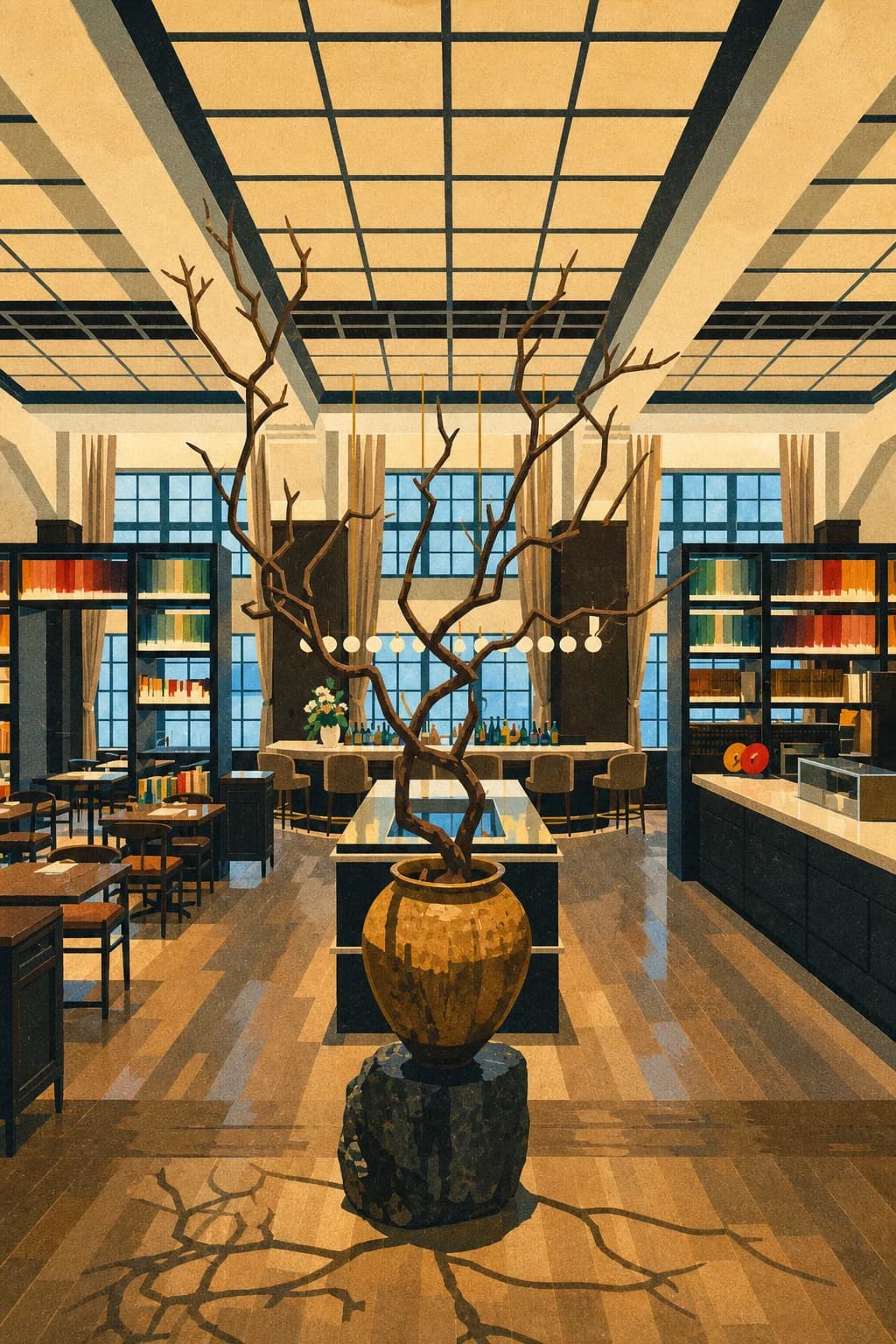
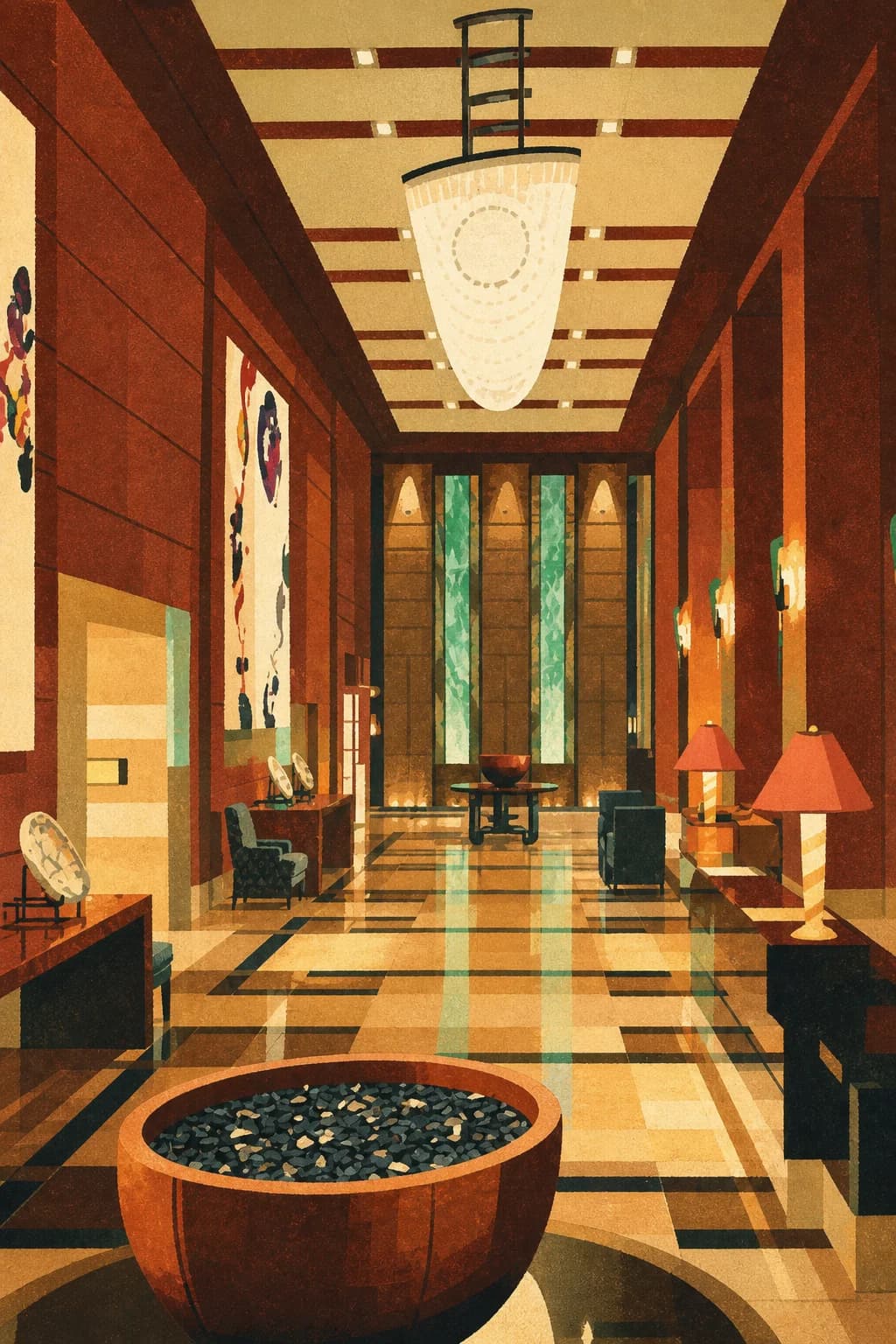
Fu is known for calm, and here calm is turned up. Rooms lean on natural materials: pale wood, tatami, stone bathtubs, hand-finished textiles in greys and forest greens. Kuryu's architecture frames Miyagi's 1,300 square metre garden so the greenery reads as part of the room. Nothing shouts. Light does the decorating, changing the mood of the space from morning to dusk.
Real Hot Spring, In-House
Most city hotels fake the onsen mood. This one draws genuine hot spring water from beneath the building, feeding a large communal bath and, in some suites, a private stone tub you fill yourself. The Thermal Spring Spa adds treatment rooms that look onto greenery. After a day walking Kyoto's temples, soaking without leaving the property is the whole point.
Nijo Castle At The Door
You wake up across the street from Nijo Castle, the shogun's old Kyoto seat, its stone walls and moat setting the tone. The Nijo and Nishijin districts around you run quieter than Gion, heavy on weaving workshops, small coffee places and low foot traffic. It is central without the crush, and easy to reach the rest of the city from.
talk.
mapped.
“An elegant cocktail of Kyoto's traditional heritage mixed with deluxe modern design is showcased at Hotel the Mitsui Kyoto (the dream team…”
record.
Here is what the ratings do not tell you. The rooms are André Fu's work: tatami underfoot, stone soaking tubs, textiles in muted greys and greens that shift as the light moves through the day.
Akira Kuryu shaped the architecture and Shunsaku Miyagi laid out the central garden, a broad green pause you can see from much of the building. Underneath all of it runs natural hot spring water, piped up into a communal bath and private onsen suites. You are directly across from Nijo Castle, on old Mitsui family ground, in a quiet pocket of the city. Demand here is real but manageable: book with intent and you get in.
changed.
Kyoto's demand curve is one of the most legible in Japan because it is almost entirely botanical. Two events set the peaks: cherry blossom in late March and April, and maple color in November. In those windows the city runs at capacity.
The two blossom peaks are a lead-time contest, not a booking exercise. Small houses in Gion and Higashiyama get spoken for six to nine months out, and the marquee rooms go further still. If your heart is set on blossom or foliage at a specific address, treat lead time as the whole game and book the moment dates open.
The shoulder months either side reward flexibility. February and December stay busy without hitting the peak — plum blossom and year-end temple illuminations, respectively. January is genuinely quiet: cold, clear, with the occasional dusting of snow on temple roofs that photographers wait years for. These are the months to chase the houses that vanish in spring.
Summer is the real value story, and the least understood. June through September reads as low demand despite holding one of Japan's great festivals, Gion Matsuri, which fills July with float processions, plus the Daimonji bonfires on August 16. The suppressant is simple: heat and humidity climb well into the thirties, and many travelers stay away.
If you can tolerate the weather, summer is when the hardest rooms open up at the softest rates.
The practical read is a split. Peak seasons are about discipline and early commitment; shoulder and low seasons are about opportunism. Because the curve tracks leaves rather than school holidays or weather comfort, the undervalued months are the counterintuitive ones — the hot ones. Nothing in Kyoto closes across the year, so the only real constraint is the two blossom peaks and how far ahead you are willing to plan.
approach.
briefing.
stands.
demand's going.
The real Instagram following over time, plus where this hotel sits for demand in Kyoto. Pick a range, toggle the lines. Followers are reach and demand, not engagement.
assessment.
File closes at MODERATE. Real demand from press and a global best-hotels nod, though nothing frantic: plan around cherry blossom and autumn, and the good rooms are yours. Book for design plus a genuine city onsen. Skip if you came for a tiny ryokan.
The numbers behind the tiers
HOTEL THE MITSUI KYOTO · SOURCE READINGS · REDACTED- Availability density · sampled
- Monthly search volume · raw
- TikTok hashtag views · raw
- YouTube total views · raw
- TikTok following · latest sweep
- Pinterest saves · latest sweep
More from Kyoto.





Get the hotel's Unbookable Score.
Any post or reel with a hotel in it. Booking.com hotel pages work too. One free check, no account needed.