Círculo
Mexicano.
2 critic reviews
filed.
Worth it if you understand what you are buying: a spare, precisely made room with almost nothing in it, and a roof with a view very few hotels in this city can match. If you want plush bedding piles, real storage and a spa floor, this is not that. The design is the whole argument, and it holds up in person better than on a screen.
Not really a hidden gem anymore. The design crowd found it early and that rooftop photographs itself, so a 25 room house circulates far wider than its size suggests. It still feels underused in one sense: most visitors book Roma or Condesa by reflex and never seriously consider sleeping in Centro.
angles.
Shaker logic, Mexican materials
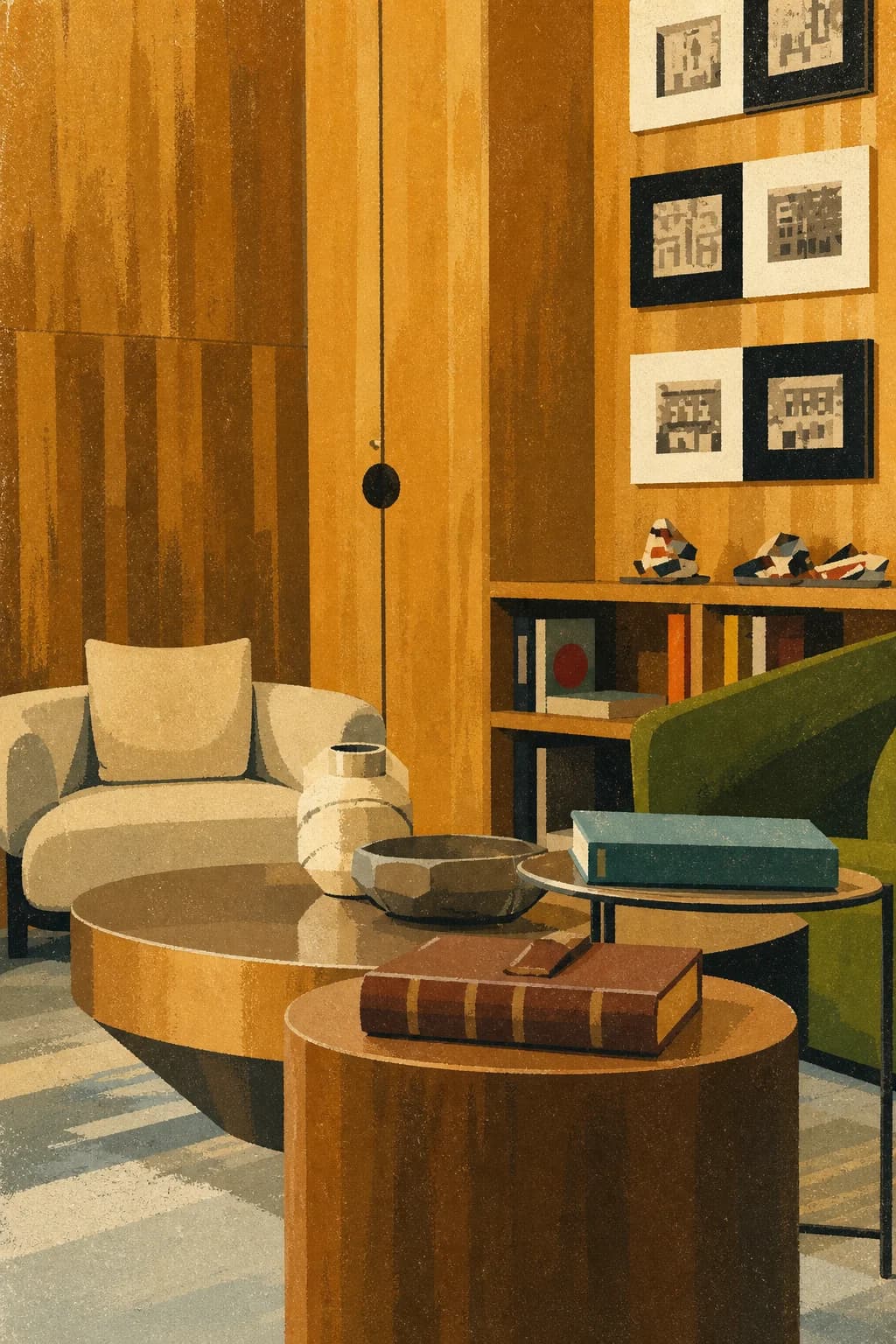
The room kit is deliberately short: a peg rail on the wall, blocky wooden plinths that work as bed base and side table, plain beige linen with the seams left showing, black clay from Oaxaca, and a mirror set opposite the bed. Almost nothing hides behind cabinetry, so you unpack onto pegs and live in the open. It reads austere in photographs and warm in person, mostly because of the wood and the light.
Templo Mayor is minutes away
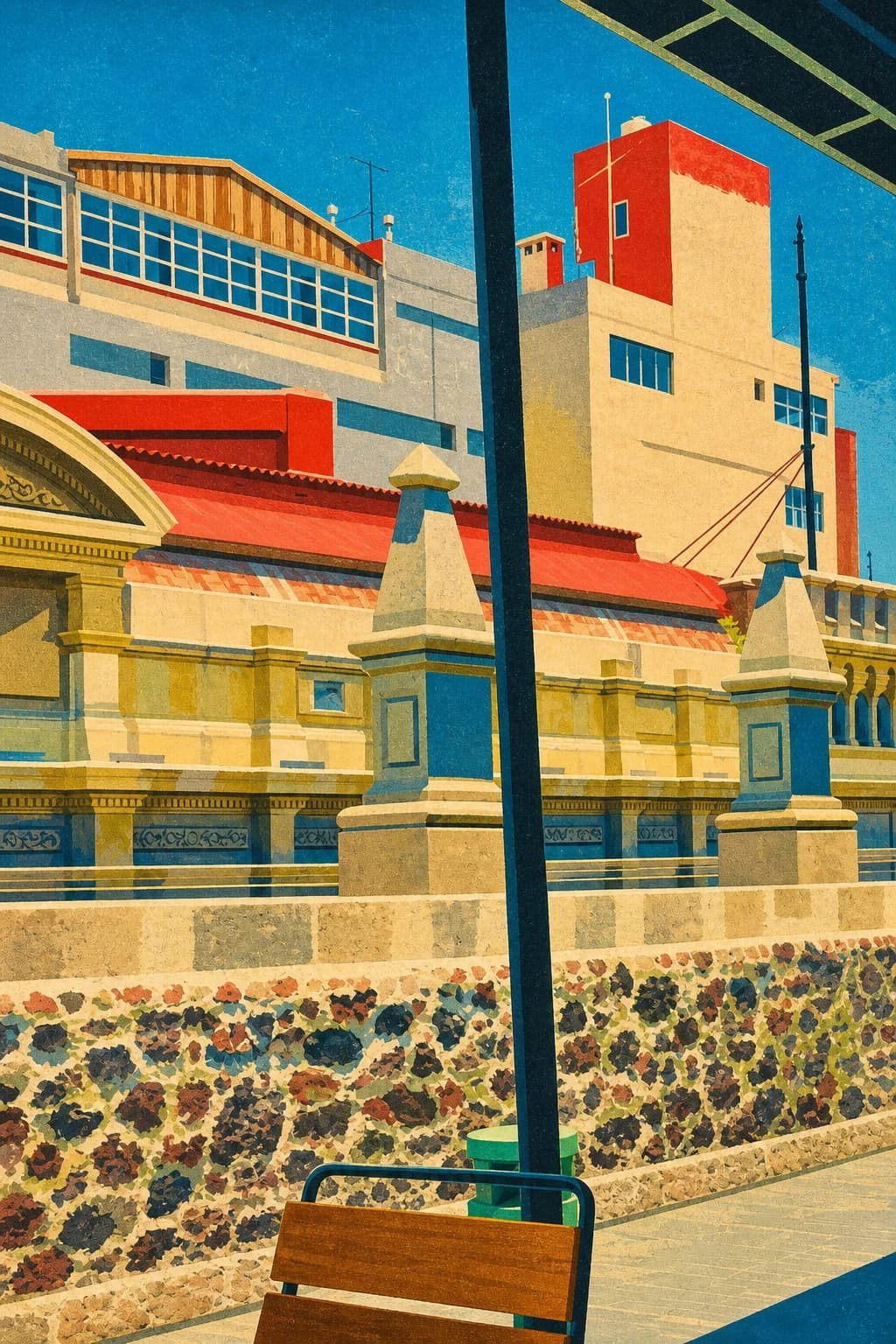
You are a block behind the Metropolitan Cathedral, on a street of lighting and electrical shops that trade hard all day and shut by dark. Templo Mayor, the Zócalo, the Palacio Nacional murals and Bellas Artes are all walkable, most within ten to fifteen minutes. Centro rewards early risers: the plaza is close to empty before nine, and the light on that volcanic stone is worth an alarm.
The roof earns its keep
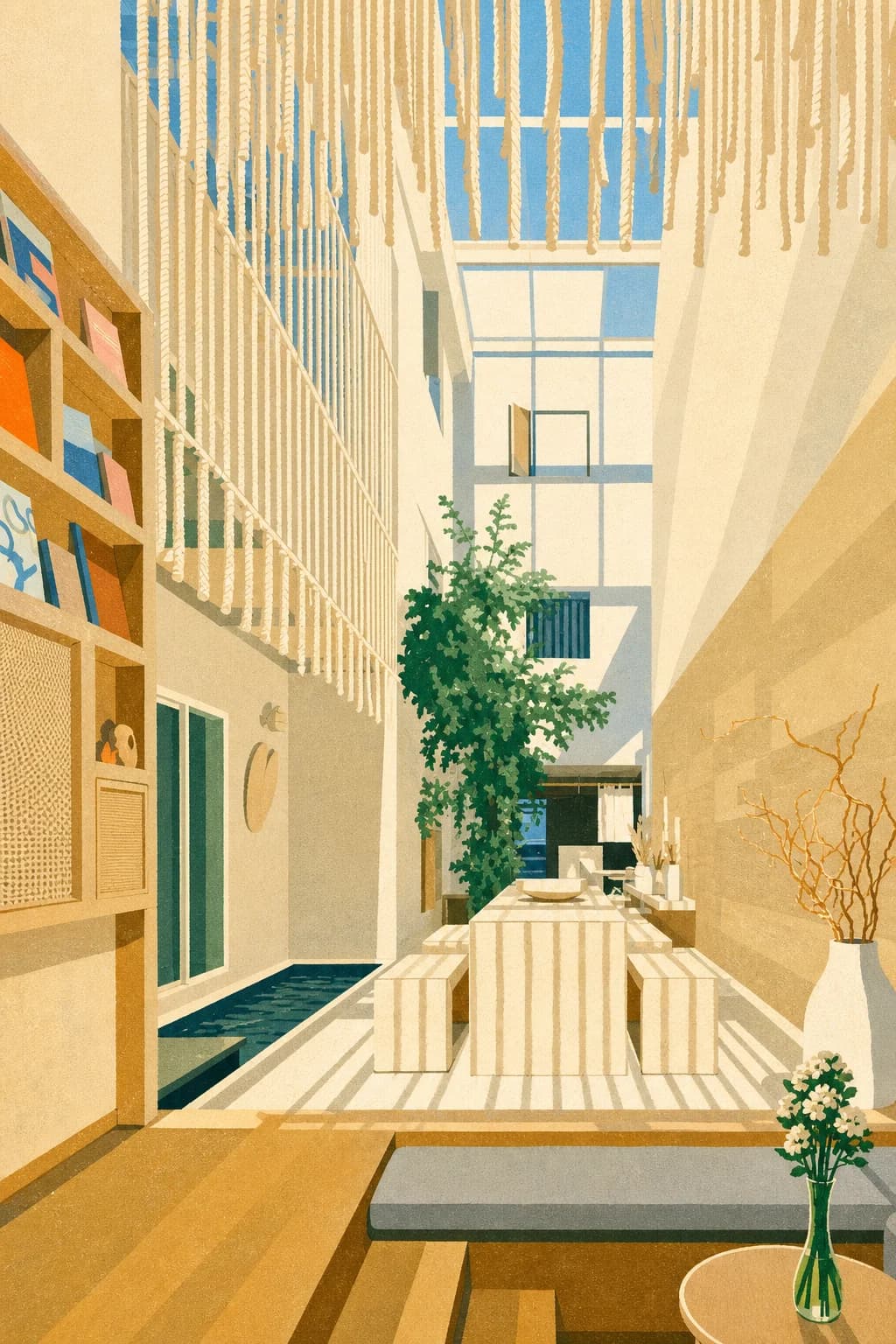
Most of the communal life happens upstairs. There is a pool, a fire going after dark, and Comedor Mexicano cooking seasonal produce pulled from around the country, with organic wine, mezcal and aguas frescas at the bar. The view takes in the cathedral, the National Palace, Templo Mayor and the Torre Latinoamericana, which is a fairly complete summary of Mexican history from one deck chair.
talk.
mapped.
“A sophisticated gem occupying a storied 19th century building that magically captures all of that beautiful CDMX light”
record.
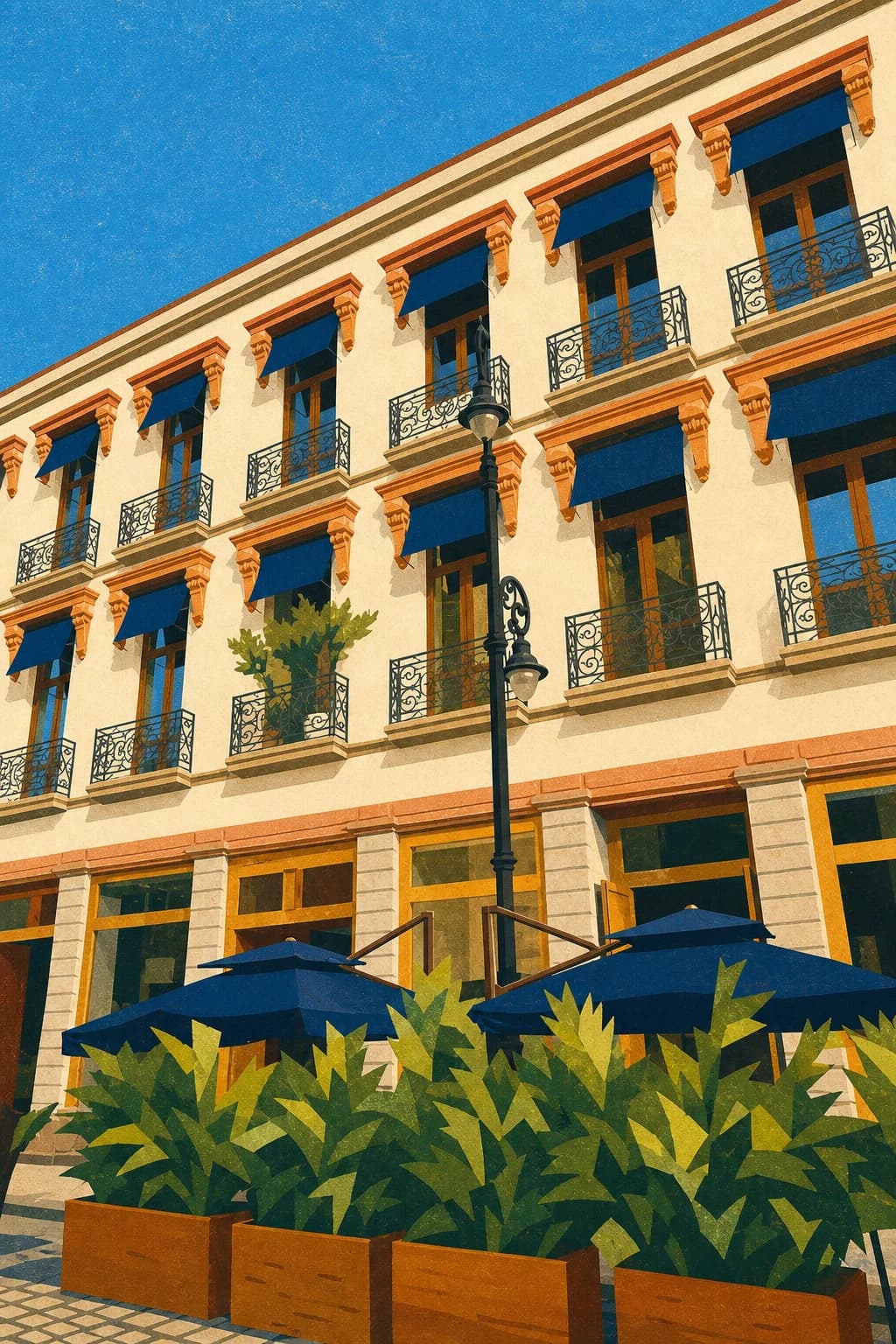
Grupo Habita commissioned Ambrosi Etchegaray to reimagine a 19th century residential building, a former vecindad, with Jorge Ambrosi and Gabriela Etchegaray working alongside Carlos Couturier and Rafael Micha. The address does the rest: photographer Manuel Álvarez Bravo was born here in 1902 and shot El Ensueño in the building in 1931, which is why a mirror faces the bed in every room, doubling the space and quoting the picture.
Inside, the logic is Shaker. White walls, peg rails instead of wardrobes, blocky wooden plinths that carry the beds and side tables, black clay from Oaxaca, no clutter anywhere. Eighteen rooms open onto their own skylit patio; the rest look at the cathedral. Upstairs there is a pool and a terrace with the Templo Mayor and the Torre Latinoamericana laid out around you. Peak weeks fill early, so pick your dates before you fall for the pictures.
changed.
Mexico City runs on a two-peak calendar, and understanding why the curve looks the way it does is worth more than any temperature chart. The first peak is spring, roughly March into April, the dry-season stretch when the jacarandas turn the city violet and the skies stay clear. The second is late October into November, when Day of the Dead brings the single biggest travel surge of the year. Those are the weeks the city sells to the world, and they are the weeks the small design houses fill first.
For those peaks, plan far ahead. The Roma and Polanco properties that matter, the handful in the upper tiers, can close out three months before Day of the Dead and the jacaranda weeks, and there is no overflow wing when a hotel has nine or twenty rooms. If your trip is fixed to those dates, book the room before the flights.
The genuinely undervalued window is the summer rainy season, June through August. The rain scares people off, but it arrives as short, predictable afternoon storms that clear by evening, leaving bright mornings for everything you actually came to do. Demand drops to its yearly low, the same rooms that vanish in October sit open, and rates soften across the board. Shoulder travelers who do not need the jacarandas get the best value of the year here.
The rest of the calendar fills in around the peaks. February, May, September, and December run warm with demand: September carries Independence Day on the 16th and its plaza celebrations, and December brings the Guadalupe pilgrimage and Christmas, both of which tighten the center in particular. January sits quiet after the holidays, another soft, workable window.
The one thing Mexico City never does is close. There is no dead season, no shuttered-hotel month; the city works year-round, so the only real decision is how much company you want and how early you are willing to commit. Book the peaks early, take the summer if you can be flexible.
approach.
briefing.
stands.
demand's going.
The real Instagram following over time, plus where this hotel sits for demand in Mexico City. Pick a range, toggle the lines. Followers are reach and demand, not engagement.
assessment.
File closes at MODERATE. Bookable if you move at a normal pace, tight around Día de Muertos and December. Book it if you want Centro at dawn and a room stripped to essentials. Skip it if you need storage, all day quiet and somewhere soft to lounge.
The numbers behind the tiers
Círculo Mexicano · SOURCE READINGS · REDACTED- Availability density · sampled
- Monthly search volume · raw
- TikTok hashtag views · raw
- YouTube total views · raw
- TikTok following · latest sweep
- Pinterest saves · latest sweep
More from Mexico City.



Get the hotel's Unbookable Score.
Any post or reel with a hotel in it. Booking.com hotel pages work too. One free check, no account needed.