Hotel San
Fernando.
3 critic reviews
filed.
It earns the attention, with caveats. Surface, Hospitality Design and Hotel Designs all covered it in 2023, and the interiors hold up in person rather than only in photographs. What it is not is a full-service hotel: no spa, no gym, no elevator, and the food stops at the lounge.
Not exactly under the radar. The design press covered the opening, and the lounge pulls in locals who will never book a room. Still, it sits below the loudest Condesa and Roma names on most travellers' shortlists, so midweek dates are usually there if you look early enough.
angles.
The conversion kept the bones
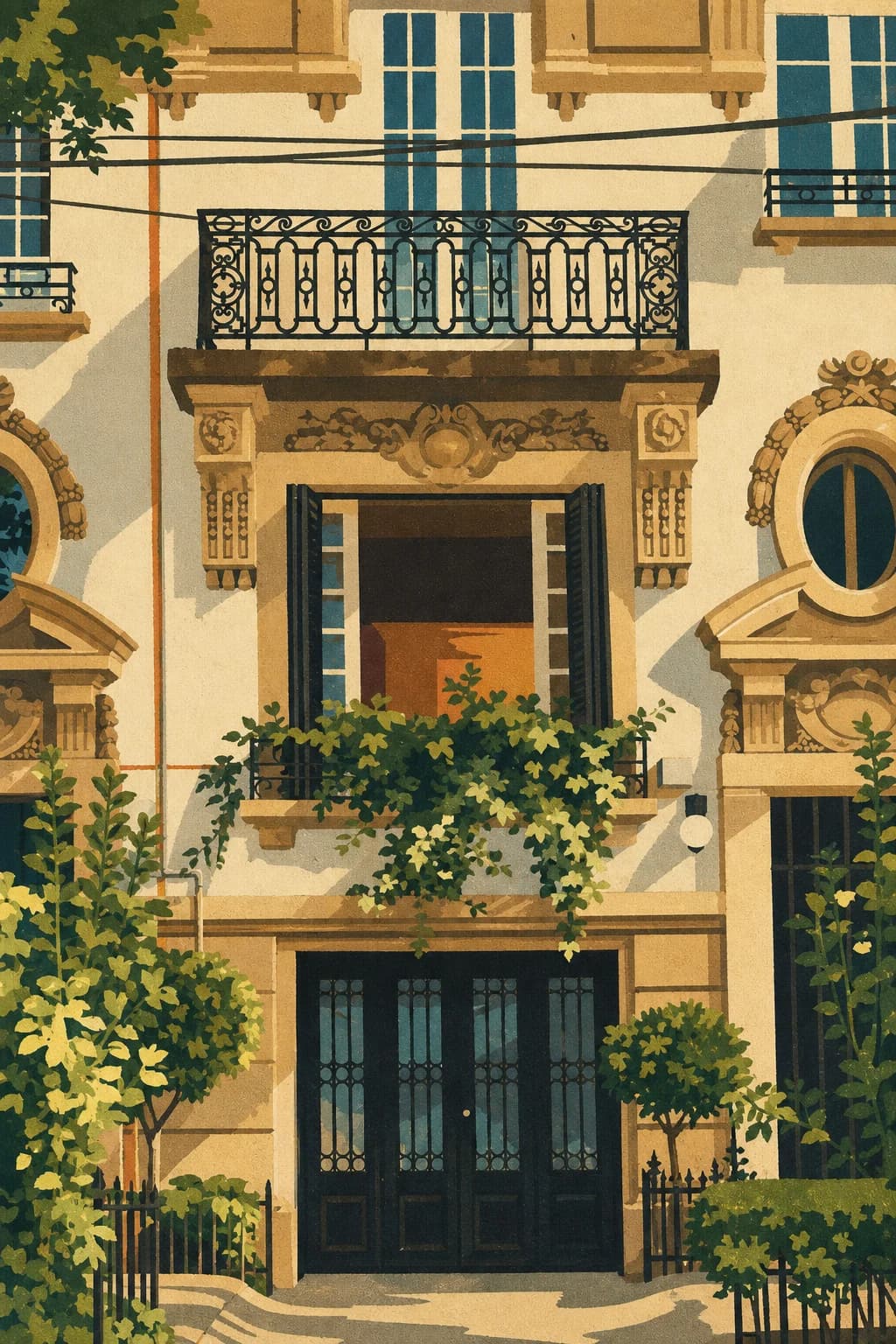
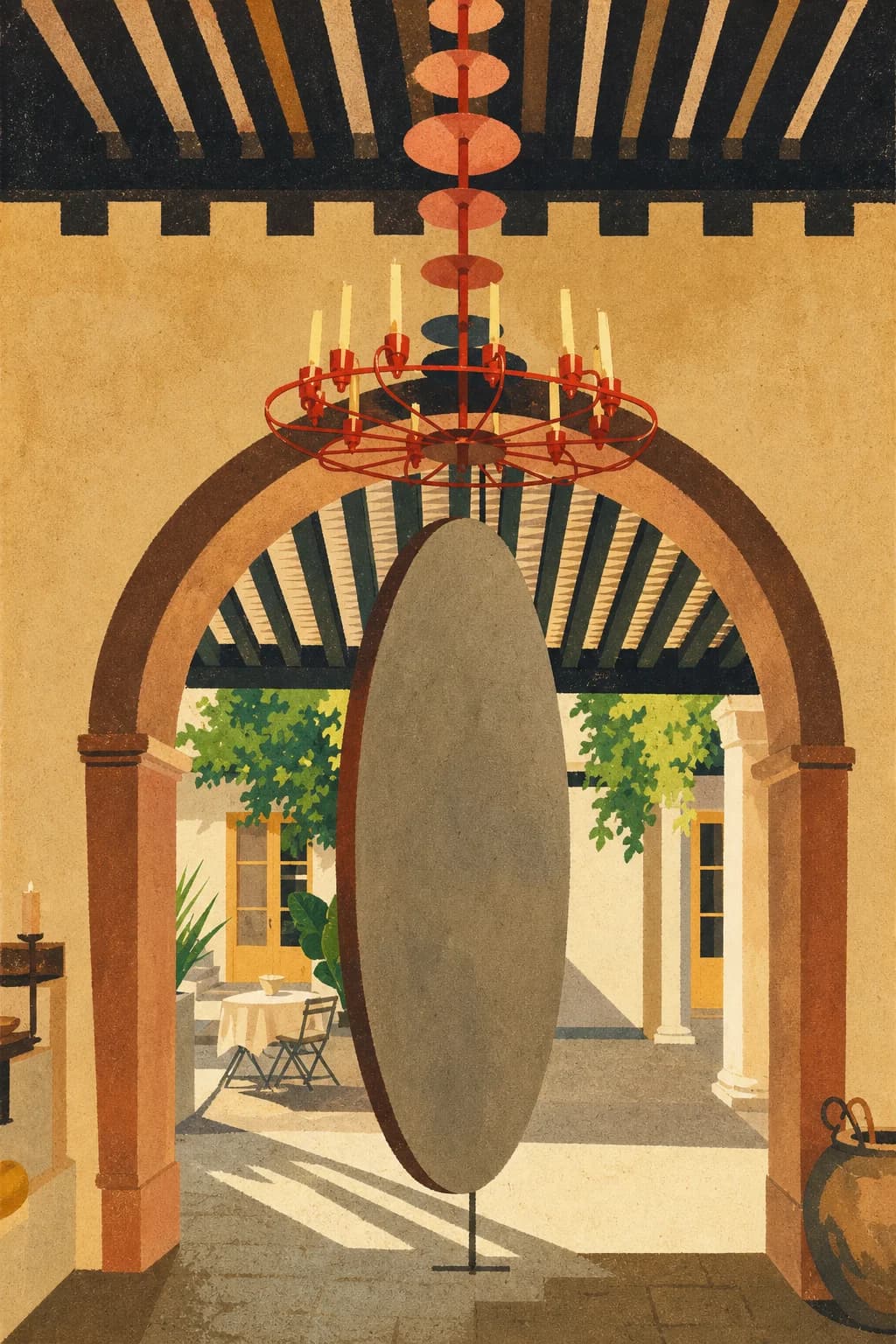
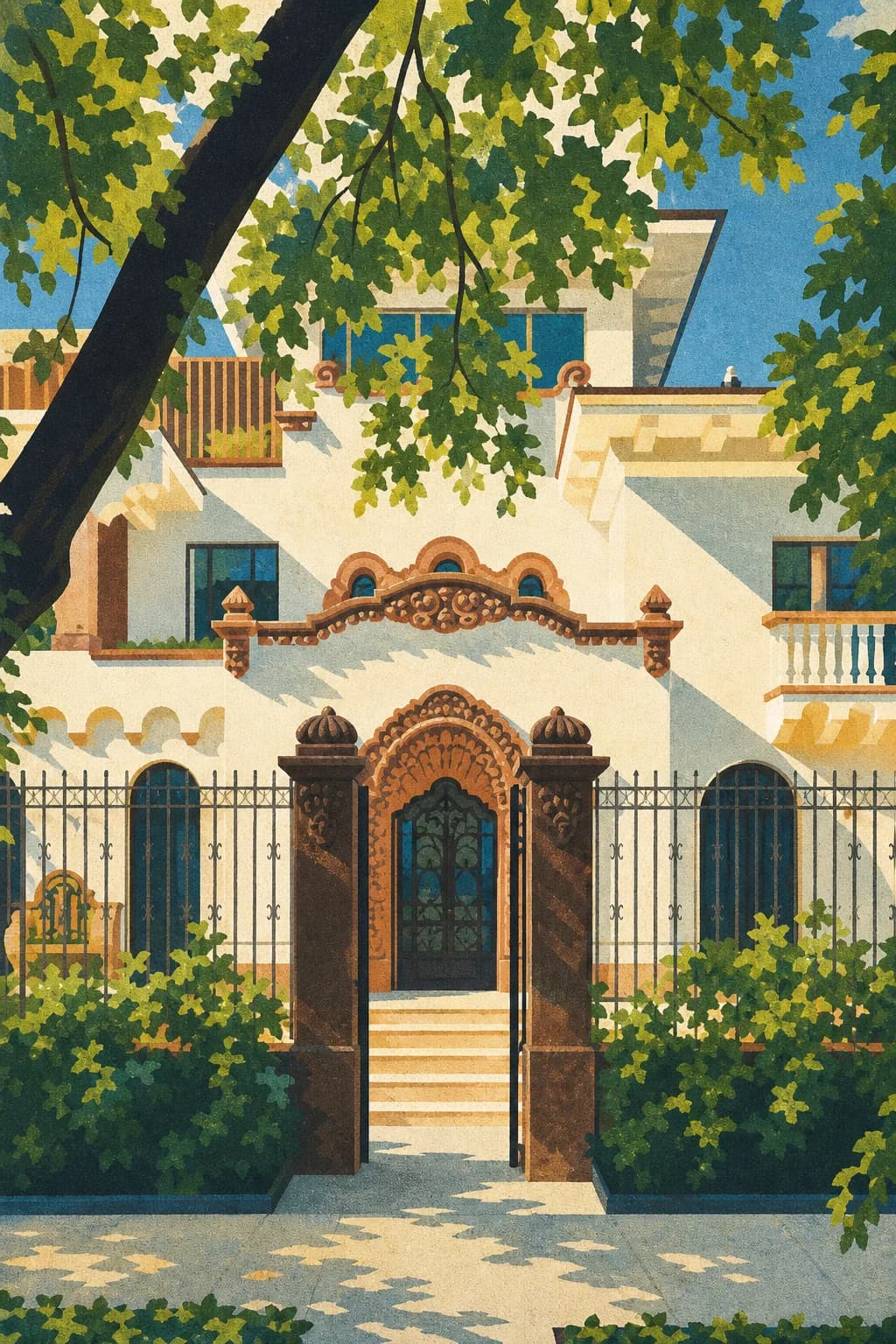
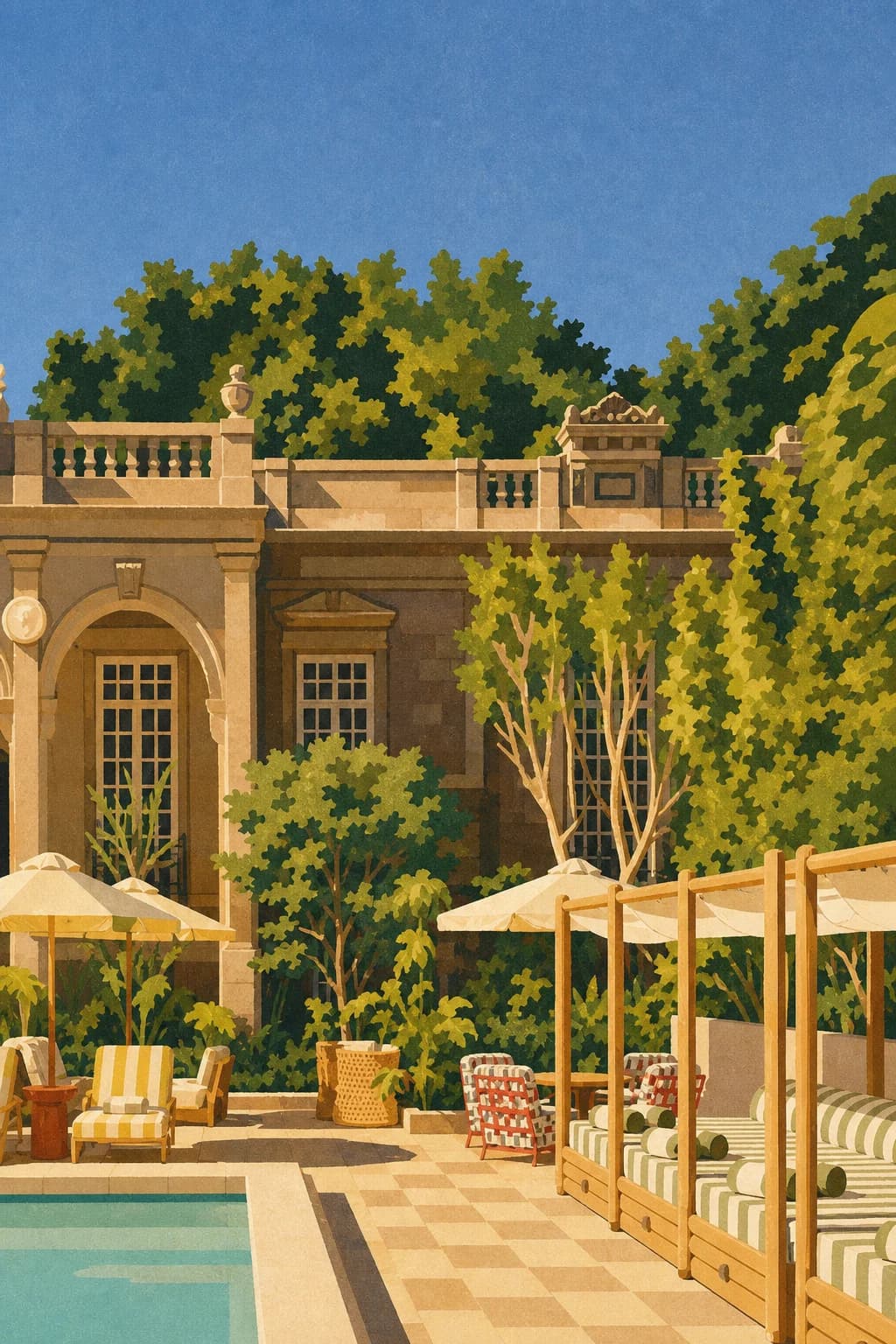
Most conversions gut the building and start over. This one did not. The original casement windows are still in place, the encaustic tile floors survived, and the engraved name sits on the facade where it always did. What is new plays loud against it: rose-lacquered arches through the lobby, a clay bar topped with marble, bathrooms tiled in five colours that should clash and somehow do not.
Condesa, minus the main drag
The address is a side street, not one of the loud avenues, and that changes the stay. Parque México is a few minutes on foot: joggers and dog walkers at seven, saxophone practice under the trees by nine. Amsterdam's oval loop takes you past the best of the neighbourhood's Deco apartment blocks. Roma is a twenty-minute walk east when you want a different set of restaurants.
The lobby is the point
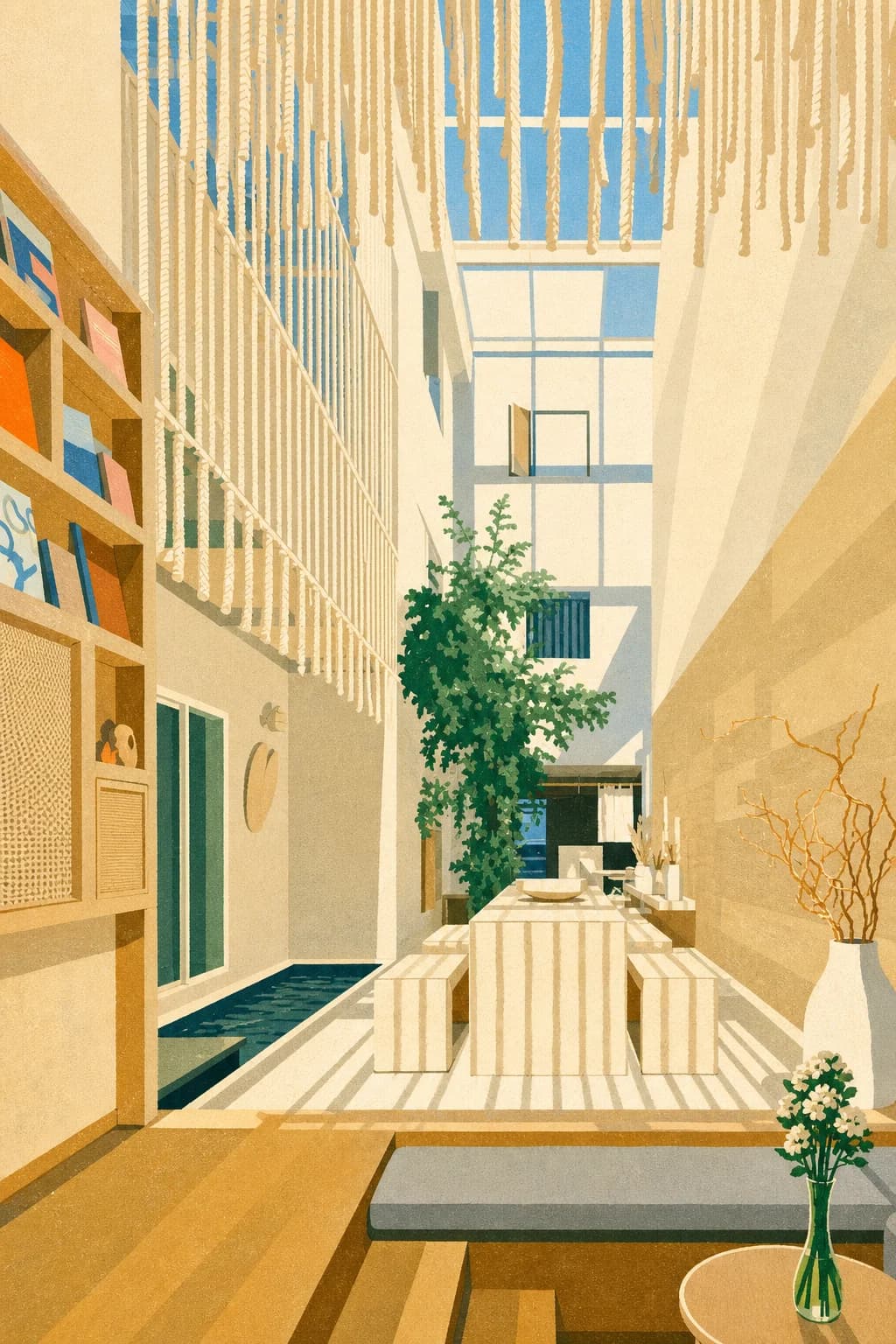
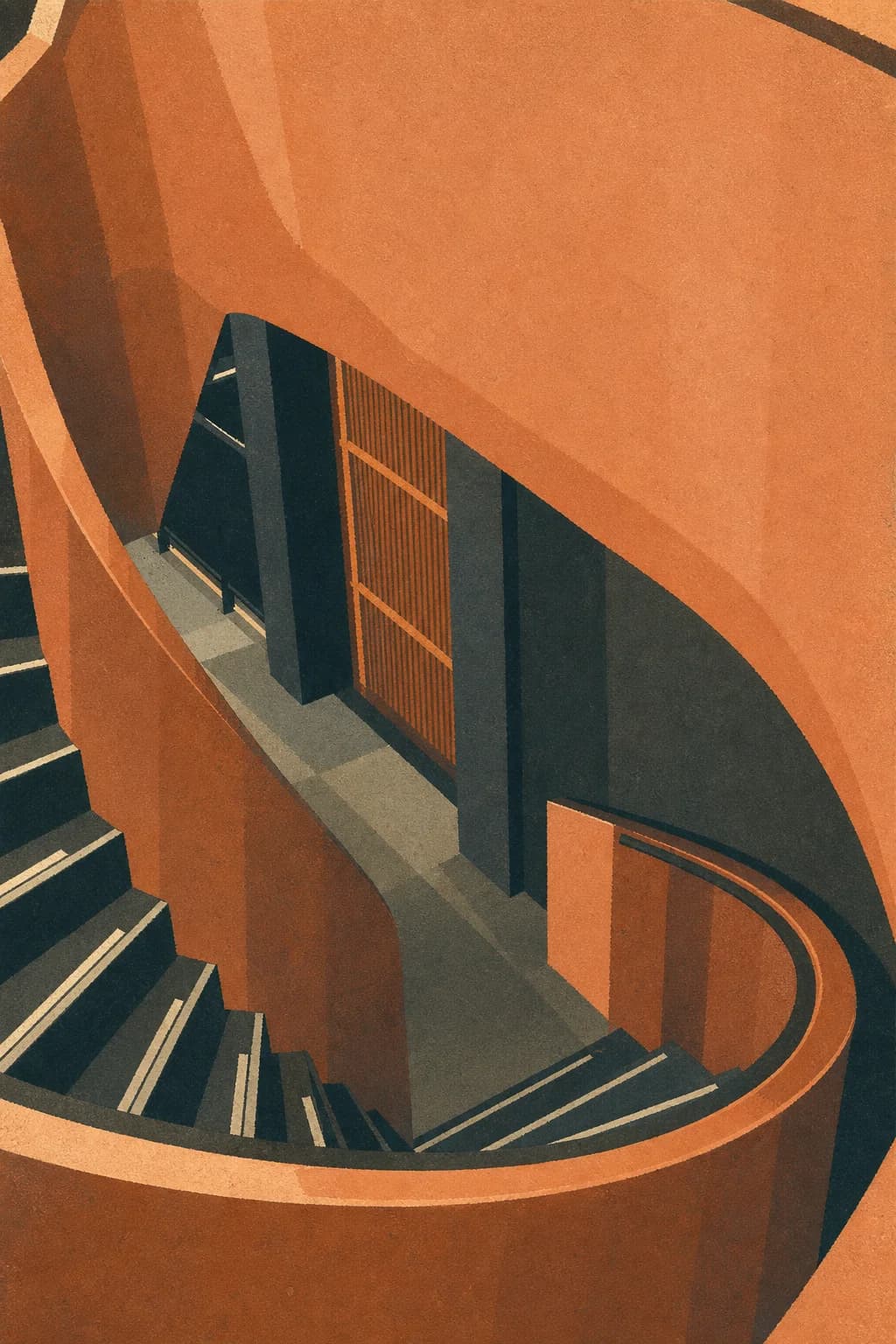
Lounge Fernando runs from early afternoon into the night: natural wine, cheese and charcuterie, tacos and sandwiches, a cocktail list that does not try to be clever. It fills with people who are not staying there, which is the sign you want. Upstairs, the spiral stair ends at a rooftop terrace that does breakfast, doubles as a work desk all day, and turns into the best seat in the building at dusk.
talk.
mapped.
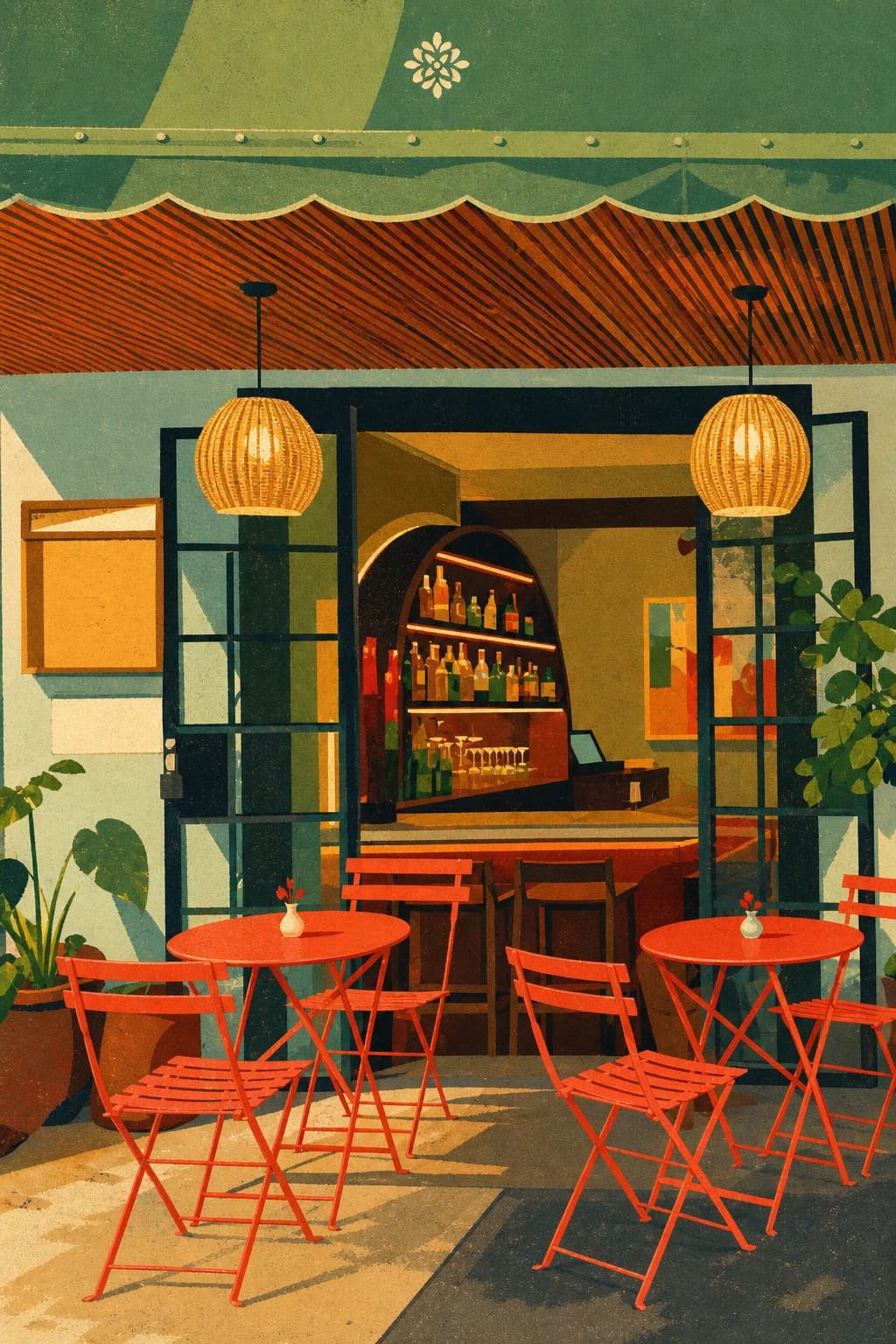
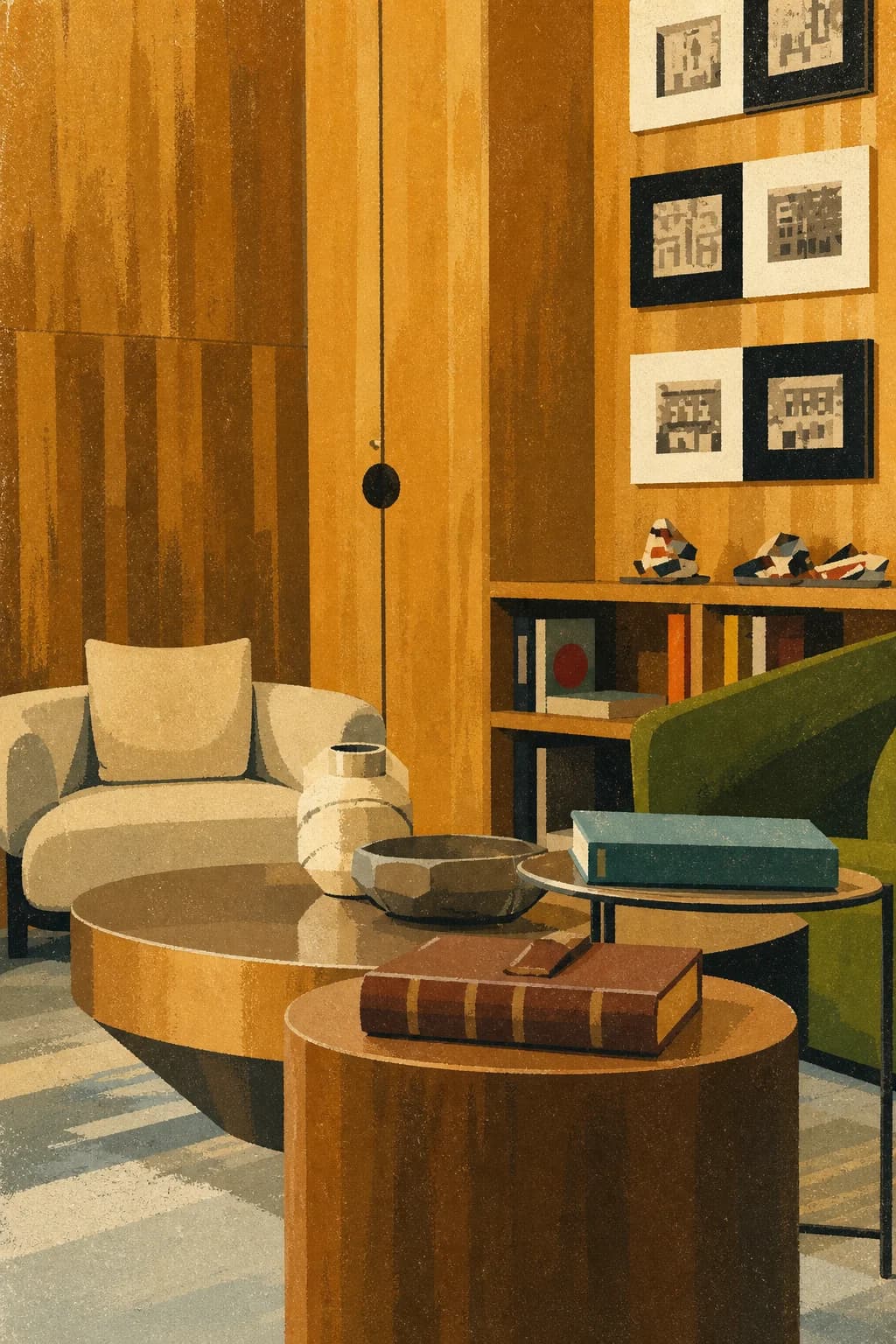
“Anchoring Hotel San Fernando's ground floor, just beyond reception, an intimate lounge stars a custom bar clad in handmade terracotta tiles topped with marble.”
record.
That is the whole story of booking this place: peak weekends close out early and the good rooms close first. The building began as apartments on a quiet Condesa side street, and the conversion had the confidence to leave things alone. Original casement windows, encaustic tile floors, the engraved name still cut into the facade.
What was added is unapologetic: rose-lacquered arches leading through the lobby, a clay bar topped with marble, an open spiral stairwell climbing five floors to a rooftop terrace, bathrooms tiled in five colours you would never have put together. Rooms come with kitchenettes, which tells you what kind of stay this is designed for: slow, local, mildly domestic. It is less a hotel than an apartment lent to you by someone with very good taste, and there are only nineteen to lend.
changed.
Mexico City runs on a two-peak calendar, and understanding why the curve looks the way it does is worth more than any temperature chart. The first peak is spring, roughly March into April, the dry-season stretch when the jacarandas turn the city violet and the skies stay clear. The second is late October into November, when Day of the Dead brings the single biggest travel surge of the year. Those are the weeks the city sells to the world, and they are the weeks the small design houses fill first.
For those peaks, plan far ahead. The Roma and Polanco properties that matter, the handful in the upper tiers, can close out three months before Day of the Dead and the jacaranda weeks, and there is no overflow wing when a hotel has nine or twenty rooms. If your trip is fixed to those dates, book the room before the flights.
The genuinely undervalued window is the summer rainy season, June through August. The rain scares people off, but it arrives as short, predictable afternoon storms that clear by evening, leaving bright mornings for everything you actually came to do. Demand drops to its yearly low, the same rooms that vanish in October sit open, and rates soften across the board. Shoulder travelers who do not need the jacarandas get the best value of the year here.
The rest of the calendar fills in around the peaks. February, May, September, and December run warm with demand: September carries Independence Day on the 16th and its plaza celebrations, and December brings the Guadalupe pilgrimage and Christmas, both of which tighten the center in particular. January sits quiet after the holidays, another soft, workable window.
The one thing Mexico City never does is close. There is no dead season, no shuttered-hotel month; the city works year-round, so the only real decision is how much company you want and how early you are willing to commit. Book the peaks early, take the summer if you can be flexible.
approach.
briefing.
“Taking its name from the building itself, Edificio San Fernando, the property honours the patron saint of the Spanish Army Corps of Engineers.”
stands.
demand's going.
The real Instagram following over time, plus where this hotel sits for demand in Mexico City. Pick a range, toggle the lines. Followers are reach and demand, not engagement.
assessment.
File closes at MODERATE. Nineteen rooms in a Condesa apartment conversion: available if you plan, gone if you drift. Book it if you want a neighbourhood more than a hotel. Skip it if you need an elevator, a gym, or anyone to carry your bag up five floors.
The numbers behind the tiers
Hotel San Fernando · SOURCE READINGS · REDACTED- Availability density · sampled
- Monthly search volume · raw
- TikTok hashtag views · raw
- YouTube total views · raw
- TikTok following · latest sweep
- Pinterest saves · latest sweep
More from Mexico City.
Get the hotel's Unbookable Score.
Any post or reel with a hotel in it. Booking.com hotel pages work too. One free check, no account needed.