Gran
Hotel Ciudad de México.
3 critic reviews
filed.
The lobby genuinely delivers, and it is one of those interiors that stops people mid-sentence on the way to the desk. The rooms are ordinary by comparison, so the honest framing is that you are paying to sleep above a public space rather than inside a great one. If that trade appeals, it holds up.
Not remotely. It sits on every Centro walking route and the lobby pulls a steady stream of photographers who never book a night. What stays under the radar is staying rather than visiting: most people see the ceiling for ten minutes and never find out what the building sounds like at six in the morning.
angles.
Look Up Before Checking In
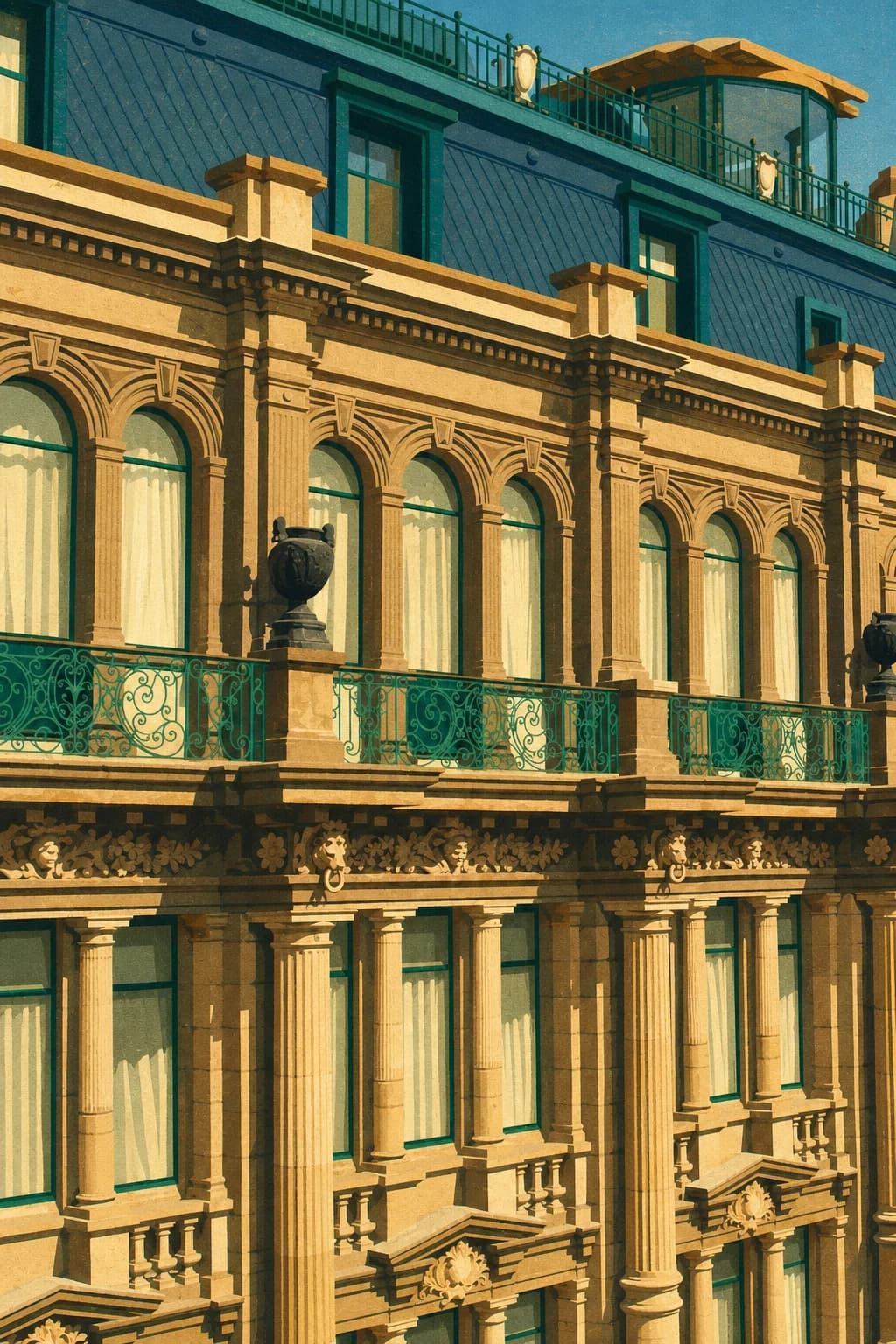
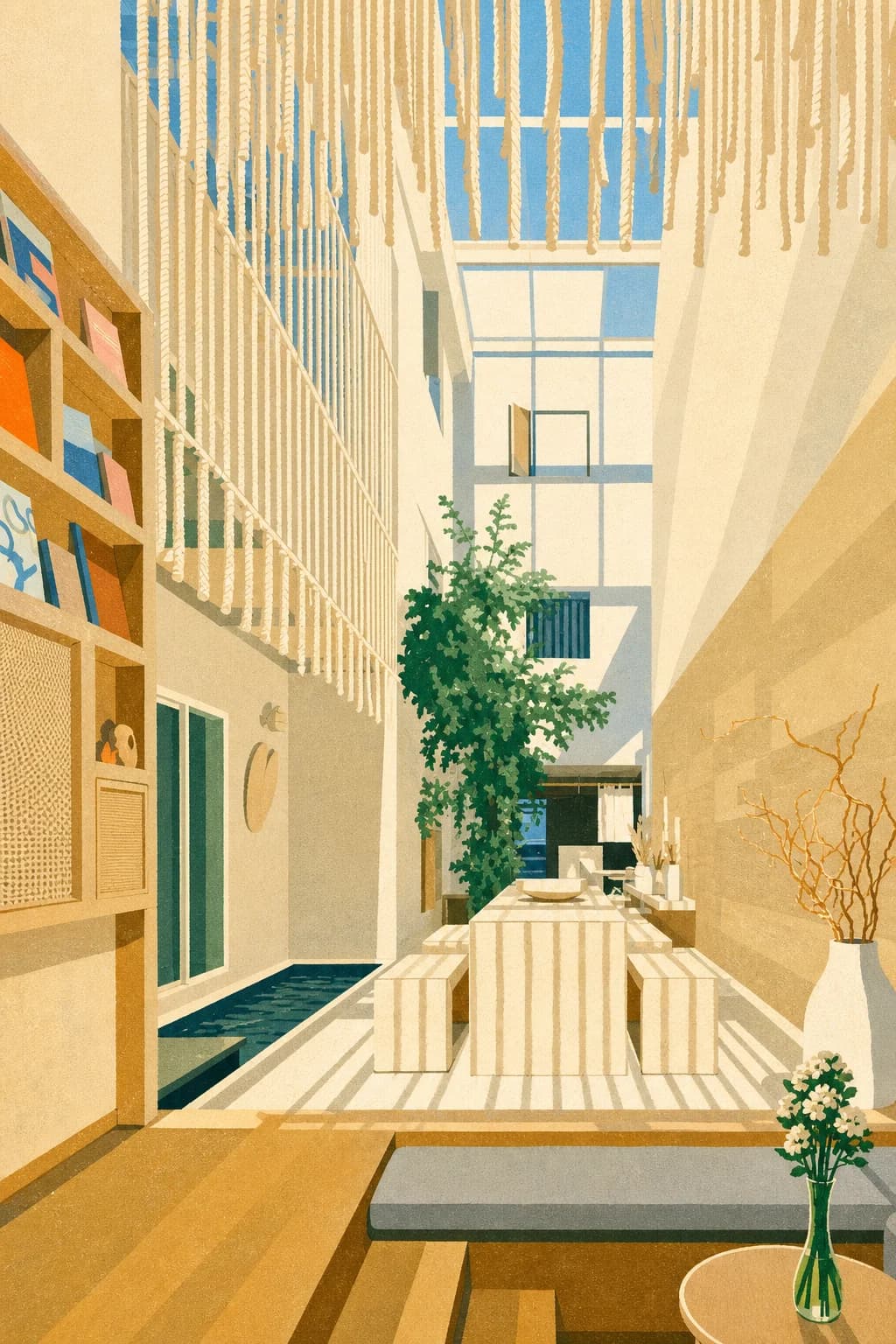
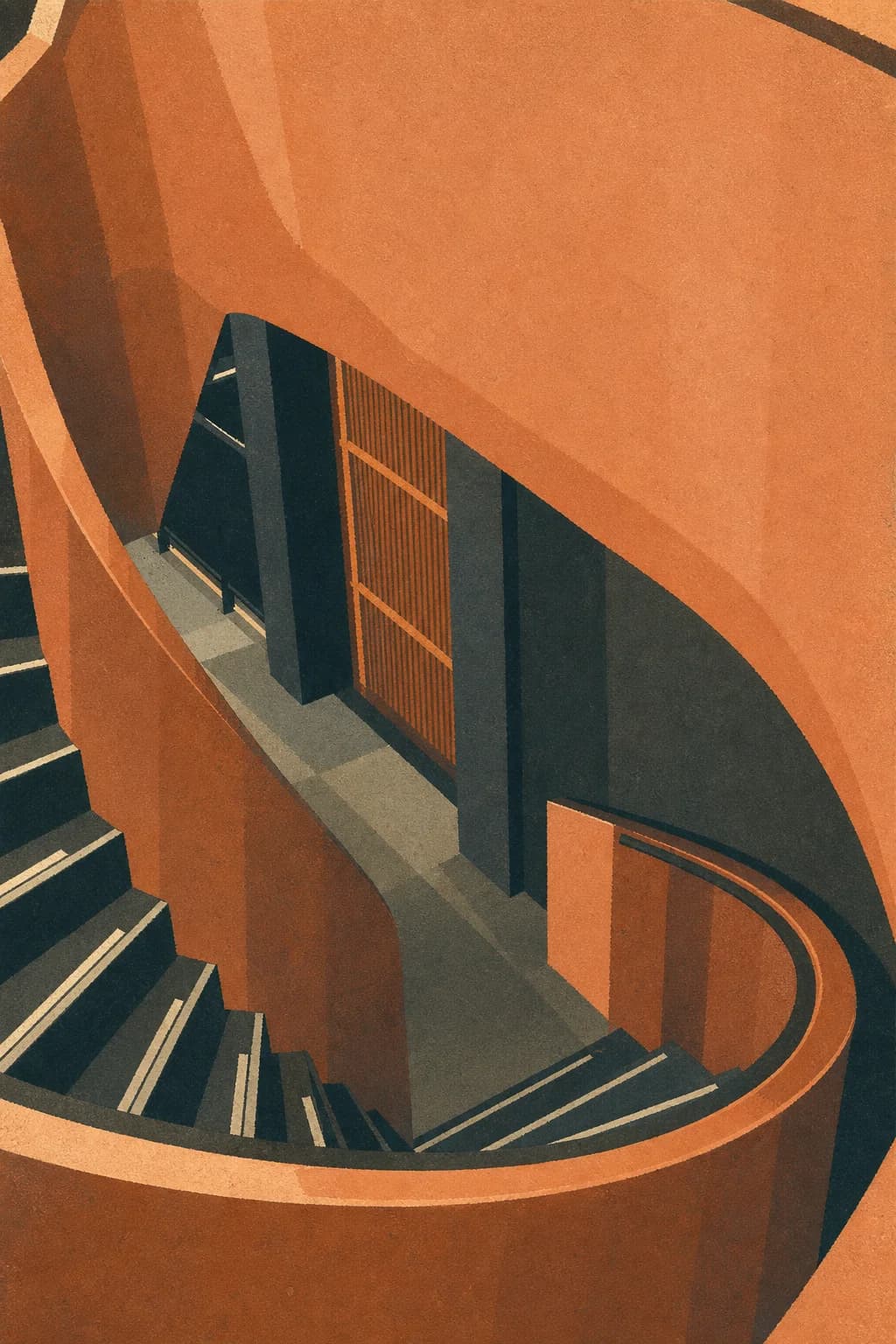
Gruber's canopy runs the full length of the atrium, so the light down in the lobby shifts colour through the day: cold blue at breakfast, warm amber by late afternoon. Around it sit three floors of wrought-iron galleries, open cage elevators worked by hand, and a staircase built to move shoppers rather than guests. The building still behaves like a department store.
Breakfast Above The Flag Ceremony
The rooftop terrace looks straight across the Zócalo to the Catedral Metropolitana and the Palacio Nacional. Soldiers raise the enormous national flag at dawn and take it down at dusk, and you can watch both with chilaquiles, huevos rancheros and decent coffee in front of you. Weekends bring plenty of non-guests up for the same view, so reserve a table rather than turning up.
Everything Worth Seeing Is Walkable
Templo Mayor is two minutes away, the Rivera murals inside the Palacio Nacional are across the square, and Madero runs west past the Casa de los Azulejos to Bellas Artes in about fifteen minutes. Barrio Chino, old cantinas and the Zócalo metro entrance are all inside a short loop. In the evening the office crowd drains out and the Centro finds a slower rhythm.
talk.
mapped.
“Once a department store, this grand dame has features like its Tiffany stained-glass ceiling which arrived from France in 1908.”
record.
The rooms upstairs go to the ones who decide they want to wake up under it. The building opened as the Centro Mercantil, a department store designed and built by military engineer Daniel Garza with fellow engineer Gonzalo Garita, inaugurated on 2 September 1899 by President Porfirio Díaz.
Nine years later the Frenchman Jacques Gruber fitted the Tiffany-style stained glass canopy overhead, a field of amber and cobalt now counted among the four largest of its kind in the world. Beneath it: open cage elevators that still creak between floors, curved iron staircases, brass fittings, gilded birdcages along the galleries. The store ran nearly seven decades before reopening as the Gran Hotel Ciudad de México in 1968. Sixty rooms now face the busiest plaza in the country, and the ones with balconies clear out first whenever the city fills.
changed.
Mexico City runs on a two-peak calendar, and understanding why the curve looks the way it does is worth more than any temperature chart. The first peak is spring, roughly March into April, the dry-season stretch when the jacarandas turn the city violet and the skies stay clear. The second is late October into November, when Day of the Dead brings the single biggest travel surge of the year. Those are the weeks the city sells to the world, and they are the weeks the small design houses fill first.
For those peaks, plan far ahead. The Roma and Polanco properties that matter, the handful in the upper tiers, can close out three months before Day of the Dead and the jacaranda weeks, and there is no overflow wing when a hotel has nine or twenty rooms. If your trip is fixed to those dates, book the room before the flights.
The genuinely undervalued window is the summer rainy season, June through August. The rain scares people off, but it arrives as short, predictable afternoon storms that clear by evening, leaving bright mornings for everything you actually came to do. Demand drops to its yearly low, the same rooms that vanish in October sit open, and rates soften across the board. Shoulder travelers who do not need the jacarandas get the best value of the year here.
The rest of the calendar fills in around the peaks. February, May, September, and December run warm with demand: September carries Independence Day on the 16th and its plaza celebrations, and December brings the Guadalupe pilgrimage and Christmas, both of which tighten the center in particular. January sits quiet after the holidays, another soft, workable window.
The one thing Mexico City never does is close. There is no dead season, no shuttered-hotel month; the city works year-round, so the only real decision is how much company you want and how early you are willing to commit. Book the peaks early, take the summer if you can be flexible.
approach.
briefing.
“The most notable feature of all is the 1908 stained glass ceiling conceived by French artisan Jacques Grüber, who also collaborated at the Galleries Lafayette.”
stands.
demand's going.
The real Instagram following over time, plus where this hotel sits for demand in Mexico City. Pick a range, toggle the lines. Followers are reach and demand, not engagement.
assessment.
File closes at MODERATE. Rooms are there most of the year if you plan a couple of months out, but balcony stock thins fast around the holidays. Book it if the building itself is the point. Skip it if you want quiet nights, new bathrooms and a lobby that feels like yours.
The numbers behind the tiers
Gran Hotel Ciudad de México · SOURCE READINGS · REDACTED- Availability density · sampled
- Monthly search volume · raw
- TikTok hashtag views · raw
- YouTube total views · raw
- TikTok following · latest sweep
- Pinterest saves · latest sweep
More from Mexico City.



Get the hotel's Unbookable Score.
Any post or reel with a hotel in it. Booking.com hotel pages work too. One free check, no account needed.