Casa
Pani.
11 critic reviews
filed.
If your idea of a good stay is architecture you can touch, yes, comfortably. If you measure hotels by facilities per night, you will feel the gaps: this is a house with guests, not a full-service operation. The design crowd is right about it, and that attention is what makes six rooms feel like fewer.
Not really a hidden gem any more. Sight Unseen, Wallpaper* and AFAR have all pointed at it, and the crowd that reads those pointed back. It stays under-the-radar only in the sense that six rooms cannot generate much noise.
angles.
The conversion kept the bones
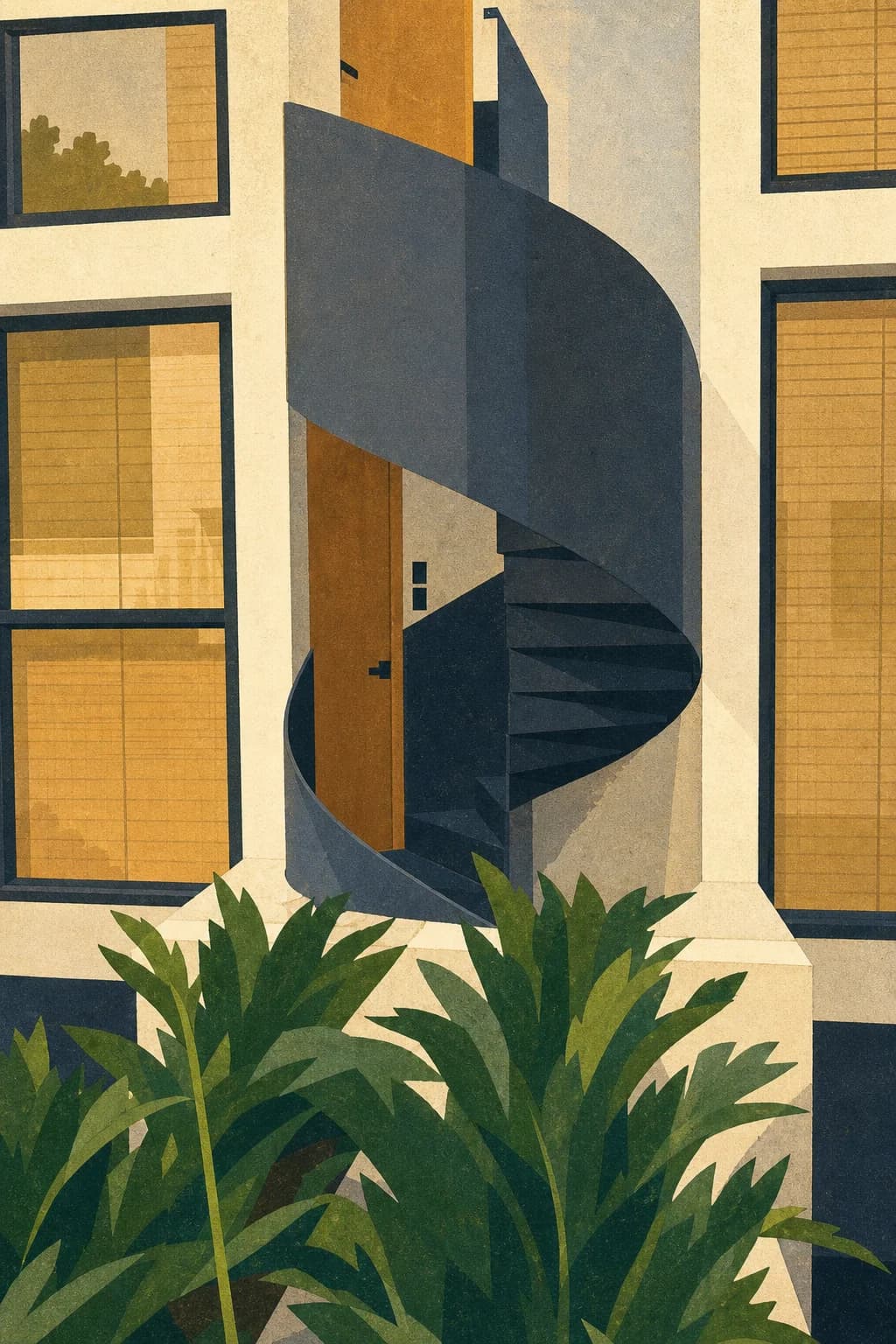
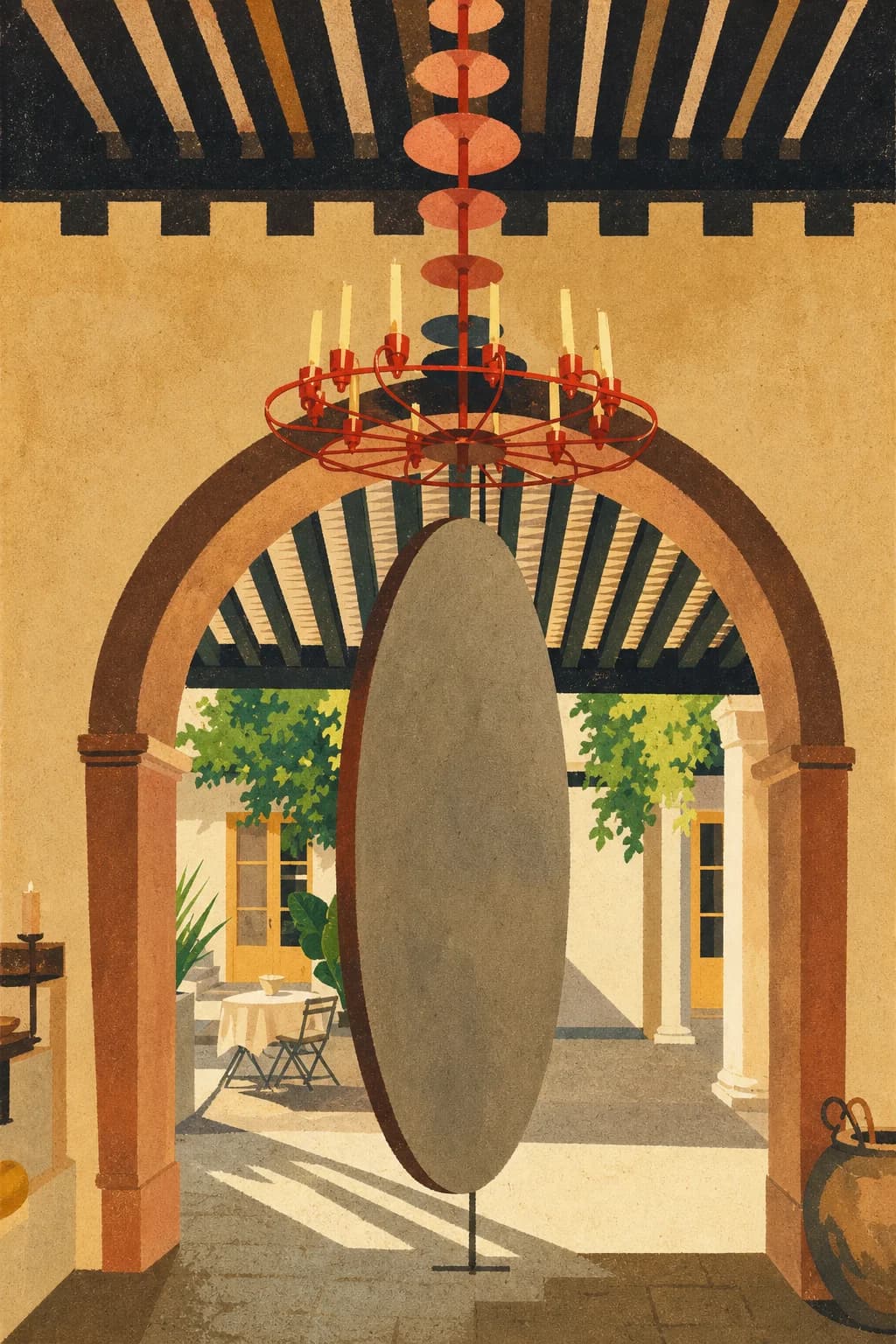
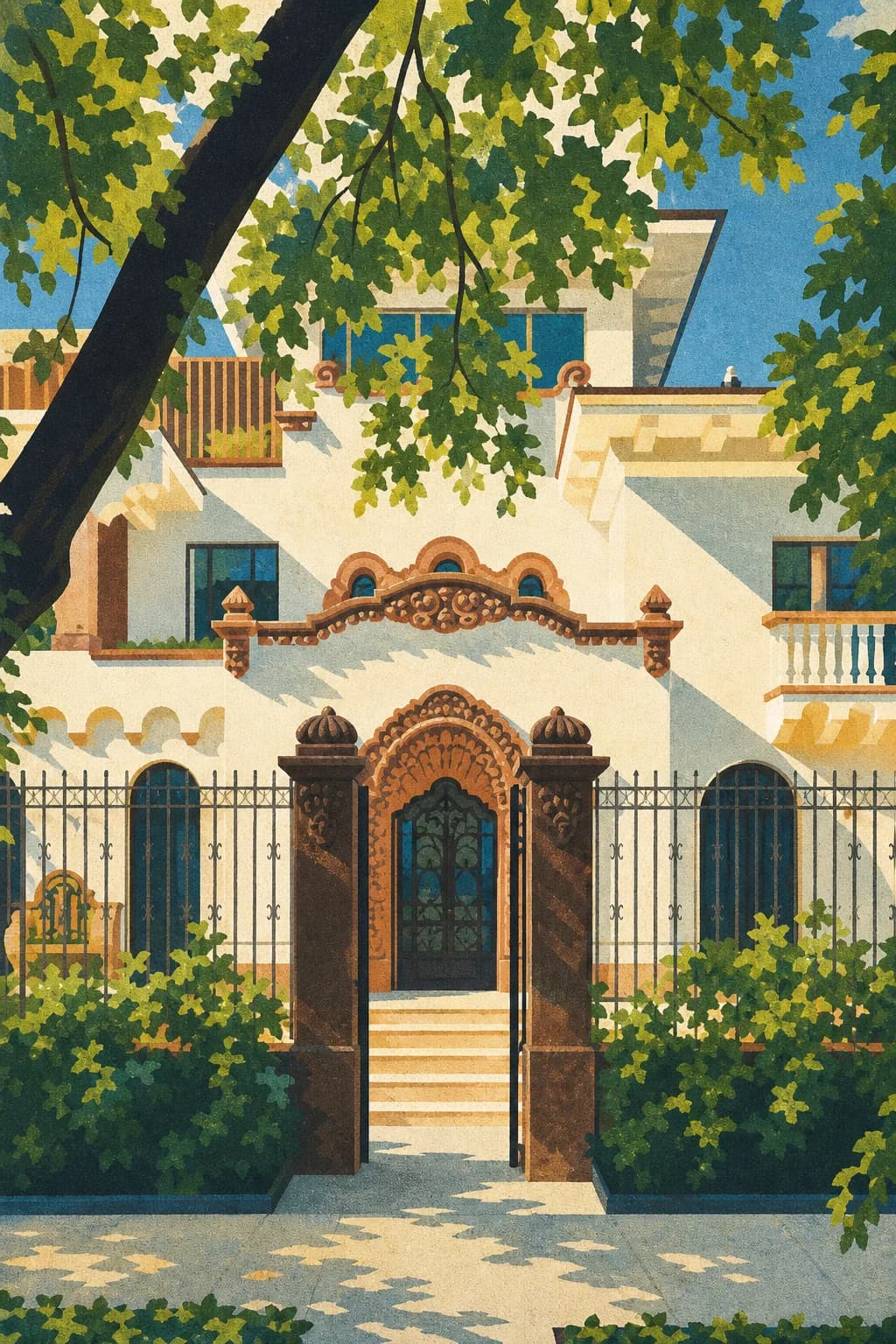
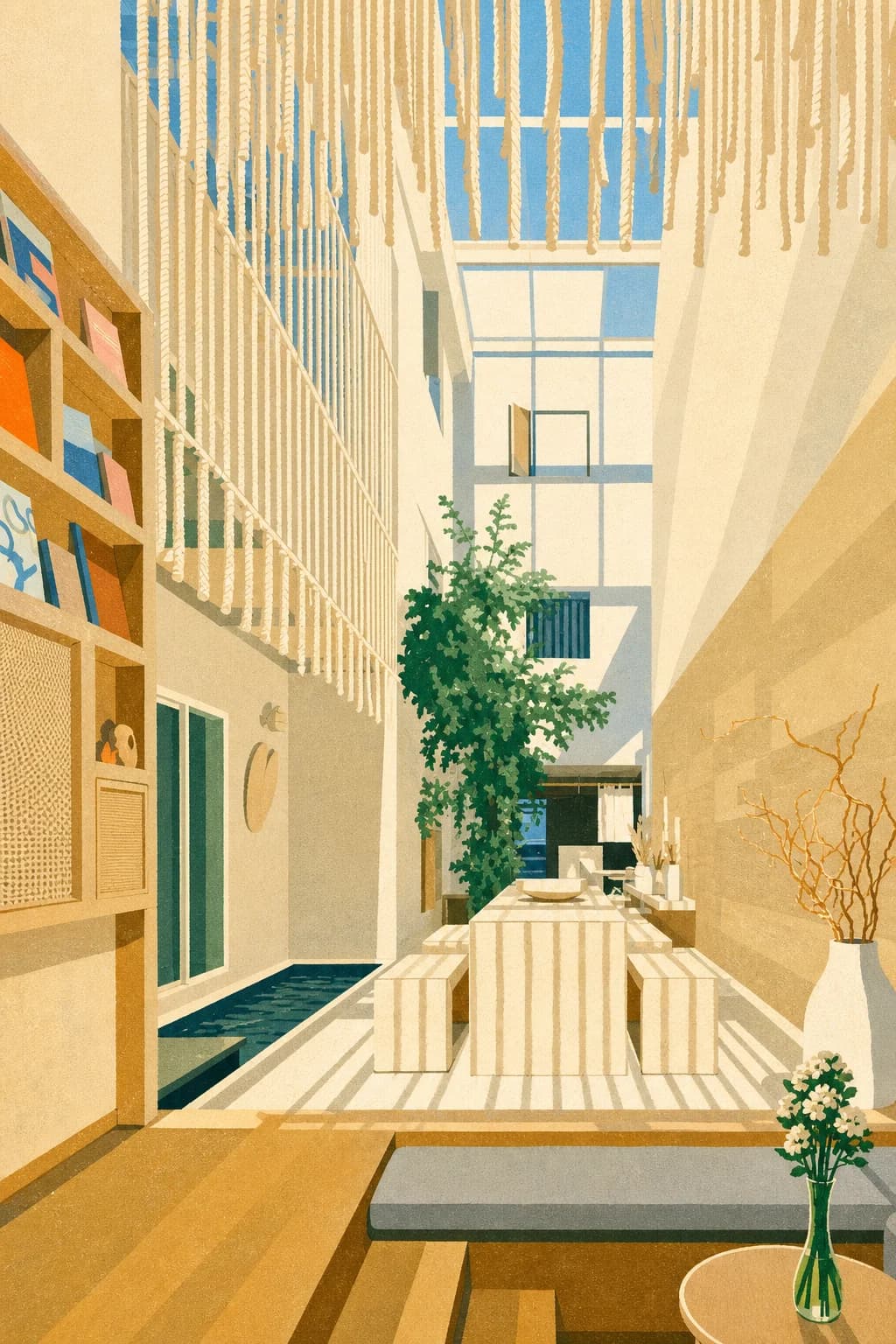
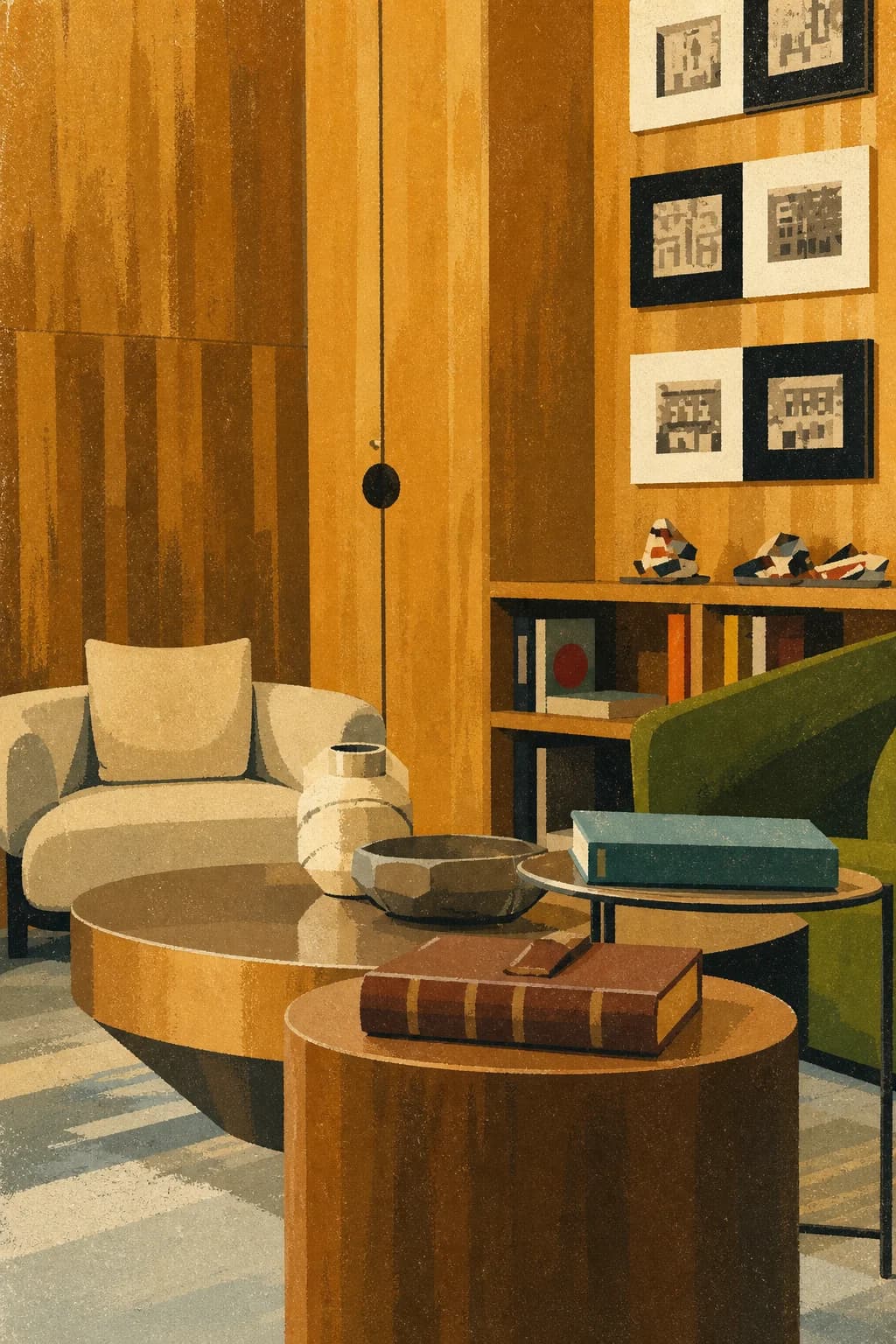
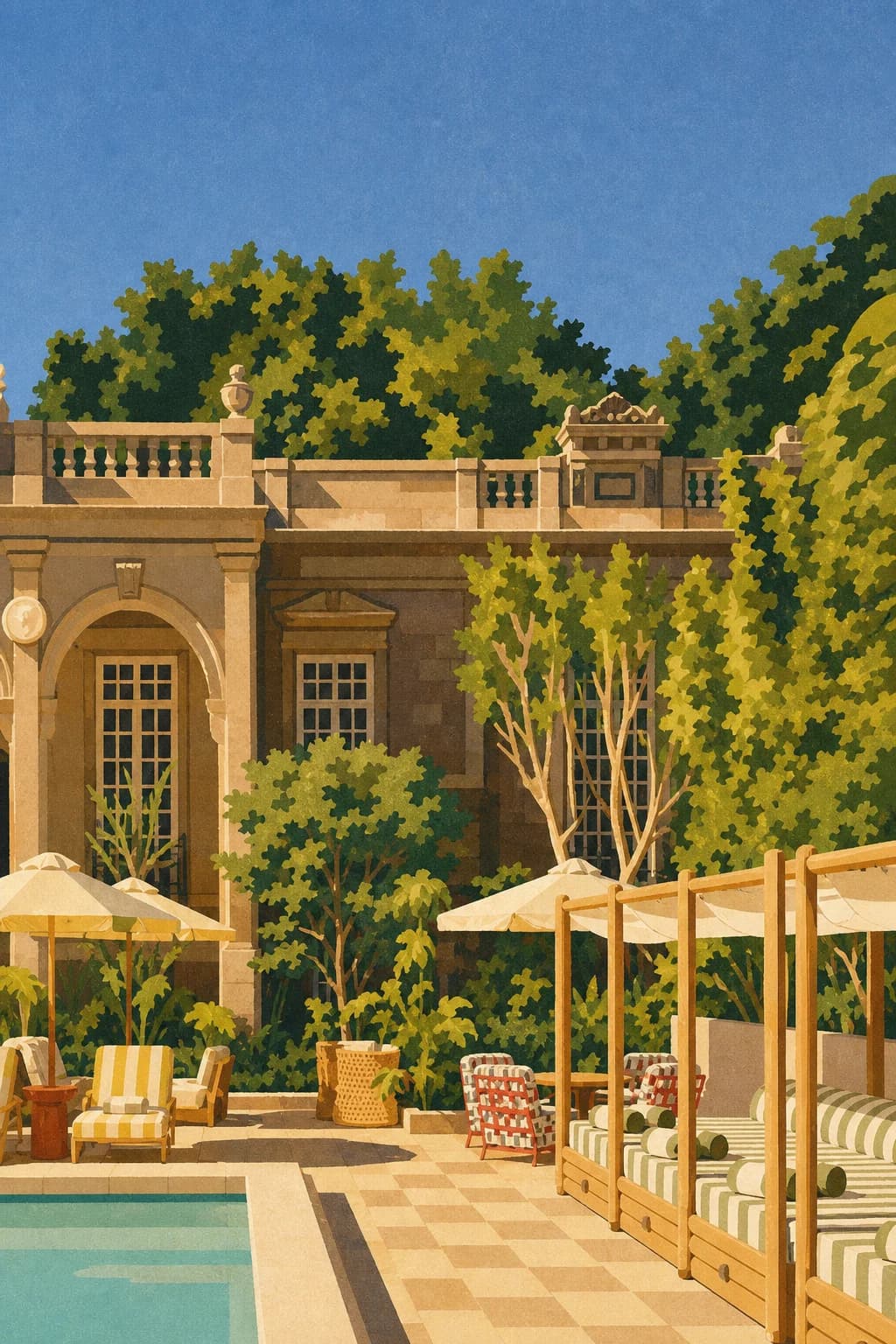
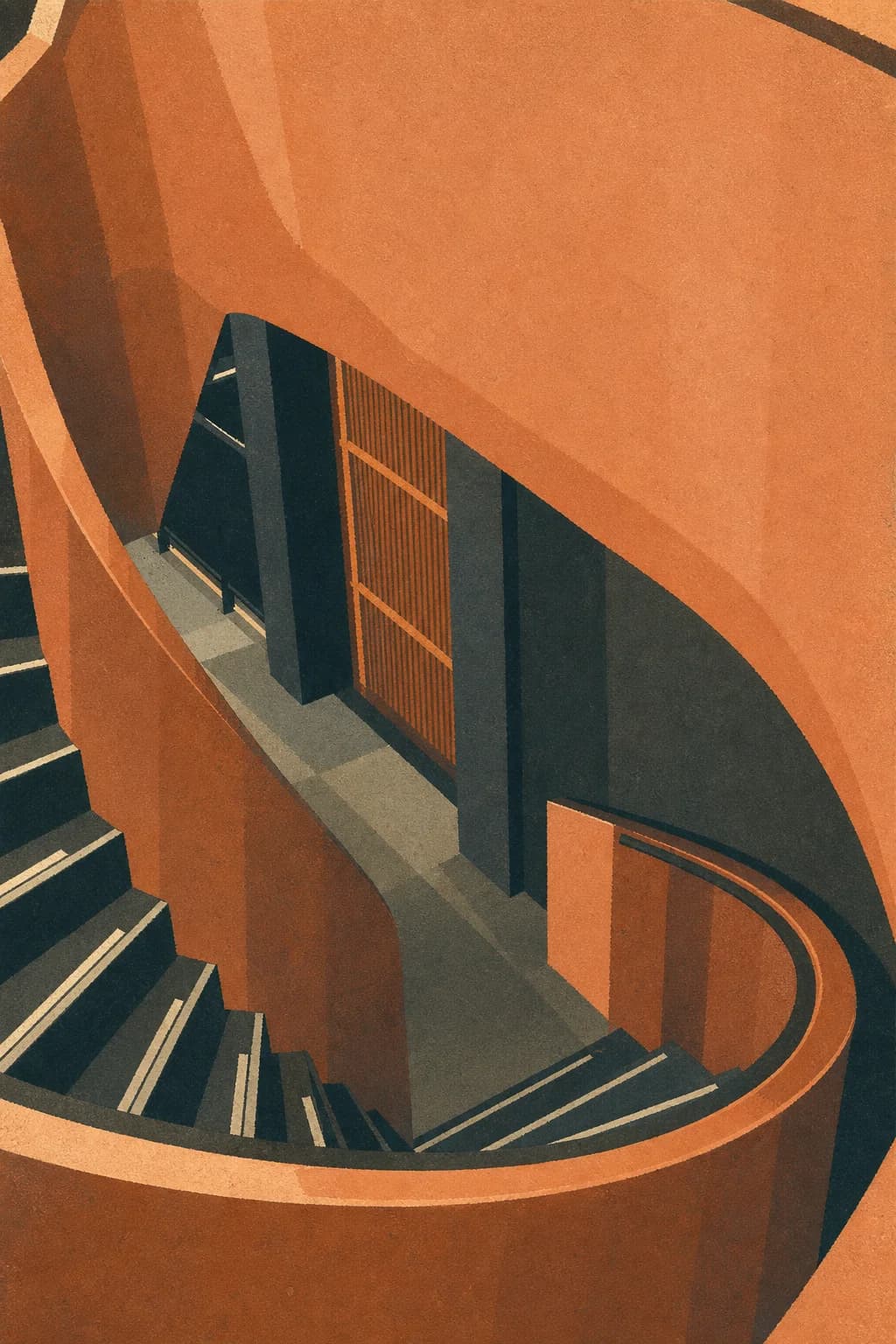
Estudio Atemporal and Miggi Hood took a 1962 private house and made it work as six guest rooms without flattening it into hotel-speak. The original geometry, the stair, the play of concrete and wood and glass onto the garden: all still legible. Furniture and objects lean contemporary Mexican, so the rooms read as a continuing conversation with the building rather than a period reconstruction.
Cuauhtémoc rewards walking, quietly
Colonia Cuauhtémoc sits just north of Reforma, between the embassy blocks and Juárez, which means residential calm and a ten-minute walk to serious eating. Amaya and Loup Bar are close for wine and small plates. Roma Norte and the Condesa are a short ride or a long, pleasant walk. Chapultepec, the Tamayo and the anthropology museum sit at the other end of Reforma.
It behaves like a house
Six rooms means no lobby theatre, no queue at check-in, no anonymous corridor. You come in through a door that still reads as a front door, and the shared spaces are the ones the family used. Staff numbers stay small and personal. If you want a spa, a gym and room service at 2am, this is not the address. If you want a building to yourself and five neighbours, it is.
talk.
mapped.
“Nestled in one of Mexico City’s oldest (and quieter) neighbourhoods, Casa Pani was once a private single-family home built by Mario Pani in 1962.”
record.
That is the whole problem in one sentence. Mario Pani completed this house in 1962 as a private residence, and it stayed one for decades: terrazzo, warm wood, glass pulling the garden indoors, the kind of postwar Mexican modernism that looks better now than it did then.
In 2019 Estudio Atemporal, working with Miggi Hood, turned it into a six-room guest house without gutting what made it worth saving. Sight Unseen wrote it up in 2021, Wallpaper* put it in its Mexico City guide and noted the architecture survived the conversion, and AFAR listed it among the city's best hotels. Staying here feels closer to house-sitting for a very particular friend than checking in anywhere. Six keys, that much attention: the arithmetic is not in your favour.
changed.
Mexico City runs on a two-peak calendar, and understanding why the curve looks the way it does is worth more than any temperature chart. The first peak is spring, roughly March into April, the dry-season stretch when the jacarandas turn the city violet and the skies stay clear. The second is late October into November, when Day of the Dead brings the single biggest travel surge of the year. Those are the weeks the city sells to the world, and they are the weeks the small design houses fill first.
For those peaks, plan far ahead. The Roma and Polanco properties that matter, the handful in the upper tiers, can close out three months before Day of the Dead and the jacaranda weeks, and there is no overflow wing when a hotel has nine or twenty rooms. If your trip is fixed to those dates, book the room before the flights.
The genuinely undervalued window is the summer rainy season, June through August. The rain scares people off, but it arrives as short, predictable afternoon storms that clear by evening, leaving bright mornings for everything you actually came to do. Demand drops to its yearly low, the same rooms that vanish in October sit open, and rates soften across the board. Shoulder travelers who do not need the jacarandas get the best value of the year here.
The rest of the calendar fills in around the peaks. February, May, September, and December run warm with demand: September carries Independence Day on the 16th and its plaza celebrations, and December brings the Guadalupe pilgrimage and Christmas, both of which tighten the center in particular. January sits quiet after the holidays, another soft, workable window.
The one thing Mexico City never does is close. There is no dead season, no shuttered-hotel month; the city works year-round, so the only real decision is how much company you want and how early you are willing to commit. Book the peaks early, take the summer if you can be flexible.
approach.
briefing.
“Staying at Casa Pani is a rare opportunity to experience a home created by the legendary Mario Pani, famous for his innovative urban designs.”
stands.
demand's going.
The real Instagram following over time, plus where this hotel sits for demand in Mexico City. Pick a range, toggle the lines. Followers are reach and demand, not engagement.
assessment.
File closes at HIGH. Getting in is realistic if you plan around it rather than at it. Book if you want to sleep inside Mexican modernism at close range; skip if you need a concierge, a gym and a restaurant downstairs.
The numbers behind the tiers
Casa Pani · SOURCE READINGS · REDACTED- Availability density · sampled
- Monthly search volume · raw
- TikTok hashtag views · raw
- YouTube total views · raw
- TikTok following · latest sweep
- Pinterest saves · latest sweep
More from Mexico City.
Get the hotel's Unbookable Score.
Any post or reel with a hotel in it. Booking.com hotel pages work too. One free check, no account needed.