Octavia
Casa.
2 critic reviews
filed.
If you want a design object to live inside for a few nights, comfortably yes. If you want a full-service hotel with a bar, a restaurant and someone to rearrange your day, this is not that and never pretended to be. It sits at the upper end of Condesa pricing, and what you are buying is the architecture and the address.
Not really, and not for a while. The architecture and hospitality press found it early, so "undiscovered" is the wrong word for a building this photographed. What it still is: small enough that plenty of travellers scrolling the big booking sites never see it surface at all.
angles.
Architecture built like clothing
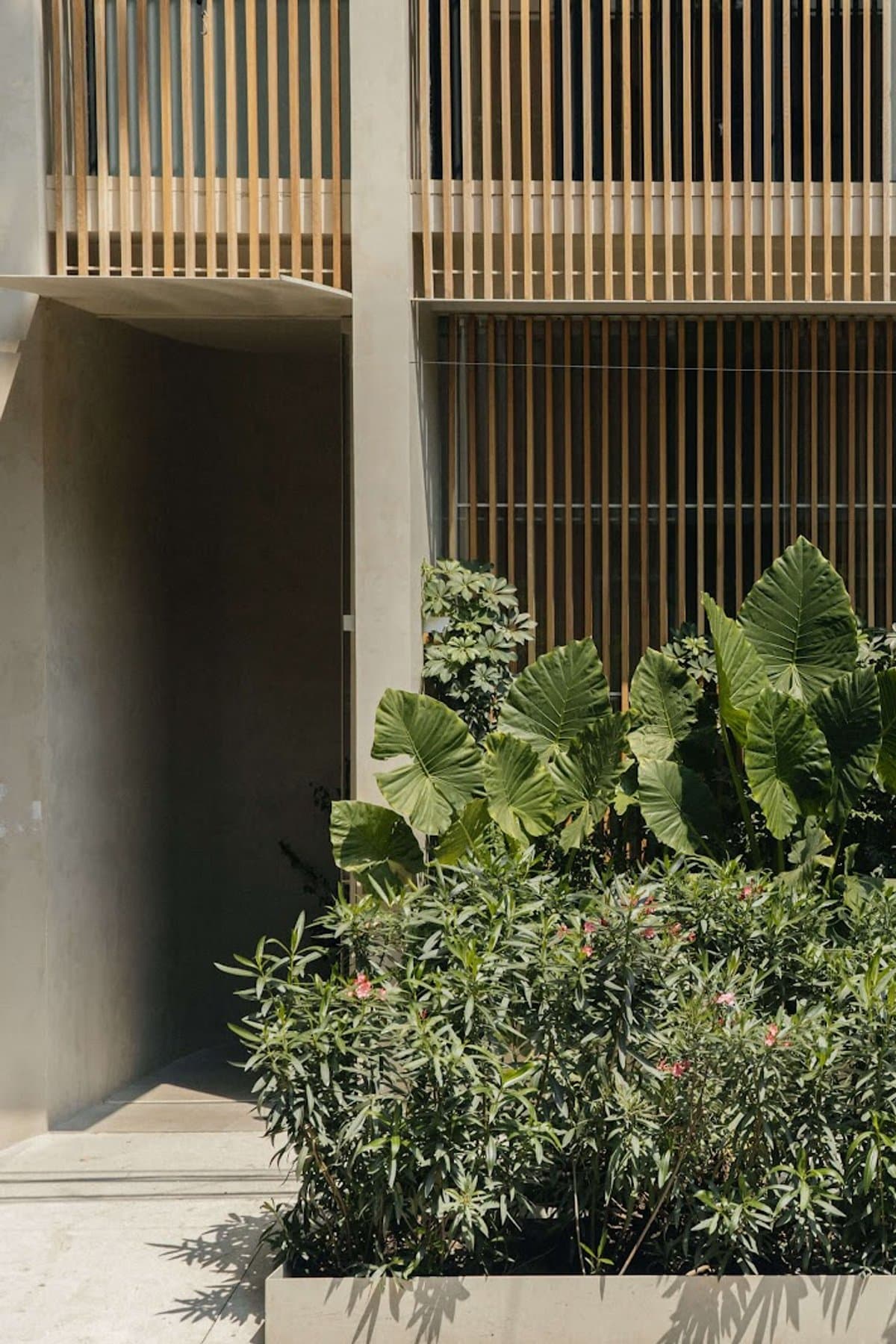
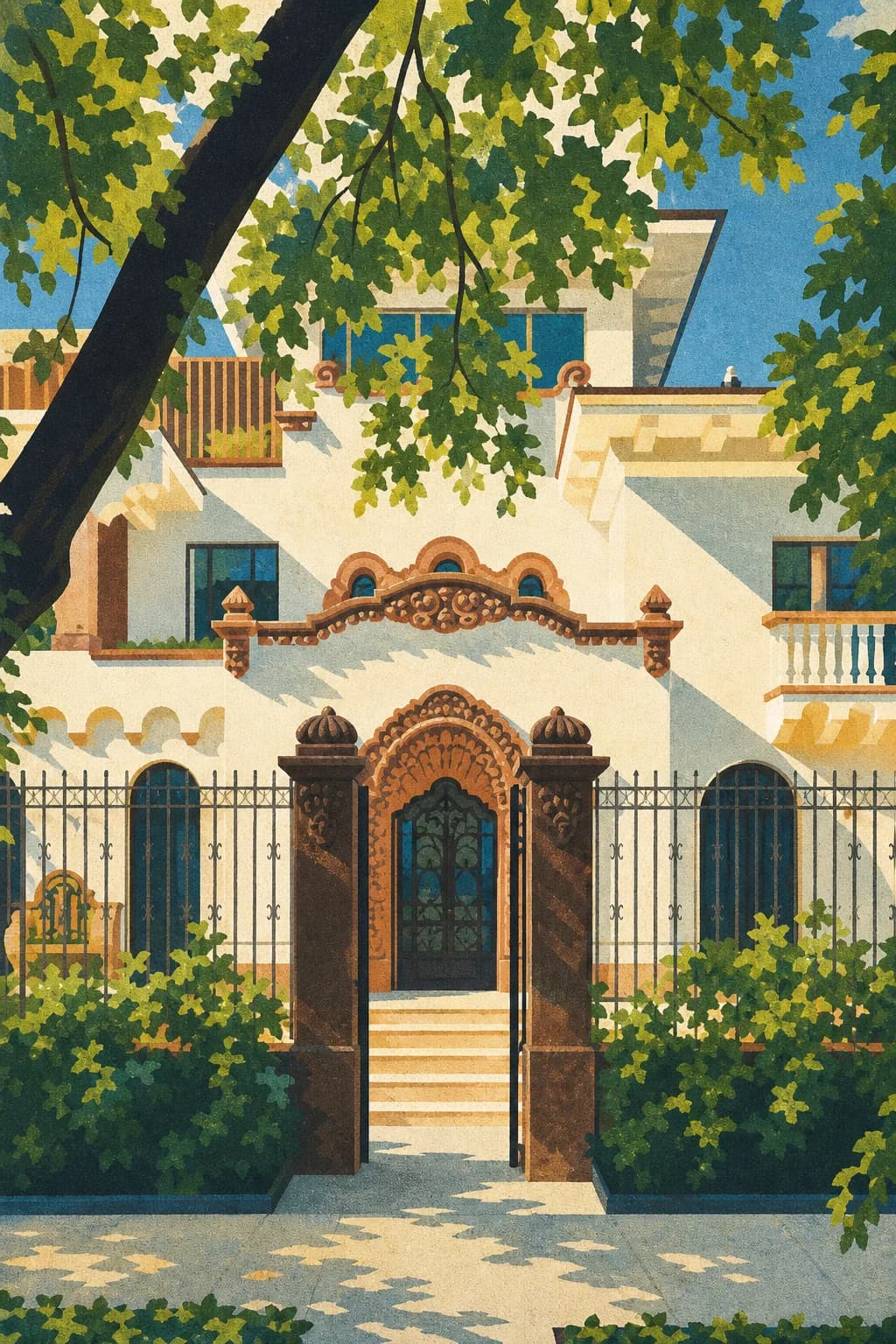
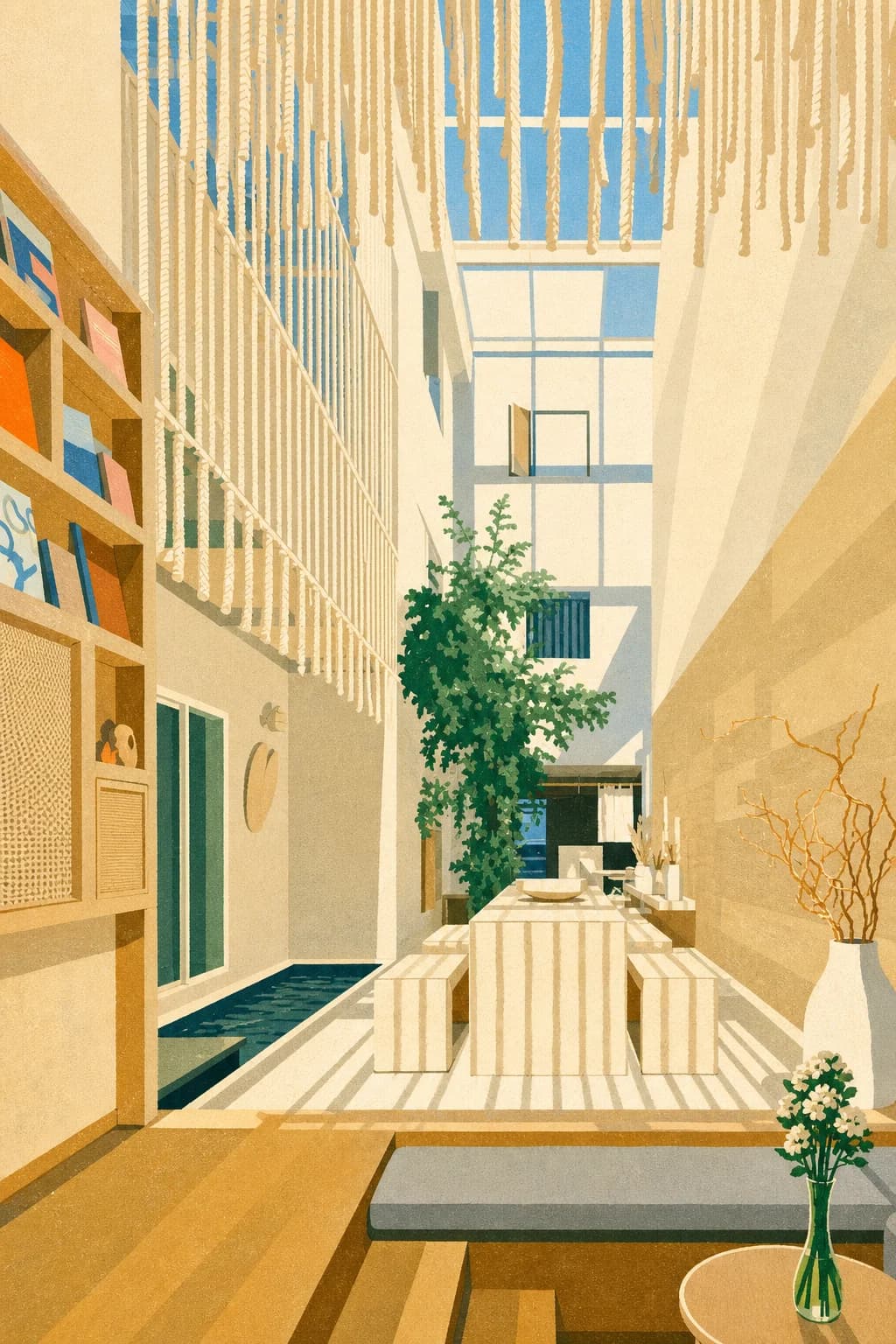
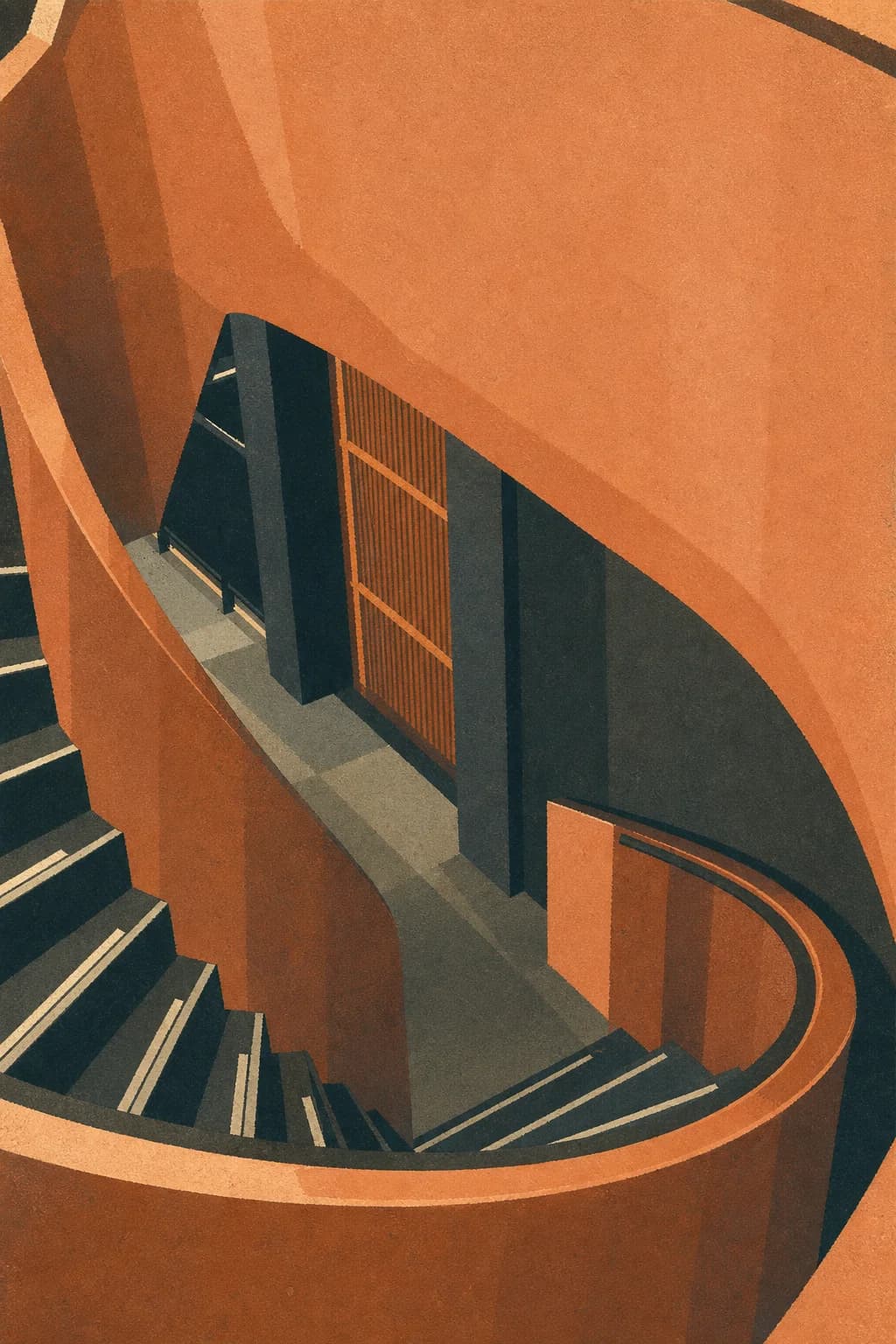
PPAA's design logic here is subtraction. Concrete, timber, plaster and glass, used raw, with a central void in the form of a side patio doing the work decoration would do elsewhere. The street facade sits behind a timber lattice, so daylight lands in stripes across the floors and Amatlán arrives filtered rather than blocked. Design and hospitality press covered it as a building version of the label.
Condesa does the catering
There is no restaurant, and in this neighbourhood that reads as a perk. Breakfast happens in the gravel courtyard: conchas, croissants, brie, seasonal fruit, Nespresso. Everything else is a walk. Parque México is minutes away, Avenida Ámsterdam still loops the shape of the old racetrack, and the taquerías, natural wine bars and coffee roasters of Condesa and Roma start at the corner.
A rooftop worth staying in
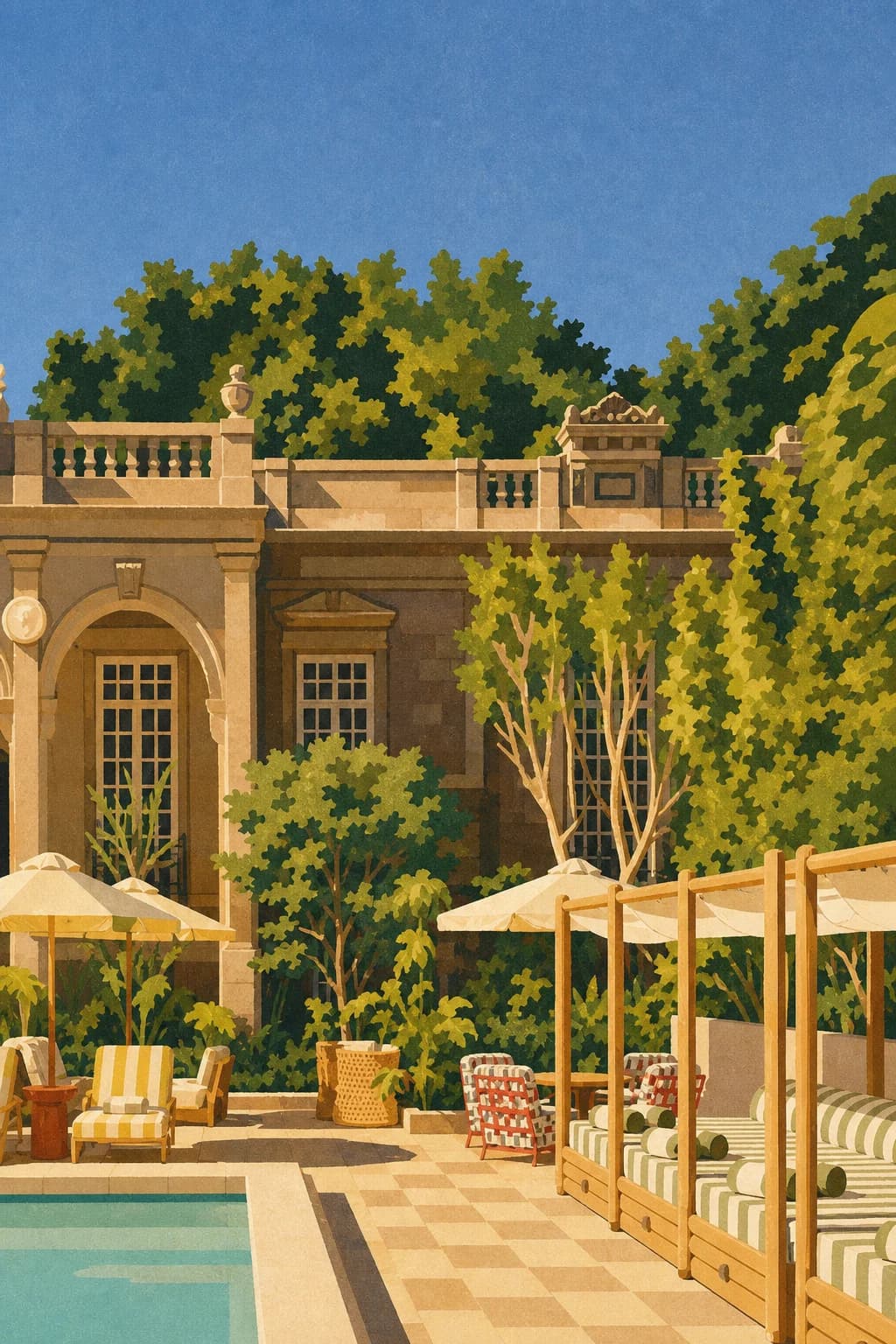
The roof is guest-only and it is where the hotel earns its keep: a terrace over Condesa's jacaranda canopy and water tanks, reached by an internal staircase, planted enough that you forget the traffic underneath. Mexican wine from the Baja California hills gets poured up there. Downstairs, the lobby switches to candlelight after dark, with mezcal, tequila and bottles you can buy outright.
talk.
mapped.
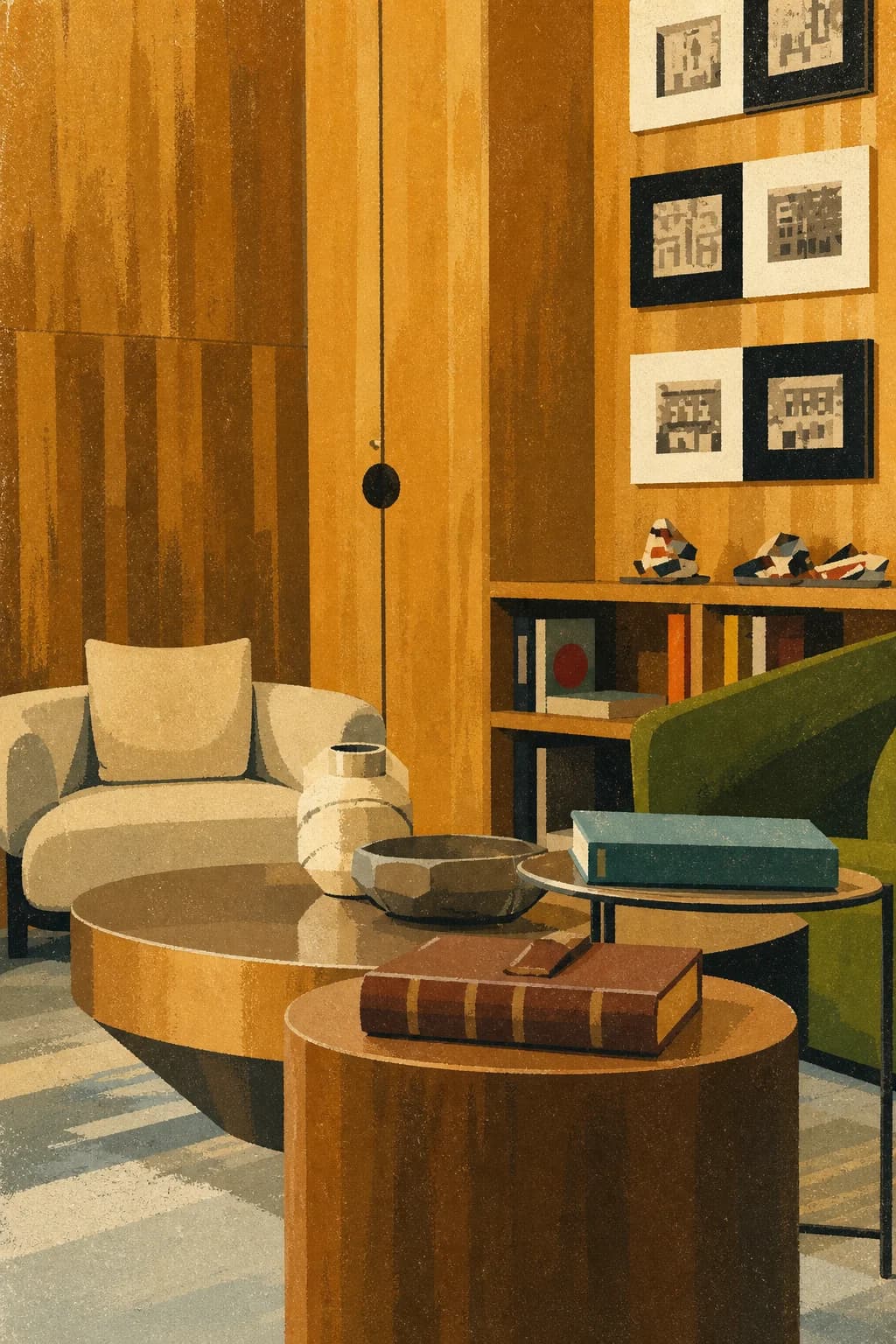
“A cohesive palette of muted neutrals are featured throughout Octavia Casa, anchored by refined natural and sustainable materials such as stone, wood, rattan and textiles.”
record.
That is the whole story of why this one gets tight. In 2018 the designer behind the Mexican fashion label Octavia bought a rundown building on Amatlán, tore it down, and rebuilt it as a hotel. PPAA, the studio led by Pablo Pérez Palacios, did the architecture, and the brief was essentially to build the clothes: natural, simple, honest, nothing decorative.
What you get is board-marked concrete, raw plaster, a timber lattice screening the street facade so light arrives in slats, and a gravel side patio the building wraps around. Rooms sit in two blocks, one over the patio, one facing the street. By evening the lobby goes candlelit, with mezcal and Mexican wine. It reads more like a friend's very good house than a hotel, which is precisely the problem when there are six keys and one Condesa.
changed.
Mexico City runs on a two-peak calendar, and understanding why the curve looks the way it does is worth more than any temperature chart. The first peak is spring, roughly March into April, the dry-season stretch when the jacarandas turn the city violet and the skies stay clear. The second is late October into November, when Day of the Dead brings the single biggest travel surge of the year. Those are the weeks the city sells to the world, and they are the weeks the small design houses fill first.
For those peaks, plan far ahead. The Roma and Polanco properties that matter, the handful in the upper tiers, can close out three months before Day of the Dead and the jacaranda weeks, and there is no overflow wing when a hotel has nine or twenty rooms. If your trip is fixed to those dates, book the room before the flights.
The genuinely undervalued window is the summer rainy season, June through August. The rain scares people off, but it arrives as short, predictable afternoon storms that clear by evening, leaving bright mornings for everything you actually came to do. Demand drops to its yearly low, the same rooms that vanish in October sit open, and rates soften across the board. Shoulder travelers who do not need the jacarandas get the best value of the year here.
The rest of the calendar fills in around the peaks. February, May, September, and December run warm with demand: September carries Independence Day on the 16th and its plaza celebrations, and December brings the Guadalupe pilgrimage and Christmas, both of which tighten the center in particular. January sits quiet after the holidays, another soft, workable window.
The one thing Mexico City never does is close. There is no dead season, no shuttered-hotel month; the city works year-round, so the only real decision is how much company you want and how early you are willing to commit. Book the peaks early, take the summer if you can be flexible.
approach.
briefing.
“Harmony rules in the atmosphere, where luxury and simplicity come together, and where all the details were thought out and chosen with great delicacy.”
stands.
demand's going.
The real Instagram following over time, plus where this hotel sits for demand in Mexico City. Pick a range, toggle the lines. Followers are reach and demand, not engagement.
assessment.
File closes at HIGH. Six rooms in the city's most walkable neighbourhood, gettable with about two months of runway. Take it for architecture, quiet and a roof to yourself. Skip it if you need a lift, a pool, or a front desk that solves everything.
The numbers behind the tiers
Octavia Casa · SOURCE READINGS · REDACTED- Availability density · sampled
- Monthly search volume · raw
- TikTok hashtag views · raw
- YouTube total views · raw
- TikTok following · latest sweep
- Pinterest saves · latest sweep
More from Mexico City.

Get the hotel's Unbookable Score.
Any post or reel with a hotel in it. Booking.com hotel pages work too. One free check, no account needed.