Las
Alcobas.
4 critic reviews
filed.
Yes on design and service, with a caveat on scale. You are paying premium Polanco money for a small, beautifully finished hotel with two strong restaurants and staff who notice things, not for facilities. If your idea of a good stay involves a pool deck and a spa day, the value drops fast.
Not really a hidden gem in Mexico City itself, where Polanco regulars have known it for over a decade and treat the restaurants as neighbourhood staples. It is more under-the-radar for foreign travellers, who tend to default to the bigger names along Reforma or the newer places in Roma. That gap is why shoulder-month availability still exists.
angles.
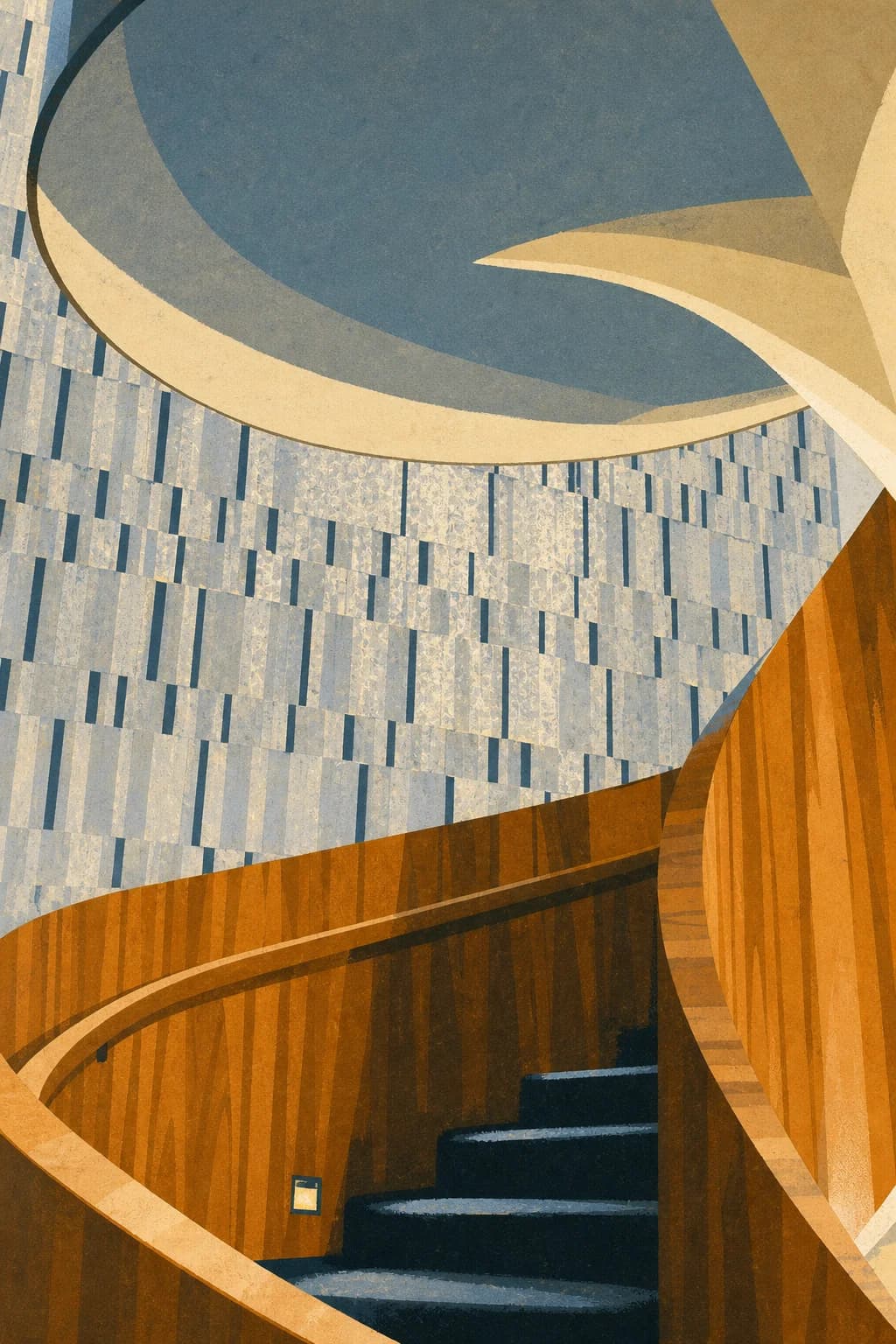
The staircase does the talking
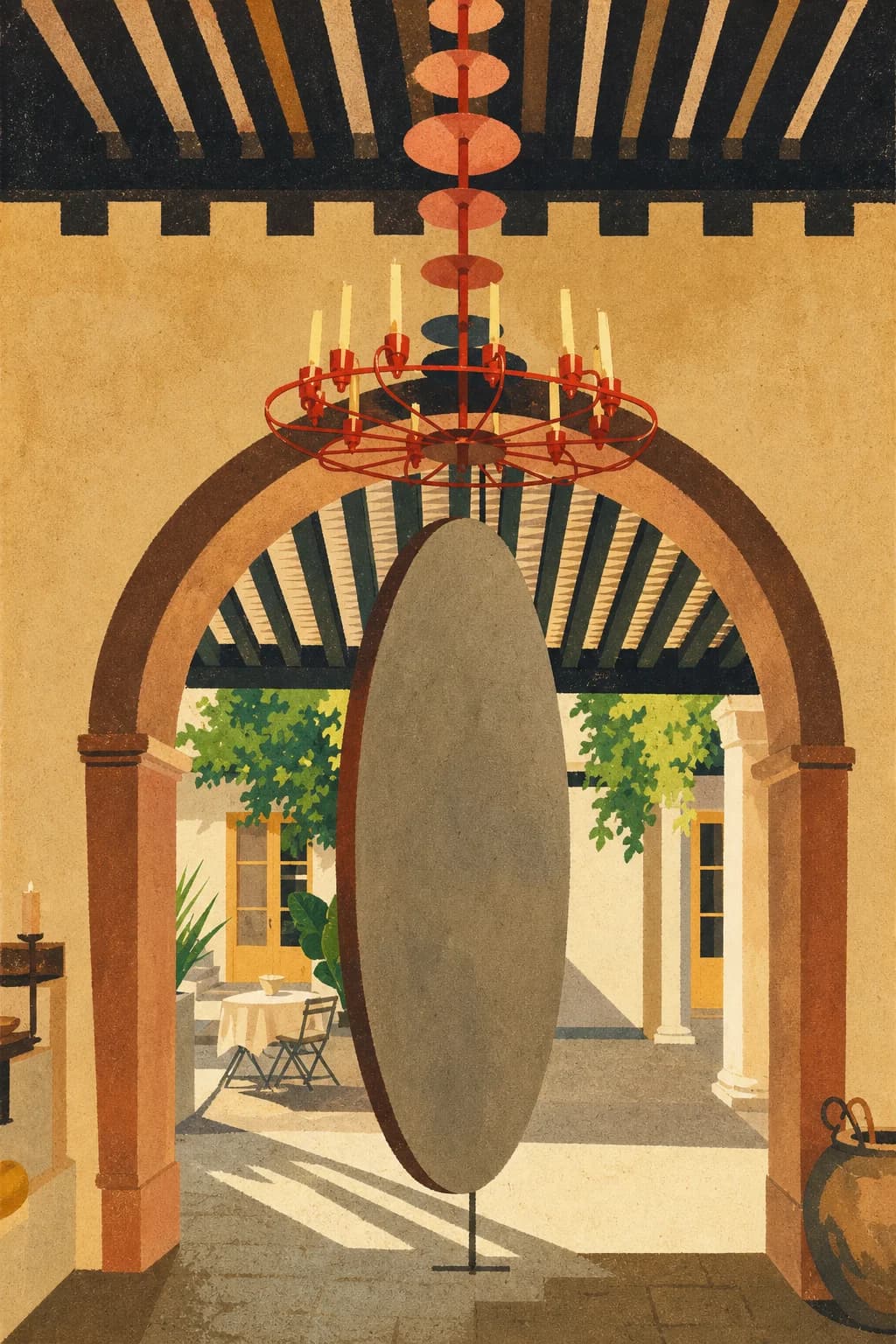
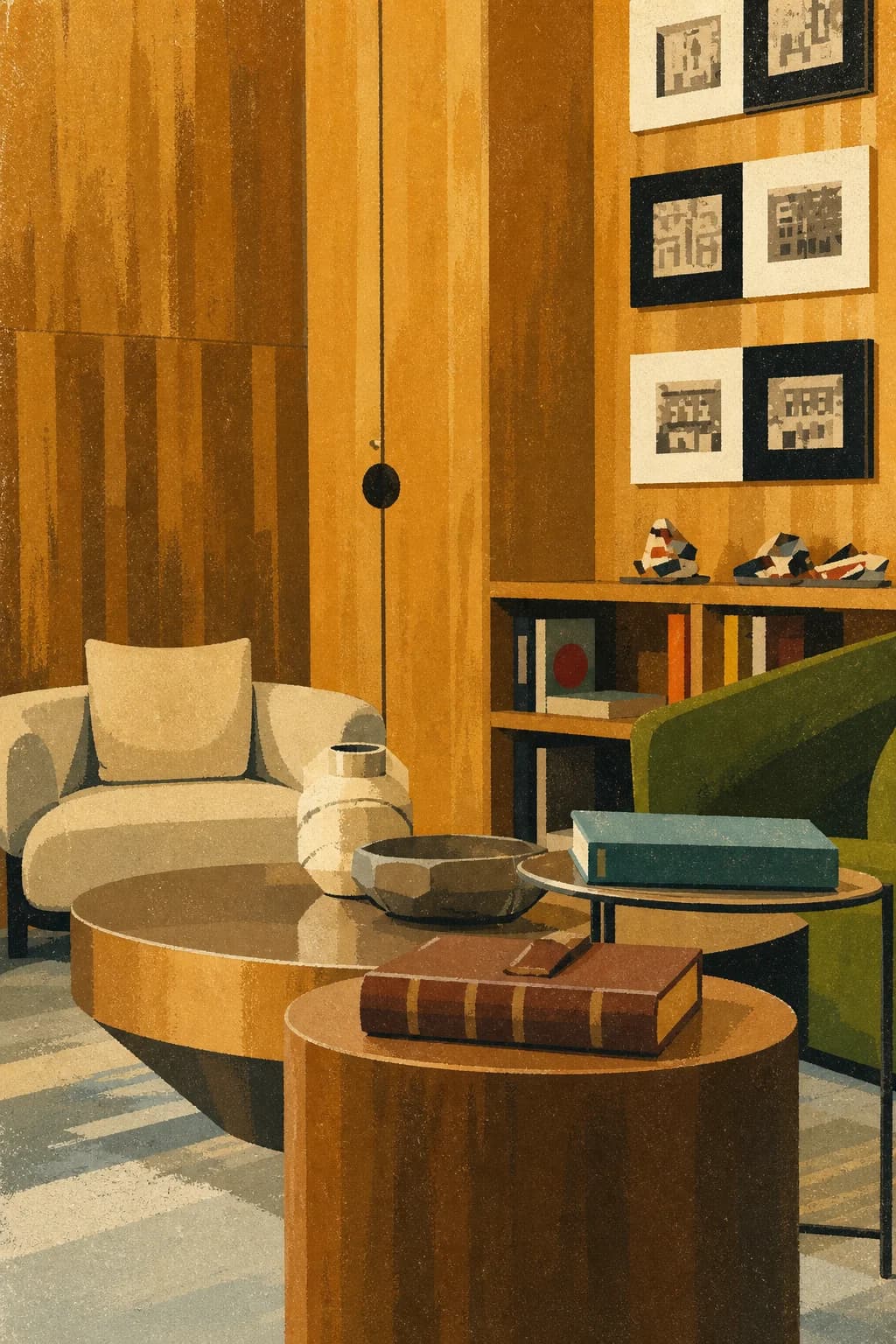
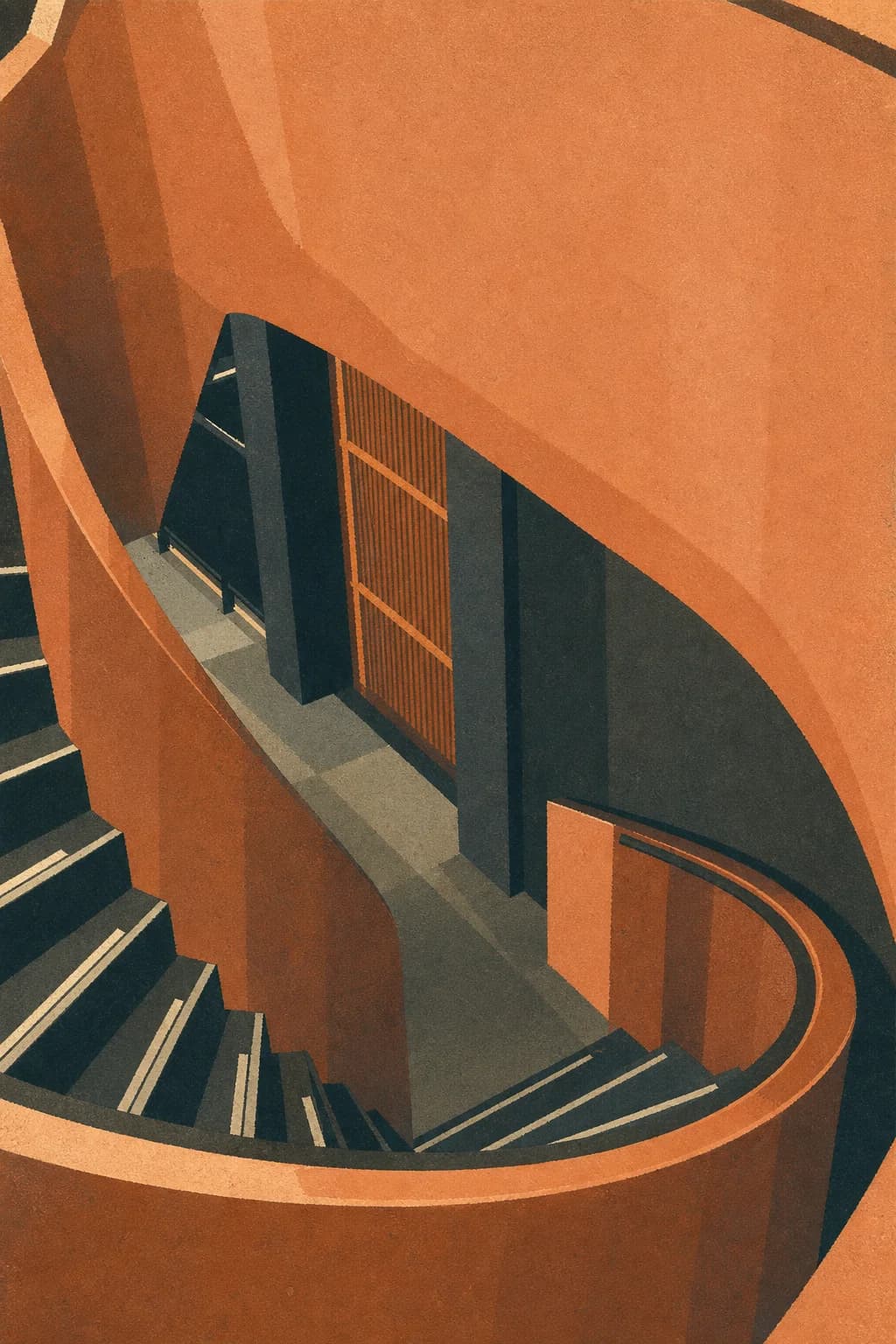
Yabu Pushelberg designed every inch of the interior, and the restraint is the flex. Hand-stitched leather on the walls, dark wood, brushed metal, and a palette that stays in the black-to-grey family until a flash of colour arrives on a plate. Forbes Travel Guide's listing calls the grand spiral staircase the design focal point; in person it sets the tone before you reach reception, sculptural and quietly theatrical.
Two restaurants, two different moods
Anatol handles the polished end: global comfort cooking with Mexican inflections, lobster esquites, roast chicken in a pepperoncini sauce, and a breakfast that locals turn up for without staying upstairs. Dulce Patria goes the other way, cantina energy and colour, plates built on traditional Mexican flavours and cocktails that arrive looking like a party. You can eat in both on the same day and never feel repetitive.
Chapultepec is a walk away
You are on Presidente Masaryk, the shopping street this city compares to Rodeo Drive, with Lincoln Park two blocks off and several of the country's hardest restaurant reservations within ten minutes on foot. Keep walking south and you reach Chapultepec park and the National Anthropology Museum, which deserves a half day of its own. Roma and Condesa are fifteen minutes by car when Polanco starts feeling too pressed.
talk.
mapped.
“In the heart of the leafy and eminently walkable Polanco district, Mexico City's Las Alcobas, a member of Marriott's The Luxury Collection, is a gem of a boutique hotel.”
record.
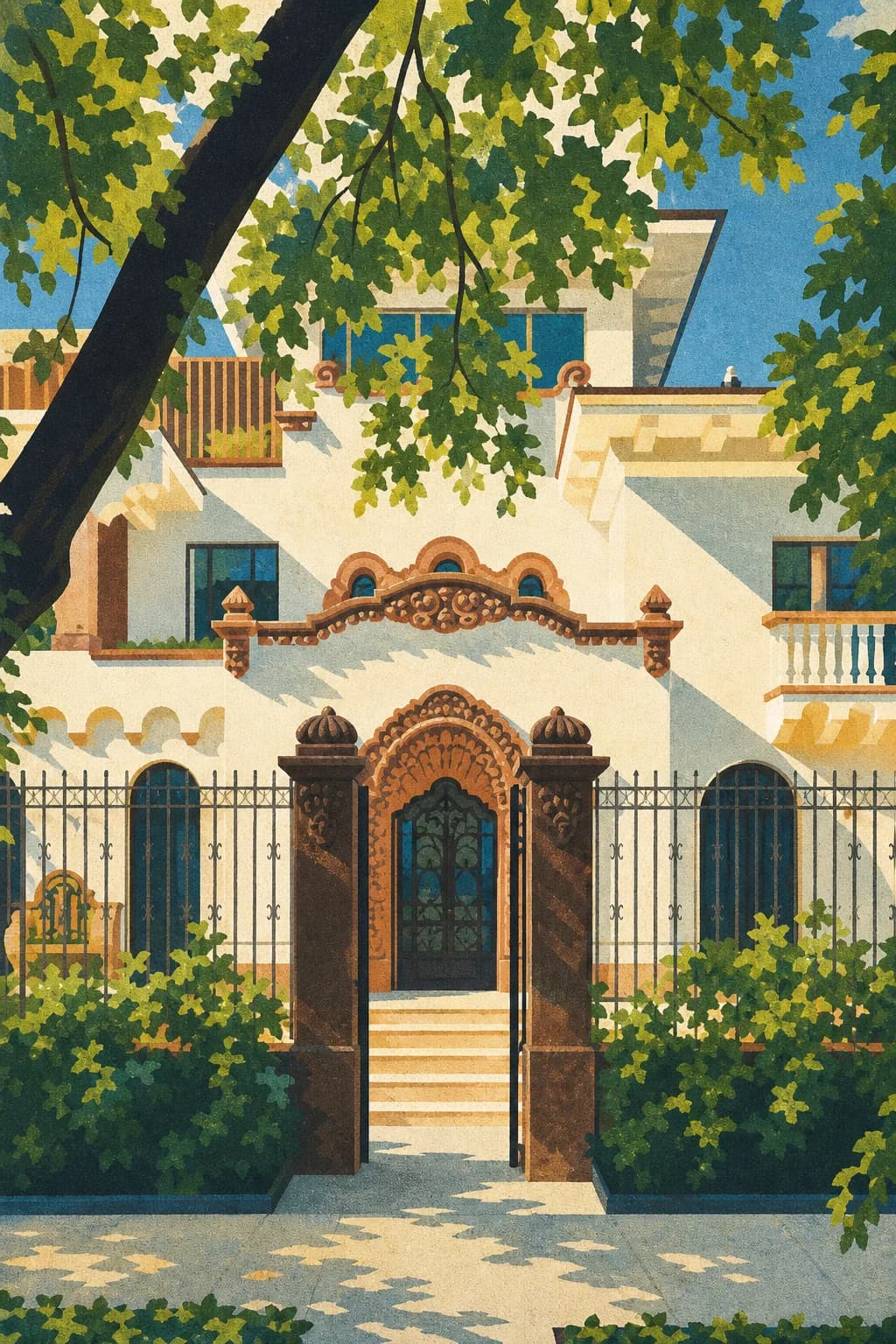
That is the squeeze. Las Alcobas sits on Presidente Masaryk in Polanco, and the entire interior was designed by Yabu Pushelberg, the Toronto and New York firm, which is why it reads like a private house rather than a hotel lobby: hand-stitched leather wall panels, dark wood, a palette of black, white and warm grey.
Forbes Travel Guide's listing singles out the grand spiral staircase as the design focal point, and it earns that: it corkscrews up from the lobby like sculpture nobody thought to rope off. In March 2015 the hotel debuted as a Luxury Collection property, the moment Mexico City became the sixth city in the world with all three of Starwood's luxury brands. The rooms are quiet, low-lit and grown up. With so few of them, the good weeks go early, and Polanco does not have a quiet season so much as a slightly less loud one.
changed.
Mexico City runs on a two-peak calendar, and understanding why the curve looks the way it does is worth more than any temperature chart. The first peak is spring, roughly March into April, the dry-season stretch when the jacarandas turn the city violet and the skies stay clear. The second is late October into November, when Day of the Dead brings the single biggest travel surge of the year. Those are the weeks the city sells to the world, and they are the weeks the small design houses fill first.
For those peaks, plan far ahead. The Roma and Polanco properties that matter, the handful in the upper tiers, can close out three months before Day of the Dead and the jacaranda weeks, and there is no overflow wing when a hotel has nine or twenty rooms. If your trip is fixed to those dates, book the room before the flights.
The genuinely undervalued window is the summer rainy season, June through August. The rain scares people off, but it arrives as short, predictable afternoon storms that clear by evening, leaving bright mornings for everything you actually came to do. Demand drops to its yearly low, the same rooms that vanish in October sit open, and rates soften across the board. Shoulder travelers who do not need the jacarandas get the best value of the year here.
The rest of the calendar fills in around the peaks. February, May, September, and December run warm with demand: September carries Independence Day on the 16th and its plaza celebrations, and December brings the Guadalupe pilgrimage and Christmas, both of which tighten the center in particular. January sits quiet after the holidays, another soft, workable window.
The one thing Mexico City never does is close. There is no dead season, no shuttered-hotel month; the city works year-round, so the only real decision is how much company you want and how early you are willing to commit. Book the peaks early, take the summer if you can be flexible.
approach.
briefing.
“Las Alcobas is a small boutique hotel in the Polanco area of Mexico City. It joined Starwood two and a half years ago and has just 35 rooms (4 suites).”
stands.
demand's going.
The real Instagram following over time, plus where this hotel sits for demand in Mexico City. Pick a range, toggle the lines. Followers are reach and demand, not engagement.
assessment.
File closes at HIGH. Thirty-five rooms in the city's most competitive dining district, so peak weeks go early and shoulder months stay open. Book it if you want design and service over scale. Skip it if you want resort scale or a neighbourhood with rough edges.
The numbers behind the tiers
Las Alcobas · SOURCE READINGS · REDACTED- Availability density · sampled
- Monthly search volume · raw
- TikTok hashtag views · raw
- YouTube total views · raw
- TikTok following · latest sweep
- Pinterest saves · latest sweep
More from Mexico City.
Get the hotel's Unbookable Score.
Any post or reel with a hotel in it. Booking.com hotel pages work too. One free check, no account needed.