Hotel
Geneve.

5 critic reviews
filed.
Worth it if you read hotels as architecture and history rather than as a list of facilities: the public rooms are genuinely extraordinary and cost you nothing extra. If you want a spa, a rooftop pool, and a bed that feels current, this is not that hotel. Judge it by the lobby and the location.
Not exactly a secret. Locals know it, its Instagram following is healthy for a heritage property, and Excélsior featured it in a piece on the capital's hotel history. It is more overlooked than undiscovered: foreign visitors default to Roma, Condesa and Polanco and never think to check Juárez.
angles.
The Lobby Is The Point
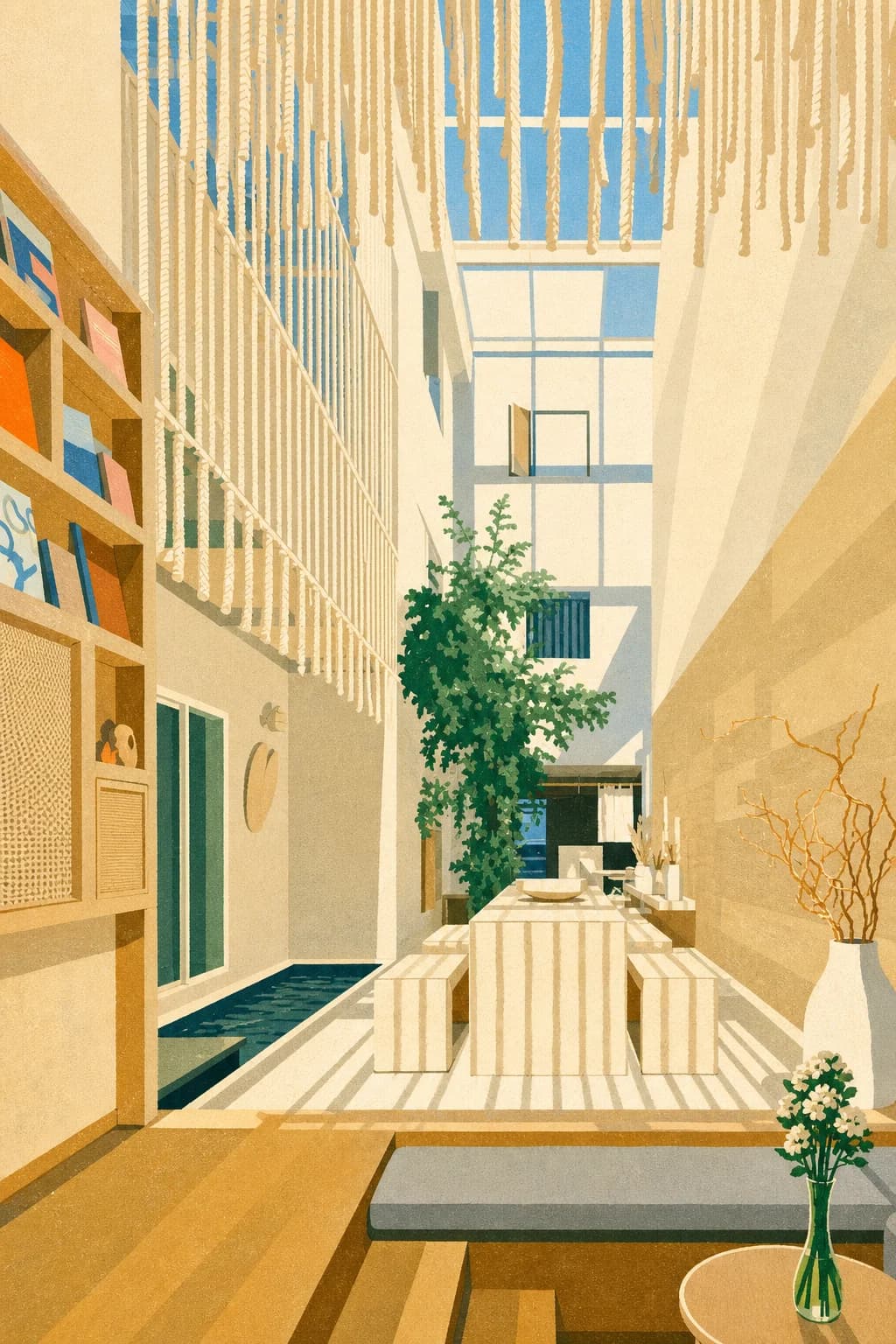
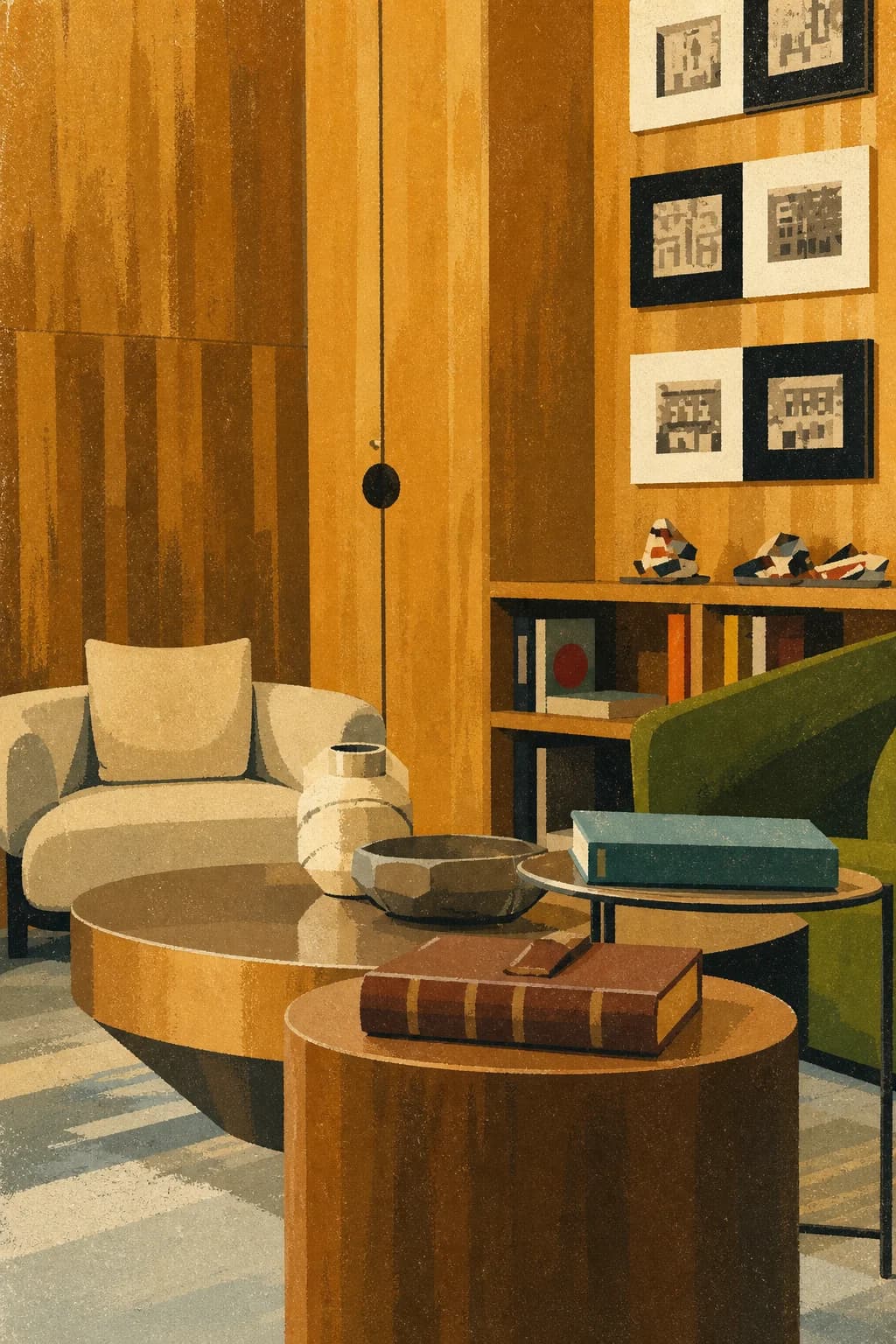
The Jardín Secreto is a covered courtyard the hotel never modernised away: stained glass overhead, heavy carved wood, brass birdcages, clocks that still get wound, and glass cases of antique telephones and typewriters. It works as a museum you can order a drink in. Gore's bones show in the proportions: tall ceilings and long corridors built for a different century of travel.
Modern Hotel Service, 1907 Edition
Travesías reports the Geneve was the first hotel in Mexico to have taxi service and a travel agency. Infobae adds dry cleaning, a hairdresser, and rooms with a telephone and a private bathroom. El Universal calls it the first lodging in Mexico to implement comfort and luxury to attract travellers. All of that is standard now. None of it was then.
Zona Rosa Wakes Up Twice
The Geneve sits on Londres in Colonia Juárez, at the edge of Zona Rosa. Daytime here is Korean: barbecue counters, groceries and cafés around Hamburgo and Florencia. After dark, Amberes turns into a queer nightlife strip that runs late. Reforma and the Ángel are a few blocks north, Roma Norte is a short walk south, and the metro is at the corner.
talk.
mapped.
“It feels partly like a museum on the ground floor, with mementos or trinkets of yesteryear and labyrinthine hallways with hints of faded grandeur.”
record.
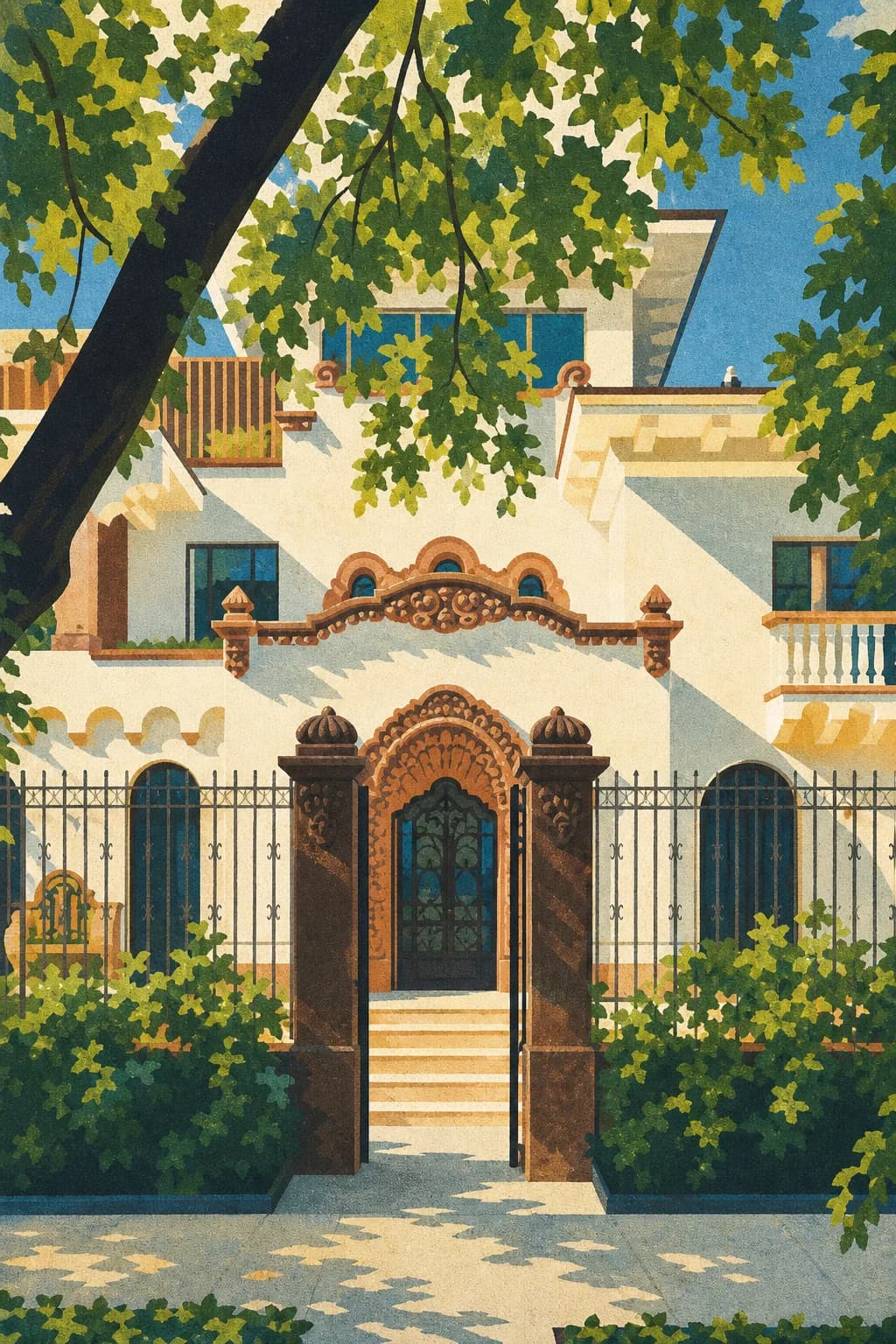
Hotel Geneve was designed by Canadian architect of Irish descent Thomas Sinclair Gore, and it began life as a short-stay apartment building before opening as a luxury hotel in 1907.
Walk in today and you get the Jardín Secreto: a glass-roofed salon of dark wood, brass birdcages, grandfather clocks, oil portraits, and vitrines of century-old telephones and typewriters, with waiters carrying coffee through it all. Rooms are classic rather than fashionable, the corridors are long and quiet, and the whole building runs on habit rather than trend. Excélsior put it in a feature on the capital's hotel history, and it still trades on that memory. Getting a room here is not the hard part. Wanting to leave the lobby is.
changed.
Mexico City runs on a two-peak calendar, and understanding why the curve looks the way it does is worth more than any temperature chart. The first peak is spring, roughly March into April, the dry-season stretch when the jacarandas turn the city violet and the skies stay clear. The second is late October into November, when Day of the Dead brings the single biggest travel surge of the year. Those are the weeks the city sells to the world, and they are the weeks the small design houses fill first.
For those peaks, plan far ahead. The Roma and Polanco properties that matter, the handful in the upper tiers, can close out three months before Day of the Dead and the jacaranda weeks, and there is no overflow wing when a hotel has nine or twenty rooms. If your trip is fixed to those dates, book the room before the flights.
The genuinely undervalued window is the summer rainy season, June through August. The rain scares people off, but it arrives as short, predictable afternoon storms that clear by evening, leaving bright mornings for everything you actually came to do. Demand drops to its yearly low, the same rooms that vanish in October sit open, and rates soften across the board. Shoulder travelers who do not need the jacarandas get the best value of the year here.
The rest of the calendar fills in around the peaks. February, May, September, and December run warm with demand: September carries Independence Day on the 16th and its plaza celebrations, and December brings the Guadalupe pilgrimage and Christmas, both of which tighten the center in particular. January sits quiet after the holidays, another soft, workable window.
The one thing Mexico City never does is close. There is no dead season, no shuttered-hotel month; the city works year-round, so the only real decision is how much company you want and how early you are willing to commit. Book the peaks early, take the summer if you can be flexible.
approach.
briefing.
“Hotel Geneve : Dripping in gold, this institution in Mexico City’s Zona Rosa maintains a belle époque ambience, in the middle of the CDMX action.”
stands.
demand's going.
The real Instagram following over time, plus where this hotel sits for demand in Mexico City. Pick a range, toggle the lines. Followers are reach and demand, not engagement.
assessment.
File closes at MODERATE. A big historic house with a real following and press behind it, and rooms you can generally get. Book it for the lobby, the Juárez location and the century of stories. Skip it if you need contemporary rooms and a rooftop pool.
The numbers behind the tiers
Hotel Geneve · SOURCE READINGS · REDACTED- Availability density · sampled
- Monthly search volume · raw
- TikTok hashtag views · raw
- YouTube total views · raw
- TikTok following · latest sweep
- Pinterest saves · latest sweep
More from Mexico City.
Get the hotel's Unbookable Score.
Any post or reel with a hotel in it. Booking.com hotel pages work too. One free check, no account needed.