Hotel
Habita.

2 critic reviews
filed.
The rooftop deserves its reputation, and the building still looks sharper than hotels half its age. The rooms are the compromise: beautifully resolved, but tight and short on places to put things. Go in wanting the terrace and the location, not a suite experience.
Not really hidden: Polanco regulars and design-minded travellers have known this address for years, and the terrace pulls in locals who are not staying. What stays under-appreciated is the daytime version, a quiet pool deck with the city spread out and almost nobody on it.
angles.
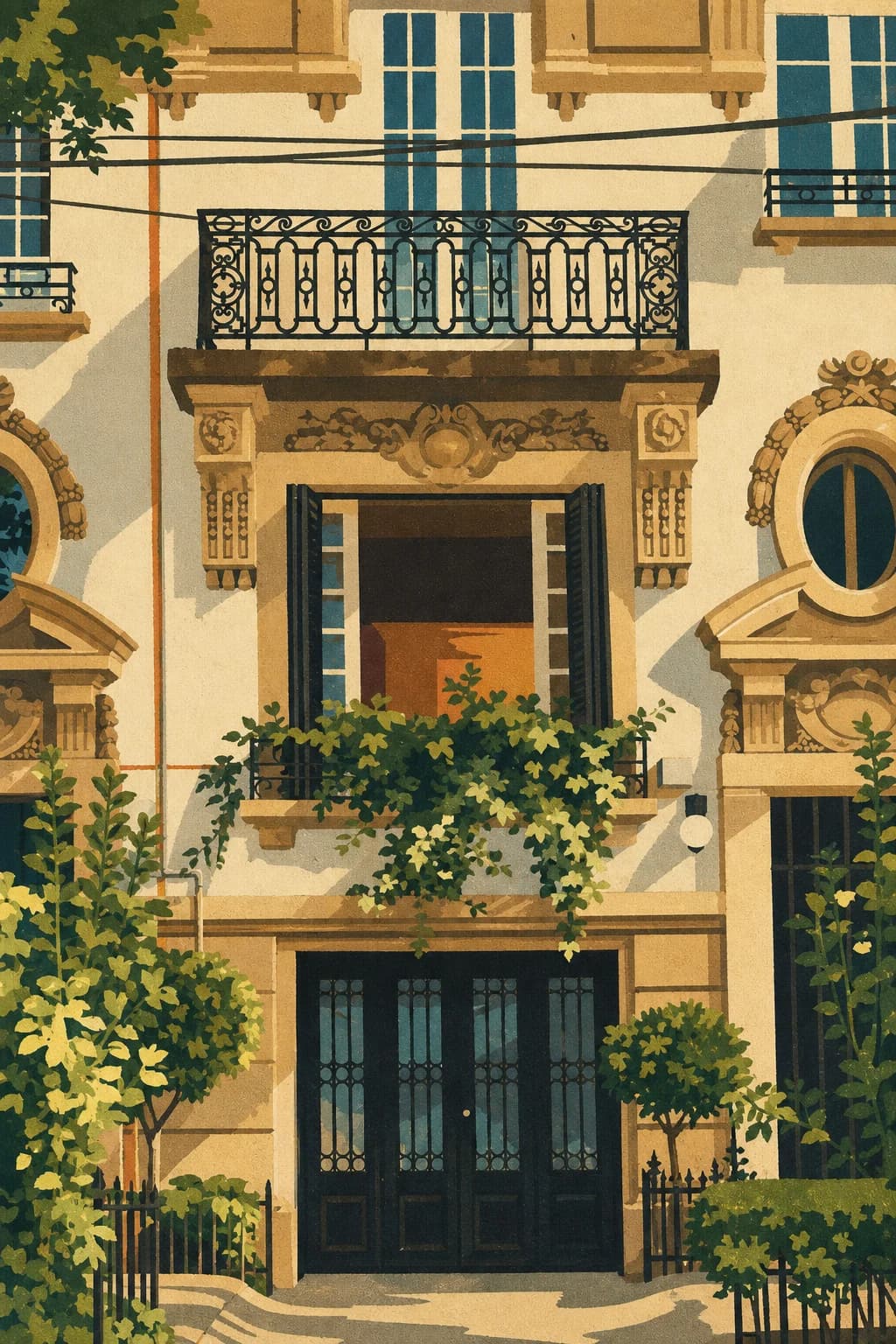
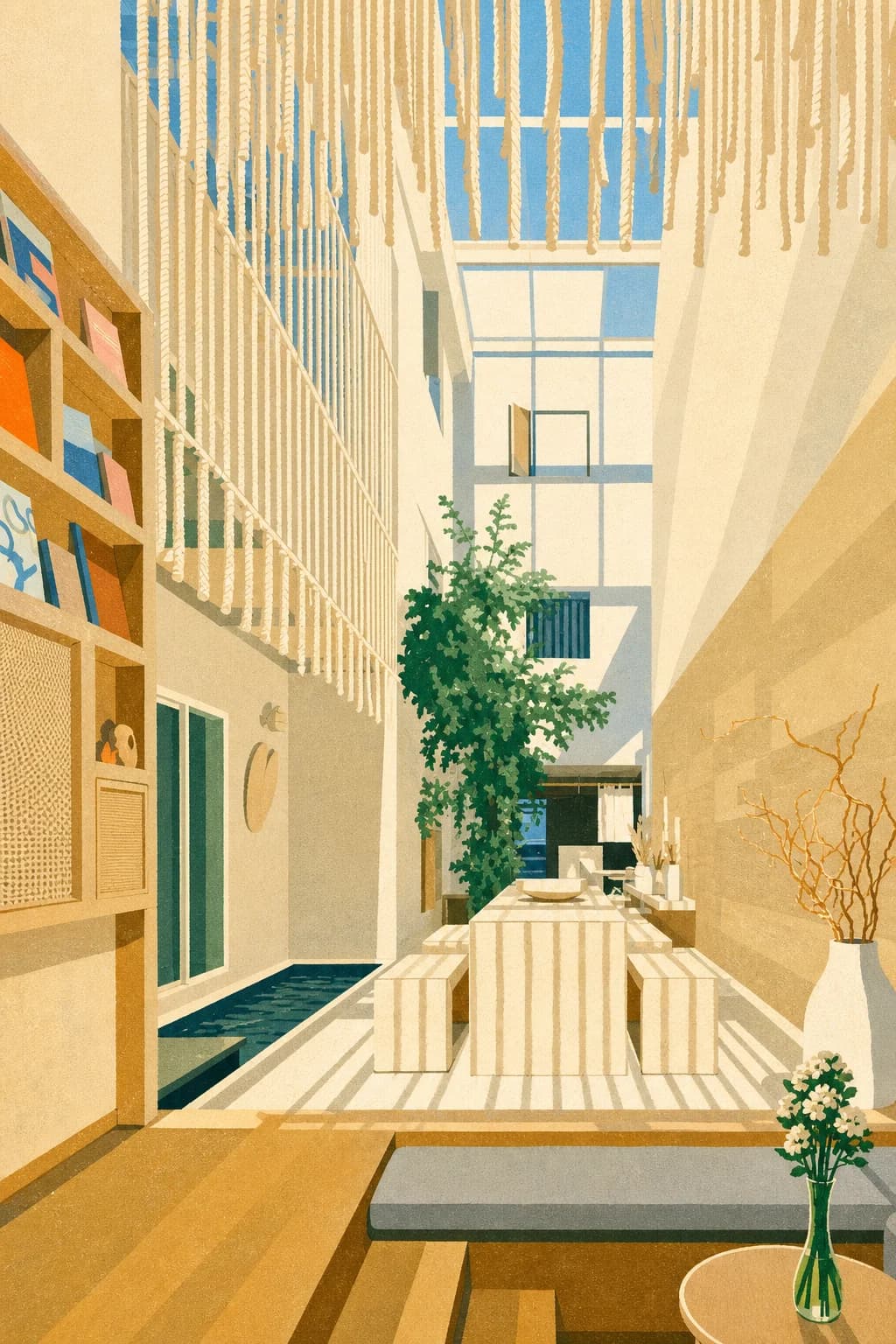
The facade is the amenity
The glass skin is not decoration, it is the whole idea. Panels of frosted and clear glazing wrap the building, so daylight arrives diffused and you get the odd sensation of being visible and completely private at once. Rooms follow the same logic: a bed, a couple of low chairs, a sheet of glass for a desk, and every other function hidden behind wall panels.
The roof runs the hotel
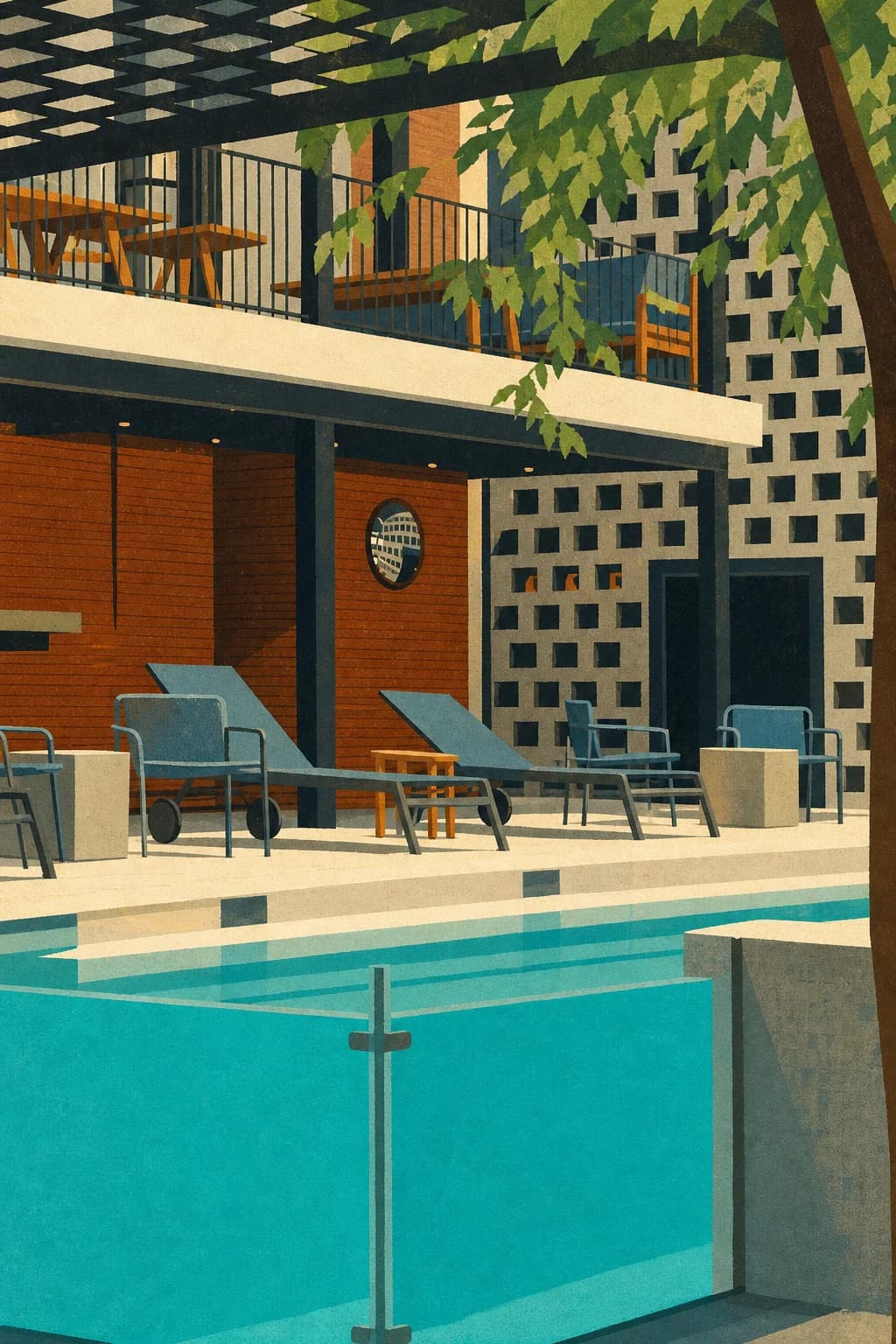
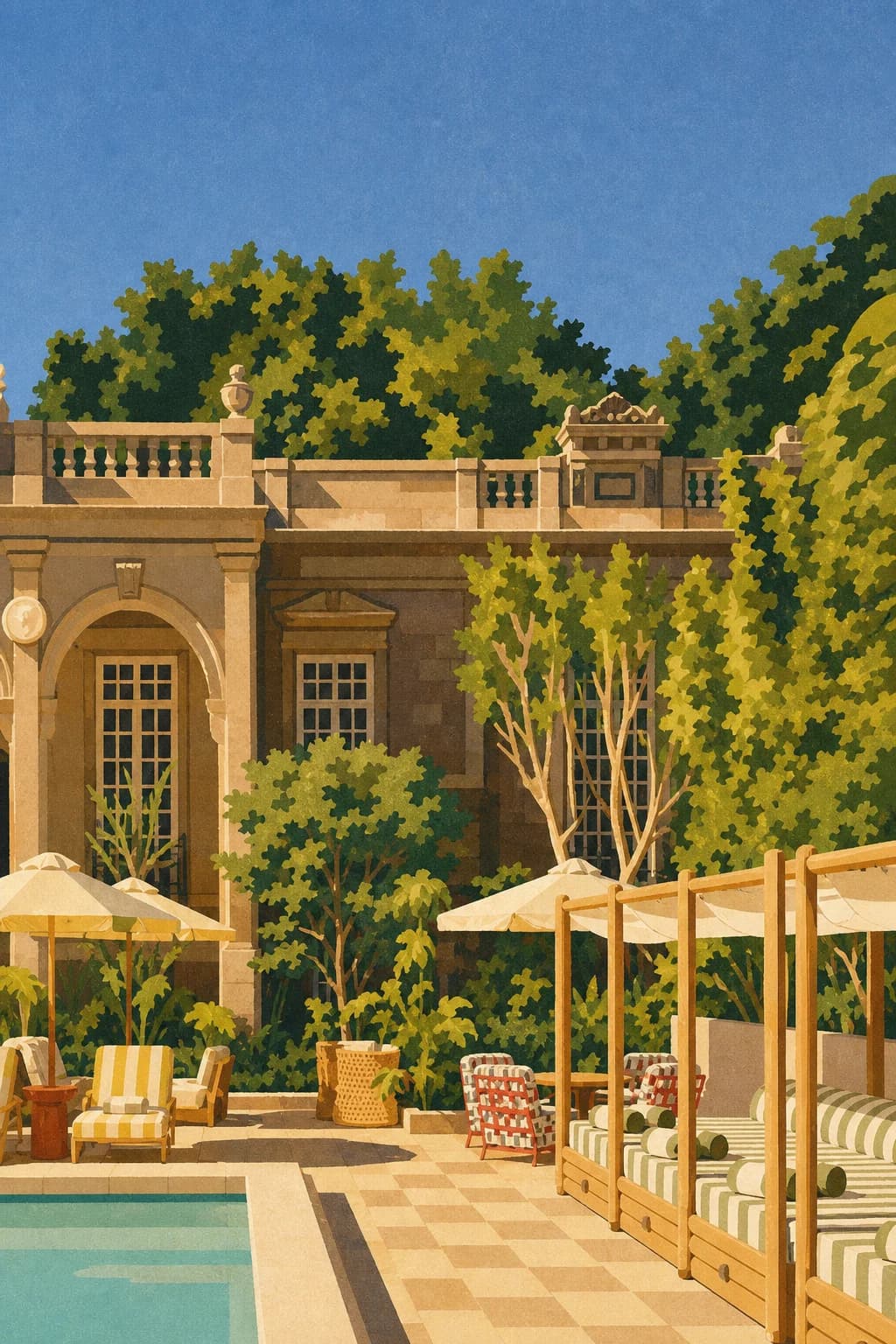
Área, the terrace on the sixth floor, is the reason locals come to a hotel they are not sleeping in. A shallow lap pool, a fireplace long enough to seat a dinner party along it, deep white sofas, and a DJ who keeps going past midnight at weekends. Silent films flicker on the wall of the building next door. Guests walk in without queueing, which is worth more than it sounds.
Dinner is a walk away
Masaryk is Polanco's shopping spine, but the useful thing is what sits behind it. Some of the city's most talked-about kitchens, Pujol and Quintonil among them, are within a short walk or a five-minute car ride, and so are the cochinita pibil taco counters that locals actually queue for. Parque Lincoln is two blocks away, and Chapultepec with the anthropology museum starts near the end of the avenue.
talk.
mapped.
“The staff is accommodating and will help guests with everything from transportation recommendations to securing reservations at top nearby restaurants, such as Biko, Pujol, and Quintonil.”
record.
From the street it reads as a glass box set down on Avenida Presidente Masaryk, a skin of frosted and clear panels that turns the whole facade into a lantern after dark and hides the rooms behind it. Inside, the vocabulary is restraint: white walls, polished concrete, a cantilevered plane of glass instead of a desk, storage folded away behind panelling, and just 36 rooms, so the corridors never feel like hotel corridors.
The sixth floor is where the building earns its reputation: a small lap pool, a long outdoor fireplace, low white sofas, heaters for when the high-altitude evening turns cold, and silent films thrown onto the neighbouring wall. It is a Polanco living room that happens to have bedrooms underneath it. Peak weeks fill early, and everything else rewards a little planning.
changed.
Mexico City runs on a two-peak calendar, and understanding why the curve looks the way it does is worth more than any temperature chart. The first peak is spring, roughly March into April, the dry-season stretch when the jacarandas turn the city violet and the skies stay clear. The second is late October into November, when Day of the Dead brings the single biggest travel surge of the year. Those are the weeks the city sells to the world, and they are the weeks the small design houses fill first.
For those peaks, plan far ahead. The Roma and Polanco properties that matter, the handful in the upper tiers, can close out three months before Day of the Dead and the jacaranda weeks, and there is no overflow wing when a hotel has nine or twenty rooms. If your trip is fixed to those dates, book the room before the flights.
The genuinely undervalued window is the summer rainy season, June through August. The rain scares people off, but it arrives as short, predictable afternoon storms that clear by evening, leaving bright mornings for everything you actually came to do. Demand drops to its yearly low, the same rooms that vanish in October sit open, and rates soften across the board. Shoulder travelers who do not need the jacarandas get the best value of the year here.
The rest of the calendar fills in around the peaks. February, May, September, and December run warm with demand: September carries Independence Day on the 16th and its plaza celebrations, and December brings the Guadalupe pilgrimage and Christmas, both of which tighten the center in particular. January sits quiet after the holidays, another soft, workable window.
The one thing Mexico City never does is close. There is no dead season, no shuttered-hotel month; the city works year-round, so the only real decision is how much company you want and how early you are willing to commit. Book the peaks early, take the summer if you can be flexible.
approach.
briefing.
stands.
demand's going.
The real Instagram following over time, plus where this hotel sits for demand in Mexico City. Pick a range, toggle the lines. Followers are reach and demand, not engagement.
assessment.
File closes at MODERATE. Habita is bookable if you plan like an adult: six to eight weeks most of the year, longer for the late-October run. Book it for the terrace, the glass and the Polanco address. Skip it if you need silence, space or a bathtub.
The numbers behind the tiers
Hotel Habita · SOURCE READINGS · REDACTED- Availability density · sampled
- Monthly search volume · raw
- TikTok hashtag views · raw
- YouTube total views · raw
- TikTok following · latest sweep
- Pinterest saves · latest sweep
More from Mexico City.

Get the hotel's Unbookable Score.
Any post or reel with a hotel in it. Booking.com hotel pages work too. One free check, no account needed.